
Off beat lighting applications
Perth 10th May 2013
One whole week without travelling! I could get used to it…
I keep being fascinated by a potential project that involves deep level submarine type lighting. Off-beat lighting applications have always had my interest as it keeps your mind alert and sharp while your daily run of the mill projects at times may lull you into a false routine pattern. A few years ago we did a two year study and research into the effects of intrusive lighting on the natural habitat of protected turtles and turtle breeding, The extensive study which involved several trips during various seasons to the proposed site of the development (a remote island in the pacific) included many experts and actual lighting tests to see how turtle seedlings were reacting to different types and intensities of lighting. It culminated in a report (of which our lighting research was just a one of the chapters) outlining the overall environmental impact of the proposed development. It was an extremely educational process for us and helped understand far better the intrinsic qualities of lighting…
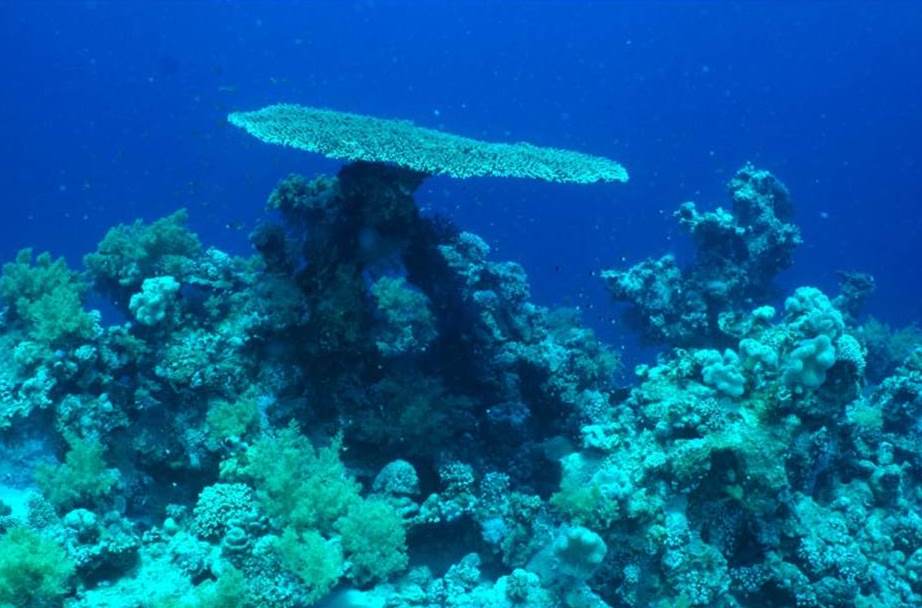
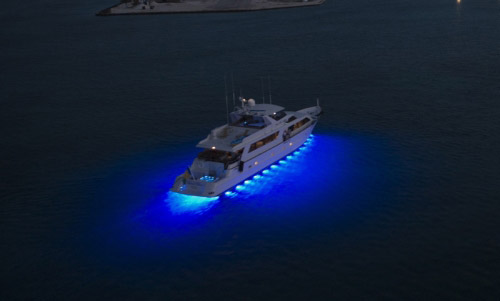
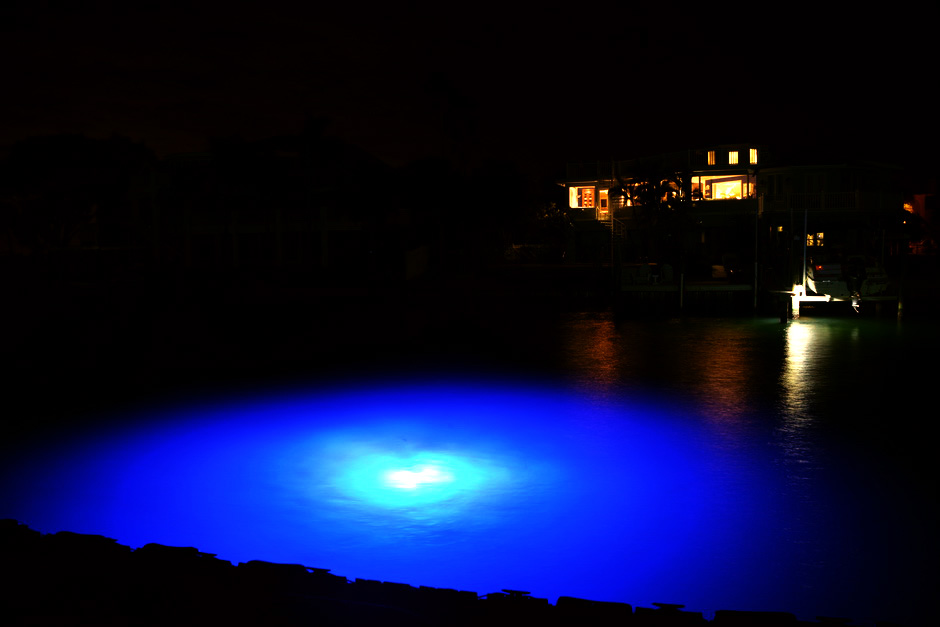
Lighting characteristics underwater are also very interesting. Light travels differently in water then in air. First light is reflected, refracted by water. Light only partly penetrates into (clear) water and as it travels deeper it quickly loses its intensity as well. From oceanic research it appears that bright day light can reach only to about 200m deep after which you find yourself in the deep ocean darkness… The lighting intensity decreases very rapidly over distance. At 40-50m deep the lighting intensity is already reduced to about 25% of its original intensity! Not only that the light colours are absorbed along the way as well. Of the spectrum red is the first colour to go (within the first few meters already) followed by orange, yellow and green. Not surprisingly blue holds out the longest, hence that deep sea pictures that still have daylight appear greenish/ bluish… Artificially reproducing daylight at deeper water levels is therefore quite a challenge…
Light Watch 4-82: Here are some deep sea pictures to give you a feel of it…have a great weekend!




Light Talk malware attack
Perth 9th May 2013
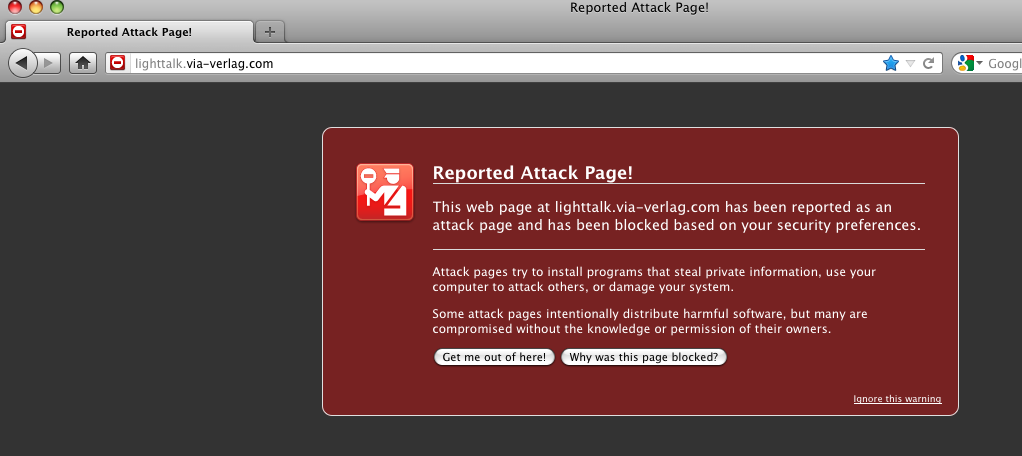
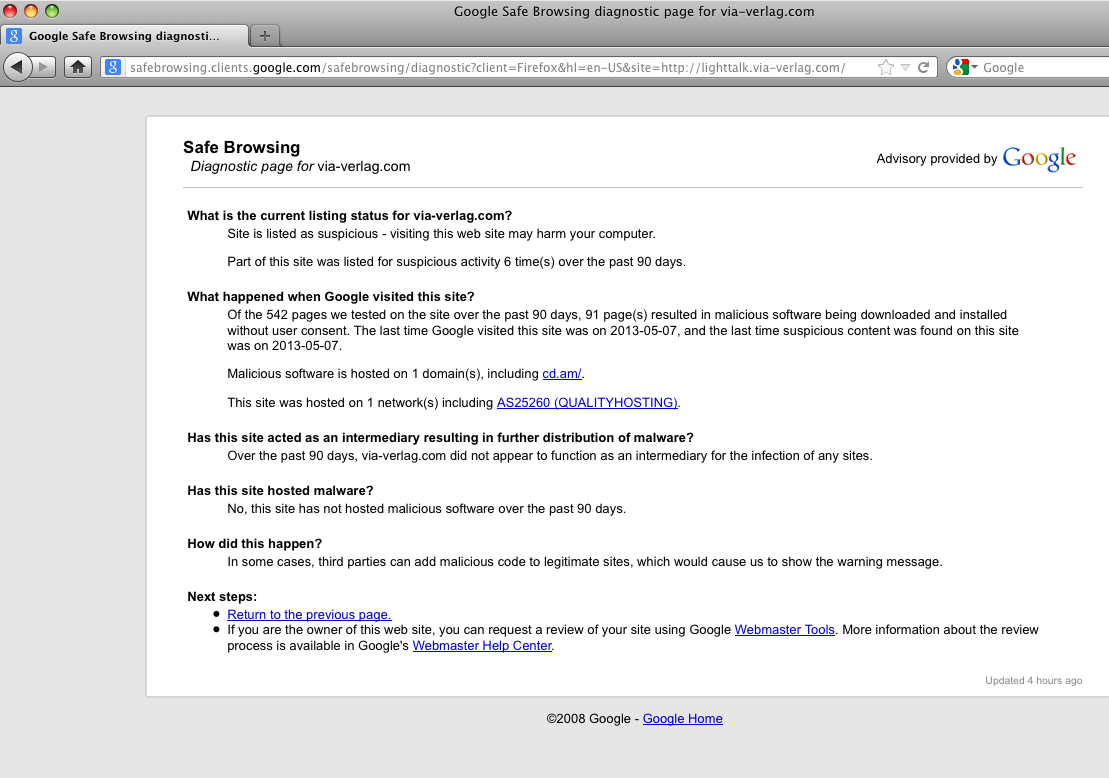
Over the last few days many of my blog readers have reported that the host site for the blog is being blocked and reported as an “malware attack” page. I have checked with Via-Verlag who indeed are experiencing this on their website as well. An IT expert is currently looking into it and hopefully we will be able to resolve this soon. Thanks for reporting back! I hadn’t really noticed because I have direct log in to the site to upload my blogs.
In this day and age it had to happen sooner or later. It is a sad thing that we have to endure these things nowadays and many practices are at risk of hacking and cyber theft. It is slowly taking over our lives, terrorism; cyber-attacks, who in his right mind does these kind of things? It must be seriously troubled minds…But the reality is that we need to now built in time and provisions to protect ourselves against it. It may come to a point where we will need to add cyber system surcharge to our fees! 🙂
I will continue to upload my blogs as long as the system lets me, for those who cannot access the blog, please be patient, it should be resolved soon…
Light Watch 4-81: The malware attack report as you may get on your screen
Wild weather
Perth 8th May 2013
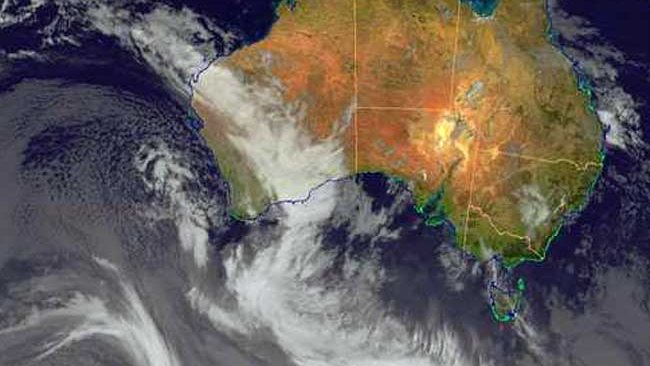
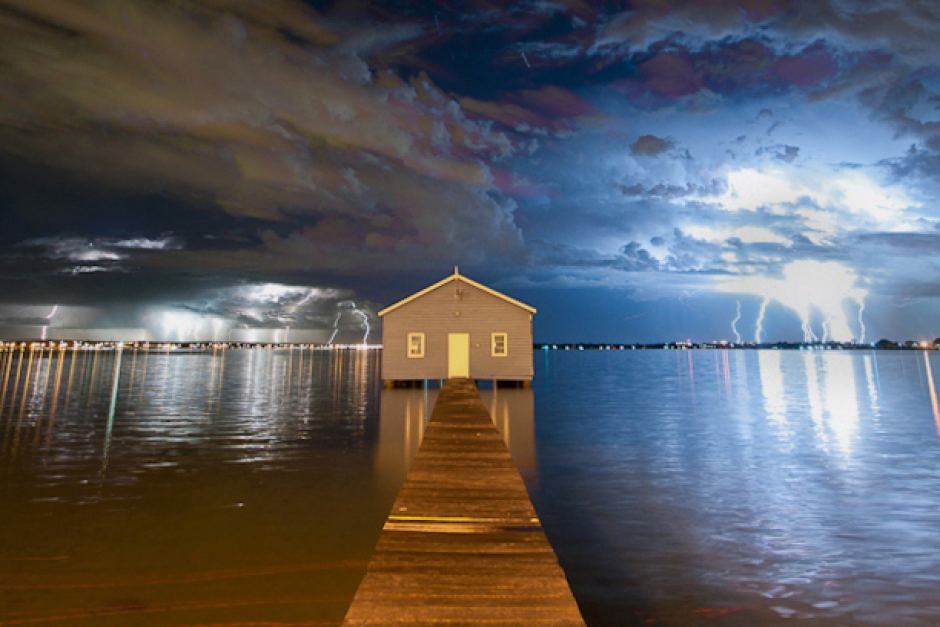
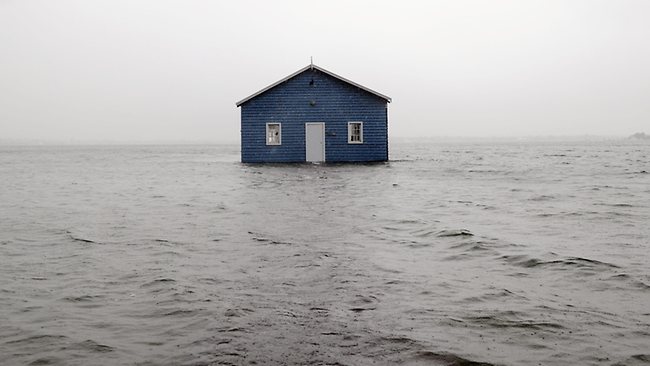
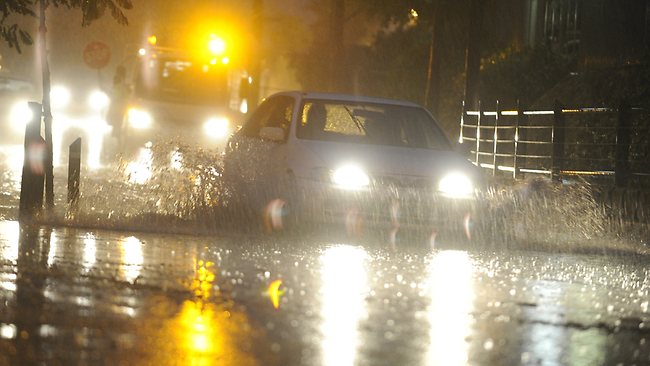
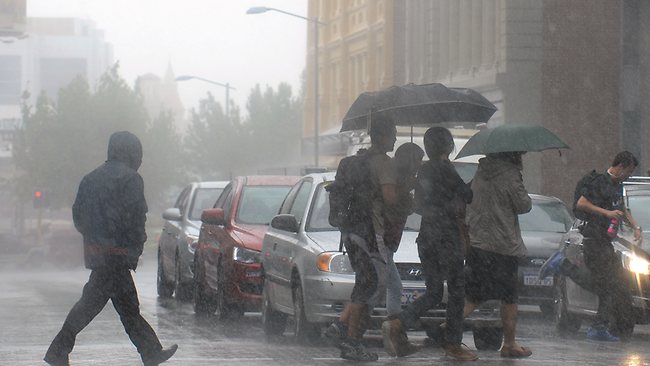
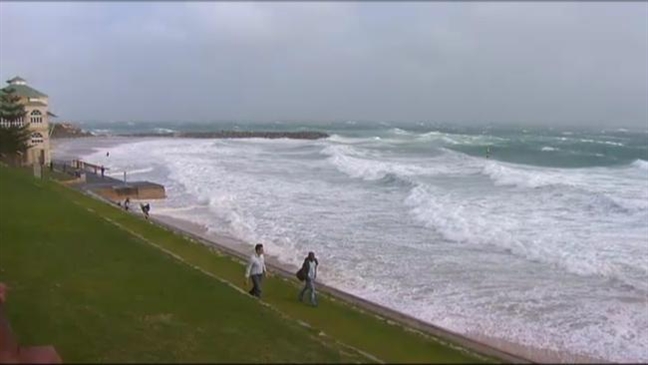
As I write my blog, autumn as seriously begun in Perth. After a long hot summer wild weather has arrived. Driving winds and rain, heavy storms predicted overnight, possibly with hail. I have out of precaution put my car inside the garage…a few years back heavy hail with hail as big as stones, damaged a fortune of cars around the city…better safe than sorry. It is a nice contrast with Singapore with its “boring” climate” of always the same weather. I even put a sweater on for a change! It may seem strange but the change of climate invigorates me every time. I love seasons and hence if you stay permanently in Singapore, it sort of gets to you. I am fortunate that I can alternate my working environments and believe it or not (despite the travel) the change of environment energises me, the cold mornings, a bit of rain and wind. It stimulates my creativity…
While today has mostly been an administrative day (correspondence, reports and accounts) I plan to dive into creative work tomorrow with more rainy, stormy weather predicted…I don’t think we often stand still as whether our designs can stand the test of wild weather. Generally common sense dictate how to integrate our lighting properly and safely, but lighting installations that are really exposed to the weather elements like outdoor sports installations, street lights, traffic lights, beach front lighting, advertisement lighting and so on can get a serious hit. It is not for nothing that professional lighting manufacturers provide wind loading data of their outdoor light fixtures. I have done a few sports installation in which the wind load criteria and wind surface of a floodlight were critical in approving tender submissions. Any design has to consider extreme situations, it is part of our due diligence as a designer. While it may not happen in 99% of the time, it is exactly for that 1% that our design has to be properly specified. Often value engineering means removing that extra safety and quality level that covers for that 1% extreme situation, argument being that it will probably never happen. As a designer we have a professional duty to make sure the client understands that decision and takes full responsibility for it…
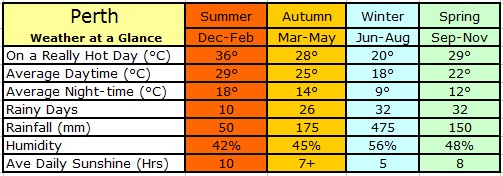
Light Watch 4-80: Weather in Perth is generally really nice (see the weather chart) with average sunshine per day about 10 hours in the summer! About 8 hours average a day throughout the year!
Underwater lighting
Perth 7th May 2013
One of the trickiest applications in lighting design has to be to design for underwater. Not only is water a medium that reacts differently than air, it also has a host of other challenges not encountered in your average exterior lighting applications. I am triggered too write about this subject on the back of a client enquiry asking us to put a fee proposal together to light up an underwater themed environment. While I am confident I know how to approach and conceptualise the lighting I am faced with many challenges. Firs to represent “daylight” at greater depths requires an understanding of how light breaks when it travels through water and understanding how lights fades over distances. Obviously the deeper you get the lesser the lighting penetration and the lesser the brightness.
Water acts as a lens and refracts light in different ways and directions depending on its movement. It also has a tendency to magnify so all that will need to be considered in the design approach. Simulating the various stages of daylight (sunrise, midday, sunset) will need an understanding of the geographical location in relation to seasons, sun positions and colour of the light. Because the sun/daylight is so uniform and far away we practically have to conceive one big parallel beam if we wish to reproduce a sun ray into the water. That is just for reproducing daylight underwater…
In this particular case the underwater themed environment structure has been designed with various pockets and caves not really allowing daylight simulation from outside which means we will have to come up with a strategy of introducing lighting at deeper underwater levels as if there is daylight…the additional challenge here will be installation and maintenance. I am not worried about lighting qualities and controls. Maintaining light fittings underwater is a different ball game. Lights will have to be changed and maintained under water without having to pull out the lights. There is possibly an option to have the lights accessible from outside by creating little niches with a glass window, meaning the lights are actually “dry”, but that will need further investigation.
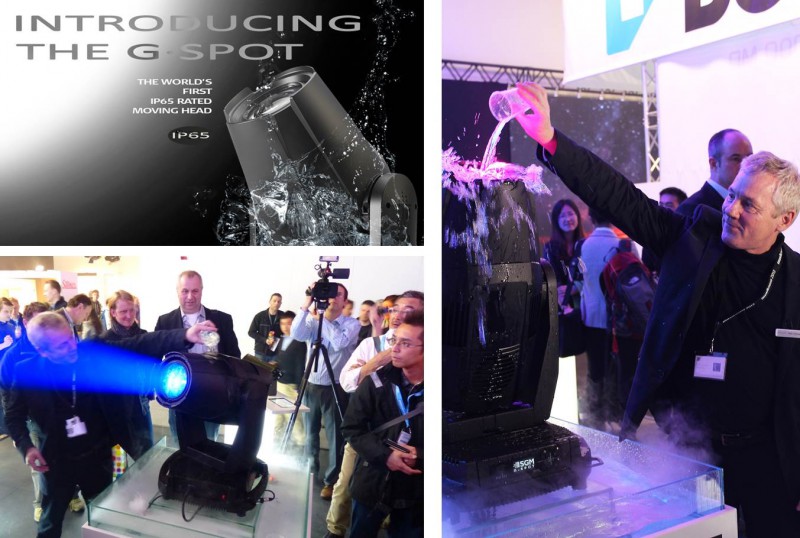
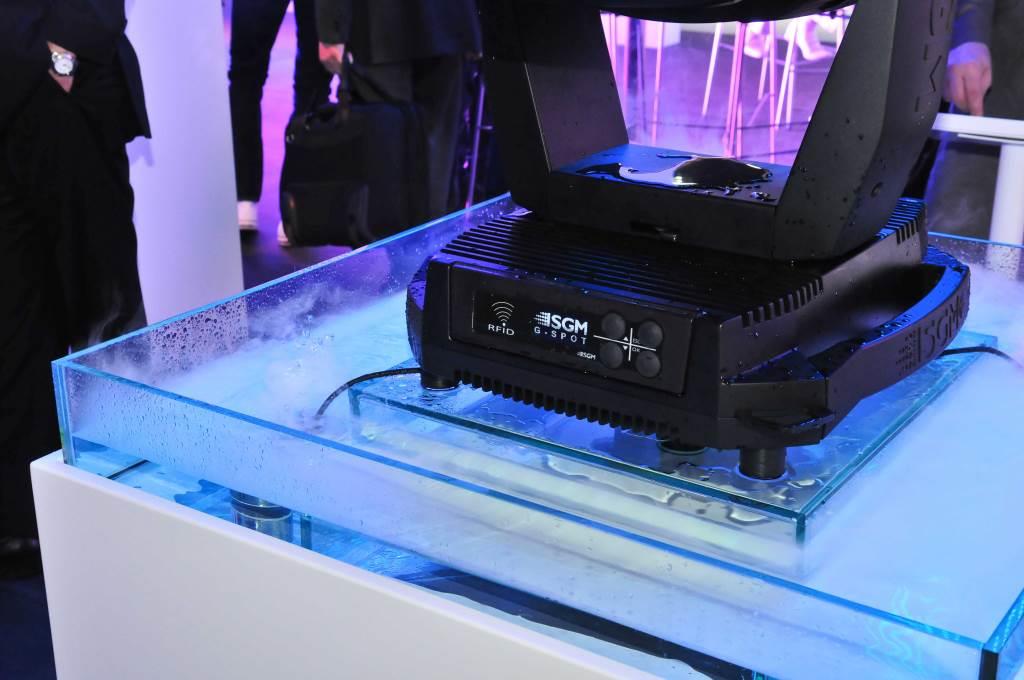
Light Watch 4-79: As it happens SGM has just launched the worlds’ first (as they claim) outdoor (IP65) intelligent light, the G-Spot. Not submergible, but still quite a feat I would think considering all the moveable parts, bells and ringers that the fitting has. See https://www.youtube.com/watch?feature=player_detailpage&v=bJW_K9iqYqE
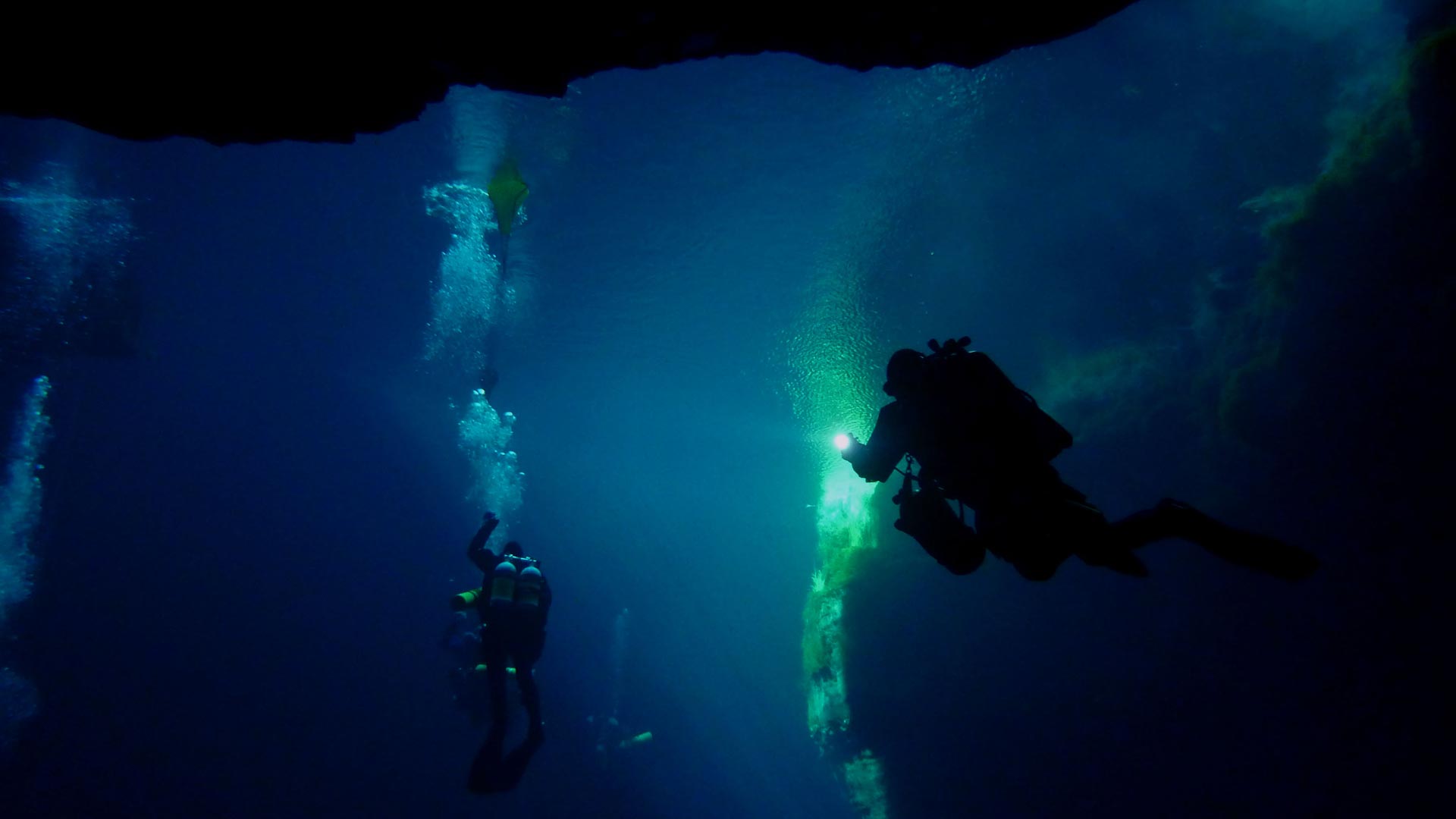
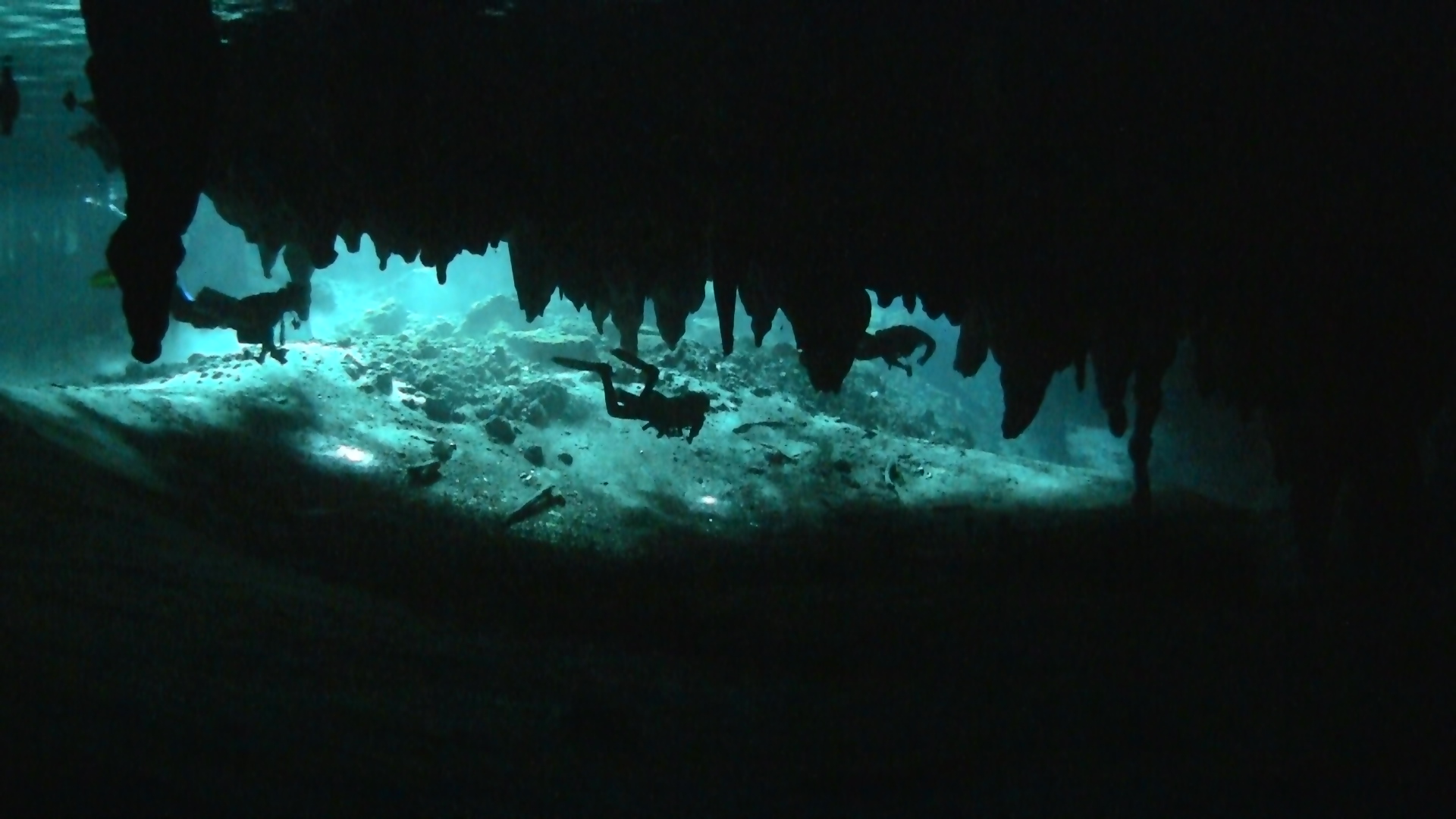
Also some mood images from underwater…

The lighting handyman
Perth 6th May 2013
We all shop for our lighting somewhere…while I of course have direct access to lighting manufacturers, the fact is that for our daily home needs, I too at times go to the local handyman shop or even buy some bulbs at the supermarket…all a matter of convenience, really. As lighting designers we deal with professional projects where we specify products that are generally not available in your average commercial shops and those home deco places. And as it is all about prices most of the time it is not surprising that what is on offer is part of bulk purchase arrangements, your Walmarts, Carrefours, Ikea’s and so on.
Australia’s biggest and most famous institution when it comes to handyman and home deco stuff got to be “Bunnings”, a handyman’s mega store spread over hundreds of meters square. In your average Aussie home you will find that practically every fixture is available from Bunnings. That in itself is making life easy as if something is broken and needs replacement you just go to Bunnings, sure to find it. Not only that they are open 7 days a week 7am to 9pm or thereabouts, so for all those weekend handyman jobs we have in and around the house, Bunnings is generally your destination…When in Australia I can’t resist going there and last weekend was just one of those trips as I needed some fixing stuff for a leaking water tap.
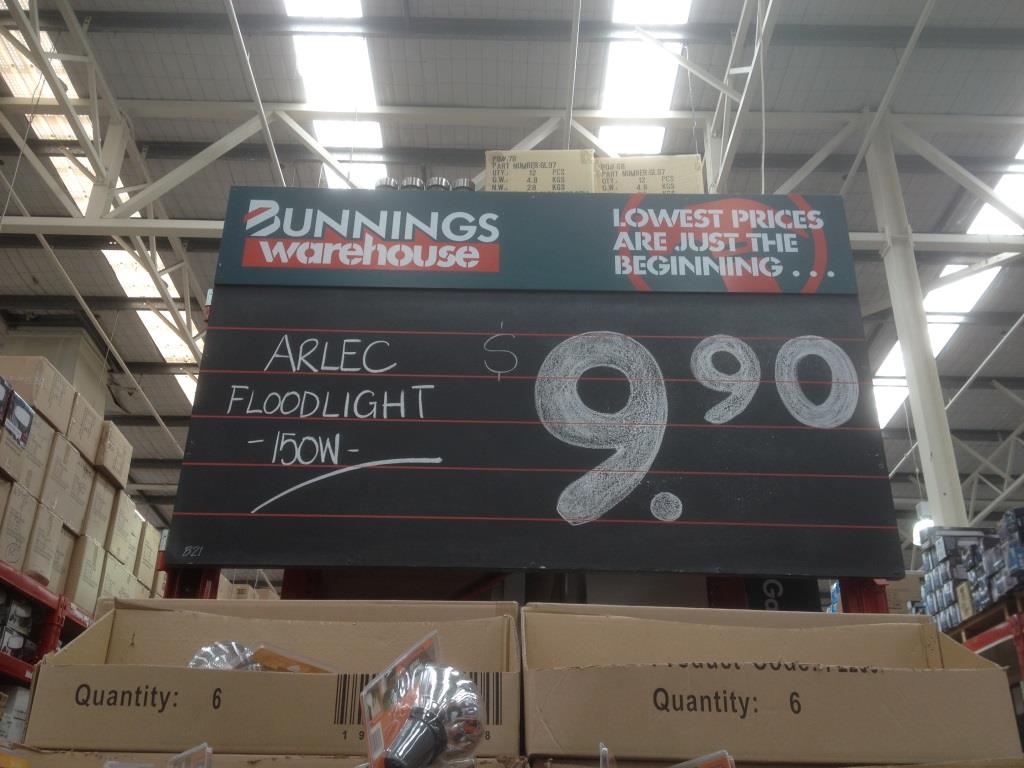
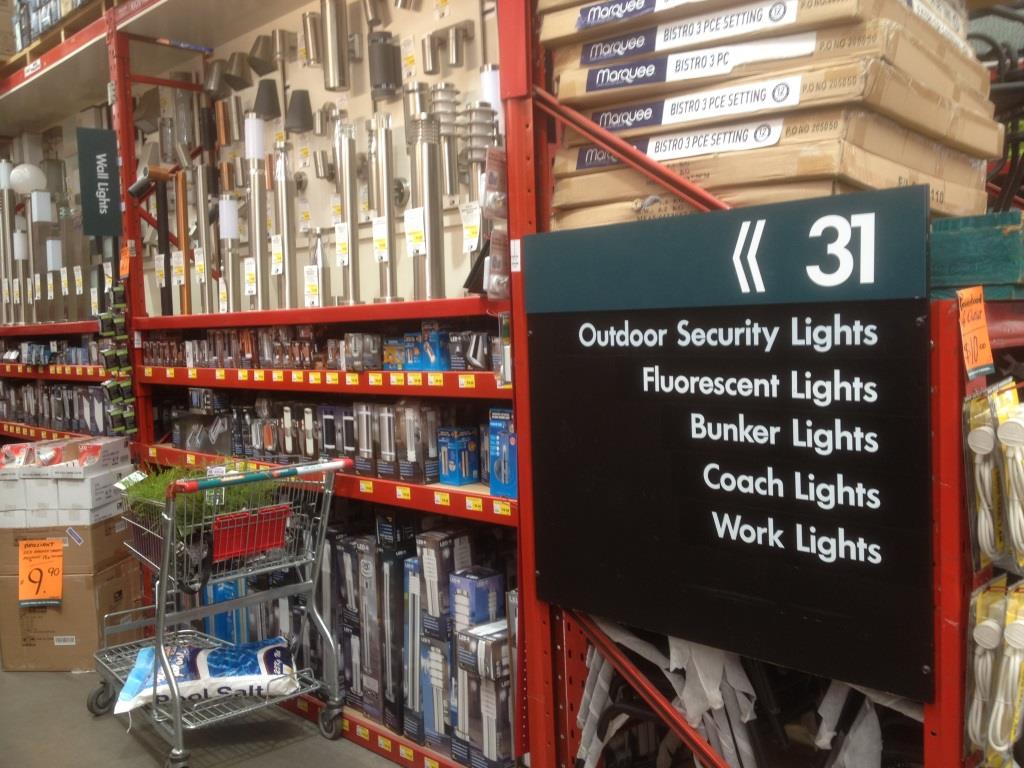
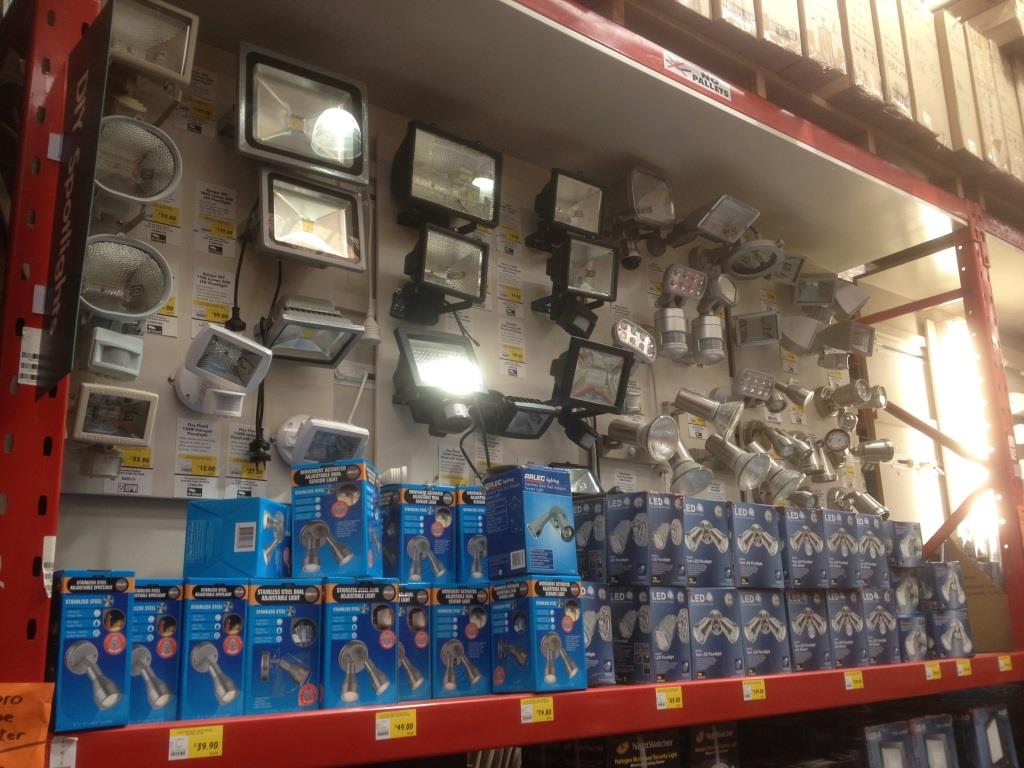
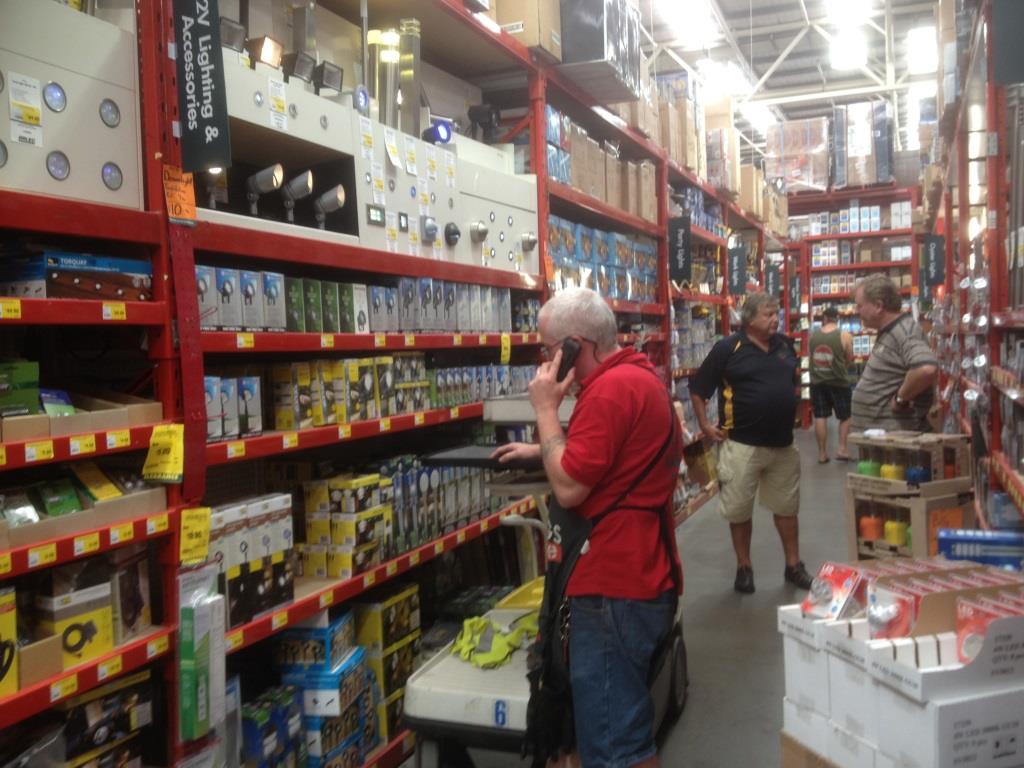
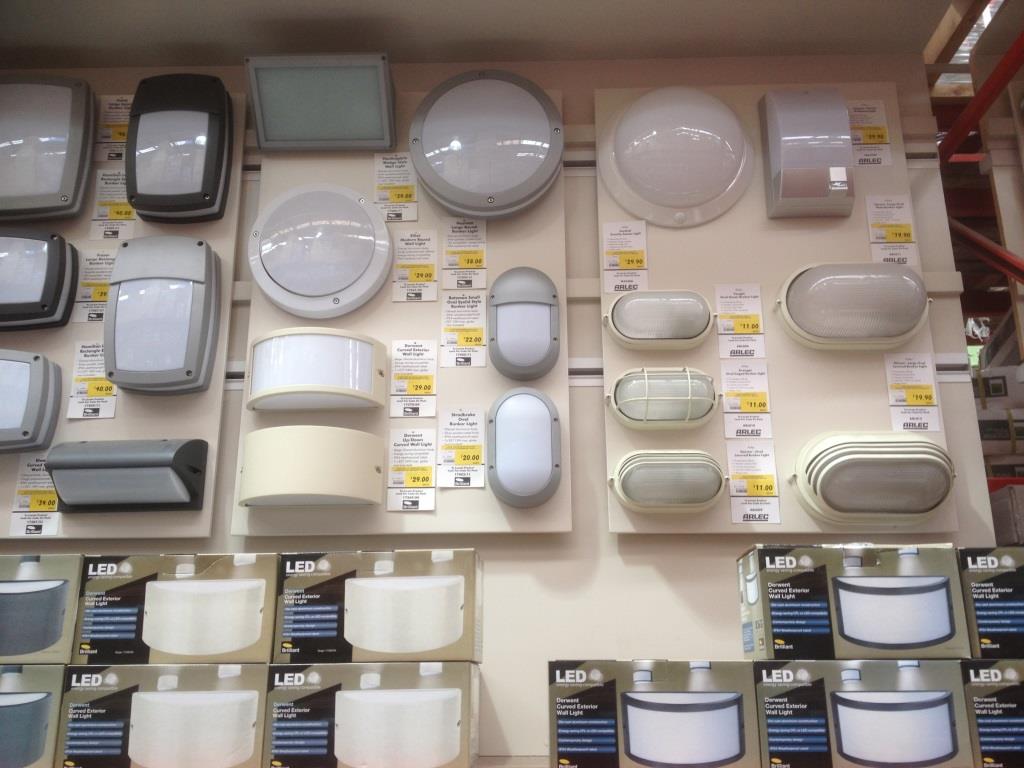
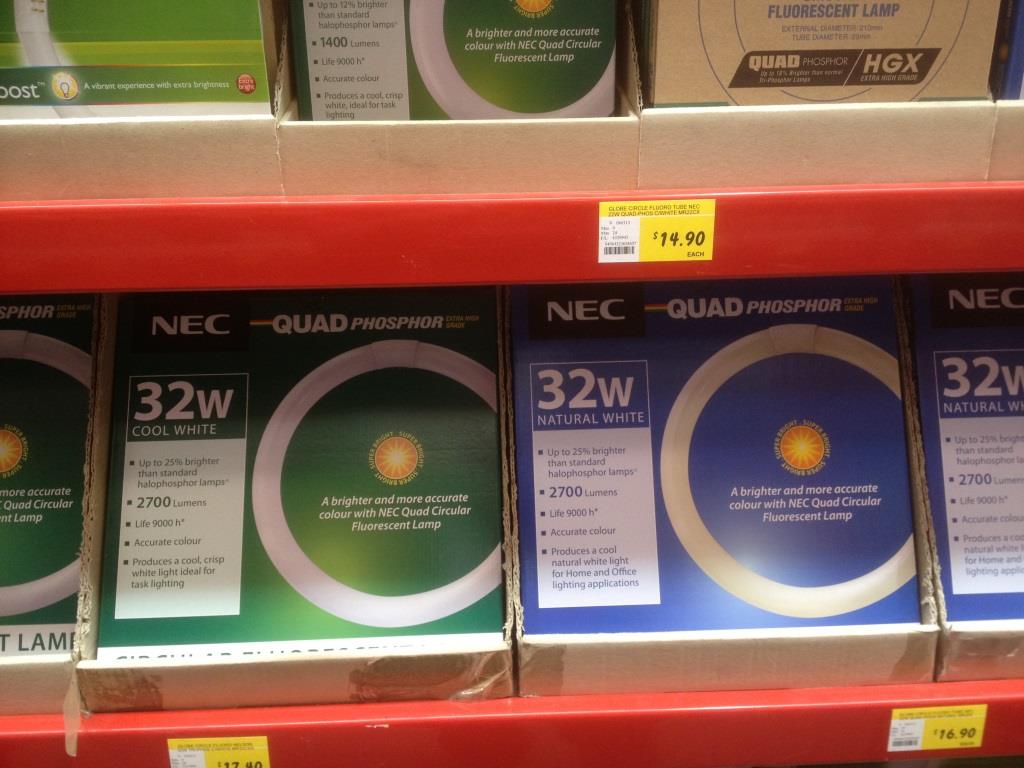
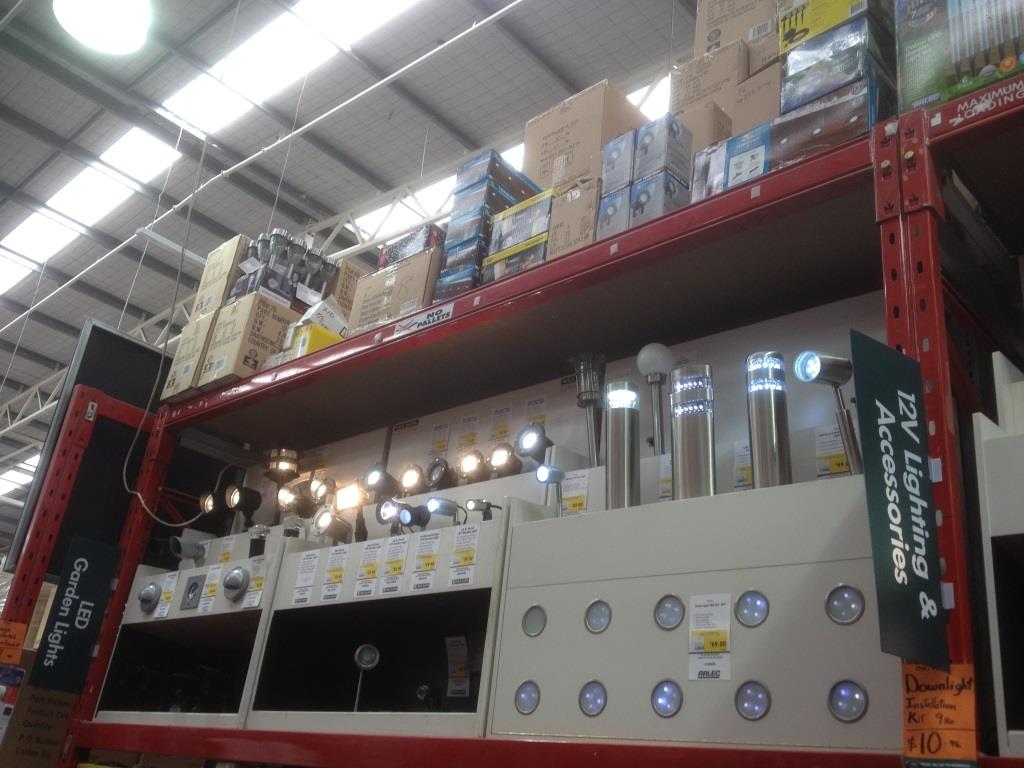
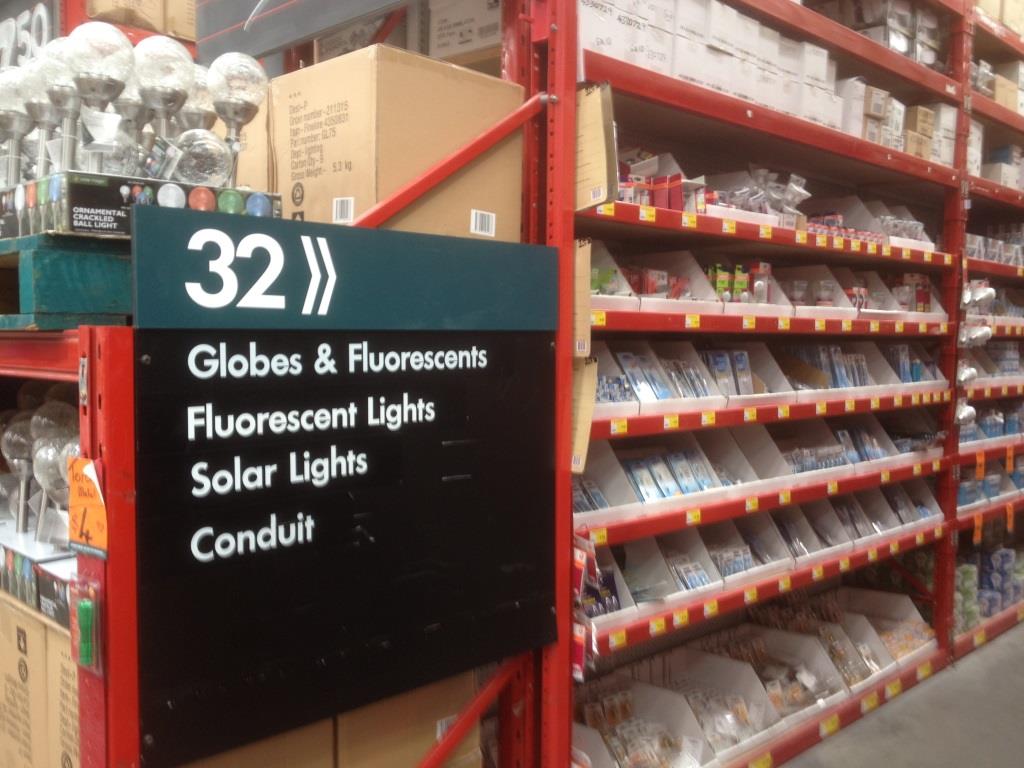
Of course I could not resist checking out the lighting section while there…as one of the stores marketing lines is that they are the cheapest in town, it is not surprising that the lighting looks its part. Yes it’s practically all LED, though surprisingly I still saw some halogen being sold (clearing old stock?), quite a number of outdoor fixtures having a solar panel. I know from experience however that they hardly perform, but people buy them because they are dirt cheap…and when it does not really work it is hard to complain as you hardly paid a dime for it. But if you are not demanding and don’t need highly performing lights (some of the packaging’s actually indicate performance data!), just some orientation lighting in the garden, or a little sensor driven security spot for instance, I guess it will do the job.
Light Watch 4-78: See here how the lighting section looks like…
Local practice
Bali-Perth 3rd May 2013
I don’t think I have ever flown on my birthday before but I guess there is a first for everything. It is quite interesting to realise still how many firsts there are in your life. I travel a lot; I have been many places; I have done and experienced a lot and most of all I have been fortunate to meet some incredible people in my life. But still there are so many things to do, so many places to go, so many new challenges…and you know what…it is all up to you (or me in this case). A birthday is a great time to look back, but even more to look ahead!
Yesterday I received a request if I could share my views and knowledge about the numbers of foreign and local lighting design practices operating in Asia. Fair question. Also fair considering I have been operating as a “foreigner” in Asia for more than 25 years now. But then I realised I didn’t really know the answer! Though I pitch my company for projects throughout the region I don’t always know whom I am up against. We do try to find out when we bid who our competitors are, but the clients are generally coy about it. But of course over the years I have come to get a rough idea about my competition out here. I can’t give exact numbers, but I can give some proportions based on my own experience, whether that is representative in general but I think it is a good take in the project applications I am involved in. I would say that about 80% of my competition are practices based in Asia, with the rest coming in from overseas, generally tied in with lead consultant architects.
I need to clarify that with local I mean practices with a local office in Asia; these can be practices with their HQ in Europe, the US or Australia (if we classify Australia as non-Asian), but with an operational office in Asia. There are quite a number of them. From the “local” practices I would say that probably half have their roots overseas, but like me many of them have been in the region for years. In this day and age where the economy has become critical in all design budgets, understanding the local culture and practice is imperative. Having a local office to do projects in Asia successfully is a must.
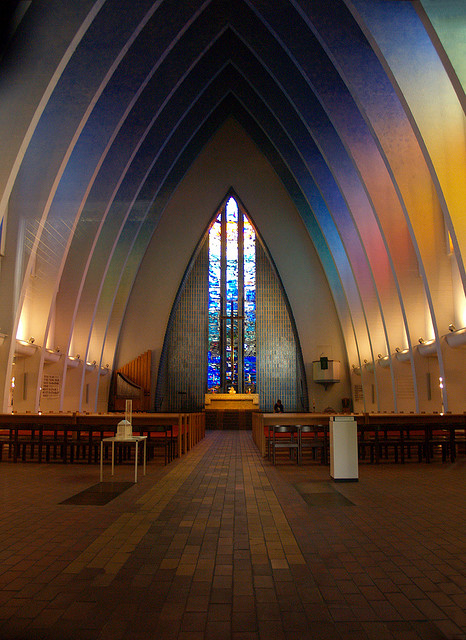
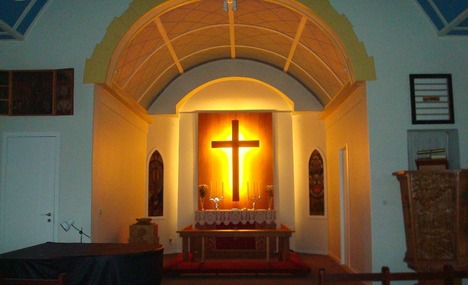
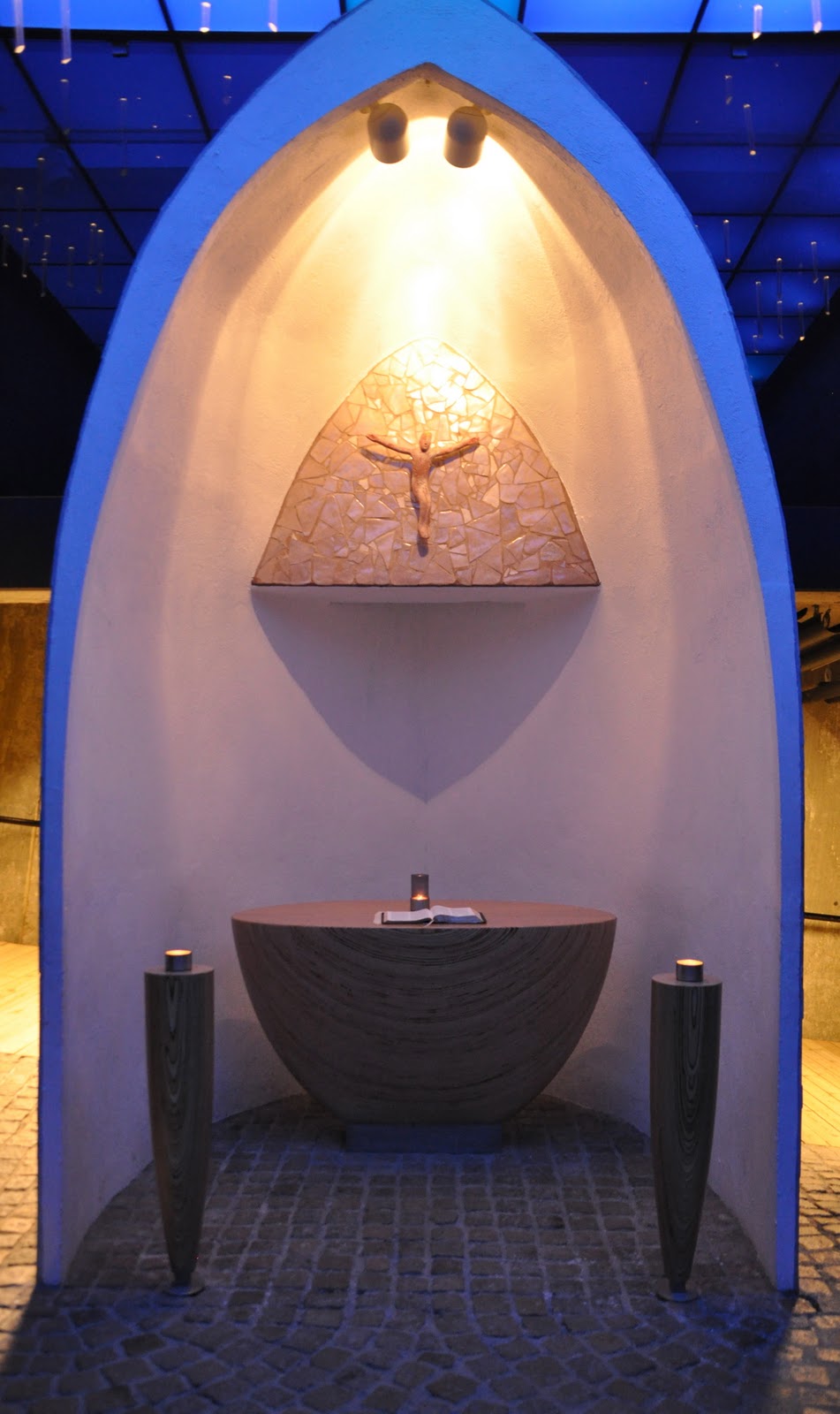
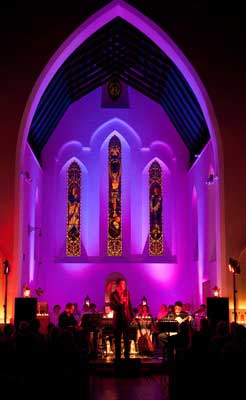
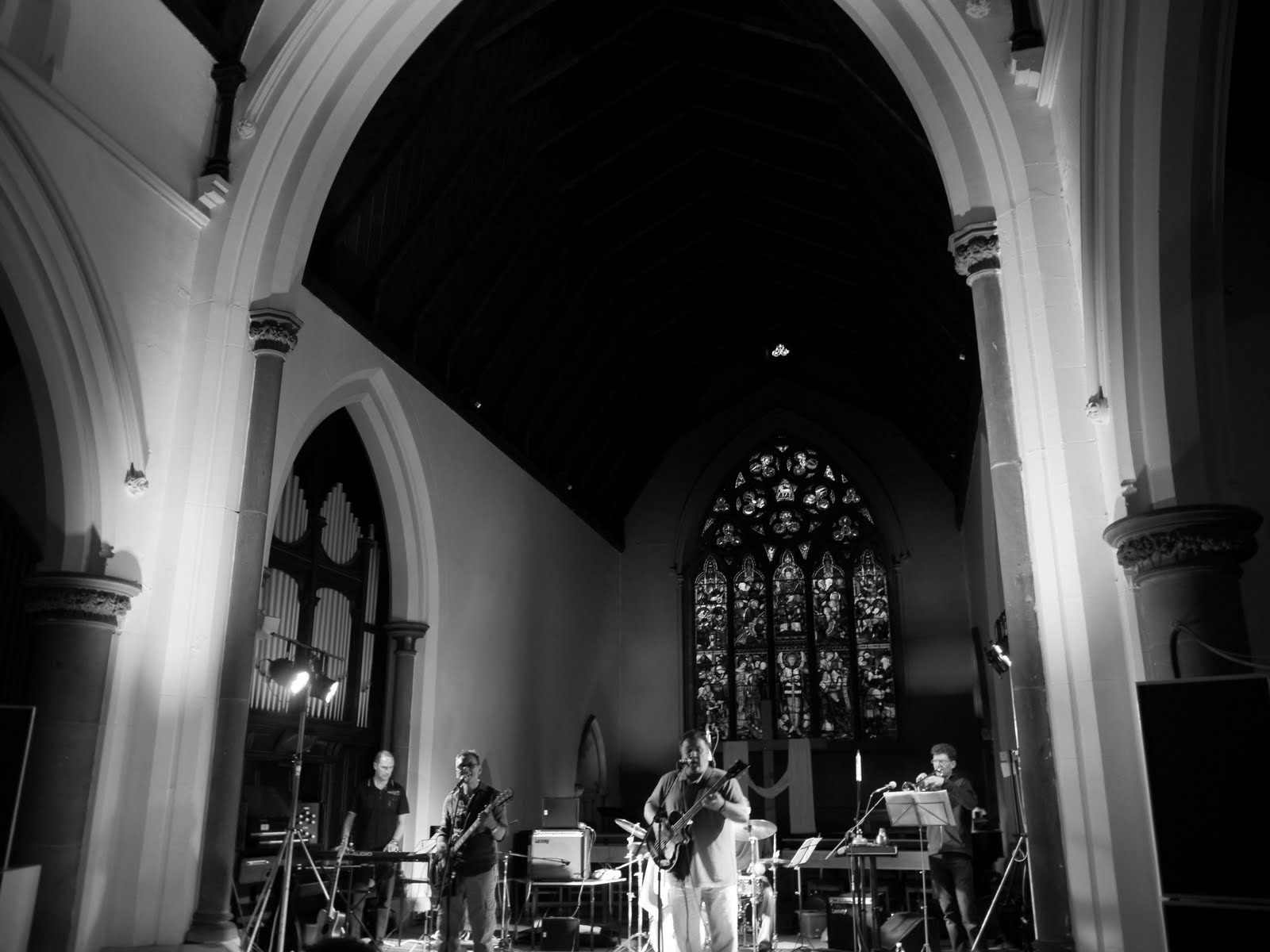
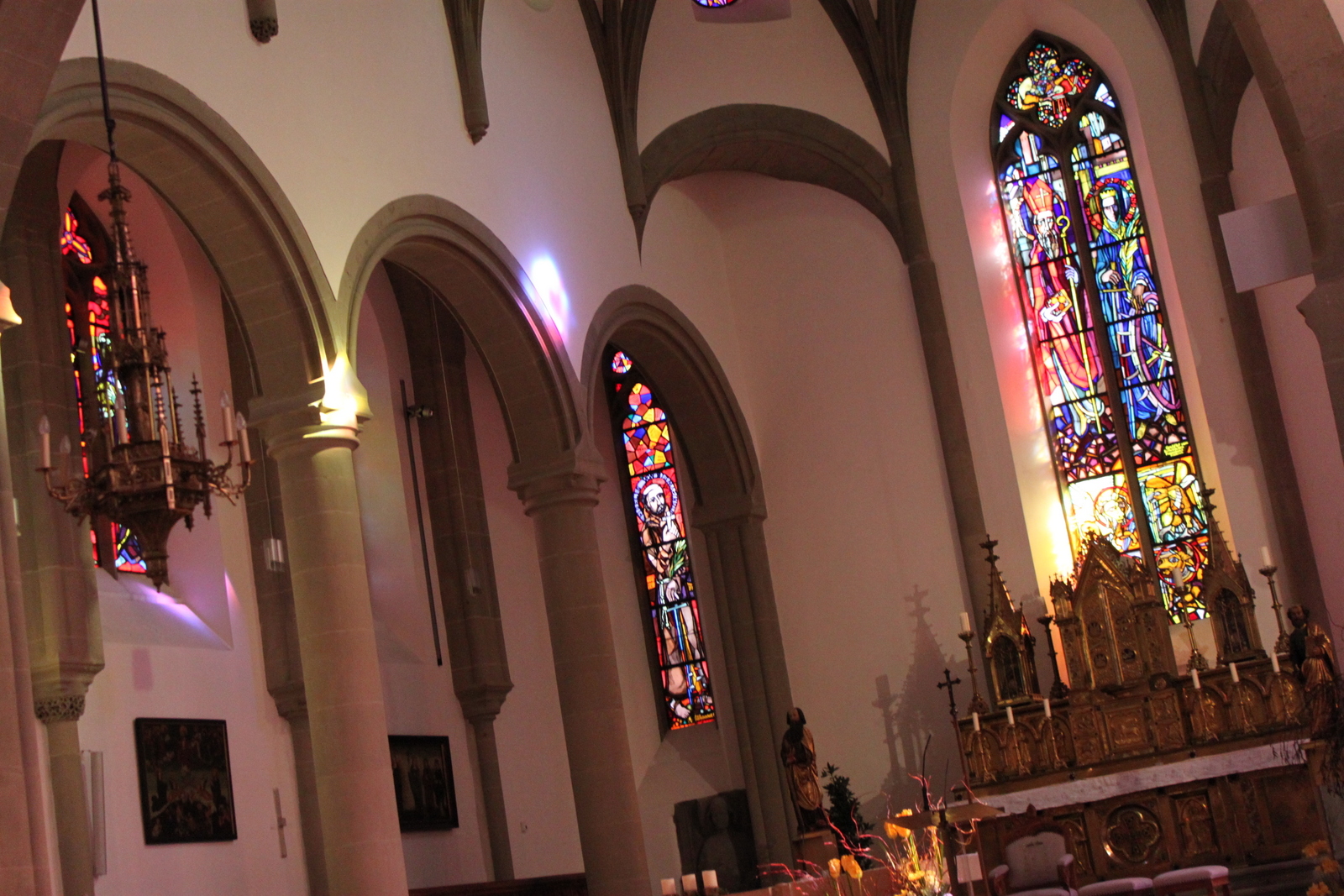
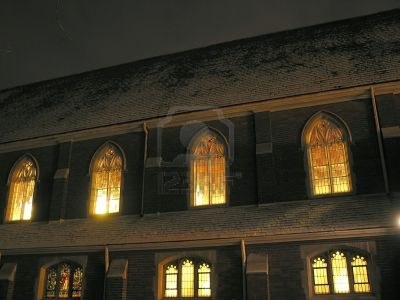
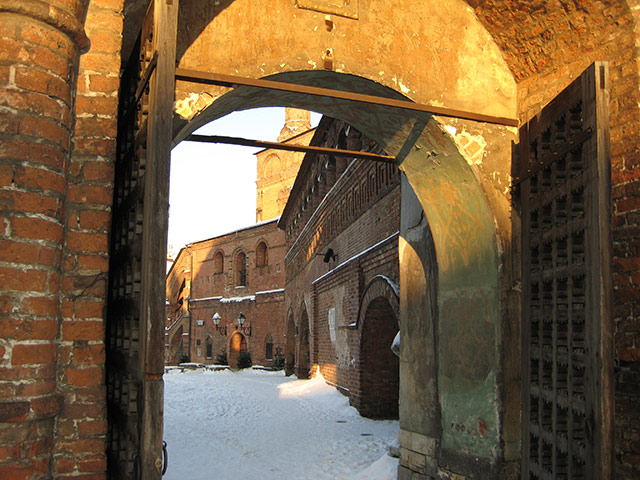
Light Watch 4-77: Every design is different and every architecture asks for a different lighting approach. Here are some images I googled about churches and arches…same intrinsic architectural approach, but so different (local) executions…
Sketch up
Bali 2nd May 2013
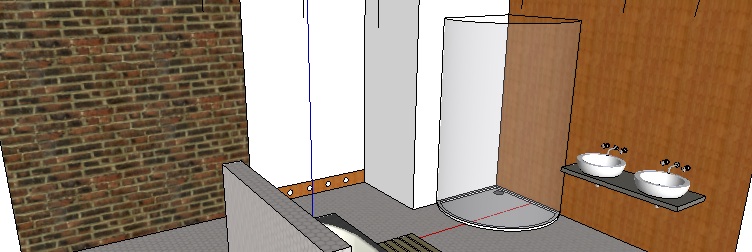
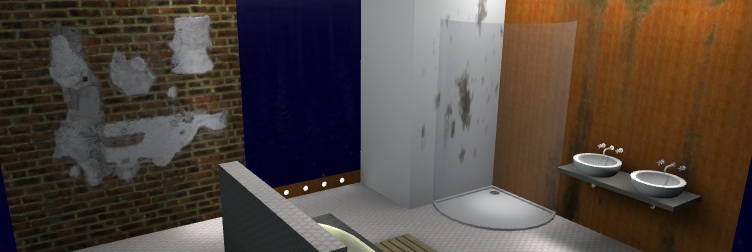
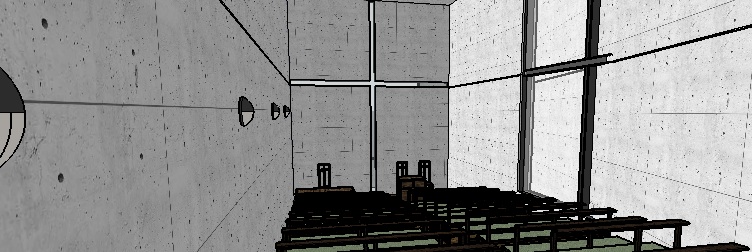
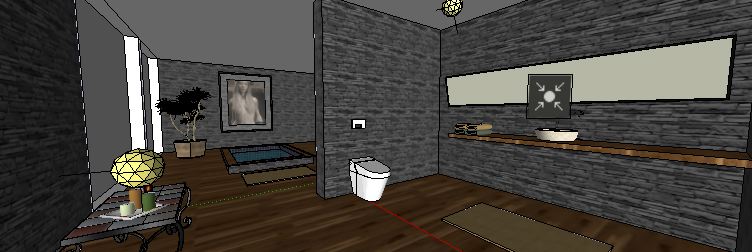
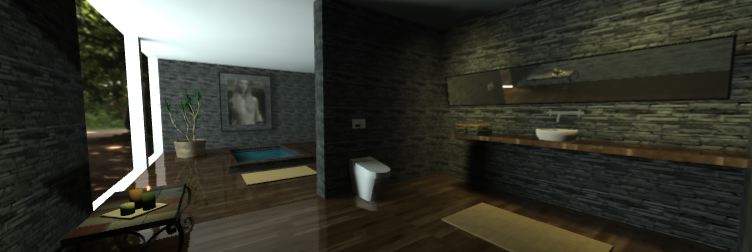
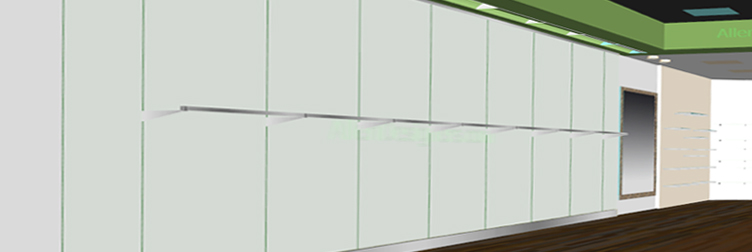
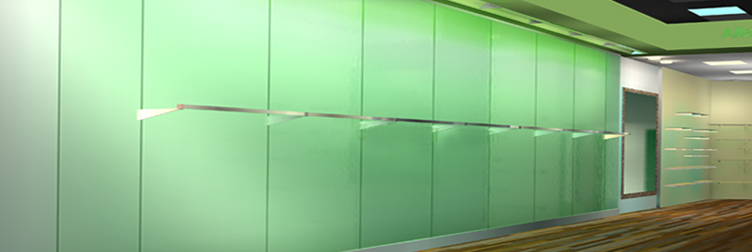
After yesterday’s public (Labour Day) holiday I find myself in Bali again to attend project progress and coordination meetings. One of the great tools for visual modelling has to be Sketch Up. I have seen some amazing models made by architects, interior designers and landscape consultants that allow you to virtually walk through the building or space and appreciate the proportions and views. Most of all for me is that it allows you to understand complicated building structures that not necessarily become clear from looking at CAD drawings. While modelling Sketch Up can be quite tedious (we don’t do it in-house, but use the architects model to play around with) it is specifically handy to understand the spatial proportions. Putting in actual material finishes and properties is probably a monstrous job. For now it is mostly colours and shapes.
But the option to include lighting seems now on the verge of being part of this program offering great opportunities to show the visual impact from different angles and most probably also the impact of shadows and glare. Many (junior) lighting designers have no understanding of the 3 dimensional impact of lighting in space, so this tool will be very helpful. My worry though remains the same as with architectural drafting. The reliance on computers and their software programs, literally weeds out all human skills in design. Many of today’s designers don’t know how to (hand)sketch anymore! If they don’t have a computer at hand they are lost and cant express their design ideas…scary! Now with this tool there is the same risk that it will be the computer that will design for you and the human skill and input will be reduced to your skill in handling the computer software….scarier!
I am a great believer in manual skills, that is raw, personal and human. Using computer programs is clinical and impersonal. On top of that the outcome is as good as your understanding of the program and hence your input. The main risk will be that we will create things that look beautiful but may not be able to be realised in real life! To make these programs successful you need to understand the actual laws that rule our lighting design and not rely just on what your computer says!
Light Watch 4-76: Initial impressions of what lighting up the space within Sketch up will be able to do …
Oranje!
Singapore 30th April 2013
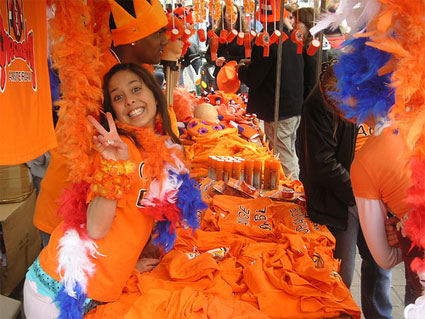
For the un-initiated, today is Queens Day in Holland…for the last time…as it is also the day that Queen Beatrix abdicates in favour of her son Willem Alexander who will be crowned the new King. As a Dutchie (even though I am not really a royalist), the event is quite special and brings out some nationalistic feelings. What I like about the pragmatic approach from Beatrix that she has the guts to call it a day, even if still fully capable of executing her duties and leave it to the younger generation to take over (maybe Queen Elizabeth of England should take a leaf out of her book…). We Dutch are rather pragmatic anyhow… 🙂
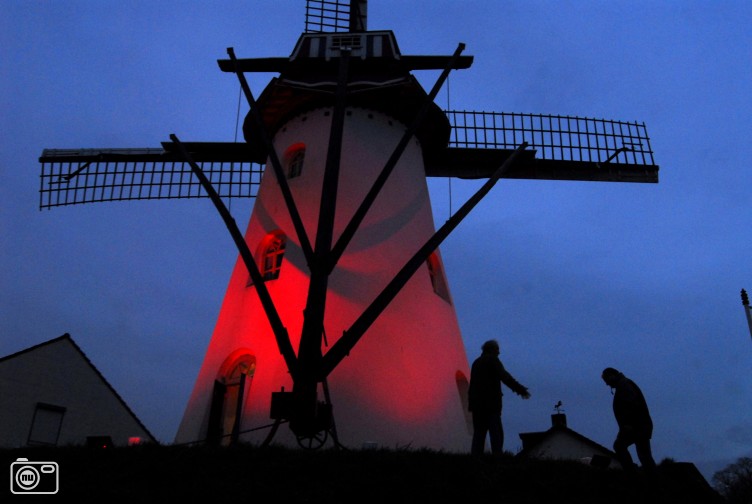
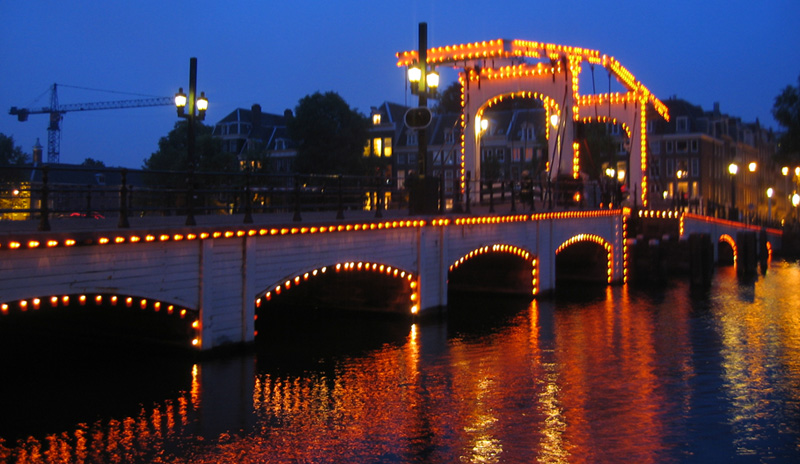
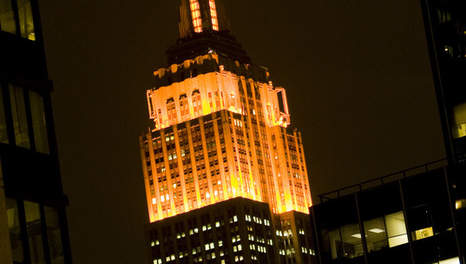
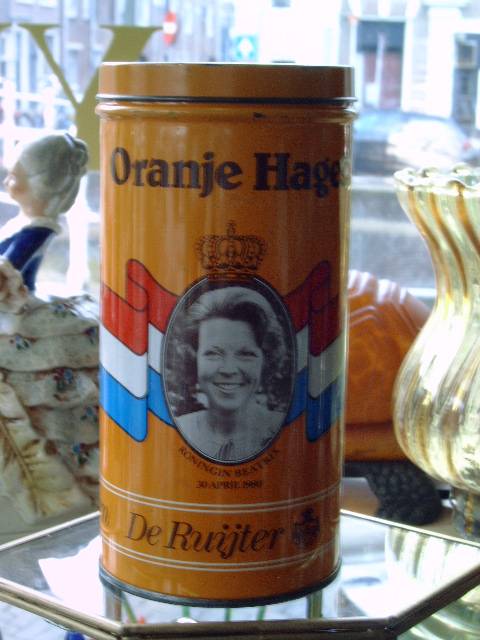
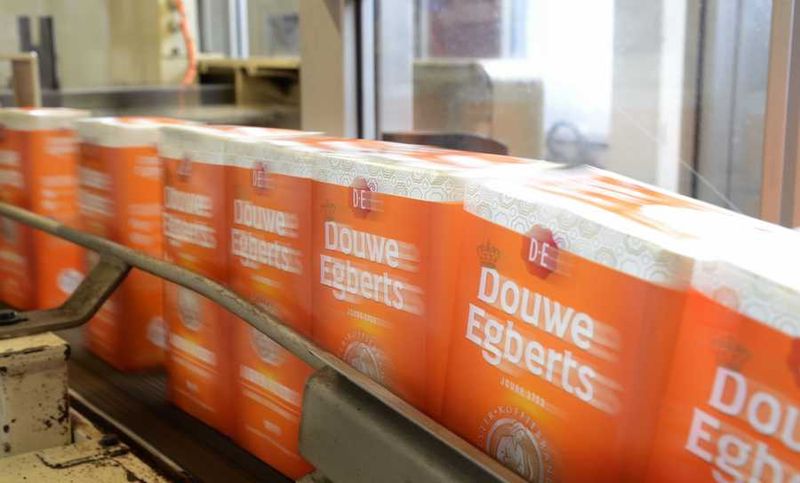
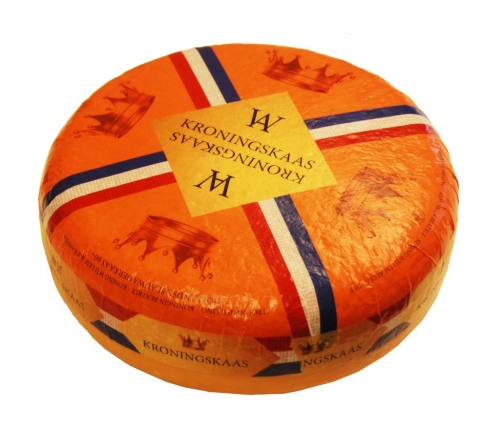
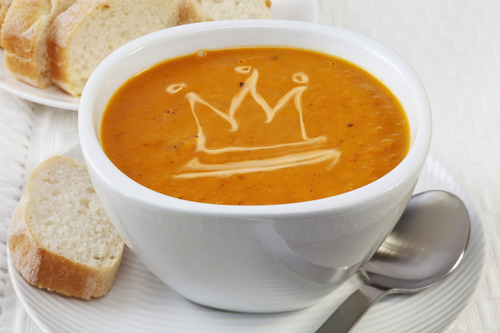
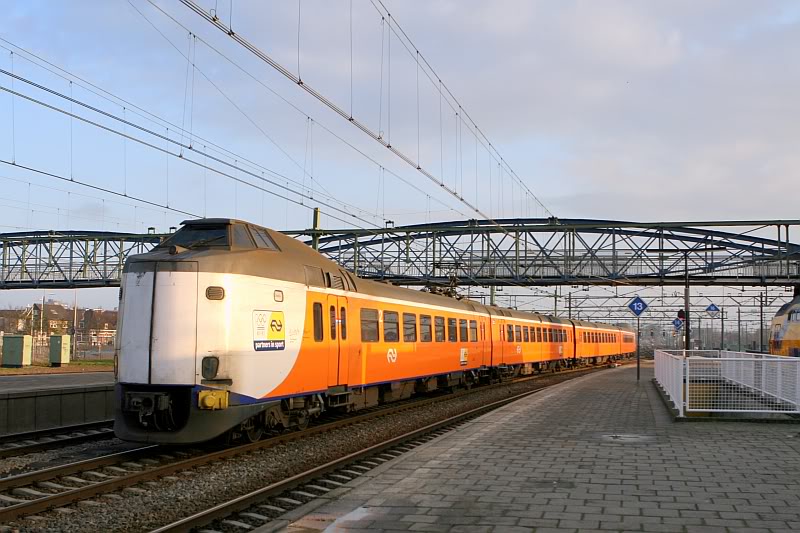
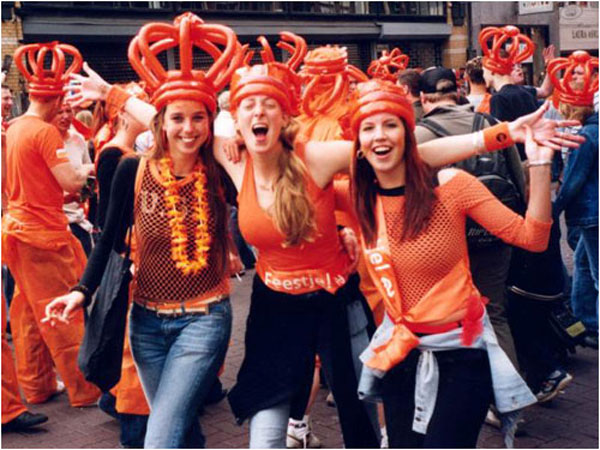
The event is not really related to anything lighting other than that it relates to me as a Dutchman and lighting designer. The royal house of Oranje has always used the colour orange as the theme for all royal and national events to bring people together. It is not surprising that all celebrations will have orange as the theme colour and many buildings in the city and around the country have been lit in orange. While Googling I found Amsterdam’s historic Magere Brug lit with orange light, a typical Dutch windmill lit in orange and even the famous empire State Building in New York marking the occasion with an orange light up! Otherwise it seems that every typical Dutch product and brand will be available in orange for the occasion…our tulips, our cheese, our coffee brand, our wooden clogs, even soups and “hagel slag” …even the trains have been repainted in orange for the occasion!
What this all says to me is that with a strong theme you are really able to bond everything and everyone together; like it or hate it. I am not saying that my next project will all be in orange lighting, but a recurring theme throughout a project in terms of lighting effects, colours, beam types or patterns will certainly create that feel…
Light Watch 4-75: An impression of all things orange! Guess tonight I should be wearing an orange T-shirt when I go to sleep…:)



Safety and security
Singapore 29th April 2013
With the recent events in the world; the Boston Marathon bombing and the collapse of a garment factory in Bangladesh resulting in hundreds of deaths and wounded, it is hard not to stand still at the aspect of safety and security. Our hearts go out to all those who lost friends or family and on a deeper level I guess we all think how the world has come to this…While the first is the result of a terror action that may be really difficult to predict let alone prevent, the collapse of an 8 storey garment factory is a pure result of greed for money. I can’t see it any other way. The owner build 3 additional stories illegally and then ignored an order to evacuate the building the day before when sudden cracks had appeared in the building. It may seem far from your bed, but shortcuts in quality and safety procedures to improve the bottom line are rife and common practice in the Asia Pacific region and probably the World.
In our lighting design profession we see that in the form of “value engineering”, a complicated term to describe cost cutting measures. Unfortunately it does generally not come with a change of concept or approach as we see our clients trying to maintain the concept but by replacing the higher cost of quality light fittings with cheap alternatives. What gets lost in the process is that often that comes with unacceptable lost in quality and performance. To the inexperienced eye the light fitting may look roughly the same, but quality, lighting performance, electrical safety and durability for instance are generally severely compromised, something that only comes to the fore after the lights are already installed.
I recently was called back to a side in India where the client had decided to use our specifications but go ahead with the procurement of the light fittings by themselves without consulting us. They did not understand why the lighting was so bad…Not surprisingly I found many of the lights not working due to the extreme poor quality and poor installation. All light fittings had no brands, purposely imported from China at an average one-tenth (!) of the generally accepted market price…you get what you pay for… but more importantly you potentially put people at risk just like the garment factory as quality, safety and security are compromised!
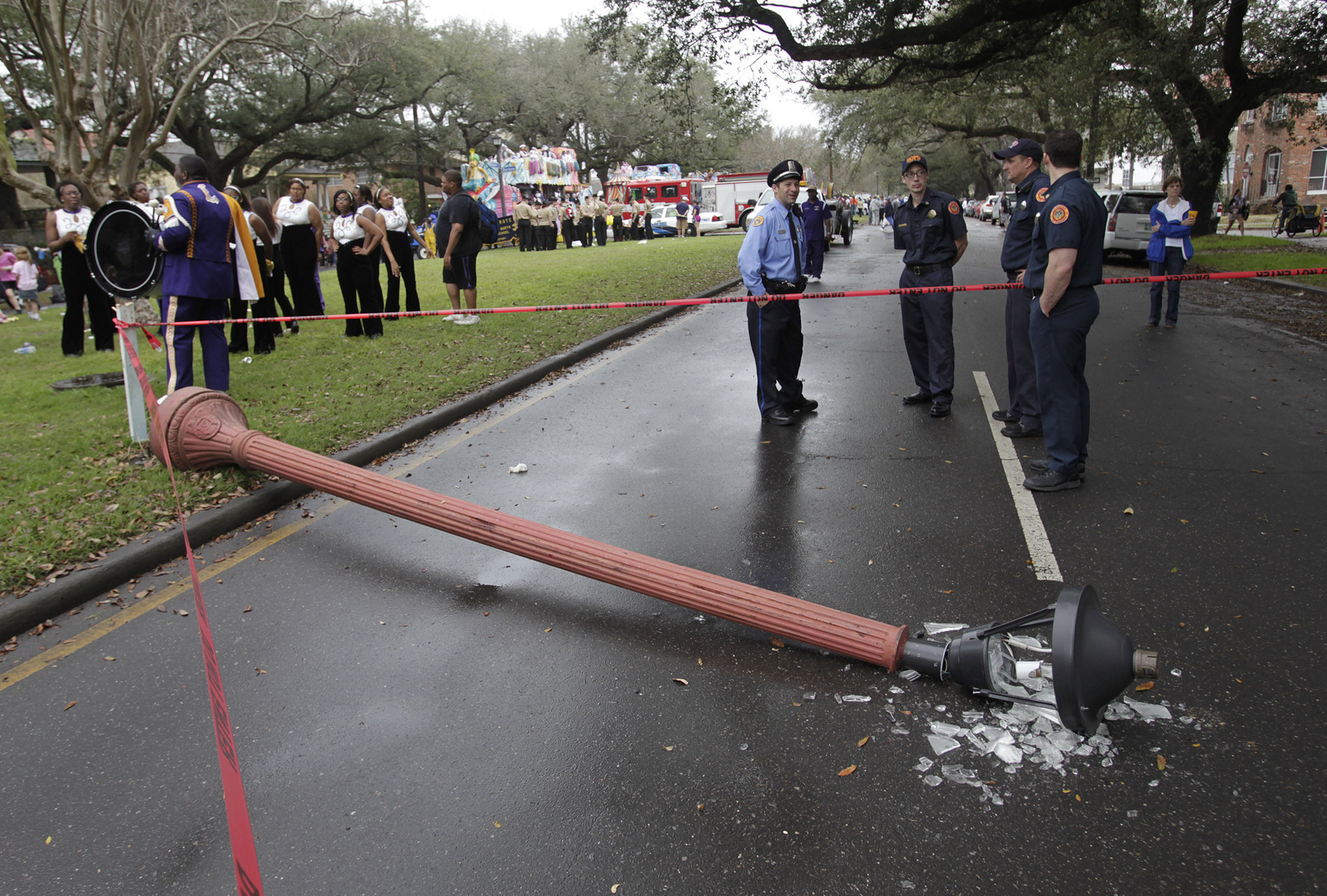
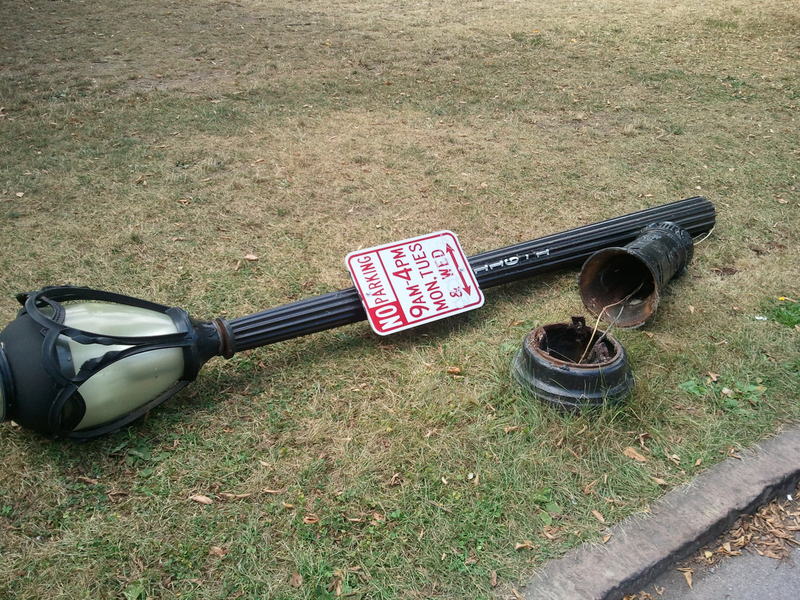
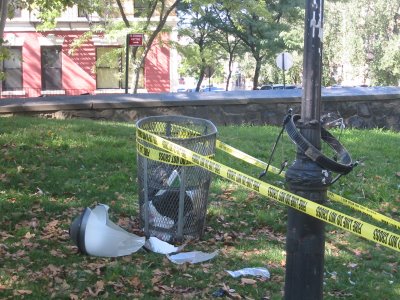
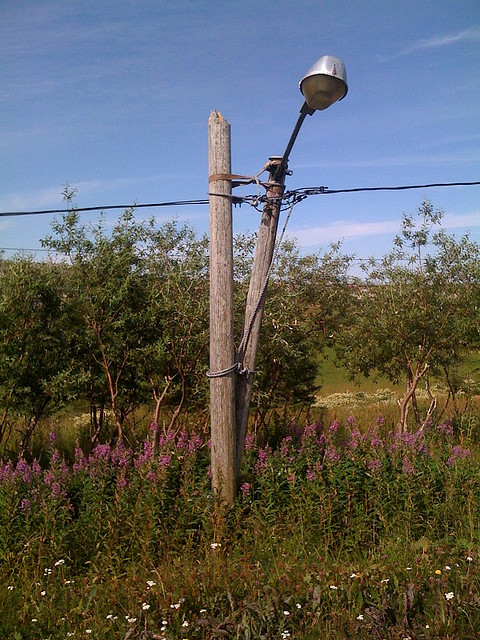
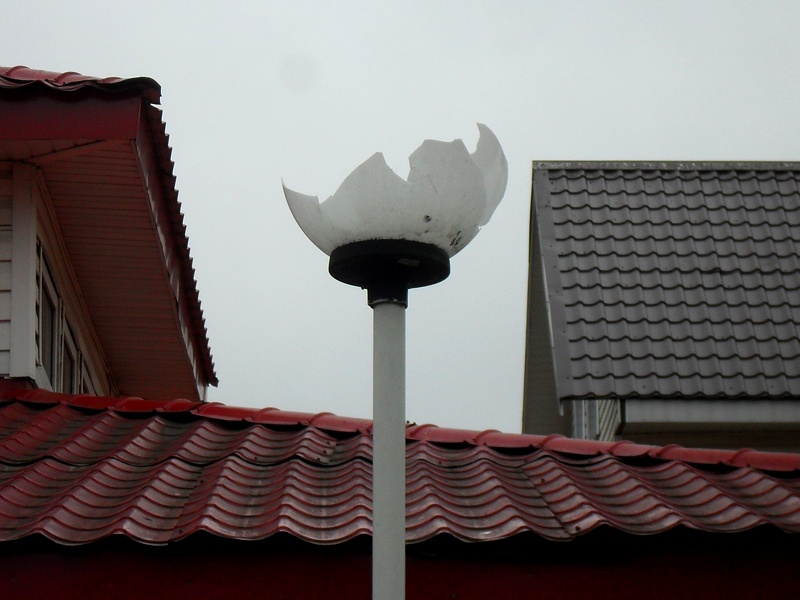
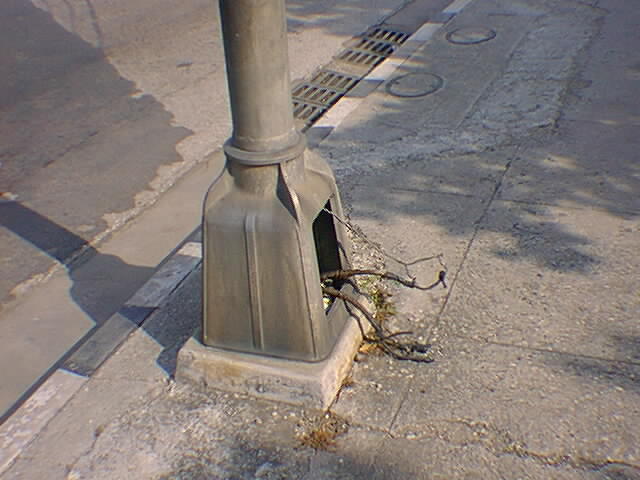
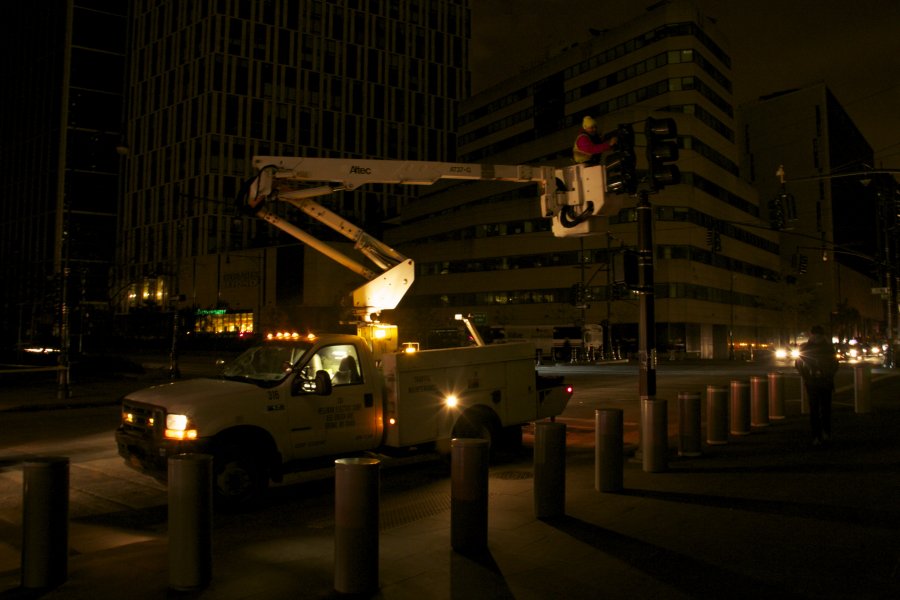
Light Watch 4-74: An application where poor quality and maintenance has an immediate effect on the safety and security of the public is public road lighting…
Travelling
Travelling is an integral part of our job and I don’t think that many people realise how intensive and tiring it can be. I am on my journey back from Hainan to Singapore after quite an intens week of meetings and presentations. While it may seem relaxing to the outside world to travel to exotic places like Hainan or Bali (my next stop next week) enjoying luxury villa stays, the level of attention and commitment to projects like this can be quite energy zapping. Certainly if you add walking the many hectare site assessments under a burning sun into the equation!
It also comes with the inevitable social lunches and dinners, in China often followed with karaokes…been there, done that so luckily this time around it was just the meals…and the drinking…part of the teams bonding process. This is often where you get to see the other sides of your colleagues and get an insight in their personal lives. It is also the time and place where you potentially make friends for life. Being professional in your work, presentation and meeting interactions earns you the respect of your client and team members, bonding over meals and drinks after work creates the relationship that endures you to others beyond that first project that you met. I have many, many endurable relationships, like that and interestingly many of my projects today are the result of the relationships built, some now more than 20 years ago. People remember your professionalism, people remember what you did for them. Most of all many of the people you met when you started out may have been juniors at the time, but chances are that today they have risen to become in charge their company or department. What goes around, comes around; you reap what you sow. It is amazing how true that is in real life and travelling and meeting people just reinforces that very much! Enjoy your weekend…
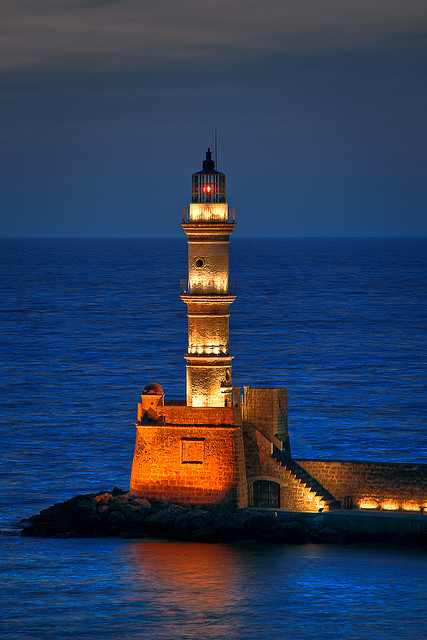
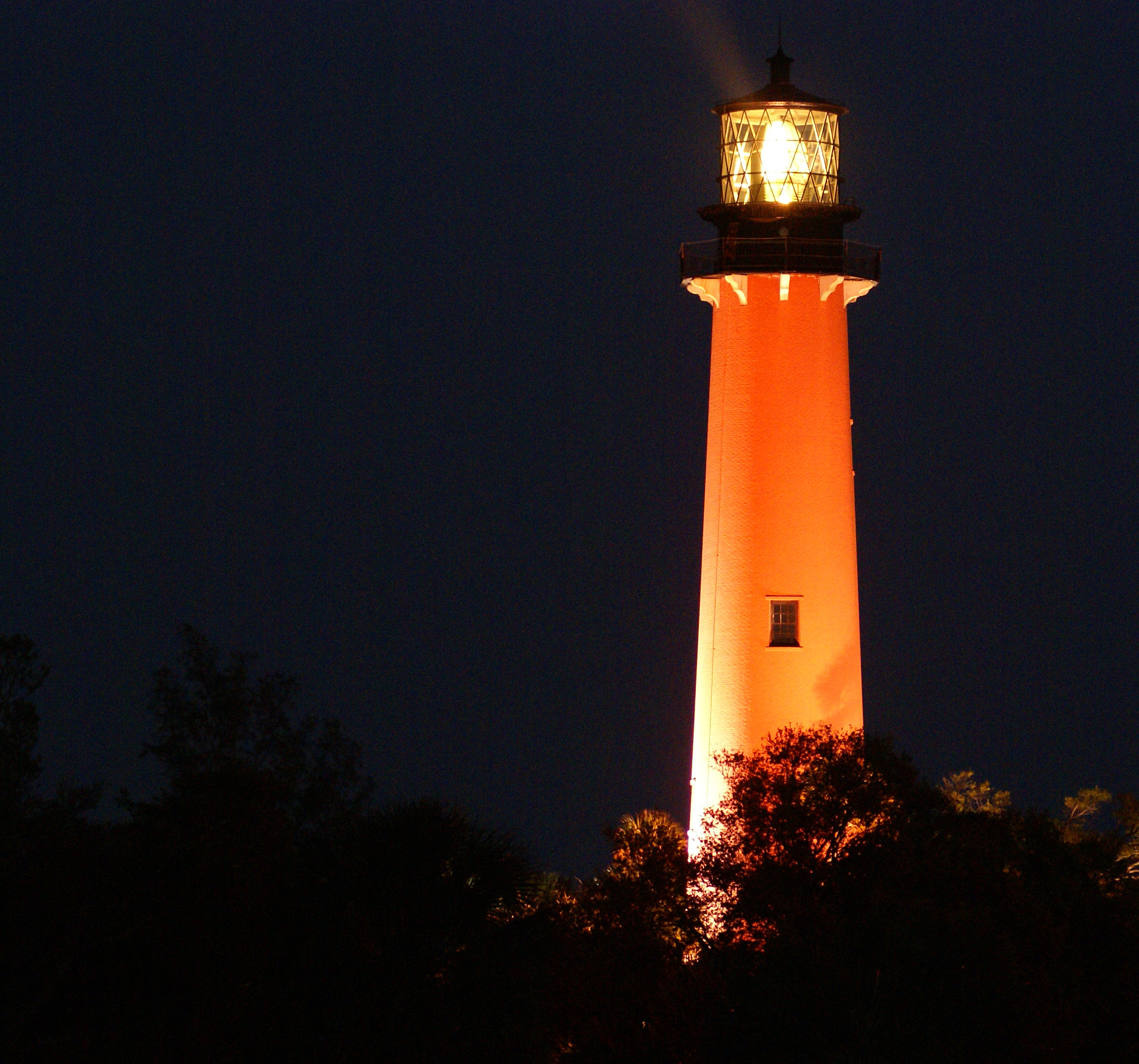
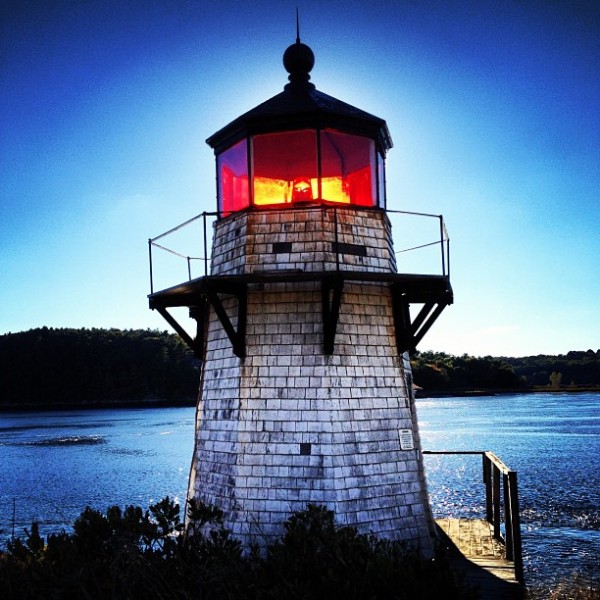
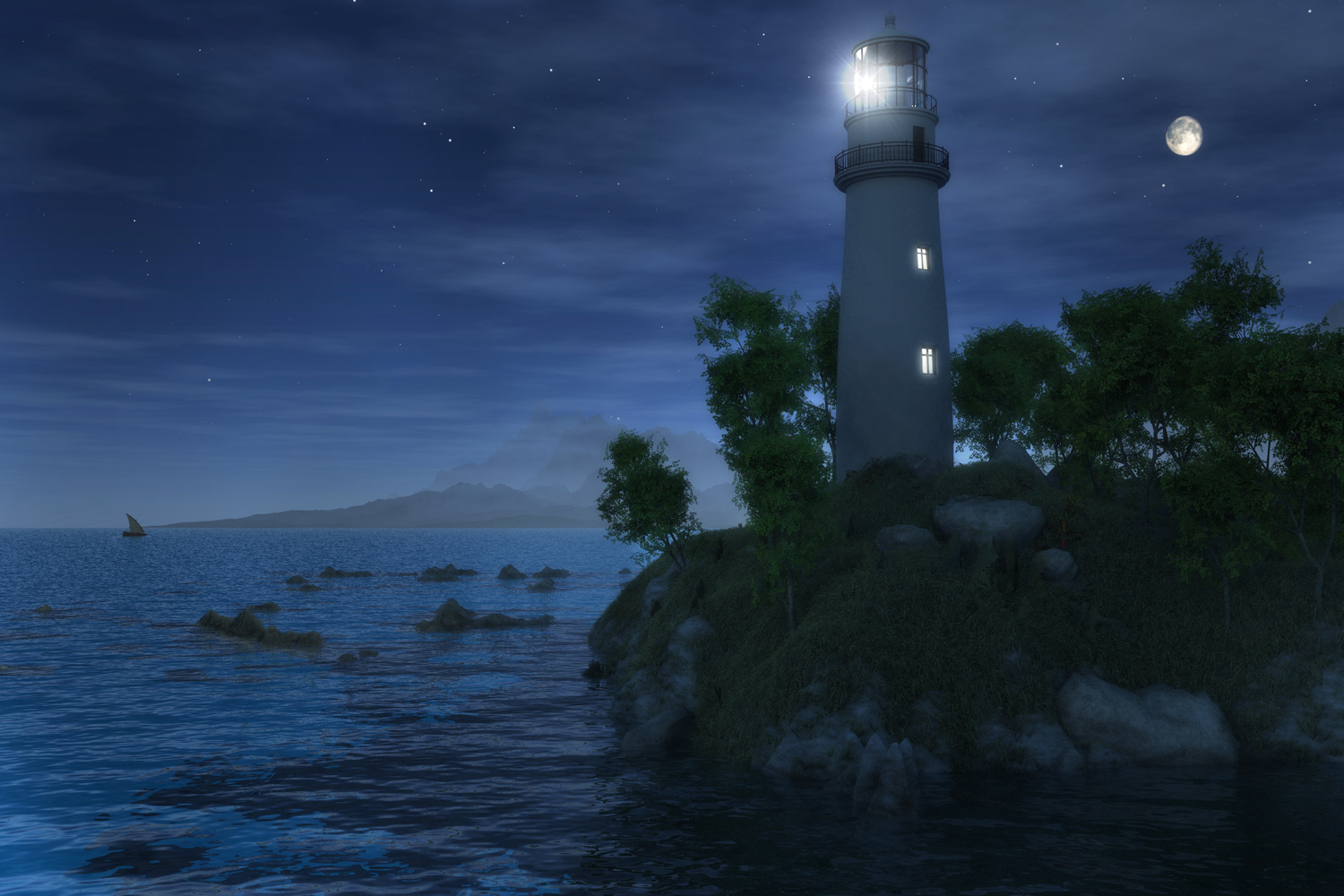
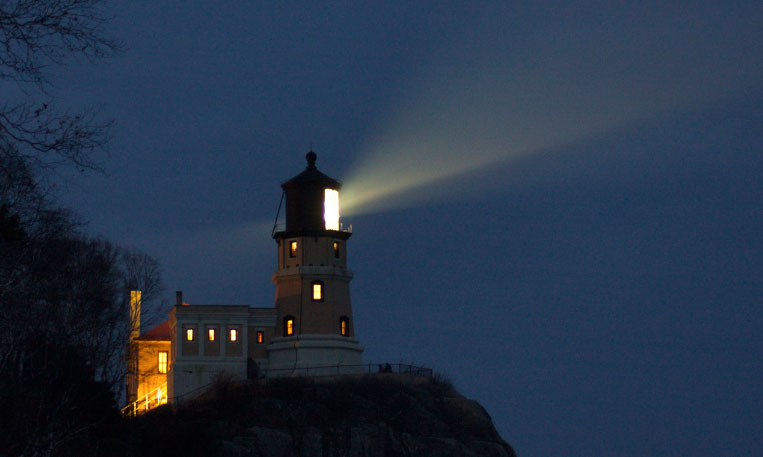
Light Watch 4-73: As we travel we need to stay connected and focussed on what guides us safely through our lives. Everyone is different, we all have our own light houses on which we focus to keep us on the path of survival in a world that is becoming more and more complex to navigate…here are some…


 The long awaited book compilation of Martin's first year of blogging is available. Order now.
 Feedspot Top 100 Lighting Blogs