
Vivid imagination
Singapore 27th May 2013
In my view there are two different breeds of lighting designers, the creative designers and the technical designers. The first breed (to which I count myself) thrives on vivid imagination; the second breed builds on technical and engineered knowledge. This last group of people are more numbers people; they derive their design concepts from a more engineered approach. I don’t want to say they are not creative, but they generally have a far less vivid imagination. It is much more difficult for these type of designers to think out of the box. They work on proven concepts, things they know work can be checked by calculations and technical assessment. The thing is that this can be limited…knowing how to do something is not necessarily a recipe for originality, on the contrary.
That is where imagination comes in. Sometimes I dream and I wonder how the hell I could dream something that in my (woken up) mind says it is not possible. But that’s the thing, in dreams everything is possible, you can fly in your dreams! Letting go of your conscious thinking, the one that limits your creativity because a little voice says that it is not possible, so forget it. I am a very visual designer, I can imagine things visually in my head, which helps enormously when you are developing lighting concepts. But while rank myself as a creative designer with lots of ideas and imagination in my field of work, I work within the realm of realism. But there are incredibly imaginative people like architects Gaudi and Utzon who designed impossible shapes like La Sagrada Familia in Barcelona the Opera House in Sydney…still today people trying to grasp how it is possible!
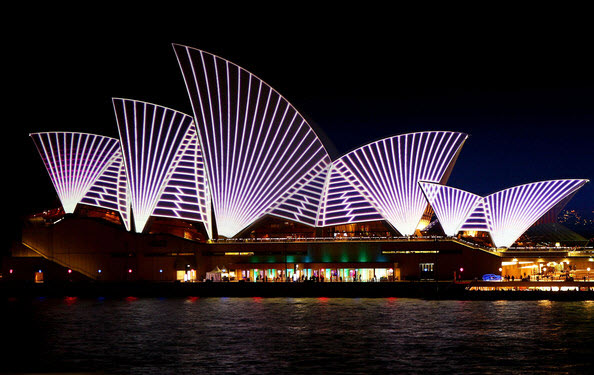
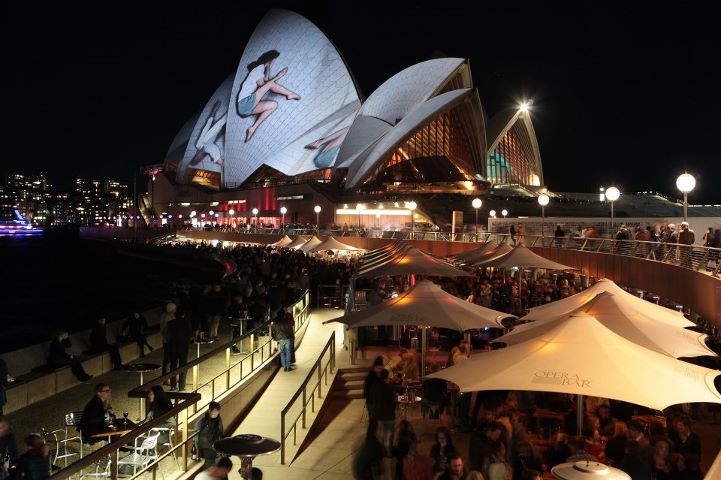
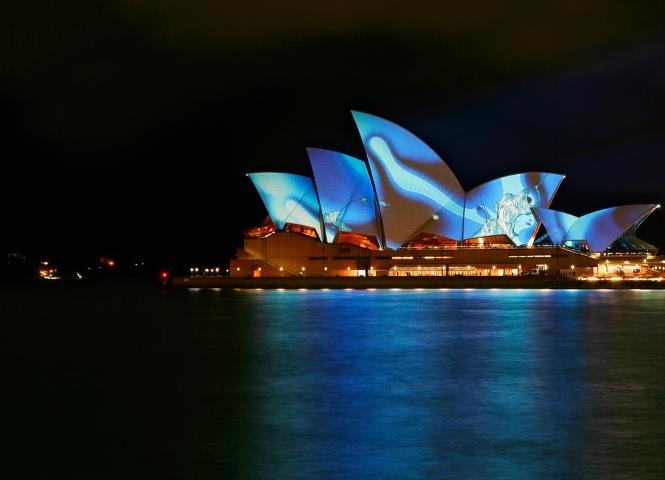
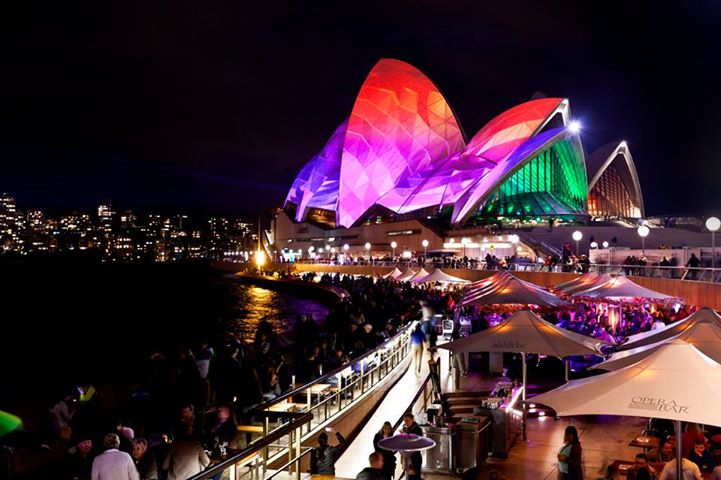
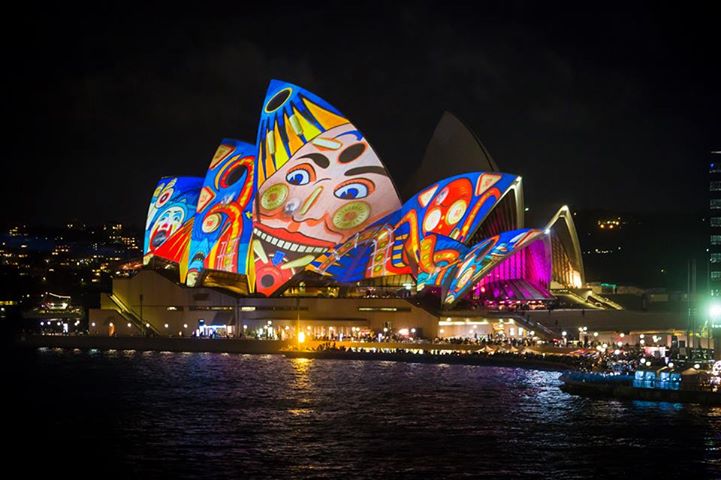
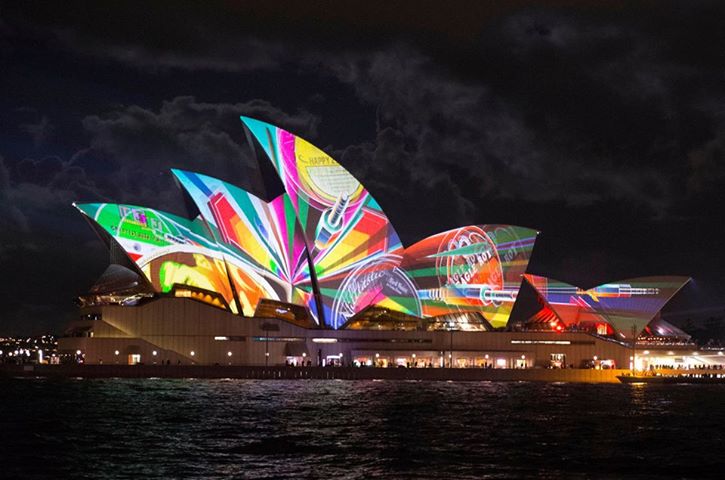
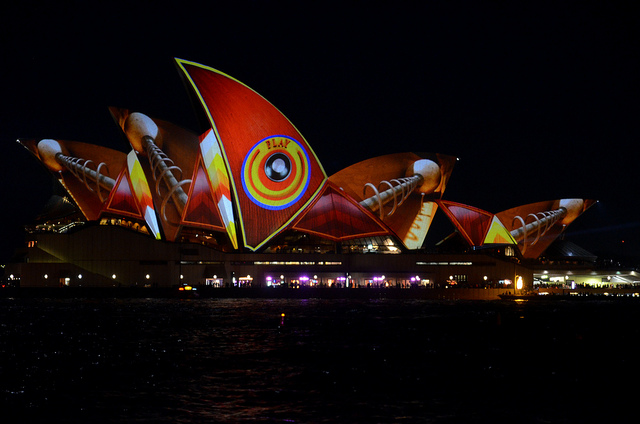
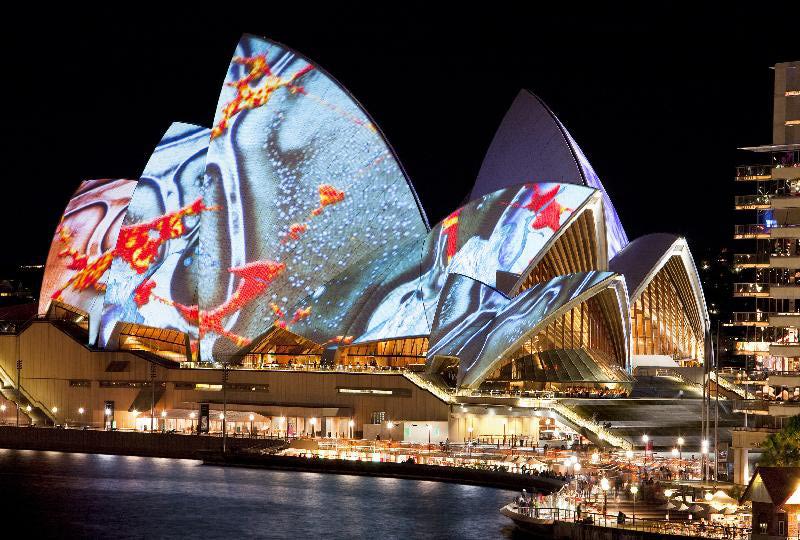
Light Watch 4-92: Speaking of that, Vivid Sydney is one of those leading lighting festivals in the world that is always a head turner, not in the least because of the iconic buildings such as the Sydney Opera House, Sydney Harbour Bridge, etc, that serve as the background and canvas for lighting creativity and imagination. The festival combines light, art and music and runs till the 23rd June. While light is magic and some of the images and compositions that the artists come up with are amazing somehow after a while I think it gets boring… you can endlessly change the theme and images you project, but it really a variation on the same theme…Have a look.
http://vimeo.com/66892937
People skills
Singapore 23rd May 2013
We are about to embark on a long weekend in Singapore with tomorrow being a public holiday…don’t ask which one as I have lost track with my many travelling. I just know from the staff they’re not coming in tomorrow. Anyhow a good time to relax and catch up on things, quite a number of personal stuff still awaiting some attention…
I think people skills is one of the key attributes that any entrepreneur and I would say profilic designer should have. We design for people, we deal with people. Just being a good designer is not necessarily a winning formula! I deal with people constantly, my staff, my fellow consultants, manufacturers, salespeople, clients, project managers, bosses, workers, government authorities, service provider… I could probably fill my whole blog naming the sort of people I deal with. Some in person, some remotely through voice contact (phone), visual contact (skype/ conference calls) and some by written words (emails mostly). In all these communications people skills is the key, diplomacy, respect and trust play a big role and mixed with kindness and understanding it can bring you lots of good. Of course you need to back up kindness with decisiveness and determination. This at times requires you to say “NO!” or “enough is enough” but there are many ways to skin a cat as they say.
I was reminded of that today after a long exchange of emails with verbal barbs between our team and a very obstinate project manager, someone in my opinion with zero people skills… J Whatever we do, whatever we say, he always finds a way to put you down, be one up or ignore responses with more time consuming and unnecessary demands. I checked with his boss if he just behaved like that towards us but got to understand that he was like that towards everyone, even directors! Not a great way to make friends and get the best out of people, but hey, it’s a way to get the work done I guess, I just don’t think I would like to work with someone like that again in the future. Maybe I need to take him out for a beer and get him to relax a bit!
Sounds like a good plan for this long weekend!
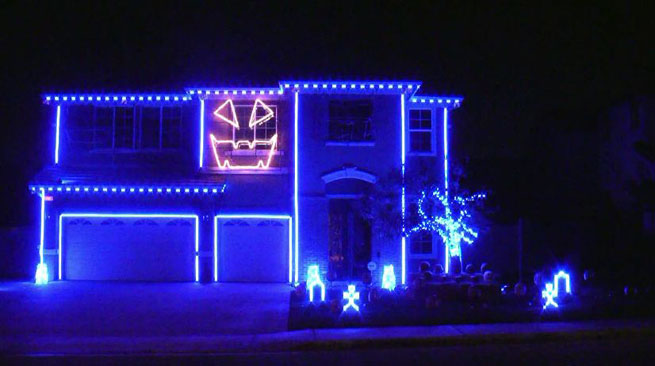
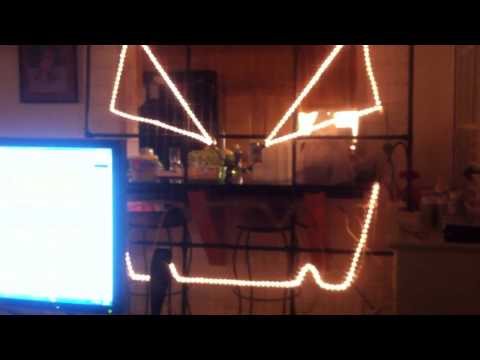
Light Watch 4-91: Halloween is long gone, but you may enjoy this singing Halloween house. This is the video link: http://www.facebook.com/video/embed?video_id=297825580352091



How local is local…
Singapore 22nd May 2013
In the space of one week three of my project clients have been insisting forcefully that we specify local lighting products. Now the thoughts behind it are understandable, local availability, local servicing and most of all the assumed cheaper costs of purchase and maintenance as well as shorter delivery times. Many developers have been “bitten” by foreign designers specifying overseas products that have to be ordered and shipped from overseas sometimes with no local representative available for local support. In the past I have had several projects where the client asked me to take over and redesign the lighting with “local” products. Yes there are exceptions when it comes to “unique” or customised solutions with only a handful of specialists who can deliver to the required specifications, but many of the “general” lighting are available “locally” in one form or another.
Of course we need to define what constitutes “local”? Not necessarily local made, but it could; most of the time we talk about locally assembled or locally “available”. In other words there is a system in place locally to either manufacture, assemble or supply the light fittings with proper local support. When it comes to LED lighting there are only a few LED chip makers in the world, so local manufacture still involves overseas purchase of components, however in general many local manufacturers do not have the capability to quality test their light fittings to international standards, they copy the big brands and promote it as being “equivalent”, but without the quality standards certification.
Interestingly, “local” in this part of the world seems also to include “china” made…which points to more of a cost objective than really a local made or assembled objective. But I guess we knew that…in the end it is all about the money and service. Certainly the local service is crucial to me in any of my projects. When it comes to the crunch of installation, I want to make sure there is someone on or near the site that can help us out in times of trouble. Installations are never perfect, there are always obstacles and issues to resolve…that’s where the local support is crucial for success…
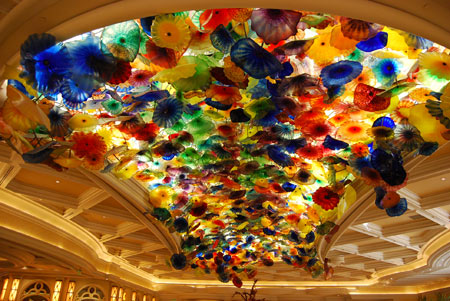
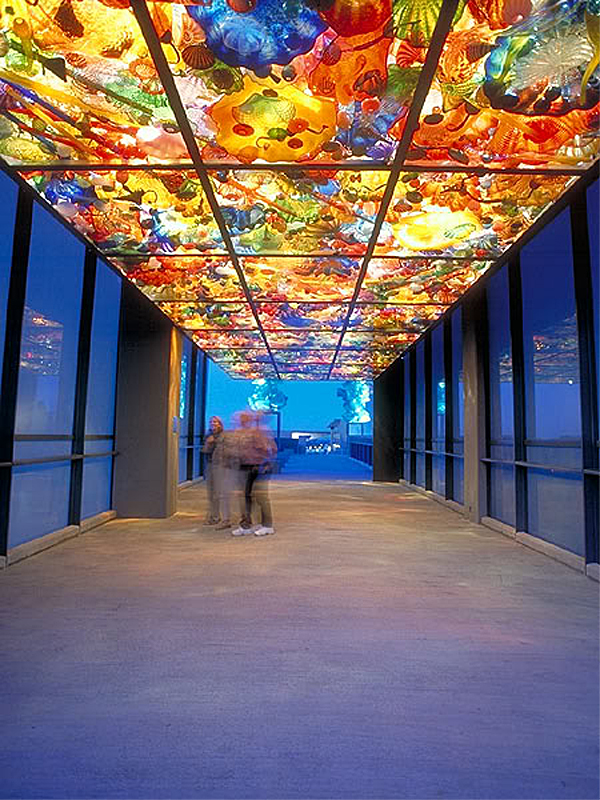
Light Watch 4-90: Some lighting installations are so special that the question of being local does not even enter the discussion…




Tele meetings
Singapore 21st May 2013
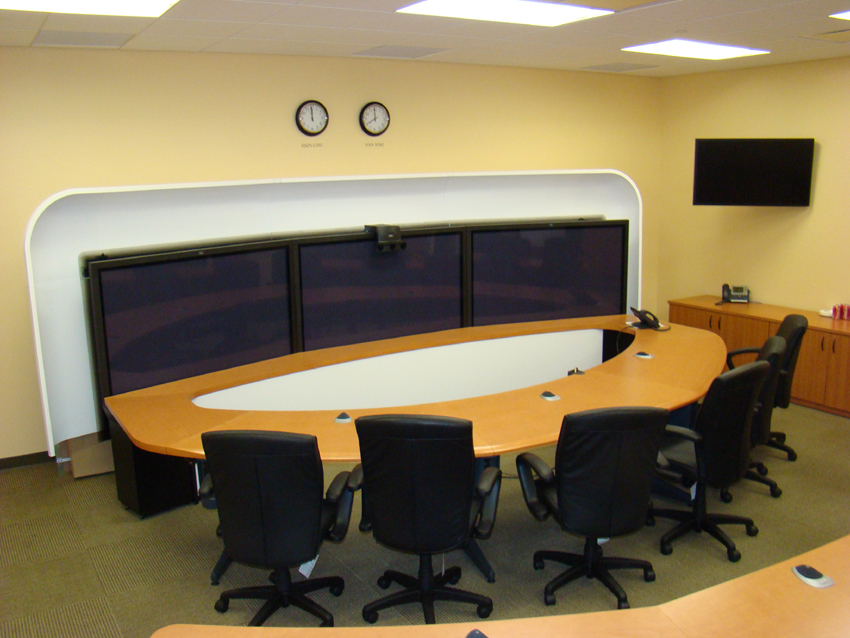
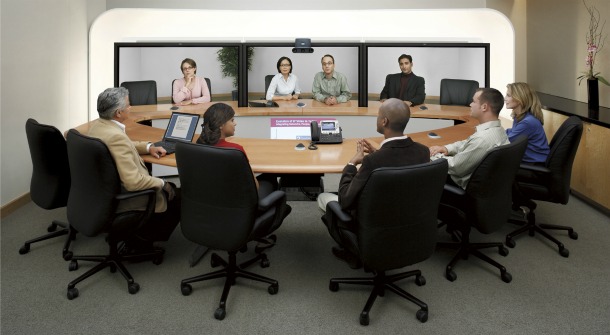
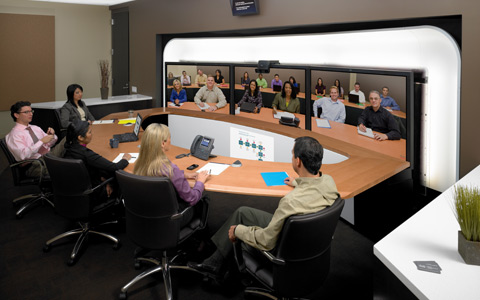
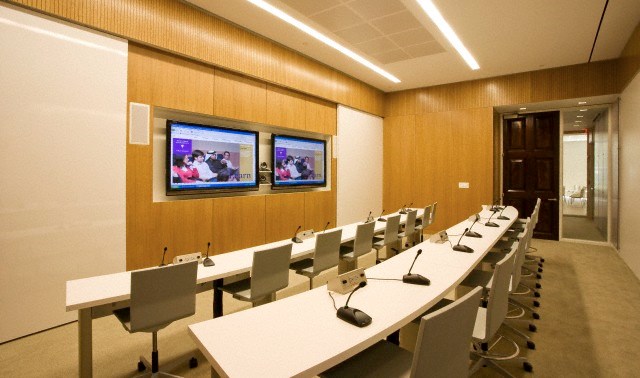
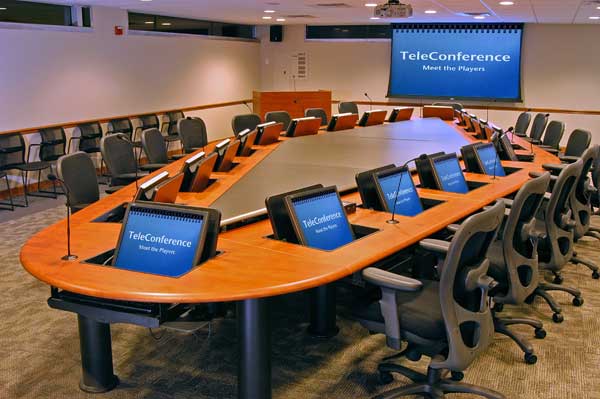
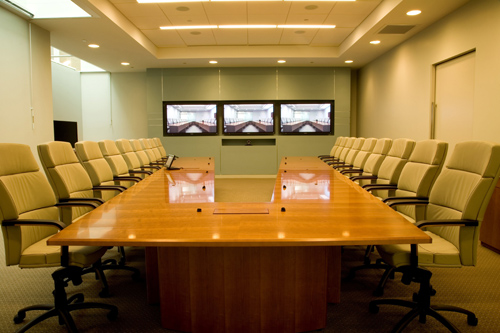
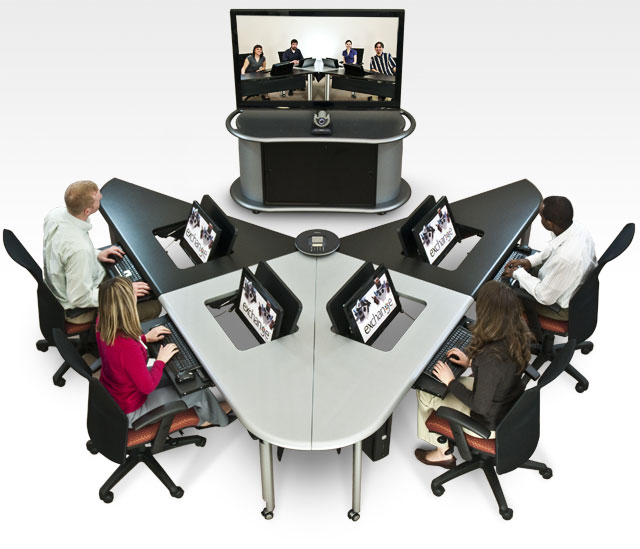
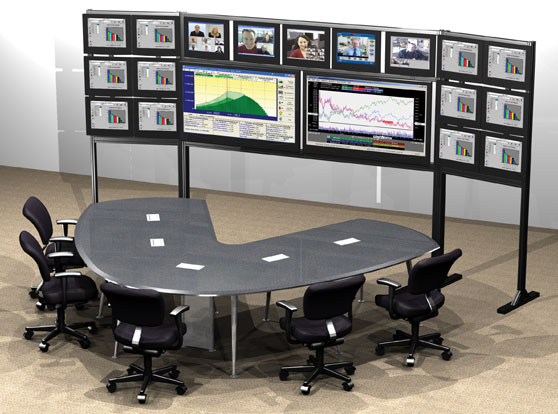
More and more project teams resort to tele-conferencing. Over the last few months the amount of Tele-conferences, Webex and Skype internet meetings have gone through the roof. It looks like we nearly have them once a week now with some projects. Of course the idea behind is to reduce costs and hopefully speeds up the process of design and development. On whether that is actually happening, the jury is still out. Yes it seems to reduce costs as with international project teams the movement of whole teams from one country to another (costs involving flights, meals, accommodation and actual professional time) can be quite a lot. So we find that the consultants from one country (like here in Singapore for instance) are hogging together in one of the offices to talk to the rest of the project teams/ clients in say China and India. It is more the effectiveness that I am still not 100% convinced about. I love face to face meetings, I can read my fellow consultants mind and feelings about certain concept strategies or details and can interact far much quicker then when we are a whole bunch of people scrambled around a TV or computer trying to make sense out of computer images and sometimes poor sound transmission.
One on one should be really one on one and not one on twenty… 🙂 Anyhow my point is that I feel I am far more effective and productive in a one on one rather than in a webex call. But truth be said there is place and time for everything. There are certainly meetings and stages during the project where these kind of remote get-togethers work well. I love my skype and communicate with all my staff via skype, regardless where I am, even if we are in the same office sometimes! In fact for years now I always operate a second computer screen so that I can have my skype conversations while continuing work on my main screen. There are times where I have nearly 10 conversations going at the same time! Typing the right text in the right window can be a challenge…I guess we all have had that “oops” moment…
Light Watch 4-89: Most of the time our tele-conferences are simple; but there are some pretty sophisticated tele-conference facilities around…
Whistle blowing
Singapore 20h May 2013
Now here is an interesting and sensitive subject…whistleblowing! I have read about it, movies have been made around the subject, but so far I had not really encountered it in my daily line of work…until today. I am pitching for a project and as part of the tender submission documents I found an appendix about the whistleblowing frame work that the client has in place. It did not state you have to sign or adhere to it, but the simple fact that it was added as a part of the documents and tender briefing suggest that there is a zero tolerance towards illegal conduct, any possible conflict of interest or activities or other malpractices that may breach laws are be against general public interest; a forewarning to discourage any one with “illegal” conduct in mind. It also describes that miss-usage like un-faithful reporting or even knowingly not reporting could be cause for legal action; making you guilty for abuse of the system but also for not reporting! It then goes explaining at lengths how the potential whistle blower would be protected against possible reprisals and how your identity would be kept with utmost confidentiality; only to follow with a disclaimer that “under certain circumstances” they may be under obligation to reveal your identity…so much for confidentiality…
While I am principally a supporter of ethical conduct, there are many grey areas that are not really defined. Like any good police case, you cannot just report based on hearsay or assumptions. You need facts…facts that can be backed up. This whistle blower system encourages people to denounce anything that feel illegal, but perception can be clouded easily, certainly when it concerns competition or people you really don’t like. I may suspect or think something is going on but without proof I cannot just start whistle blowing…
Point in case; today I received an email from a contractor in another country saying that he could not find any supplier able to provide him the fitting we had specified. So he proposed an alternative fitting to the client. What I found out: 1) he had not checked availability with the actual supplier of the product specified, 2) he specified an alternative (and here I assume) for the same price 3) I found out the brand he specified is a cheap Chinese brand. The assumed intent…making profit on the back of the client and not passing on the price benefit…I have killed it by rejecting the alternative, but would that be a case for whistle blowing?
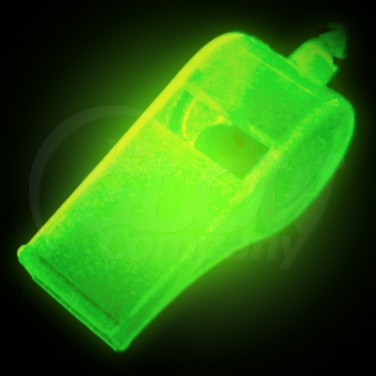
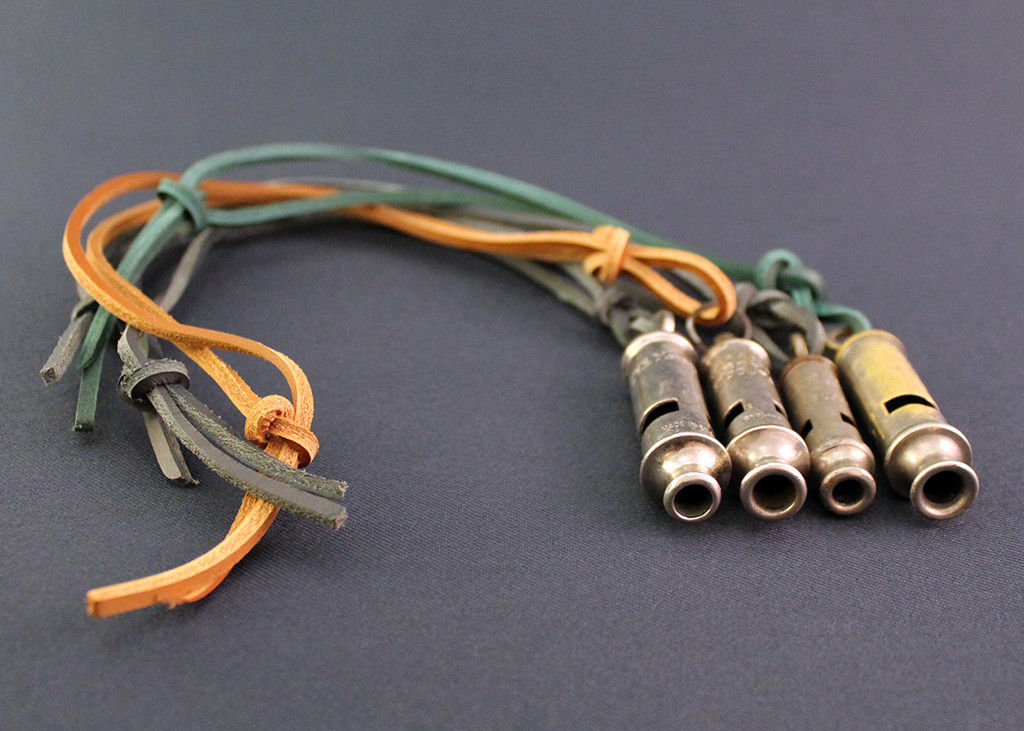
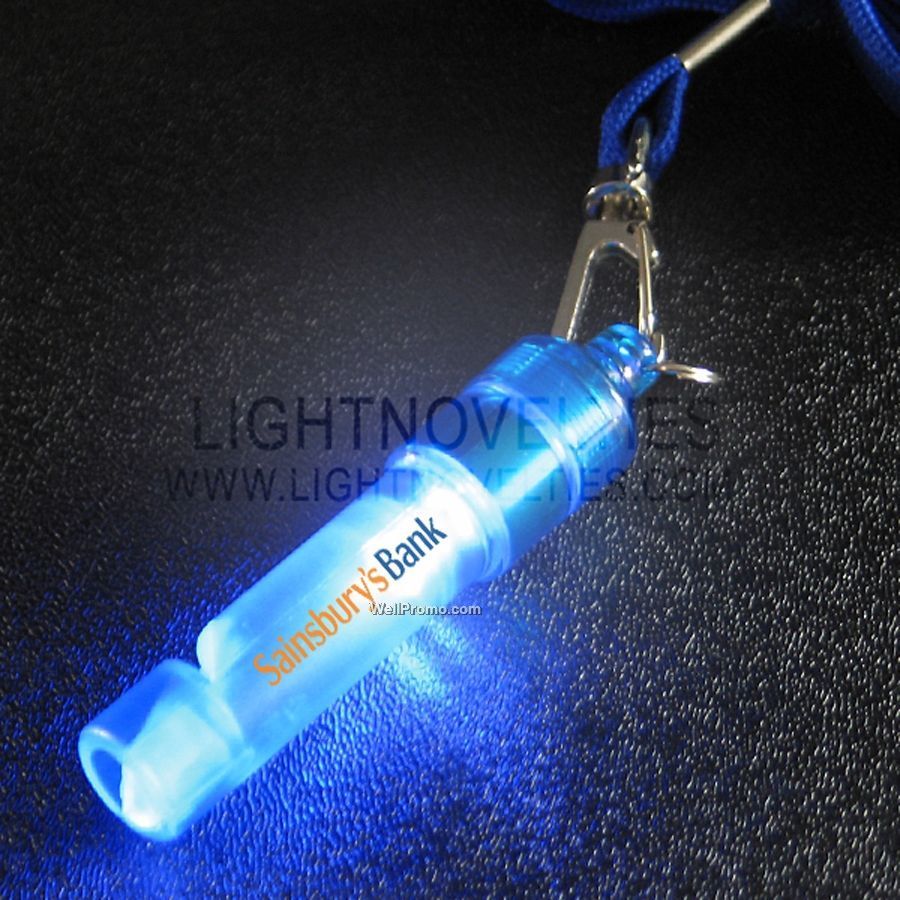
Light Watch 4-88 Not surprisingly there are whistles with light…

The art of declining…
Singapore 17h May 2013
As much as proposing is an art (yesterday’s blog), declining is possibly an even greater art. Saying no is not as easy as it may seem. There are so many factors that can influence a decision, certainly when it involves saying no to potential income! When we negotiate our fees we negotiate a package that has to be sustainable for the company. We have bills to pay, we have salaries to take care off and at the same we wish to make some profit to allow the company to grow…
There are clients that have a knack of squeezing every last drop out of you. They come out with an RFP that asks the world with at times excruciating terms and conditions. Of course you don’t have to blindly follow all that; you know what works for you and what not. So the art of proposing is also the art of declining diplomatically and with sensible reasons those terms and conditions (including fee discounts!)that will make your life miserable during the life of a project.
Typical “decliners” in the terms and conditions are issues such as speculative design (where they will only appoint and pay you if they like your concept); no appointment fees; ridiculous payment terms; making you absorb all the cost of travelling and all taxes, indefinite time schedules and the list goes on…
It was not so long ago that I declined a project even though the client was fine with my fees as a total. It broke down on the payment terms. No appointment fees and a first payment sometimes after concept. And if that was not enough, the payment terms they wanted me to sign was a 10 day certification process for the invoice (no problem) followed by a 90 days payment schedule…no way! I argued that once the payment was certified 30 days should be the maximum, but to no avail…
With all projects you need petrol in the tank, so managing the cash-flow for the company is crucial. We cannot be financing the clients project…that’s not fair. But they try and despite the fact that you are in need for new projects there are tims you need to say no…artfully…
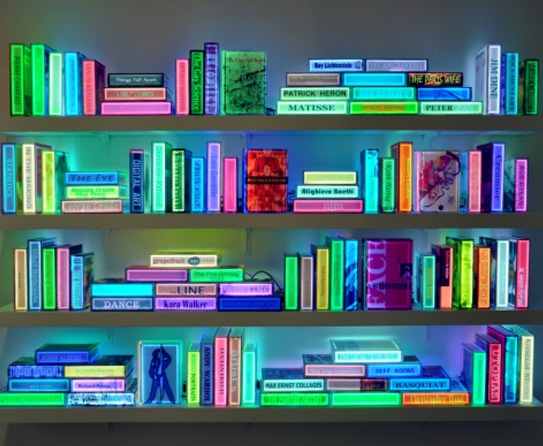
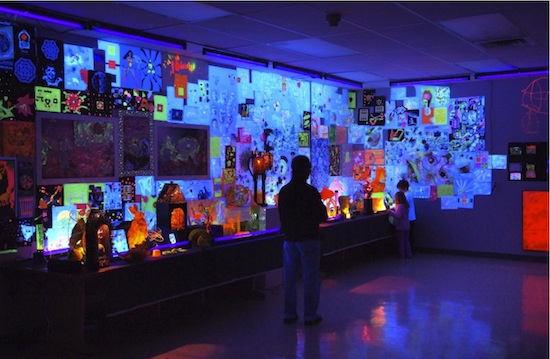
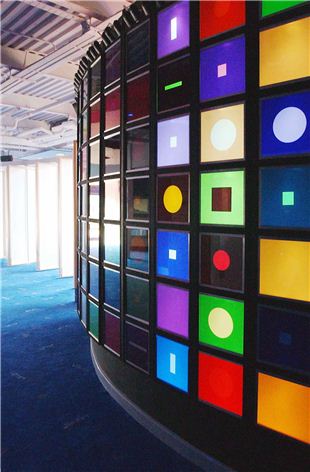
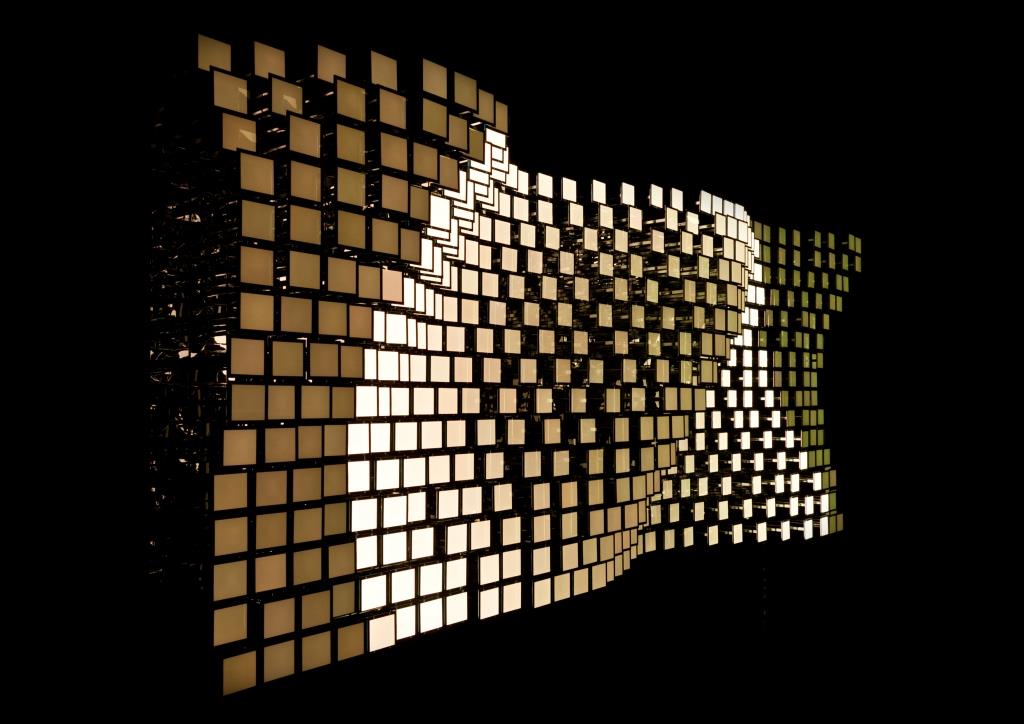
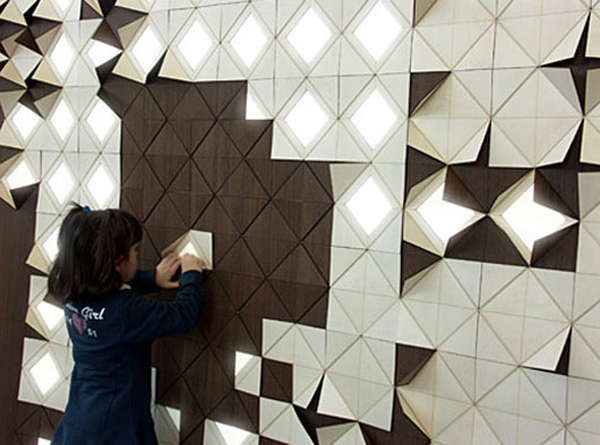
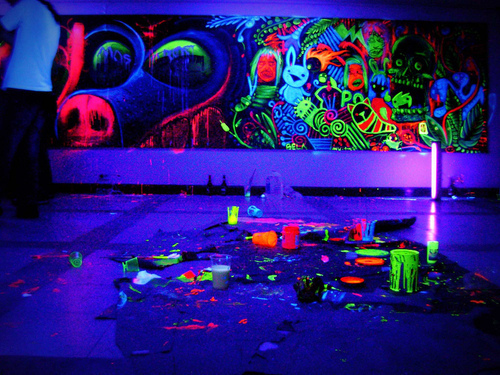
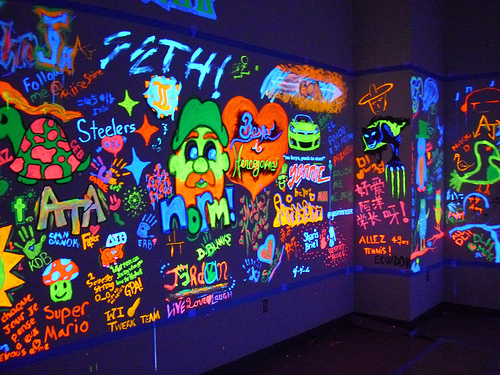
Light Watch 4-87 Some more arty lighting installation, things you can do with a wall…have a great weekend

The art of proposing
Singapore 16th May 2013
Back in my Singapore office after a good 2 weeks away…and not surprisingly I spent most of the day catching up with the team on project progress and other decisions that had to be made for the coming deadlines for deliverables. There seems to be a real haste at the moment in many of our project countries to move projects forward. Good for us I guess and again not surprisingly I have pile of 8 RFP’s (Request for Proposals) and fee negotiations to go through and respond to in the next couple of days, three of the fee proposals due tomorrow!
Now responding to RFP’s is an art I think. While you can calculate the fees that you think you are worth and what you think is needed to cover for all your expenses and overheads along the way, including a profit, there are so many unknowns most of the time, that you have to take an educated guess in regards of your fees. You limit your exposure as much as you can and make you sure you cover (or exclude) as much as the variable costs as possible. Example: your travel expenses…Airfares are subject to seasons and a flight in the low season can be as much as half the price of that during the peak season if not more. If you travel business class the variance can be pretty big! Same for hotel accommodation, so we generally exclude that as a “reimbursable at cost” expense for the client.
Often we do our proposals “blind” just based on an area planning list without any plan or rendering to be able to assess the complexity of the spaces. Sometimes the classification or sophistication of the project is unknown (budget hotel or 5 star?). There is a big difference. Construction schedules are another nice variable component..1 year, 2 years, 5 years? We have since years a clause in our contract to limit our involvement to a fixed project schedule…learned the hard way from past projects that started of as being a quick 12-18 months job, but which 5 years later on you are still slugging it out. The art of proposing…attractive to your client, but protective for your future…
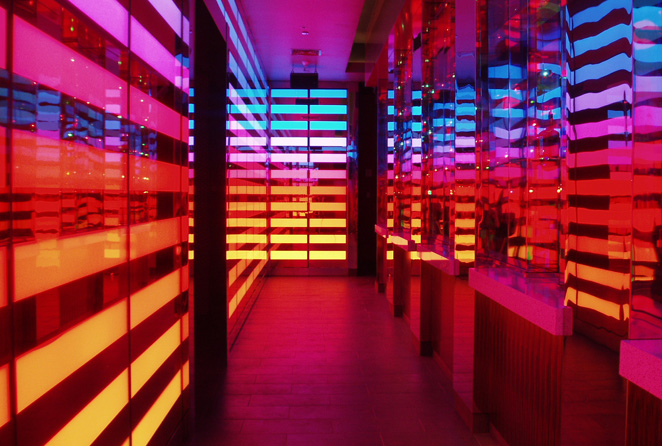
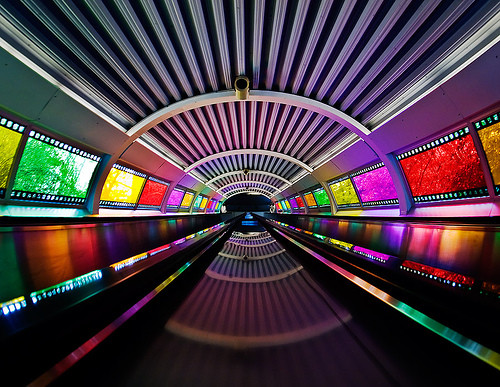
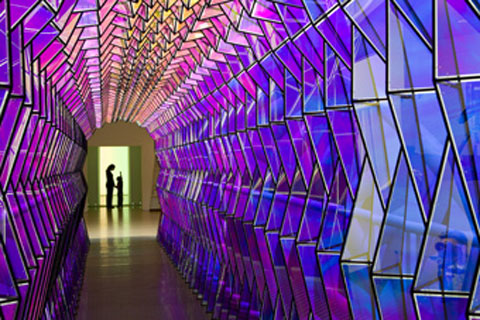
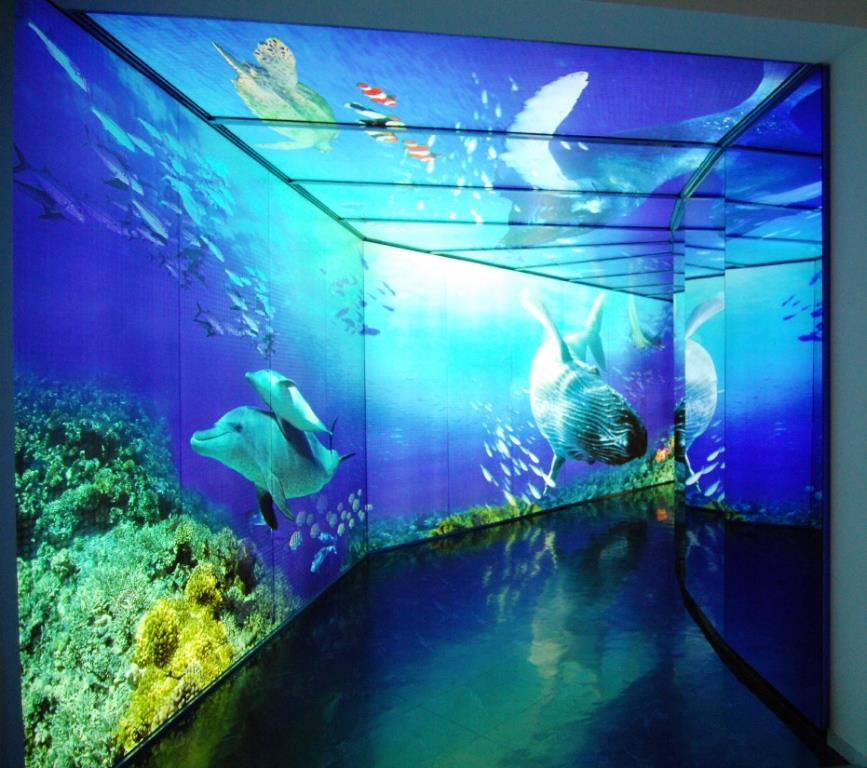
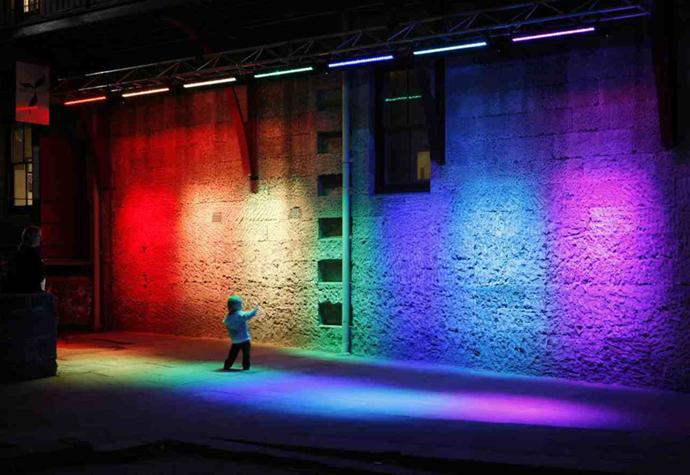
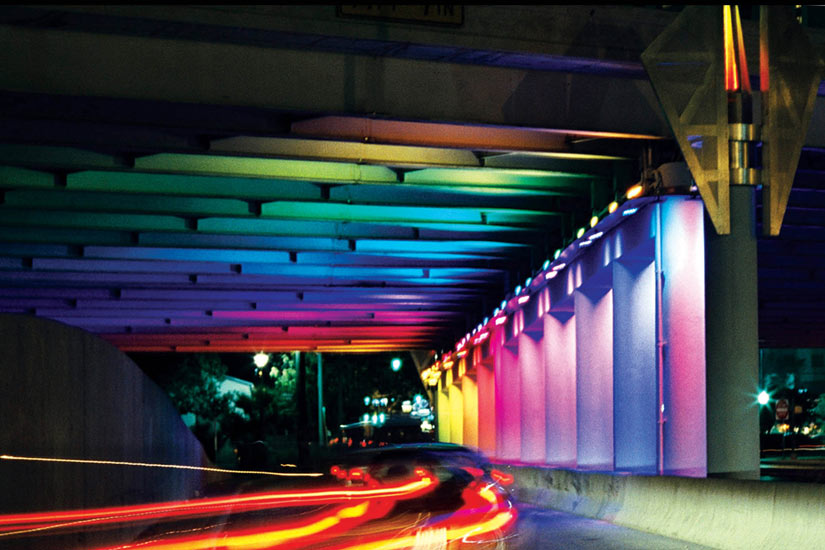
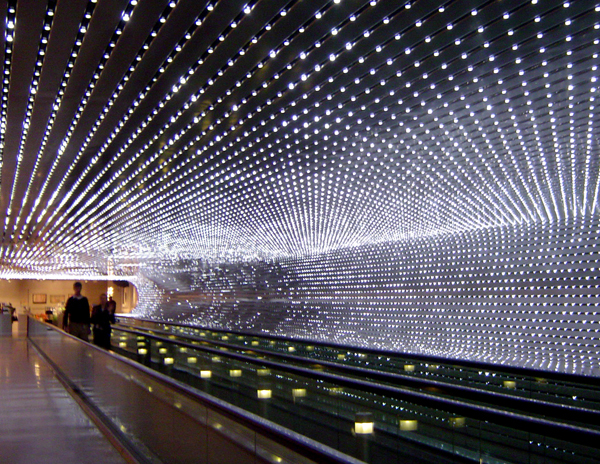
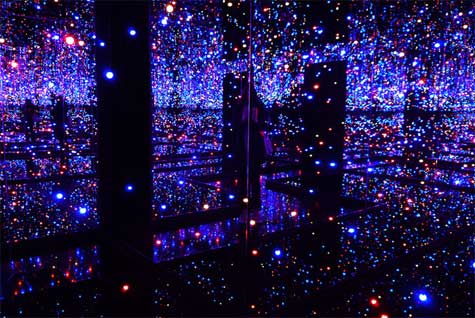
Light Watch 4-86 The art of lighting spaces…here is a different look for inspiration…
Commercial relationships
Jakarta 15th May 2013
As I am in the lounge waiting for my flight back to Singapore, I reflect back on the last few days in Jakarta. Overall a well spent time, managed to meet several of my clients for on-going projects as well see some potential new clients to negotiate our project offer. I am going back with a lot of “homework” in my bag J…
What stuck most in my mind was a statement (nearly as an apology) from one of my project clients about the fact that the installed down lights as well as the control system were not from the specified source. I had queried him (confronted is probably a better word) about the fact he had ignored our specs and had gone ahead to install another brand from another supplier source; one that I had previously rejected! This supplier had tried, in vain, to convince me and get my approval for their proposed alternatives but at several occasions I had rejected it and explained what they needed to do to comply. My client’s project director explained that this was the result of a “commercial relation” between the clients CEO and this company. No further explanation, but I quickly understood that the supplier had basically “thrown” in the lights as a sweetener for being awarded a far bigger contract to provide other equipment and products in the hotel.
I have encounter this in other projects regularly. In this case it had happened not only with the down lights but also with the controls. In both cases the selected supplier and his brands unfortunately had practically no prior experience in the use of LED. When I say experience, I mean no completed projects with at least 1-2 years of proven reliability track record in support. It happens all the time and my dear client is just a guinnea pig. The supplier of the controls to my knowledge used to be just a manufacturer of switches, but they have now moved in more sophisticated dimming controls. Dimming LED’s is a whole different ball game…I will just have to wait and see if this “commercial relationship” will work out…I hope so!
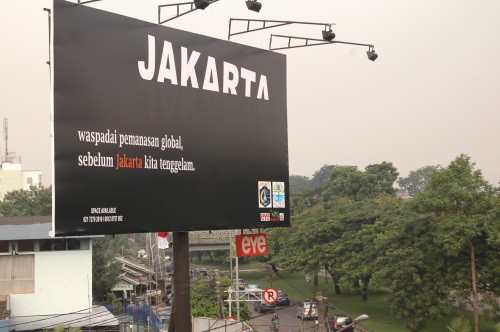
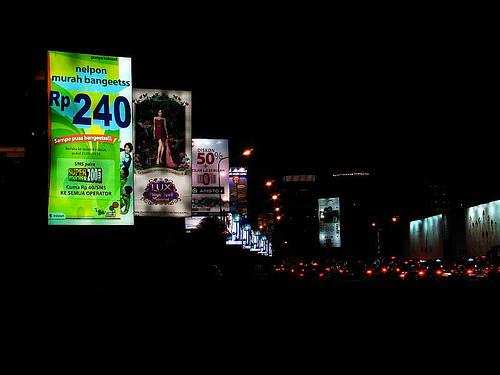
Light Watch 4-85 Talking about commercial relationships…typical for countries like Indonesia are the huge billboards (and hundreds of floodlights) along the city skyline…




Work lights
Jakarta 14th May 2013
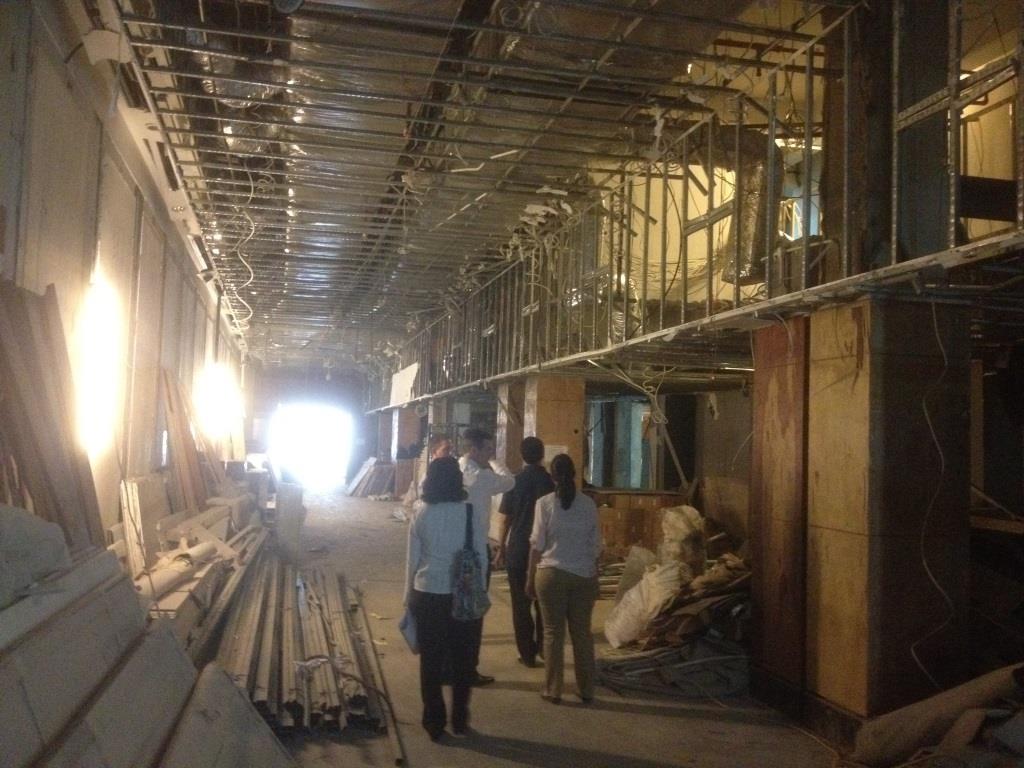
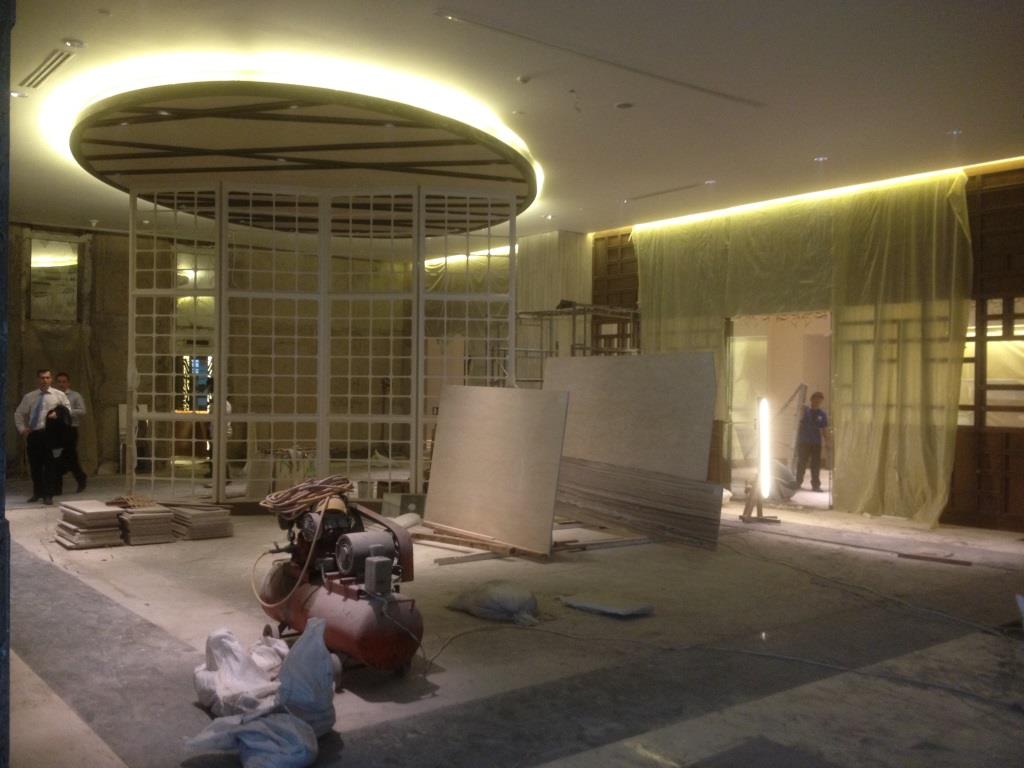
Today, much like yesterday was spent mostly on site inspecting the progress of the lighting in our projects here. It is hard to believe how out of such mess on site something beautiful can emerge! I have been to many building sites in my life to the extent that when I see a site in a building stage I can pretty much anticipate when it is likely to be ready. For instance from approval of the hotel mock up room to final completion, pretty much 12- 18 months, from finishing the building super structure and first start of a commercial fit out minimum 6 months to any form of soft opening. So when I came to site this morning and saw that fit out had just started, I knew that the scheduled opening of June (despite the project manager keeping up a brave face) would not be met. Confidentially he told me that it would probably be September, I looked at him and said…sure (with a smile)…
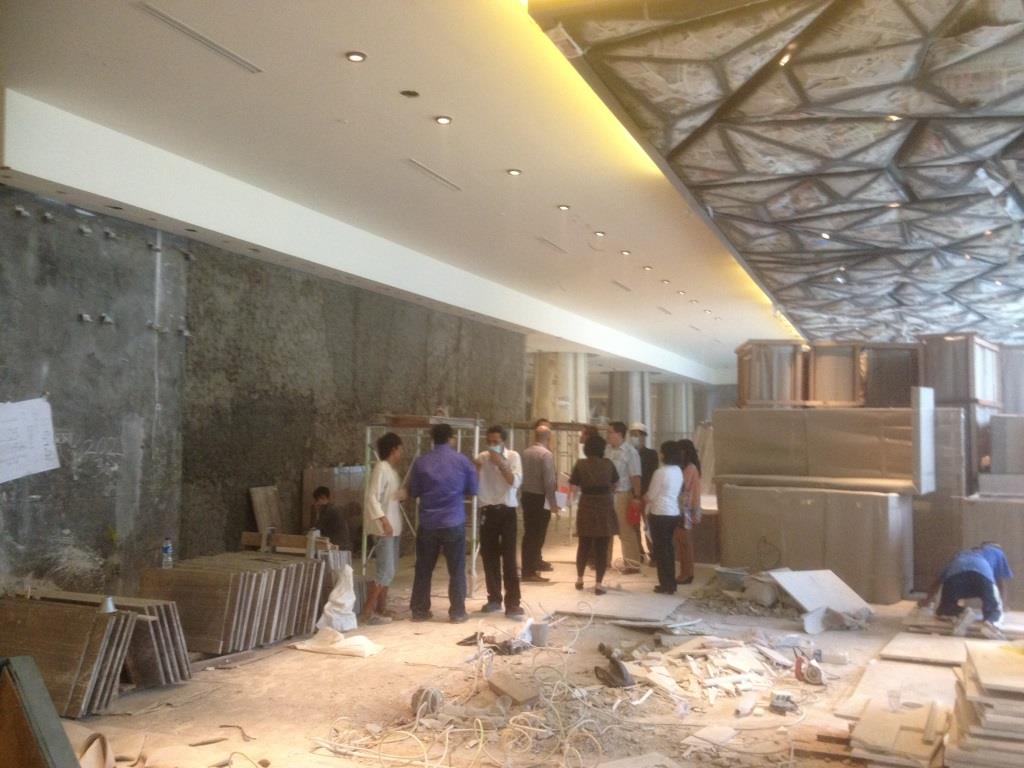
One of the recurring feedbacks you get at this stage is people starting to project opinions about the lighting. It is too bright! There are too many lights! Do we really need lights here? It is too dark over here! This happens when the structure is still bare, the ceiling has just been fitted out and they have started to install the down lights. No partitions, furniture, finishes, carpets and all decorative items like pendants, wall scones or table lamps still a long way before installing. Often the overall site is still awash with work lights troubling people’s ability to judge the final outcome! You would be surprised how many people cannot make the distinction and criticise your lighting design confusing work lights with what they think you specified…!
Down lights in a white concrete space with no fit out and finishes look of course distinctively brighter! Once the carpets, curtains and furniture are in light will be absorbed left, right and centre. Most people can’t really envisage that so they react on what they see…too many (or too little) lights! Leave it to the experts! That is why you hire us J…
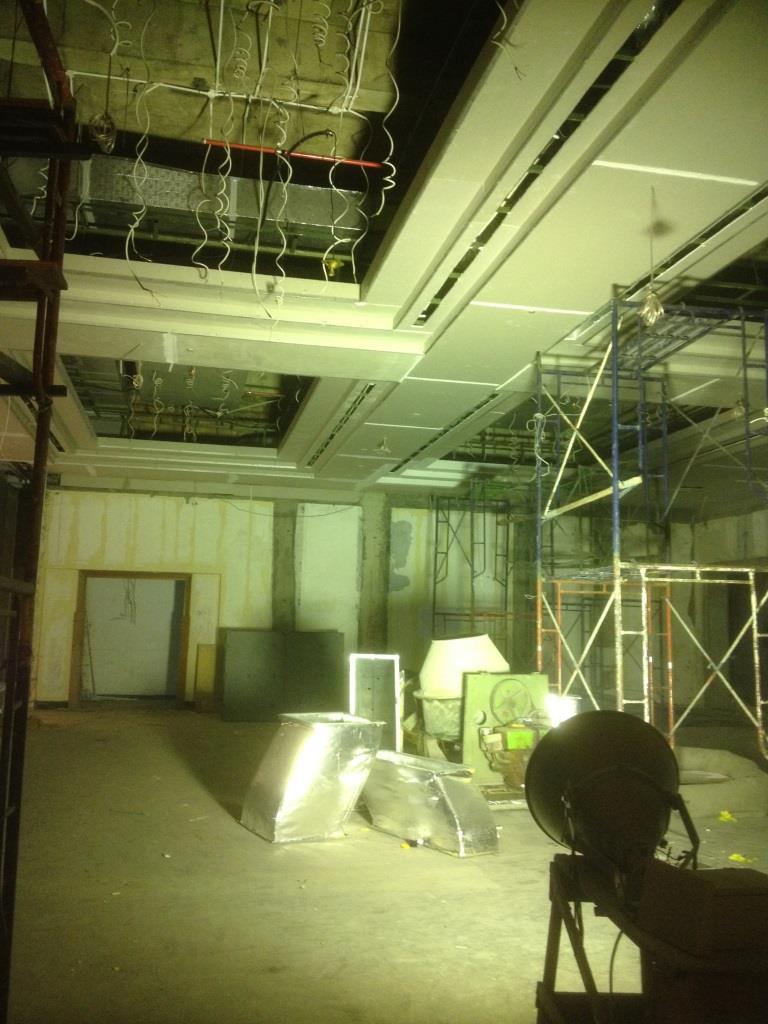
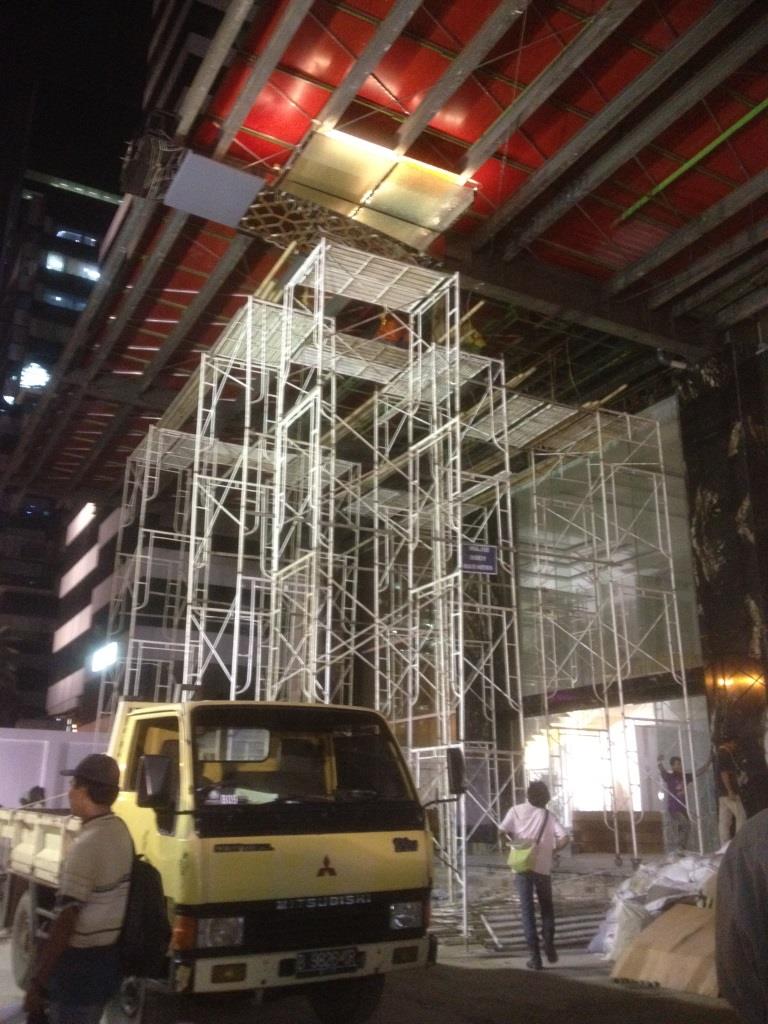
Light Watch 4-84: Here is a snapshot of a few work sites I have been to in the last two days! Some are so dusty you need to use a mask to properly breathe…

Working religiuosly
Jakarta 13th May 2013
I am not a religious man…I do work “religiously” and committedly, but I am not part of any specific religion. I don’t go to church, mosque, temple or synagogue to pray, but I do visit them whenever I have the occasion on my travels; Milan, Paris, Moscow, Istanbul, Bangkok, Agra; they have some great religious buildings and visiting them is special, even inspirational. I don’t need to be religious to appreciate that. In fact interpreting and reflecting on your own principles and actions when in life in a place like that can be quite “deep and meaningful”. Several years back I read a book that assessed and described all the known religions in comparison. A very interesting read and in combination with all my travelling a valuable reference. I also read a book about the lost years of Jesus (a part not listed in the bible) that describes his voyage to India and his exposure to Hinduism!
Why am I all about religion…? Because it was religion that woke me up a 4am something this morning. I had arrived late last night in Jakarta from Perth and was hoping to sleep in a bit, but was rudely awoken, in what felt the middle of the night, by the sound of prayers coming from the nearby mosque. Indonesia is predominantly a Muslim country and the religion trickles through in many aspect of doing business here. While Indonesians are generally quite relaxed about their religion, you cant really escape Friday prayers, when most Muslims drop whatever they are doing to go for prayers…
While I do respect religions I do feel that it should not impede on the workplace…I once, had a very devout Muslim in my team in Singapore, who had the Koran on his desk and stepped out several times a day to pray. In principle no issue but it gradually started to affect the others in the team as he was away a lot for prayers and was (too) frequently reading the Koran during working hours rather than doing the work I was paying him for. He was a nice guy, but it did not work out…I am just saying…working religiously can be a challenge J
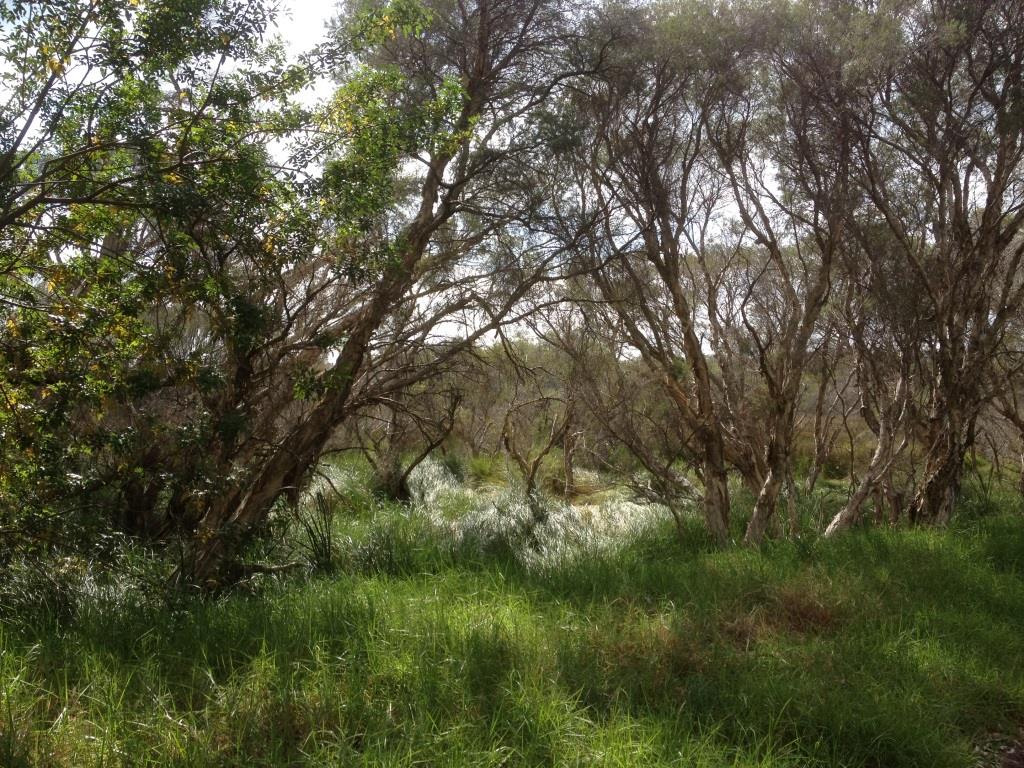
Light Watch 4-83: Religion is often linked to…”seeing the light”. Light from heaven…Here are some pictures from around my place in Perth…







 The long awaited book compilation of Martin's first year of blogging is available. Order now.
 Feedspot Top 100 Lighting Blogs