
In the swing of things
Hainan, 25th April 2013
Today was more of the same only this time we had broken up in smaller groups each focussed on specific coordination issues. My main focus of the day was the coordination with the interior designer to trash out all lighting details to allow us to move into full design development detailing. These are meetings best carried out with the least possible number of people, just the key design decision makers, me my interior design counterpart and our close senior design managers. Contrary to yesterday we managed to keep the group small and as a result quick progress and rapid decision making was possible, a meeting of the (creative) minds without unnecessary distractions.
It is not always that you meet creative minds (interior designers) who really have an excellent feel and understanding of lighting. When you do working together is a joy and a breeze as both are extremely focussed and understanding of what needs to be achieved and the challenges that need to be resolved. There are many architects, landscape and interior designers who think they “know” lighting and think they can tell you what to do. Unfortunately most of the time they do not and working together is far more difficult due to the ego’s that are in the way. Those designers who do understand lighting have a far more respect for lighting designers (provided of course you know your stuff…) and working together is far more enjoyable and productive. Today was such a day in which we really got in the swing of things and managed to cover all that we wanted in a relatively short time! Very satisfactory and great for a fluent progress of work…
Light Watch 4-72: The TV company that is documenting our meetings and project progress sent me a couple of take outs of me in action from the video’s shot yesterday. I don’t have the opportunity often to look at myself in action…so here it is a few action shots of moi in action…
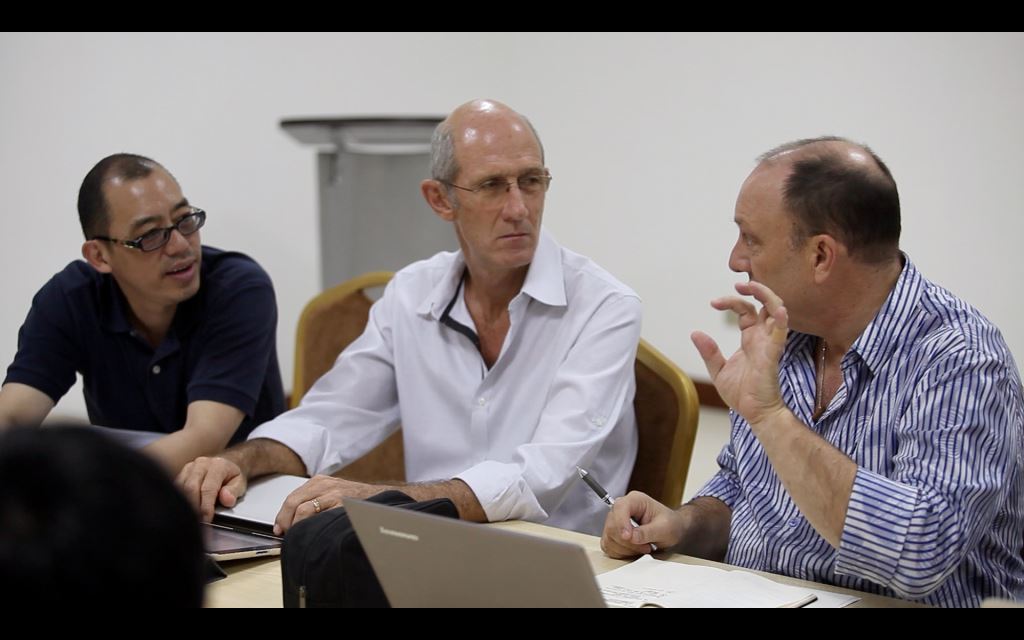
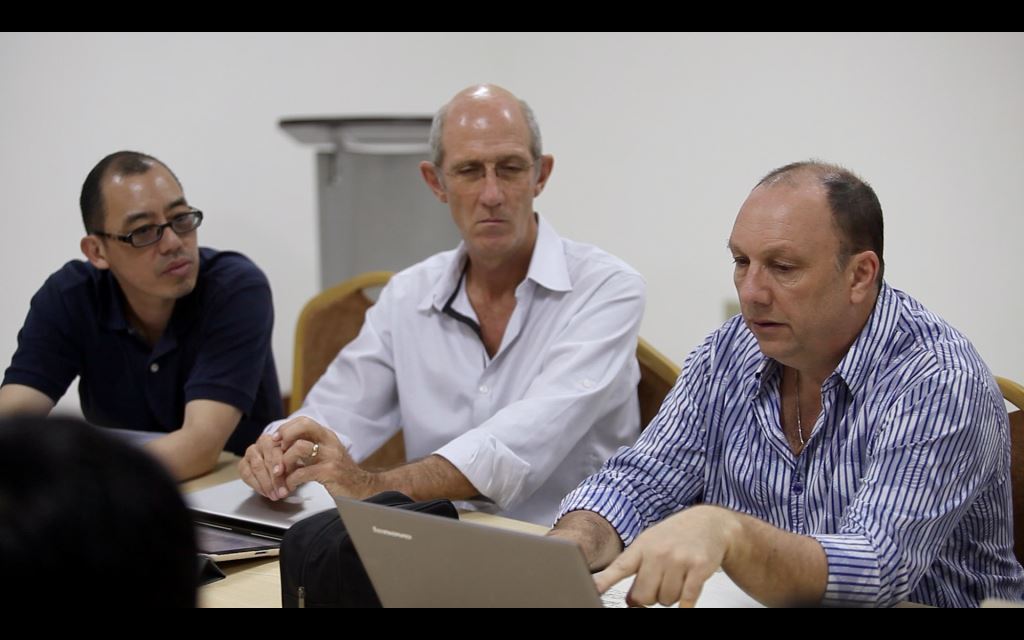
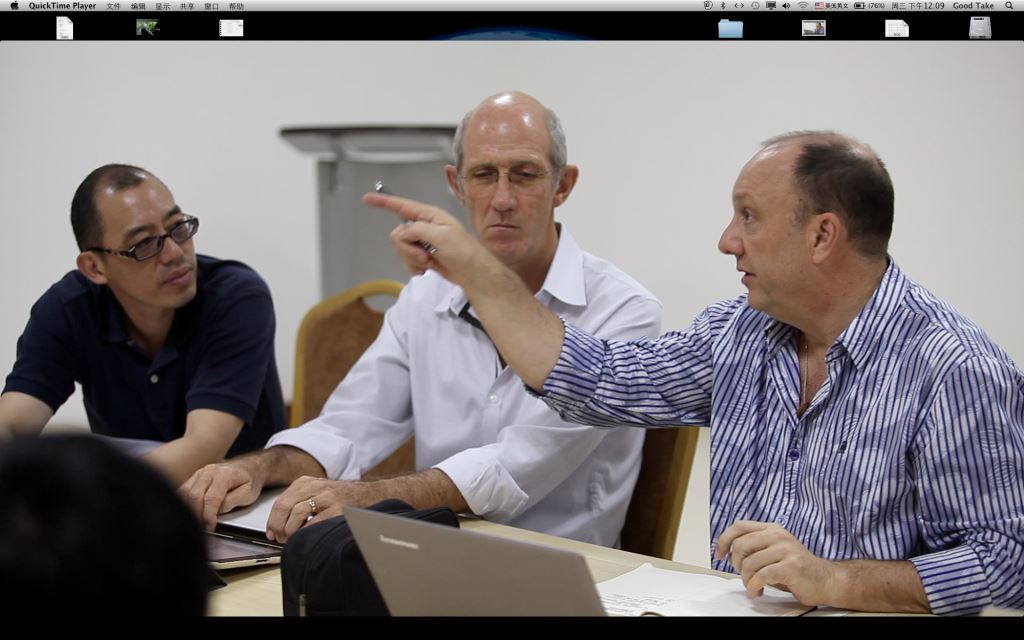
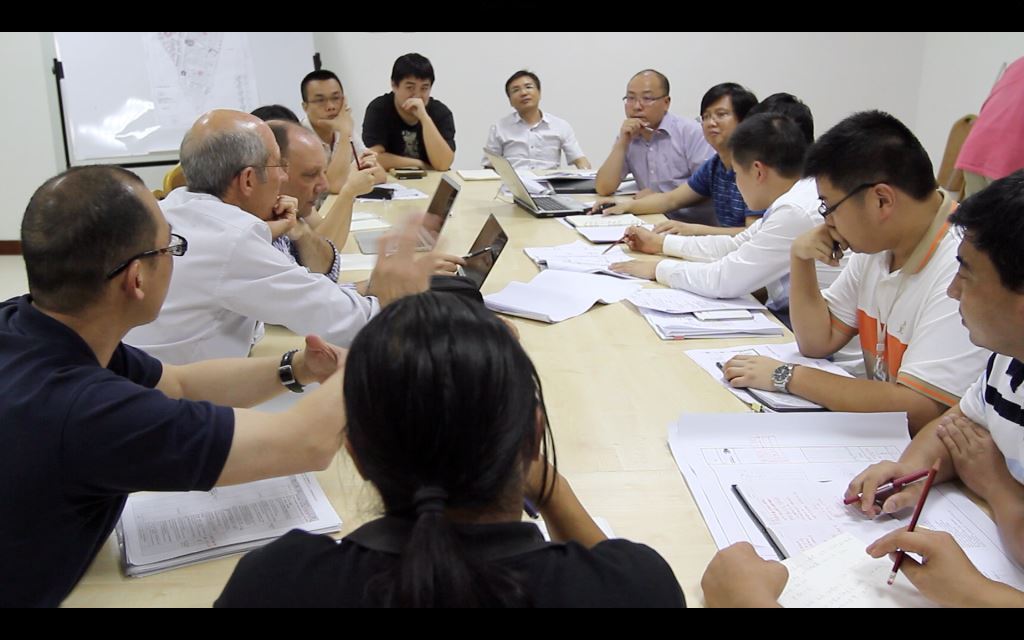
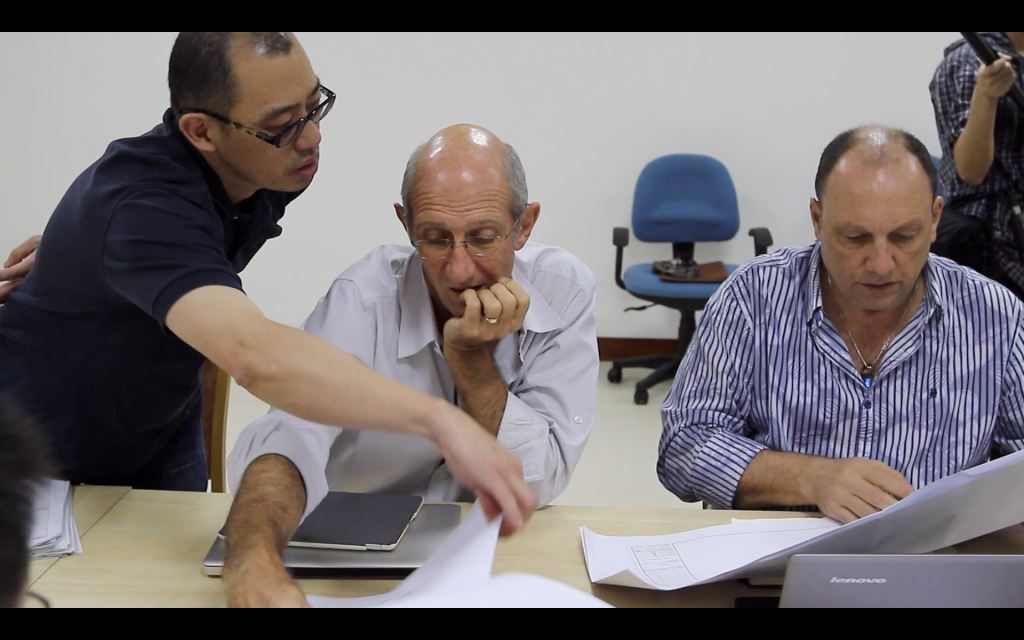
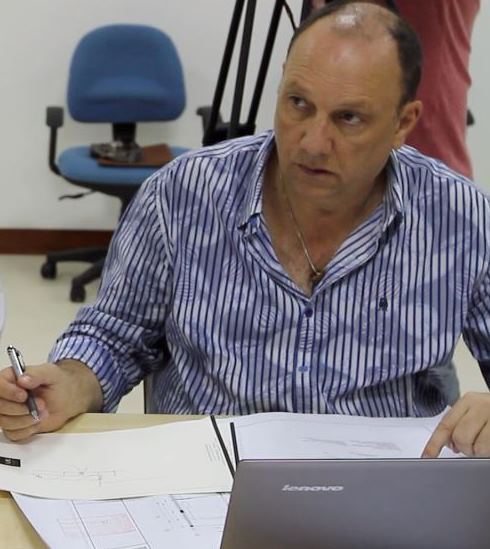
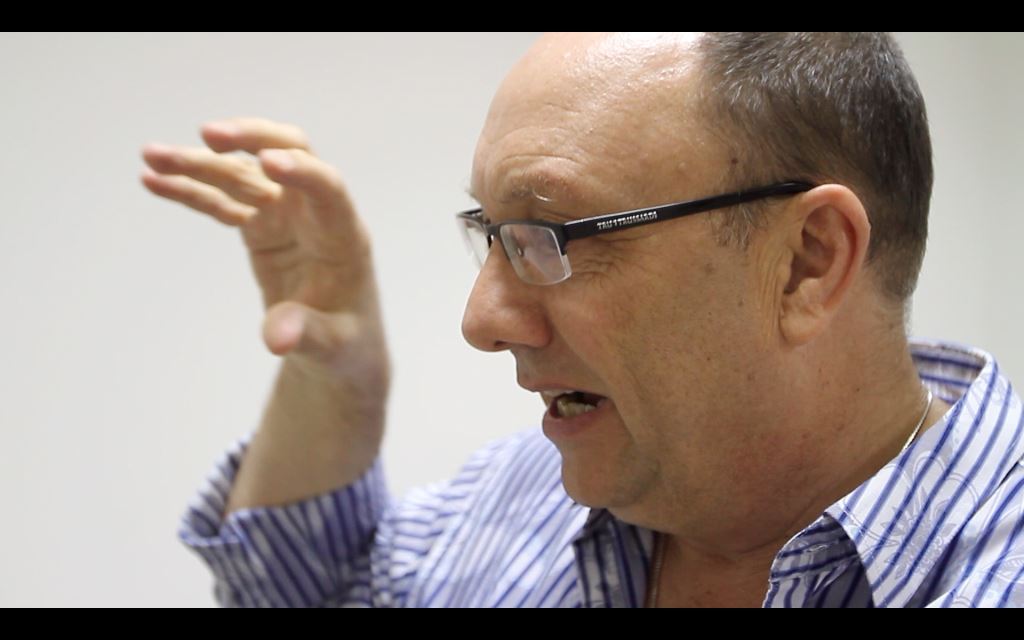
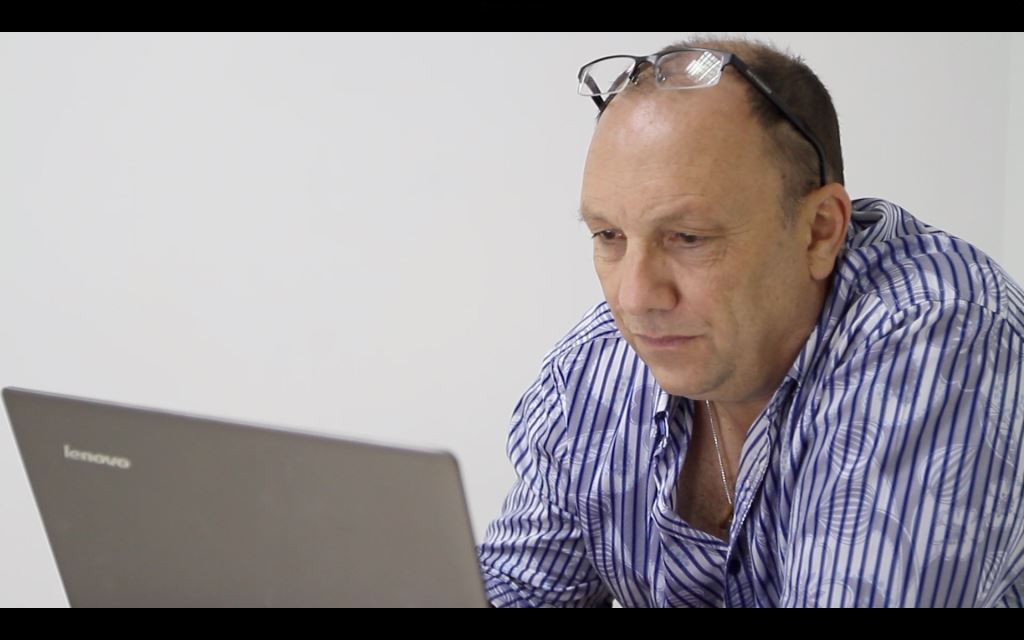
Reality TV
Hainan, 24th April 2013
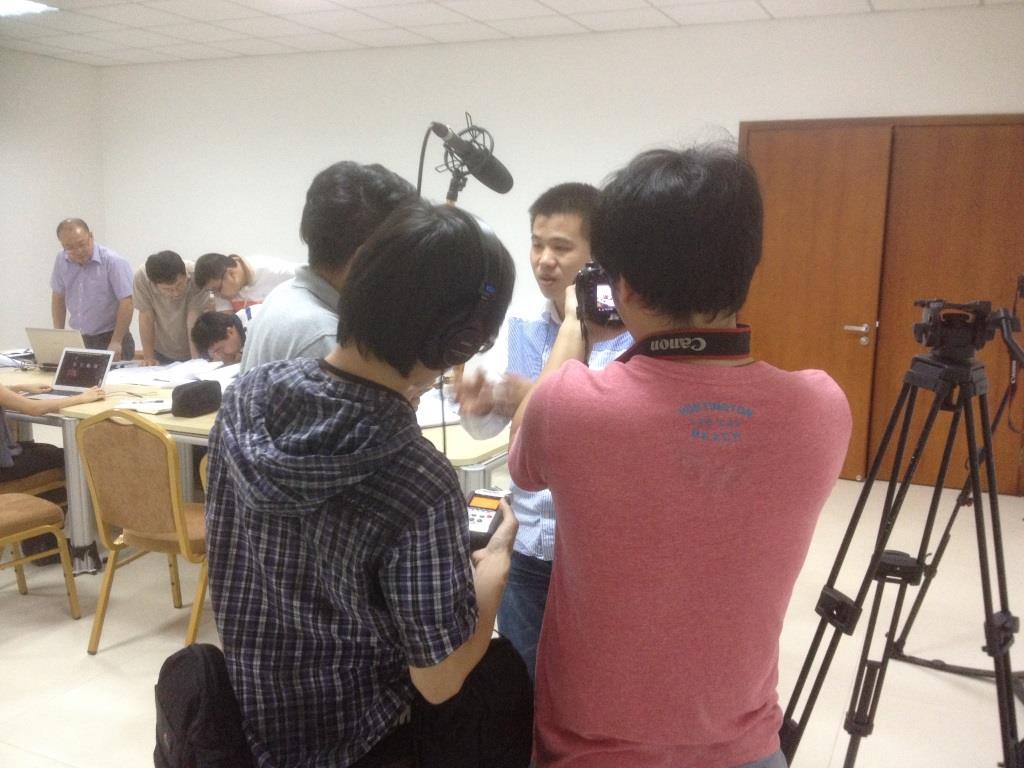
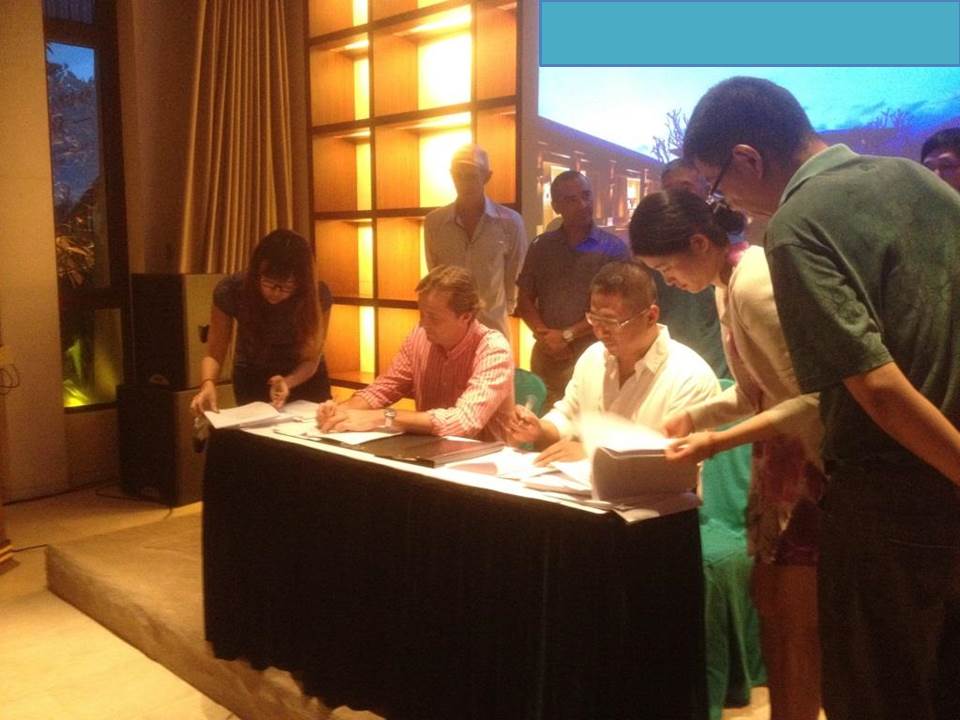
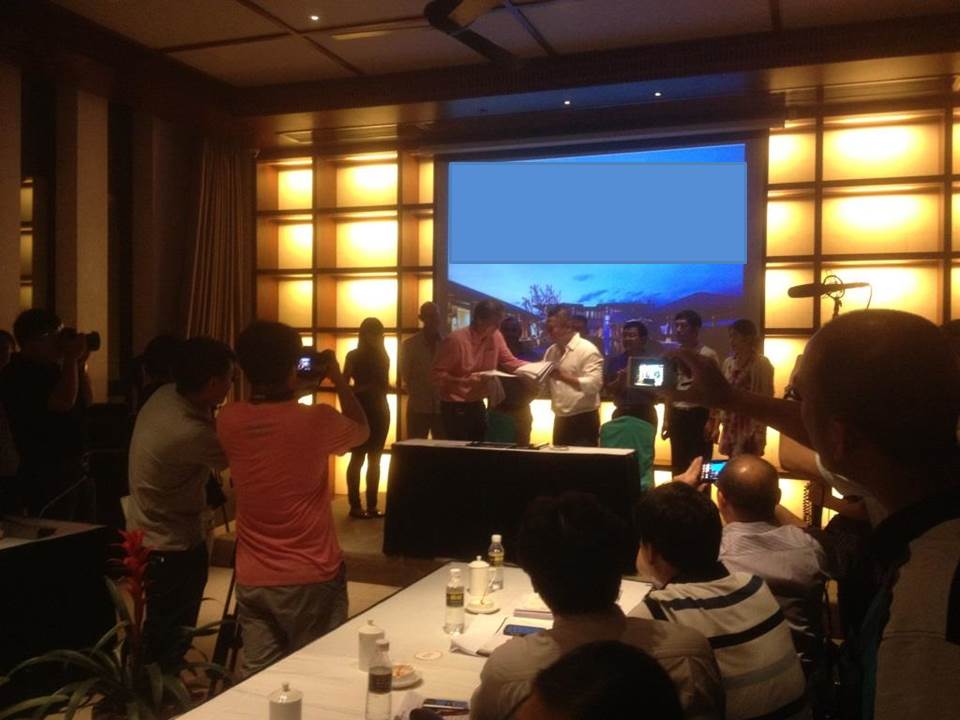
As I mentioned yesterday a CCTV film crew is following the project team during this week’s design and coordination meetings as well as filming the official signing ceremony of the operators management contract last night. I imagine that this Is like Survivor or the Amazing Race must feel, with camera men continuously around (sometimes re-staging things for better recording :)). I must say it is in a way quite exciting as it makes you feel like we have embarked in something special. But that is probably just my ego speaking here…the funny thing is that after a while you hardly notice them anymore. I was always wondering with these reality TV shows what it would feel like when these TV crews are around you all the time, but indeed after a while it’s like they don’t exist; part of the background and furniture 🙂
One of the things I have always found fascinating in Asian culture is the hierarchal chain of management and subordinates. Sometimes you want a simple meeting with just decision makers around, but in this part of the world (where labour is cheap(er) I guess) we find ourselves with complete groups of “village people”. Really I have some times now idea where they are from or what they are doing there. But for some “bosses” it makes them look important if they come with all their staff…Yesterday I was to do a round of the site with just my colleague, the project manager and the chief engineer but instead of the 4 of us we ended with a group of nearly 20 people…really? Apparently the master from overseas (me :)) was going to tell them what needed to be done, so every single person with something to do with lighting on site was present from the lamp procurement guy to the guy responsible for installing the electrical distribution boards… I tried to explain to them that I was just doing an assessment round and hoped to move around the site quickly and efficiently, but to no avail…they were told to stick around so they did! Hard to break cultural barriers and sometimes maybe we shouldn’t. That is reality for you too…
Light Watch 4-71: Here are some mood pictures from my meetings, the ceremony and more…
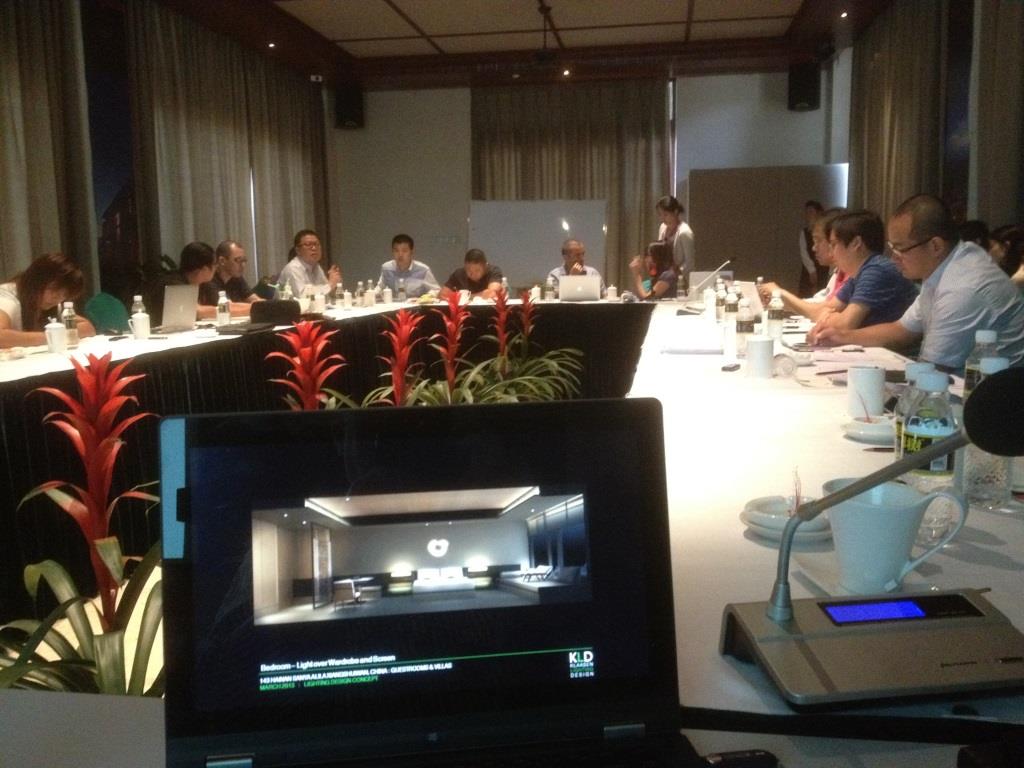
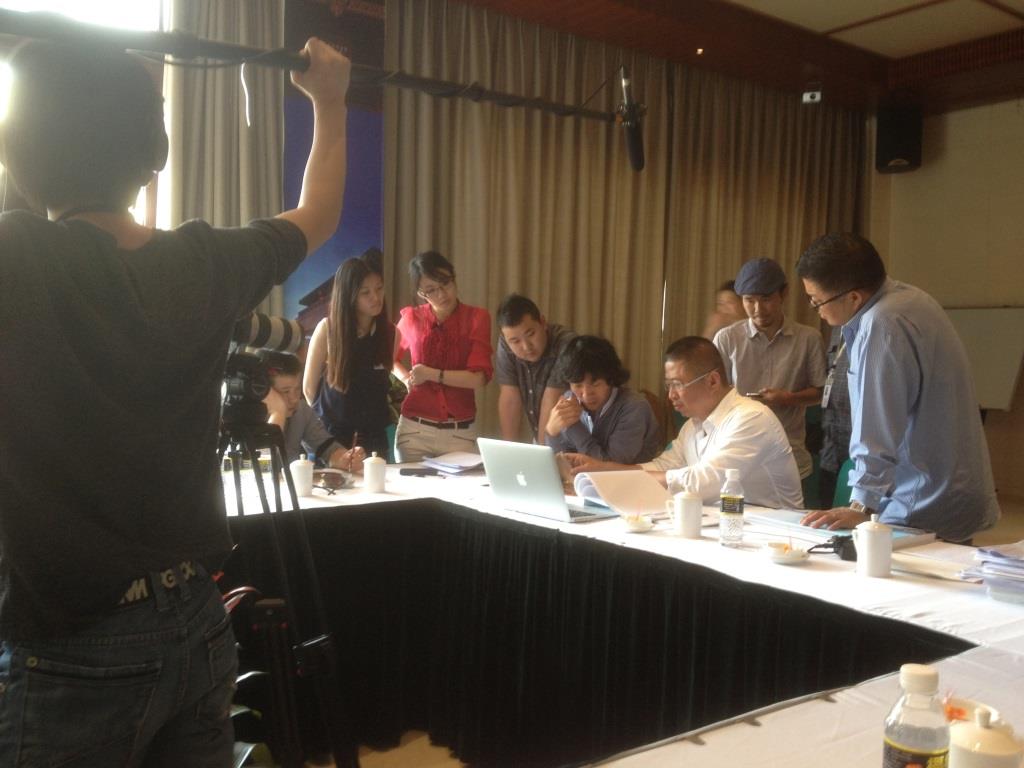
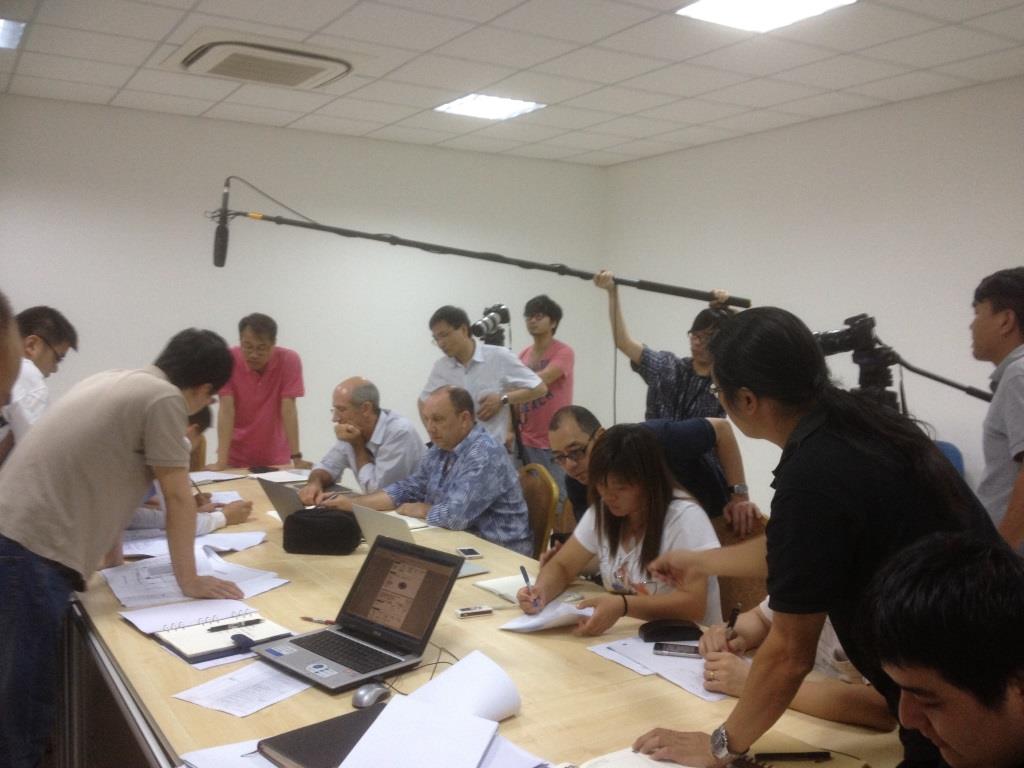
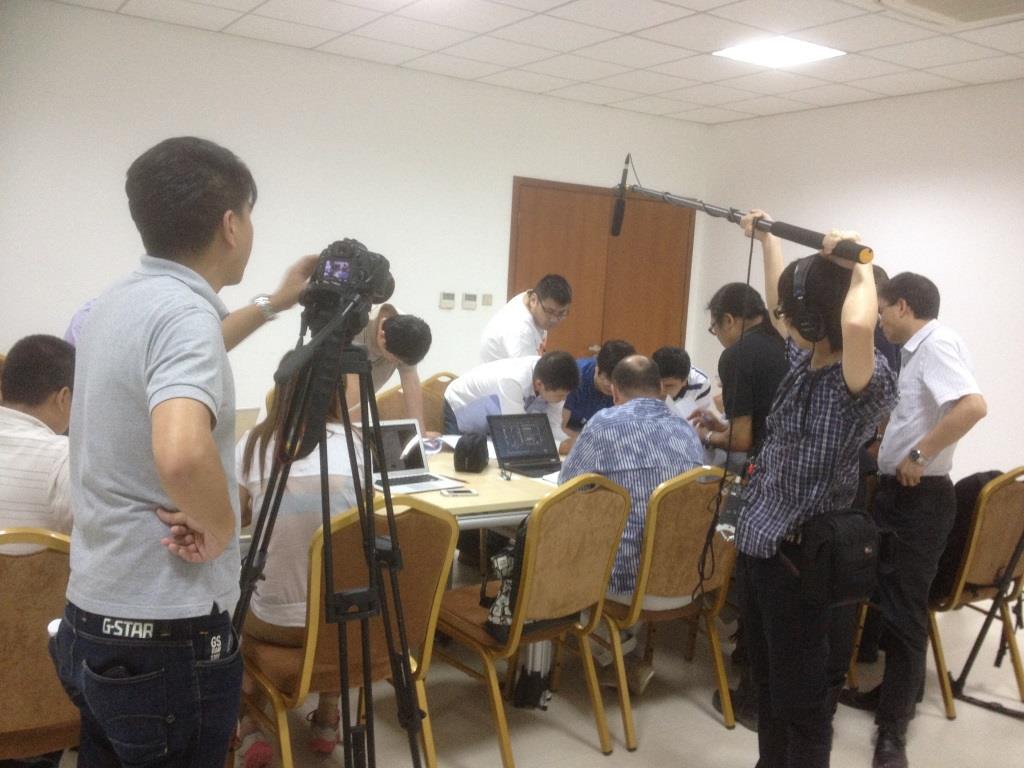
Lost in translation
Hainan, 23rd April 2013
As you can see I am back in China and through travel and work commitments on arrival I was not in a position (nor state) to write my blog last night. A welcome dinner (and drinks) with the client till late compounding matters :). Over the last 2 years I have reduced my visits to China considerably after previously travelling to the country on a near monthly basis, but the issues of dealing and communicating with Chinese project teams remain the same. Today it was my turn to present our lighting concepts and design progress to the team and what would have been a 1 hour presentation basically took all morning mainly through tedious translations. Having someone translating (my colleague in this case) is one thing but knowing the technical terminology that comes with lighting design is another. Fluent Mandarin and knowledge of technical jargon do not necessarily combine….
This afternoon’s ensuing coordination meeting was much the same with the difference being that we were now filmed and interviewed as part of a documentary that is being commissioned for CCTV about the making of this project. That’s a first for me…But like all these reality programs, we just carried on with our business and the meeting continued with no one really paying attention to cameramen and sound engineers, more tomorrow.
One of the main issues with all coordination between teams is to understand where everyone is coming from. We deal with different cultures, different way of doing things and while the desired outcome is generally the same, the ways to reach there may be different from company to company, from culture to culture, even from person to person! And if we do not have these coordination meetings face to face many issues are at risk of being lost in translation! A long but very useful day!
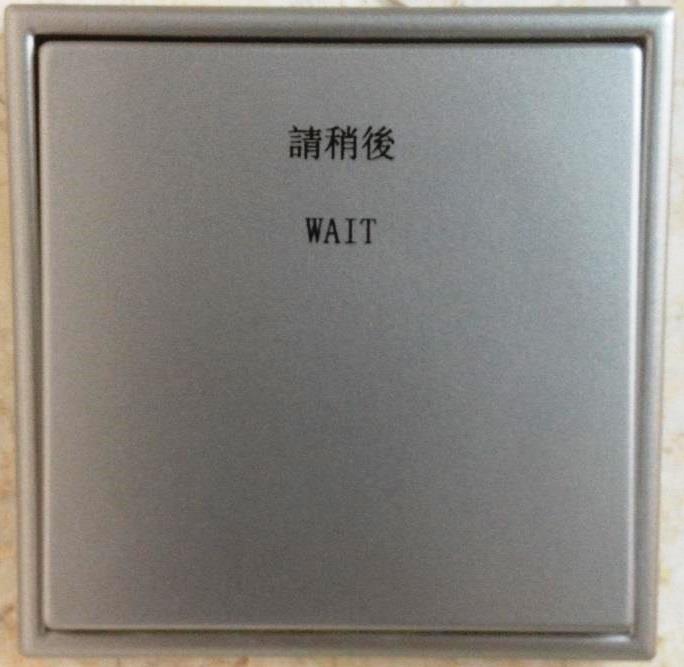
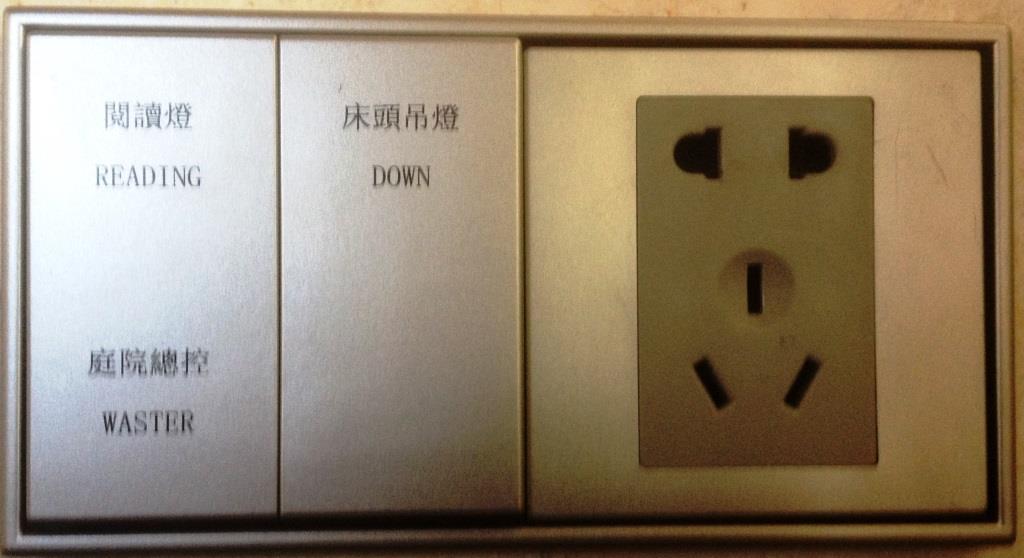
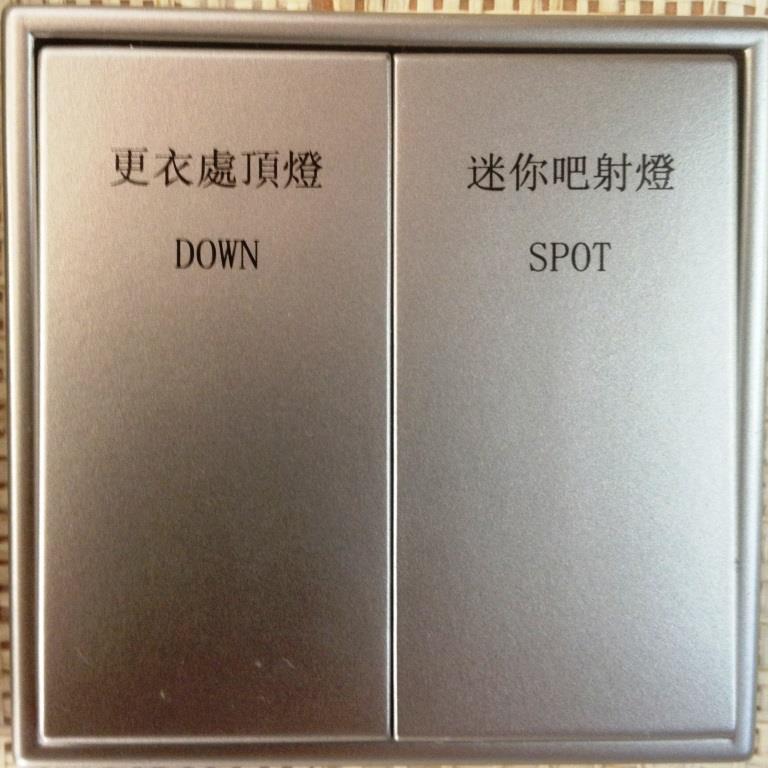
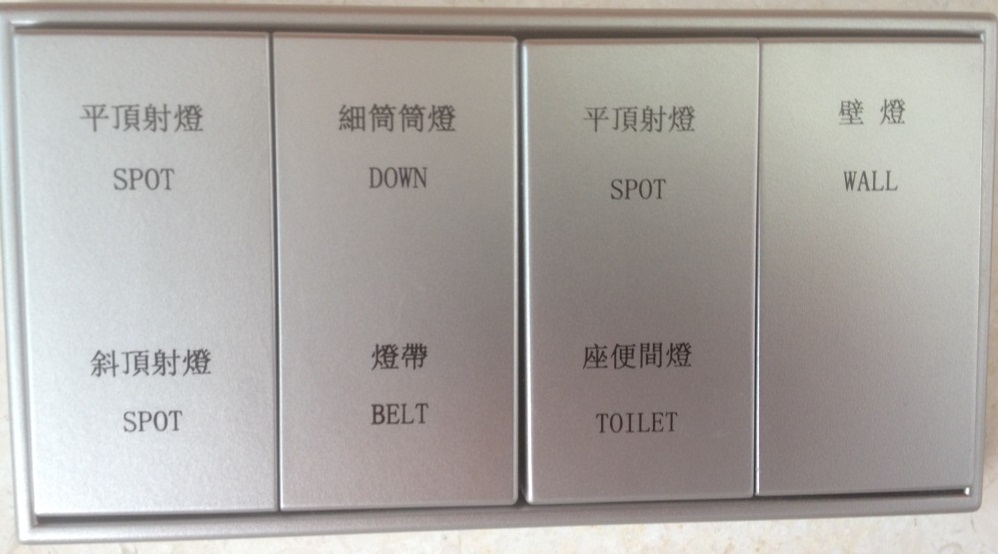
Light Watch 4-70: One of the literal translation challenges are in the signage. In my room I did a little survey of the controls in the first place to figure out what they were for and in the second place to learn. The English translation is pretty much a reflection of what occurs in translations all the time; a one liner by me is translated with 5 minute explanation in Chinese and vice versa. On the switch it is the same, the Chinese signage seems much more elaborate than the one word description in English, which inevitably comes with its spelling mistakes…also the same English translation has different Chinese characters…hmmm… The best switch is the one saying “wait!”, which I found in the toilet. I have been told this can be pressed when someone is knocking on your door while you are in the middle of doing a number two! I wonder what the actual Chinese description is!
Preparations
Singapore 19-20th April 2013
Sometimes when I reach Friday I am like…phew…that’s another week gone. I was off at 6.30 to go for a drink with a friend and never came back before late….so here is a weekend edition 🙂
A lot of our work goes into planning and preparing, preparing for trips, planning for presentations, preparing for events…Today was one such day of preparations. I am off to China next week and as always there are lots of things to prepare, not in the least chasing the client who is supposed to pay the flights upfront as contractually agreed! Next week’s meetings are important as they do not happen frequently and having the whole consultant’s project team together is a great opportunity to connect and coordinate any outstanding details. Also with the client actually present decisions can be made, work progress can be signed of so we can move to the next phase. Having said that it means we need to be well prepared as in respect to all parties present, we need to have done our expected “homework” so that all issues to be resolved can actually be resolved for the greater progress of the project. I feel it is always embarrassing if a team member comes to such meetings ill-prepared as it waists other peoples time!
Preparations are also important when you are invited as guest speaker at major lighting events. Not only travel and accommodation, but making sure the event organisers have your bio, the synopsis of your talk and any other pre-event info they need to promote the event. This is done months in advance and even if the actual event is still months away, you are already in preparation mode! My talk for PLDC in October/November is already in preparation, pre-event info already submitted and mid year the complete presentation need to be ready for submission so it can be printed incorporated into the event proceedings. But as they say good preparations is half the work done!
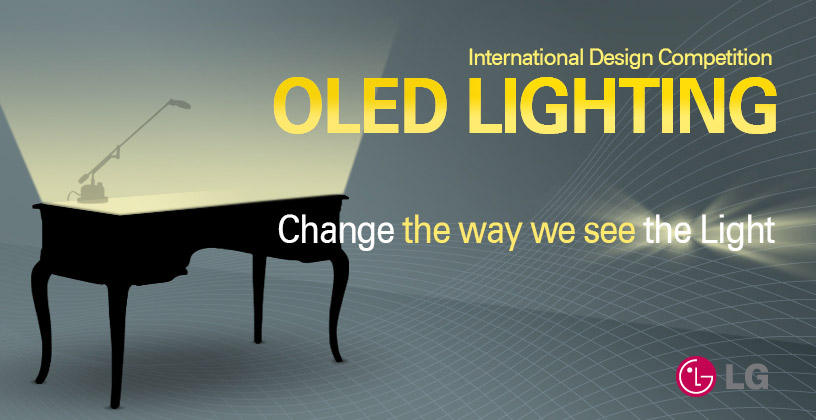
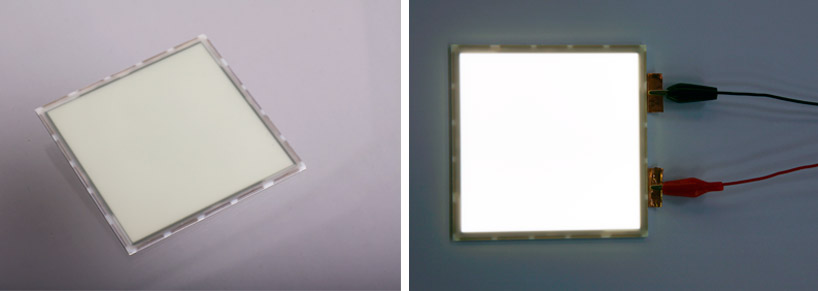
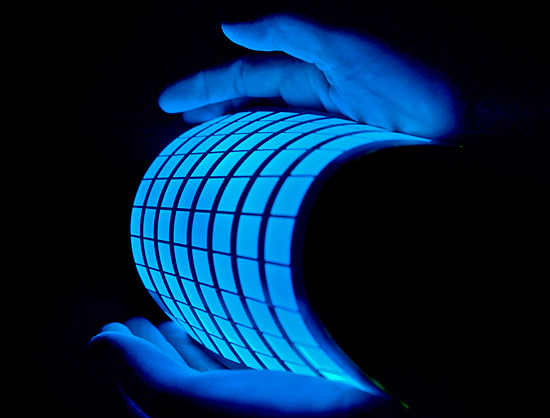
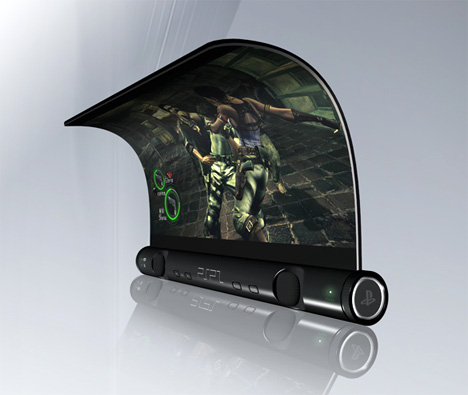
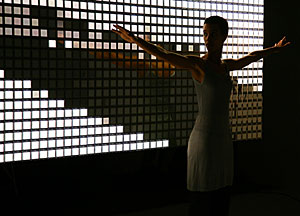
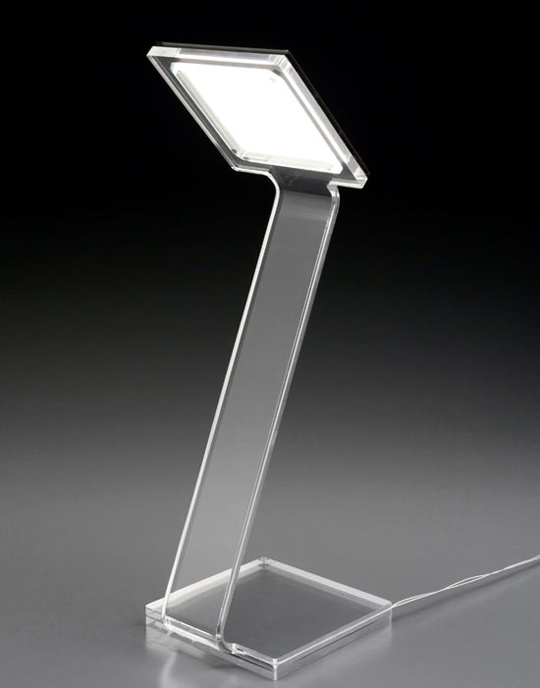
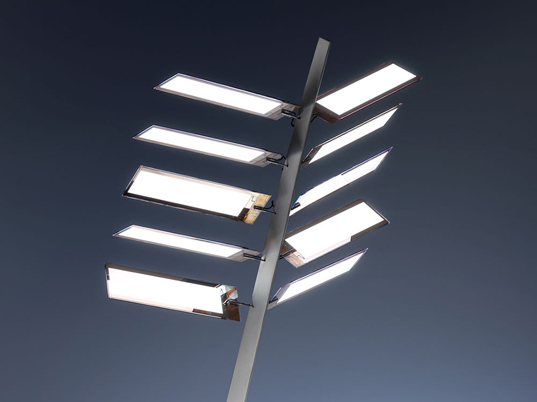
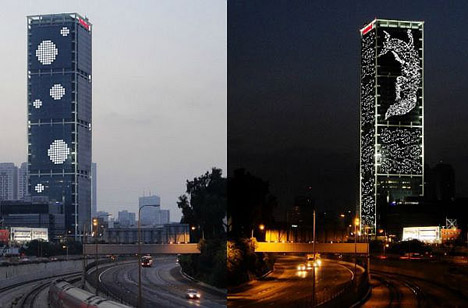
Light Watch 4-69: One of the leading trend technologies of which the potential has yet to be unlocked are the OLED’s. There is so much work going into this, so much to prepare before we really have a useful product… Right now I feel we only have an innovation driven product and many are trying to find useful applications. Even competitions are being called to find commercially viable product applications…
http://www.youtube.com/watch?feature=player_embedded&v=ronEAuCf01I and http://www.youtube.com/watch?v=-n8kQXgOhuc&feature=player_embedded
Questions, questions…
Singapore 18th April 2013
Some project fee submission can be soooo time consuming! I blogged about RFP’s yesterday, today we had another one that needed me to sit in for nearly an hour to just go through the list of questions and replies they wanted! You get those once in a while. Not sure if it is pure devilish pleasure they take in asking you all these questions, but sometimes some of the questions seem really irrelevant. Generally we have our standard format for our fee proposals which we adapt to each project demands. While we had done this for this project as well, we received an additional questionnaire with so much questions and requests for details we had to really sit down to go through it. If only we could charge our time for doing these fee proposals!
At times I feel that these questions are derived or even just copied from major tender request that you sent to big developers or main contractors, where solvability, capacity and experience in big size or typical application projects are very important. But in a small practice like ours does it really matter whether we have a $2 or $100,000 paid up capital? Asking for our tax returns? What’s that to them? I guess interesting information (like nowadays many governments ask their politicians to declare their wealth) but really do you need that from small time lighting designers? I can imagine that our experience in similar type projects and an indicative feel of what our fees and responsibilities were in these projects make sense, it shows of your experience. Staff expertise and amount of years of experience all are relevant, but is generally included in our CV submissions and company profile. Some of the questions are not always answerable as we are only a small part of a project team, so overall project value, or previous client details are not always known to us. Yes we have our references that can be called, but some of the questions go much further…however you learn to deal with them. We found over the years that if you don’t know or you don’t want to divulge such sensitive information, you just don’t. It’s our judgement and on top of that some information from our client is confidential. In this case we list the our answer as confidential, unable to state :).
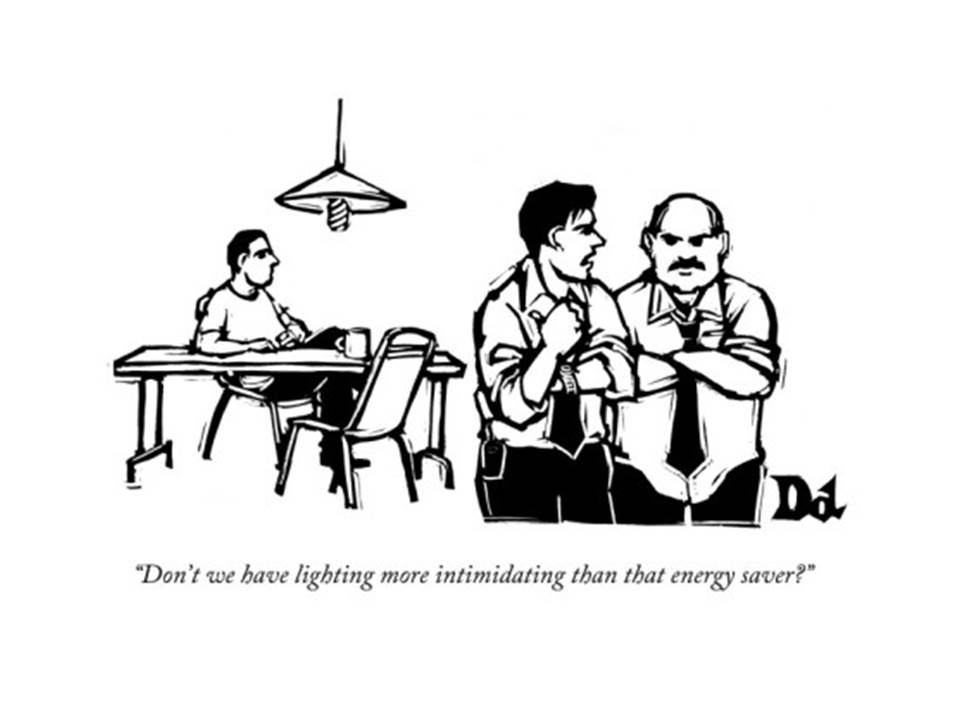
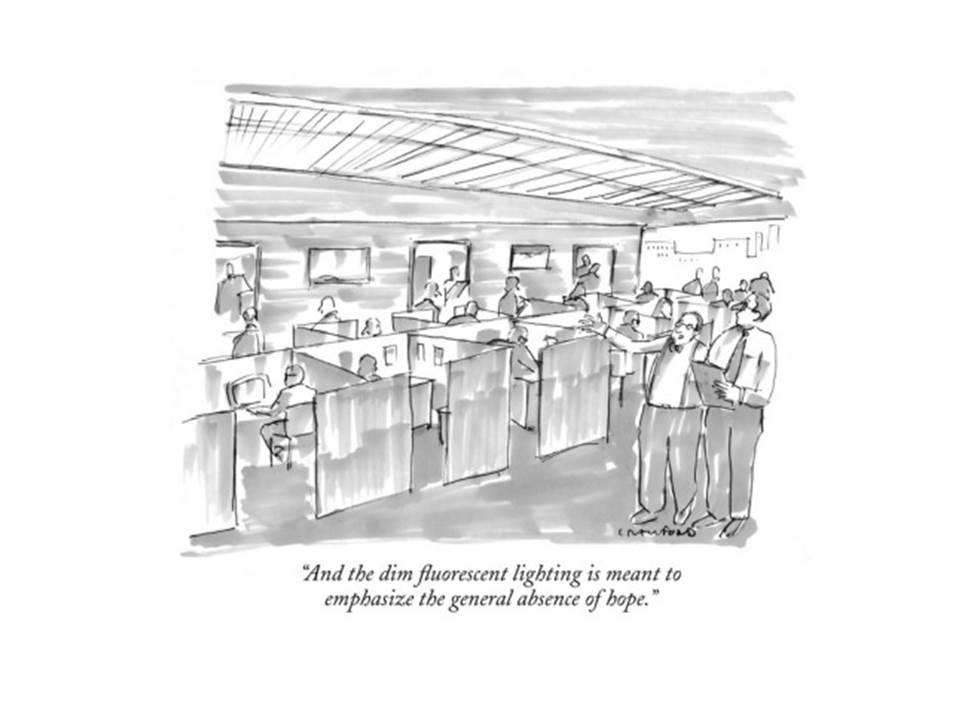
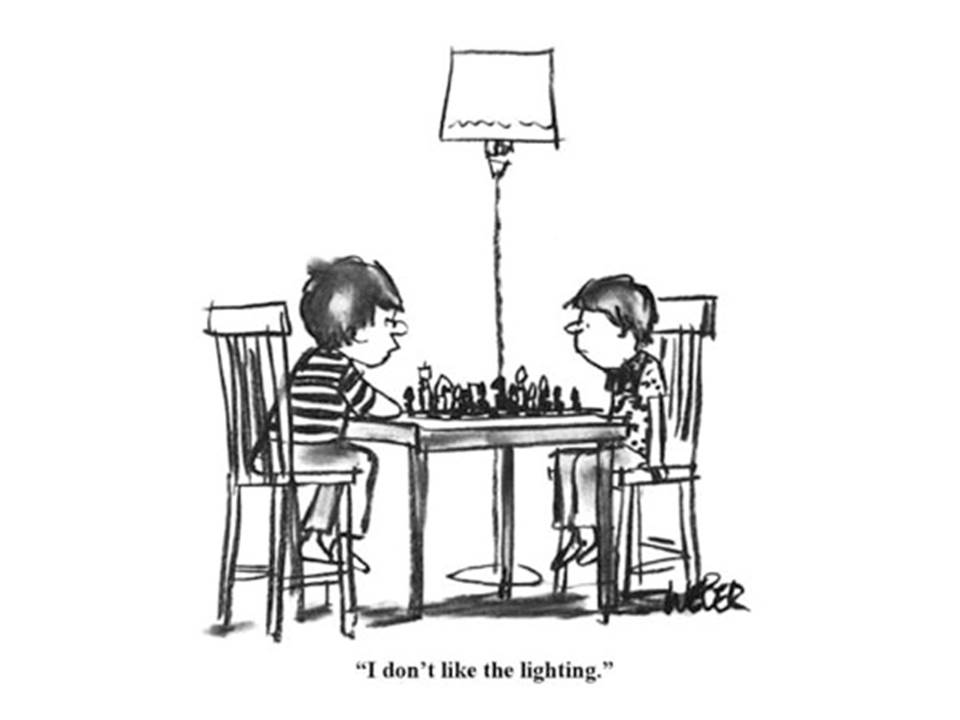
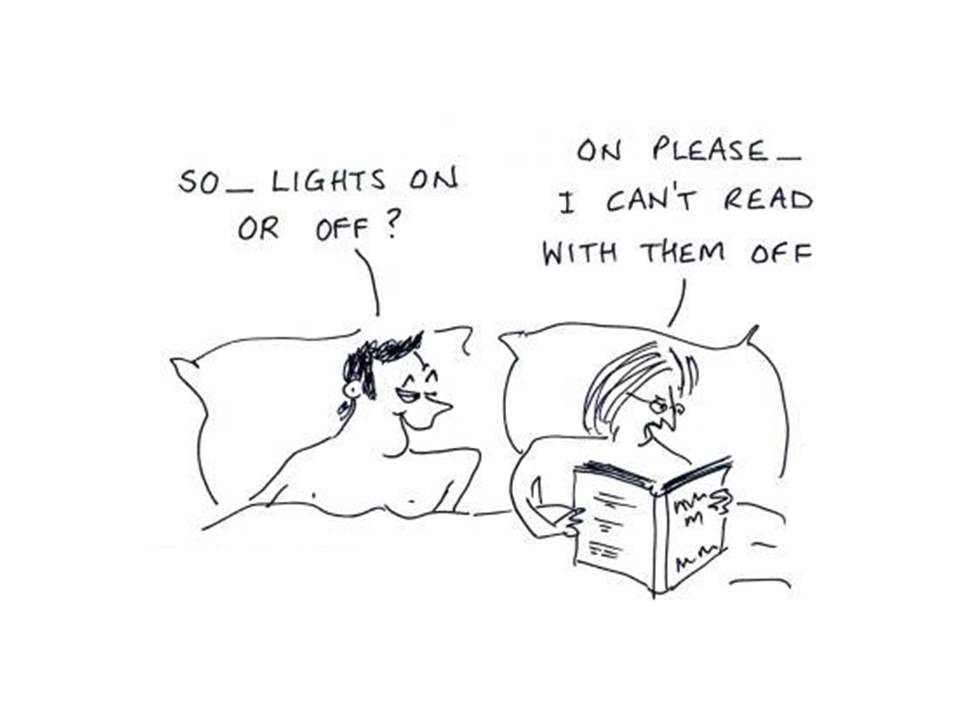
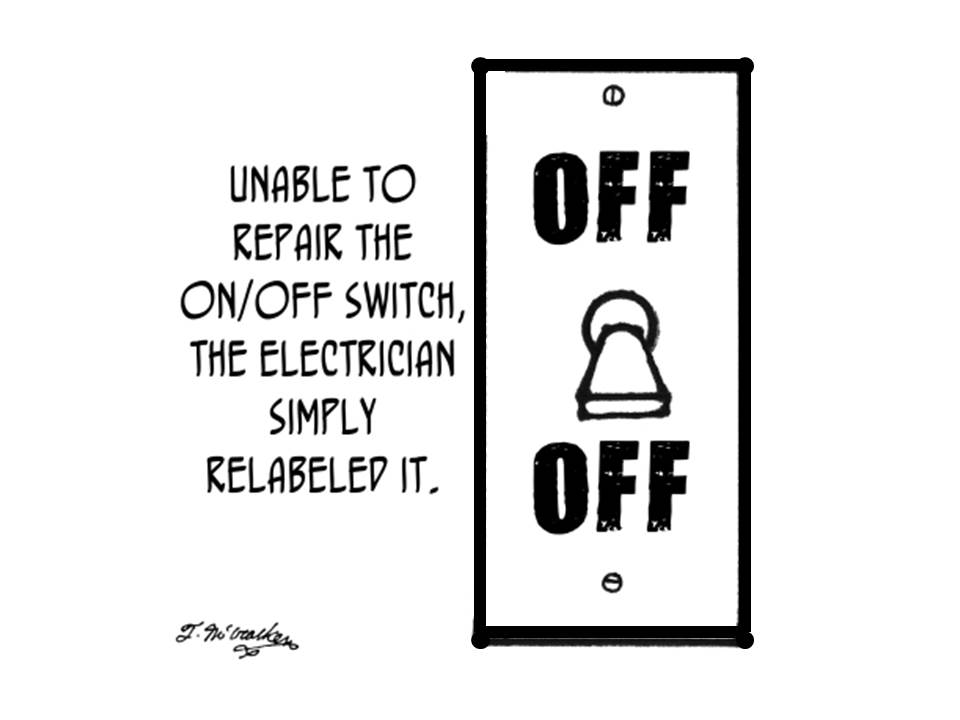
Light Watch 4-68: Always look at the bright side…
Boomerang projects
Singapore 17th April 2013
As lighting designers we need projects to stay in the fray; to get projects we need to receive an invitation to quote for our services (an RFP, a request for proposal) and to receive an invitation we need clients with knowledge and funds to invite us. If the economy is not good, there may not be the funds for the projects. So assuming we do get invited we then need to assess the value of our services for the scope of work that is required and put the fee proposal in accordingly. Invariably we will get to a situation where the client will want to negotiate the fees. As this is a way of life in this part of the world we anticipate these negotiations and make sure we have a bit of meat to play with. But obviously there is a bottom line below which we have to say: “Sorry client, but not for us!” ;despite how eager we are to get the job.
Luckily for us the RFP’s keep on coming so no complaint there…today I even had a client so eager to get me on board of his project, he wanted to fly me out straight away today (flights and accommodation paid!) to sign the project. Having never dealt with this person before I obviously had to do a bit of due diligence and eventually settled to meet this weekend. This is what keeps our life and profession interesting; the unexpected!
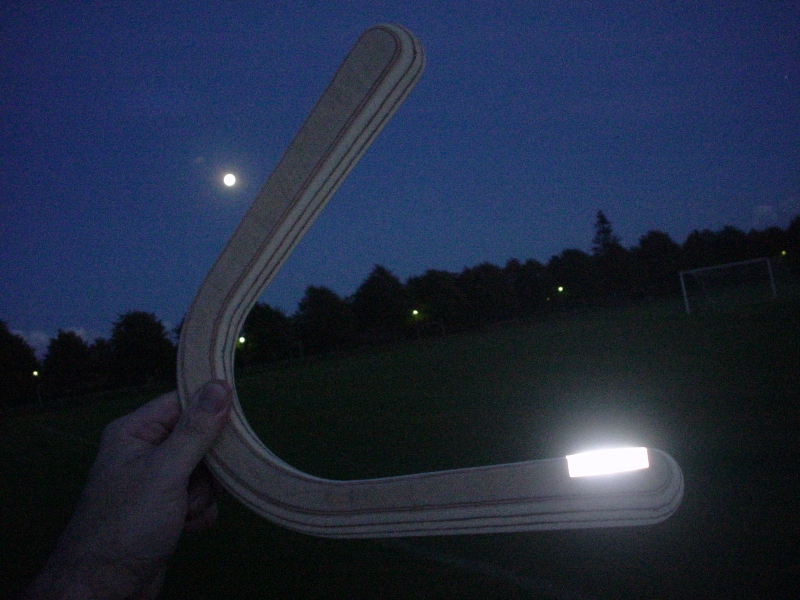
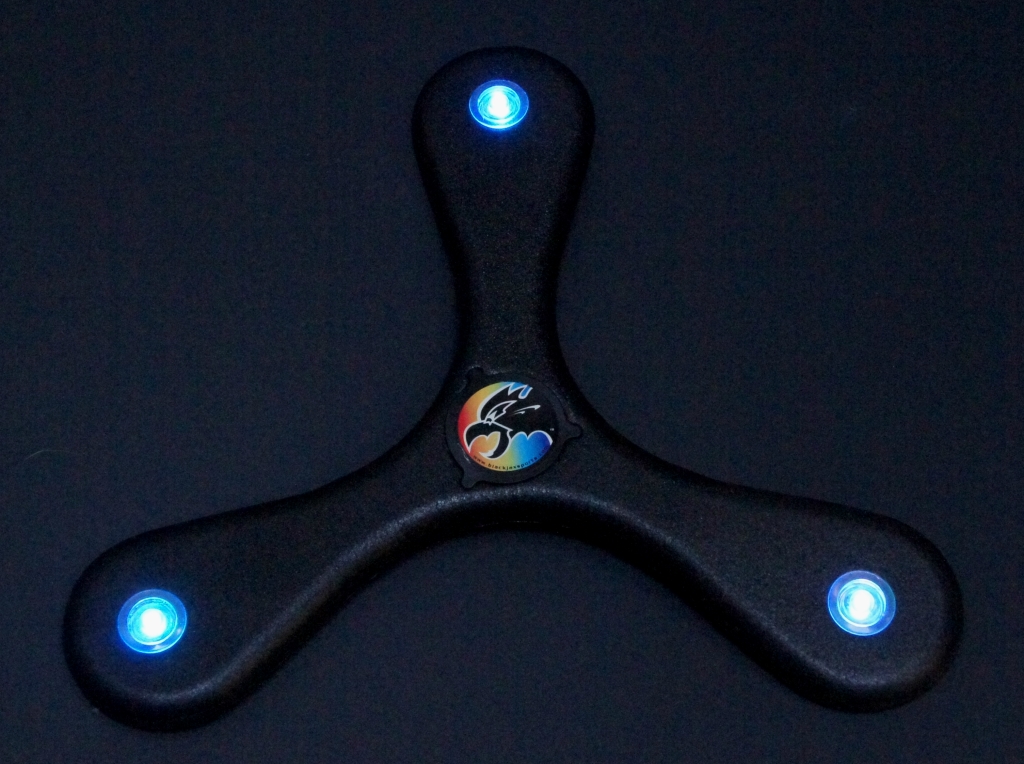
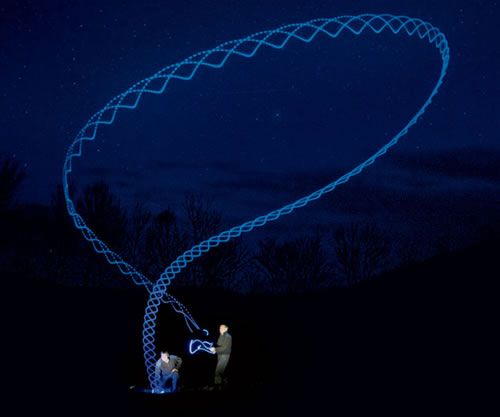
At the same time today we got a “boomerang” project back. These are projects that you quoted months, sometimes years ago, but which you either lost or which were somehow shelved. The RFP for today’s boomerang project was submitted by us nearly a year ago and from client feedback at the time we were too expensive and another lighting designer was appointed. From today’s information we understand the lighting designer was no longer involved for whatever reason (no point in assuming any comments if we do not know the whole story, right?). The point is we stuck to our guns (as in our fees) and now nearly a year later there is good chance that we may get this project still…
Light Watch 4-67: I Googled boomerangs and sure enough there are some LED versions already…

In Control
Singapore 16th April 2013
Lighting designers tend to focus mainly on lighting effects, but one of the most crucial elements of any lighting design is the ease of operation, switches and controls, manual or programmed. In one of our projects we are currently working on developing a control system that has the sophistication of a programmable dimming system, but the simplicity of just a conventional wall switch. Seems contradictory but it is not really. What you see is the physical switch, what you don’t see is the computerised logic behind it. We are looking for something that just looks like a common switch, with a very obvious function that does not make the guest wonder what the switch is for or what it can or is supposed to do. A switch function that is self-explanatory.
Too often I find lighting controls in upscale hotel rooms a complete failure, totally illogical or ill programmed; either over designed, over sophisticated, inflexible and most of all not doing what you want it to do or what it should do. I am sure many of you have similar experiences. So putting some extra attention in the simplification of controls is worth the time certainly as we are developing this together with the operator. I know that there are always people who like electronic gadgets, but really most of us when we arrive at our hotel after a long day’s work, we don’t want to spent half an hour figuring out how the lighting control system works. The amount of times I spent every time in a new hotel figuring out the controls system…
Anecdotally a few years back I had arrived in luxury hotel in Seoul, Korea, to find no switches at all! The lights went on automatically by inserting my key-card on entering the room, but once in the room (it was actually a suite) I couldn’t find any switch at all! It was only after I read the in room service manual that I realised that all services (lights included) were controllable through the interactive TV system! In other words I had to switch on the TV and use the remote control to navigate to the lighting control screen and then select whatever lighting I wanted…OK when you are a bit IT savvy, but really is that the way?
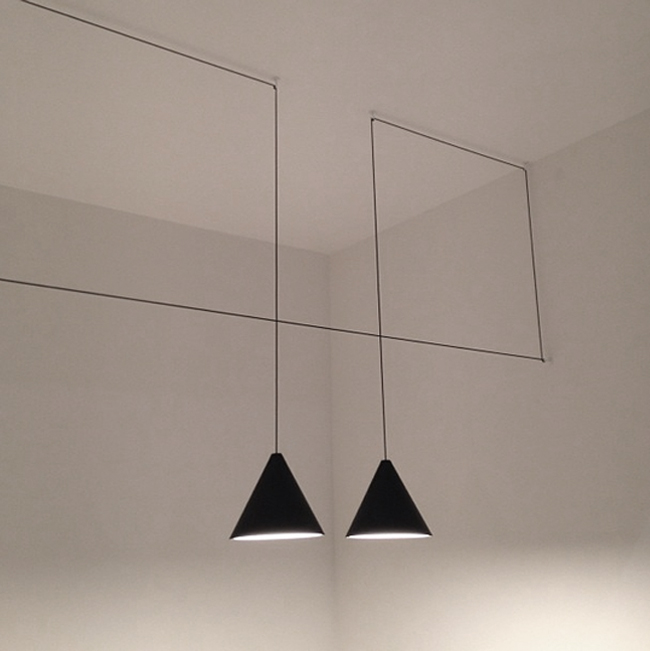
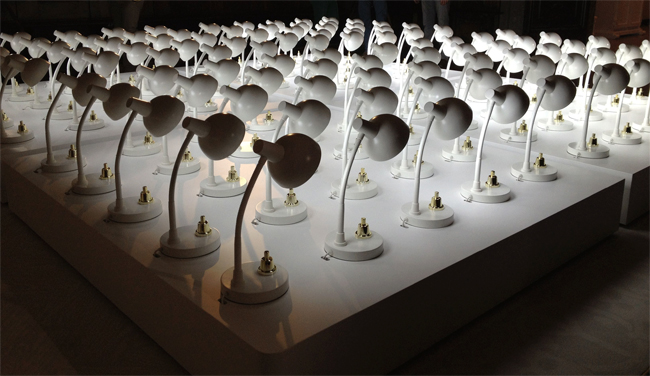
Light Watch 4-66: The Milan Fair 2013 closed its doors last Sunday, here are the best lighting picks from Share Design; inspirations from Flos, Artemide, Luceplan, Foscarini, Patrick Hartogh and Lensvelt.
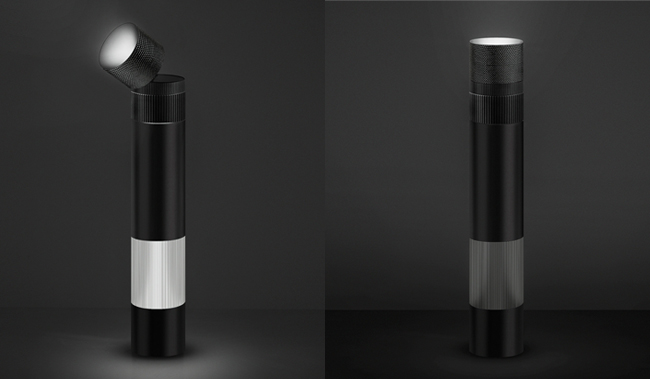
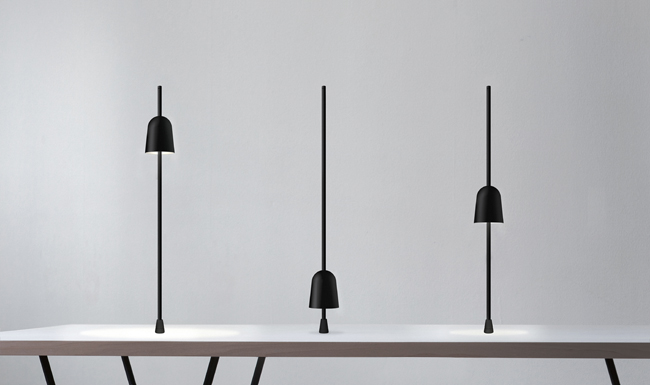
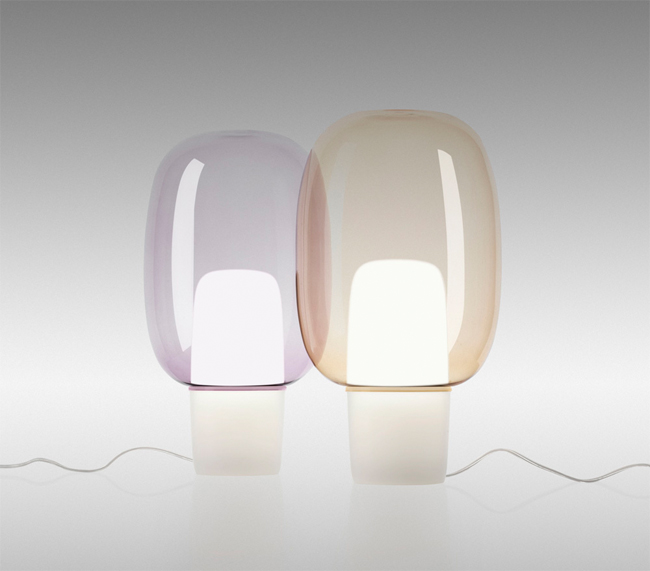
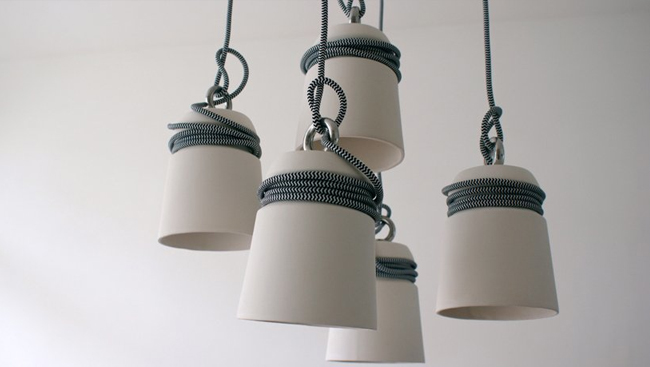
Today’s sneaky economy
Singapore 15th April 2013
When you travel as I do you get confronted with all the inconveniences of travel as well, delays, detours, additional charges en costs… as I was travelling back to Singapore yesterday I had plenty of time to reflect on today’s economy and state of welfare. Back in Perth the sharp increase of cars (probably partly due to the healthy economy) produces daily traffic jams nowadays, something unheard of just a few years ago. Petrol prices are through the roof, car park prices are unreal at times. If they also decide to break up roads for road works you are sure to create quite a “happy” bunch of travellers. That’s just for taking the car too go to a meeting…
Take a taxi then, no worries about fuel prices or car-park fees or if you are in Singapore, the central business district surcharges from the famed electronic road pricing…but you still can’t escape the traffic jam of course though at times taxis have the use of priority lanes. But then the fares…that isn’t straight forward either! There is a flag-down fare, then the actual base fare (which varies per taxi company, per kilometre driven) plus a myriad of incomprehensible surcharges depending the time of day or location of drive…just give us a normal fare!
Have you tried booking an airline ticket these days? There is no simple fair…there is a base fare which is generally quite ok, sometimes even damn cheap, but by the time you have completed your purchase the amount of surcharges, taxes and booking fees added are a multiple of the actual airfare. It’s crazy. All these costs add up and make the cost of operating our practice more expensive…and somehow it’s hard to pass these on to our clients…
To me that sort of shows the state the world economy (certainly in the developed countries) is in at the moment. You look around and you see that today every possible way, every trick of the book is used through sneaky surcharges, added taxes, you name it, by the government or companies in trying to take money from you. It’s really sneaky…
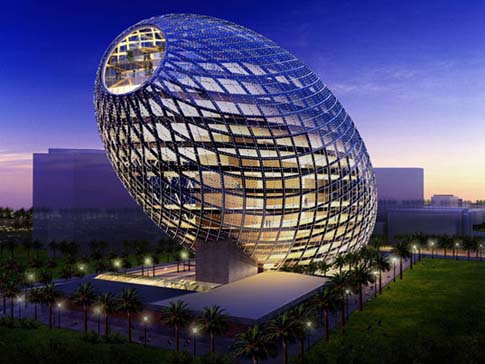
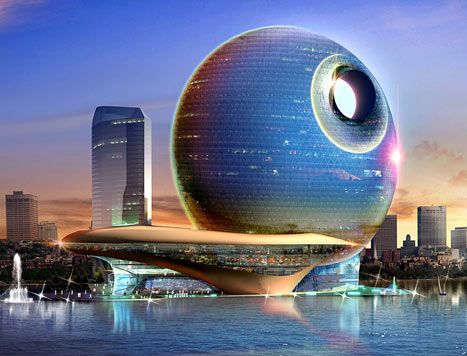
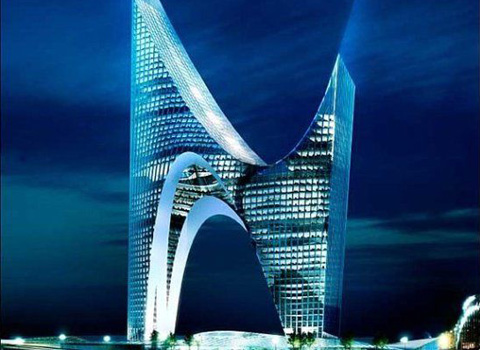
Light Watch 4-65: But despite the economic pressure creative minds keep dreaming up some fantastic building. Here is a Google selection, don’t know if they are concept of reality…
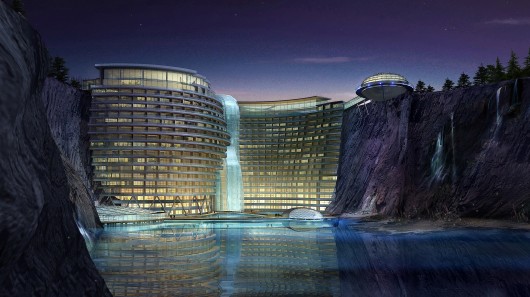
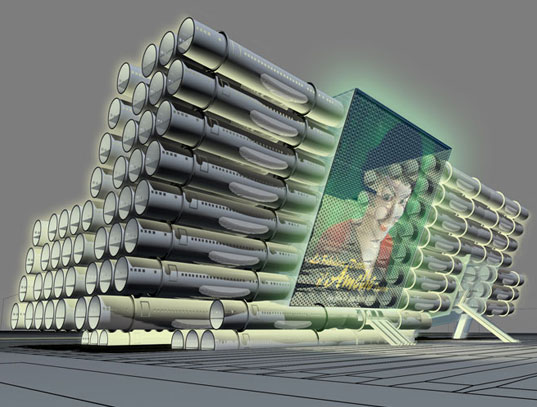
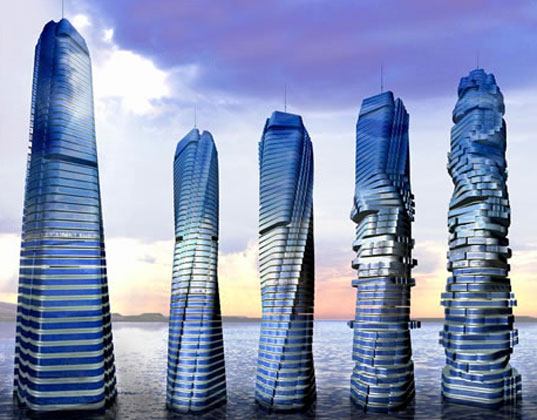
Numbers
Perth 12th April 2013
I don’t know how my colleagues work but I would assume that budget planning is part and parcel of the lighting design services. It’s all nice and good to create a beautiful lighting design but it all comes together if the numbers are right. A good design (or should we call it a sustainable design) is a combination of a great conceptual idea, its related (positive) impact on the environment (humans included!) and the numbers, the cost of realisation. Today I have mostly been number crunching, trying to get my head around the cost of my lighting design. We all dream, but often we come crashing down from the cloud castles, when we start putting a number ($$$) to the dream.
With these numbers there are generally two ways to go. Stick to the numbers and get the client so excited that he is willing to spend whatever the amount is…very rare. Rich people are generally rich because they DON’T spend J. The other way is to bring the numbers down to a level that the client feels he gets value for money…this exercise is generally called value engineering…
The challenge with early day numbers is that there are a lot of assumptions involved. Without having done a full fletched design the quantities are based on the designers’ expertise. The final light fitting selection is generally also fairly generic at that stage other than the lighting effects that are to be achieved…there are so many quality light fittings that can do a certain job, that a final selection is generally premature, certainly with the speed of the LED developments, we keep our selections to the last possible deadline. At the same time performance improves with about 10% a year, light fitting costs decreases with about 10% a year (according to the latest statistics), making looking ahead with the numbers a challenging task. Again I would say that is where the expertise and experience of the lighting designer plays a big role.
I have submitted my numbers today, feeling pretty confident that I am within 10-20% accuracy in the final outcome. But I am only confident as I have worked these numbers through other projects numerous times and at the end found that my assumptions were getting sharper and sharper…key is to stay in control of the process and manage the clients expectations! Have a great weekend!
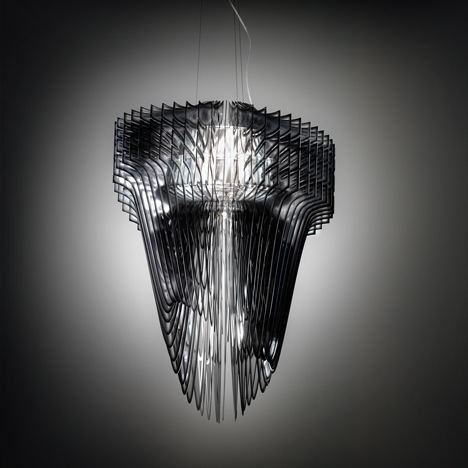
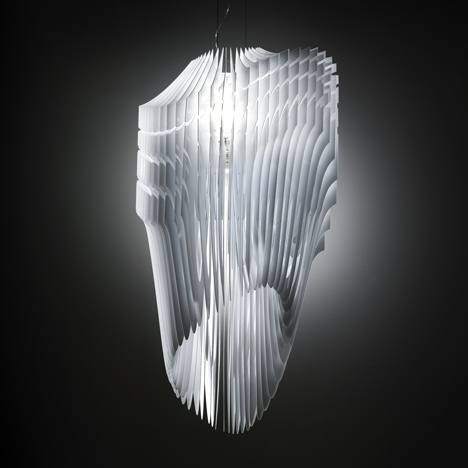
Light Watch 4-64: It is without doubt that some designers have reached a “collectors” status when it comes to design, numbers being whatever one wants to pay for it. Zara Hadid in one of them and in Milan one of her latest lighting creations is on show…
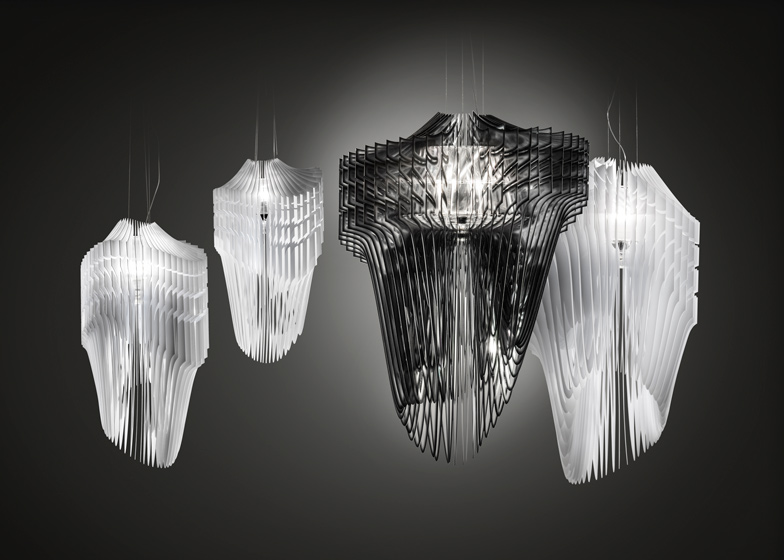
Joy and disappointment
Perth 11th April 2013
I have just been notified that a lighting event that was to be held in Qatar next month has been cancelled (actually postponed)…that’s really disappointing. A phone call from the organisers informed me that they found the remaining time too short to properly organise the event successfully. All confirmed guest speakers to the event are being notified as we speak. With the costs that come with organising such event enough sponsors need to be found, enough participants need to be pre-registered, things that take time! This kind of events are generally organised a year ahead of schedule and organising an event in a niche application such as lighting design is difficult and it takes experience in the profession to understand what makes people go and attend these events and conferences. I think the organisers of this event may have underestimated that. For now, as the event is postponed (not cancelled) to a later date, we have to deal with the immediate disappointment of the cancellation and re-adjust our self to the new situation. We can dwell on disappointment but we can also accept the decision (not a light one to take after near 6 months of preparation), see what we can take away from our efforts and re-channel these into the future event.
Life is all about happiness and sadness, joy and disappointment. As a designer we have to deal with this all the time. It is the way that we deal with it that determines our future. Go with the flow, accept certain situations and move on. There is always another bus around the corner. You can metaphorically be annoyed and frustrated, even angry about having missed the bus, spending a lot of energy ruing the missed bus, but you can also simply accept the fact that you missed it, regroup and use your energy to plan ahead to do better next time. We learn from our mistakes, our misses, our missed opportunities. That is how we grow our experience, that is what in the end makes us the expert lighting designers that we are. There will still be hits and misses, joy and disappointments, but hey! That’s life! …accept it! 🙂
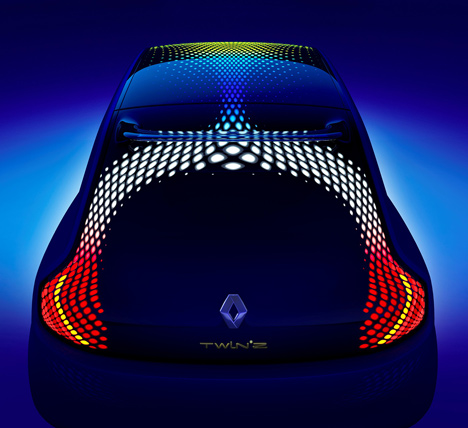
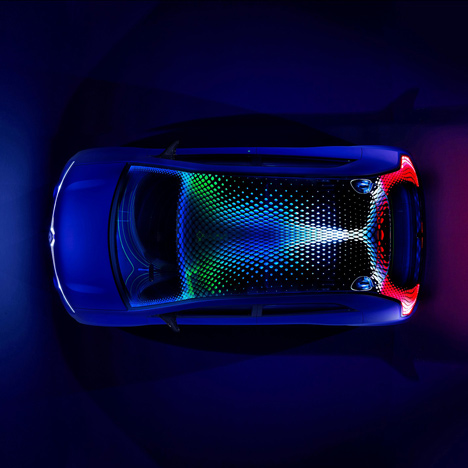
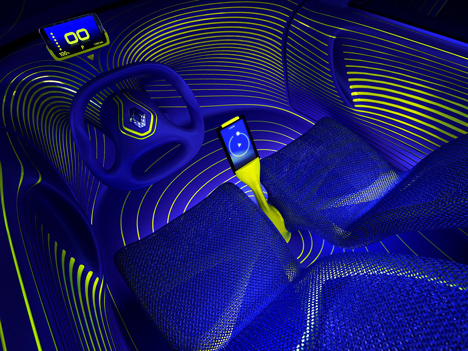
Light Watch 4-63: As I write this blog Euroluce in Milan is in full swing (till 14/4 I believe). I was not able to make it this year but found an interesting lighting related design concept from Ross Lovegroove who designed a concept car for Renault with guess…embedded LED’s all over…looks pretty cool and surely provides joy for the owner I would imagine . I understand it is somewhere on display in Milan…



 The long awaited book compilation of Martin's first year of blogging is available. Order now.
 Feedspot Top 100 Lighting Blogs