
Building concepts
Delhi21st -22nd March 2012
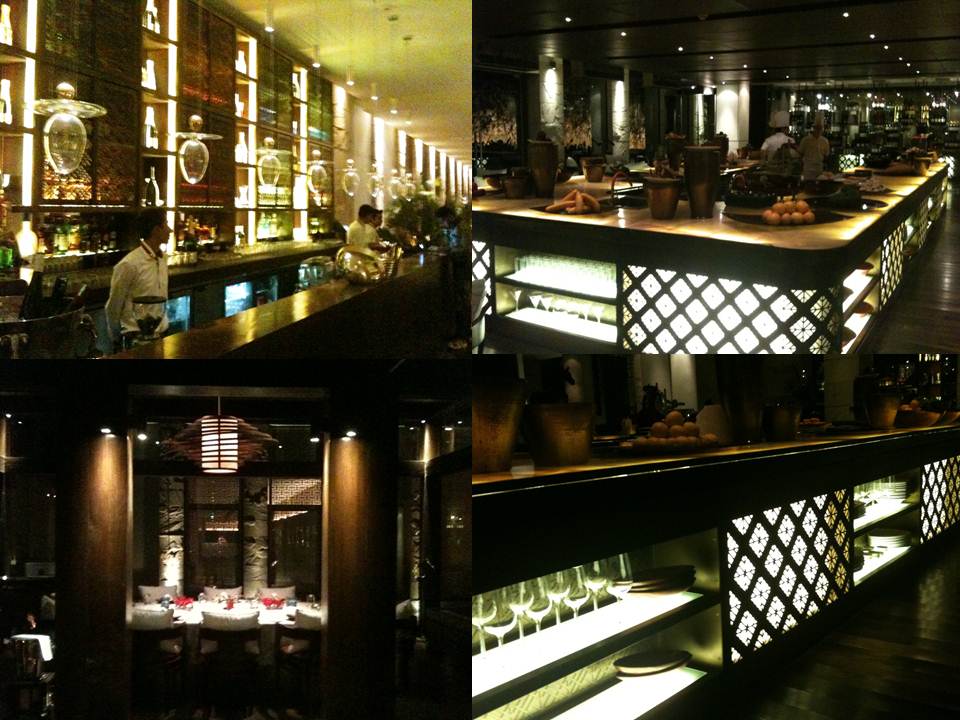
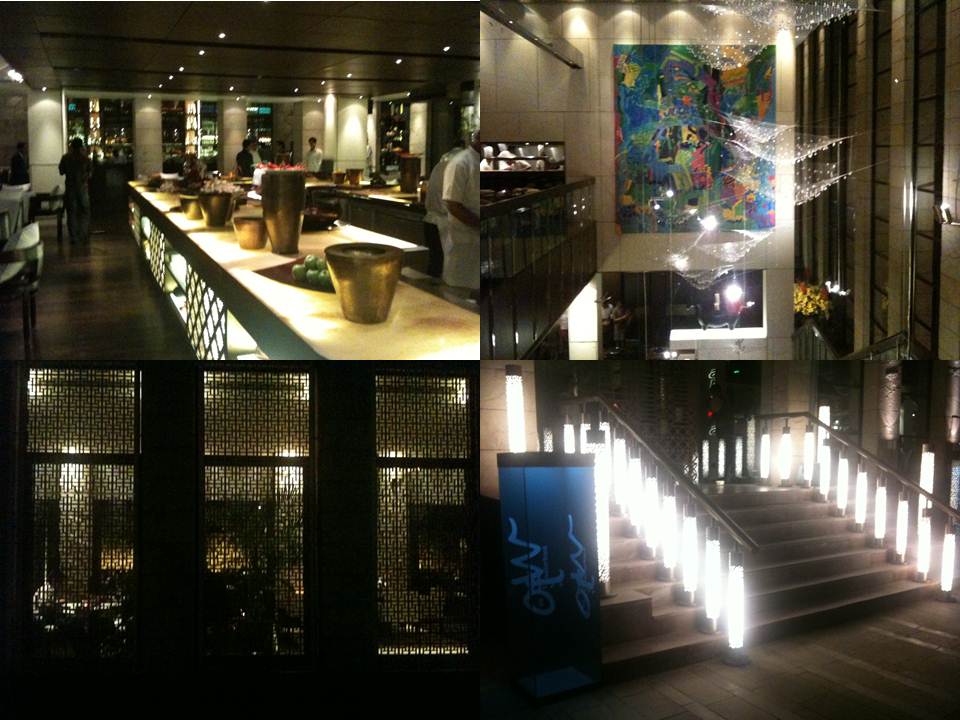
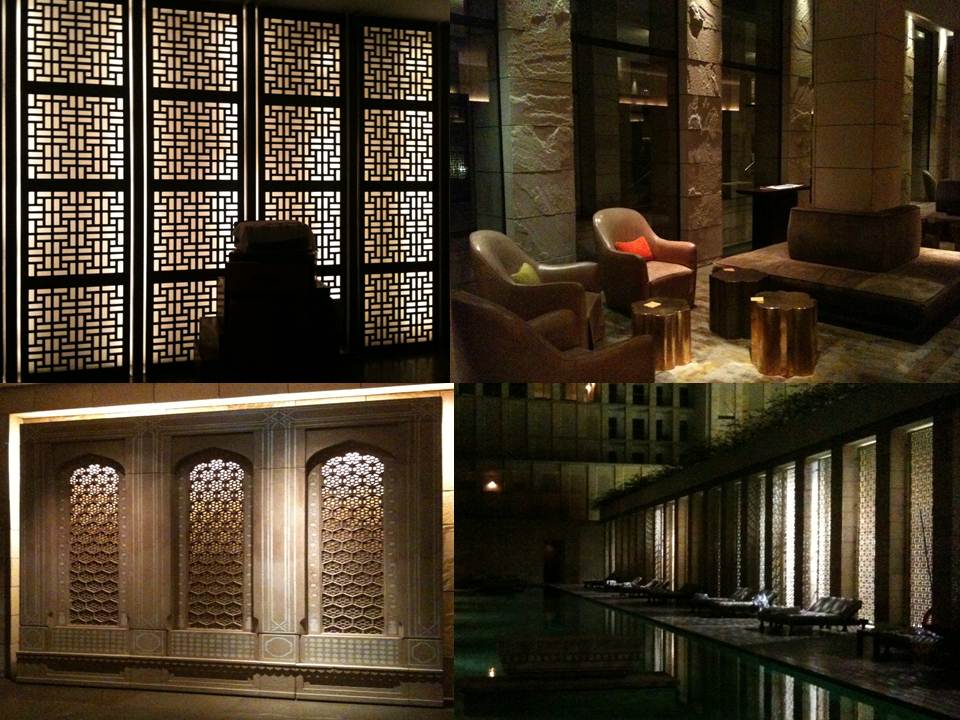
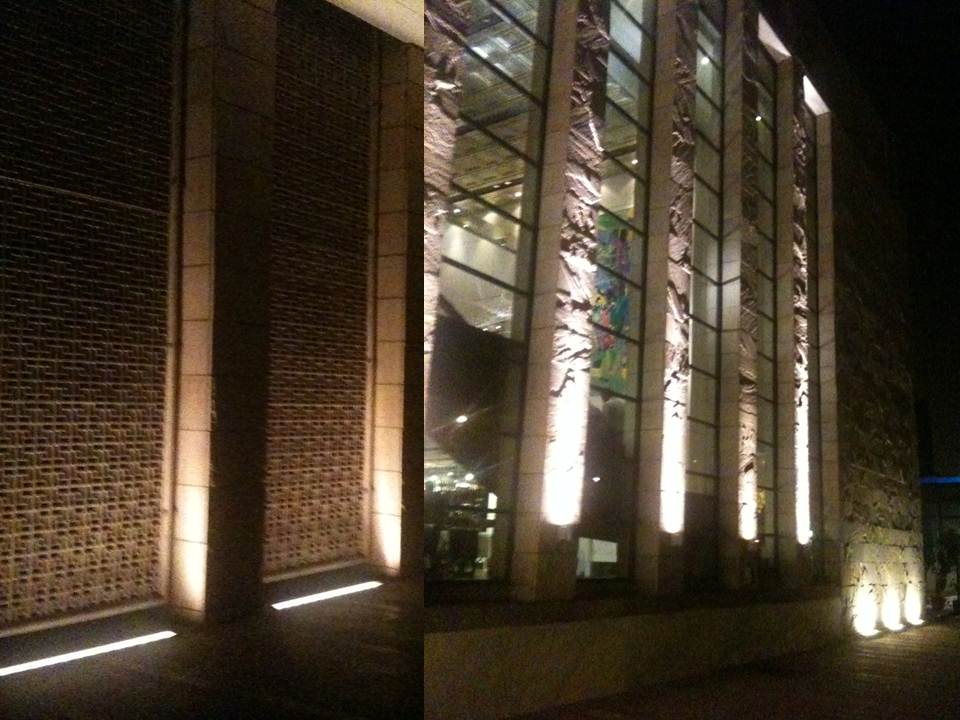
It was another one of those days…I really did not manage to get on to my blog yesterday and today I may have to concede as well so this will be a 2 in 1 blog combining yesterday and today. I arrived inDelhi in the wee hours of the morning and then found myself in client coordination meetings all day. The project team then went out in the evening to check out one of the latest F&B projects to hit the market. As designers we need to keep up with the latest so when we hear of a new venue or project opening its doors we pop in to have a look if we can. It’s amazing how good we suddenly are at finding what does not work…or what we don’t like. In Light Watch today some pictures from our visit. I must say I was quite impressed.
This brings me to lighting concepts, a recurring core element in our daily work as a lighting designer. It all starts with an idea, a concept, right? For the concept to be spot on you need to understand the local history and culture, the clients wishes as well as the group of end users that is targeted to make use of the facility you are designing for. In yesterday’s meeting we had the initial concept presentation from the interior designer (we are renovating an old heritage hotel in Delhi) and even though we have not yet started to develop our lighting concept for the same I used the opportunity to share my design considerations and design intent ideas with the client as to judge and get a feel of their position and desires in regards to lighting in general. In this case issues such as compliance to green standards to obtain some certifications, operational requirements, their feelings about lighting controls and the new LED lighting technology in regards to higher capital investment needs (but with higher returns on investment). Our biggest cue really is the interior design concept as that triggers the direction in which to develop our lighting concept. You have to do your home-work first to have a solid base on which to build your concept, if not it risks to sink even before you can build it 🙂
Light Watch 3-40: Pictures of last night’s visit to Delhi’s latest F&B outlet “On The Waterfront” or OTW. A fusion restaurant designed by Michael Mann (I believe) with an interesting mix of local culture and modern themes. I have to admit that the lighting was well done and well balanced with the interior finishes. As we looked around before having diner I bumped into two Lutron engineers who were still fine tuning the lighting programming. The restaurant is part of the Aman Hotel in Delhi, which was also opened recently to much acclaim. There are indeed some very nice recurring lighting elements (wall washing/ screen patterns) in the hotel but also some serious short comings, but then it is always easy to criticise which I will not do without knowing the project background
Going for the numbers
Singapore 20th March 2012
The sustainability subject keeps coming up…Maybe because I am really passionate about it and hence keep thinking (and thus writing) about it. Today I attended a lecture called “Sustainable Design and its Impacts on Bio-diversity” at the Singapore Management University, organised by the Banyan Tree Foundation and supported by Earth Check and N-Parks. The speakers, Dr Richard Moore and Dr Lena Chan were moderated by Mr Michael Kwee from Banyan Tree and Mr Stuart Moore, CEO from Earth Check.
As a lighting design company we have the responsibility to deliver the best practice and value for money solutions to our clients. Ironically it is now labelled sustainable design, but really, weren’t we not doing that all along as professional lighting design specialists? The fast development of the LED lighting technology somehow found a companion in sustainability to give further credibility to the technology and its products.
Unfortunately this has come with clients who go after the numbers to claim gold or platinum LEED or Green Mark/Star status to market themselves as a green and environmentally responsible company. The result however is that most of these certifications are only considering the environmental impact from the design and construction, but do not really look at the operational site or human aspects of the design. Hence many of the so called “green” projects are not so sustainable after all. It has become a game of numbers, as a certified green and sustainable project can deliver far higher property values (up to 30% I have been told). So by just crunching the numbers to achieve platinum LEED classification for instance, the property suddenly increases 30% in value!
However, speaking in lighting terms, we do not design for lux or watt meters, we design for people! So achieving these numbers does not mean that we have actually created a liveable and sustainable environment! There is still a way to go in creating sustainable guidelines in the true sense of what sustainability is meant to be…not just watts per square meters.
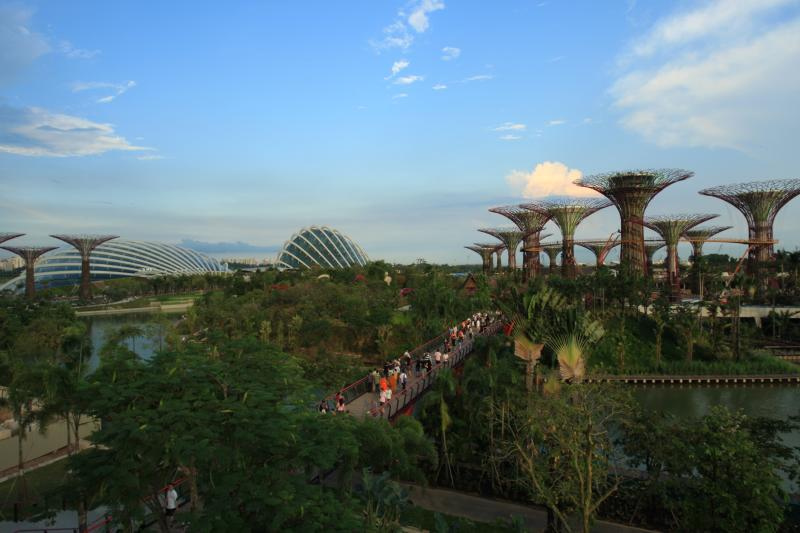
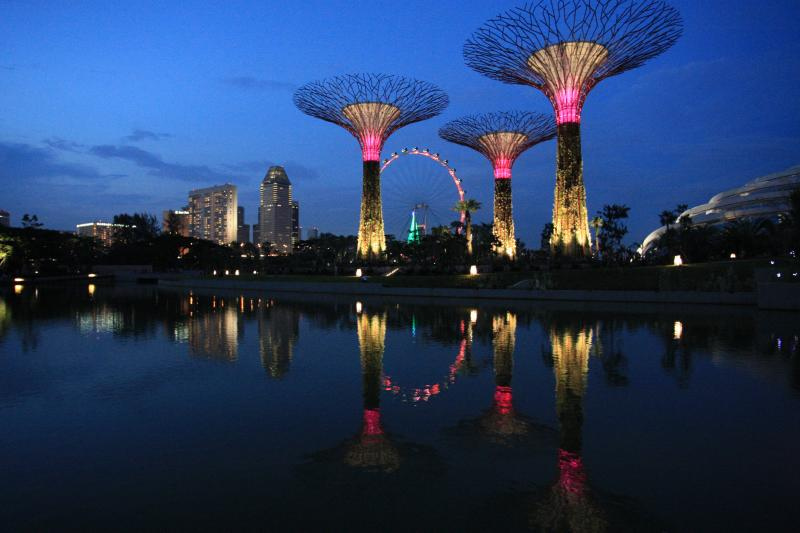
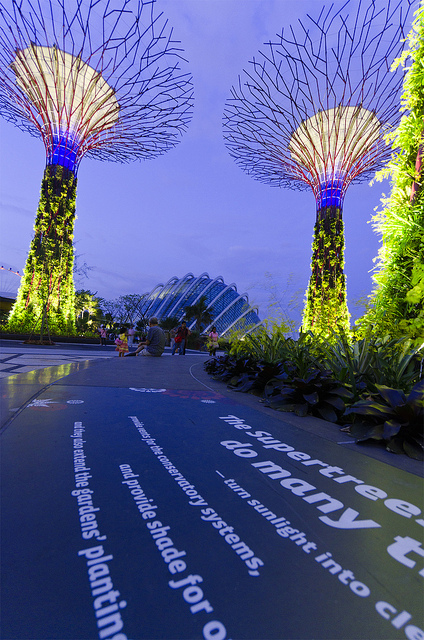
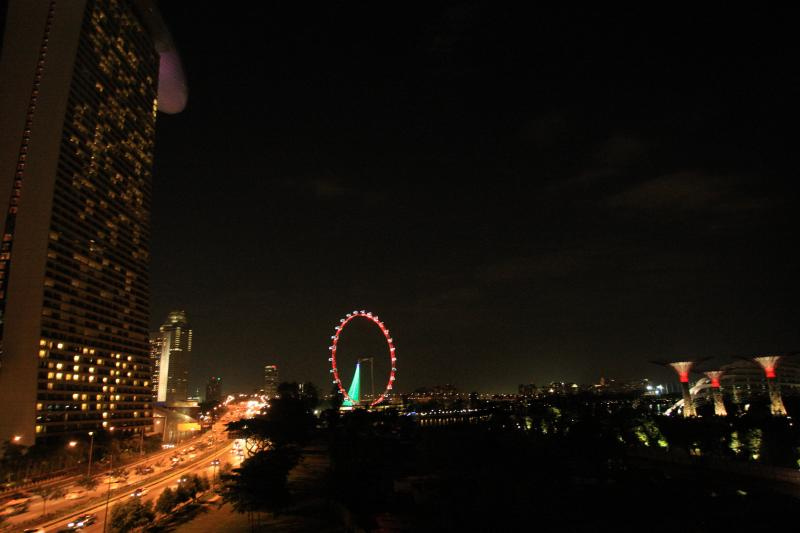
Light Watch 3-39: One of the speakers today was Lena Chan from N-Parks who has been instrumental in delivering sustainability and bio-diversity in all their developments. One of the latest of these developments due for opening later this year is Gardens by the Bay.
Sustainability
Singapore 19th March 2012
Back in our Singapore office for a few days before jetting off to India again. I spent most of the day with my team going through one project after another to clear out any outstanding design issues. Not surprisingly one of the key design issues popping up most of the time is in regards to sustainability. When I mention sustainability I really mean the definition of sustainability as depending who you talk to, this seems to take on different disguises and appearances. But the general definition of sustainability (see Wikipedia for instance) is actually quite expressive.
While most people seem to say that sustainability is about watts per square meter, energy saving, reducing your carbon footprint, using renewable energy and so on many seem to forget that there are other factors that determine whether a lighting solution is sustainable or not. In Light & Learn today I would like to expand a bit on what I believe is sustainable.
First of all we have to acknowledge that there are 3 components to sustainability; the environmental component, the economic component and the social component. The environmental component is probably the most obvious as this relates to the use of our fossil energy and our pollution of the environment and the one most people talk about. However there is also an economic component, the value for money, cost aspect and return on investment…it all has to make economic sense! Last but not least there is the social component; whatever is designed has to make social sense too! In other words we have to design for human use in terms of comfort, ease of operation etc. Once all these three components gel together we have a truly sustainable system.
Light & Learn 3-10: The sustainability relationships and what it means in lighting terms?
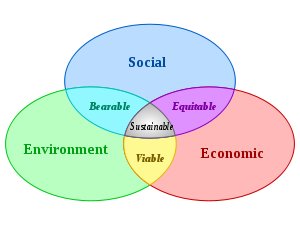
The environmental component translates towards energy use and light pollution. Many of the “green guidelines” prescribe a maximum watt’s per square meter use, which we have to translate into a selection with a certain lighting performance or lumens per watt. The light pollution aspect relates to lighting layout design, aiming and beam control to assure maximal use of the light were it is needed and minimum spill to where it is not needed (glare, light spill).
The economic component is really the budget that our clients have available to pay for the lighting. While many of the high energy saving systems are more expensive, which means we cannot just for the environmental component without looking at the return on investment (if the client at all is willing to look at that beyond his capital investment).
The social component is probably the least represented in this sustainability relationship. This is the human factor. We need light to see and perform visual tasks (application related lux levels), we need light to create moods and ambiance (artworks, balance of brightness, contrasts), we need the lighting to be easy to operate and maintain (controls, comfort). To often we find that the human aspect is totally overlooked when it comes to setting sustainable lighting standards.
Teach the teachers
Manila 16th March 2012
Being an honoured guest speaker at an event comes with responsibilities. It is not just an exercise in self-promotion in which unfortunately too many speakers loose themselves. The fact that you are invited as a speaker already means that you are respected in your profession, that you have a proven track record and that you are there on your merits.
We are there to share our expertise, not just to showcase our work; people can go to your website for that. Project references are just a parade of generally beautiful pictures (some even touched up!) without any explanation on how it was done and what sort of challenges were encountered. Attendants to seminars and conferences generally come to learn something. So sharing your experience is key and part of the experiences to share is how you discovered problems, how you have overcome adversity and learned from your mistakes.
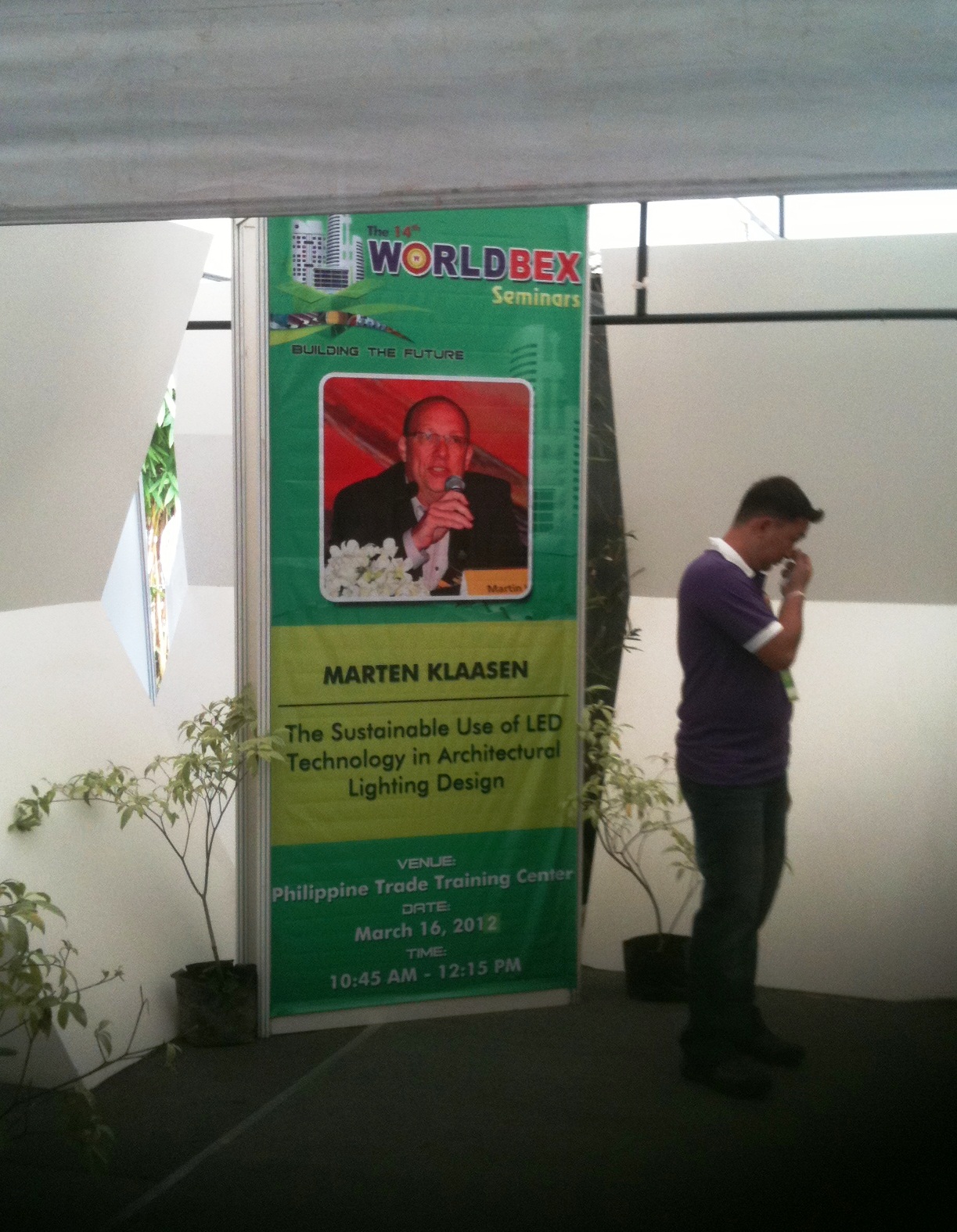
In my presentation today, which was titled the sustainable use of LED lighting technology, I used a project case study to share my experiences in my pursuit of applying 100% LED lighting in a recent project. Yes there were some beautiful project pictures but behind the beauty of the pictures I exposed the issues and challenges we faced to achieve our lighting targets. Too many lighting manufacturers and suppliers (some just having joined the fray with little experience) are jumping on the LED bandwagon with only dollar signs in their eyes, telling their prospective clients all the benefits and beautiful success stories, conveniently (or may be some ignorantly) leaving out the down sides of the technology. As a professional lighting designer I am fortunate to have this platform to share my experience as while this technology has enormous potential, we need to be aware of its pitfalls to make it a success.
I was honoured to be (re)invited as guest speaker at the 14th WorldBex conference in Manila and know that the attendants to my presentation walked away with some new knowledge when it comes to using LED lighting in a sustainable way. While I may be “teaching” today, they will be the teachers of tomorrow.
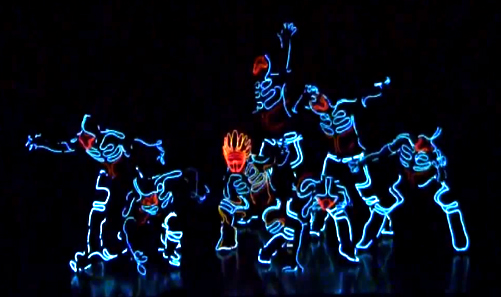
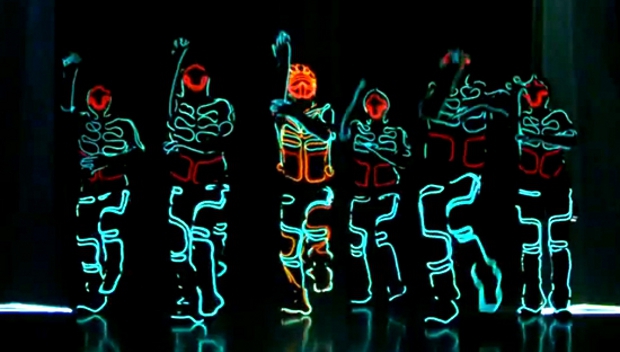
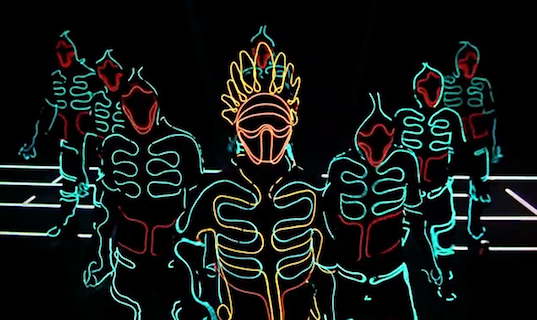
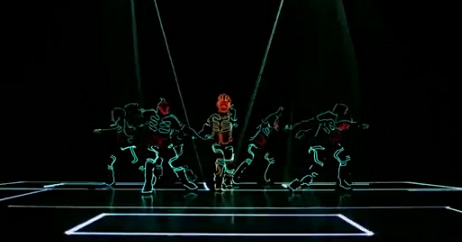
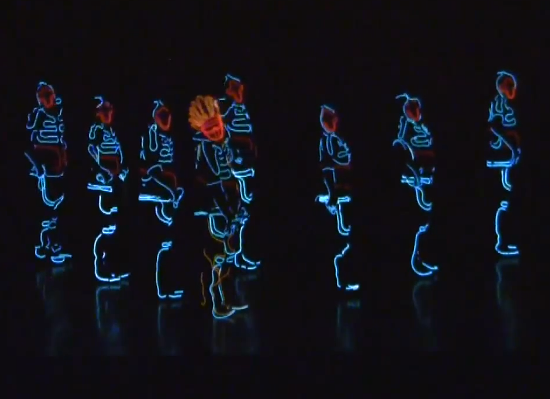
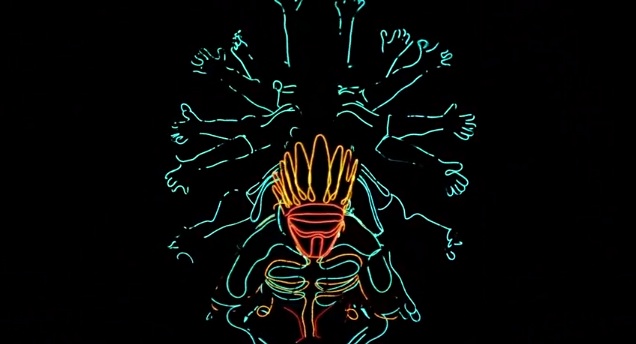
Light Watch 3-38: We learn from looking around and from what other creative minds achieve with today’s lighting technology. Below some pictures from a show put together by the Wrecking Crew Orchestra from Japan, using LED rope light. I don’t know whether I will ever use these ideas in the future but it certainly helps to continuously inspire my mind and someday it may come out in some other form in one of my designs…
Old times
Manila 15th March 2012
Today was much in the sign of rekindling with old times, reuniting with people I used to work with many years back. When I say many I mean many…I am talking about 20 years and when you think back how much has changed in lighting world these last 20 years!
First of all computer and internet…we were still drawing our lighting plans on big professional drawing boards. We produced so many drawings at that time we sometimes did not know where to store it. Believe it or not but storing of our original drawings (A1 –A0 sizes) was quite a challenge in these days, certainly when operating from a small practice! The originals would be on tracing paper and kept as a master. For coordination we would go to the printer and print copies for the project team. Travelling with rolls of drawings was normal then. And now? We just carry a CD rom, maybe a few, but we pretty much are operating from a near paperless office.
Without computers our presentations would be done with presentation boards, pinned up drawings and sketches, mood photographs representing our design intent. Boards that would have to be carried to our meetings in heavy big black carry bags. On top of that we would carry a slide projector and have a whole tray of slides to illustrate our design. The amount of work going into these presentations many times over what we do now, using a laptop and our power point presentation. We illustrate our design through real life renderings which are of such high quality that “what-you-see-is-what-you-get”. Google allows you to find any reference picture you want…
In the really early days communication was by telex (some people still remember that?) and later by fax. But who still uses a fax? We communicate by email, sms, chat with Skype or have video teleconferences. Today’s generation cannot imagine life without internet and computers.
And then there is the unparalleled lighting technology development. From just incandescent and fluorescent lighting technology then to today’s LED technology. But that is another story, how times have changed.
Light Watch 3-37: I am on tomorrow, no escaping :). I will be using my laptop and power point to present my story, which will be a showcase on how far we have come with LED.
Mabuhay
Manila 14th March 2012
After quite a number of years I am back again in the Philippines. It’s been quite a while, but on the back of the WorldBex 2012 exhibition and conference, for which I have been invited as at guest speaker, I will make sure to take some time out to revisit some old friends and business clients. The nice thing about travelling is that you get exposed to different cultures, different ways of life, different climates, which all reflects in the country’s architectural building expressions, its urban infra-structure, transportation and so on. As a lighting designer these are important cues as we design our lighting for people and people live in different social/ cultural environments, different climates and have therefore different habits, needs and preferences. Without having been there how will you understand? I pride myself therefore lucky having travelled the world the way I have as it has given me so much understanding of the different cultures and ways of life. The “culture shock” book series (I was given one as compulsory reading as part of my training when I was sent out as an expatriate to Singapore by Philips in 1988), is great reading if you have never been to a part of the world that has such different culture then you have grown up with in your home country.
When it comes to lighting, what we take away from being actually “on location” is what the local standards are in regards to lighting installations, the quality of light fittings locally available and most of all how the lighting market locally ticks. By simply driving around as I did tonight, you get a feel of how advanced (or not) the lighting market is. How many buildings are lit (LED!), the quality of the road lighting installations.
Why is this knowledge important? Because it helps you to relate your designs to local industry standards, local taste, local needs and most of all local availability and budgets. Yes we are hired to innovate, bring something new to the table, improve quality standards, but without a local reference frame it is hard to position your design…Mabuhay (“welcome” in Tagalog)!
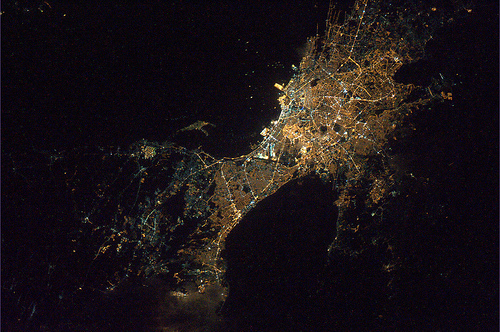
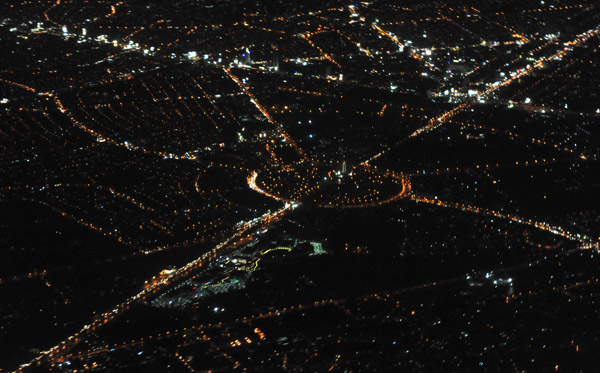
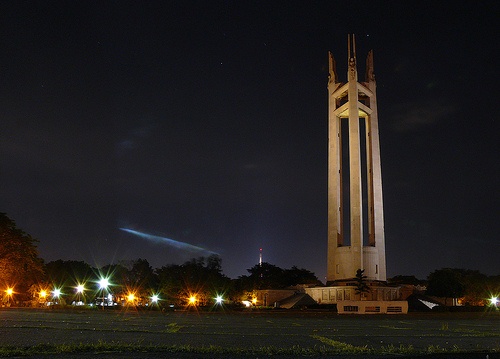
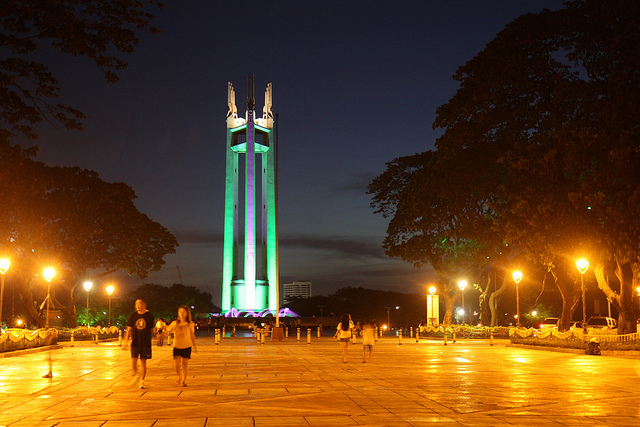
Light Watch 3-36: My very first project in Manila (with Philips in the late 80-ties) was the lighting of the Quezon Memorial. At the time executed with conventional gas discharge lighting. A search on Google resulted in some pictures with coloured lighting, so I have to assume that the lighting was re-done at some point of time. Also a satellite picture of Manila and a close up of the Quezon Memorial Circle from the sky.
The Boss
Jakarta 13th March 2012
Today was all in the sign off “The Boss”. I think that most consultants in the line of this business experience a situation at one point of time that the “Big Boss” needs to give his seal of approval. All this time we have been cruising along with the project manager and the boss’s representative, but there is nothing like “The Boss”, I am sure many can identify with that. So today the project team had come together for this “do or die” presentation to the big boss. As often with clients, like in this project in Jakarta, we needed the boss to be on board as to convert design concept to actual workable design content and details. The “Boss”, while well past retirement age, is still very much involved and probably considers this one of his legacy projects.
As the “Boss” had limited time available we had a dry run with the team and the owners in the morning to make sure all was covered and coordinated and most of all that the presentation was condensed to the key issues at hand. Sequence of presentations was determined to allow decision making to flow naturally. As “often” lighting ended up at the end of the presentation, which was a bit stressing considering I had to leave at a certain time to make my flight back (those who know the notorious Jakarta traffic know what I am talking about). We all know how presentations tend to take longer and divert from the core presentation at times. It is the skill of the presenter to make sure it remains within the goals to be achieved. By the time it was my turn it was basically time for me to leave, so I ended up doing my presentation with the knowledge I may well end up missing my flight. But the client is king and certainly I could not deny the “Boss” my presentation (and I needed to have his stamp of approval too!).
All is well that ends well…as I am writing my blog, I look back on a successful presentation, got my go-ahead and approval and am now sipping from a drink in the airport lounge waiting for my boarding call for my trip back to Singapore…a long but satisfying day with “The Boss”.
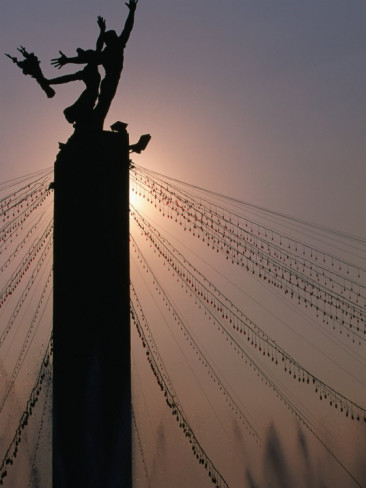
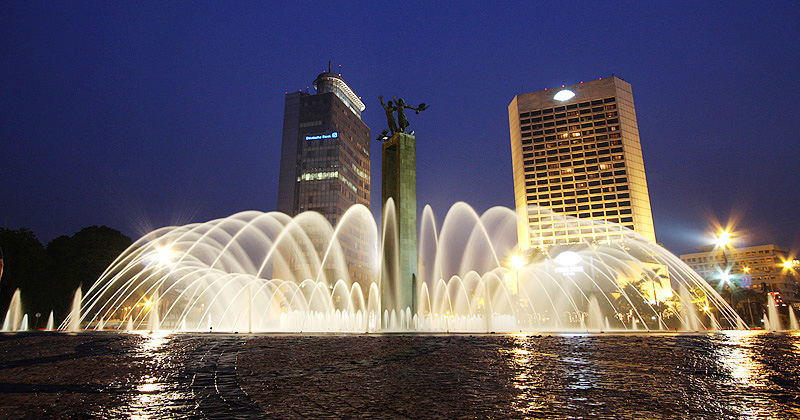
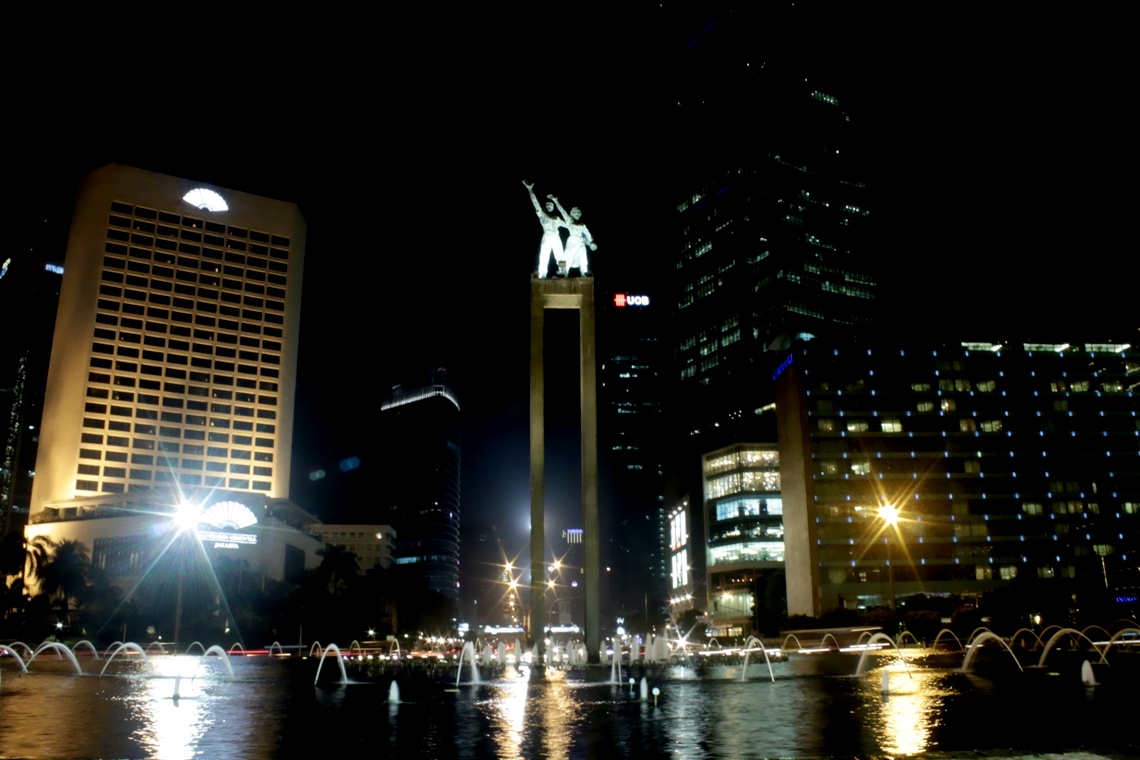
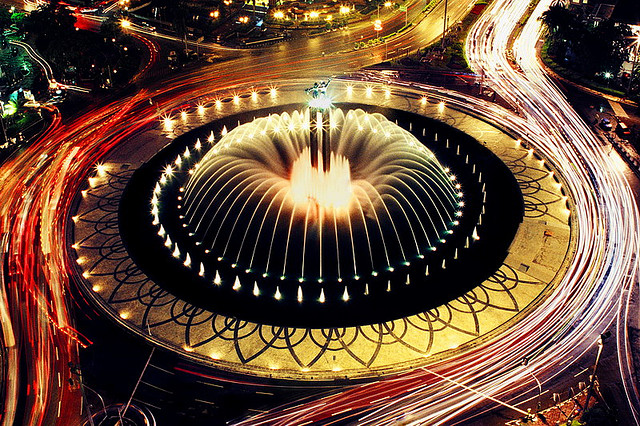
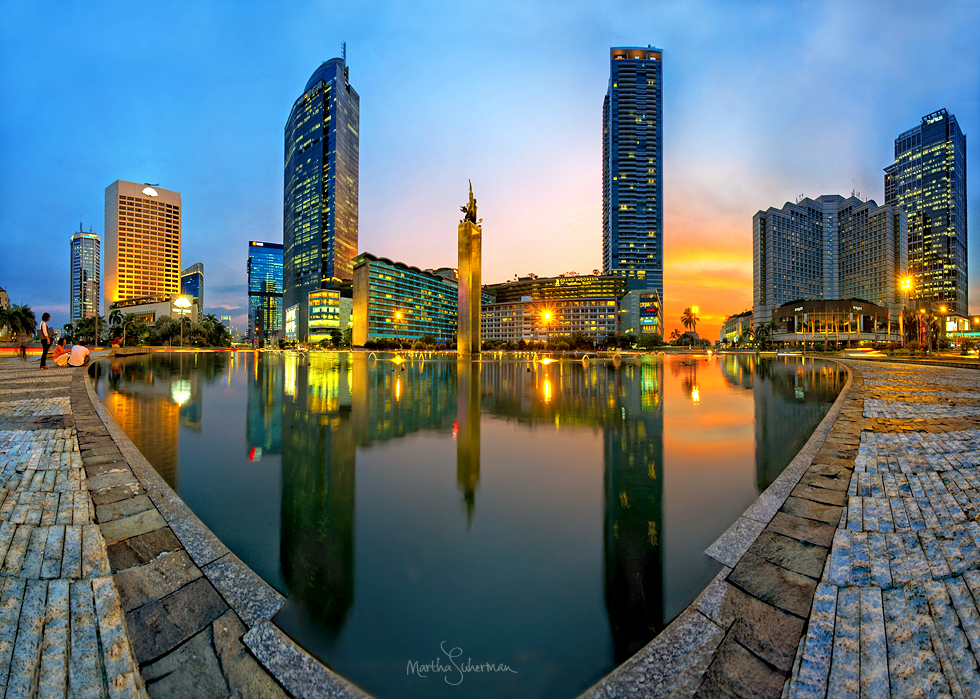
Light Watch 3-35: Over the years I have been many times to Jakarta, working for many different ‘Bosses”. Somehow many of my projects are located around one of Jakarta’s famous Salamat Datang (Welcome) Monument. Here are some night views…
Laws of perception
Jakarta 12th March 2012
Lighting design is very much a matter of perception. Lighting is something that we need to see, so as a lighting designer we need to understand how human beings perceive, see things. But perception as part of the lighting design process is not only about the creation of lighting effects and their visual impact (reflections!) on its surroundings; there is also the hardware part where the physical presence (shapes, dimensions, modularity, locations) of the light fittings determines as well how we appreciate a space. It is therefore important always to visit the space that you are designing for (even the environment if the space has yet to be build) to get a feel of how lighting (hard and software) will impact on its surroundings.
Today I visited two sites in Jakarta that are in process of design. The most creative ideas often come when you are on site, see and get a feel of the space and the environment you are to light. We don’t design for lux meters, but for people. Likewise we don’t design from behind our desk, we design for a specific space…
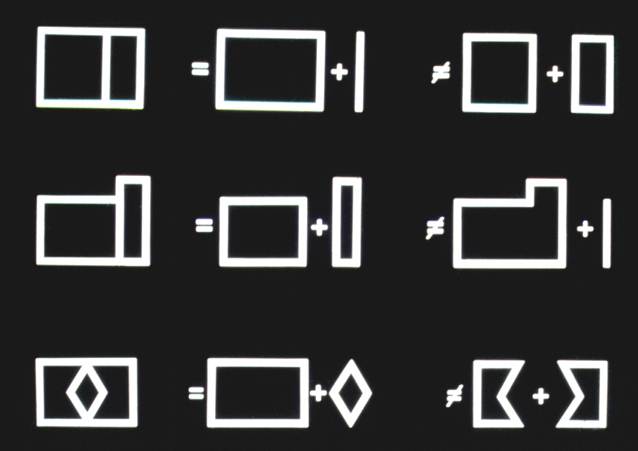
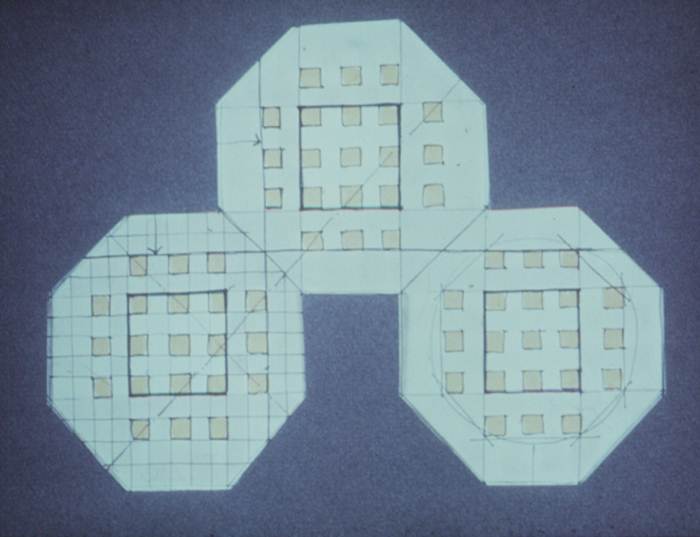
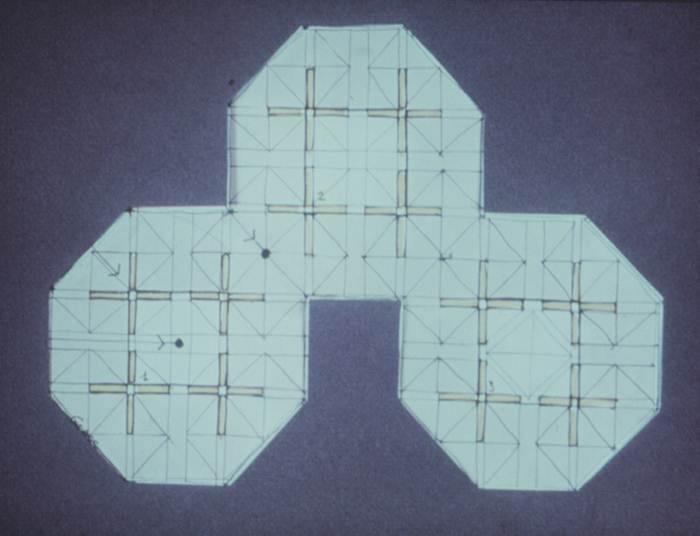
Light & Learn 3-9: Today some insights on how we perceive things. Developed in Germany during the Bauhaus period our perception is very much driven by the so called Gestalt Laws. Researchers found that we see things according to very predictable principles. Here are some of these principles that we (should!) apply as part of our lighting design concepts:
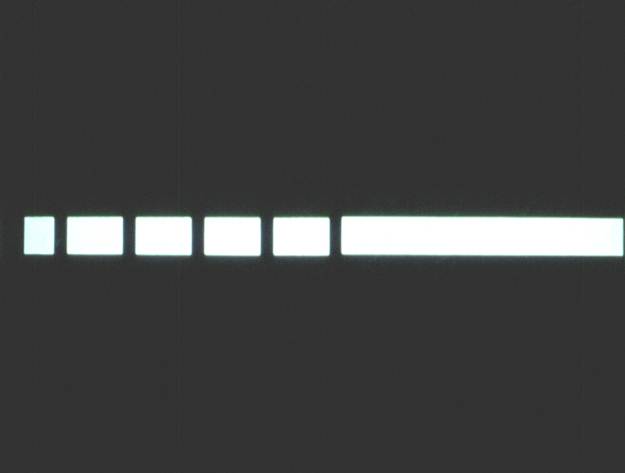
1- The law of continuity; dots (read luminaires) are seen as a line even though they are not actually a line. In lighting design for instance we need to integrate these dots/ lines as part of the architecture
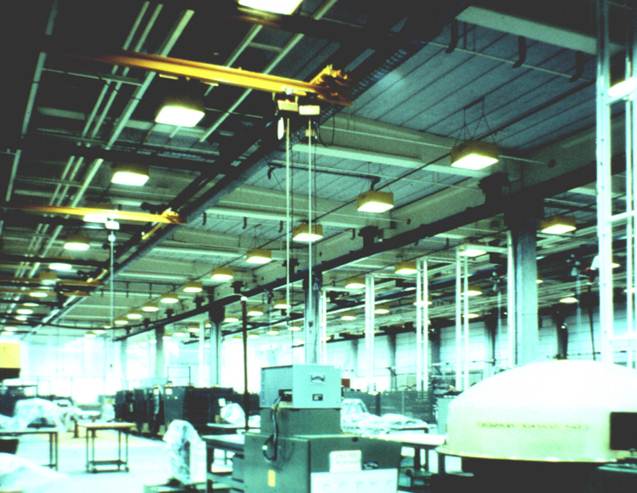
2- The law of proximity; similar objects (read luminaires) are seen as one (group), not as individual objects. We can lessen the impact of many luminaires in the ceiling by grouping them together
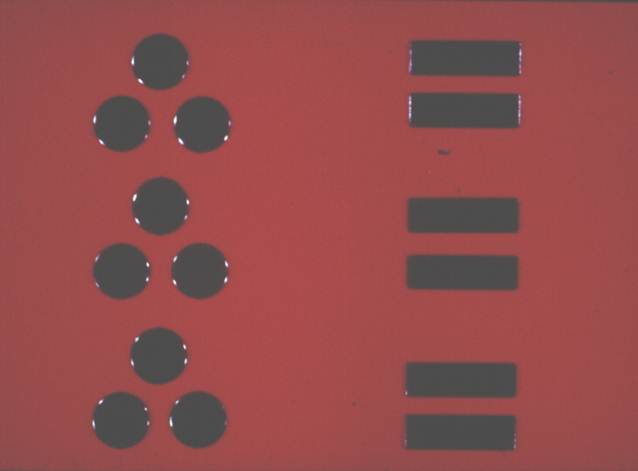
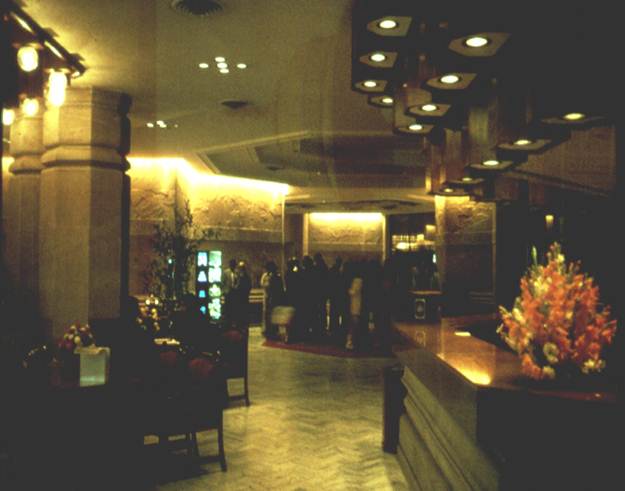
3- The law of equality (or similarity); similar sized looking shapes are assumed to be the same. In lighting design we make an effort to minimise size and shape difference to create a “quiet and balanced” ceiling design with our light fittings.
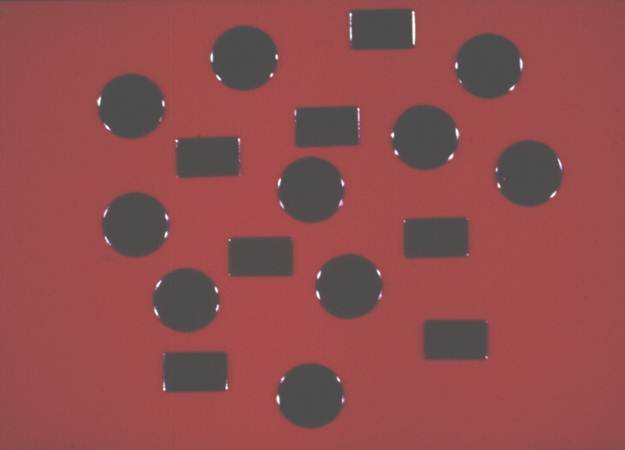
4- The law of dominant shape; when we create design and layouts our eye will automatically pick out the dominant shape. We need to understand and use this to reinforce the interior or architectural design intent
Expect the unexpected…again
Perth 9th March 2012
I have used this blog title before as it has become one of my “slogans” in life. Life is unpredictable and though we plan our lives to the best of our ability we can’t be on high alert all the time, sometimes you need to be able to drop things at short notice and reschedule your plans to accommodate unexpected (but obviously attractive) opportunities. I used to be very organised and structured; my days very much planned ahead and as a result I was being very inflexible and unexpected events used to derail me emotionally. Over the years I have learned to embrace the unexpected and spontaneously change course if something happened that requires me (or offers me the opportunity) to do so. If you don’t, how will you otherwise ever find out?
Today was such a situation where a long lost client (I had lost track of his whereabouts) contacted me out of the blue with an urgent request. As I am in Perth I could not really meet up with him in Singapore, but I asked one of my staff to go and meet him on my behalf, basically within an hour of his request. I did not really have to think to long about it as when someone like that remembers you and goes out of his way to contact you, you can but appreciate that. It’s these moments that you realise that you musyhave done something right at the time. Following the briefing I received from my staff after the meeting I needed to put a proposal together for submission the same day. I was in a situation where I could drop the work that I was doing and reschedule my afternoon to do this even though I had really planned to do other urgent things. But look at it this way; by accepting the unexpected opportunity rather than ignoring or letting my planned activity take precedence, I have opened the door to a potential new longstanding relationship. I don’t know the outcome as of now, but at least I went with the flow which may lead me to explore new horizons…
PS: I started the blog yesterday but had other things on last night…
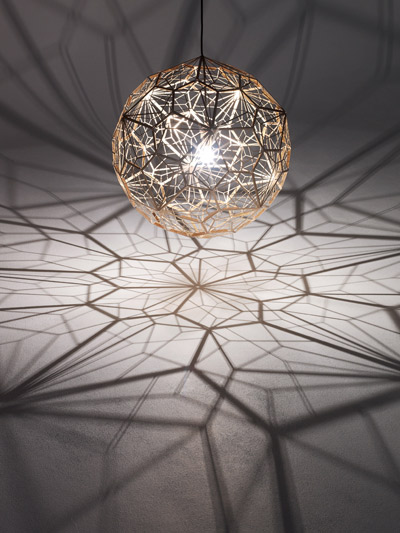
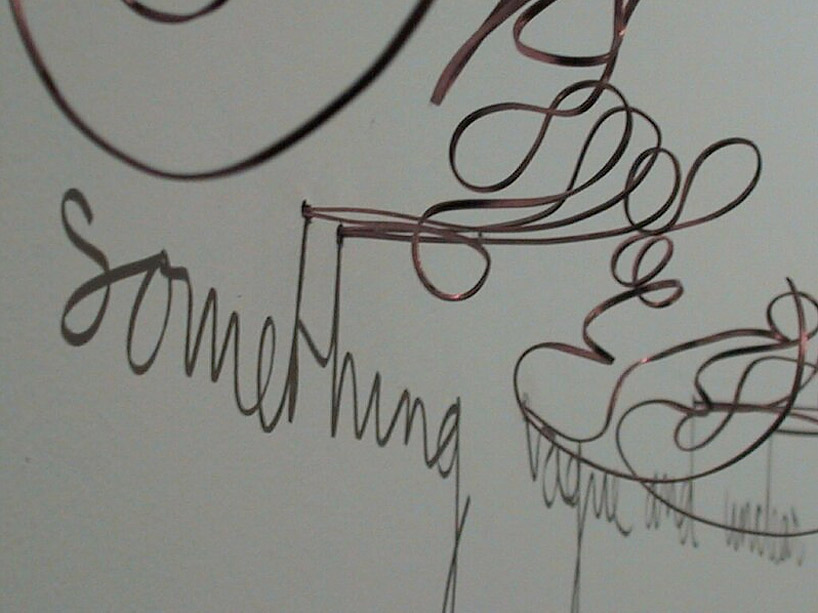
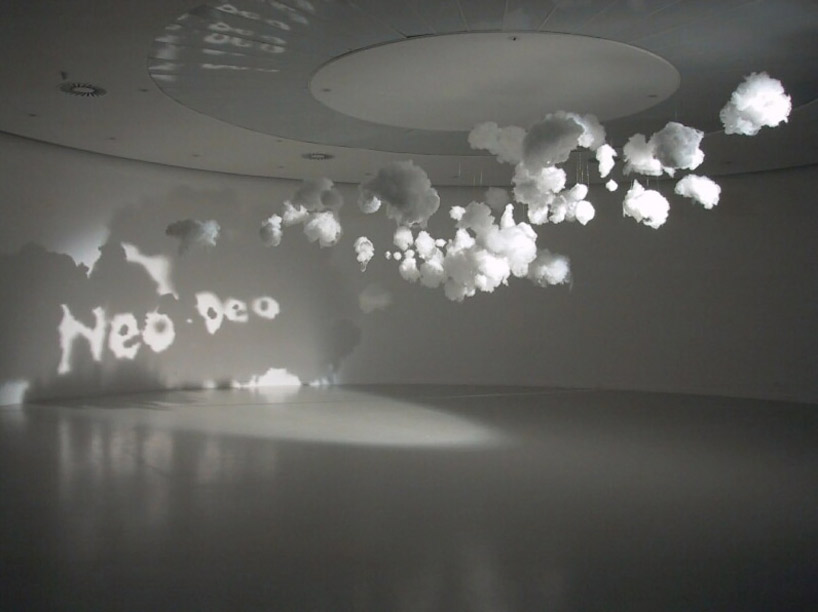
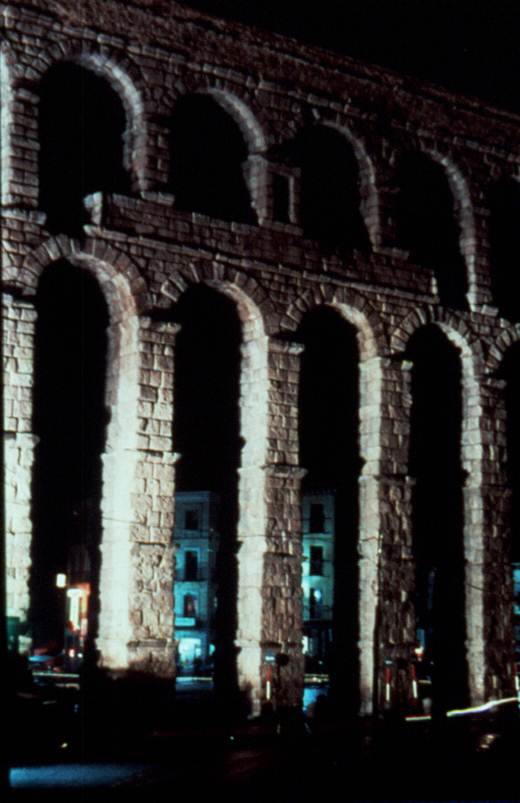
Light Watch 3-34: One of the great unexpected and ever changing sights is the way light project shadows. Whether from artificial light sources (like this Tom Dixon lamp), projection or just simple interaction between architecture and (day)light

Pushing the boundaries
Perth 8th March 2012
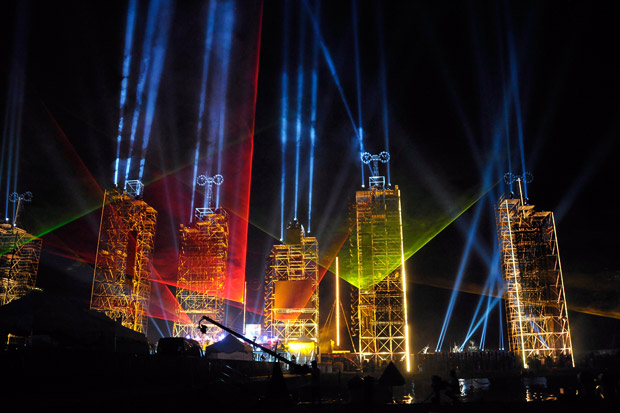
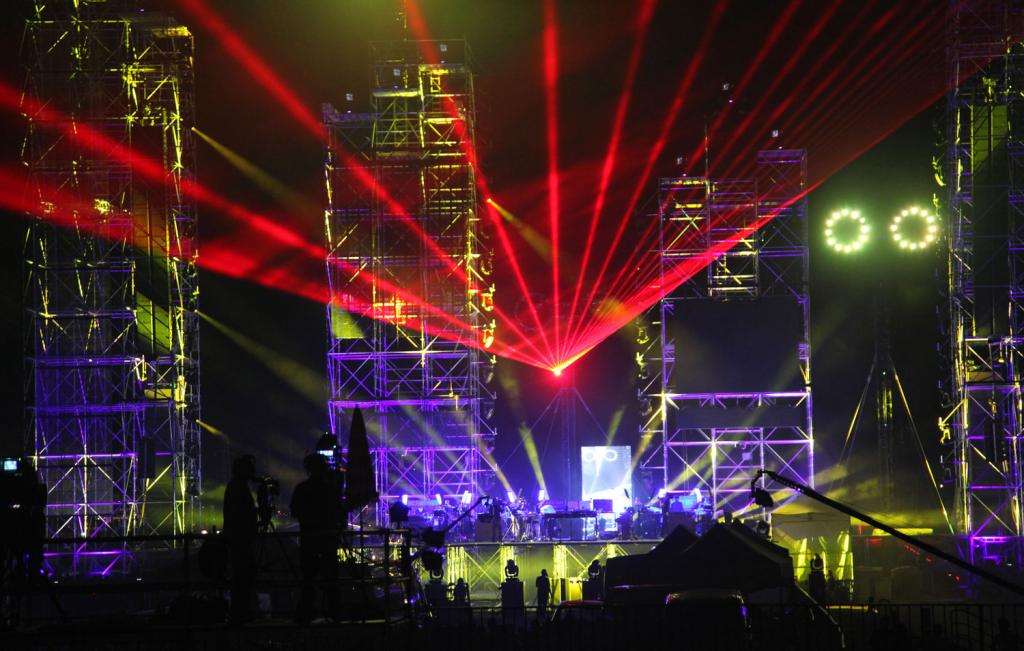
If there is one event I would like to experience as a lighting designer it would have to be a concert spectacular by Jean Michel Jarre, the French composer famous for his multimedia and laser extravaganza’s, some performed for over 1 million people. So the announcement yesterday that JM Jarre will be performing in Perth later in November this year as part of Rendez-Vous Perth, got us all here pretty excited! The show is said to bring the whole city to a stand-still and will be free to watch for all! The costs is believed to be in the millions so it might not be a done deal yet, but with State Government, the City of Perth and other interested organisations all behind the idea, I hope it will indeed manifest itself.
What attracts me in these events is my admiration for people who have this gift to create things new and push the boundaries to levels never seen before. As a designer and creative person myself I can but admire that. It takes guts and a firm belief to move these things from conceptual ideas to something that is actually realised. So these guys, besides believing in their idea must also have a strong personality and ability to sell their concept to those who would be able to finance such events.
We face exactly the same situation in our day to day work as architectural project lighting designers, whatever we come up with, whether boundary breaking like JMJ or just an innovative lighting application on a smaller scale, somebody still need to fork out the money. So it comes down to your belief, conviction and ability to sell your concept. Of course it has to make financial sense and be based on sound underlying principles, value for money and so on, even though some revenues like tourism income cannot always be exactly quantified. In this case of JMJ coming to Perth it is anticipated that it will indirectly support the local industry to a great extent, hence the interest of city and state. People like people who push the boundaries of imagination!
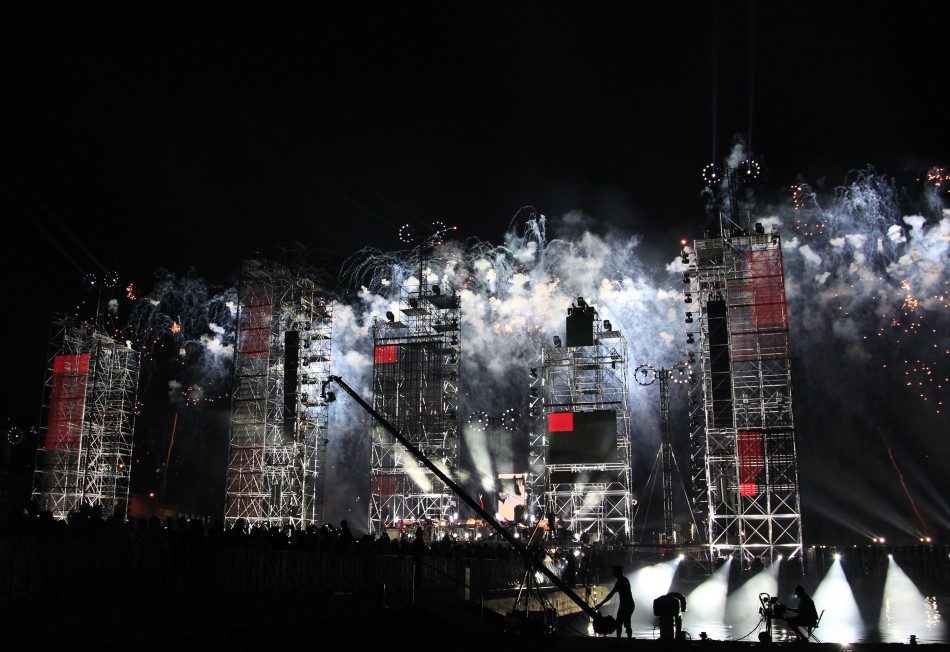
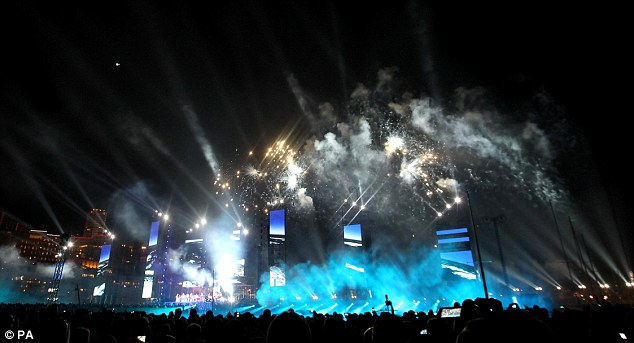
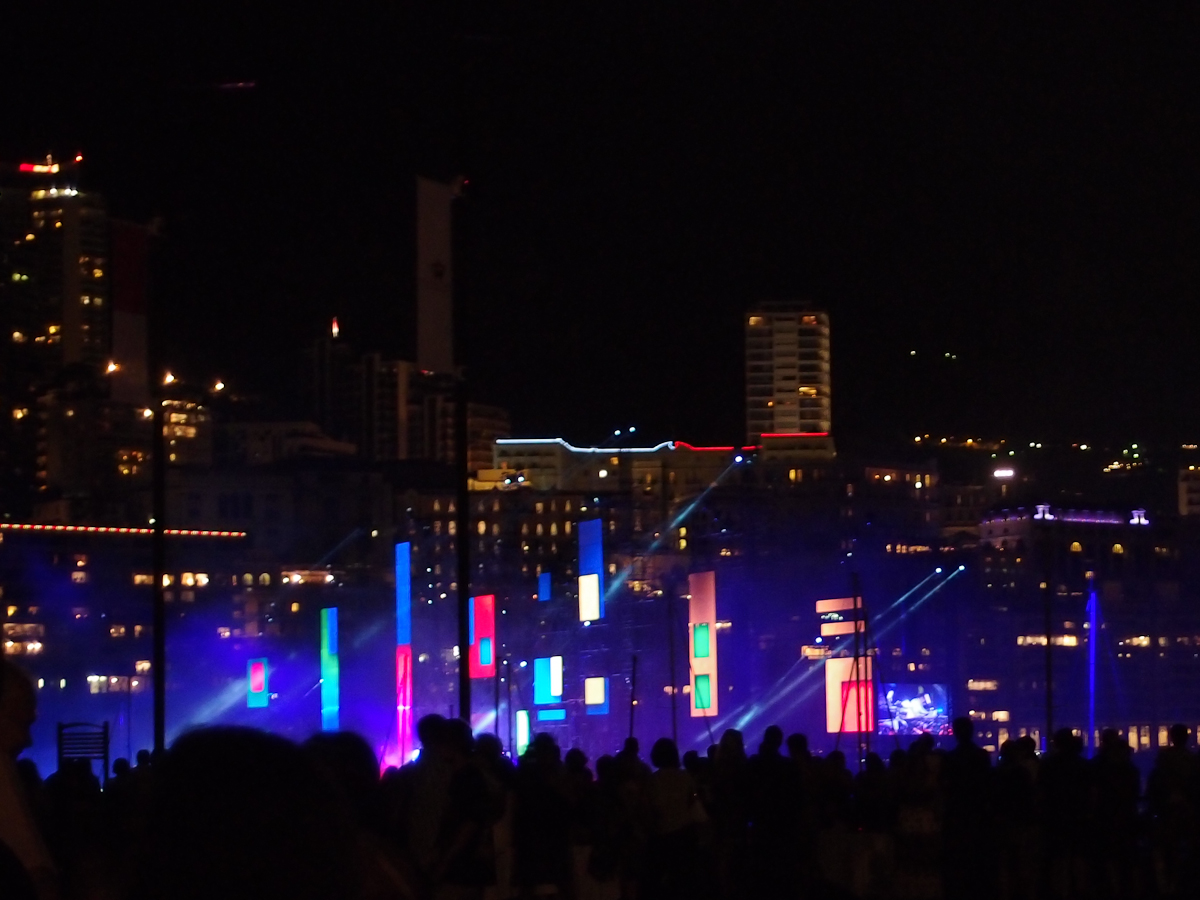
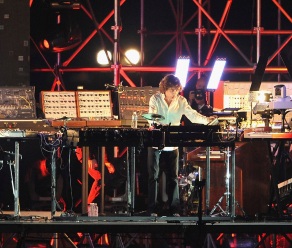
Light Watch 3-33: One of JMJ more recent shows was in Monaco where he performed at the wedding of Prince Albert, see some pictures below.
 The long awaited book compilation of Martin's first year of blogging is available. Order now.
 Feedspot Top 100 Lighting Blogs