
LED and lighting levels
Perth 7th March 2012
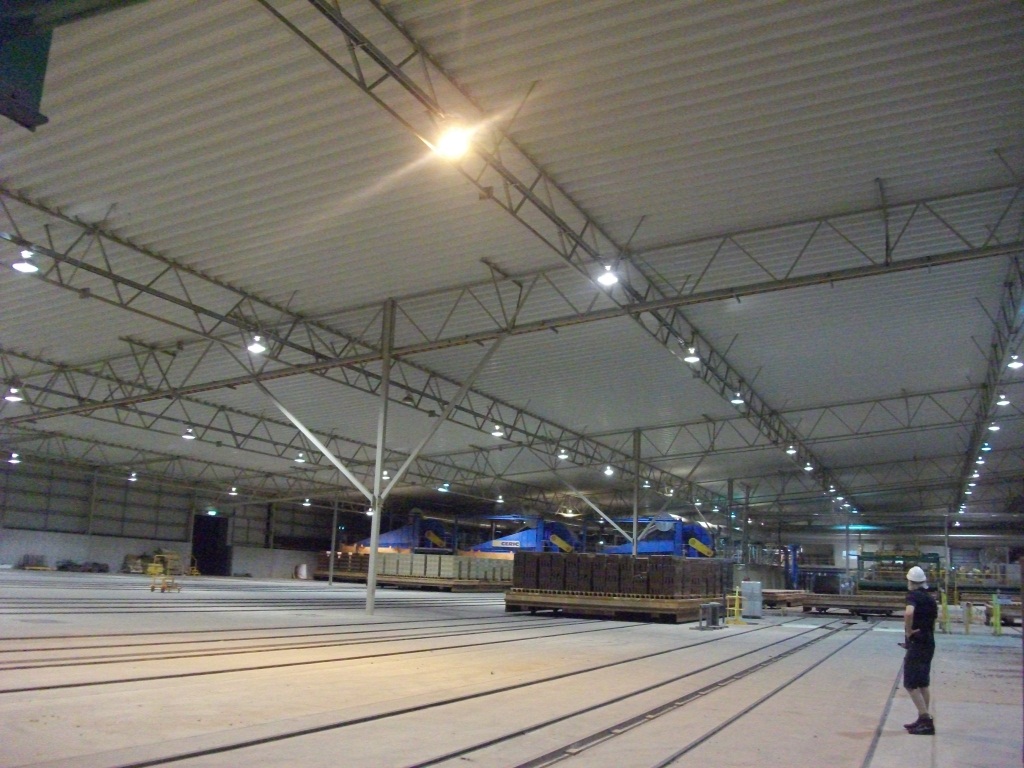
We went out tonight to do some spot measurements in a brick factory that is considering doing a full lighting audit to check if they are still complying to the Australian lighting codes. These lighting standards are becoming more and more of a legal issue, certainly when accidents happen on site during night shifts. I believe I once blogged about about us being called out to investigate the lighting at a 24 hour mining plant after a worker died during night shift as a result of an accident. Though the exact cause of death was not conclusive, we did have to report that the lighting was definitely not to standard at that location and could have contributed to the unfortunate accident.
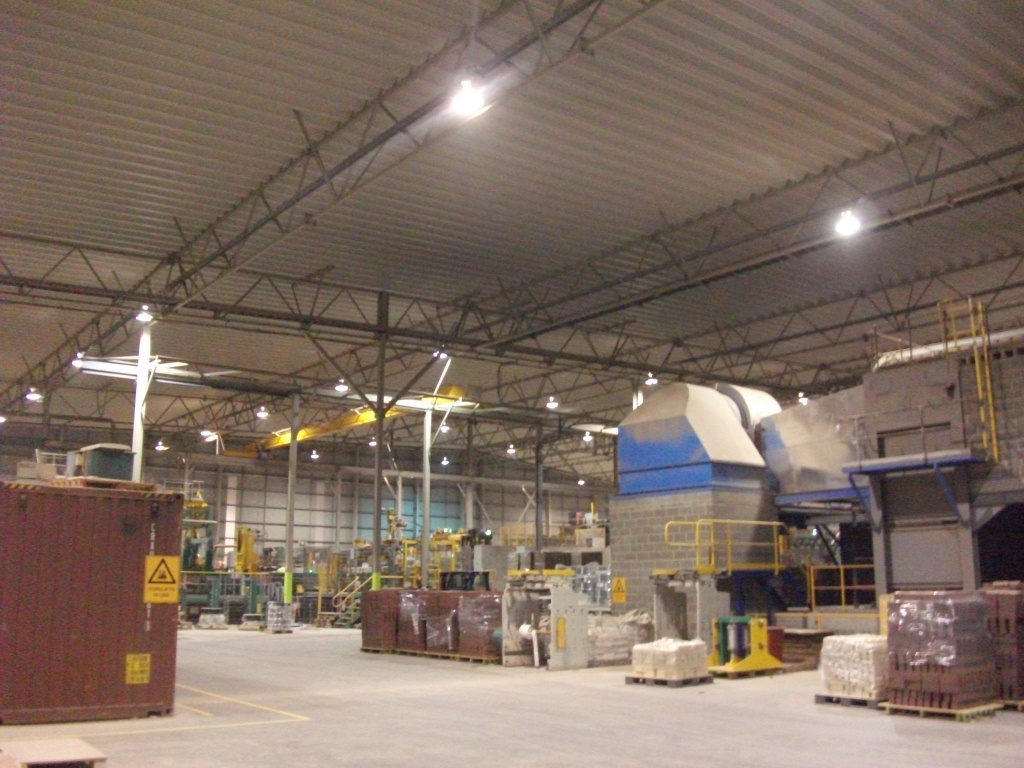
This factory produces tons of bricks and runs 24/7. The site manager knows that his lighting is probably lacking which is pretty obvious when you visually check the place already. Different colour temperatures kind of indicate that some lights are reaching end of life and even without doing any measurements you will know that this means at least 30% down on initial output. The factory is generally lit with 400W Metal Halide high bay lights. It is also visible from just observation that some of them need some serious maintenance.
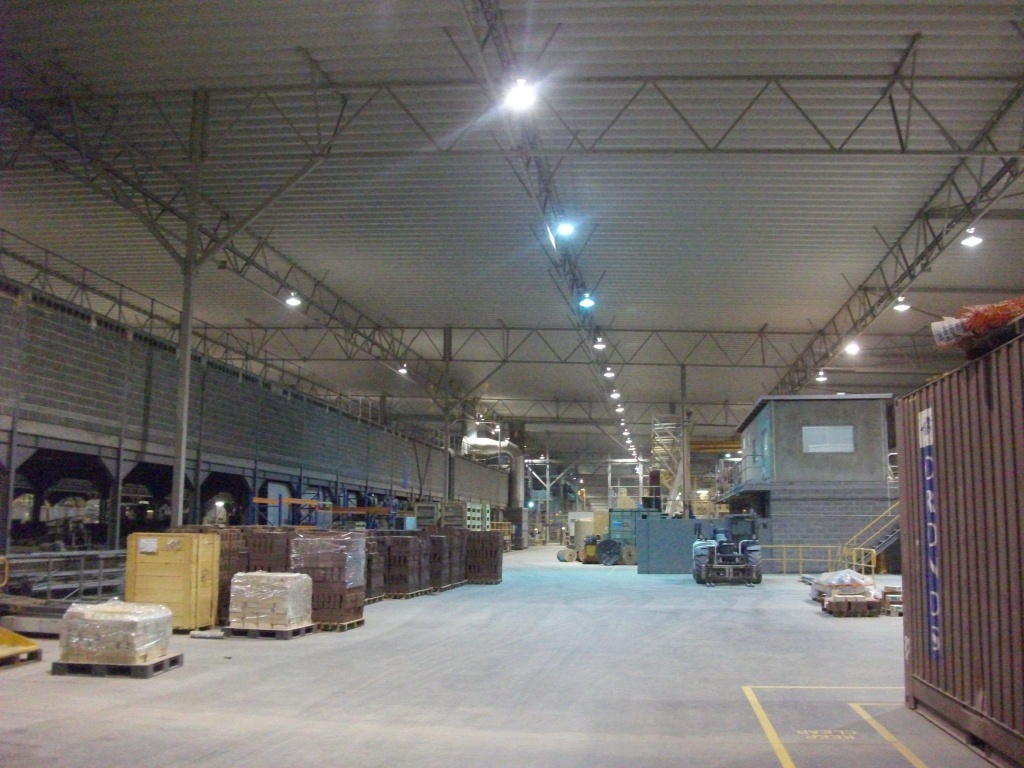
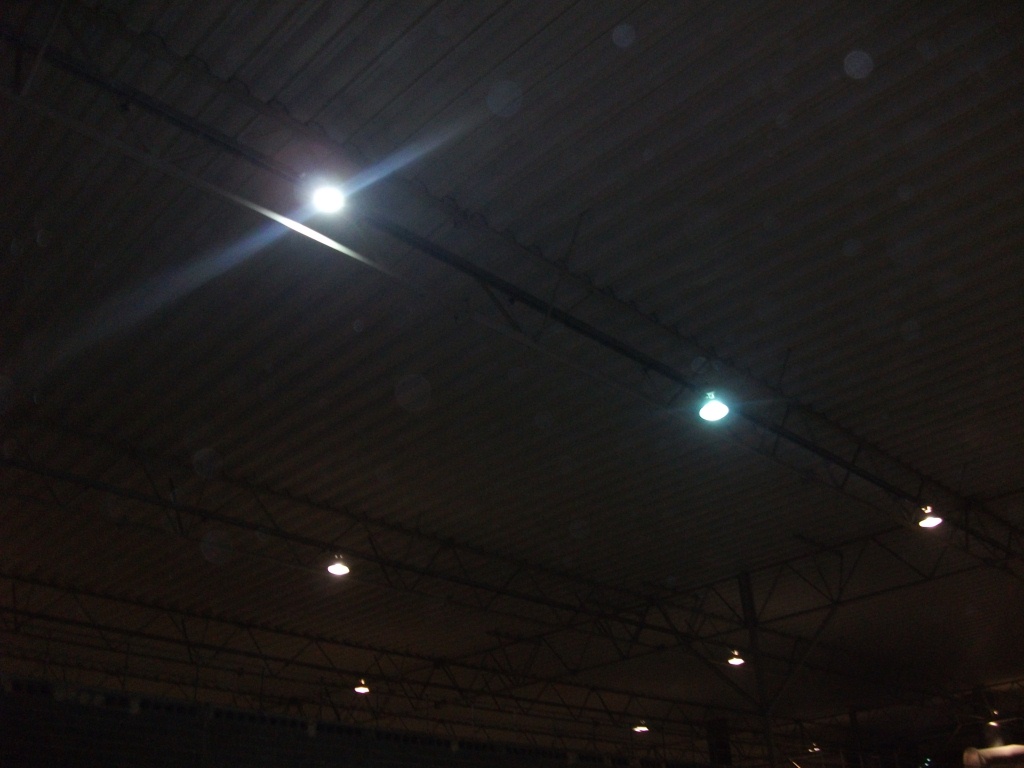
One of the reasons we did get out to do some measurements is that they had mounted an LED high bay light, supposedly compatible with the MH light as a possible replacement and wanted to know how well it was doing its job. Interestingly from direct visual observation it was easy to spot the LED high bay light, it had a much more pronounced brightness and colour then the metal halide. The LED high bay was listed as being a 150W with about 80 usable lumens per watt whereas the existing 400W MH generally has about 60 usable lumens per watt. I say usable as the rest is mostly “lost” in the optics and fitting. Our one on one measurement predictably showed the MH outperforming the LED by nearly 2 to 1, but then that is if we would replace the MH one to one. The issue here is that the lighting performance of the LED is different and that it would require a new lighting layout (with more LED lighting points) to recreate the same lighting results. With its higher performance we would however be looking at a much lesser energy consumption, a much better uniformity due to the higher quantity of fittings required. But a ROI calculation would be required to get a handle on the higher capital costs of replacement.
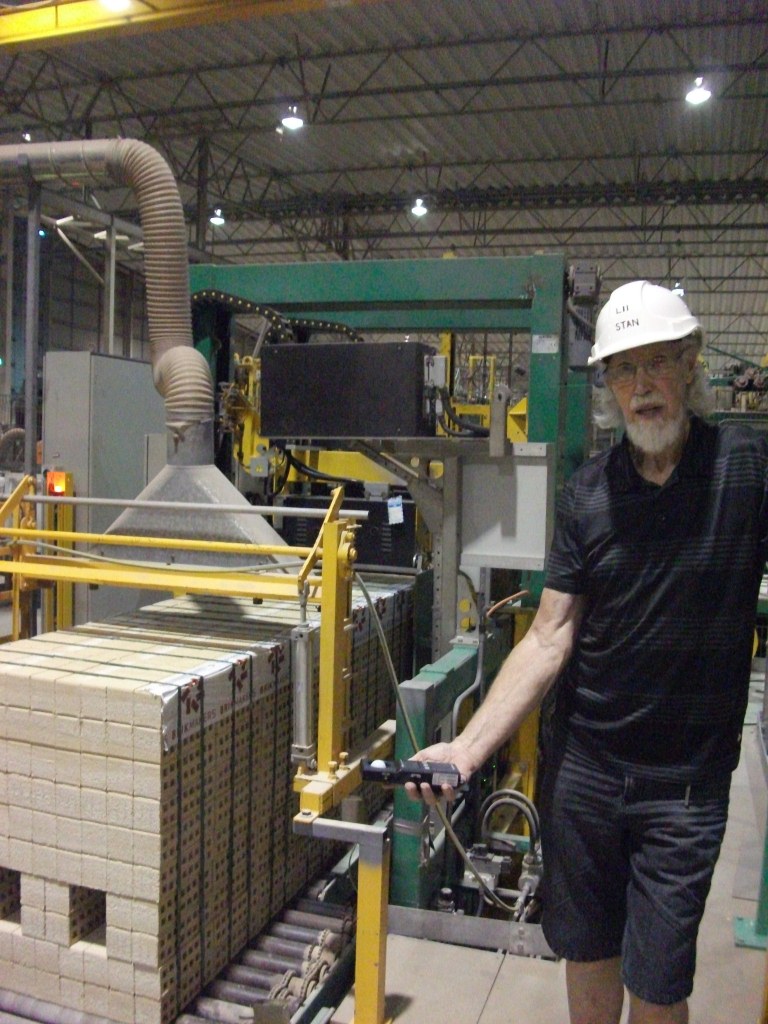
Light Watch 3-32: Some pictures of the site. Spot the LED in the first and second picture as well as Stan showing of with his lux meter 🙂
Next generation LED’s?
Perth 6th March 2012
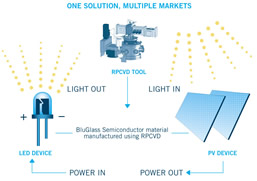
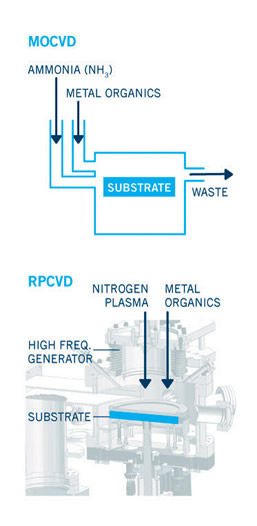
I read that an Australian company (BluGlass) seems to have developped the next generation of high efficiency LED’s and solar panels. According to their website (see below) the technology has already resulted in several (14) patents in key areas of the semi-conductor industry following more than 15 years of research at Sydney’s Macquarie University. The company is also listed on the stock exchange since 2006 (anyone interested to buy some shares?). Now I am not a big techno buff so many of the technology jargon is at times a bit over my head, but what I do understand is that it is looking at the same technology to emit light (LED technology) as well as to absorb, convert light (solar panels). The technology they use is called Remote Plasma Chemical Vapour Deposition (or RPCVD) and its key feature seems to be, and I quote from the website: “ The current process (MOCVD) requires much higher growth temperatures of typically over 1000°C. With a lower growth temperature than MOCVD, RPCVD has the potential to allow electronics manufactures to create higher performing devices by reducing the active materials exposure to high temperatures and also reducing the strain on the device, both of which currently lead to performance loss”. This is compared to the current technology widely used for high brightness LED’s called MOCVD (Metal Organics based). While this current technology uses ammonia as part of the process, the new technology can do without it and is hence also more environmentally friendly and safer.
Now I have not been able to find information whether there is already any successful real application other than research results and reports, but I am sure that many R&D departments of the leading LED developers worldwide like CREE, Philips, Nitchia and others doing overtime in their labs to be the first one with the latest break through. It is obviously a multi billion dollar business and being the first with a new break-through technology will put you financially in the driving seat! I was told the other day that the expectation is that by 2020 about 90% of the lighting installations will be LED? At the same 1000’s of LED manufacturers are popping up all over (think China, Japan) to jump on the lucrative band wagon. It just makes you wonder where this is all going…
Light Watch 3-31: Have a look at the website for more info: www.bluglass.com.au ; The schematics show the basics of the technology.
Life in the fast lane
Perth 5th March 2012
On the way to the airport this morning I couldn’t help thinking how people always want to look better, bigger and faster than they really are. The taxi that drove me to the airport in the morning like so many other cars, once he had entered the 4 lane high way, immediately went to the fast lane. Not that he was driving fast in his 8 year old Toyota Crown, he just routinely moved into that lane, even more…all other lanes were basically free…sounds familiar? En route to the airport I noted that 80% of the traffic was hanging around in the “fast” lane, with the really fast cars over taking in the so called extreme ”slow” lane.
So much like a metafor…as it is so typical of life in general and our projects more particularly. It’s the 5 star look for a 3 star budget sort of thing. Aren’t we most of the time wanting to belong to the “Big League”? I think we all have seen a Mrs Bouquet somewhere (from “Keeping Up Appearances” fame, the hilarious sitcom). As a lighting designer we have to deal with Mr & Mrs Bouquets all the time. We get briefs and renderings that look the world but when it finally comes to the real deal, suddenly there isn’t all that budget anymore and we are asked to cut down the design to bare essentials.
Being honest and in “real time” is not always easy, certainly not in certain cultures, so part of our job as lighting designers is the need to unearth the reality and understand were people or more specifically our clients come from when they brief you, which basically comes down to your life and project experience (been there – done that). You can drive along in the fast lane as long as you understand that all the others in that lane are not always as fast as they would like you to believe… 🙂
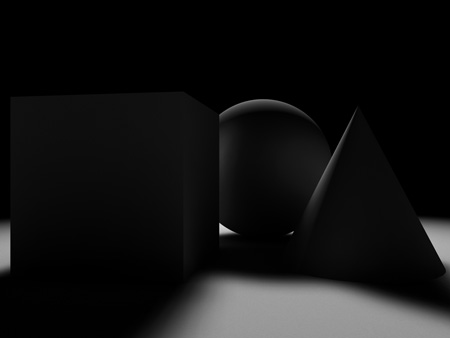
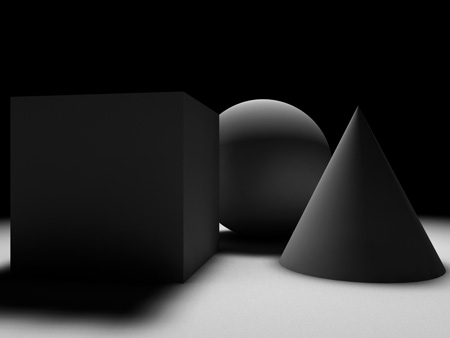
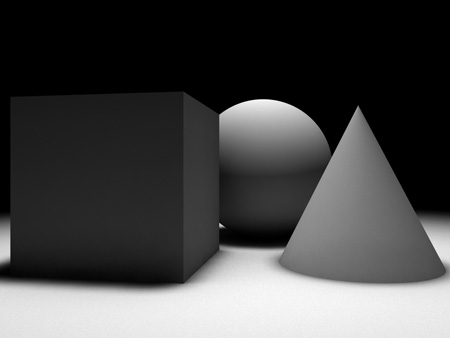
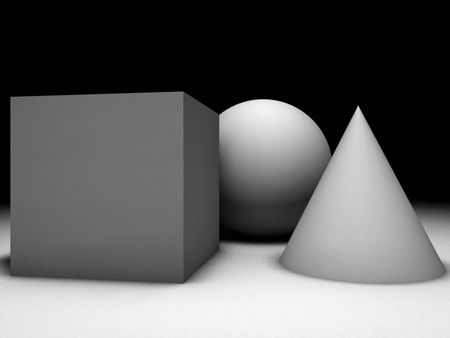
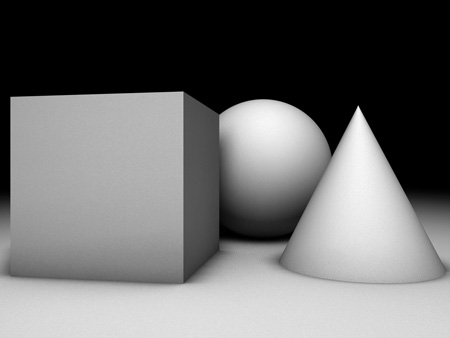
Light & Learn 3-8: When I woke up this morning I had the daylight coming in strongly through my bedroom window lighting up by angled wall. It reminded me again how much nature’s daylight is the backbone of many of our lighting effects. The wall closest to the window was bright white, the angled wall still caught some reflective light but was much darker, while the return wall was practically dark. Three shades of white in varying contrast from one light source. In our lighting design we use contrast to reinforce dimensions. When you light up a building façade do all four facades be as bright? Of course not…under sunlight one façade always looks brighter than the other…see how light and shadow interact on these basic objects as the light moves slowly from the back overhead to the front. This series is used to teach Photoshoppers how lighting effects surfaces…
A crazy world
Singapore 2-3rd March 2012
Another week gone past…weekends are good for reflections on work, things that happened, issues to resolve in the week coming, but really weekends should be for personal quality time. I have often mentioned in my blog the importance of balancing work and personal life. But it seems like a crazy world out there in many ways, economically and technology-wise.
Economically the world is still reeling from the FC of 2008 and trying to find its bearings. The Eurozone is in a mess affecting the whole world. Many of our lighting manufacturers are from Europe even though many rely on their manufacturing plants somewhere in China or other Asian countries. Again Asia seems to be the world’s engine, but we do feel the burden through slower than usual project developments, whether actual project progress or new project appointments, at least in my practice. And I am not even talking about the political instability that is happening in various parts of the world; Syria, North Korea, Iraq and election “stress” in countries like the USA, France, Russia, and Australia…
Then there is the technology (read LED) craze. We are entering a dangerous phase in regards to lighting technology. On one hand we have the “old” generation of lighting designers, brought up and skilled in the use of conventional (and still very good) lighting technology, on the other hand the “new” generation who only knows LED as the technology to use and apply. We are even starting to have “new” generation clients who do not know anything else than LED lighting! While the old generation is trying to make sense of the LED technology in comparison with the conventional lighting techniques and performances they have been used to, the new generation is designing without these references with a technology progress which is very hard to comprehend. Today’s technology is already old tomorrow (the I-phone 1, 2, 3, 4 syndrome). So until the LED technology has settled (will it ever?) with common standards and quality performance criteria, we are in a sort of no-man’s land were generations old and new are trying grapple with and make sense of the new LED technology.
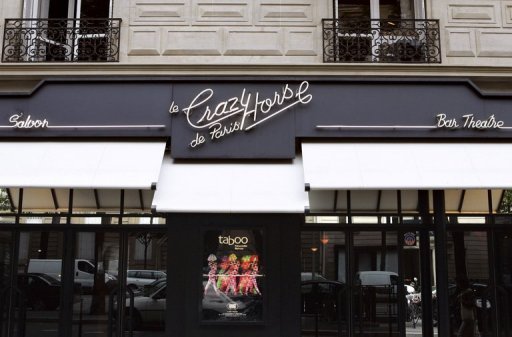
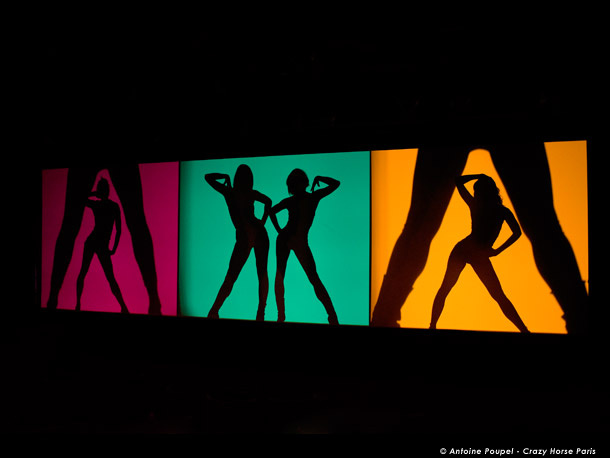
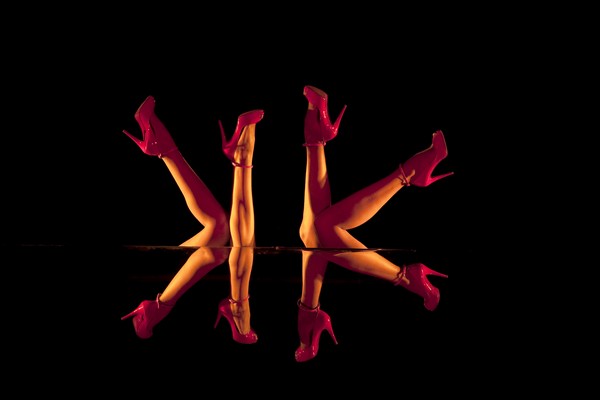
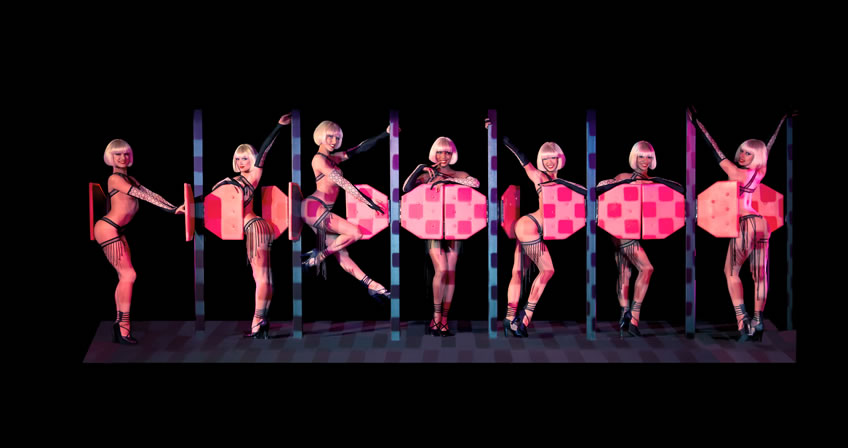
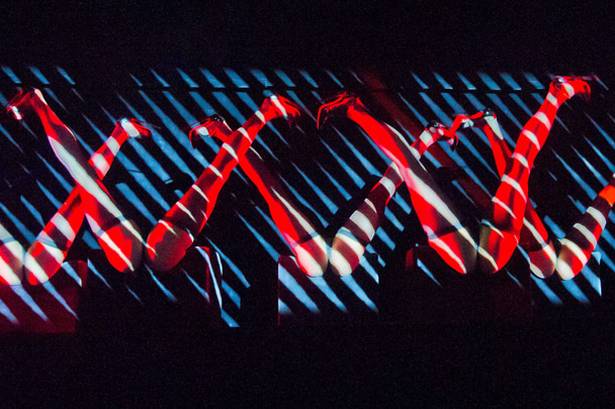
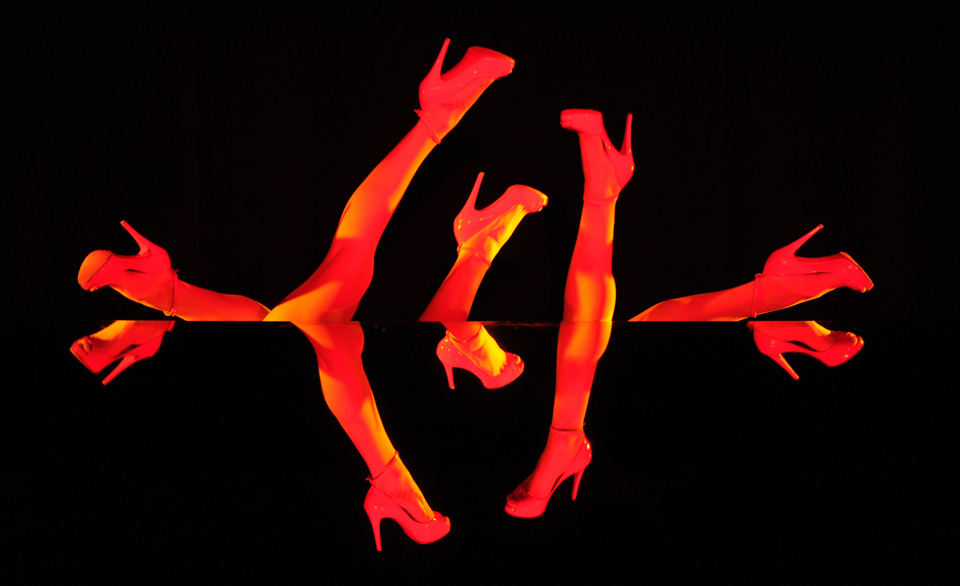
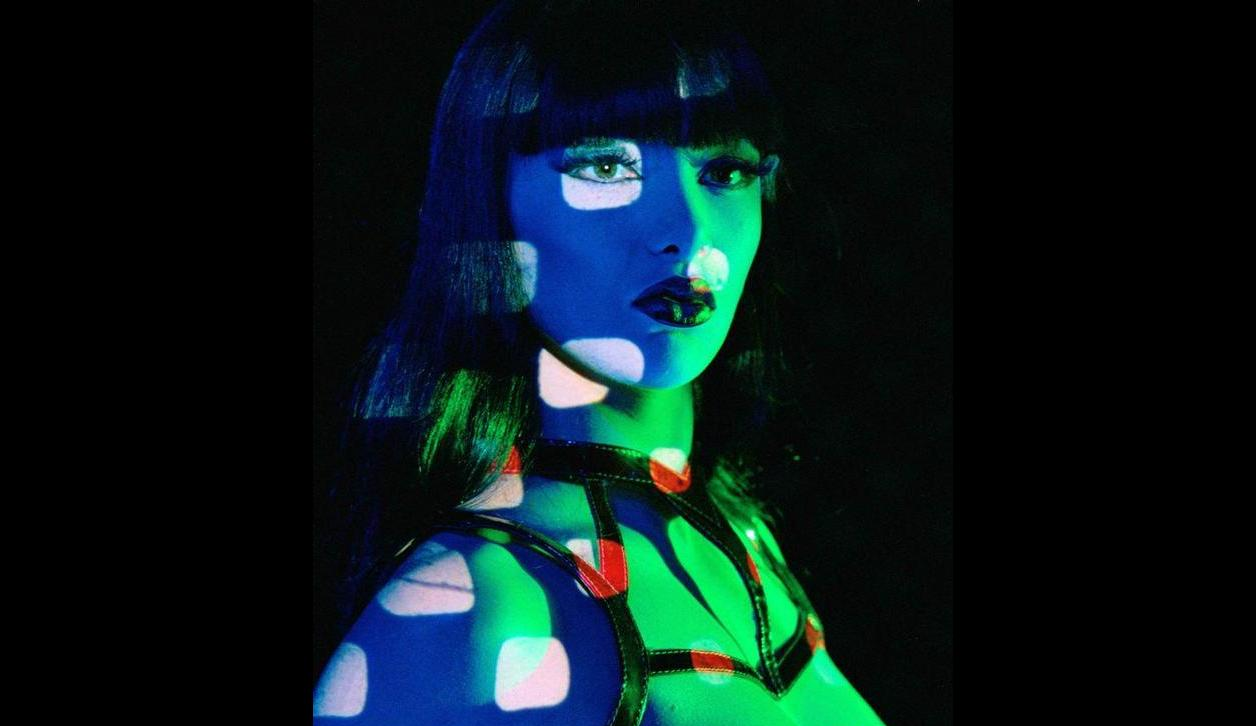
Light Watch 3-30: Talking about crazy…a famous French shoe designer (Christian Louboutin for the insiders), also known as the stiletto king or the king of red soles, recently launched his new shoe collection in the Crazy Horse in Paris. The “red hot” show of course wouldn’t be without creative lighting design…
The power of Watt?
Singapore 1st March 2012
The issues around power loads per area kept popping up again today. The more I get to deal with these so called energy consultants (I am sure they are real) the more I get worked up about the fact that they seem to be number crunchers and not really in touch with that they are actually recommending. If the energy per square meter is such a big deal why not go back living during day light hours only? I am running a bit of a rant, yes I know, but these energy consultants (hiding behind LEED and Energy Stars and the like) keep pushing power loads without cross checking this with any design intent, lighting level requirements…I blogged about it just recently. And what is this big deal about lighting anyhow, its only 1 or 2 points on the whole LEED point system! It is likely that good design practice is much more important.
This all makes me think that we need to review this LEED and Green Mark trends and really get some sort of standards in place that makes sense when we wish to apply energy loadings to lighting applications. I believe some standards or studies have already linked the power loads to lighting levels, similar to linking lumens to watts. But we may need to expand this further and look at relationships of costs per watt, lighting system power factors (or true power consumption) and so on.
The most difficult part is to quantify an architectural, interior or urban landscape concept into various levels of use and sophistication. We don’t design for lux meters but for people so while the lux maybe an indicative value towards limiting the watt usage required, we may still need to define visual tasks, comfort and mood as part of the criteria for power load values…I am on to it and hope to find some sense and balance amidst all this LED and energy craze, where everybody seems to have something to say, but unfortunately some are driven by commercial motives…
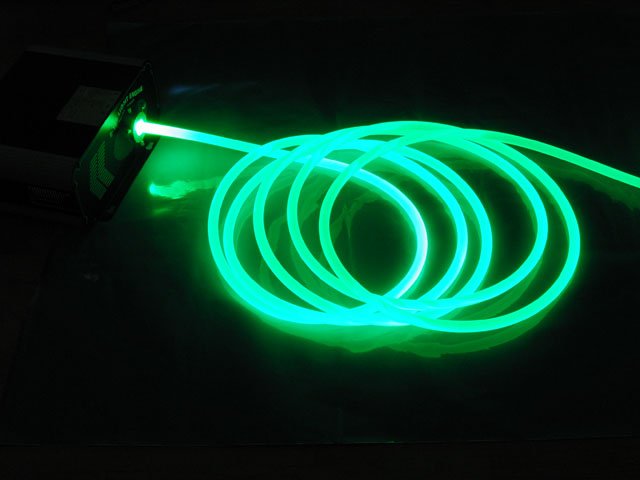
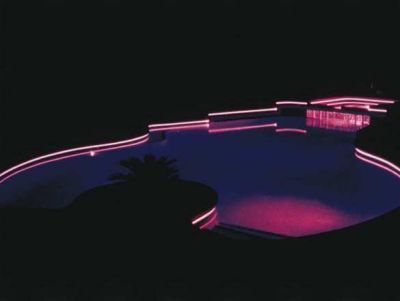
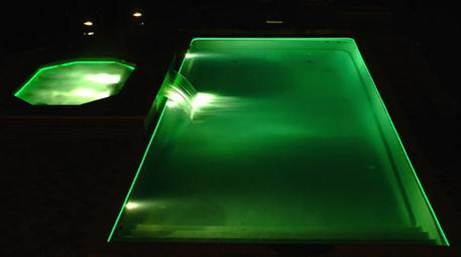
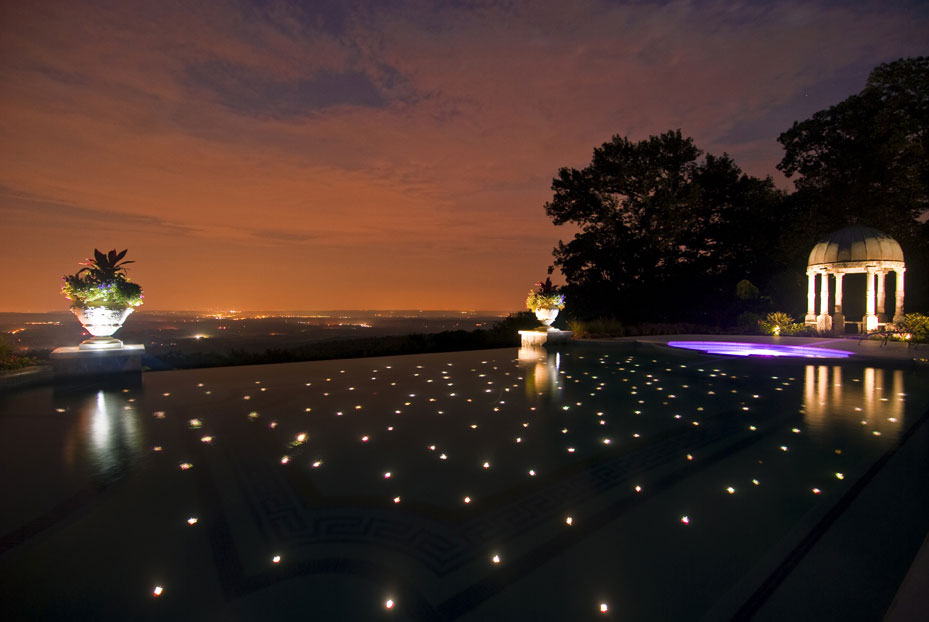
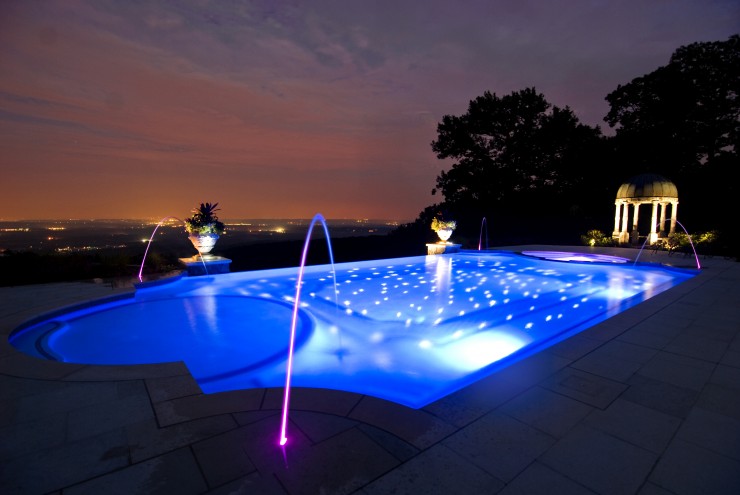
Light Watch 3-29: Talking a bout energy saving, what happened to Fiber Optics? Once hailed as a great energy saving lighting technology it seems totally overrun by LED! As it happens we had a design meeting this afternoon about one of our resort projects and guess what, yes we are proposing good old fiber optics 🙂 Here are some mood images. The last and for last pictures courtesy of Cipriano Landscape Designs; more on these links: Cipriano Landscaping NJ and Cipriano Pool Designs NJ
A leap of faith
Singapore 29th February 2012
Today is a leap day, one of thise days that only come along once every 4 years, to bring us back in sync with the actual earth’s rotation around the sun. My grandmother (Dutch side) was born on this day, but she always celebrated it on the 1st March…otherwise she would have died very young 🙂
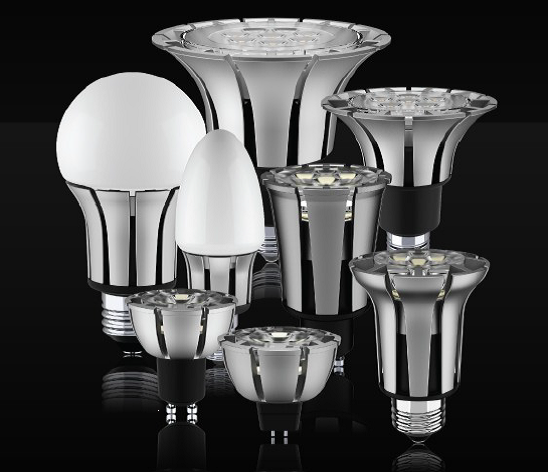
Today’s leap day brings me to a “leap of faith”, subject of my blog for today. I attended an interesting product launch from Eyelite Singapore this morning; presenting us a high quality LED lamp range featuring the latest CREE chip technology and taking the “big” guys like Philips and Osram head on. If I may believe their data sheets and the information presented, their lamp performance outshines their competitors and positions them as one of the leaders of the pack. I haven’t had the opportunity to use their lamps in practical project situations yet but I am prepared to make a “leap of faith” as the quality of the presentation and the in-depth technical knowledge showed me that these guys clearly know what they are talking about (trust me I heard a lot of sales crap over the years!). As proof of their own faith in the product they give an unconditional 3 years replacement warranty on all their products (even if you use it 24/7).
The lamps are manufactured by OEM producer LEDZWorld in Penang, Malaysia, and from my understanding they control each step of the process. All components are bought in or manufactured separately and all R&D, development and quality control is done in house, leaving nothing to chance. All their products comply to the stringiest standards, KEMA, UL, IEC, Energy Star, RoHS and so on, each lamp certified. With great attention to thermal management, optics, mechanical and electrical detailing it specifically addresses issues of concern that determines the final quality (and longevity) of the lamps performance. Issues such cooling, binning, efficiency(Lm/W) and power factor (does anybody talk about that and how it affects the actual energy load?), colour rendering and so on. LED’s are as good as its weakest link; what good is a 50,000 hrs chip life time if one of the other components in the system only achieves 10,000 hrs.
My leap of faith is that I need to go with the times and these times are changing so fast in LED land that I need to find my bearings with companies that know their stuff and can substantiate their claims with the goods. I am old school, brought up with incandescent, fluorescent and gas discharge technologies, I know what to expect and all the pitfalls that come with these technologies. But with LED we are all learning…every day. To move forward we need to be able to sift the goodies from the baddies as there are too many incompetent players trying to ride the LED band wagon. This presentation certainly provided me with some more comfort.
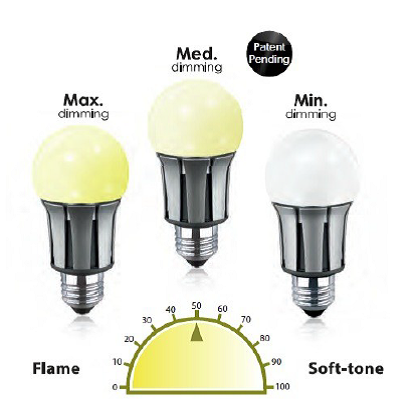
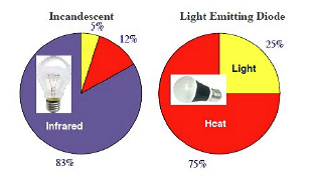
Light Watch 3-28: A peek into the Eyelite LED product range, courtesy Eye Lighting Singapore. One of their patented technology is the colour temperature adjusted dimming
Patience is a virtue
Singapore 28th February 2012
Patience is defined (and experienced) in many different ways. Depending on where you live and work, patience has also a totally different meaning. Patience in Australia is different from patience in China; one may be driven by lifestyle, the other by culture. If like me you are not that patient when it does not go your way (I hate queuing up whether at a cashier or immigration counter) it is not always easy to stay at it. Some people however prefer queuing up for 1 hour at the taxi stand rather than paying a $3 extra booking fee for a taxi which generally arrives within 5-10 minutes! And you would think they want to save money, right? But then you look at their bags and you see they just spent $200 shopping! I always dread those trips to cities where I know I will be spending hours in the back of a car just to get from A to B; like in Jakarta, Mumbai or Bangkok….I tell you this, the older you get, the more you value your time, and in our business time is money, it’s our commodity!
All this as a prelude to a lighting project that has taken about 18 months to finally take off! Discussed with a client in the second half of 2010, I finally received today the go-ahead to proceed and the first meeting is planned for next week. The project is in WA (Western Australia) and I guess not for nothing people refer to WA with Wait Awhile…This is not by all accounts a record by the way, some project developments start and stop and may see time spans of more than 10 years between initial discussions and actual start of the project! By memory my longest wait was probably about 5 years before we finally got started.
What it has learned me over the years is that you never know. Always keep your contacts going as today the project may be shelved and a long shot possibility, but someday tomorrow it may suddenly become a reality again. Patience in our profession also pops up in other shapes and forms…patience for our appointment, patience for getting paid…why do they always wait till the very last moment tosign off or pay you?…Patience is a virtue, sure, but you really need to harness it as in our business it is easy to get nuts if you don’t!
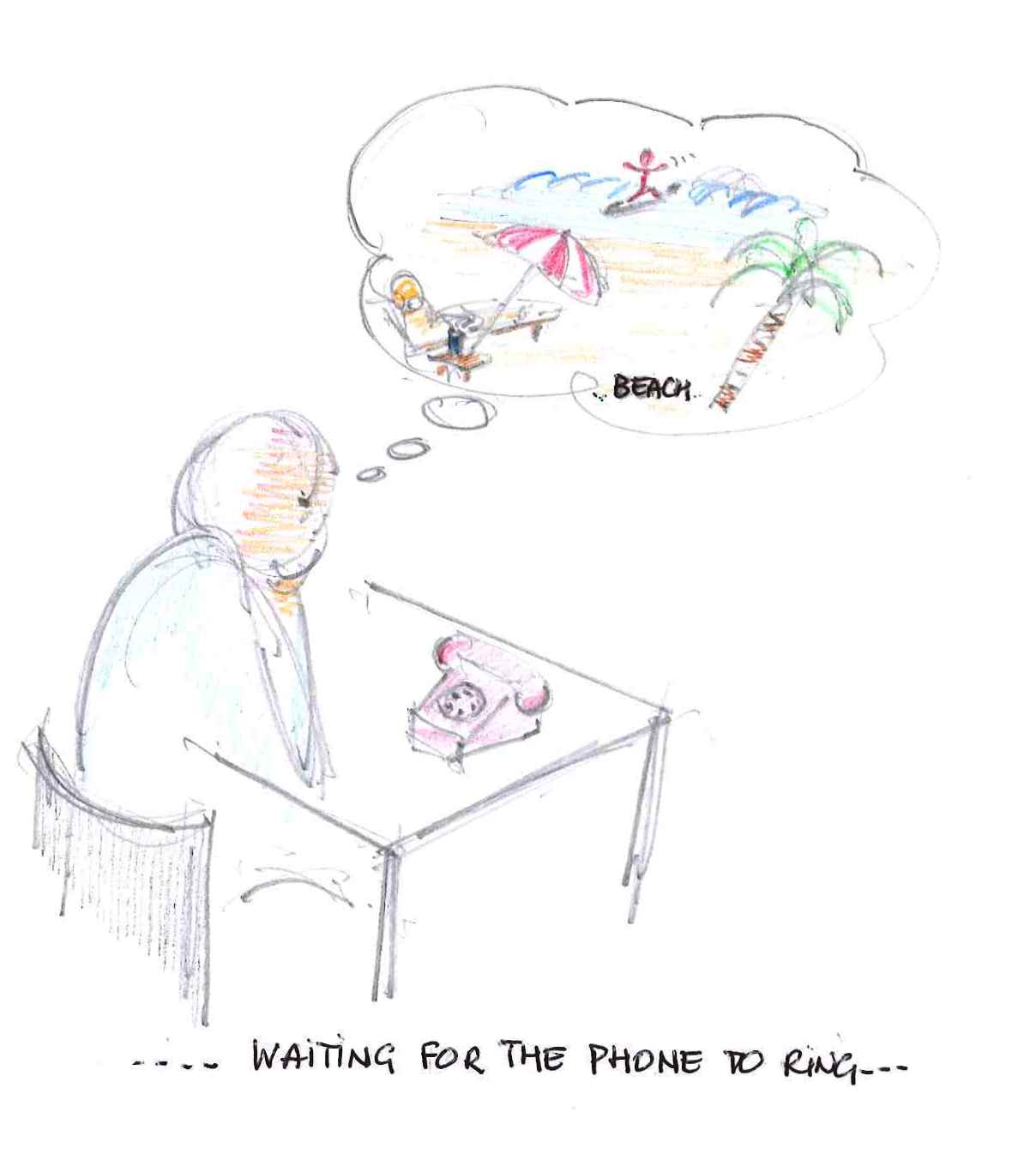
Light Watch 3-27: Today I honour you with one of my personal sketches, some of them can be found in my book as well…Patiently waiting while you could be enjoying the beach… 🙂
Are we loosing our way?
Singapore 27th February 2012
A few days ago I had a very interesting discussion with an up and coming young lighting designer. She told me that all her projects were based around the LED technology and that she had yet to do a project as a lighting designer using “conventional” lighting systems. She confessed having no experience in either halogen or metal halide lighting technology. It came as a real wake up call to me, as I immediately thought; how can someone without that experience give a client an informed recommendation if it comes to a business investment, more precisely evaluating the cost-benefit of a conventional versus a LED based lighting solution? Even more how can the client make an informed decision about his investment? Is this it? Are we done with conventional lighting?
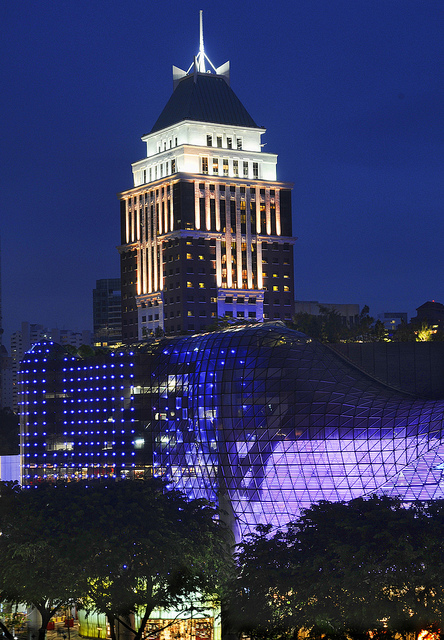
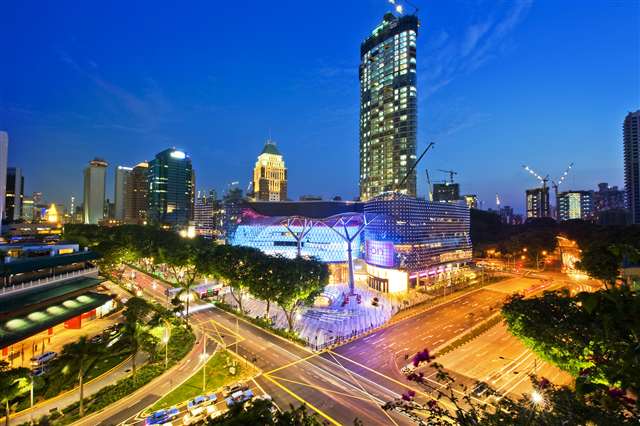
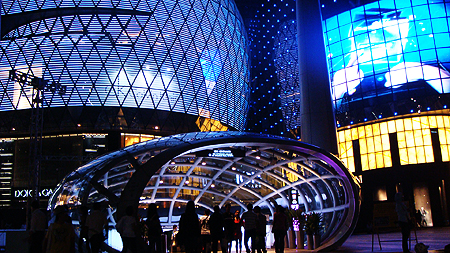
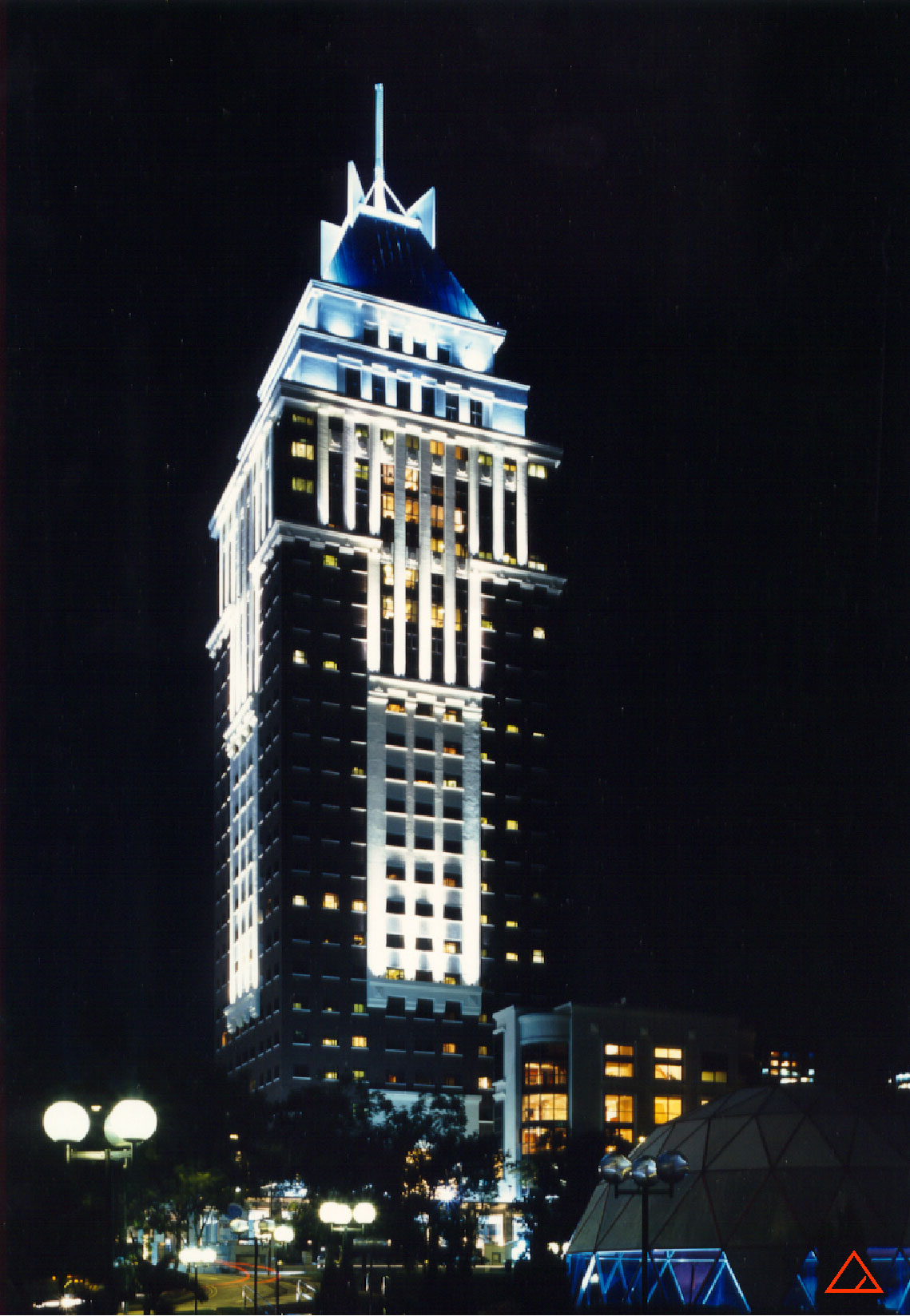
Just take façade lighting for instance. Does everything need to be LED? Why use 1000+ LED lighting points if you could light up the whole façade with 10 Metal Halide floodlights, easy to reach, easy to maintain (though probably more frequently) and most probably lesser energy consumed! We forget that by replacing Metal Halide with LED we replace 1x 2000W with for argument sake 200 14W LED strips. Yes the effect is of course different, I know, but just think of installation cost (200 points at sometimes impossible locations versus 1 easy reachable point). The question to be asked is if we really need a multi dynamic media façade on each and every building that is being designed? Maybe using some traditional flood lighting used creatively, may help to stand out more against the current cacophony of all those loud LED screens. When I look at my Orchard Park Suites façade floodlighting that is now standing tall for over 15 years already against the new Ion Orchard shopping mall with its multi- million LED façade lighting, I think my $100,000+ metal halide lighting still looks damn good and outstanding.
All this requires a total overview and understanding of the options we have as a lighting designer as to provide our clients with a balanced and informed recommendation. With the new generation of lighting designers only being familiar with LED lighting technology are we not running the risk that we are losing our way and even creating clients that do not know anything other than that LED is the solution to all their worries?
Light Watch 3-26: Pictures of the “conventionally” lit Orchard Park Suites contrasted against the LED lit Ion Orchard Shopping Mall. The contrast is big! The last picture of Orchard Park Suites was taken on completion of the project in early 90’s with no shopping mall in front :)!
See, touch and feel…
Bangkok 24th February 2012
Today I was the guest of WE-EF, one of the top leading brands in exterior lighting. For many years Thomas and Alex had asked me to make the trip and see for myself but busy schedules and other “excuses” always resulted in not going. Not that I needed to be convinced as over the years besides my Frankfurt updates, WE-EF representatives have always taken the time to visit our offices and show the latest products, but there is another dimension when you visit the “home” and “birth place” of the products.
I have visited many manufacturer factories over my life as a lighting designer from Europe to China, and knowing the team behind the brand, the people who make everything possible and most of all seeing first-hand how quality is implemented (and assured!) in the products that we specify adds a great level of confidence and comfort (…or not depending which manufacturer you visit…no further comments) when making design decisions towards your specifications. A factory visit does not lie, you can see for yourself how much research and development goes into the realisation of a product, what quality control means in the manufacturing process. A clean and well organised factory generally reflects on the quality of the products it manufactures.
WE-EF’s strength undoubtedly is their years of experience in understanding what it takes to create a product that not only looks good on installation but lasts and still performs to full satisfaction many years later. Too many lighting designers focus on a quick end result, from a nice rendering to some nice photo-shopped pictures of the completed installation. But do they really consider the hassles of installation, the need for worriless maintenance to assure the lighting installation keeps performing year in, year out. It is the age –old challenge to balance the short term (low capital costs) versus the long term view (low operating costs). And here-in lies the value of these workshops and factory visits for us designers, it provides you with the touch and feel hands on experience, the seeing is believing, that provides you with that extra confidence and ammunition (contrary to just a catalogue experience) to convince your client why he should invest a little more in quality.
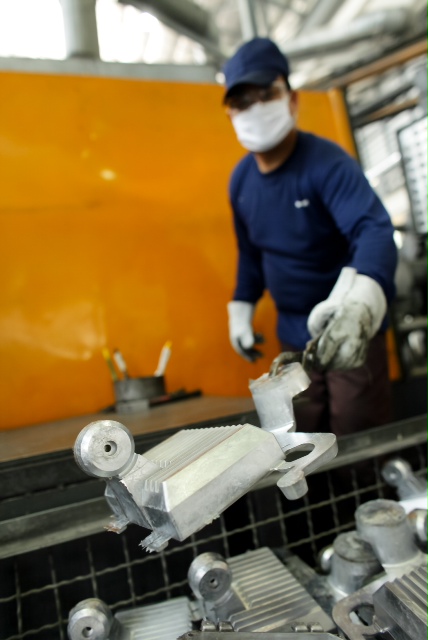
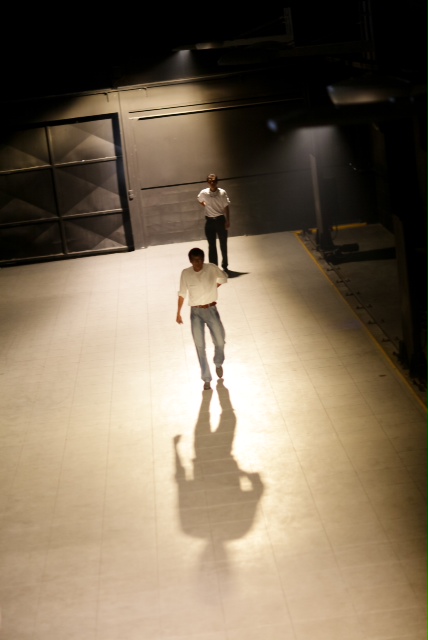
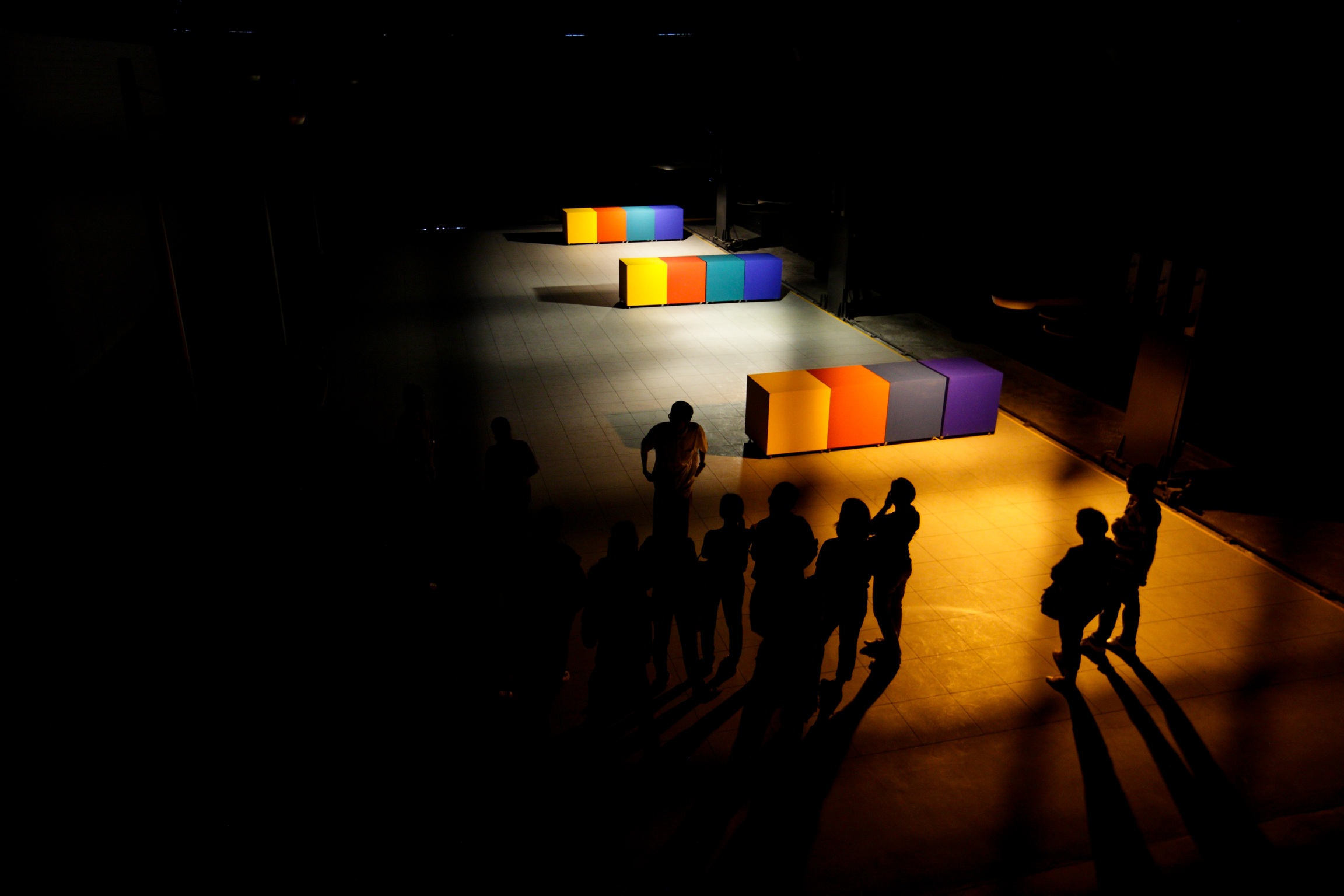
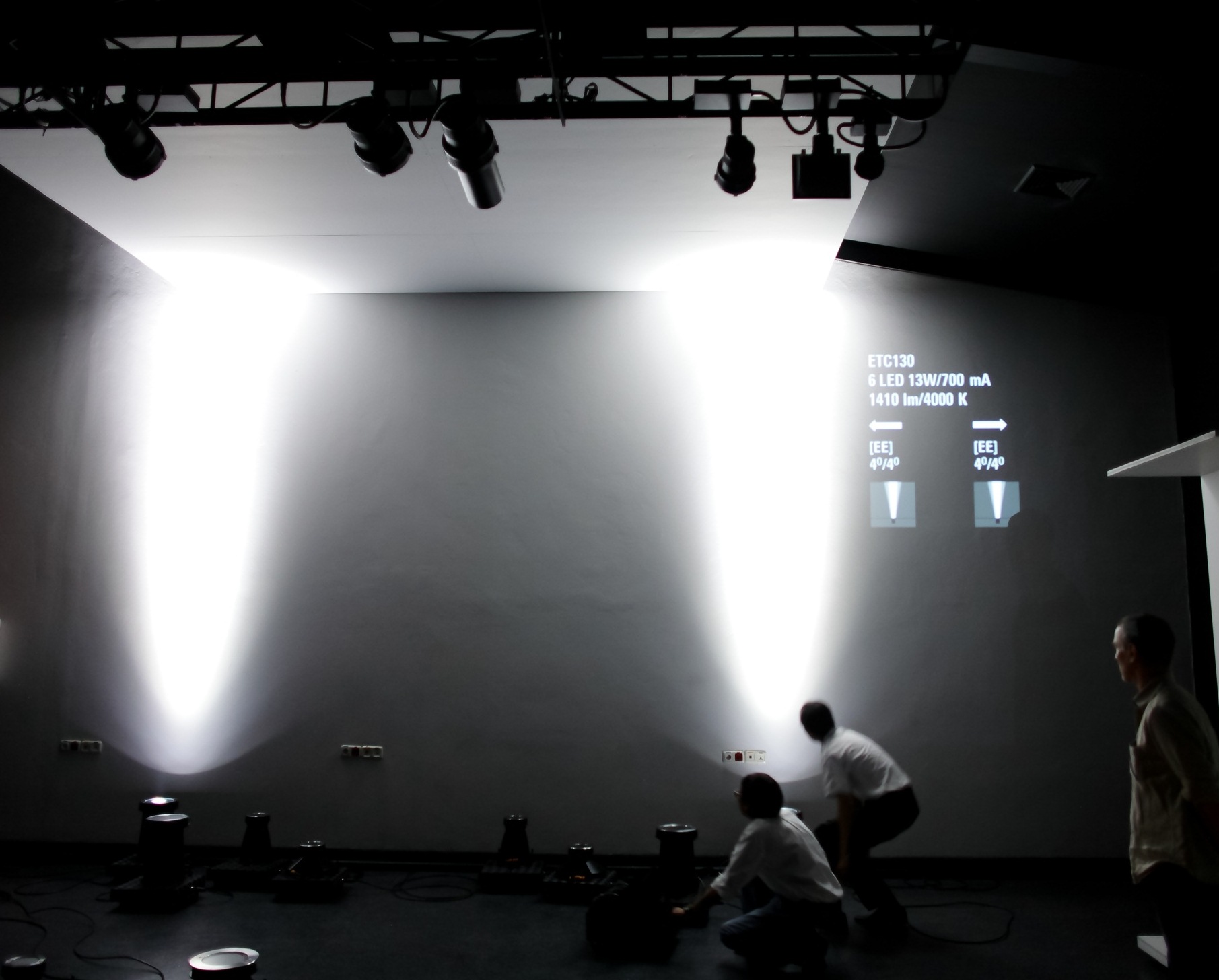
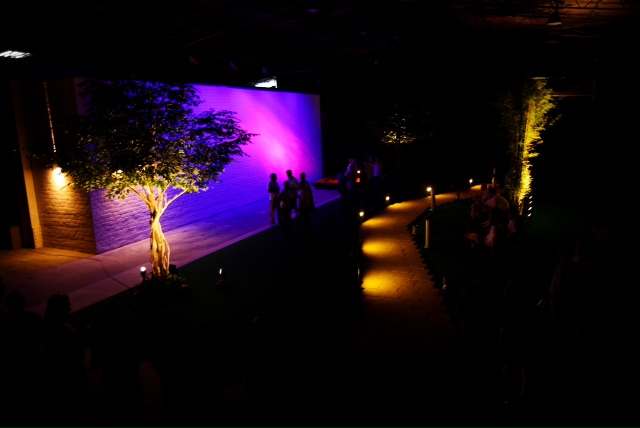
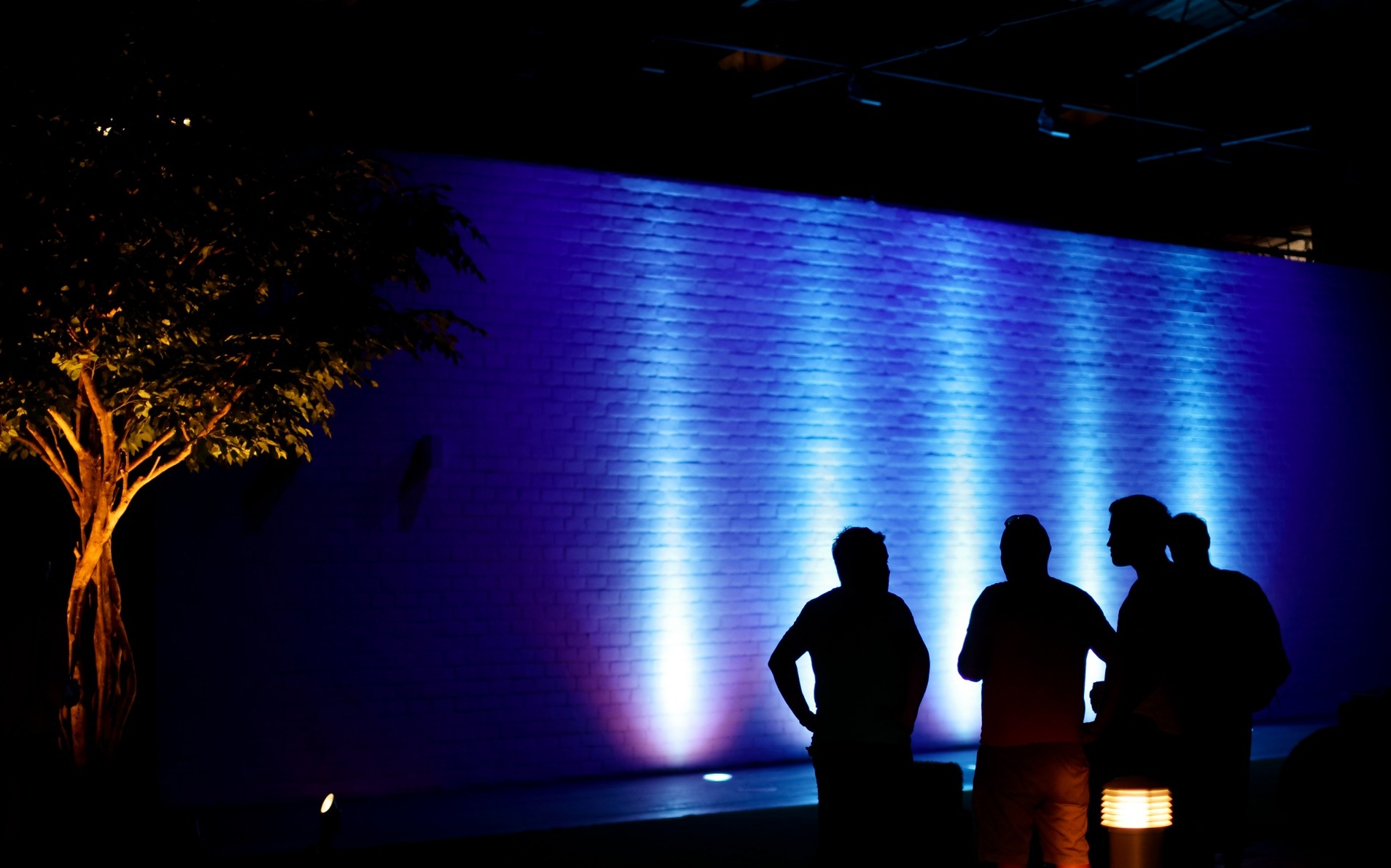
Light Watch 3-25: Courtesy of WE-EF here are some mood pictures of the workshop. A day well spent…
The Ambassador
Bangkok 23rd February 2012
We always have these memorable encounters we remember long afterwards, encounters of the 3rd kind I call them…Today in between meetings we made a cold call on a potential client that happened to be in the same building as were our meeting was. We had a half hour to spare and the name of the company, but did not have any specific person’s name or reference other than the project name and the owning company to make our pitch. As it happened the company occupied 3 floors of the building so we just went in on the first floor to try our luck. The reception did not look too much like the project department division we were looking for and after some cross talking with the Thai receptionist who seemed to be able to do little with our limited info besides the obvious language barrier, but managed to get someone explaining we probably were looking for their office 2 floors up.
When we arrived there we felt much better as we saw scale models of projects all over the place…obviously we were closer to the source. The receptionist didn’t speak much English but we thought she understood us as she said she had called someone to attend to us. Great! A few minutes later a guy emerged introducing himself as the “Ambassador”… the “Ambassador”??? He explained that he was the company’s “ambassador” specially trained to represent the company and attend to customers. A bit like a concierge…cool! He listened to us and disappeared to find the person he thought we were looking for. While he was away we suddenly realised how he had come into the picture. We had mentioned to the receptionist that we were lighting designers and looking to speak to some-one involved in the “Embassy” project. So she must have thought we wanted to speak to their “Ambassador” :)…really funny… It’s a great concept by the way and very customer/ guest friendly, I wish more companies would apply this concept. Just for the record the guy came back with the right contact person and we walked away with the contact we wanted…and with a great story on how things can get lost in translation…
Light Watch 3-24: Every city has its own feel and Bangkok certainly has its own. But have you ever thought on the urban structure of the city at night and how lighting creates the city pattern easily recognisable from space? I stumbled on these pictures taken from space of some of our major world cities…if you know the city you can surely recognise its illuminated night time foot print! And while you check them out look at the different colour temperatures, lighting density and lighting levels/ brightnesses!
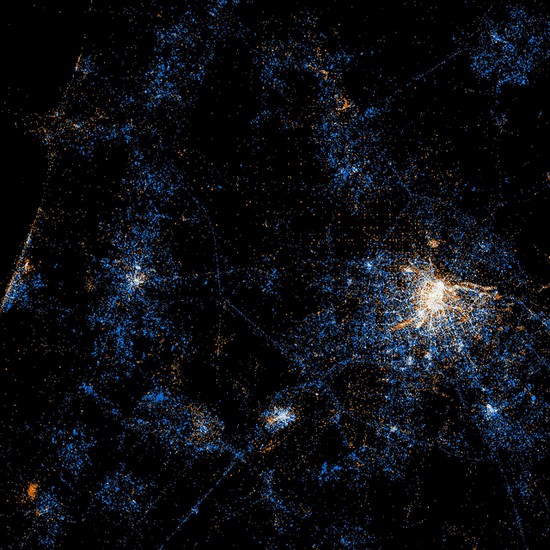 Amsterdam
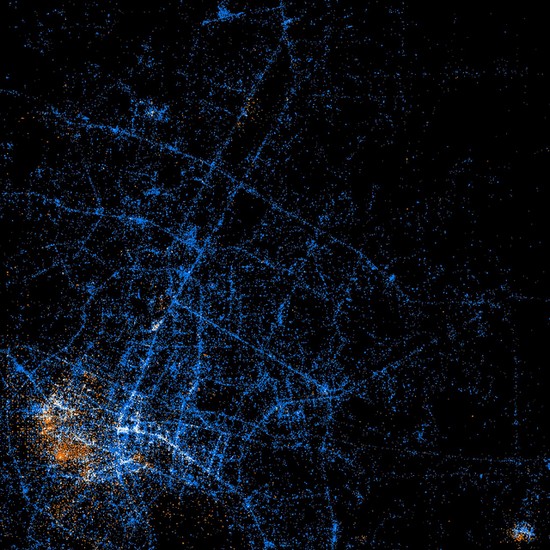 Bangkok
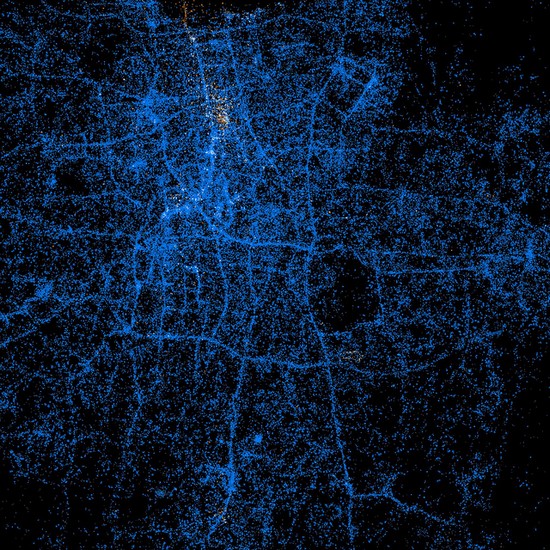 Jakarta
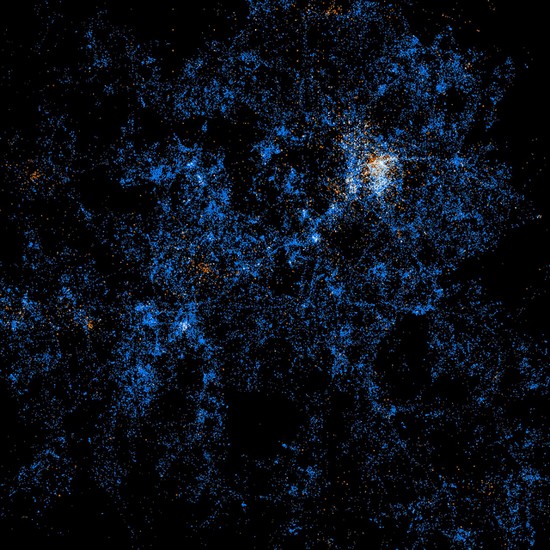 Kuala Lumpur
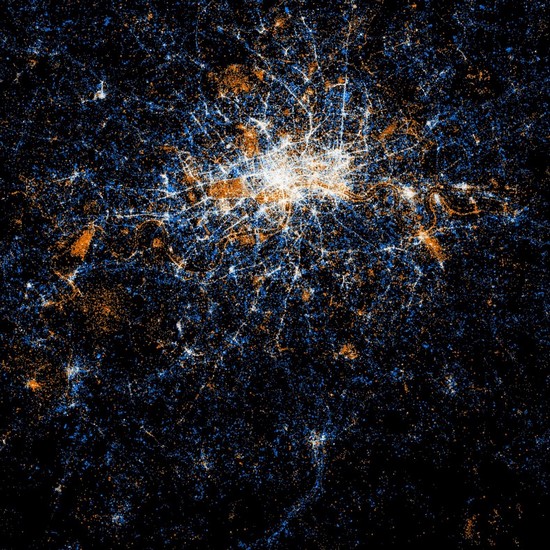 London
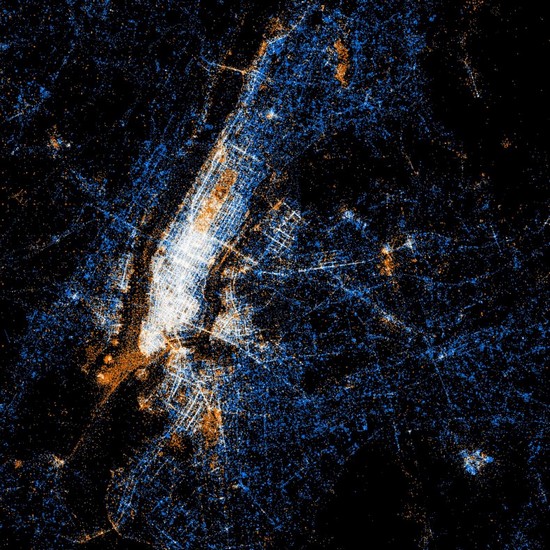 New York
 Paris
Paris
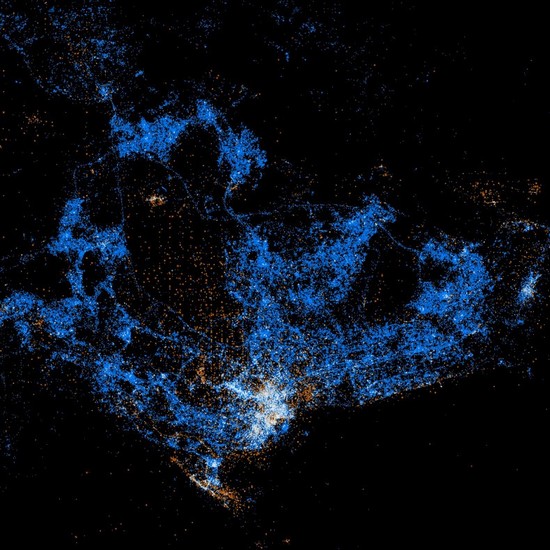 Singapore
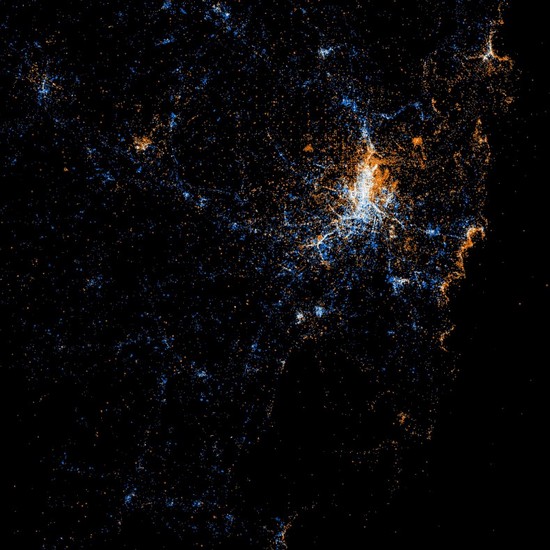 Sydney
 The long awaited book compilation of Martin's first year of blogging is available. Order now.
 Feedspot Top 100 Lighting Blogs