
Switches
Mumbai 28th August 2013
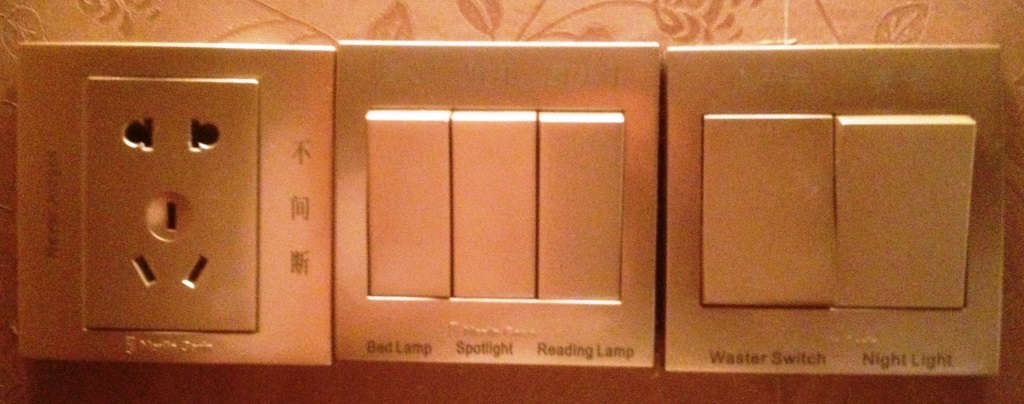
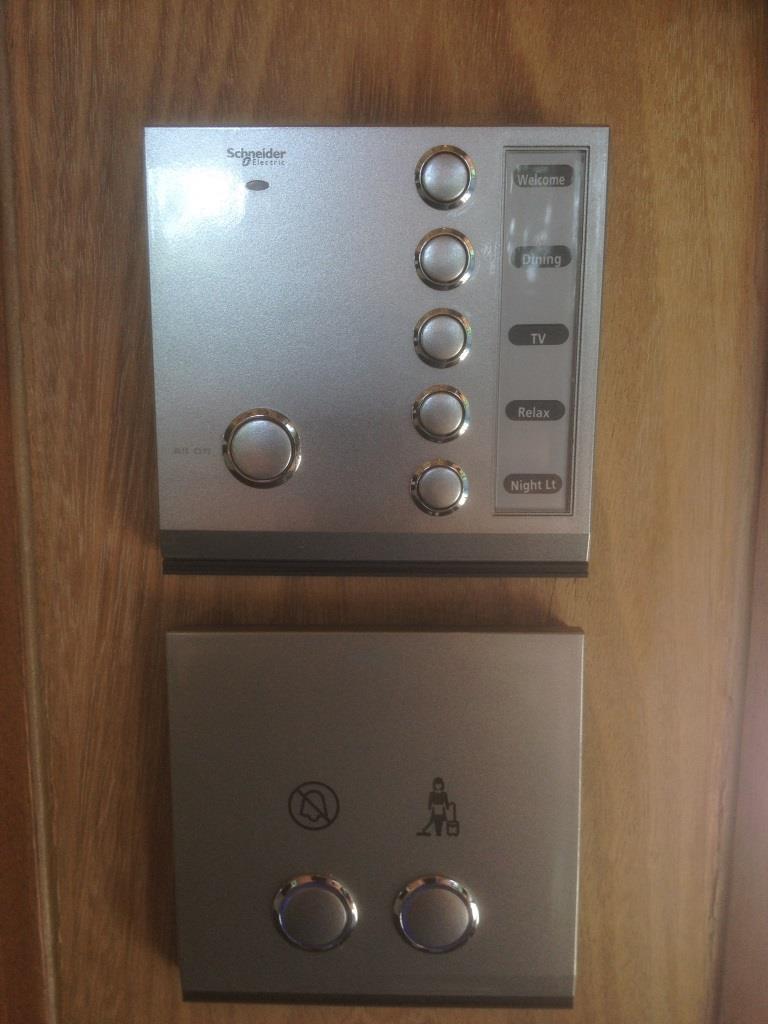
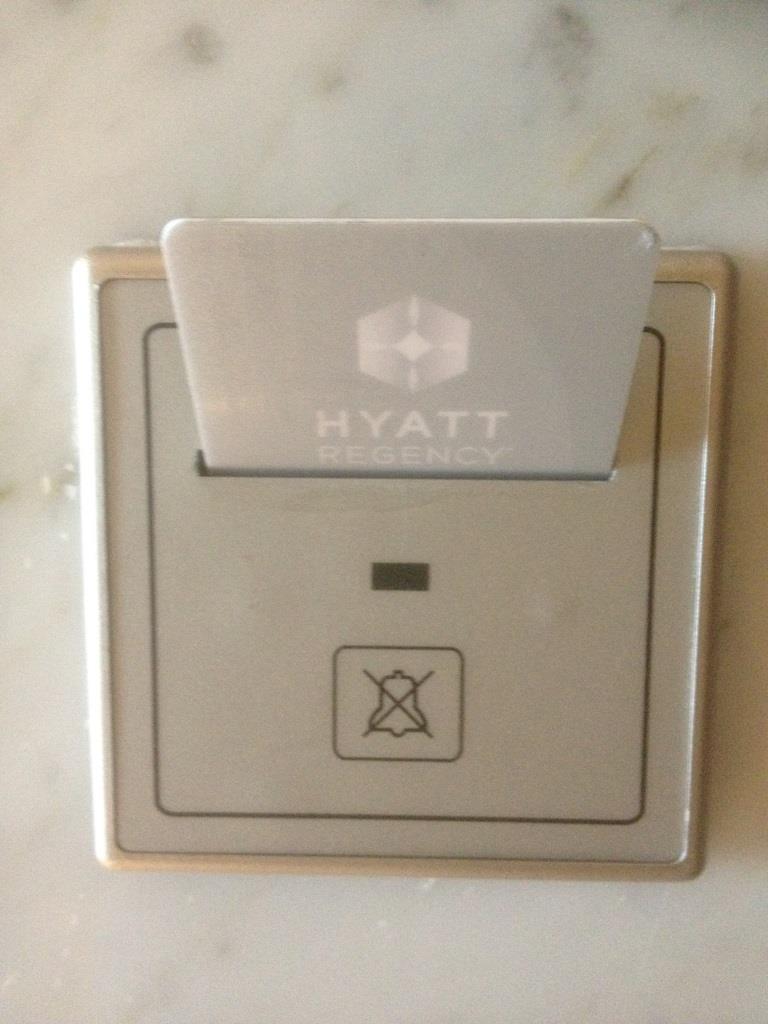
I have arrived in Mumbai where I will be attending and guest speaking at the Architecture and Design Summit tomorrow organised by the economic Times of India. While the Indian economy seems to be in shambles, a lot of my projects here have come to a slowdown, there still seem to be a big appetite for design conferences and building summits. There are still a few more planned for the rest of the year! As I am about to join the welcome diner organised for the participating speakers, panellists, contributors and other organising participants, as always, I took a look around my hotel room (Hyatt). One of the biggest issues in all hotel room designs are the light switches. A lot of the time there is no logic to the switches and you spent the first 10 minutes testing by trial and error finding out what the switches are supposed to do. I was in Langkawi last week and inspected my hotel room control systems as well, I liked the basic simplicity, no complicated scene setting. Manual dimmers which are set to night mode by the hotel staff when they come to turn down your bed for the night.
Honestly speaking I have yet to find the perfect solution, not in the last place because most operators all seem to have different opinions on how they want the room controls. One thing is fr sure…the simpler the better. But then there is this belief that 5-6 star hotels should have more sophisticated controls then lower graded hotels. I once stayed in a hotel where the controls for the lighting were operated through your intelligent TV. In other words you needed your tv remote to access the lighting menu on the screen to switch lights on or off…I consider myself reasonably clever when it comes to lighting controls but that was absolutely over the top and far too complicated.
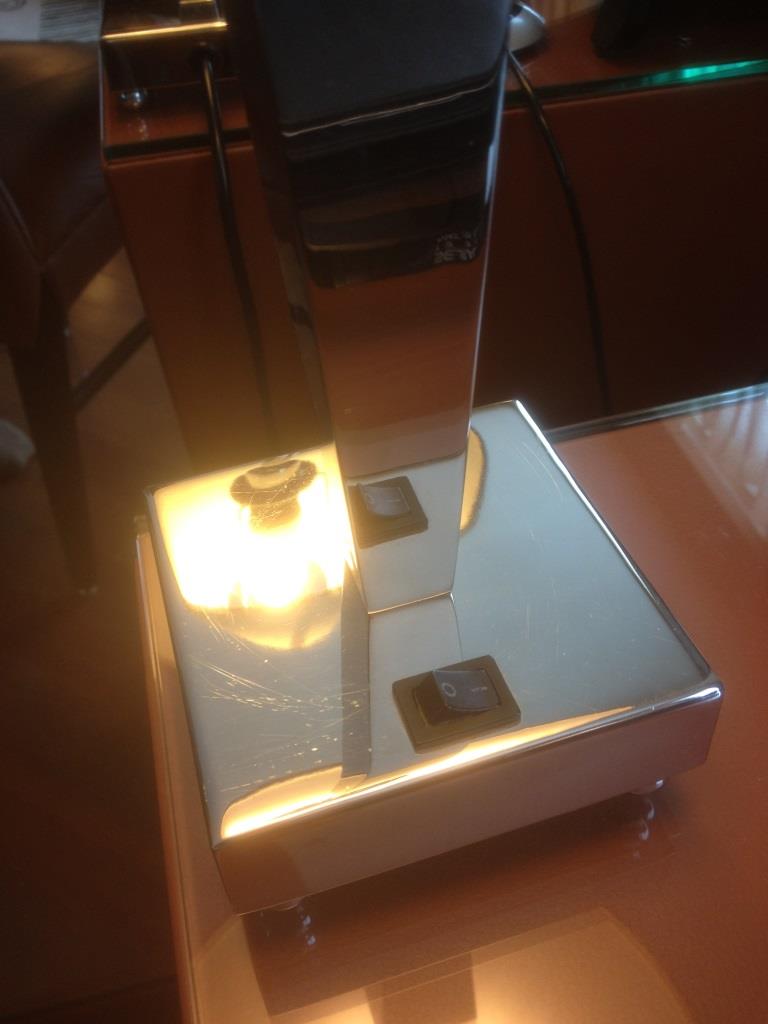
This hotel rooms has the simplest of switches, one master switch at the entrance, on board switches for all floor, wall and desk lights, one switch for the bathroom lights and one bedside master switch to switch of the room lights when you are in bed. Easy to understand, easy to operate, you don’t need a master’s degree to figure it out…way to go.
Light Watch 4-143: Here are some pics from various hotels I stayed in over the last 2 weeks in China, Malaysia, including today’s in Mumbai…some good some less good 🙂





Light and Air Conditioning
Jakarta 27th August 2013
Back in Jakarta for the day…it’s definitely busy in Indonesia in regards to projects! Now here is a slightly offbeat subject however one that does pop up from time to time. With the LED technology in fast forward mode inevitably the energy saving potential comes afore and with that the potential reduction in watts and assumingly heat emission. It is a logical thought pattern and energies reduced from 50W to 10W for halogen MR16 lights for instance one can reasonably assume that the emitted heat would also be reduced to a certain degree, perhaps even significantly as well. I don’t have exact figures but there is definitely an overall heat emission reduction with LED lighting. The point or rather the question is, how much and how much would that eventually affect the overall heat load in a space that is being air-conditioned? More specifically does the use of LED technology result in a potential capacity reduction (and thus cost saving) in the air-conditioning…
I for one have always assumed so but never been able to really quantify that. Today I had an interesting meeting with the project’s M&E consultant and as we were deliberating circuits, controls and power loadings, I brought the subject up out of curiosity. First of all we need to put the lighting part into perspective as lighting generally only consists of about 10% or less of the total energy load or “heat” production. So any reduction in lighting generated heat will only affect the 10%, so in the grand scheme of things not a real bone-breaker…but still, 5% of a lot can still be a lot so to speak. Secondly the two major variable influences on energy/ heat loads in a space are daylight (sun) and people. Switching lights on or off does not really shake the tree. In comparison to the load of an LED light at say 10W, engineers generally allocate 100W to a person, in other words if one person enters a room this compares to switching on 10 lights. You can work out the difference/ impact.
I came to the conclusion that the savings to air-conditioning capacity as a result of applying LED lighting technology is probably there but it is hard to quantify and if there is some at all it is marginal in comparison to the overall scheme of things. I also note a comment from the engineer that on top of that (lighting) designers often add in loads of additional LED lights ( media walls, decorations, etc) often defeating the purpose of energy saving 🙂 .
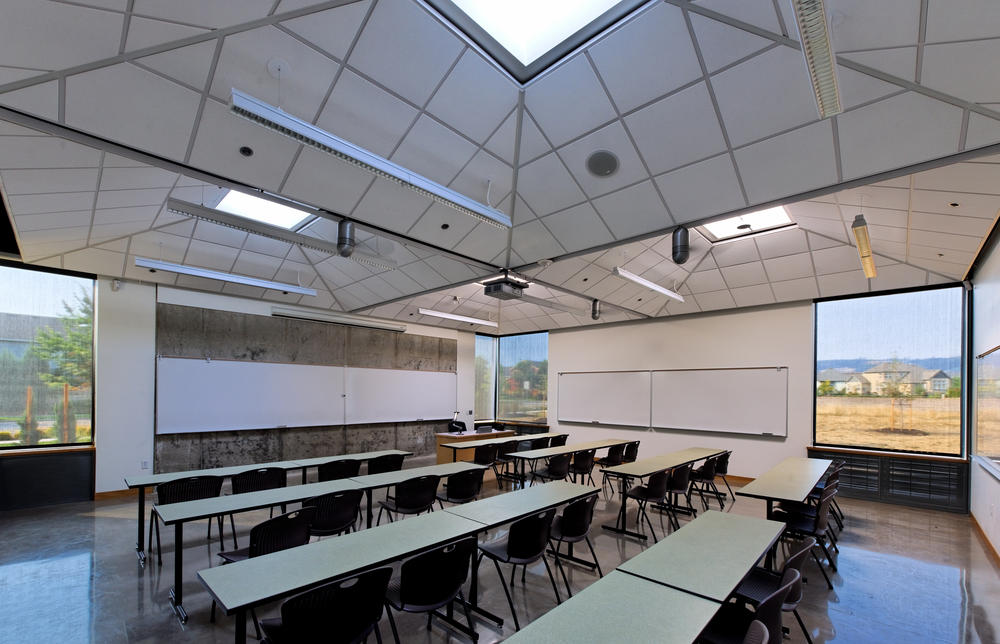
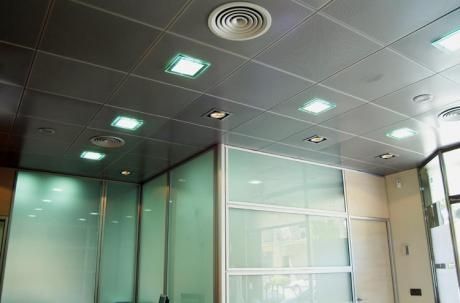
Light Watch 4-142: Light and mechanical services always fight for space…sometimes it can be integrated, sometimes the space or design is quite outspoken leaving little room for anything…

Media Facades (again)
Singapore 26th August 2013
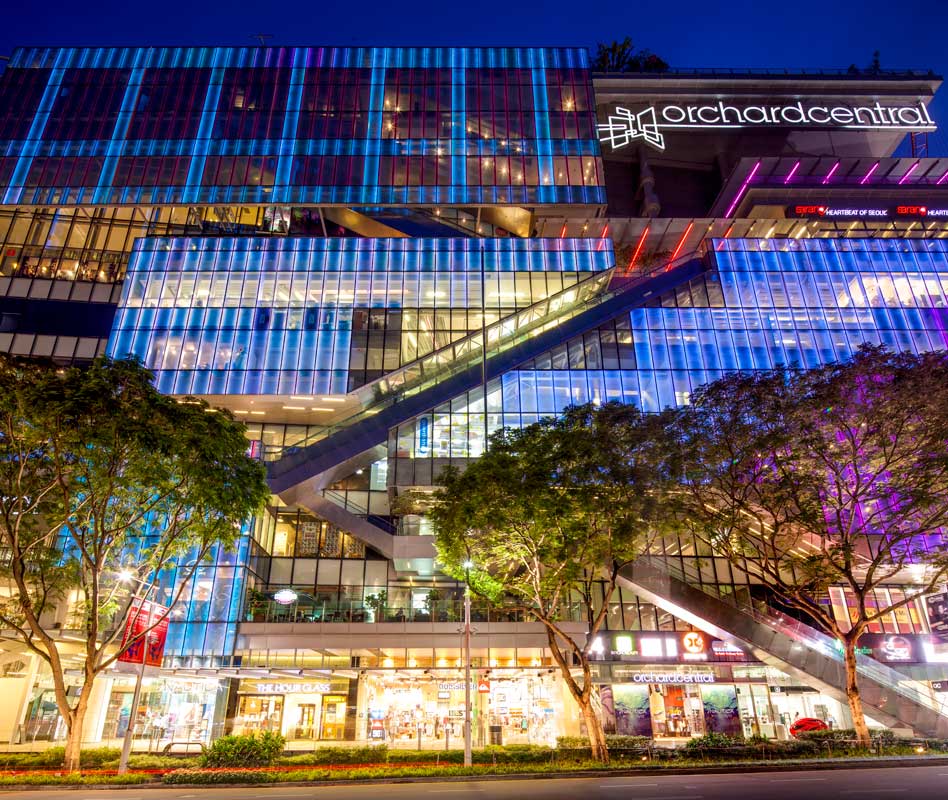
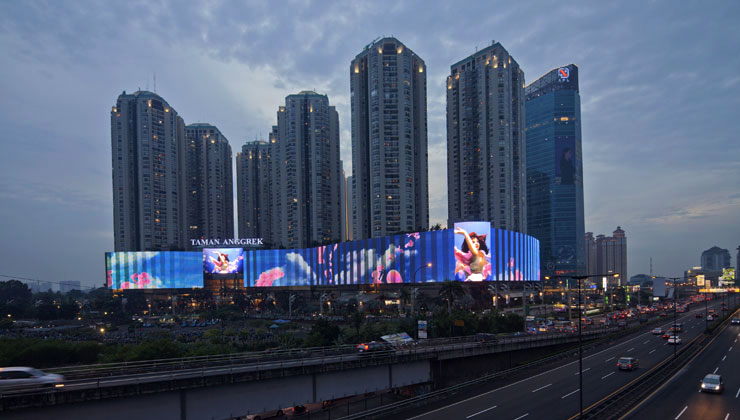
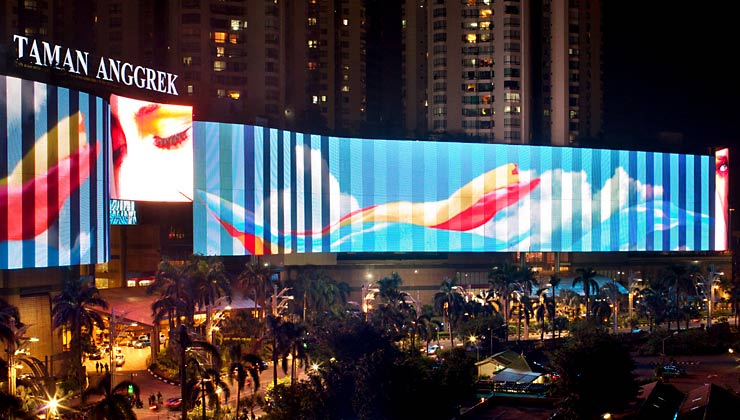
It’s time for that subject again… It pops up time and again in our projects and as it happens today I had design discussions for two of my projects that call for one. While media facades are pretty impressive when well executed and can be breath-taking and mesmerizing at first, I keep thinking whether all this is really needed. After a while it becomes sort of boring and disappears as a background “noise”. Driven most of the time by commercial motives, one can only wonder if the monetary outlay for such installation, which runs in the millions of dollars, is worth the investment. I would assume most have done their calculations in regards to return on investment, but I think lot of it has become ego-tripping and real return on investment is very hard to quantify.
Some of these facades are “rented out”, in other words the media façade or parts of it, are being leased to interested retailers or advertisers. That is a measureable income for the owner of the façade. It would be interesting to see some of these returns. In many cases the facades are just a flashing beacon to attract money spending (hopefully) customers into the building; but I would venture to say that that is a very intangible, very difficult to measure return. Yes rent from the tenants and retailers can be calculated, but I am sceptical about the payback. It is likely to be very similar to some LED installations where the premium cost of investment in the LED conversion has payback periods that are well beyond 5 years. Many of the calculations furthermore are based on assumptions which generally are optimistic to justify the cost.
But most of all do we need it? We are now seeing companies or conglomerates trying to outdo each other…bigger, better. My gut feel is that we will soon reach some saturation (not in the least also driven by sustainability and environmental demands) and that we will see the return to simple and basic façade lighting. We will not need all these media flashing advertisements as it will probably flash up on your wifi connected mobile device anyhow. Back to basics!
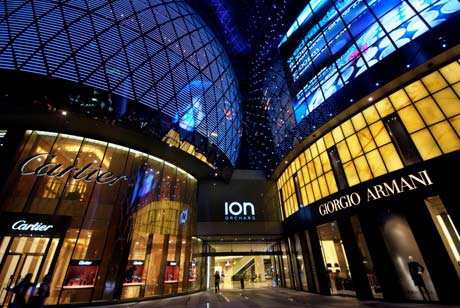
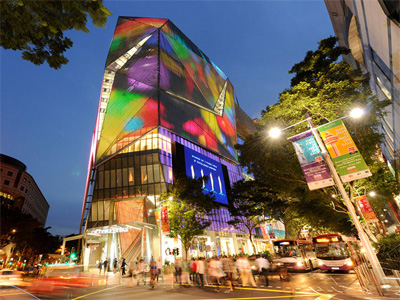
Light Watch 4-141: Here are some of the big media facades from Singapore and Jakarta. Ion Orchard, Orchard Central, Contadines, Taman Anggrek…take your pick…

When professionals meet…
Langkawi 23rd August 2013
Today was a really interesting day. As I await my flight back to Singapore I reflect on the meeting we had, aptly called a “workshop”. We are embarking as reported on yesterday on the refurbishment of one of Malaysia’s famous landmark resort hotels, now more than 20 years old and today for the first time the complete team of consultants was in attendance to carve out the direction and way forward. We all had a day or so on site to familiarise ourselves with the current state of affairs and all of us were ask to prepare a short presentation of our findings, our thoughts and the conceptual way forward. As this was a critical meeting all the company “bosses” (consultants ad client) were present and hence the quality level and professional expertise on display from all disciplines was very noticeable and raised the level of discussions straight to the relevant points. I find this extremely rewarding and meaningful, not in the least because we all learn from each other. When professionals meet we cut straight to the chase, there is no need to flower talk subjects, we provide a factual representation of the situation and present a solution oriented approach, share our thoughts and concerns and comment similarly to other consultant’s presentations…no need to sugar coat. Not that we need to, but it does sometimes happen when people want to make themselves look good. In our case everyone has proven track records and the aim was to find direction, highlight the potential pitfall and update everyone on the latest trends and concepts that would possibly apply to the project.
Later we have the task to transfer that to our own team and direct them in the right design direction and as we coordinate the outcomes with our fellow consultant teams it will gradually take shape into what is the become the desired end result for this project. We may see this first step as the conception that will ultimately lead to the birth of an end result we are all proud of and excited about!
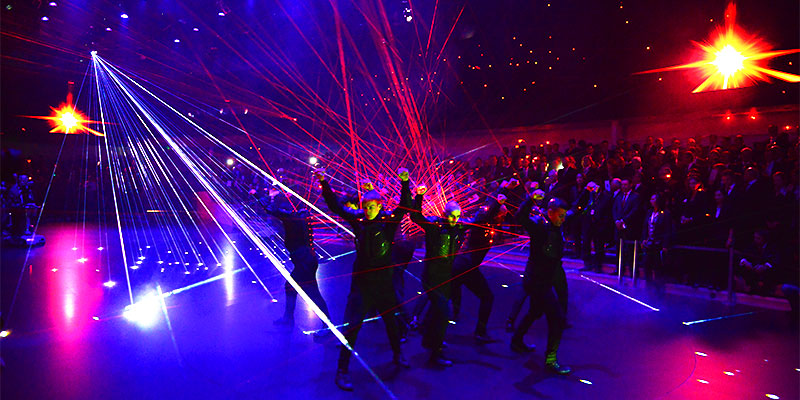
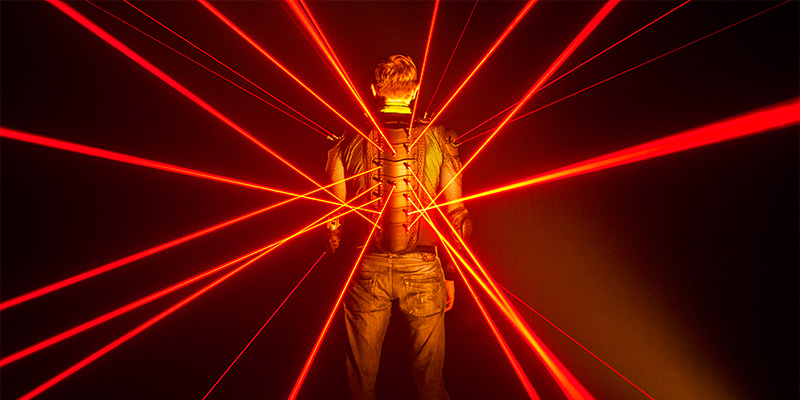
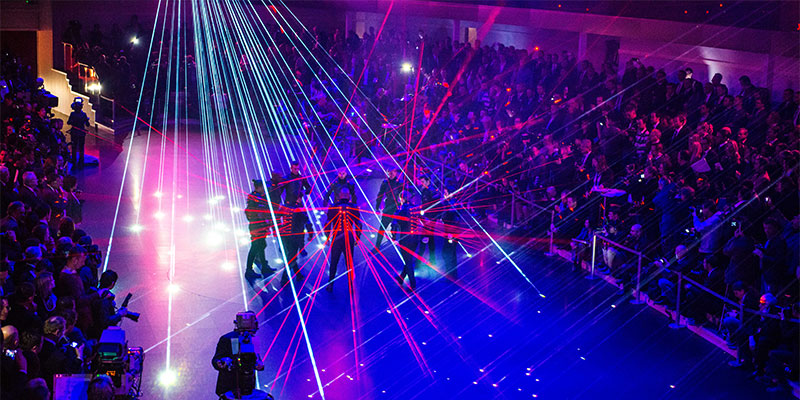
Light Watch 4-140: As the weekend is upon us I leave you with some creative images…nothing to do with the jungle resort I am working on now, but everything with thinking out of the box and creative thinking within the latest technological possibilities. Have a great weekend. Below TARM’s latest project with lasers for a Volkswagen launch event in Germany.
From street light to moon light
Langkawi 22nd August 2013
After two busy days in Jakarta I find myself literally in the middle of the jungle, from one end of the spectrum to the other. Where Jakarta was a cacophony of light (street lights, media facades, billboards, etc.) and sounds (people, horning cars) I now find myself in the jungle of Langkawi where lights a scarce and moonlight (it’s close to full moon) and torches are a more common way of moving about and the overwhelming sounds are the rolling waves of the sea and hordes of crickets that are serenading their evening concert to us. The contrast could hardly be bigger. I am starting on a refurbishment of a resort that was build more than 20 years ago and still predominantly depends on good old incandescent lighting technology.
My challenge is multiple…First there will be the need to subtly transit towards new generation lighting technology (note I am not necessarily calling it LED as there may still be a good option for new generation conventional lighting!) with the man aim to starkly reduce the energy consumption and lamp maintenance as right now this seems to go through the roof, certainly by today’s standards. It is “glaringly” obvious that LED cowboys have visited the site as there are ample examples of inconsiderate replacements and additions of LED lighting. Because of the vastness of the site much of the jungle site is in darkness including most of the pathways. If not for the headlights on the buggies there is no enough light to circulate around by foot at night. A torch is being provided as part of the room accessories :). Therefore finding a balance between what to light and what NOT to light will be my other challenge. Basically the lighting should be as close to nature as possible so lights should be concealed and any physical structures or housings should be as minimal as possible. We should not lose touch with the fact that this is a jungle resort and therefore lighting (if and where needed) should be limited to a basic minimum…after my recent “basic stay” in the South of France I look forward to this lighting challenge.
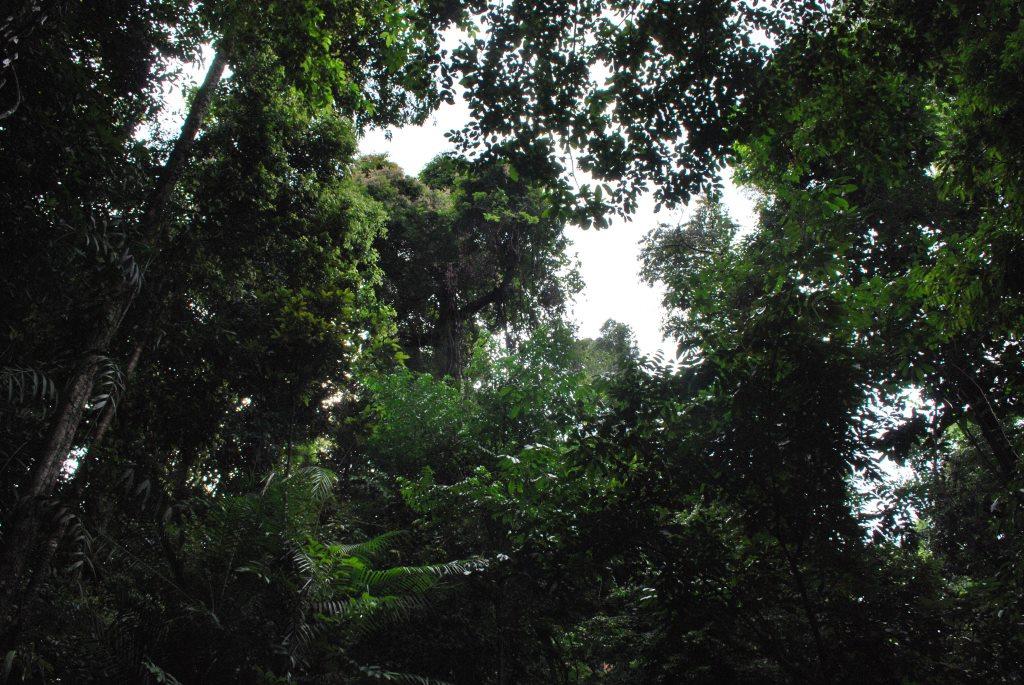
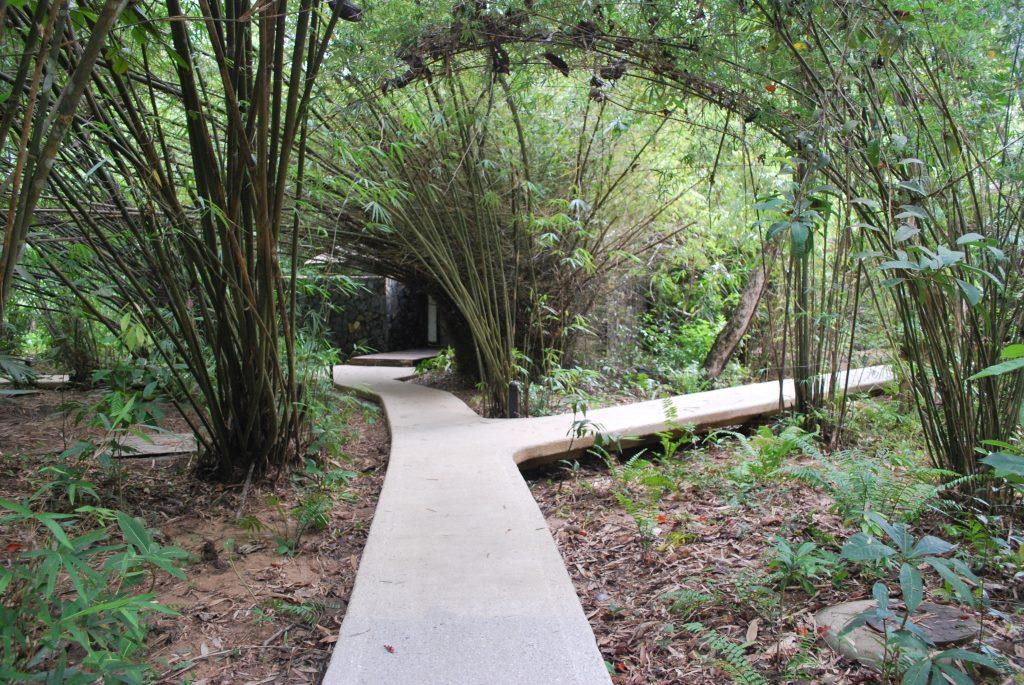
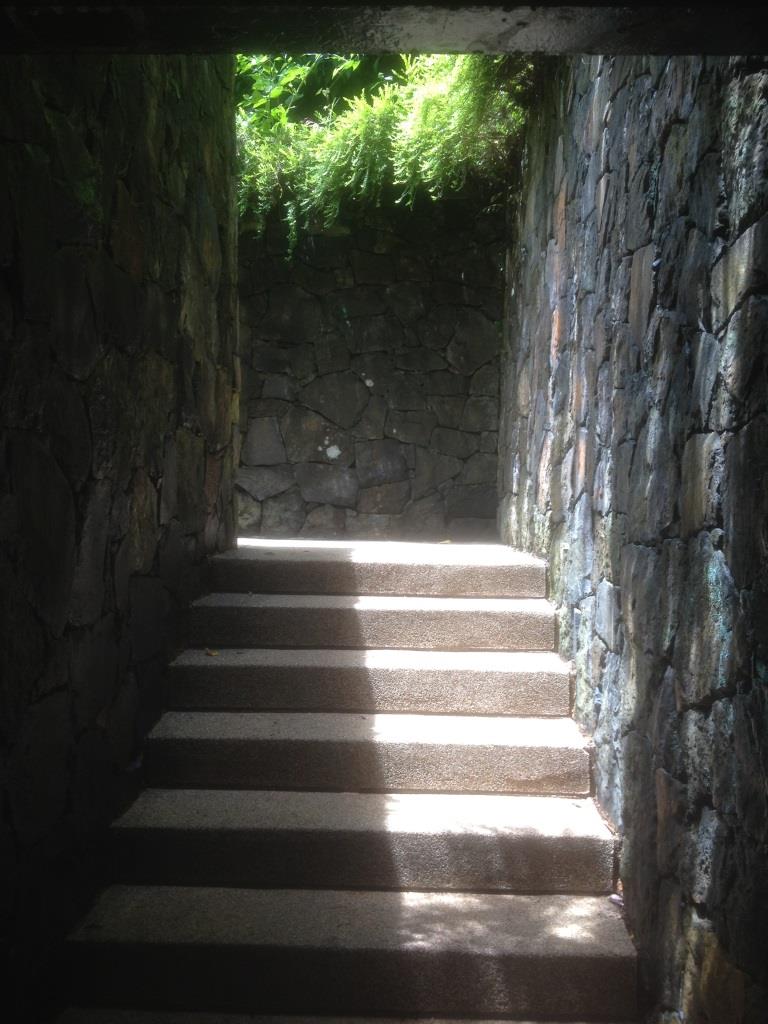
Light Watch 4-139: One of the key inspirations of lighting design concepts is the way the site looks during the day, the play of light and shadow, sun and clouds. Here are some impressions.


Art work lighting
Jakarta 21st August 2013
One of the typical “last minute” additions in our lighting plans has to be artwork lighting. Time and again we are confronted with the fact that we have completed our lighting design and the only provision for the lighting of artworks is an experienced assumption on where the artworks are likely to be. The interior designer, architect or even landscape designer plans for artwork locations but generally we have no idea on how the art works are going to look like until very late in the project process and even then the indications are generic, like painting or statue. In my project meetings the last few days in Jakarta this came up again and considering the remaining short lead time to completing this project adding the art work lighting will be a little challenge. Not only as we have to add specialist lighting or reconfigure the lighting layout (and control circuiting) to suit, but also as because the whole specification and procurement process somehow needs to be adjusted and rushed to fit the “grand opening” schedule!.
Artworks come in all forms, shapes and sizes composed of different materials and colour schemes. Even the location of and generic artwork description being indicated as “painting can turn out to be a multitude of outcomes; in other words it could be one big painting or a couple of smaller ones roughly occupying the same space on the wall. It could be just a simple flat frame, but it could also turn out to be an immensely ornate one with a multi layered canvas of art components! Finding a middle way of planning your art lighting requires experience and also understanding how your lighting will interact and reflect/ bring out the artwork. Different materials and artwork compositions will require different approaches. Too often we just have some generic information, leaving us to figure out how to anticipate and provide adequate lighting. As it often happens (and as we did last night in another project) we walked the site with the artworks now in place and decided on realigning and adding lights to suit. A bit of an after-thought but then that’s what on site follow up, focussing, testing and commissioning is all about…in both cases we have the full support of the client. 🙂
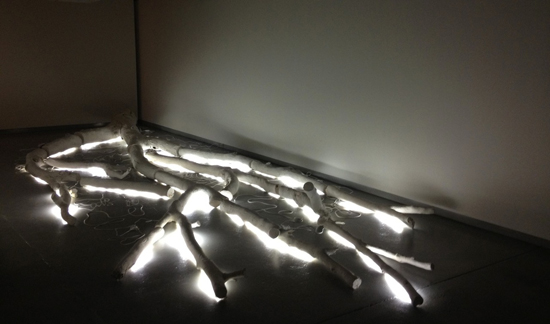
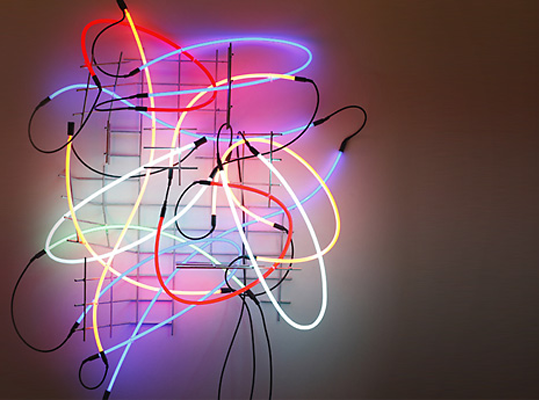
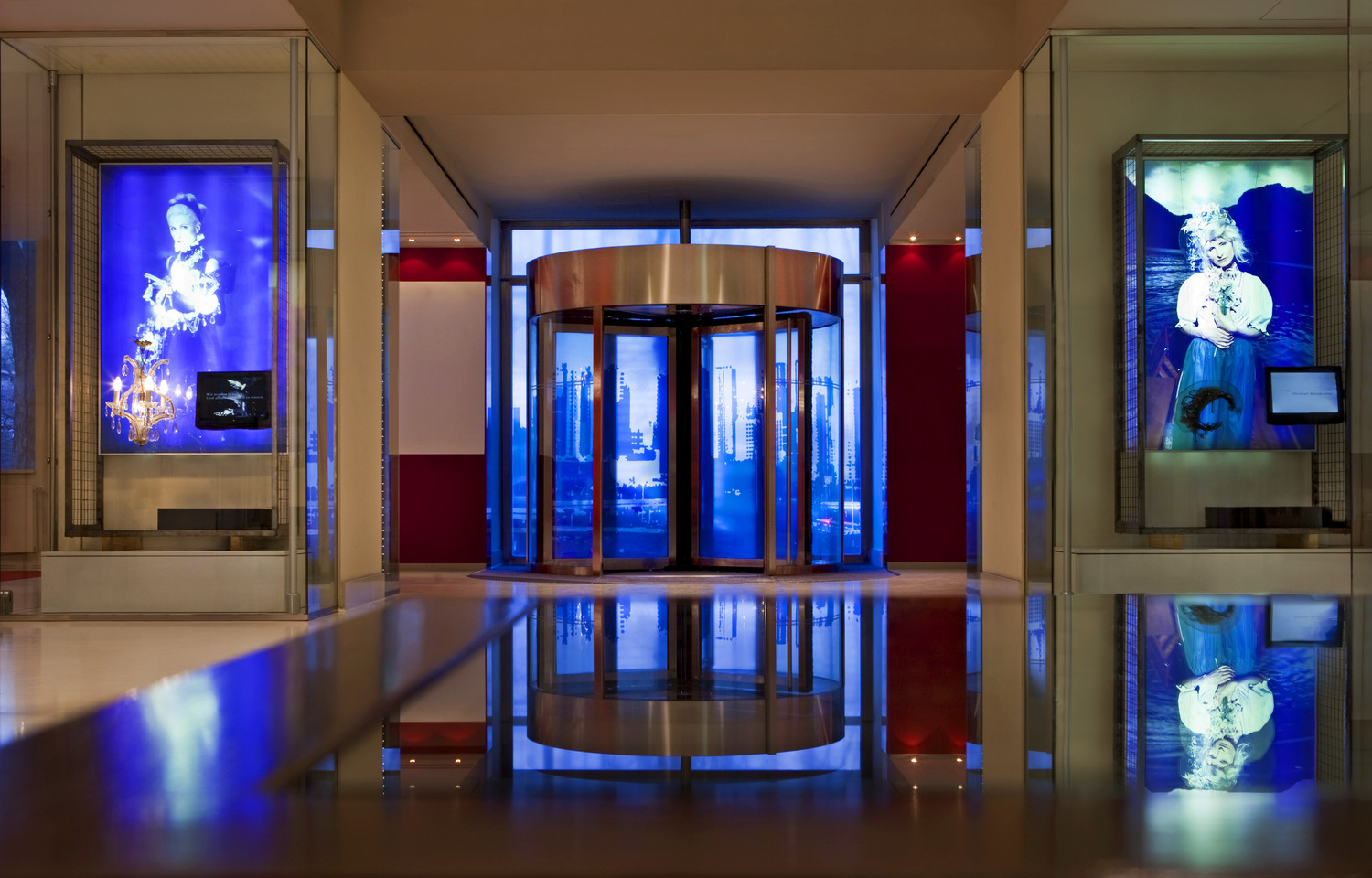
Light Watch 4-138: Artworks come in all forms, shapes and sizes…some have lighting as the integrated concept

R & D
Jakarta 20th August 2013
Product development is generally a direct result of R&D; Research and Development. As it happens I read in a Dutch Newspaper this morning (while waiting for my flight to Jakarta) an article on how much time and money Is spent by the “Big” boys when it comes to R&D and not surprisingly Philips, which in Holland is still often referred to as the incandescent lamp factory (de “gloeilampen” fabriek), leads the way in money spent and most of all in patents applied for! While it did not break down the patents in categories one can assume quite a number are in lighting and in the LED lighting technology specifically. Philips is said to have lodged close to 1000 patents last year at an average of about 3 patents a day! If that does not show the unbelievable speed of the technology development I don’t know! With reported R&D budgets being in the billions of dollars one can only wonder what is cooking in the kitchen and what has yet to see the actual general public’s daylight!
In my early days at Philips I have been involved with some of these innovations, notably the PL (compact fluorescent) and QL (Induction) lamps. At the time they already had products in R&D that even now have not yet seen the daylight. Some of these concepts are either not (yet) suitable for commercial release due to prohibitive costs or are so advanced and futuristic that it will need some time for the general public is ready to accept and appreciate it. But R&D is the root of all new development. In R&D departments around the world nothing is impossible, creative thoughts are explored to the limit and eventually all these creative thoughts and innovative concepts result in something new, revolutionary or something so simple and practical that you think: “why did nobody think of that before?”…That so many patents are lodged only shows the enormous potential of R&D. Though I don’t know how many patents relate to LED lighting I can only assume that there must be quite a few.
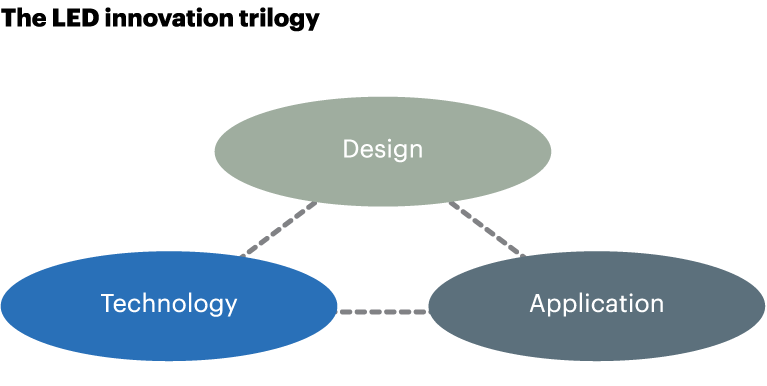
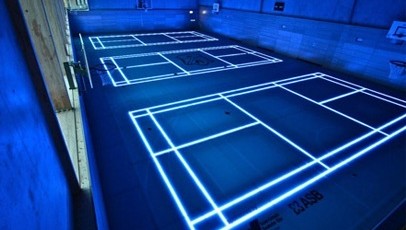
Light Watch 4-136: Innovation and innovative developments…



LED and product development
Singapore 19th August 2013
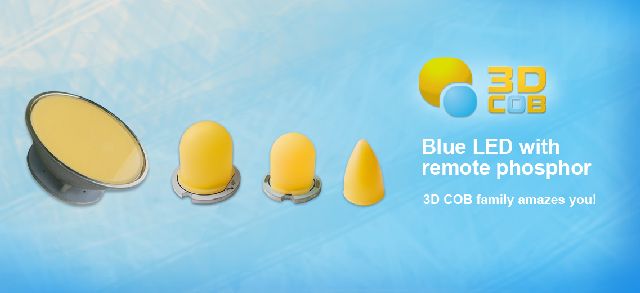
The product development cycle of lighting products has dramatically changed over the last few years since the arrival of LED technology. Where not so long ago the lead time for a lighting product development would be typically 2 years, it is now fast approaching consumer good levels of a couple of months only, less than one year certainly. This puts tremendous pressure on the established lighting manufacturers who have to adapt to this go-go style of developing products. No more time for “sleepy” meetings and “take your time” decision making. It has to be ram bam, thank you mam! Such is the speed and expectation in the market at the moment.
The leading lighting manufacturers are doing overtime in design and product development hours to find that successful LED solutions. They work in close cooperation with the key LED chip technology producers who have all interest in keeping close contact with the fitting developers as ultimately their LED units need to be properly integrated in light fitting design. I was told that the leading lighting manufacturers are meeting LED developers on a nearly weekly basis, if not at least monthly! That is how fast and furious this LED market is at the moment.
Yet there also needs to be a target deadline for development and presenting new projects to the world and for most manufacturers that is the bi-annual World Light Fair (Light & Build) in Frankfurt, Germany. Most of all new product developments are centred on having them ready for launch or introduction in Frankfurt (next one in April 2014) but with lead times getting shorter and shorter it is not surprising that many don’t wait for Frankfurt and launch new products well ahead of the fair…Frankfurt was obviously structured on the typical 2 year product development cycle…perhaps we may see an annual Light Fair in Frankfurt if the speed of development continues to see this pace…
Light Watch 4-135: As 2014 approaches so do all the lighting fairs! Besides the two leading fairs Light & Build Frankfurt and Light Fair USA, many are already advertising in full force! Such is the time nowadays and unfortunately even amongst the light fairs we now find Light Fair Cowboys…riding the wave of the LED bullet train!




Renvoyer l’ascenseur
Hong Kong 16th August 2013
Not to deny my French roots, here is a bit of French today. Renvoyer l’ascenseur (or sending the lift back) is an acronym for scratching some one’s back…you scratch mine, I scratch yours. In our business, and I assume in practically all other businesses you tend to help each other out. In our design business this relates to referring each other to potential new clients or projects. The French use the lift as the comparison; so if you showed someone the lift to get to the “top” (read client/ project), be so kind to send the lift back so you can get to the “top” as well. I like the French saying as in my opinion it is more expressive and descriptive of the situation rather than helping each other’s scratching one’s back…
I guess it is sort of an unwritten rule in business…you help me, I help you, and in my long career that has certainly happened many times. I owe many people my gratitude for having referred me and my company to new potential project clients with many resulting in actual work. Likewise I have provided others with successful referrals for new work. Some are more successful than others; some are “one hit” wonders but occasionally some turn out a gold mine. The truth is you never know till much, sometimes years, later. In our business referrals are priceless as recommendations and introduction by someone trusted by the client jump the “who are you?” question. Referrals infer that the parties know each other, have successfully done business together and hence the referral has an inbuilt trust level that you must be good and must have earned your stripes…This generally circumvents tedious introduction and qualification processes and puts you right in the mix on par with others. For those involved in business development I don’t have to explain how valuable that is…so please “renvoyer moi l’ascenseur (sent me the elevator back)!” Have a great weekend!
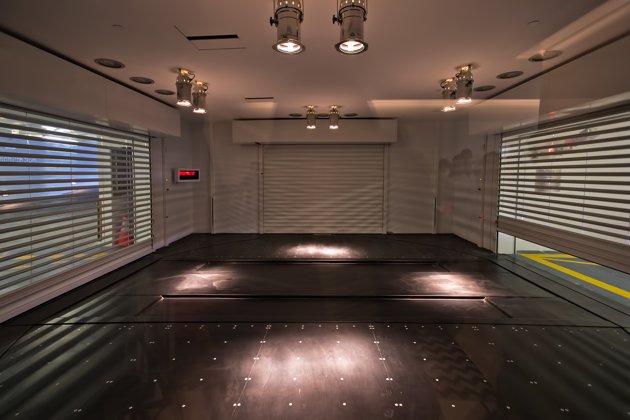
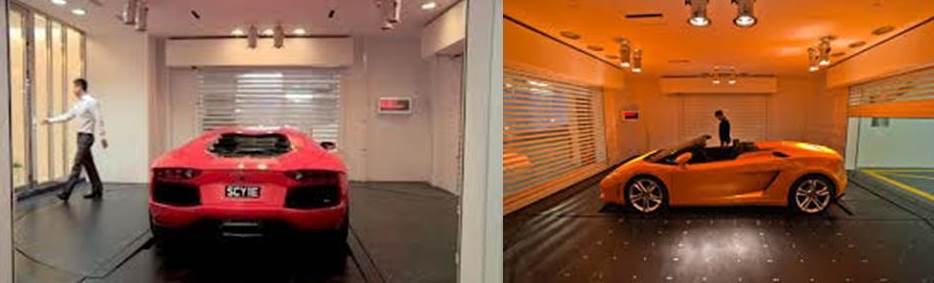
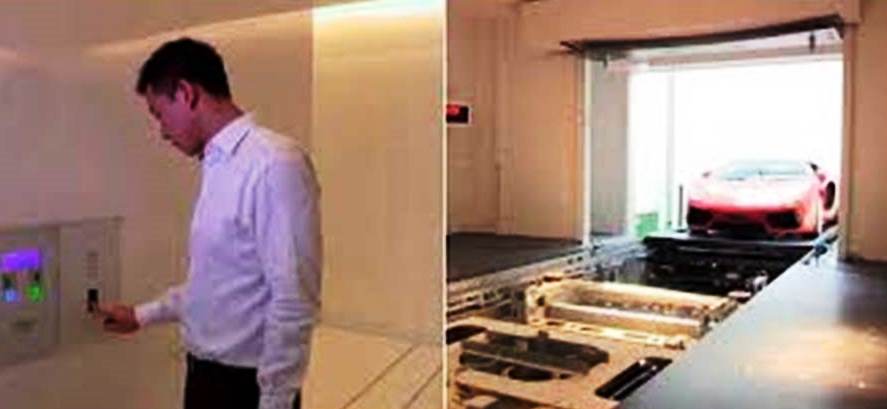
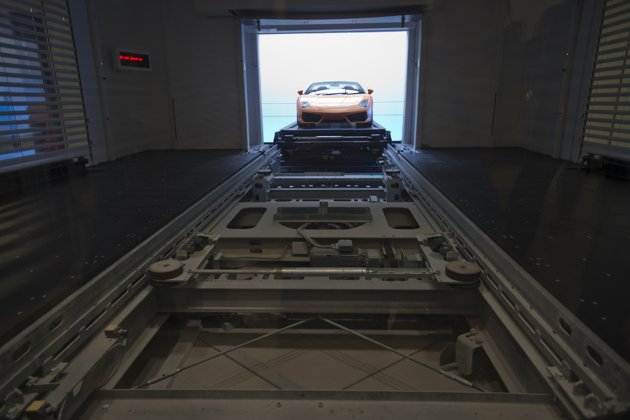
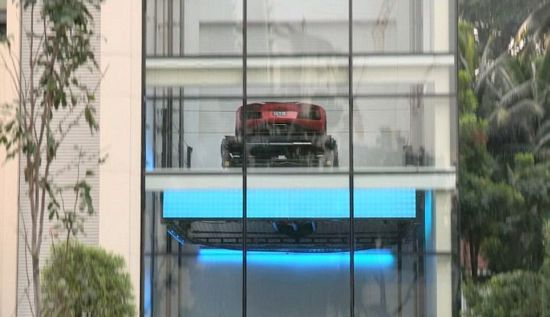
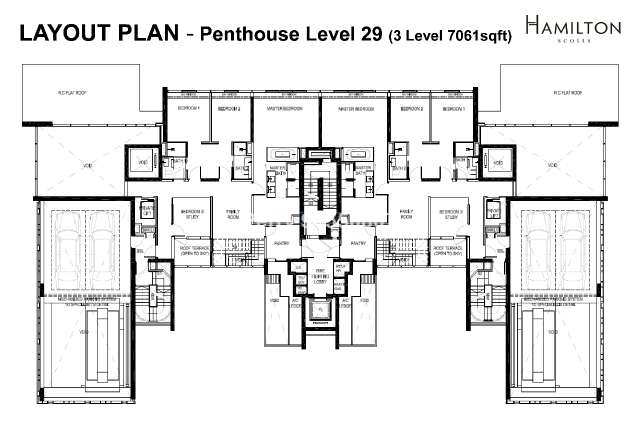
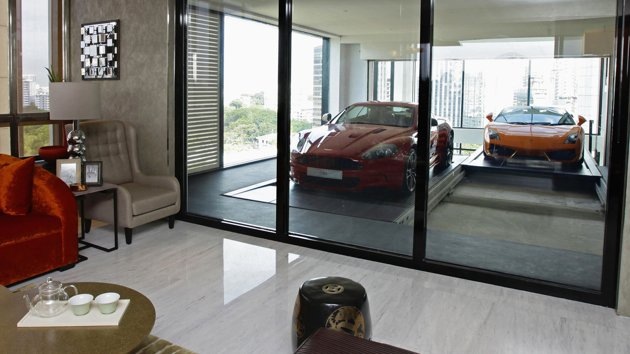
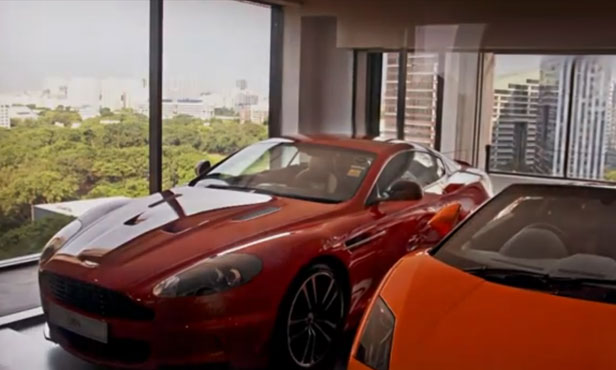
Light Watch 4-134: As we are talking about elevators here is a very special one…a car elevator. Just before I sold my old company and started KLD I had designed the lighting for a luxury condo in Singapore, Hamilton Scotts near Orchard Road, one of the first in the world with a car elevator. The idea is that you leave your car at the “car lobby” on the ground floor and a fully automated elevator system, complete with a colour changing car pallet, then lifts your car up to your apartment floor where it is then parked just outside your living room. You enjoy the high-rise view of the city as well as your car at the same time.
LED and the lack of soul
Sanya 15th August 2013
In the end the whole typhoon hype luckily fizzed out as I reached Sanya without a single bump during my flight, though with a considerable time delay. It was only 2am when I finally found my bed. You always meet interesting people when you travel and as it happened I was sitting next to a British TV camera crew on their way to Sanya to film the world’s strongest man competition to be held here over the next week or so. Once we discovered each-others profession the discussion quickly centred on lighting and the impact that lighting has to both of us. It reminded me of my flight with Salman Kahn, the famous Indian actor who also could totally identify with the importance of good lighting. Same here. It was an enjoyable discussion about the pit-falls of our industry and (surprise!) the impact that LED lighting has on lighting design today. We both lamented the good old times of tungsten lighting and one can imagine how much impact the change to LED is also impacting the TV world. No TV set works without LED anymore and he felt that as a result life, soul and feeling were more and more missing from set lighting design with too much reliance on the LED technology and not enough human feel…interesting statement which as older generation lighting designer I can understand and actually subscribe to.
Besides sporting events the TV crew was also involved in documenting concerts for TV and here as well they lamented about the endless and senseless use of LED screens. Nowadays no pop concert is done without LED multi- media screens and againthe main comment was about the lack of soul. Installing a wall of LED screens and then letting a computer configure an endless array of colours and rapidly changing images takes the soul out of lighting. The human touch is gone, computers have taken over the design…where are the good old times where the solo guitarist would be bathed in a follow spot with the rest of the set in the near darkness…that was and still is soul.
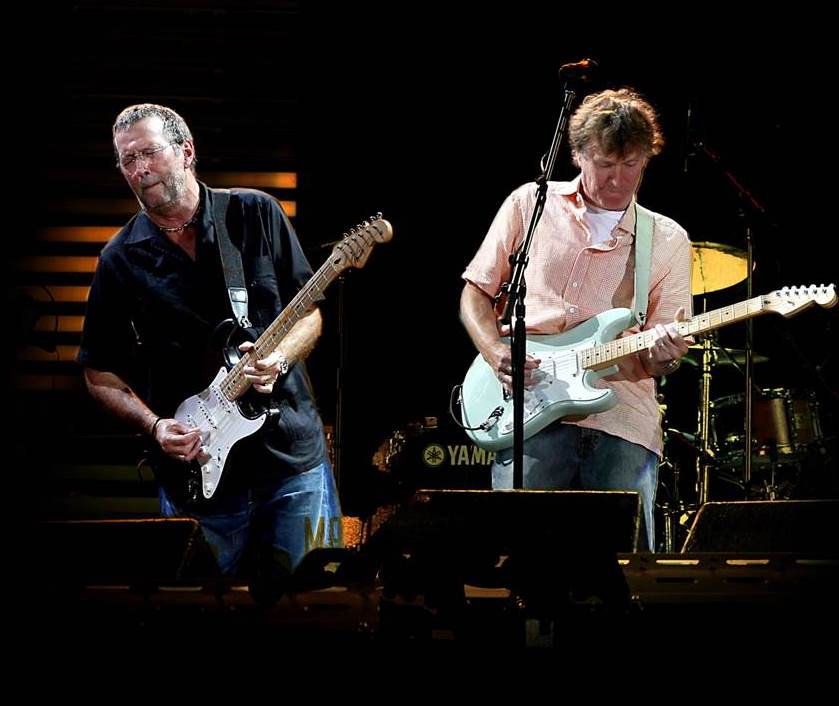
Light Watch 4-133: Just one picture today…Eric Clapton in concert…emotions…simplicity…lighting that focusses on the artist not the LED back ground!
 The long awaited book compilation of Martin's first year of blogging is available. Order now.
 Feedspot Top 100 Lighting Blogs