
The world after 9-11
Singapore, 11th September 2013
The world has never been the same after the 9-11 attacks on the World Trade Centre in New York. While it happened a long time ago now, the repercussions can be felt daily certainly in our line of work. Just last week we attended a project coordination meeting where the newly appointed risk/security consultant introduced his approach to safety and security. While we are now all familiar with bomb checking arrival areas, X-ray machines and the like, his concept for a nuclear protection zone was a novelty for us…Really? Do we now need to design for the eventuality of a nuclear bomb? What kind of world are we living in? Critical equipment areas such as power supply stations are now highlighted as “high risk” zones and all kind of preventive precautions (basically building a practically inaccessible building) with layers of security levels for access…
With the Snowdon affair in regards to the US government spying on each and every internet communication (who knows they may be reading this! …Hello, good day Mr Obama!) the world is becoming a scary place to live in and we as designers are confronted with it every day! Personally I am not going to change my lifestyle and become paranoia about whether someone listens in on my phone calls or skype communications. I reckon if they really want they can, so why get stressed about it…I want to enjoy my life and not be stressed about whether someone is hacking my system or spying on my activities. My security level is more centred on failing equipment (info back up) rather than security breaches. My laptop has a basic firewall and protection system and that will have to do it. In my house in Australia I have a sensor driven light at the front and the back which flips on when the neighbour’s cat rummages through the garden, but other than that just your standard door locks. There is an alarm system that came with the house but we don’t use it most of the time as it is too troublesome. Sometimes you forget and the whole neighbourhood wakes up from the alarm blaring from your roof! So not for me…
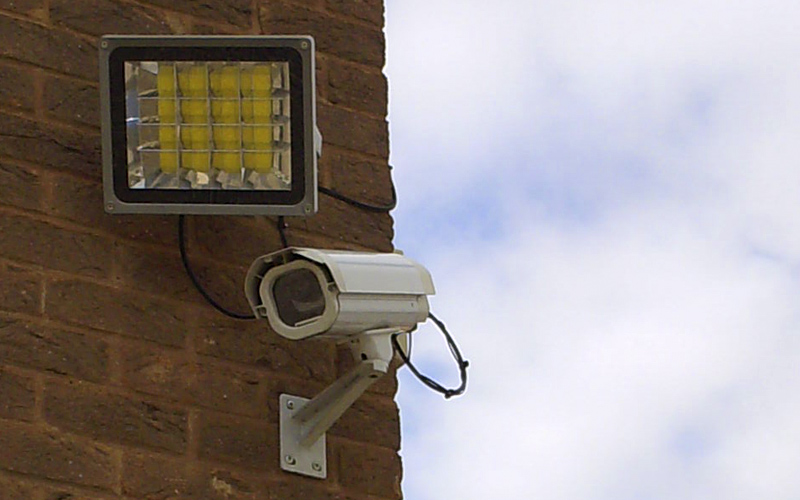
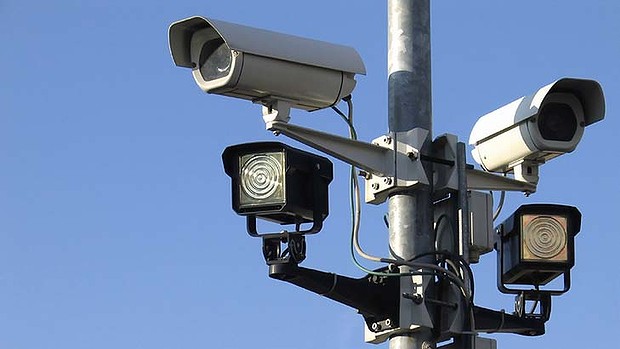
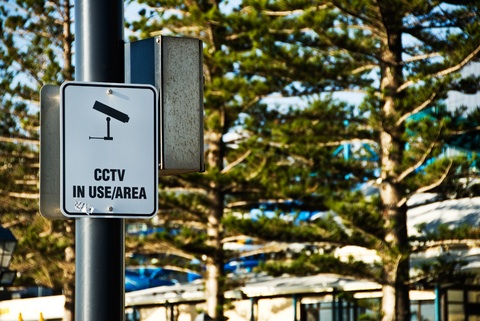
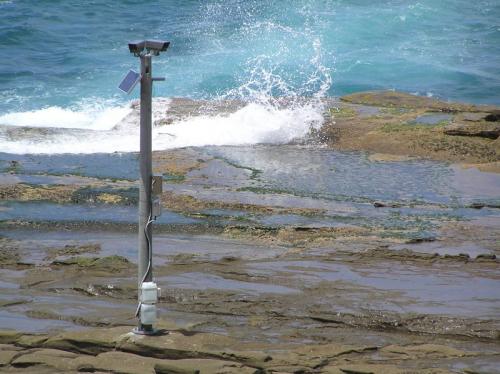
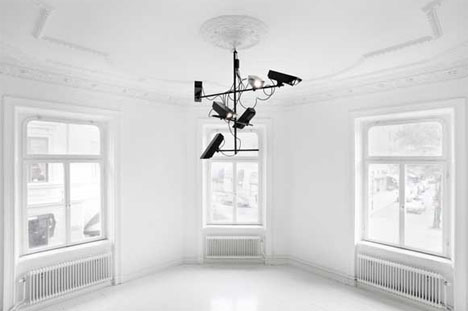
Light Watch 4-153: Big brother is watching you from everywhere!…Nowadays you may have more CCTV camera’s then lights on a pole! (Spot the security video chandelier further below 🙂 )


Is solar still viable?
Singapore, 10th September 2013
Today I read an interesting article about the state of solar panel production in China. Under the heading ”Darkness falls on China’s solar dream” the article explores how China’s global domination plan is collapsing with manufacturing over capacity and company’s in debt as a result. It is said that currently 70% of the world’s solar panels are manufactured in China, with 8 of the top 10 companies coming from China! China’s push to world domination was triggered in the mid 2000’s when countries like Germany, Japan, USA and Australia started to provide incentive schemes to encourage solar projects, which created massive demands for the solar panels. China subsequently started to build bigger and bigger, automating the process, backed by huge government financial support. This in turn made the prices tumble and today the article reports that the average solar panel price is about 40 US cents per watt when it was around US $3 per watt in 2004!
With economies shrinking, incentive schemes reduced or no longer available (note also this was also triggered in protection of energy companies!) the demand has dwindled down and China’s over capacity is having serious impact on the viability of solar applications. It was reported that China has currently 10 times the solar panel production capacity of the global need in 2004 and 60% more than was installed worldwide last year! In the process solar manufacturers in Germany, Japan and the US were seriously hurt and branding the Chinese government’s financial backing unfair advantage and if my memory serves me well some import restrictions were mooted at the time against China in response to protect the local manufacturing. I read that the Chinese government supported the local solar panel manufacturing financially to the tune of nearly US $50 billion! This now hangs as a huge debt over the remaining manufacturers, with many already having called it quits…
So is solar still viable? It seems like the economic forces driven by Chinese greed have damaged the industry for one. On the other hand the performance of the solar panels has certainly increased over the years making the solar option in terms of value for money more realistic. However if government subsidies to the manufacturing industry and to the end user are no longer in force does it still remain a viable option?…To be continued…
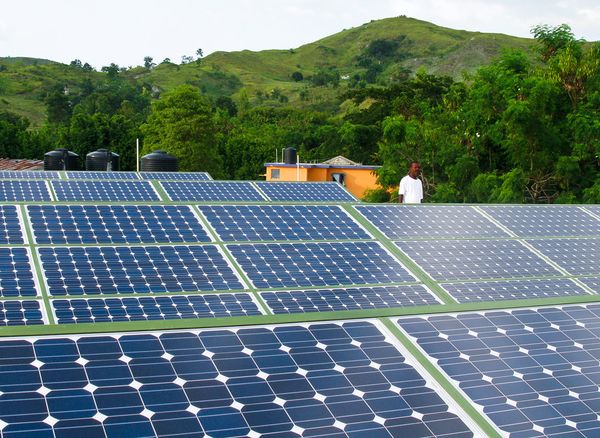
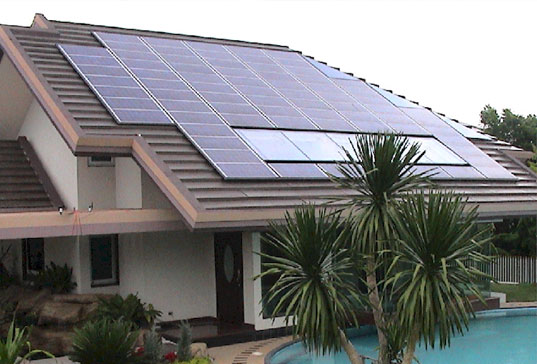
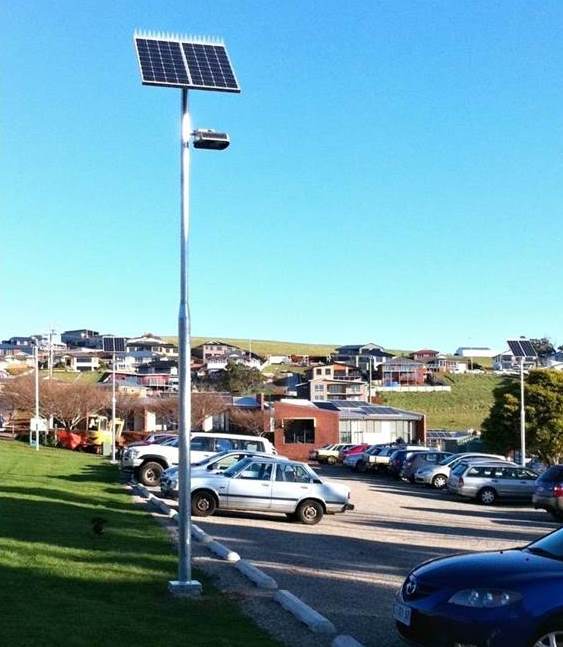
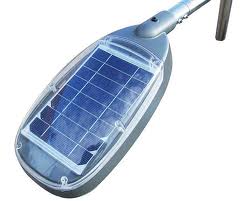
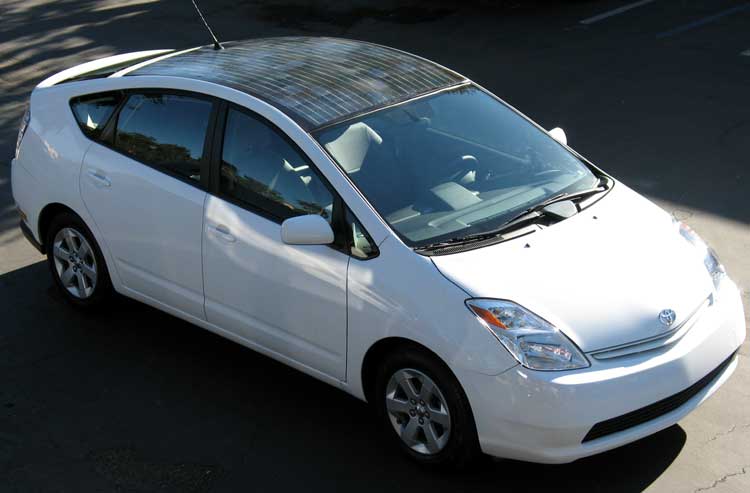
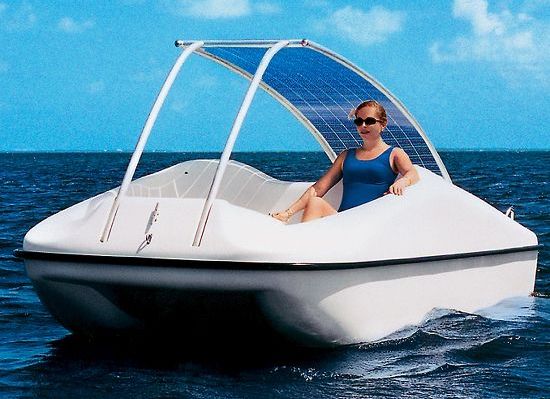
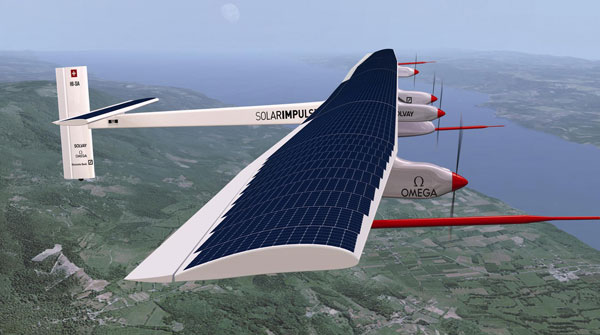
Light Watch 4-152: Solar applications…
LED and colour
Singapore, 9th September 2013
A bit of tech talk today…not too much, but a bit as the LED colour issues really confuses people out in the field. In one of our Hotel projects we have some colour issues on site which are really difficult to explain to the client. The main frustrating issue for us as lighting designers is the fact that we have specified the performance parameters as good as possible at the time (specs date from over a year back). Meanwhile some water has gone under the bridge and lights have been installed on site. Some as per our original specification, but some being “equivalents” from trusted/ reputable manufacturers. Our specification at the time specified the colour temperature and colour rendering, but not any specific requirement in regards to binning…
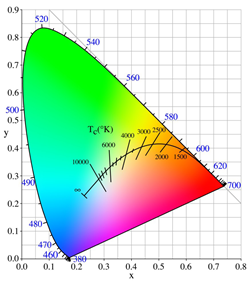
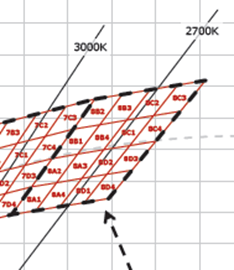
Now we find ourselves with LED light sources on site that presumably all have the same colour qualities (Tk and Ra) but all have a clearly different colour appearance! How to explain to the client. A few things have happened…First of all not all light sources are from the same brand; this in itself now is cause for differentiation as it appears not all manufacturers follow the same binning strategy! Secondly not all manufacturers follow the same binning stringency. High end quality LED’s will be within the 4 McAdams, while the “general” quality is way higher up. On top of that they can be binned in say the red blue or green quadrant. This of course gives way to enormous colour inconsistency. Last but not least there is the interaction of the LED colour (we are talking “2700K” here) with the various interior material finishes. Add these variables together and you have the disaster we are now facing with colours all over the place. While we can not really control the material finishes we can control too a great extend the colour of the LED. The lesson learned really is to a) make sure you minimise the number of LED brands (certainly in a same space) and b) make sure you specify the highest possible (reasonable) binning batch (<4 McAdams) preferably by even indicating from which quadrant you want them from. Seems quite tedious but in applications where colours are critical I think we will need to do that…
Light Watch 4-151: Here is the colour triangle showing where the colour temperature black body lines are and a typical binning quadrant which relates to 2700K…
Size does matter
Singapore, 6th September 2013
We are reaching a stage that it becomes harder and harder to actually specify a conventional lighting system, isn’t it? I had an interesting discussion with one of the suppliers today in regards to finding the right specifications for a retail store project we are working on. The client’s brief to us is to use a 100% LED approach; why, I am not so sure…because it is the “trend” or because she made a real case study out of it?…my gut feel it is just because it seems “trendy” to do so nowadays. Anyhow I am doing my due diligence regardless and not necessarily look at LED only and in doing so I came to some interesting discoveries!
As you would know in retail lighting we need to use some quite powerful accent lighting to make sure that the goods on sale or promotion are really jumping out by the pronounced way of lighting. In the past we would have specified metal halide (MH) systems with excellent colour and beam properties, now we look at LED equivalents. With the current lumen packages of LED’s we can easily achieve the lighting impact we are after in similar ways we used to do with MH. Similar lumen packages but surprisingly also near similar wattage packages! I saw LED “equivalents” from some brands that produce the same amount of lighting intensity but with only slightly lesser energy consumption, in this case 58W LED against a 70W MH. While there is still a energy saving too be achieved, the long promoted big savings do no longer seem to come from strongly reduced wattages, in fact on energy only the ROI story is becoming quite weak. Even lifetime (50,000 hours guaranteed by this supplier…but how do you monitor that?) versus 10-15,000 hours for MH is also no long a huge story!
Then the size…! Honestly the size of the fixture with the cooling and electronic driver included is become similar if not bigger than the familiar MH type of fixtures…really? Where is this whole notion of LED’’s being compact using near zero energy with a near forever lifespan? The irony is that soon there may well not be any MH available on the market and we are left with LED systems which now cost 3 times more then the equivalent conventional system, for no longer very apparent savings, let alone compact appearance…where is this going…?
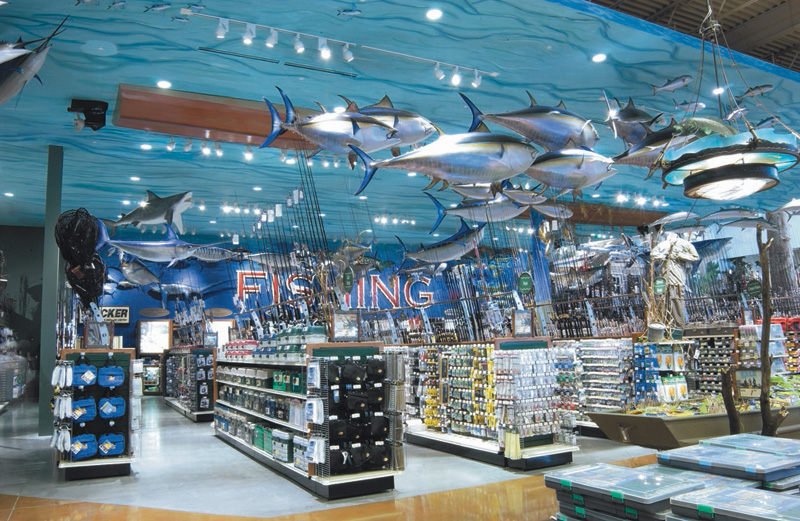
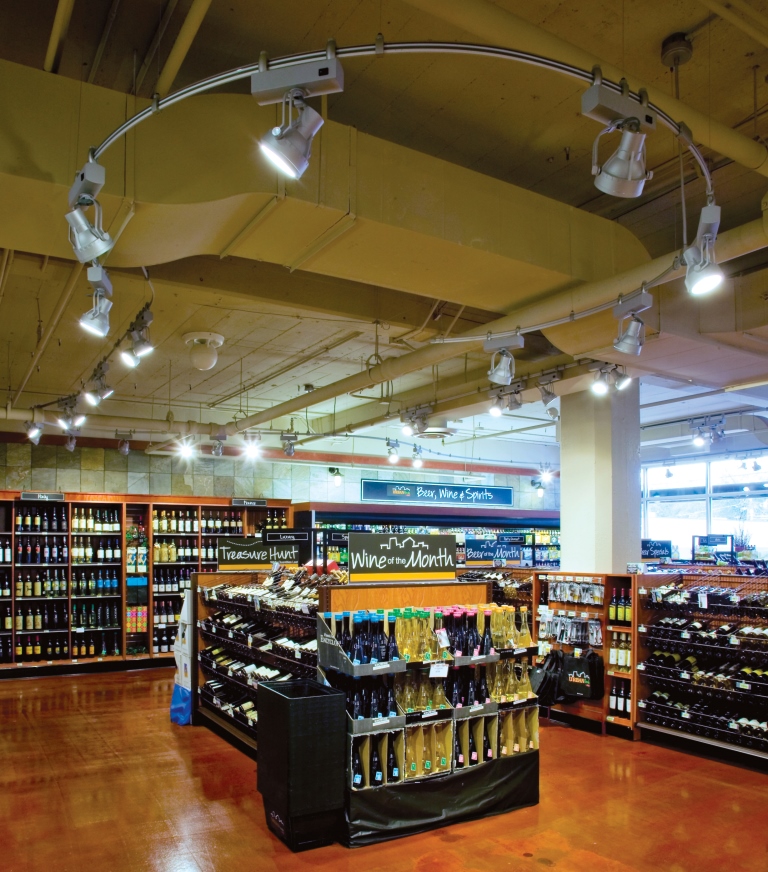
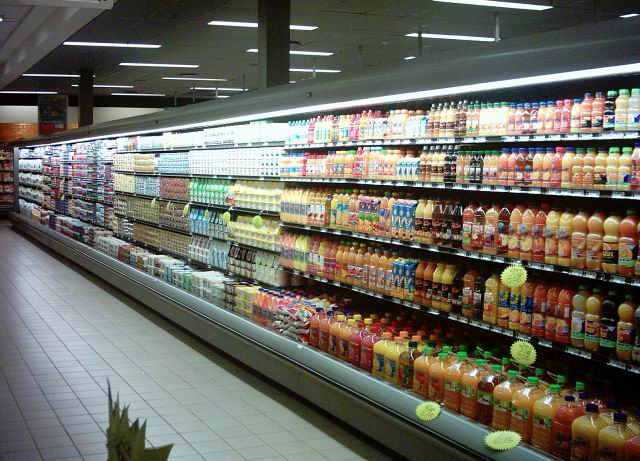
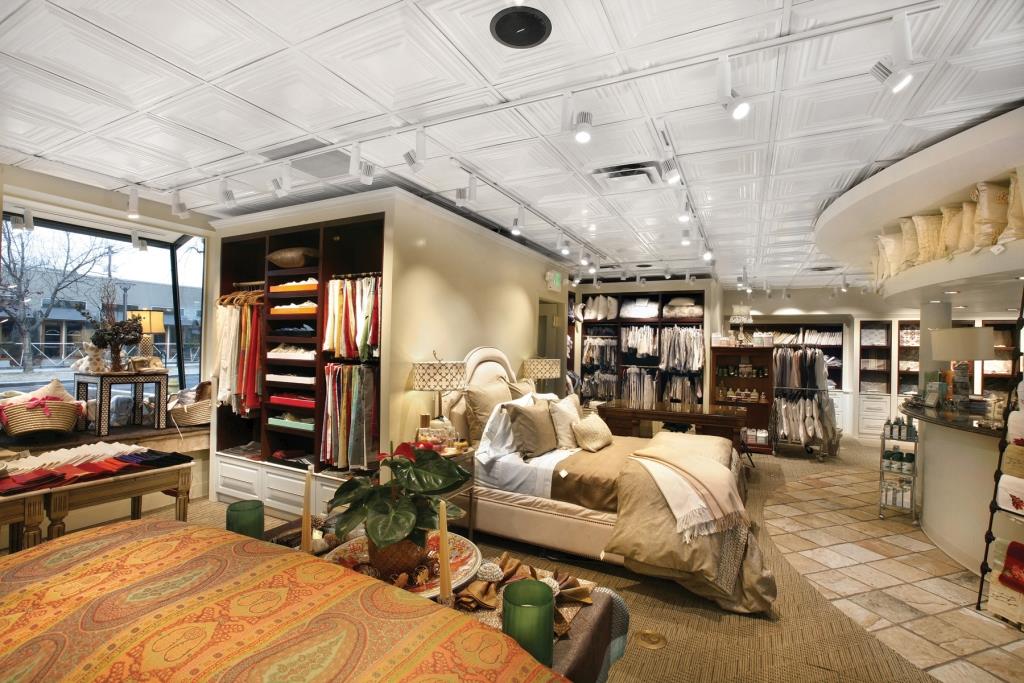
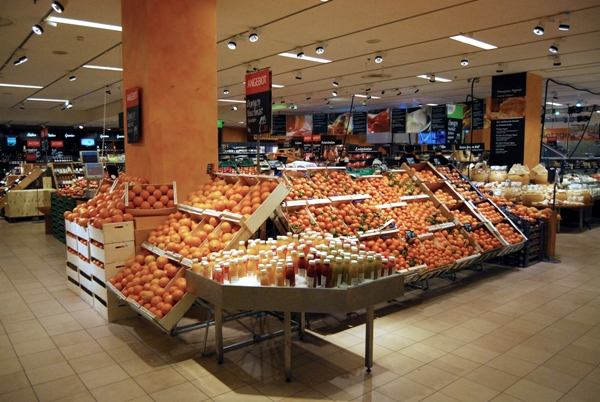
Light Watch 4-150: If you look at the pictures below you can’t really tell the lighting systems are LED! Similar sizes and looks…now we are moving to similar energy and life spans…not really what the LED dream should be about…?
A Kodak moment
Singapore, 5th September 2013
After nearly 10 straight hours of meetings today, that started off with an 8am international conference call, I feel a little bit depleted. Meetings can be tiring certainly listening in most of the time to other presentations, where you occasionally contribute, then doing your own presentation after which you fall back in listening mode. The point is that you need to remain fully focussed and alert along the way as this kind of design coordination meetings, involving the presence of international key consultants, are organised to trash out any design issues and get everybody on the same page…maximum input creates maximum output, isn’t it…
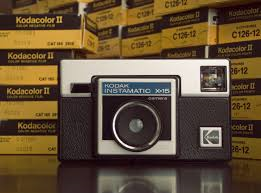
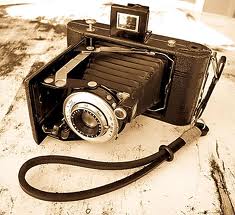
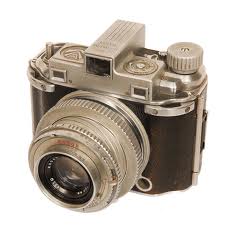
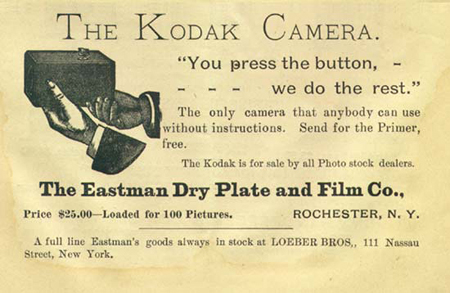
Anyhow I wanted to talk about something totally different but very real and very happening in this new age of LED lighting technology. I was recently made aware of the bad economical shape of one of the biggest electric gear manufacturer (ballasts, transformers, etc.) in the world. I will not name the company, a house hold name in the industry, as I am more focussed on the happening as a general trend rather than the company as an individual as most likely there are others in the same boat. I call that a Kodak moment, where a company who for years and years was the leading manufacturer in its field, the undisputed king now, out of arrogance or pure ignorance, finds itself caught out as it did not move or embrace the new times and emerging technologies.
This is very much the case with LED technology now where the manufacturers of conventional (magnetic) ballasts find their market dwindling at an incredible speed. Factories set up for multi-million production quantities, suddenly find their market collapsing with the unbelievable fast change over to LED technology which requires electronic drivers and a totally different attitude to production, sales and marketing. Change can be a real bitch if you don’t see it coming or think that you stand above it all because you are “the king”! We have seen it happen with Kodak, we see it happen in the lighting industry as well…It’s just a confirmation of how fast this LED revolution is changing our lives…
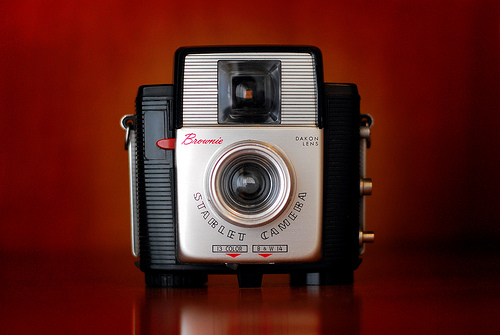
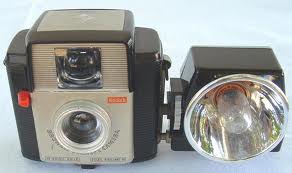
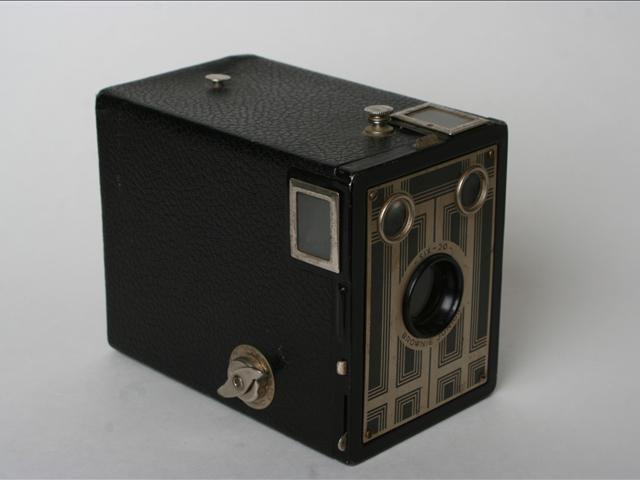
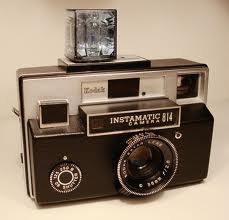
Light Watch 4-149: Photography exist by the grace of light and I guess my first introduction to the field of lighting was with my first camera, the historic Kodak Brownie Starlet (with Side flash!) …Here are some memories….

Playing with glass
Singapore, 4th September 2013
Today my exploration of materials continued with glass. I spent a good hour in a glass manufacturers showroom playing with glass. We tempt to burry ourselves in selecting our architectural lighting system to suit the interior or architectural design intent of the space that we are trying to light, but I feel that as a designer of light we need to spent time playing with those materials that interact strongly with light, to better understand how light reflects, transcends or is being absorbed by the materials that are being used. Glass is one of the key materials when it comes to light. It lets in the (day)light into the space, it transforms and refracts the light when it passes through the glass and when the glass is treated with filings, coatings, edgings or colours a total new dimension can potentially arise.
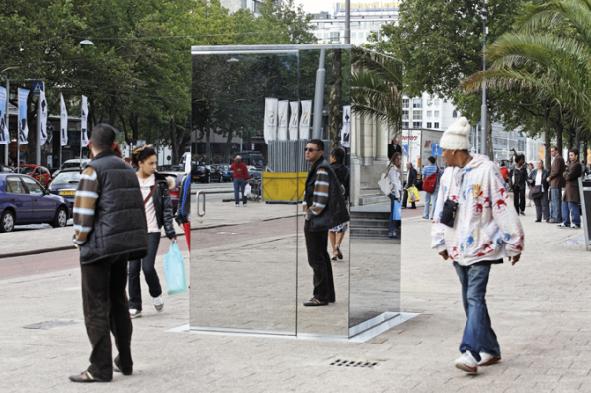
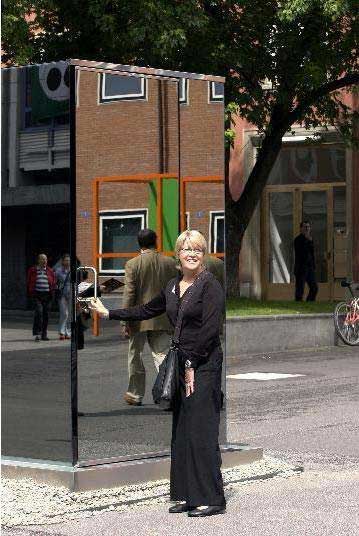
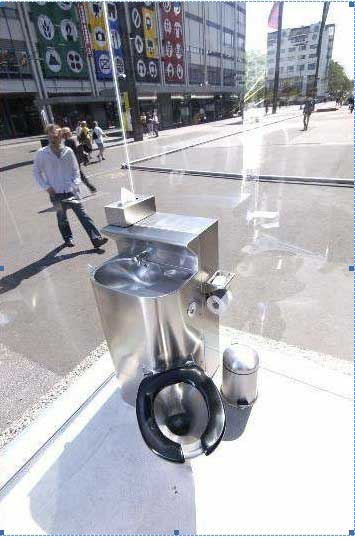
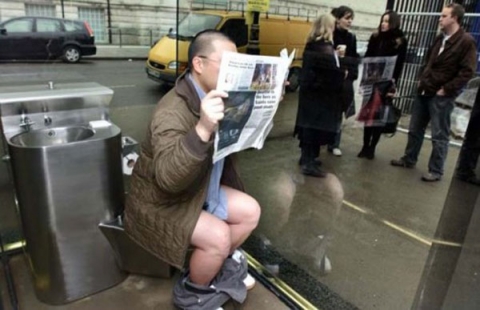
I specifically went to investigate one way mirror glass that I want to apply in one of my projects as I wanted to understand in how far light is reflected by the mirror layer and how much can actually be seen when you stand behind the glass; inside out or outside in. Logic dictates that if you stand looking out behind the one way mirrored glass, light should still filter through otherwise how else can you see what is outside. Likewise if you stand outside facing the mirrored glass how much of the inside can you see as light still can filter through. There are obviously different grades of transparency and the extent of the transparency (or ability to see through) is also related to the amount of the light on the other side. The classic shop window reflections, where the outside daylight is so bright that you cant really see inside the shop other than your own reflection in the window. But at night when the outside lighting levels are low and the bright shop window lights are on (inside now brighter then outside) the reflective properties of glass are overcome and we can see straight inside without any reflection…It is really fun to play with these glass properties…
Light Watch 4-148: Some time ago a loo was created with one way mirror glass…mirror from the outside prevent you to see inside. However once inside you feel exposed to eyes from passers-by!
Stretching your imagination
Singapore, 3rd September 2013
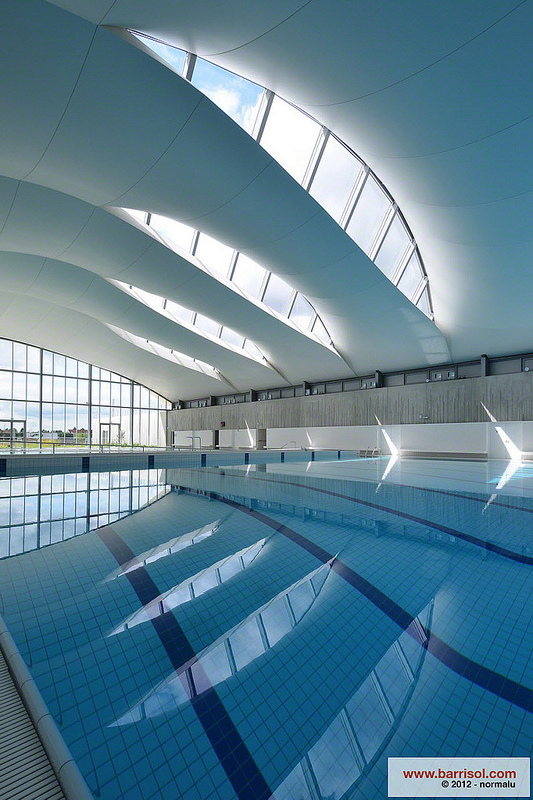
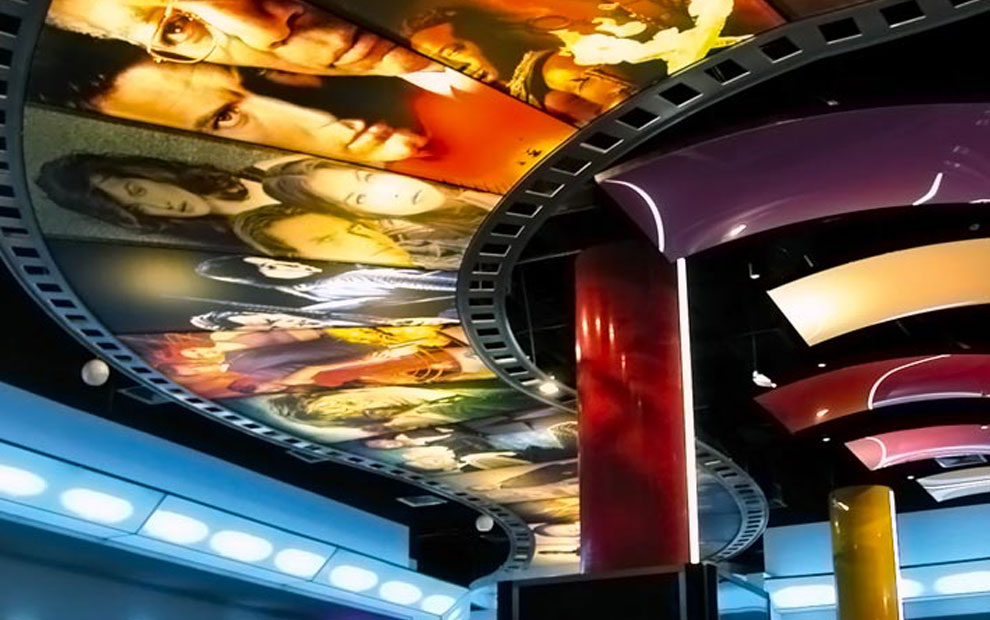
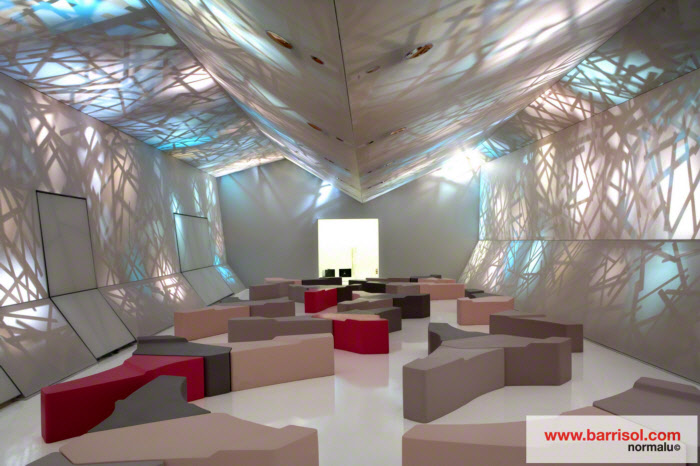
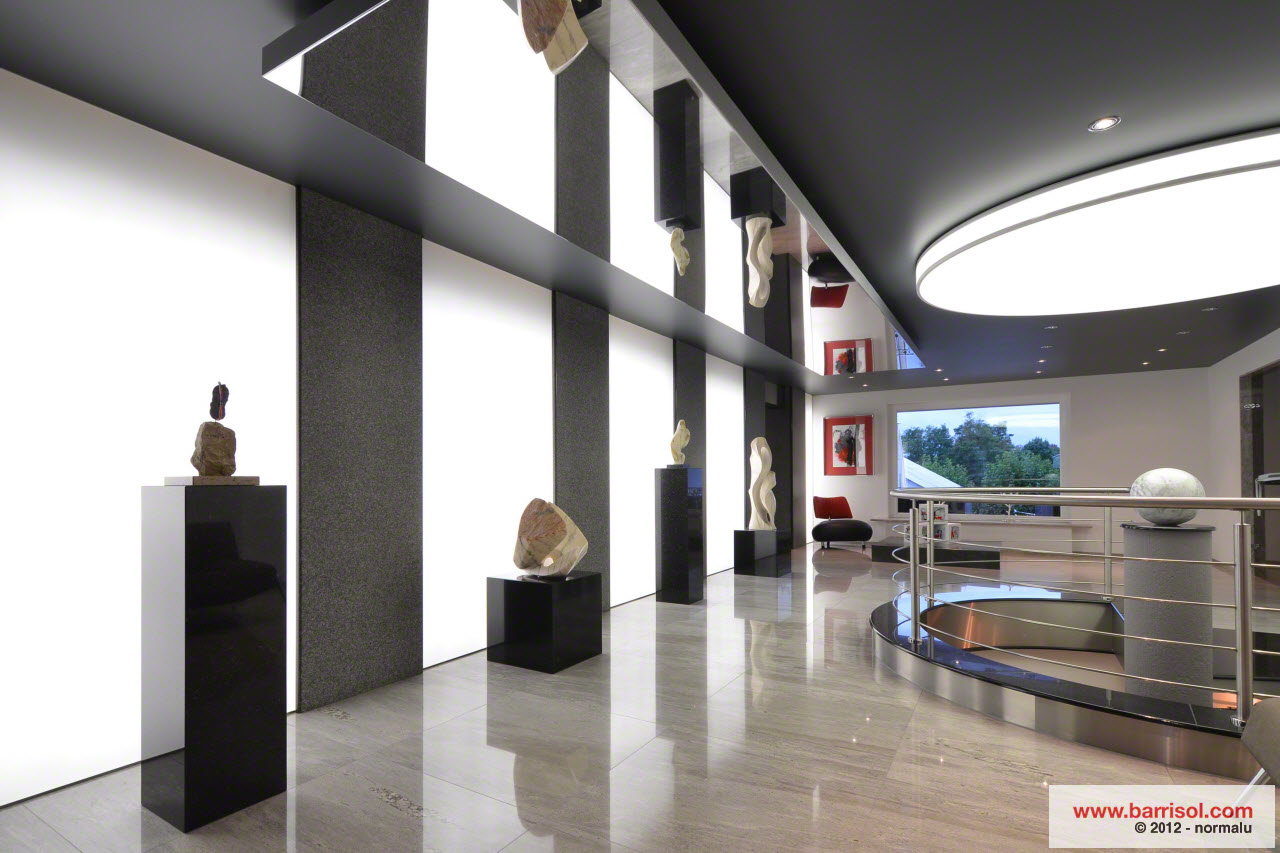
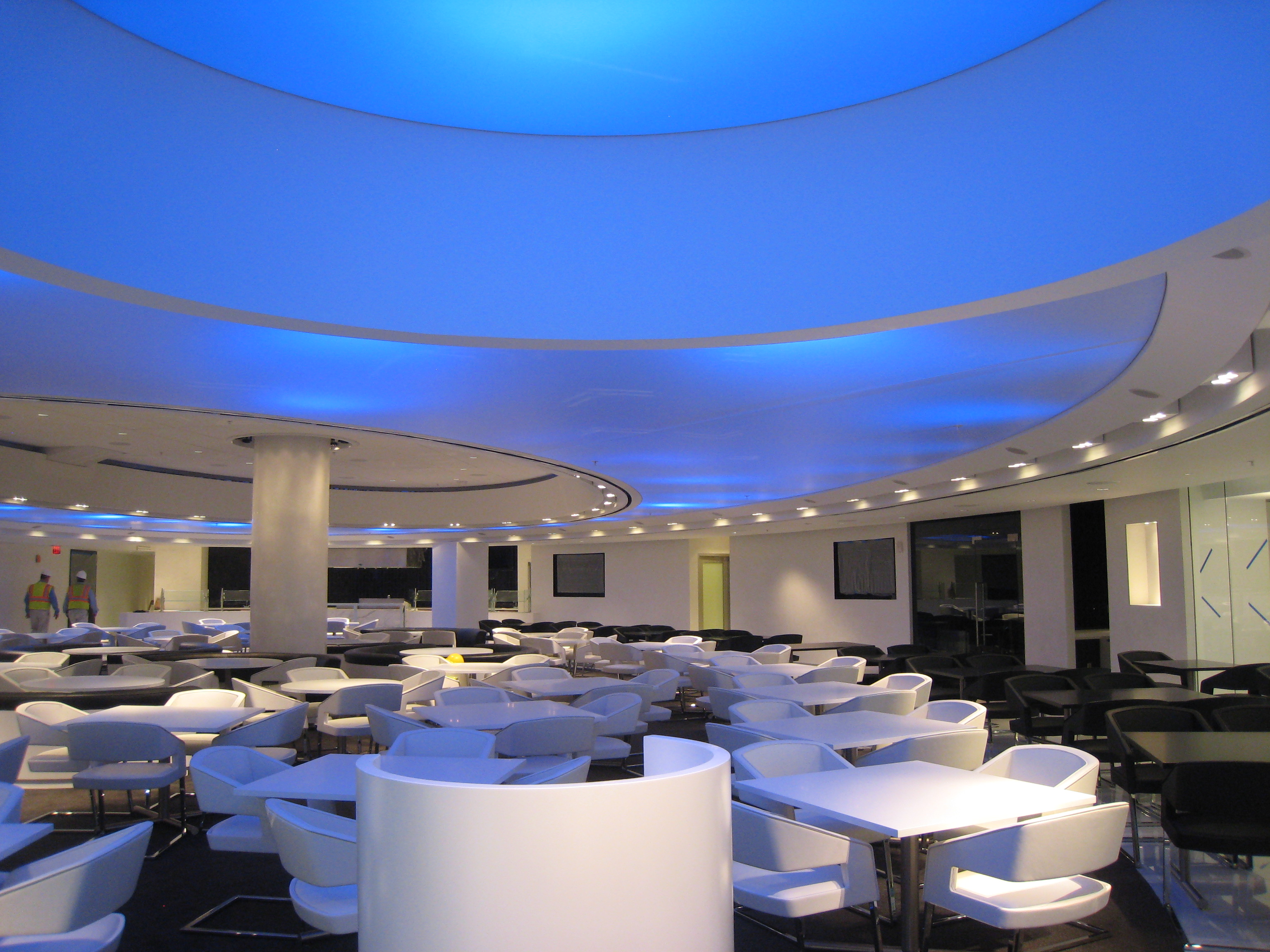
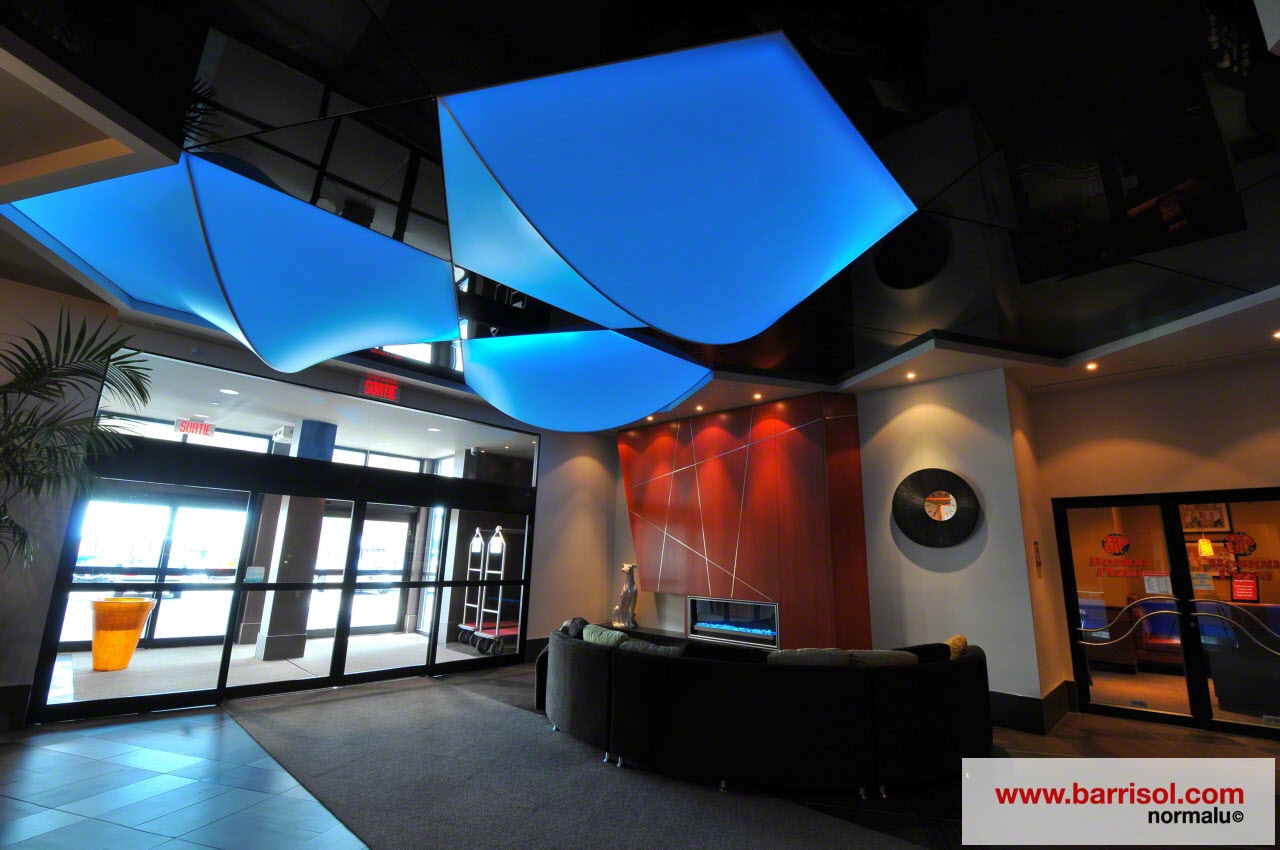
While in general our practise designs around architectural lighting solutions using pure lighting systems which are integrated in an architectural environment, some of our lighting designs are also developed in conjunction with specific materials, finishes and architectural structures. One of these materials are the so called stretched fabrics; materials that can be stretched into various shapes and forms. We are currently looking at applying this as an illuminated element in our lighting design and spent some time exploring our options, materials and finishes. Besides the fact that these materials are stretchable, they also come in various colours and finishes including reflective and transparent variations. So plenty to choose from.
Of course as we look at it from a lighting point of view, our prime interest is the lighting properties that the material carries. The most interesting one being the translucent variety that allows you to light structures from the inside and create illuminated objects, bulkheads and ceilings. It requires quite an expertise to create these structures as they are too be built in such way that the structures are as little visible as possible so that it really is the stretched fabric that sort of floats in the air. Not easy! Then on top of that there is the need most of the time to have the inside of the structure accessible for maintenance meaning that somehow the stretched fabric needs to be removable and openable for access.
I am a creative designer at heart so I really like these kind of challenges and I spent a good time going through the various options and solutions. Some materials come in limited dimensions so when the supporting frame structure needs to be developed accordingly…I think that these kind of applications help “stretch” your imagination and contribute to our overall sense of creativity and solution finding!
Light Watch 4-147: While I can’t really show you what I am working on, here are some examples of this stretched fabric applied in a diversity of projects. Images courtesy of Barrisol.
LED emergency
Singapore, 2nd September 2013
Back in Singapore and if all goes well no travel for at least a week!
There is no emergency but I wanted to touch base in regards to LED and emergency lighting. This is an issue that pops up all the time as part of our lighting design works. While in the past with conventional lighting we would integrate the design at times (depending scope required by client) into our design, we have lately stayed away from it for various reasons, predominantly because we have had some bad experiences in integrating emergency into our architectural lighting fixtures. We have further received some negative feedback from some manufacturers about the same so we are now recommending to keep the emergency lighting separate from any LED lighting fixtures.
While LED technology and the performances are a constantly moving target we have had a few experiences when it comes to integrating the emergency lighting with our architectural lighting specifications. First of all emergency lighting technology seems to affect the lifetime of LED, we experienced first-hand that LED lights stopped working after a while or were seriously affected in performance (low output, flickering, start-stop), it was amplified when the light was connected to a dimming system. It seems that LED connected to a dimming system does not really mix well. We have also been told by some manufacturers that the light fitting warranty would not apply to those connected to an emergency back-up system. This in itself is a warning sign we should not ignore as they have obviously experienced issues that “warrant” such stand! Whatever the situation it is critical that the client sticks to our light fitting specifications so we can take responsibility for it, because in this part of the world clients often substitute your specs with “alternatives” which you sometimes have no way of checking whether they comply, yet they will try hold you to task!
I am not saying that integrating emergency lighting systems into an architectural lighting function is not possible, I just want to highlight the current issues that we come across and that has affected our confidence in specifying them.
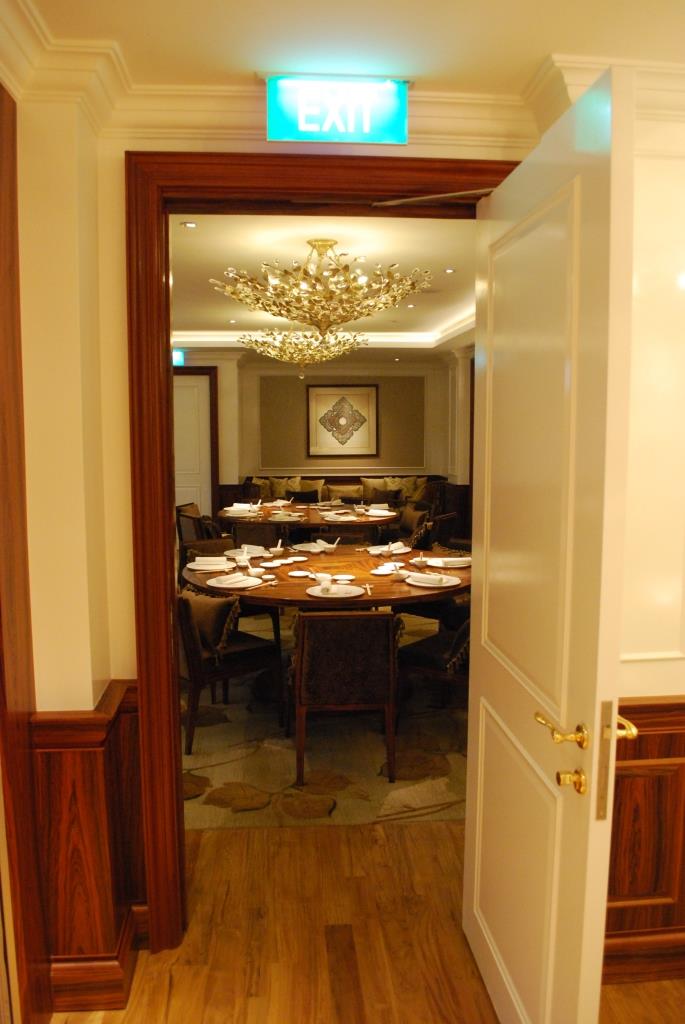
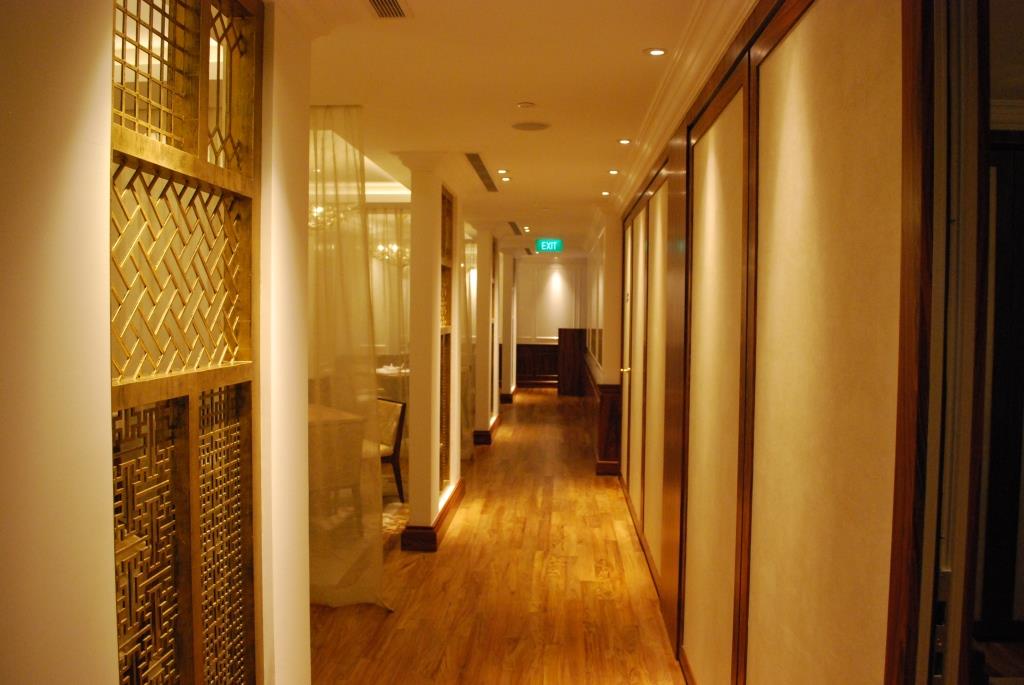
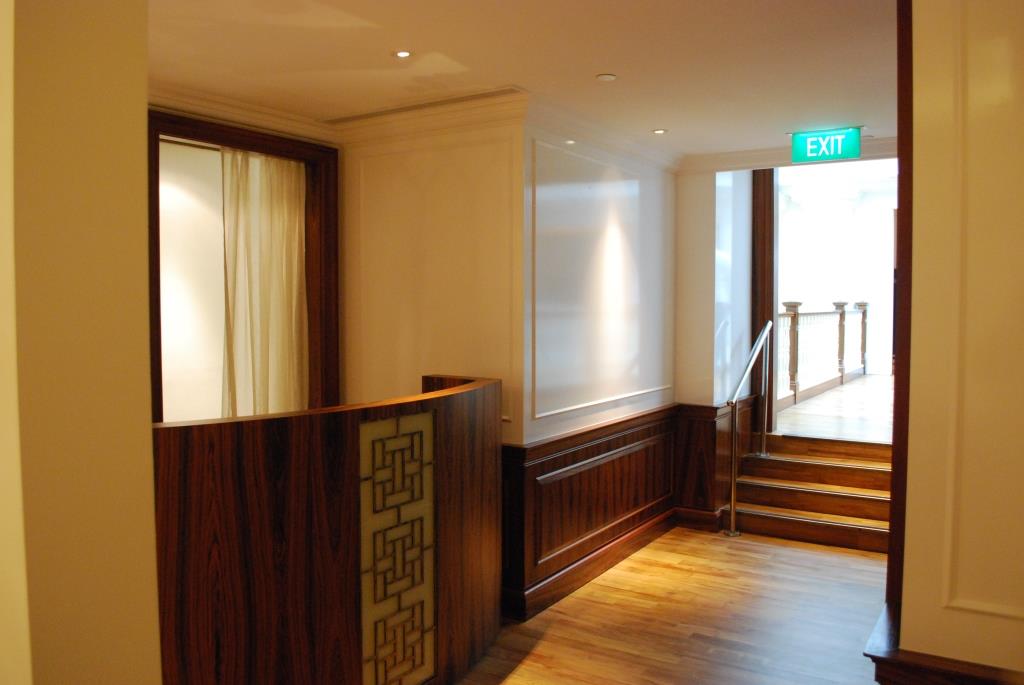
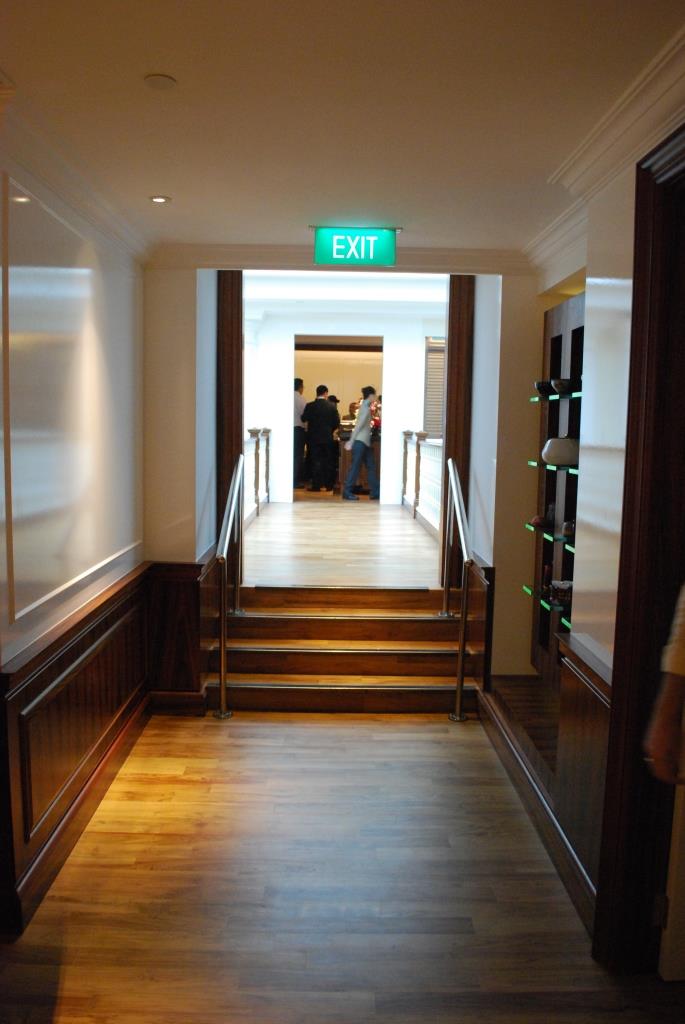
Light Watch 4-146: As part of emergency lighting we always have to deal with emergency exit signs…unfortunately they generally are unsightly and do not really fit into an architectural environment…the green light sticks out like sore thumb!
The Design Wall
Mumbai 30th August 2013
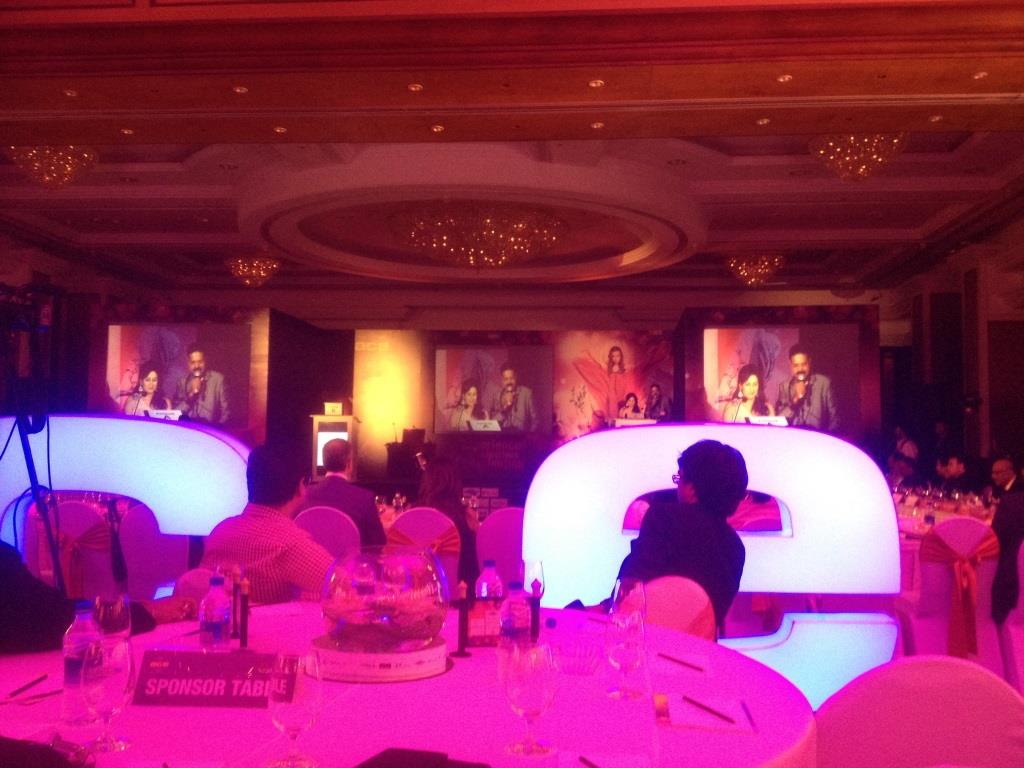
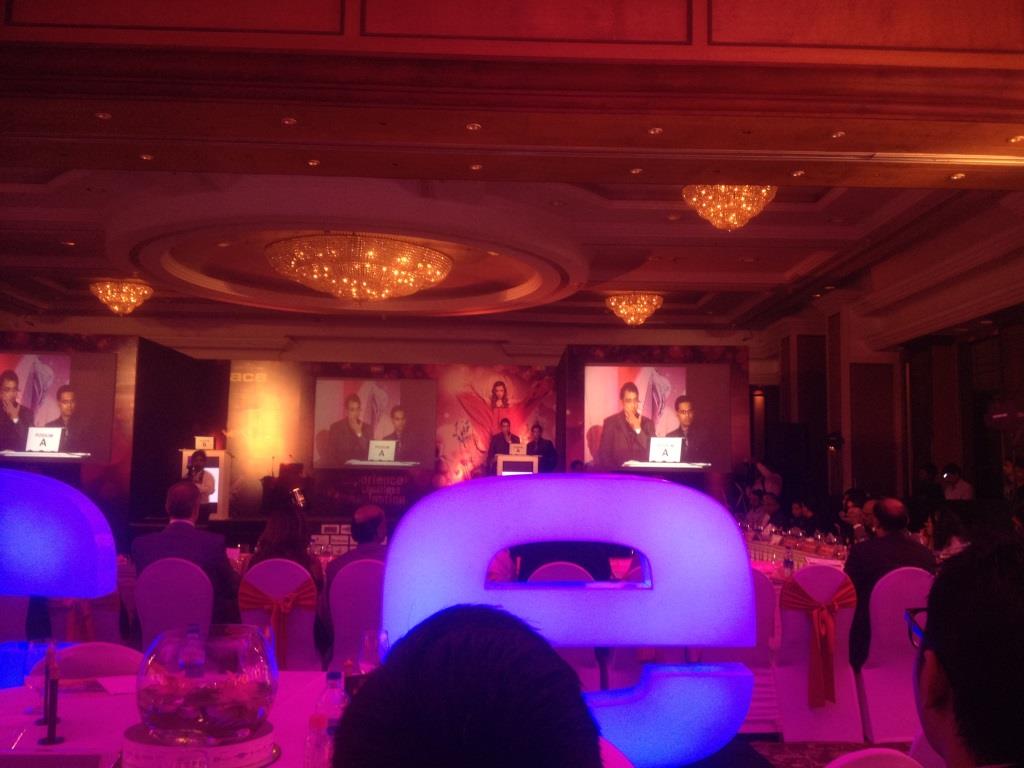
On my last day in Mumbai I attended the Design Wall, the “pre-quel” to the later in October to be held AceTech Lighting and Green Summit. I had not been able to participate in the event in previous years due to conflicting schedules, but as this happened to coincide with my involvement in the Architecteure and Design Summit yesterday it was a logical extension. With over 90 of India’s leading architects, interior designers, builders and developers in attendance the event was certainly worth-wile not in the least for the networking opportunities.
The Design Wall is an event where through invitation, pre-selection and shortlisting a number of new and innovative products are being presented to an eminent jury panel of architects, interior designers and other luminaries in the design and building industry. The shortlisted companies each get a small booth in the hall to display their innovation product and each of them get 3 minutes to present and the key elements of their product. The presentations follow a strict format in which in sequence explain the unique selling points, the innovative parts or concept of their product, what impact the product is going to make and finally how sustainable the innovation is. If they can manage within the allocated 3 minutes they are allowed to show pictures or video’s of the product, concept or application. The jury then judges each product on these criteria and adjudicates a score between 1 and 5 (poor to excellent). These scores, compiled from about 50 jury members, is then compiled into a final score under strict supervision and control of Ernst & Young. The winner will then be announced during the Acetech event in October.
While I felt that the level of innovativeness was mixed from nothing special to something really innovative, I found the mix of products a bit unbalanced. Predominantly we saw building materials, like flooring, tiling as well as sanitary, but little in the sense of lighting, furniture or other common products. In fact lighting was restricted to one chandelier (I did not get the innovative part), lighting controls (flush mountable, cool),a local LED company (here also I failed to grasp the big innovation element). In total more than 50 products were presented to the jury in two sessions over the day. I certainly like the concept but I feel it does need a bit of tweaking and direction to become even more exciting… I was surprised to see little on lighting as I was expecting that with the fast developing LED technology there would be ample opportunity to showcase some of the latest innovative developments…perhaps next year.
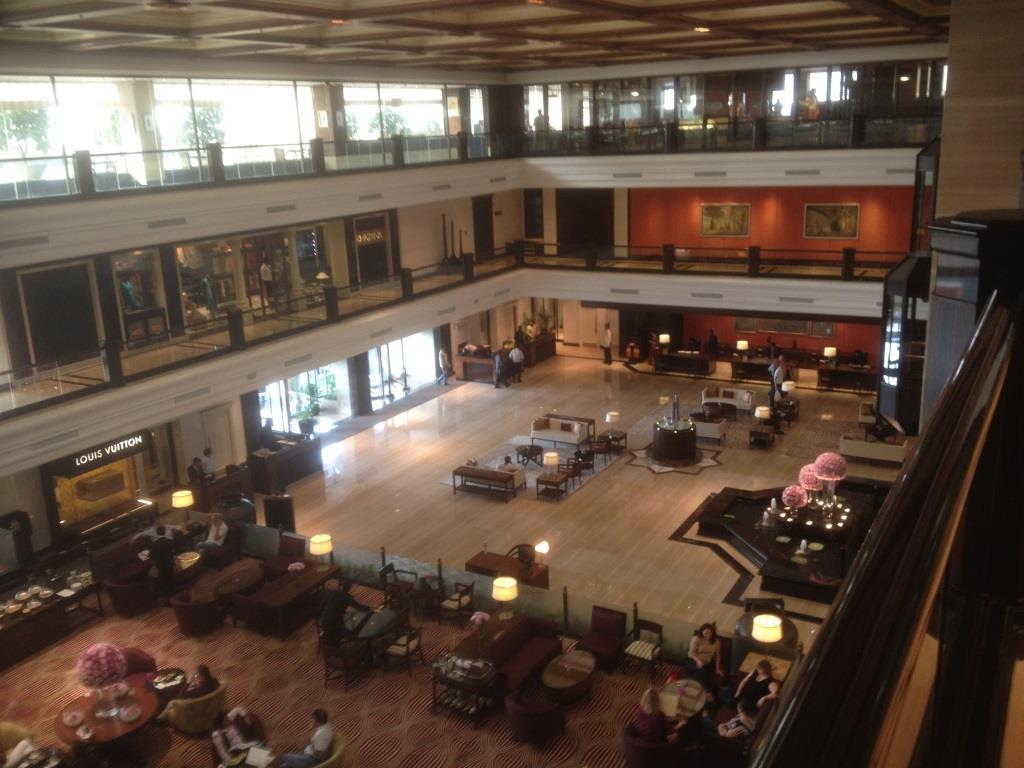
Light Watch 4-145: Here are some images taken with my I-phone of the event as well as the hotel itself (the Taj, Lands end) where the event was held. Have a great weekend




Lighting and local culture
Mumbai 29th August 2013
Today’s subject is very much driven by today’s events and what I then saw later on the way to dinner tonight. Today’s summit proceedings (I attended the Architecture and Design Summit organised by the Economic Times as a guest speaker/ panellist) had everything to do with design and local culture and even though participants were either architects, developers, builders or business professionals, it was encouraging to hear how much and how often lighting was mentioned by the architects as being a key element in any architectural development. As the only lighting designer present I was happy and grateful to be able to contribute my little piece of mind on lighting. Subjects ranged from the role of architecture in creating our build environment to the workings of city and county authorities to get approvals to actually build something. Key to many of the discussions and presentations seemed to be an underlying frustration with the local bureaucracy and red tape in obtaining anything which was widely seen as one of the main reasons for the slow progress in the country’s development. Even the media were not spared the wrap for not supporting the design industry enough. As a lighting designer I certainly have experienced this frustration in my projects here that have started and stopped and were building approvals have slowed down the construction and even more impacted on the quality of workmanship…it was certainly interesting and educational event highlighting the sometimes limiting impact of local culture.
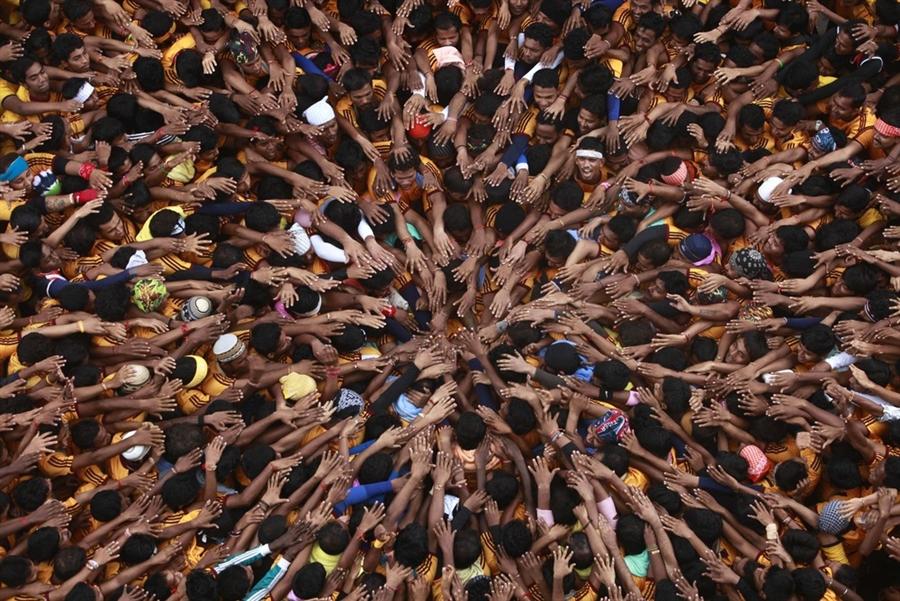
Light Watch 4-144: As it happens today is “breaking the Dahi Handi” day, a Hindu festival to commemorate the birthday of the Hindu deity Krishna. It commemorates the playful devious side of Krishna as a young kid when he would break the pot to steal butter. To celebrate that a sport developed where people form a human pyramid to reach a hung earthen pot and symbolically break it. The pot is generally filled with milk, butter, fruits and water. The reward for reaching and breaking the pot is a price money which can in the thousands of dollars. Groups get three attempts. Obvioulsy the higher the pot, the higher the price money. From what I heard the current record is a 9-tier human pyramid. I saw several attempts being made en route to my dinner destination in the middle of public roads obviously some traffic jam in the process….many of the pyramids do not succeed and crash down leaving several of the people with broken bones and bruised body parts. Here are some images from Google to give you an impression of the this colourful event.


 The long awaited book compilation of Martin's first year of blogging is available. Order now.
 Feedspot Top 100 Lighting Blogs