
Day lighting
Germany, 19th April 2011
It got late last night…travelling can be tiring even though exciting :). Yesterday I visited was Siteco, leaders in day lighting systems, one of the other exciting concepts that I am greatly interested in. Siteco (born out of Osram and Siemens and soon to be fully taken over by Osram) has been working for years with Bartenbach studio’s in the development of secondary lighting systems. In today’s world of lighting, going green is becoming the prime focus of every building design and the harvesting of (free) sun/day light in minimising our carbon footprint is a key component of the process. Understanding the process of converting day light into usable illumination through sun shielding and light (re-)directing requires the necessary expertise that not many of us have.
I like to think of myself a lighting designer but after now having been exposed to the day lighting technologies I better reclassify myself as an “artificial lighting” designer, as I definitely lack the expertise in designing day lighting systems. A short coming that I am trying to remedy with this trip….And it is not only lighting designers that need to understand this. The day lighting expertise straddles over architecture (building design) and M&E services (heat control) as well.
While the opportunities seem exciting and promising, like LED technology there is still much ground to cover before we get it all right! Not only do we have options between movable and fixed prism systems, there is also the integration in the building design and combination with artificial lighting that need to be carefully harmonised. As always costs are a major issue and finding proper financial justification is still a big challenge. For instance it makes no sense to apply day lighting systems if the gain in energy saving through lighting is offset by the additional costs of heat control, read air conditioning. The cost of implementation has to make some economic sense.
For lighting designers it is therefore becoming vital to understand the critical parameters that make for a good day lighting design so we can become better partners in the discussions between client, architect and other services. We all know how to work with day lighting as part of our artificial lighting design, but it is the creation of the day lighting systems in which we as lighting designers need to take a bigger and more proactive role rather than leave this to architects and engineers.
In Light Watch today I have to mention the beautiful spring weather we are currently experiencing in Europe. The crispness and color of the light is absolutely amazing and watching the interplay of the sun with nature and architecture under a clear blue sky is very inspiring! We don’t get that in the tropics!
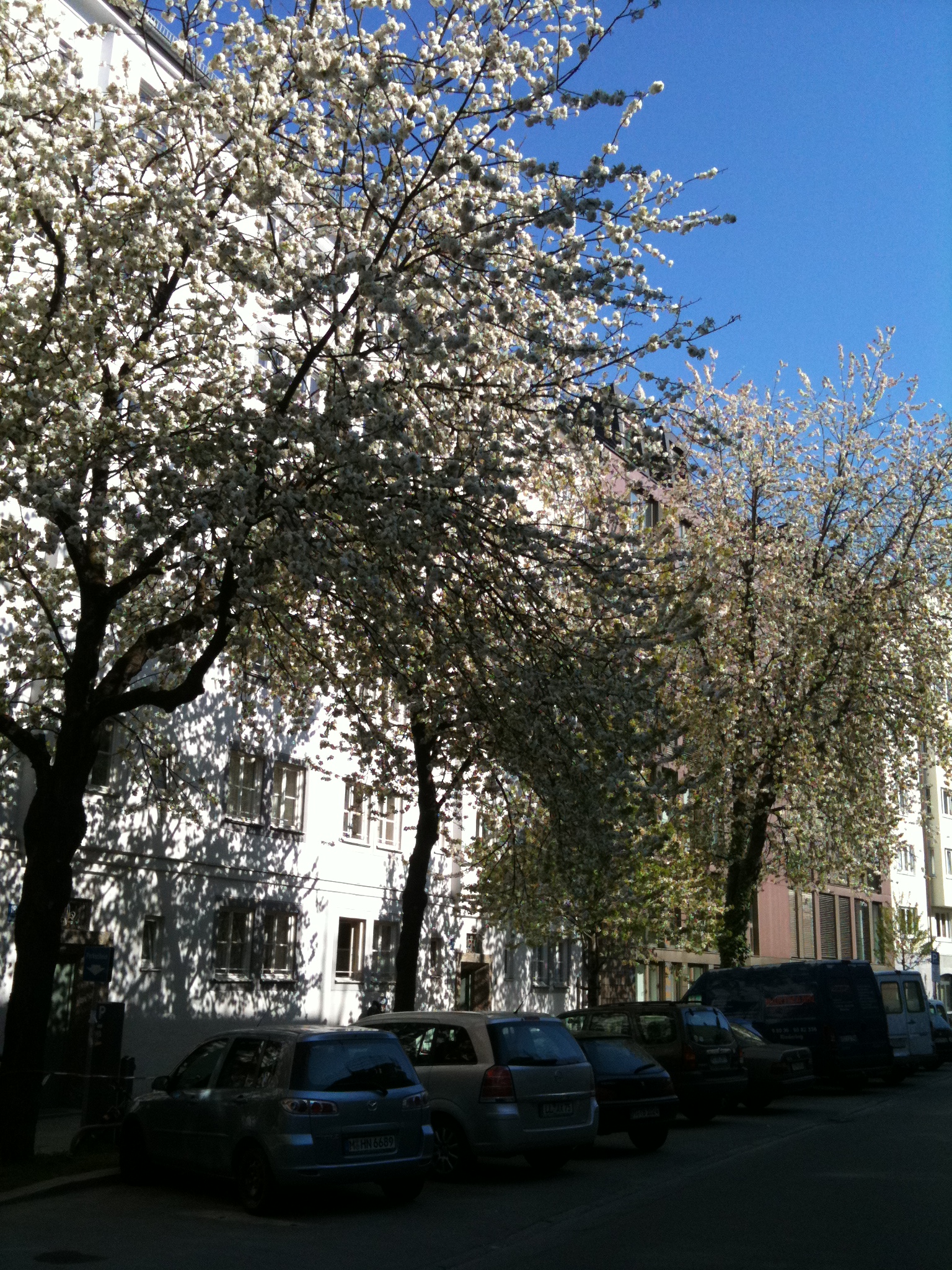
Light Watch 76: Beautiful daylight in Germany
Systematic design
Germany, 18th April 2011
In the aftermath of Milan, I am travelling through Germany these few days to enrich myself further on the latest lighting technologies by visiting some of the leading German lighting manufacturers who have lighting systems that set them apart from the pack. Today I visited Occhio who has set themselves apart by developing a very clear systematic lighting concept. As a lighting designer who originally graduated as an industrial designer, their systematic approach to design makes total sense. Building up your lighting systems from modular components is what Occhio stands for and lighting effects are at the origin of the product family range first.
To me lighting design is about conceptualising the lighting effects and the mood first, then see with which products you can achieve it. Unfortunately too many “lighting designers” start with the product first and then see what lighting effects they can create with it. In salesmen terms I am talking about application selling rather than product selling.
Once you select the lighting effects and moods with Occhio the products come automatically and that is what attracts me. The components are simple, you select the bracket or holder and you attached the optical head to it. A multitude of lenses and filters allow you to modify the lighting effects to suit and be creative. But what is more, the same components are used to build the complete family from floor based to ceiling based fixtures. Only 3 basic types of lamps are used, halogen, metal halide and LED, keeping it clean and simple.
The concept is unique and therefore a great tool to create a signature lighting design. The downside however is that it also has the risk of becoming repetitive and easily recognisable. Application of the system therefore needs to be done with thought and reason to avoid the design becoming common sight. Occhio however keeps on innovating forward while remaining loyal to its concept by gradually expanding the options to provide more components and more variety. Certainly worthy of the consideration of us lighting designers!
In Light Watch today the Occhio showroom, where the concept is there to see with your own “eyes” (Occhio means eye in Italian). Product installations allow you to play and get a feel of the different effects that can be achieved…well done!
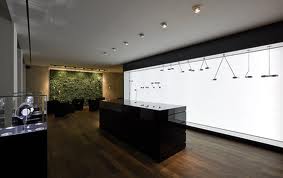
Light Watch 75: Part of the Occhio showroom in Munich
Euroluce
Milano, 15-16th April 2011
I have a confession to make…I had never been to Euroluce at the Fieri Milano before. I have raked up 12 visits or so to Hanover and Frankfurt’s Light & Build over the last 25 years, but never Milano. After my first day at the fair I think I did not miss too much… I do not mean it in a derogatory way, but the Milan fair is really about “decoration”, furniture and lighting. In lighting that means emphasis on the decorative side of lighting, floor, table lamps and decorative pendants, etc. Architectural lighting more happens as a side show. The fair grounds are certainly as big as Frankfurt but the lighting only takes up 4 halls.
All the big Italian players are represented of course, the Artemide’s, Foscarini’s, Fontenarte’s, Vibia’s, Flos, etc, but also the big leaders such as Zumtobel and Philips. These are basically the outstanding stands. Some of them using big name designers such as Philips Starck (FLOS) to design their new product ranges and lend credibility to the concepts. Using big name designers is quite a big trend nowadays. I must say there are some very clever concepts out there and specifically FLOS is making big efforts to integrate everyday living into their lighting designs. Decorative lights with Ipod docking / charging stations…? Yes, several concepts displayed have these…clever idea, don’t we all have an Iphone or Ipad in need for recharging all the time! Of course LED is integral to most developments as well but interestingly I still found many traditional halogen developments…old habits die hard I guess…
The use of Ipads for product information was also omni-present, specifically the Philips stand seemed to use heaps of them allowing the visitors to flip through the product info literally at the flick of a finger… Overall I was not over impressed with the fair…while I bumped into several colleagues in the lighting business; it does not have the same buzz and quality as Frankfurt. It is more a fair for interior designers and the like. I mean this from the perception of architectural lighting designers. I did get some creative stimuli…and that is really what these fairs are about. Not only to update yourself on what is new, but also to get inspired and network with your friends in the industry, after all the lighting community is a small world and we are mostly one big family and friends.
I am off to go enjoy another day at the fair and the delicious spring weather in Milano…Ciao!
In Light Watch a few mood pictures of the fair. Note that the Zumtobel stand is more a restaurant and bar…The picture I captured top right is the Zumtobel trattoria with freshly cut Parma ham 🙂 … What lighting?
.
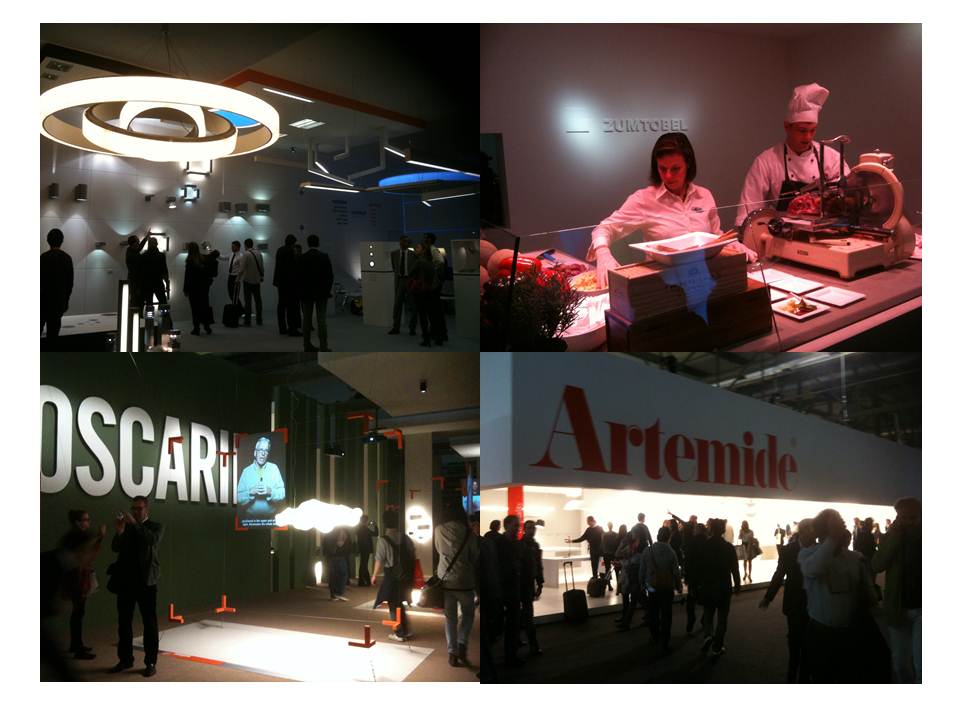
Light Watch 74: Mood pictures from Euroluce 2011
What is a good lighting design?
Singapore, 14th April 2011
Before I jet off to Milan to visit the Light Fair, I would like to round up my past days discussions on lighting design with a question about what constitutes a good lighting design…I am sure there are as many opinions on this issue as there are people. The question follows my blog yesterday about other peoples’ work. The thing with lighting design is that there is not one solution to a lighting problem. We are in the business of creating lighting solutions for architectural spaces and there are many ways to do it. Technically one light bulb in the middle of such space could constitute a solution, but is it a good lighting design?
It all depends on the brief and guidelines that apply to the required lighting solution, these generally come from the client but still leaves heaps of blanks to fill in by us…the experts in lighting solutions. That is where the lighting concept comes in. In the lighting concept we define the parameters and criteria within which we resolve our lighting design riddle…That means that unless we properly define these, our lighting design outcome will be left wanting…So a good design first of all depends on the quality of the lighting expertise defining the criteria and considerations to be applied to the lighting design. Part of the concept is research, understanding where your client comes from and understanding where your client wants to go to! You are the tour guide and a good tour guide knows how to get there!…
A lighting design (unless you purely create it for your own satisfaction) is not about satisfying your own ego, but about satisfying your client first, he is the one hiring you. In the process we should satisfy ourselves too, because we should always be proud of what we deliver. It’s our name and reputation that is involved. In the end success is measured by the satisfaction of your client in achieving the outcome he or she desired, isn’t it? But designers have an ego to satisfy too, so a good lighting design therefore is a design where both the client and yourself look back with great pride and satisfaction!
In Light Watch today I look ahead to visiting Italy, definitely a land where many lighting manufacturers were born. A country with a great sense of design and a very rich heritage. I am sure to go take a walk through the famous Galleria Vittorio Emanuele..
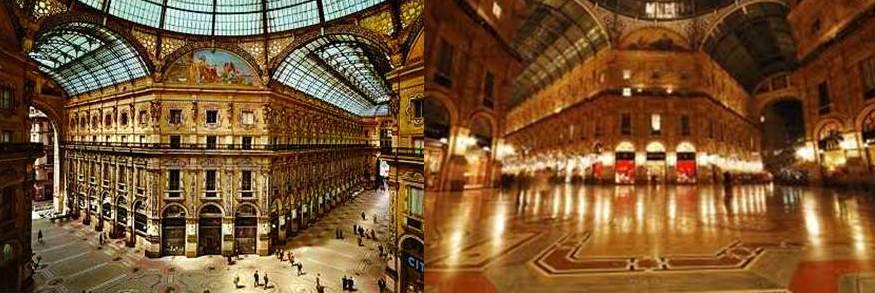
Light Watch 73: Milano, The Galleria day and night..
Other peoples work
Singapore, 13th April 2011
In our line of work we always come across work done by others and as always we have our own opinion on what or whether we like it or not. We all come from different back grounds with different cultural and social upbringing and life experiences. So we judge and compare what we see against that background. Today I have been working on (and judging) somebody else’s lighting design as we have been called in to help “rescue” the lighting design done by a colleague in the industry who for whatever reason has fallen out with the client.
One of the things I have learned in my long carrier in this business is that you can never judge or criticise somebody else’s work. Never judge a book by its cover as the saying goes. Generally we don’t know the history nor are we aware of the reasons or causes how things came about. In general the working relationship between lighting designer and client starts with the best of intentions to do the best possible job, but sometimes little things can grow to big issues and before you know it the rift escalates to an irreparable situation. I have found myself in similar situations in the past. Once it is broken it is often very difficult to fix it…
So re-doing someone else’s lighting design is in my opinion quite a sensitive and diplomatic affair, as there is no need or cause to criticise the previous design (however tempting it may look to make you look and feel better towards the client). The start to such project has to be to acknowledge the design as it is and look for key design considerations that will address the clients concern with the current lighting design.
Most designers have the “not-invented-here-syndrome”. In other words if not designed by them they are unlikely take ownership of someone else’s design if they are to re-do it and put their name to it. I am faced with a similar dilemma as I would definitely have approached the lighting concept in a different way. So the challenge for me now is, rather than throw everything in the bin and restart (probably the easiest way), find the good parts of the design and gradually rebuild from there….
In Light Watch an example of an historic existing building that was re-designed to meet todays’ modern expectations while preserving its heritage at the same time. It includes a great integration of modern day-lighting technology.
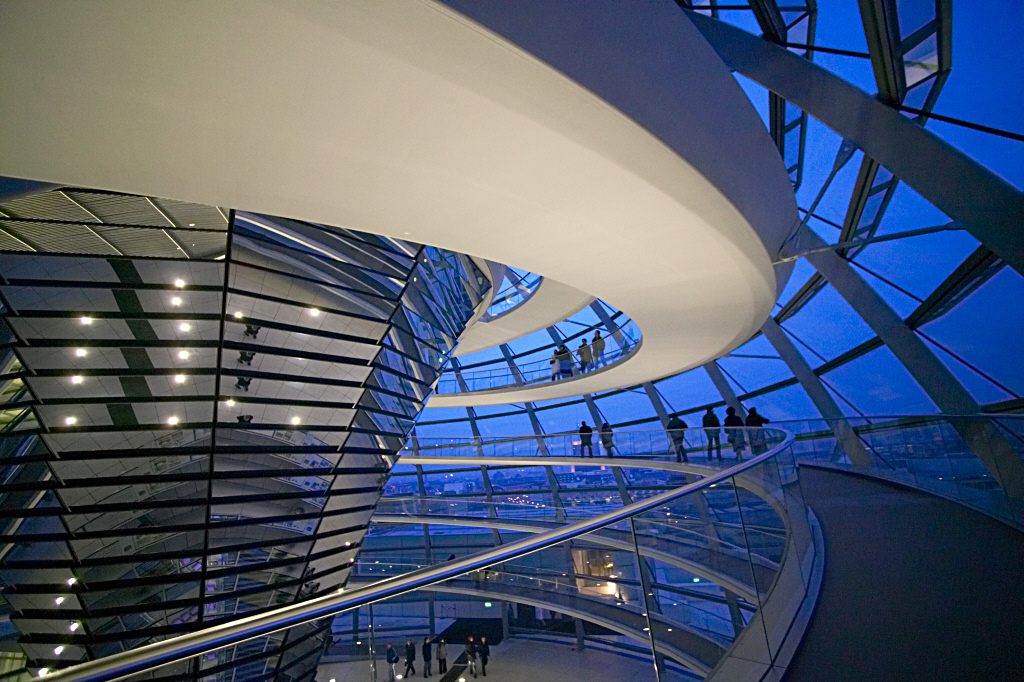
Light Watch 72: Reichstag Berlin
Holding back…or not
Singapore, 12th April 2011
The subject of today is about whether to submit work under the promise of getting paid rather than waiting to get paid before issuing your work. This is specifically an issue when somehow the client is difficult and finds any possible excuse in the book to hold back payments…I was discussing this topic earlier today with a colleague in the design industry as we all seem to face the same payment (or should I say collection) challenges.
Our work is basically intellectual property. Our commodity is time. For that we get paid a fee. I blogged about fees just a few blogs ago, but once you get on board a project, the next stage is to get paid! Most of the time getting your appointment fees or down payment is not too much of an issue as clients are eager for you to get started. But even getting the first payment sometimes is a hassle, specifically with big companies. Their so called legal department still needs to go through the small letters, but don’t worry, we will pay you as soon as possible, meanwhile please start…we have learned the hard way…don’t start until you get paid if that is the agreement!
But the same happens at later stages of work…you have finished your details but are still waiting to get paid for concept…do you issue or do you hold back…there is a fine line to thread…and somehow in this part of the world they are masters in this game (of not paying). Always excuses, delays…but meanwhile the site progresses and without your information they can’t proceed, so they blame you for the delays…It wouldn’t be the first time I have refused to issue a package because of non-payment. But at the same time it wouldn’t be the first time the client says, ok, no worries we’ll take it from here…leaving you out in the cold. To avoid the client accusing us of not having done the work (clever tactic), we issue them very low res pdf’s, just enough to see, but not enough to use…
Like with the fees it is a strategic decision on whether to hold back or move in good faith…
In Light Watch some comic relief as we need to keep the spirits up in our business…it is a picture that I have had for years. Originally used by an insurance company, I like to use it as an example of exaggeration when it comes to energy saving or even dramatic effects… applying a theatre lighting approach to a soccer match?
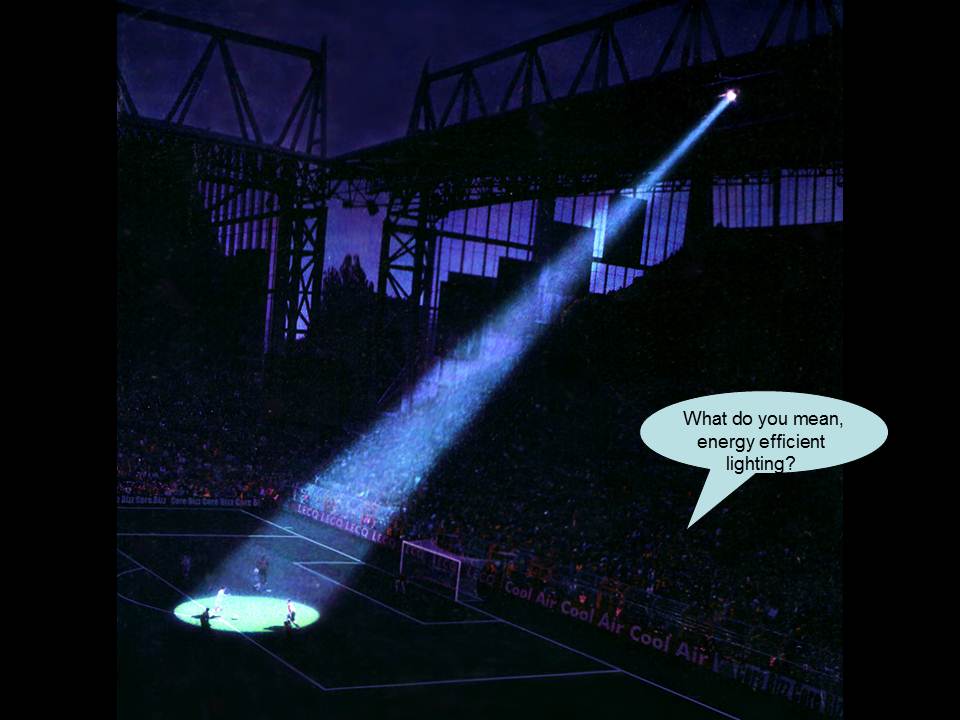
Light Watch 71: What do you mean… “energy efficient lighting”?
Back to basics
Singapore, 11th April 2011
You know… the most difficult thing to design is something simple. It sounds strange but we are somehow trained and focussed on designing for sophistication. When we only see one lighting point in a room we panic that we do not have enough light. We tend to over-design. Just a few weeks ago I spent overnight in a mock up room to experience the lighting design. I found that the indicator lights coming of the A/C panel and the light switches, was already so bright that my night light provision was nearly redundant. I recommended to re-look at the switches of course…
Having spent the weekend away for a break it was refreshing to see the simplicity of some lighting solutions in the resort I was staying, just basic stuff. LED lighting is still considered expensive so many of the solutions are based on conventional incandescent lamps which are available practically from every road side stall 🙂 . I sometimes wonder how these local supplies work…while we are talking new generation LED lights, way back down the line in the country side, incandescent lamps are still delivered by “camels” so to speak. From my Philips days I remember that a new product development generally takes about 2 years to reach the stores commercially. You can imagine how long it takes before it finally reaches the outposts of human habitat, no disrespect meant.
I remember one of my first hospitality projects in Lombok, Indonesia. We had specified the then brand new technology of compact fluorescent lighting, the Philips PL lamp. It was such a novelty, that lamps disappeared from the site within hours of installation! Never mind they could not operate the lamps without the ballast.
My point for the day is about simplicity and scaling back our sophisticated thinking…
In Light Watch an example of simple lighting design. Costs? A few dollars. Look around and find these clever environmental designs in your own surroundings. Please share your experiences if you have come across these simple solutions. A word of caution…electrical safety may not always be compliant to regulations, but I am talking about the general idea here. Notice in the picture below the incandescent mirror reflector lamp, in most big cities you can’t find these any more! A brilliant lamp!
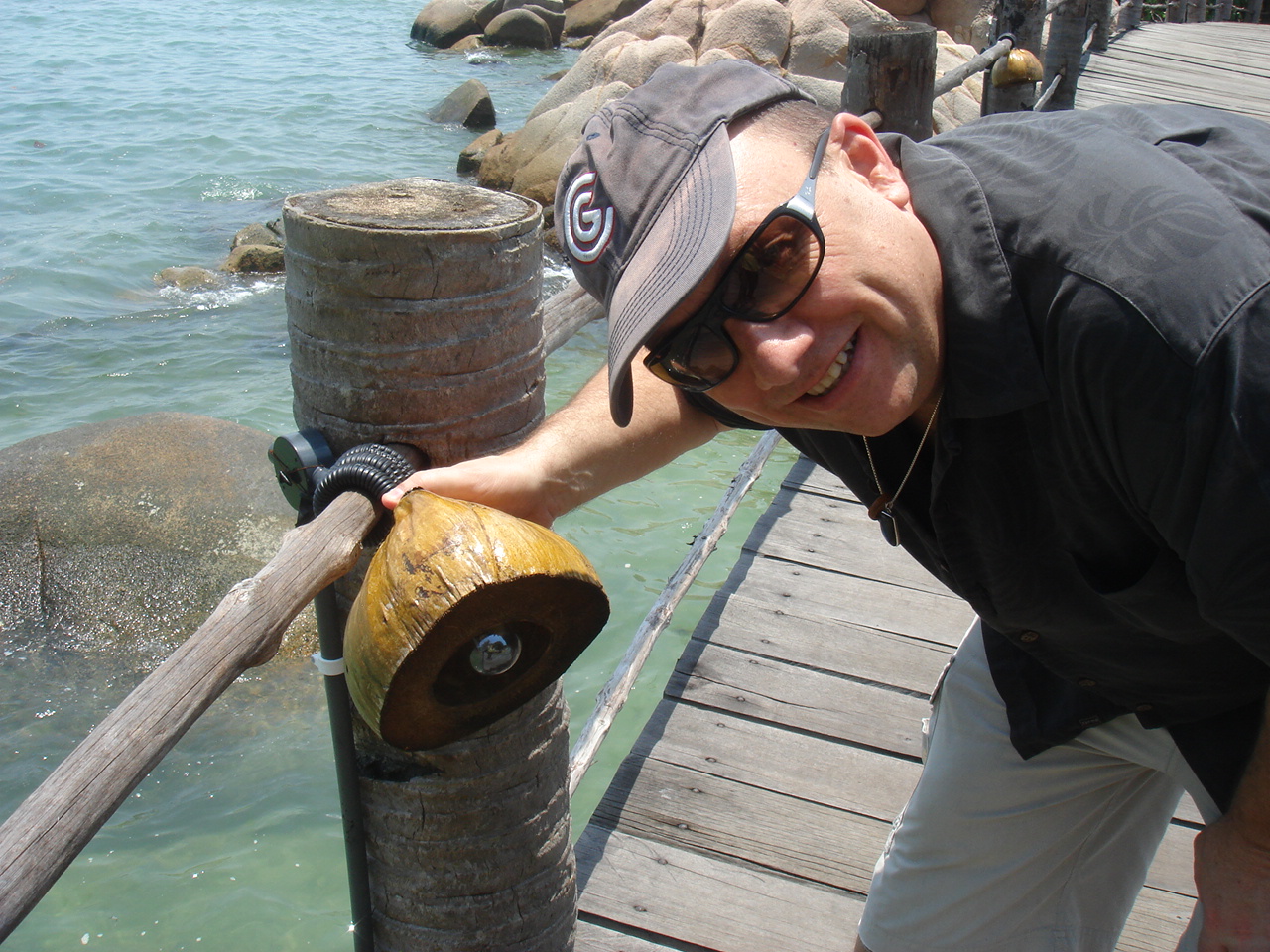
Light Watch 70: Sense and simplicity, a coconut light
what’s in our fees
Singapore, 8th April 2011
Doing fee proposals as I have mentioned on several occasions before is our life blood. As long as we keep doing fee proposals we are in the game. So I should be in a good mood as I have just completed my fourth proposal of the week! But I am a bit frustrated at the same time. One of my clients is negotiating my fees down to an extend where I have to say enough is enough. Now that I have put my personal name on the line with my new company Klaasen Lighting Design, more than ever I have to make sure I can deliver the goods within the scope and fees agreed. Engaging KLD at this stage means engaging me as a person, engaging my personal involvement and commitment to bring the project to a satisfactory end. Those clients working with me now, know what I mean with personal commitment.
It again comes down to the value of our services as perceived by our potential client. In many countries lighting design is still regarded as a service that is provided by engineers, suppliers often free of charge. With the lighting end results on top often mediocre it can be understood that appreciating the added value of “lighting design services” may not always exist.
In accepting a “lower” fee than you would reasonably do a few issues can play a role; the importance of the project reference for the future (spin off projects) and the potential repeat business with the same client. Doing a good job is imperative in any of the cases. Either you do it well or don’t do it. There is no winning in doing a job half way. Part of the process is educating the client, a constant factor in our work as far as I am concerned. This means sharing and communicating the process of lighting design.
I now need to make up my mind whether staying put with my fees or talking a little dip for the potential greater good…I will sleep on it over the weekend! Have a great weekend!
In Light Watch today a relaxing lighting tip…take a boat trip on the river in the cool breeze of the night. Many cities have a river running through it. Most of them offer night tours…a great way to see the city from an angle… and with lighting…Singapore, Amsterdam, Paris…
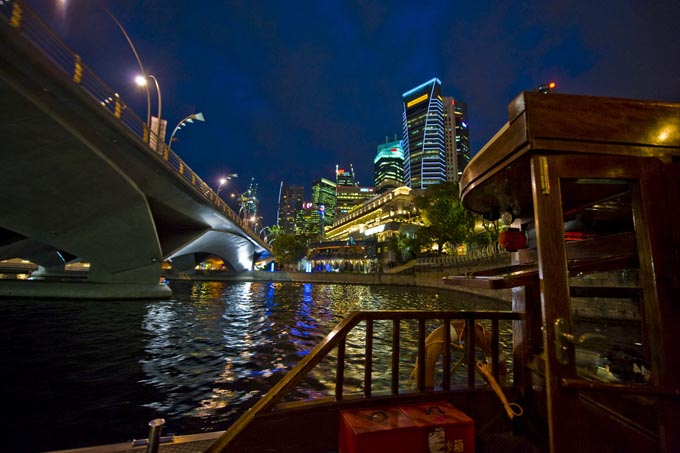
Light Watch 69: Singapore at night seen from the river
LED lighting for sports
Singapore, 7th April 2011
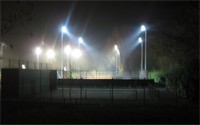
One of the projects I am currently involved with involves the re-lighting of a club’s tennis courts. The previous installation commissioned by a local supplier is very unsatisfactory with inconsistent lighting levels and glare. A quick assessment of the courts easily (at least to experienced eye) reveals the origin; too low poles, in-appropriate flood lights and aiming pattern. The sad thing is that the installation was commissioned less than 2 years ago. Why did it turn out this way? Simply because the club’s committee decided to ask lighting suppliers to help them. We all know what that means, a biased proposal (what lights do we have in our store), mostly driven by profits and often no real expertise about the actual applicable lighting standards. Most of the time the decisions are driven by the perception that they get “free” advise from the suppliers….but cheap buy often turns out to be expensive as is the case here!
We were recently approached for another such situation by a city council wanting to upgrade their communal sports lighting facility. After having approached several suppliers for quotes they got so confused the decided to call a lighting consultant. The three different suppliers had provided them with 3 totally different solutions at 3 totally different prices. The differences varying from just a few poles and floodlights to large quantities of poles and floodlights! Understandably creating a very confusing situation which is very difficult to assess if you are not an expert in lighting. Who do you listen too? Each supplier has their own “convincing” story. How to see the trees from the forest? It looks like the profession of lighting design consultant starts to get better known and appreciated which is shown by these clients contacting us for help!
In Light Watch today I would like to share some news I came across when working on these projects. A tennis club in Holland (Club Volley in Eindhoven) claims to have the world’s first LED floodlit tennis courts. The installation uses about half the energy while complying to all lighting level, uniformity standards and glare control requirements compared to conventional systems. What is more, the installation is dynamic and flexible. In other words it can be dimmed to various levels and can be responsive to actual court usage. I am considering the system for my project, but not sure if the budget will allow it… some education and salesmanship needed!
Light Watch 68: Club Volley in Eindhoven
Light up for Japan
Singapore, 6th April 2011
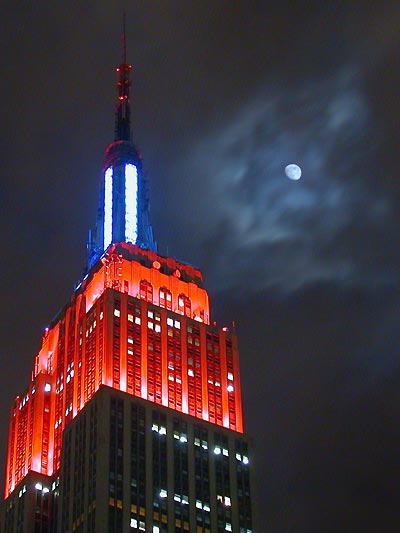
I read today about the initiative organised by the owners of the Empire State Building in New York. In support to Japan they approached a number of other world renowned sky scrapers to light up their building in the colours of the Japanese flag (red and white) to create more awareness of the plight of the Japanese following the devastating earthquake and tsunami that hit the northern part of the country. I think we have all seen the images….the nuclear crisis that followed has not made things easier. Even more it makes us really think whether we need this kind of power generation in the future. I am not a supporter of nuclear energy and what is happening now in Japan seems to support the thought that we should look at other more sustainable (and environmentally friendly) ways for our energy needs!
There is an irony to the initiative. While well meant, the initiative is one that requires energy(lighting up the building), while right now, to my understanding, one third of Japan’s energy has been cut because of the nuclear crisis. It is anticipated that nearly double the energy capacity will be needed this summer. Right now the Japanese exercise constraint like Japanese can, with most non-essential lights and energy consuming equipment switched of, a sort of Japan Earth Hour++. I am sure that this tragic event is going to influence our future way of thinking about lighting and the use of energy in general. We as lighting designers certainly should take this to heart. I know we all do it as part of our professional ethics, but this kind of tragedies somehow put our focus right back to the essential issues concerning energy and its use…read waste.
From m information the buildings around Asia that participated in the event held earlier in the week, were the Macau Tower, the Menara Kuala Lumpur, the Namsam Tower, Seoul, the CN Tower ,Toronto, the Olympic Tower, Montreal and the Sky Tower, Auckland.
In Light Watch today I guess it would be appropriate to high light one of the grand dames of sky-scraper world the Empire State building. I had the occasion to visit the building a couple of years ago. Of course no visit is complete for us without a night time visit to the top!
Light Watch 67: Empire State Building NY
 The long awaited book compilation of Martin's first year of blogging is available. Order now.
 Feedspot Top 100 Lighting Blogs