Jumping eyes closed
Singapore 20th July 2011
Next week I will be out in India (finally) starting the commissioning a hotel project I started designing about 4 years ago. It will be a one shot visit (at least that is what it looks like) to settle all lighting issues and program all the lights into mood settings in the process. The project has unfortunately run out of funds some time ago and it has hit the final completion of the project considerably over the last year, delays being one of them. Delays in supplies, delays in installation and simplifications along the
way to meet the limited funds available to finish the project. As I am writing this blog the dimming supplier is racing to complete the lighting controls in time for my arrival, electrical contractor is still installing light fittings!
I was last on site early this year but at the time the site looked like still many months to go with the majority of the lights yet to be
delivered or installed and everything on site slow going. With a renewed energy and some fresh funds the opening date has now been set for the 1st August but the foreign consultants have mostly been kept at bay, communicating only via internet or phone, but no physical presence on site (“cost saving”).
Though overall the site looks really nice at first sight we as designers are aware of how every detail should be, perfectionists as we are, and 100 times more critcal then the uninitiated hotel guest that will step into the property later on. But that is what we are about and why we are hired, to help achieve the best possible end result. It’s always in the details and being on site to make sure our design intent is met as closely as possible. Normally I know pretty much what I am in for but right now I feel like jumping in eyes closed!
In Light Watch I want to show how much design and reality sometimes can differ when budgets come into play. A few years ago
we designed the lighting for the renovation of the Marina Mandarin Hotel in Singapore. Below are the pictures of the original façade lighting proposal and the final realised façade lighting. The first with RGB color changing LEDs, then single T5 tubes to practically a bare front! Spot the difference? 🙂
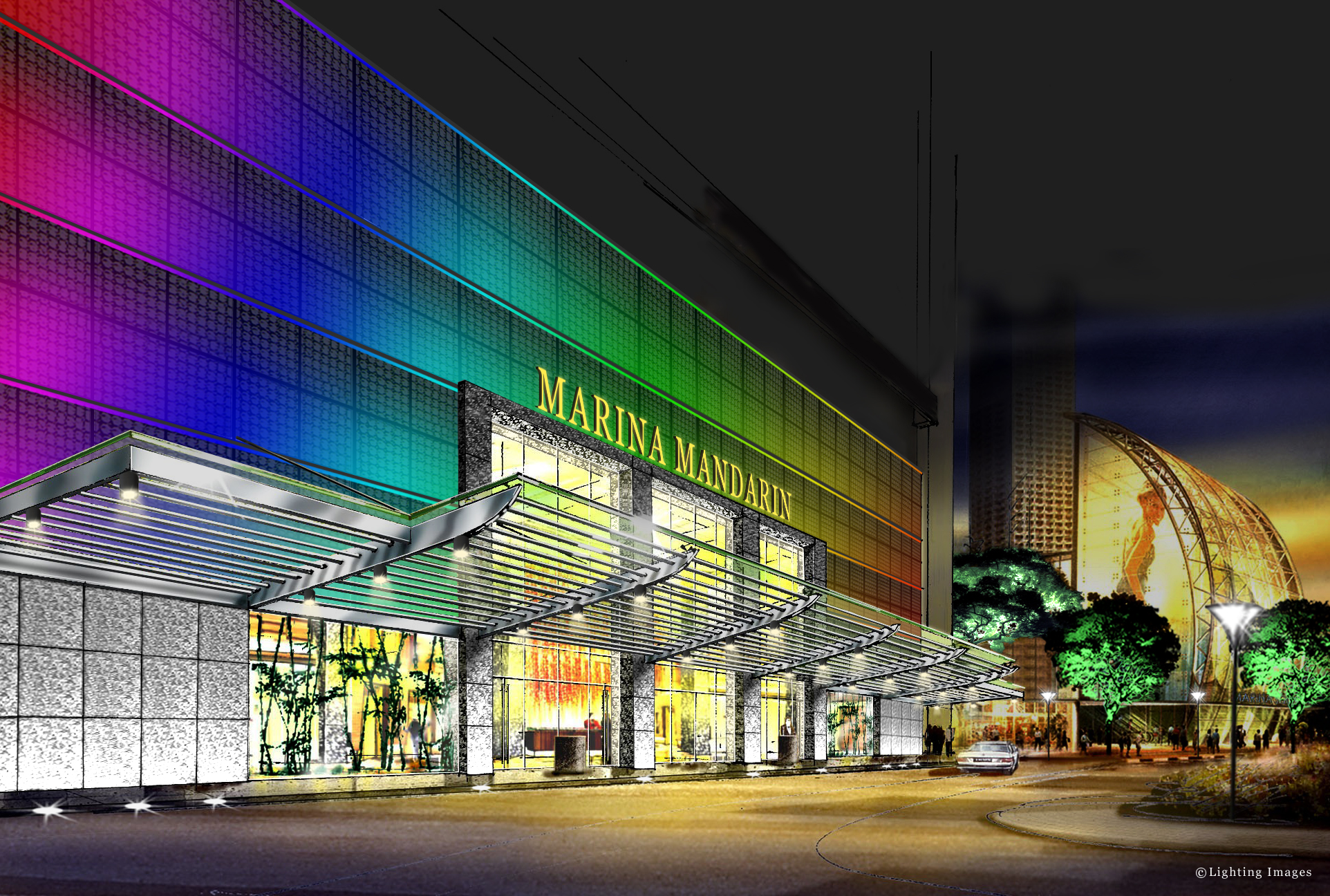
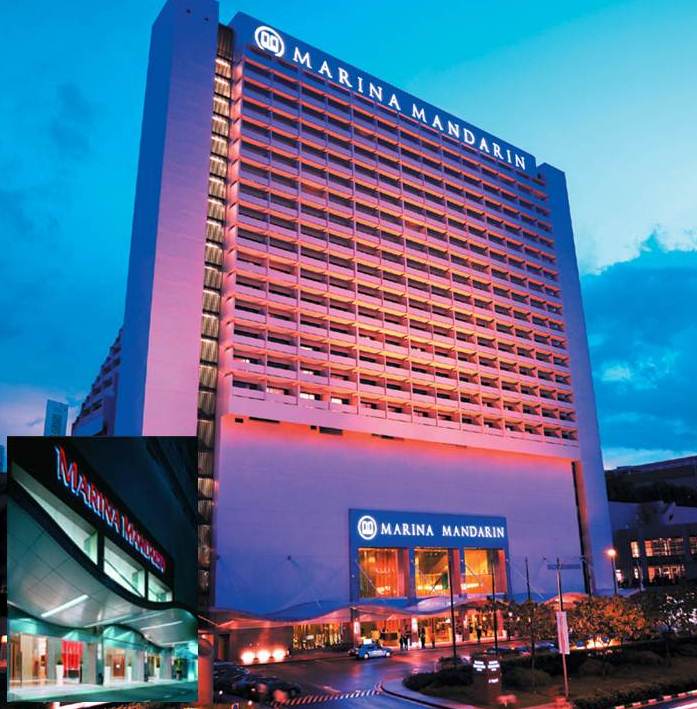
Light Watch 126: “From Ritches to Rags”
Made in Europe
Singapore 19th July 2011
I have touched on the origin of (lighting) products several times in my blogs. My thought today is triggered by a current story running in the news at the moment about a Singapore furniture retailer with its high end clientele through out the asia pacific region. The retailer apparently sells high end furniture judging from interviews with clients who claim having bought a $70,000 sofa and the like…what? I buy 2 decent cars for that amount! Anyhow the row has erupted over claims that the so called italian imported furniture was actually made in China. The twist being that it went “swimming” overseas first before it was re-imported back into China for about 10 times the price. Not sure how it was discovered but someone who paid big bucks for some furniture started to doubt its quality and w launched a complaint. Test then showed it was not the quality wood it was sold for, even worse it was found to have originated from a chinese factory. The credibility of the furniture company now of course has taken a very serious beating.
In lighting you can be sure the same happens. This world is a world revolving around money and greed and certainly in this region there are nearly daily stories to support that. The worst story I came across in my own projects many years back is a supplier who quoted for the lighting with the original specification (made in europe) but was later found out to deliver on site a local copy. It is one thing to substitute a light fitting with an “alternative” but it is another thing to have the substitute pass off as the original!! At
least pass on the savings to the client! I off course never worked with this supplier again.
This does not help the “china made” stigma when these things happens which is a shame as there is actually a lot of good products being manufactured in this region, China included. In fact many of the lighting products sold in europe are actually made in china under strict quality control!
In Light Watch today the other big renewable energy technology litterally taking a big flight too, the wind turbines. In my own native Holland a big wind turbine park is being built in the windy North Sea and collaborations between neighboring European
countries in the area look at building megawatt windturbine parks in the North Sea. Target is to get about 20% of the energy needs from wind energy by 2020!
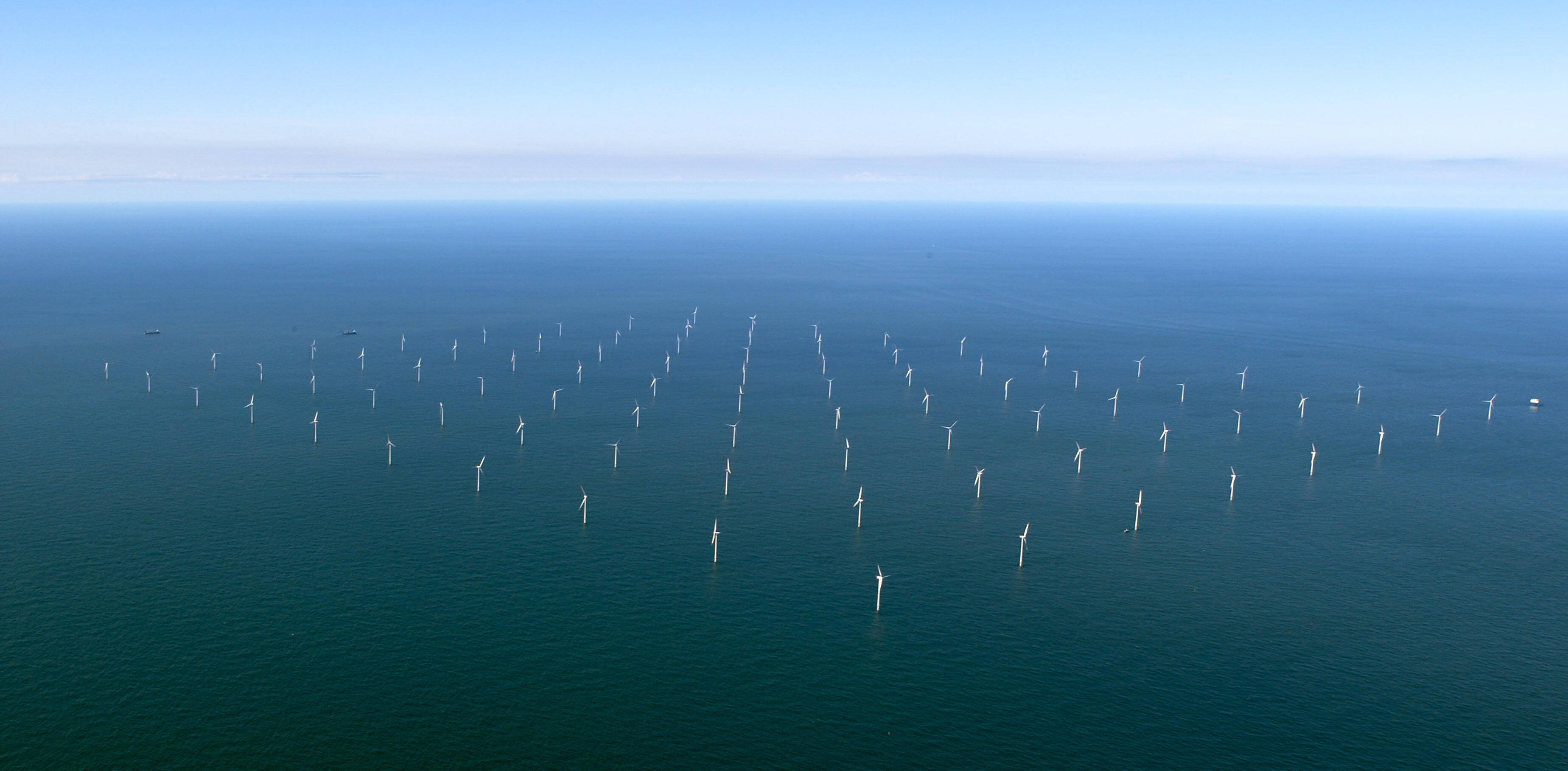
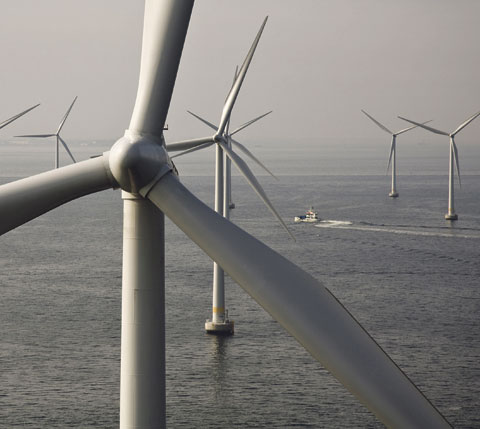
Light Watch 125: Wind turbines in the North Sea
Cross border challenges
Singapore 18th July 2011
Cross border occur nearly daily in our project activities, specifically our Singapore office, where we mostly handle projects in the Asia-Pacific region. A number of issues come into play. While english is the common business language, there is always that “lost in translation” issue. Today I received a near 30 page contract for one of our new china projects…in chinese of course. I have an appointment comfirmation for the project based on our (english) fee proposal, terms and conditions, but you will not be surprised that the chinese version is quite different. I now have to have it checked nearly word for word as it will become the legal document biding us with the client for the next 2 years or so.
The “cross border” challenges when it comes to the contract include things like legal status, responsibility, but also withholding taxes, tax residency certification for the company to avoid double taxation, exchange rate issues and so on. To get overseas payments some countries need to lodge complicated applications with governments national banks, apply with multiple documents in support to get the clearance for the overseas payment. No wonder sometimes people prefer to hand carry cash back rather then go through the hoops of the banking system.
Cross border challenges also occur when we select our light fittings. While we may specify internationally known brands, they are
represented in different countries by different agents and suppliers. Manufactured in country A, specified by the consultant in country B and delivered on site in country C. The representatives of the brands in countries B and C have generally their own arrangements with the head office in country A. Note that sometimes the headoffice of the brand may not ncessarily be in the
same country A. Many European lighting brands have manufacturing and or assembly facilities in Asia for instance. It is therefore not surprising we so often have cross border challenges to resolve.
In Light Watch today the enormous flight that solar systems are taking. In the French Alps of Haute Provence on the Plateau des Mees, a huge photovoltaic installation has started operation. The high altitude (cooler air) increases the efficiency of the solar
panels. Covering more than 36 ha with 79,000 modules it produces 26,000MWh it is part of a huge solar park of 200 ha that is slated for completion by end of 2011. Is this the future for our energy needs?

Light Watch 124: Plateau des Mees, French Alps
Copy right
Singapore 15th July 2011
The issue of copy right has been around since mankind. It pops up in many shapes and forms in our design business and specifically when it comes to intellectual property rights there is sometimes a fine line between “copy right” or “copy wrong” with a pun to the chinese who have been masters in copying. 🙂
Protecting your designs is not always a straight forward issue, certainly when you step into the corporate world. If you are salaried employee the company basically owns you and any idea you produce during your employment with that company. Eventhough the creative knowledge still resides with you and once you leave possibly no-one else has the expertise to reproduce your design or concept. In our contract with clients we generally state that all copyright remains with us with the understanding that the client has the licence to use all design material for the benefit of promoting the company and the project. However some clients insist that by hiring us our designs become their property and we would have to seek permission to use our own designs in the pursuit and promotion of our own work. So this becomes at times the subject of negotiations. I guess as long as the client pays there is a trade off, but a clause about the clients properly executing due payments is a crucial component of all contracts.
Using our past experience as a reference is common practice but with the copy rights sometimes housed with previous employers or corporations proper referencing is important to avoid any legal ramifications. Protecting our own designs against exploitation by others is something we easily overlook, not everyone is creative and innovative hence putting a price on such expertise and experience is not an easy thing.
In Light Watch today LED bionic eyes for the blind! On my way back from Europe I read an article on glasses with build in LED screens in the lenses and a camera that can reproduce images of what is ahead for sufferers of near blindness. The LED technology
with its super compactness and minimal energy use compbined with the latest mobile phone and gaming technology has been combined in an application truly capable of improving life for many. Not sure who has the intellectual property rights for this invention, but it seems to have been developped by researchers from the Oxford Univerity

Light watch 123: Bionic eyes
Back to work!
Singapore 14th July 2011
After a restful stay in Holland and France it’s back to work again! I know from experience that flying back to the east somehow creates more jetlag problems (for me) then the other way around. I had my first team meeting a few hours after landing, but went to catch some sleep after that. I did sleep on board during the 12 hour flight from Paris to Singapore but its not the bests of sleep. It will take me a 1-2 days to re-adjust…
Today is “Quatorze Juillet” (July 14th), the National Day of France and traditionally sees the Tour de France cycling race finsih with a big climb up a mountain. The arrival is in the Pyrenees city of Luz Ardien a bout 1700m above sea level. As I write the blog they are about half way the stage with the big climbs still to come. I have always been a great fan of the Tour even playing Tour games as a young kid. The Tour is a great metafor for endurance, patience and strategic thinking, something we as lighting designers need a lot! And to continue the similarities, it generally ends with great fireworks, a fight to be the first at the finish. Completion of the stage (read project) should give great satisfaction if you have been able to compete at your very best level and know that you gace it your all for the best result. Life as a designer is much the same, when we give it all we can and we complete the project with the best possible result we look back in satisfaction, even if we did not necessarily win.
Like in the Tour we have to build in a “rest day”, re-energise, take stock, plan ahead. Our holidays are crucial as to not burn out. Thanks to a great team we can do that. With some new projects under our belt I am ready to fire again… 🙂
In Light Watch today the fireworks, like all national days around the world it is celebrated with fireworks to mark the occasion. It is amazing how many national days there are around the world. There are now so many countries and autonomous regions that there is nearly a national day to celebrate each day of the year somewhere around the globe. Australia had it on the 26th January, Singapore will have it on the 9th August next. Fireworks is a big business, its is also magical to watch. Some websites offer live streaming of the firework events.
PS: I hope you like the new refreshed look of the blog 🙂
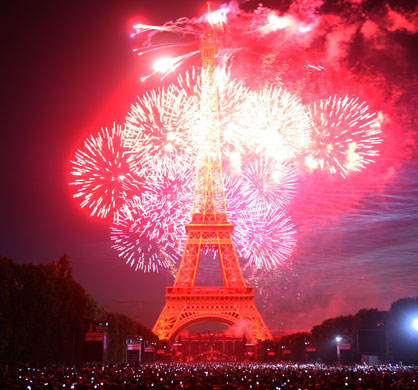
Light Watch 122: Fireworks in Paris on Bastille Day from www.parisperfect.com
Holidays
Singapore- Amsterdam 29th June 2011
On my way for a well deserved break! Going back to Europe to spent some time in Holland and France with my family, so this will be my last blog until I come back mid July. It has been a very interesting first 6 months of operation with KLD, which I started on the 1st January this year. How quickly the first half of the year has gone by, seems like yesterday. Never a dull moment! Started very low key with just me and a desk (J) but with a few existing project contracts in hand to complete and a few new ones to start on. Gradually as project demands grew staff started to arrive and right now we have grown back to a team of about 15. Most of them have been with me for a long time so we are a close nit “family”. Having staff that you trust and who know what is expected from them has been one of my greatest blessings in setting up KLD. I have spent years and years training my staff so I take this opportunity to express my gratitude for their continued support!
The transition to KLD has actually been very smooth eventhough initially I had no idea what I was getting myself into, it was a big leap of faith certainly after I had spent so many years building up Lighting Images. But it has proved me beyond doubt that clients deal with people, not companies, as many of my clients have remained loyal to me. In fact the transition to KLD has somehow ignited some new interest and excitement…
But we have not been without our setbacks. Without doubt the biggest one was the jailing of one of my biggest India clients. He became a victim of the 2G scandal that is rocking India and togeher with the former minister of communications ended up jailed indefinetely without bail option. As a result all the projects we were involved with (6!) bar one, have been put on hold which has seriously affected our cashflow. However the good news is that we have heaps of new projects coming up so we look forward to the second half of the years with excited anticipation! Speak soon!
In Light Watch today a picture of pitoresque Amsterdam which is my first stop. Take a tour through the canals in the summer evening and enjoy the characteristic architecture of Amsterdam!
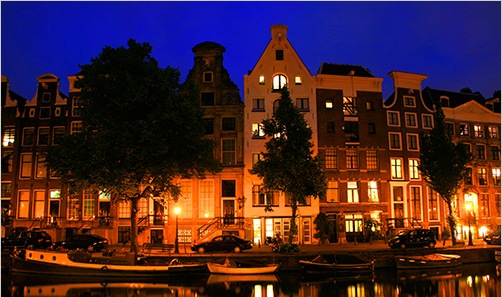
Light Watch 121: Amsterdam from the canals (pic from www.imagenature.com)
Dimming LED’s
Singapore 28th June 2011
It has been kind of a hot topic these last couple of weeks, the dimming of LED’s. Our first 100% LED project was launched today with a big advertorial in the local Straits Times newpaper. But it has been quite an educational ride, specifically when it coms to the dimming aspect of the LED’s. I blogged my frustration in an previous blog and it has been an ongoing story till today.
What did we learn? First of all that dimming LED as a stand alone system is much easier then dimming retrofit LED. Retro fit LEDs have the “driver” build into the lamp itself contrary to standalone systems where the “driver” is outside the system. In our case, for cost reasons, we opted for standard fittings with retrofit options except for the linear lighting. In other words we used standard halogen down lights but retrofitted with the latest (Philips) LED MR 16 master lamps. A few issues here…first the LED lamps are supposed to be able to retro fit directly onto conventional transformers, but as it turned out only very selected transformers actually work with LED. Only testing and manufacturers advise gave us guidance in which one to use. Secondly the dimming respnse curve for LED is different from halogen (not linear) so we had to play around to find the right balance and response. There is also a minimum level of dimming as below a certain level (10% for us) the occasional light start to flicker, not really nice.
All decorative items such as pendants were fitted out with the latest 3W LED candle lamps. Contrary to the halogen LED retrofits these operate on direct mains voltage and as we found out the dimming modules need roughly about 40W minimum in the circuit to properly dim. Our pendants had only about 18 to 24W LED load in them and the result was noticable humming. Not really nice…so we had to find ways to increase the load through some creative thinking. But considering that the whole idea is to minimise energy, it is somehow ironic that we need to resort to increasing the electrical loads to compensate and allow proper dimming…
In Light Watch today some self promotion. Man Fu Yuan Restaurant in Singapore’s iconic Intercontinental Hotel was officially opened today after a complete make over. A couple of months design and installation work finally found its culmination in the grand opening. More to follow as the rest of the hotel continues on its renovation path. Meanwhile the restaurant is a first 100% LED restaurant within the IHG group. The warmwhite light however does not reveal that as the overall ambiance feels just like the good old halogen days.
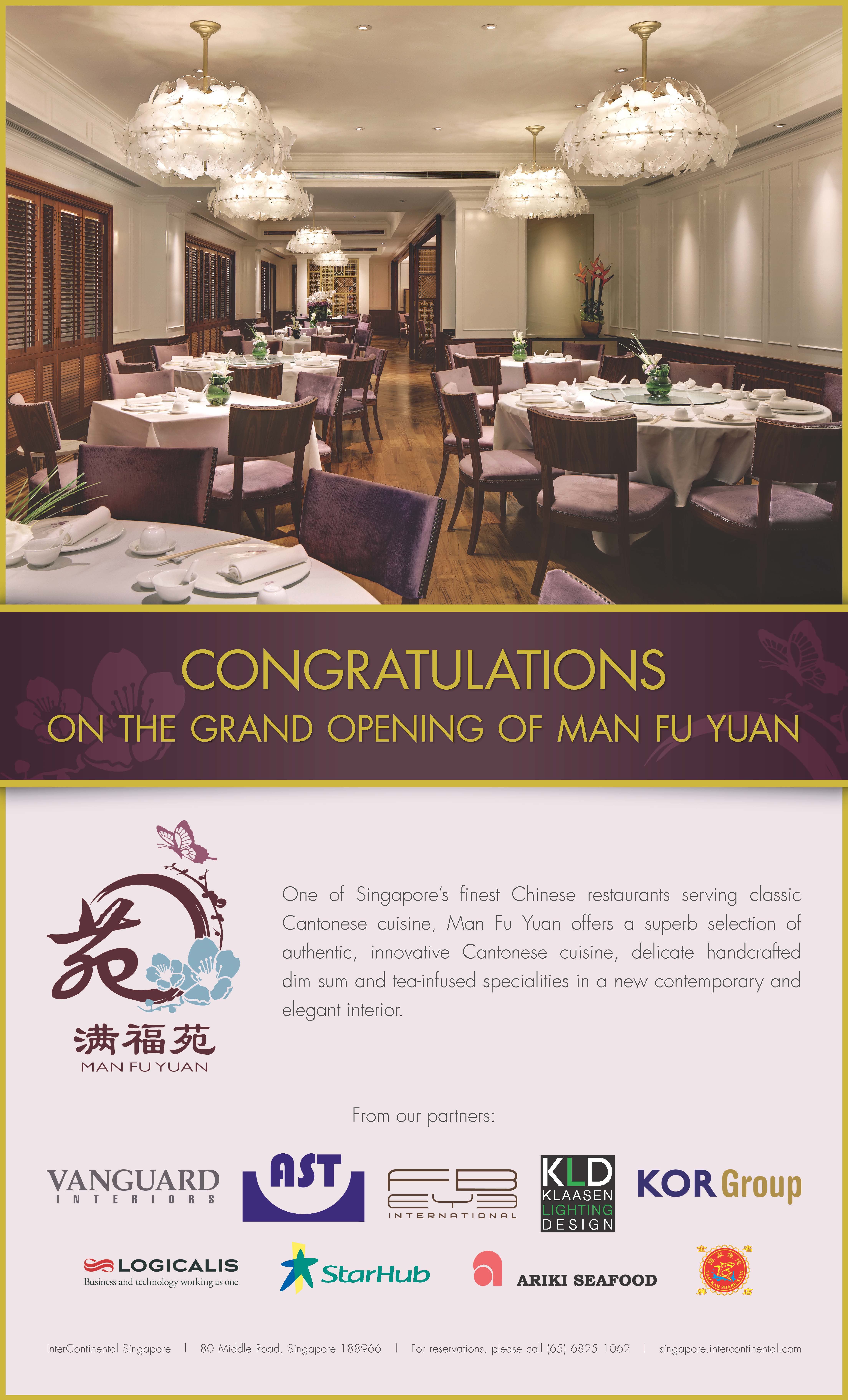
Light Watch 120: Man Fu Yuan Restaurant
Face Blog Twit
Singapore 27th June 2011
Nowadays if you are not into blogging, facebook, twitter, linkedin, msnchat, skype and a couple of other of those applications you are seen as being from a distant past. My son a bit less, but my two daughters, certanly the youngest one, are so into all these social sites that it makes me feel old and nearly retarded…of course I am not really, its just that I have only been adapting these “ways of life” as I go along while these kids grow up with it and surfing the net is an integral part of school, daily life and social communication. It just seems to come to them naturally while we, the older generation, have more difficulty in getting our hands around it. Specifically when it does not work! If all functions well, ok, but figuring out how to set up, trouble shoot and use all the features is a different ball game all together.
I probably sound old fashioned…As it is I am already happy that I can manage my email account, know how to skype and upload my blog everyday. Lately I have been “surfing” around a bit to look how other people use their blog. Some daily bloggers are really good with lots of info and nice pictures, but then it is likely they spent hours behind their computer, while I generally only spent about half an hour on my blog.
Having said that I am planning to revamp the blog site to hopefully make it a bit more attractive, modern looking and organised. I will be on leave soon and away for nearly 2 weeks so I will have some time to think about it :). Anyone out there with suggestions on how I can improve my blog please let me know, I am open for suggestions!
In Light Watch today an example of an artist that you can find when surfing the net and checking out peoples blog and links! The artist is called Tokujin Yoshioka. He does some amazing things and lighting is defintely part of his conceptual creations and thinking. The link below leads to his website and more precisely to an amazing video of an installation he did for Hermes in Tokyo which combines technology and imagination. Have a look at it and all his other stuff as well: www.tokujin.com/en/space/souffle/
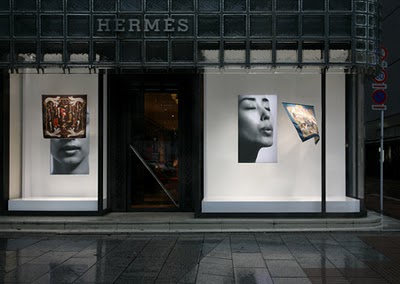
Light Watch 119: Tokujin Yoshioka, Hermes Tohyo
Lights in winter
Singapore 24th June 2011
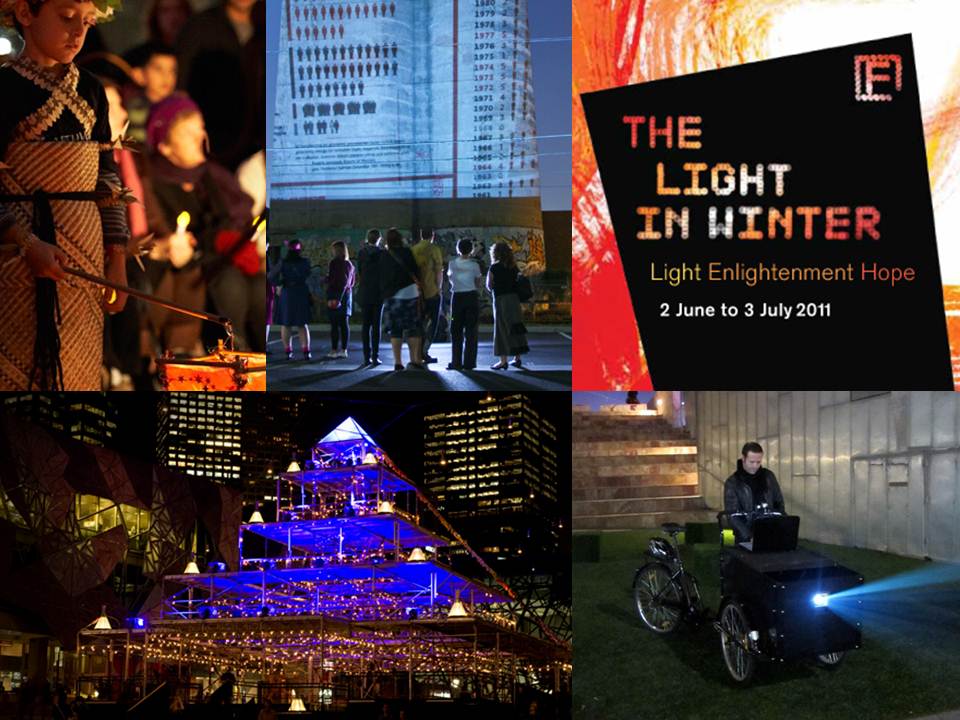
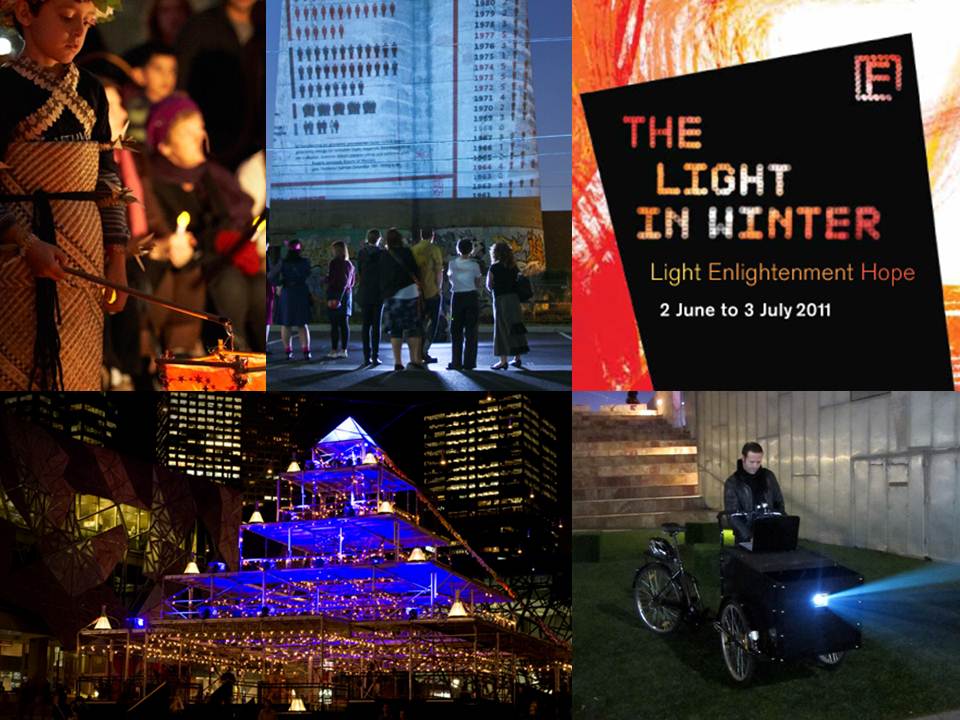
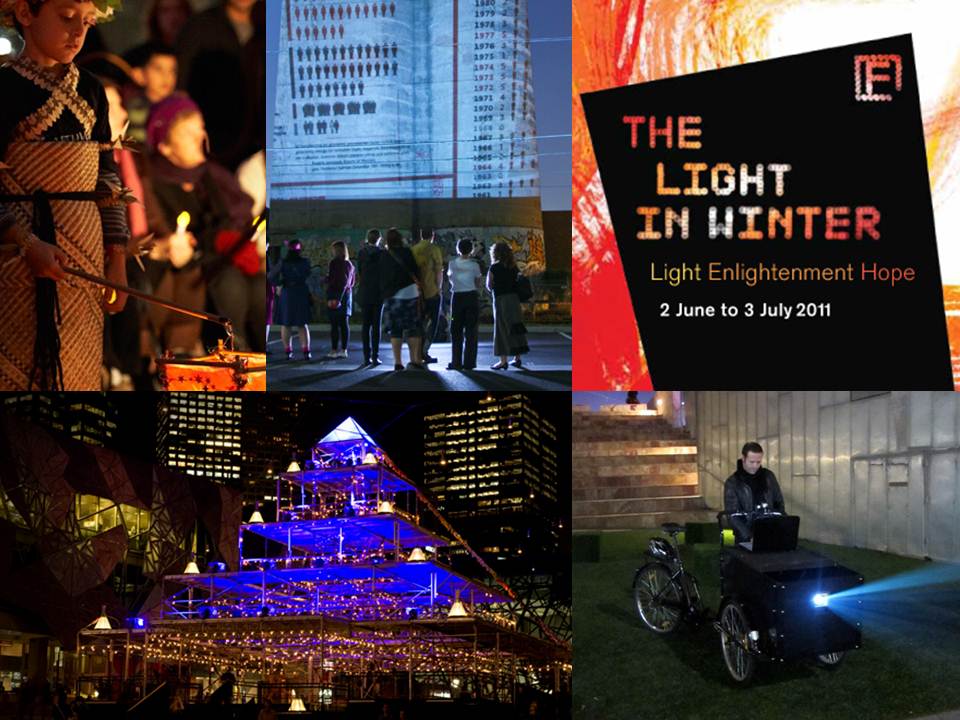
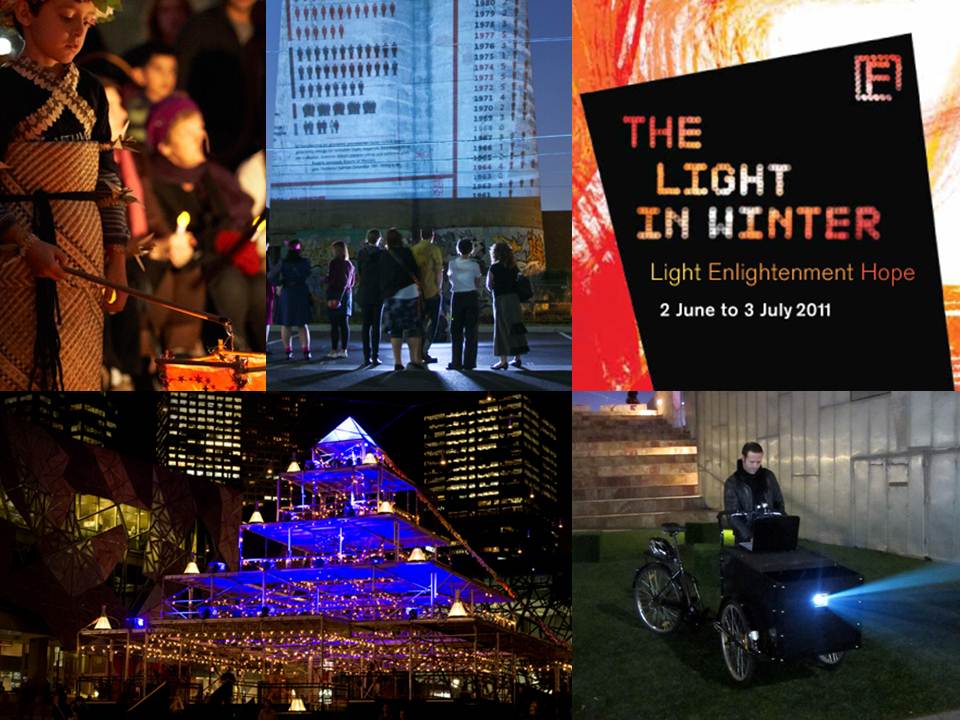
To end the week a little story about Melbourne’s Lights in Winter an annual event organised in June and July for Federartion Square. Similar to events like Vivid Sydney earlier last month and I-Light Singapore late last year. Melbourne lights up from 2nd June to 3rd July in what is seen as warm light in a cold winter and coincides with the winter solstice celebration (shortest day in the southern hemisphere). While last years theme
was the sun, this years theme is fire.
It seems these festivals of light are becoming more and more popular as a tourist attraction and nearly a must have nowadays for any self respecting major city. Having said that there is also a growing scope for small towns to use lighting events to boost their international reputation as proven by events such as in Alingsas, Sweden and Goa, India.
More and more people start celebrating light as a medium of expression, not only as a medium of construction. Art versus engineered. My main day to day work is the architectural part of lighting where lighting is a functional and emotional building block in the creation of a living, working or social space. These events bring out the creative and imaginative side in people, allowing to sit, wonder and dream. We all need escapes from reality at times and wandering around at night enjoying some magical effects just tickles our imagination and allows us to step out from our busy and sometimes stressful lives for a little moment.
I participated as an artist in the I-Light Marina Bay in Singapore and truly enjoyed that side step. I learned a lot from that experience as I am sure others did as well. But we should not forget that at the core of all this these events should promote sustainability, support local manufacture and produce and most of all promote the benefits of good (lighting) design to the public in general. The educational aspect of these event should always be one of the underlying drivers. In the end we all want to achieve a better and sustaibable world to live in! If any of my readers has or is going to visit the event please feedback your thoughts and experiences!
In Light Watch today pictures of the Light in Winter event as downloaded from their website www.fedsquare.com/thelightinwinter , have a look for more information about the event.
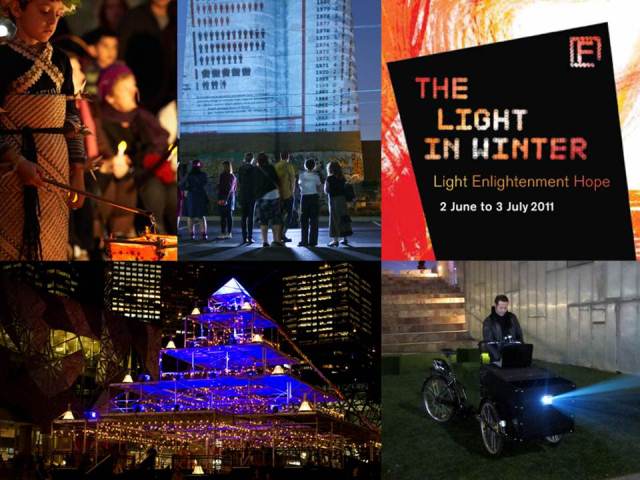
Light Watch 117: Lights in Winter Melbourne
History
 The long awaited book compilation of Martin's first year of blogging is available. Order now.
 Feedspot Top 100 Lighting Blogs