
Bonding
Singapore 19th August 2011
Another “bonding” session with some friends and potential clients made it rather late last night, hence my delayed entry for yesterday. It is often said that you get your jobs through who you know, not necessarily what you know. It is a shame but unfortunately that is how life works. People like to work with people they know, I am the same. It gives a level of trust and comfort as you can easily communicate and pick up the phone to resolve any issues. But as I am getting older and my health of prime importance, drink binging, girls and late nights are not necessarily the wisest thing to do. Been there, done that, but it should not be the standard for being “accepted”. I am sure many of my colleagues in the business have encountered situations where they had to participate in “bonding” sessions as to not offend the host or client. It is at times a fine line and you need to know your own limits. Having said that I enjoyed last night… 🙂
One of my first encounters of such a session now more than 20 years ago, was in Taiwan, the first time I got introduced to karaoke. Having played in a band in my student years I thought I was up to it, but up there it felt like a big embarrassment. Not to my client and host though, who had a ball of a time and had great fun at my expense. I was suddenly their hero…know that before that we had a dinner where alcohol had flowed more than generously. Till today I don’t know how I survived, but the next morning my host offered me a bottle of his own home made brandy as a token of appreciation. Like I needed more alcohol! But the gesture
was a big token of his the respect that I had earned from him. We worked together for many years.
PS: Following up on yesterday’s note regarding the Philips blog, I got a friendly call from Philips in Holland (thanks Matt) eacting on my query to clarify that it has never been the intention to copy or compete with my Light Talk blog and that it happened without any mal intent. They will look into the matter and advise if they can change the name to avoid any conflicts…
In Light Watch today one of the iconic bars in Singapore, the Long Bar at the Raffles Hotel. One of my first projects in the region
together with Bent Severin the Interior designers. Still standing the test of time…
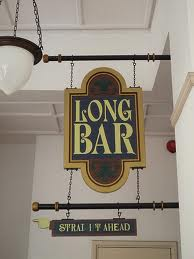


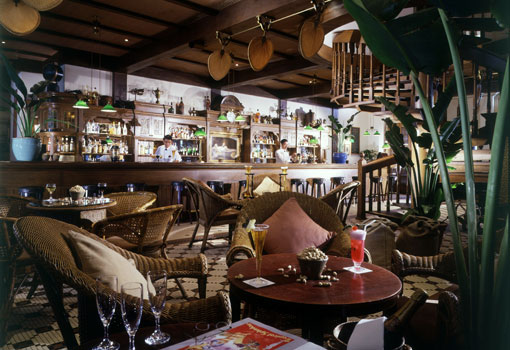
Light Watch 146: The Long Bar, the place for your Singapore Sling or Tiger Beer
Google Lighting?
Singapore 18th August 2011
We are undoubtedly emerged already in what will be the future of communication. Mobile phones, tablets, blogs, social networking sites… I feel rather old fashioned as I struggle to keep up with all these I-phone apps, Facebook friends, Google searches, Linkedin links, Twitter tweets, blogs and so on. Mega companies like Google, Apple, Facebook and Amazon are racing head to become the kings and queens of this digital age. This morning’s newspaper featured an article about it and noted how these companies from so different backgrounds and origins are gradually merging towards each-others core technologies. I blogged about lighting becoming potentially the carrier of data for the future…help, we are in the middle of it!
But you have to go with the times if you don’t want to be left alone, so we have recently embarked on a more aggressive pursuit of embracing these networks and technologies (rather than fighting it!). Once you start surfing the net, it is quite amazing how many people, groups, social links and forums are actively talking into blogosphere about lighting. I have been doing it now for nearly 2 years on a daily basis on a shoestring time schedule, but major companies like Philips and others have whole publishing and marketing teams devoted to it and can actively draw on their own people as well as the brands pulling power in general. Once you get into this it is like you enter another dimension in life, one that can so totally absorb you that you wonder how to get back on earth to actually do some lighting design work! I know it is part of our lives now but if you ask me I’d rather go for a walk and enjoy nature and sunshine!
PS: On another note, in my search for links and interesting lighting sites I stumbled on the Philips Lighting Community site which features a blog called…yes, Light Talk!…from the site it can be seen that it only came into life a year ago, well after I started my blog in 2009…That is a shame as my blog is featured as part of the PLD magazines website and has become a daily read for many. This is the one and only Light Talk! Guess I should be honoured 🙁
In Light Watch today just another example that the big boys in communication are gradually getting into our lighting profession as well! Just recently Google unveiled an LED light that can be controled by ther Android system. The lamp has simply a wireless radio transmitter build in which allows for the data communication. What’s next?
See one of the links at: http://inhabitat.com/google-unveils-brilliant-android-controlled-led-light-bulb/
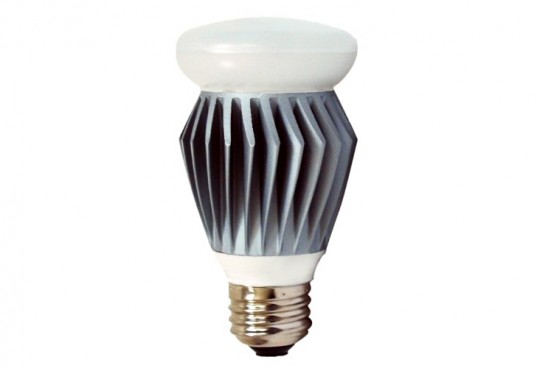
Light Watch 145: Google controlled LED lamp
Sleep box
Singapore 17th August 2011
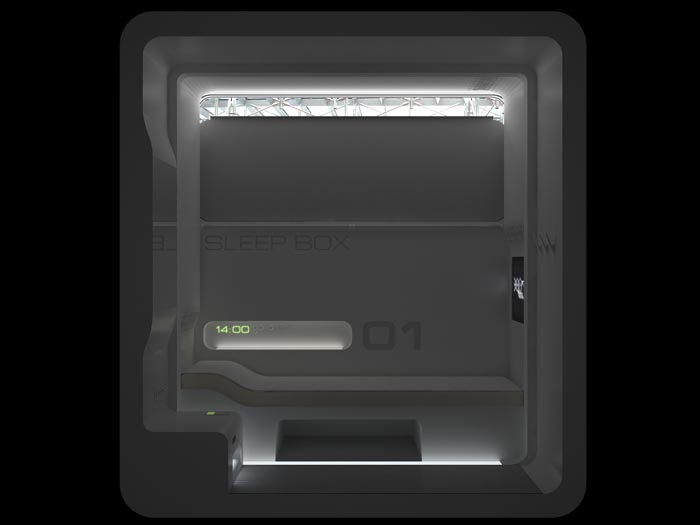
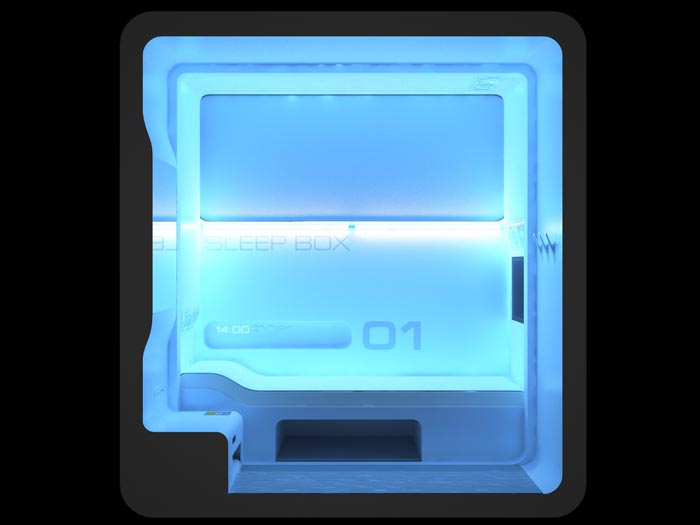
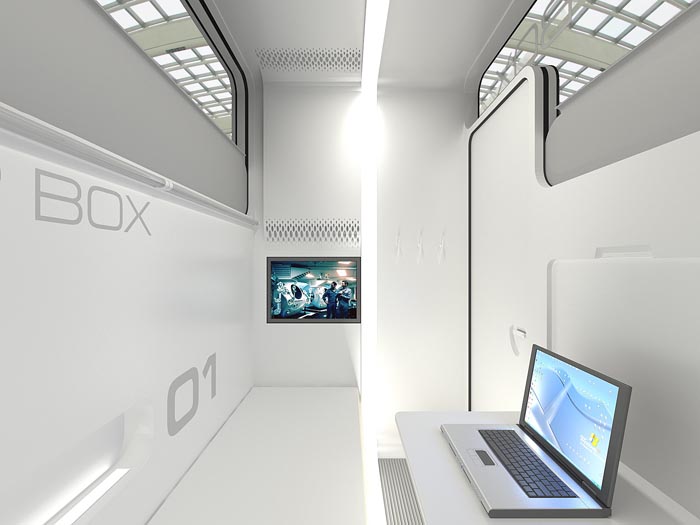
There are so many creative souls on this planet, it is not surprising something new and clever is being designed all the time. Yesterday I came across a new concept called the Sleep Box, for people who want to take a quick nap but don’t really have time or wish to go to a hotel. We live in a busy society and travelling from A to B or being on the “run” is one of the major pass times in our lives. Understanding that people get tired and have time to kill at airports, railway stations, convention/ expo centres and the like, the concept of this Sleep Box was born, a small cubicle, less than 3m2, with all the basic necessities. While the bed is the main element it has all the extra facilities that one may need, including Wi-Fi, TV and so on. I assume the cabin is near sound proof.
But what intrigued me most, as there is little reference other than some photo’s on the designers website, is the lighting. There seem to have been some good thoughts about lighting as I noticed different lighting modes. The cabin has large daylight openings at the top allowing daylight as well as privacy. However the natural light component can be totally shut off leaving the artificial lighting (I assume LED) to do the job. Therefore energy wise it can be a big wattage consumer. There is a mode for general lighting, cleverly integrated and a mode for night lighting, with an easily understandable control panel. It does not mention but I would assume that a dimming function to personalise the lighting levels is an option. Interestingly the website shows an option for UV lighting (tanning?).
A very clever concept certainly in regards to lighting. It is probably a small step to develop some “jetlag” and “health” menu’s where people can be advised on how to use light for holistic purposes. Would love to check out one…well done!
In Light Watch the link to the website of the designers, the Arch Group from Russia; http://www.arch-group.org/portfolio/diz/1/ the website shows several application photographs of which some lighting related ones are reproduced here. Recommend to watch the YouTube video of the whole concept which is also featured on the website.
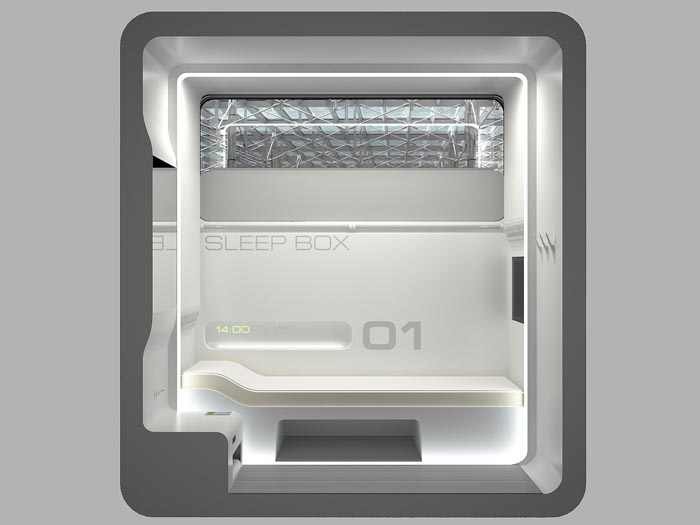
Light Watch 144: The Sleep box lighting modes
LED data communication
Singapore 16th August 2011
One of the things that has not stopped amazing me is the continuous technological developments in the lighting industry ever since I started my career now 30 years back. In my early days we had the 40mm fluorescent tubes, a couple of incandescent lamps including the good old PAR reflector lamp and a few gas discharge lamps like mercury vapour, sodium and a bit of metal halide, all old technology. Over the years these technologies improved dramatically (tri-fosfor, high frequency, compact fluorescent, white sodium, new generation metal halide, halogen, ec) and new technologies such as induction, fiber optic and the last couple of years the incredible developments with LED lighting.
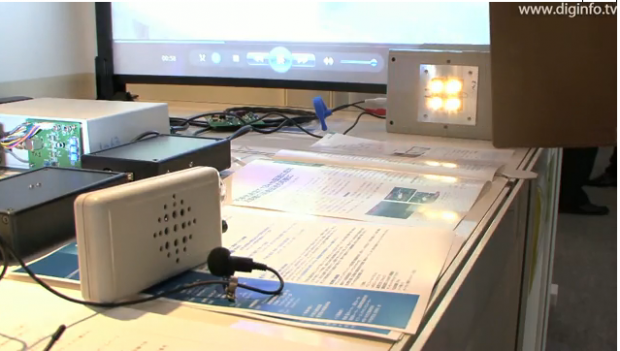
Now something new is about to hit us if we can believe Harald Haas, a professor in digital communication teaching and researching simultanously in universities in Edinburgh, Scotland and Bremen, Germany. Research in these universities has focussed around white light communication and infrared technology respectively. One of the key technologies he has been researching is LED data transfer technology! Basically using light as the medium to transfer data. Using light in itself to transmit data is nothing new (fiber optic cables!) but using visible light (something we use in our everyday life) to communicate is. By inserting tiny transceivers in an LED light bulb, the light beam can be used to transfer data. Considering that there are many billions of light bulbs installed all over the world, this technology potentially opens up data transfer opportunities exponentially
compared to the wireless technology we are accustomed to now. The technology can work on direct as well as reflective light which overcomes one of the main hurdles of obstacles obstructing a light beam. The technology would also work very well under water.
While the potential to surf the internet through LED lighting opens up a new world, it is not difficult to see how we can use that within our lighting designs as well. Think lighting controls and the combination with our mobile phones and the various apps that can be developped to directly interact with any light source equipped with the technology. Data communication between lamps can also be “wireless”. Very interesting developments and it just shows how technologies slowly merge…look at what happened with mobile phones and the internet. Now this looks like merging with lighting!
In Light Watch the link to some websites with video’s that explain more about the technology. Check out the video on: . http://www.ted.com/talks/harald_haas_wireless_data_from_every_light_bulb.html and a write up on Deutsche Welle on: http://futurenow.dw-world.de/english/2011/02/02/led-data-transmission/. Further web search also produces a Japanese company promoting the technology in a video, see the site at: http://techcrunch.com/2010/06/23/video-system-for-data-transmission-via-visible-light/.
Light Watch 143: LED visible light communication
Lighting Design
Singapore 15th August 2011
My blogs are all directly or indirectly related to my world of lighting and lighting design, but I do not always blog directly about the
process of actually designing…the creative component of our profession. I am blessed with a great team, but when it comes to the actual creative process I can see that there is a level insecurity, a lack of confidence to express the creative thoughts they actually have. Feeling confident about designing is a matter of experience, but also a matter of inspiration. I need to make sure there is no “fear” in expressing creative thoughts, no matter how outrageous the ideas may be.
Many designers limit their expression of creativity by putting up barriers and all kind of negative thoughts basically torpedoing the
design process. Too expensive, too difficult to maintain, too difficult to install or realise and so on. The core of designing is really not to feel limited at all. But at the base of the creative process there needs to be a design brief, an assessment of the project, its architectural opportunities, lighting effects opportunities and so on. It all goes into a mix (your brain) and out comes that magic moment of creation, that idea, that concept that somehow will materialise into a conceptual story that will be the lighting design.
The whole process needs a freedom of operation first before it be brought back to earth into a feasible and realistic lighting concept. But then what is realistic or feasible. Designers are there to push the envelope of possibilities, innovate and think out of the box. Today I spent some time with my team designing…finding that creative edge that will make the project stand out against run of the mill copy designs. Because really if you look around most “designers” copy and paste so to speak. Re-using concepts is certainly part of a creative process but it’s the creativity in reformatting some ideas in a new packaging or really using ideas in a totally new applications that will make the difference.
In Light Watch today just some out of the box ideas…taken from the website “spoonfeddesigns.com” these are some unusual lamp designs .
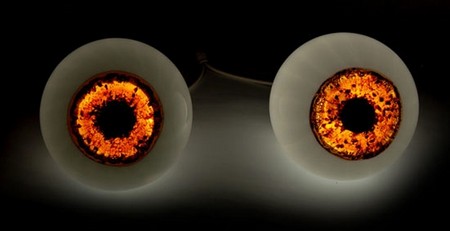
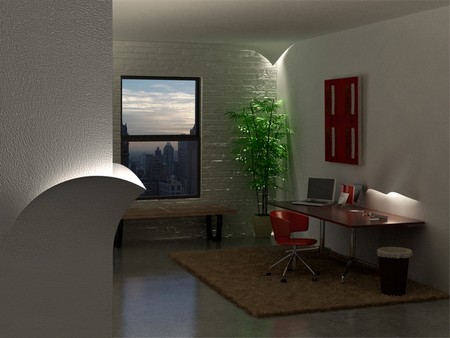
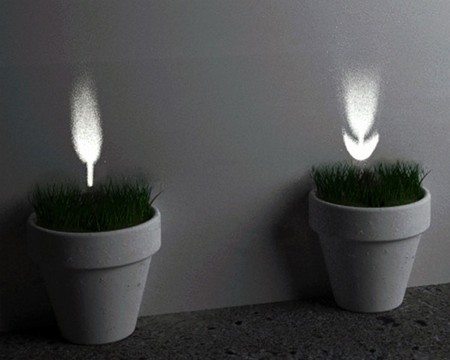
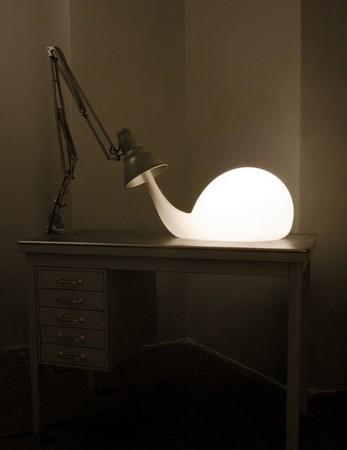
Light Watch 142: Creativity
Australia
Albany-Perth, 12-13th August 2011
“Hey I know you! You are that guy from the news paper!” the cab driver told me on the way to Albany Airport for my flight back to Perth. Albany is a relatively small country town with only about 35,000+ inhabitants or so and its two local papers the “Albany Advertiser” and the “Week-ender” are the “must –read” papers for the locals I found out. It is a small community and every-one knows every body and everything that is happening. I had my little moment of fame…
But I love Australia and right now (with what is happening in the world, the economy, the riots, etc) it is properly the best place to be! Travelling around the world the way I do I guess I have some authority to compare and have an opinion and to me Australia is the place to live. It is organised it is safe, it is (economically) stable. Note I say live not necessarily work. Certainly in my profession as lighting designer Australia does not offer the same project opportunities as the fast developping countries like China, India and so on. So I end up “living” here but “working” overseas, but operating from Australia really balances life for me.
My trip to the Southern Region showed me again the huge contrast between Australia and overseas. First the people density…there are in the whole of Australia about as much people as in Shanghai, China alone, about 20+ million people! Can you believe it? And Australia is nearly as big as China! There are people up North with there next door neighbours living 500 km away!
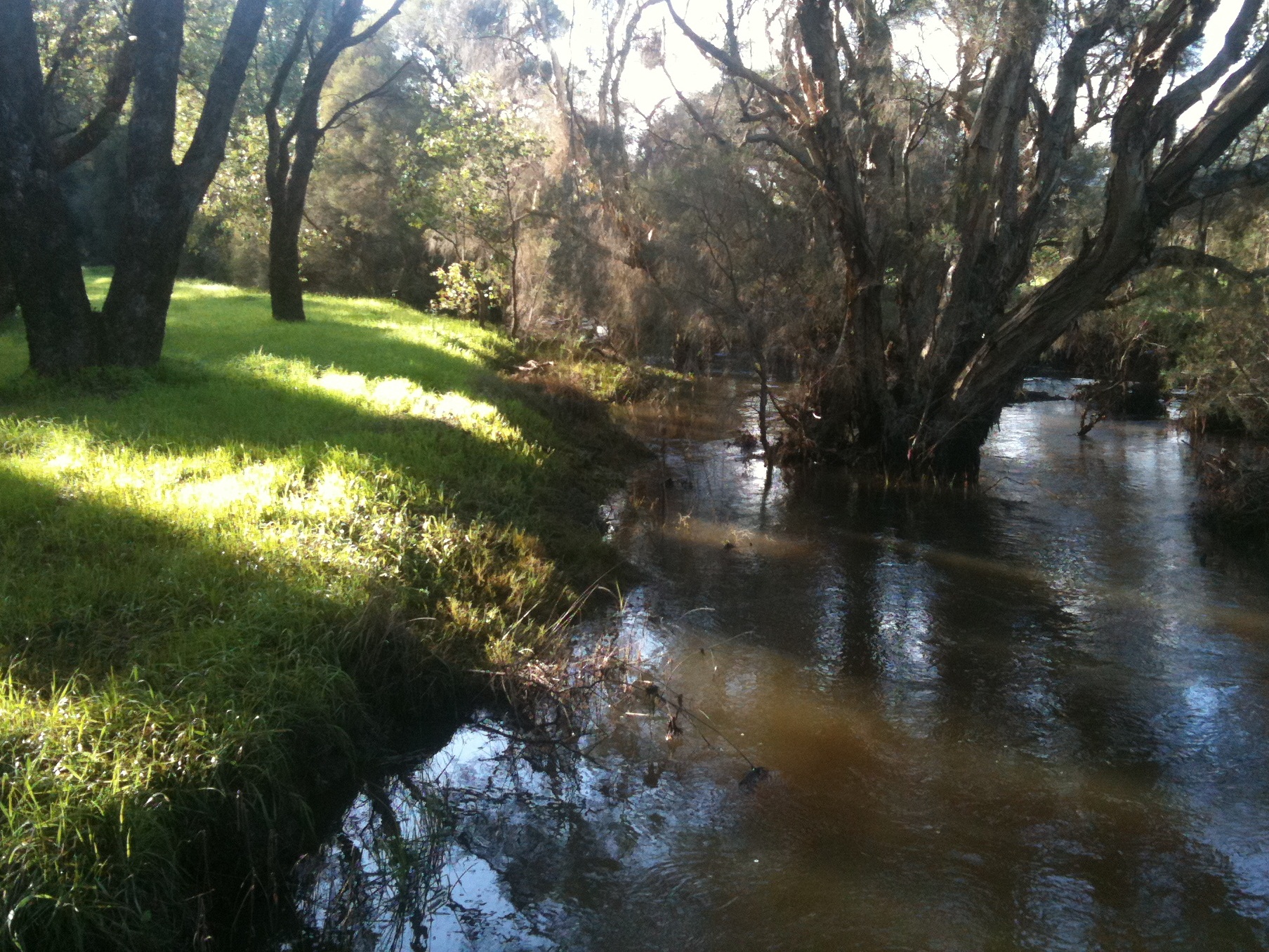
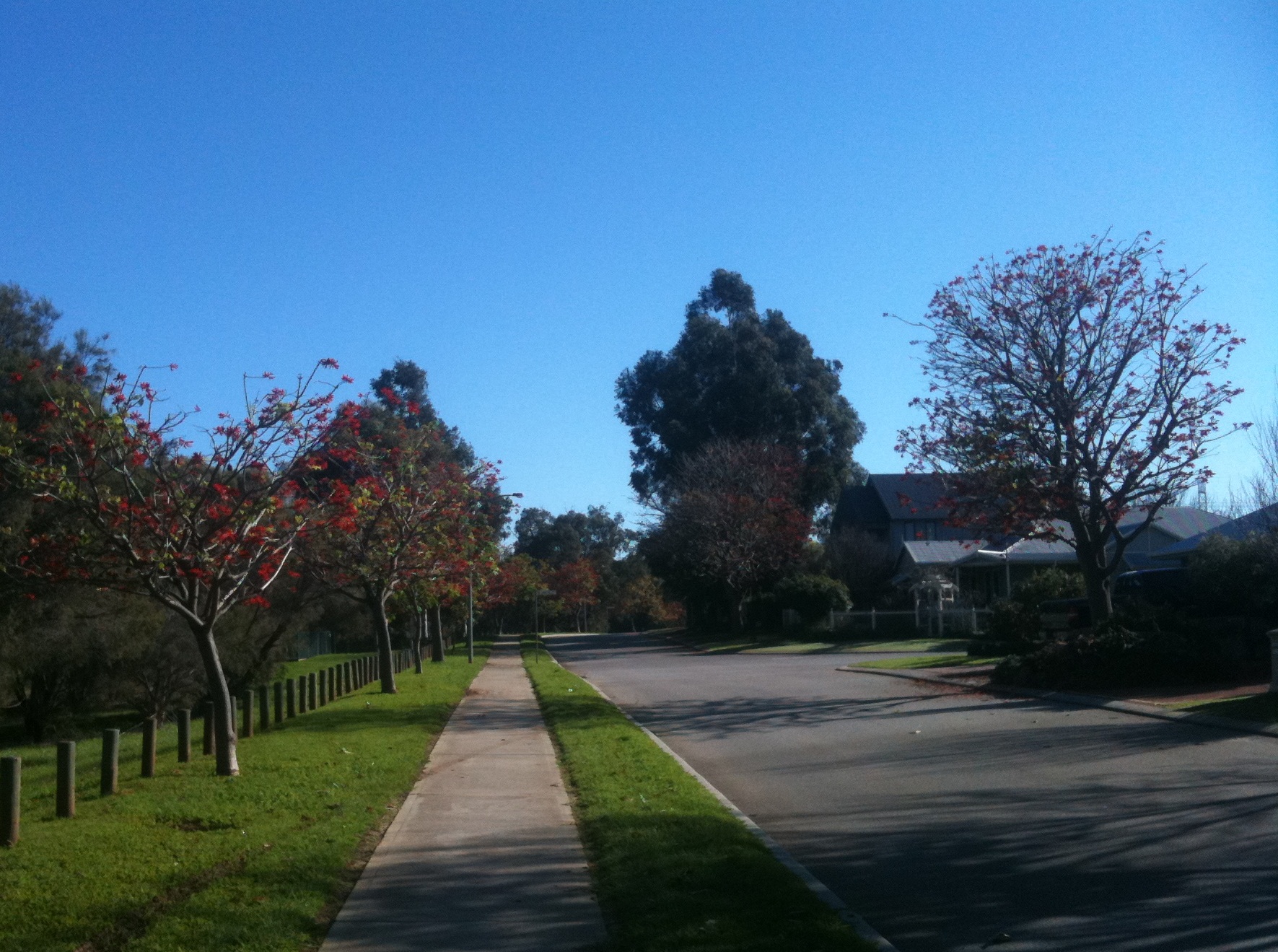
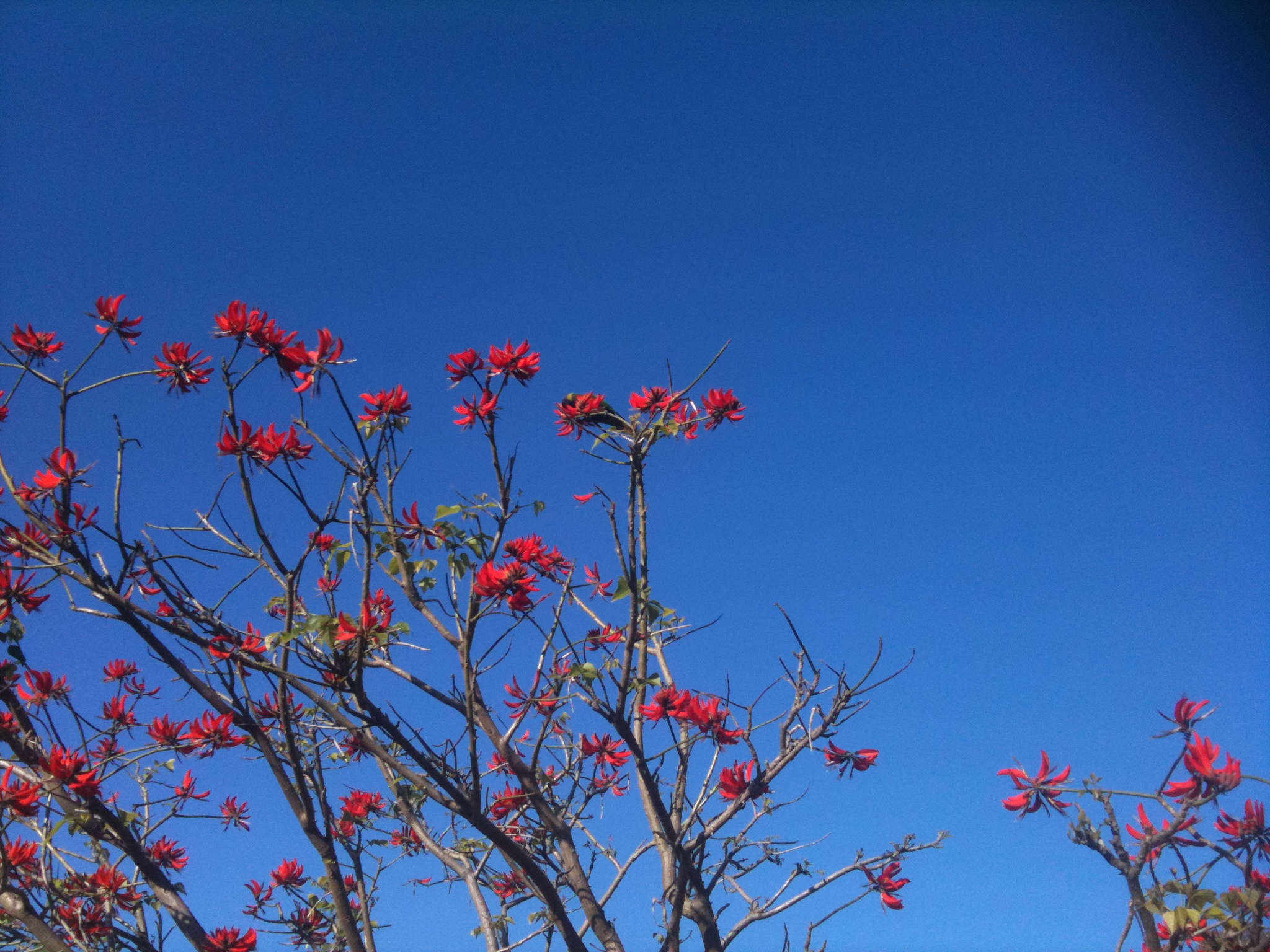
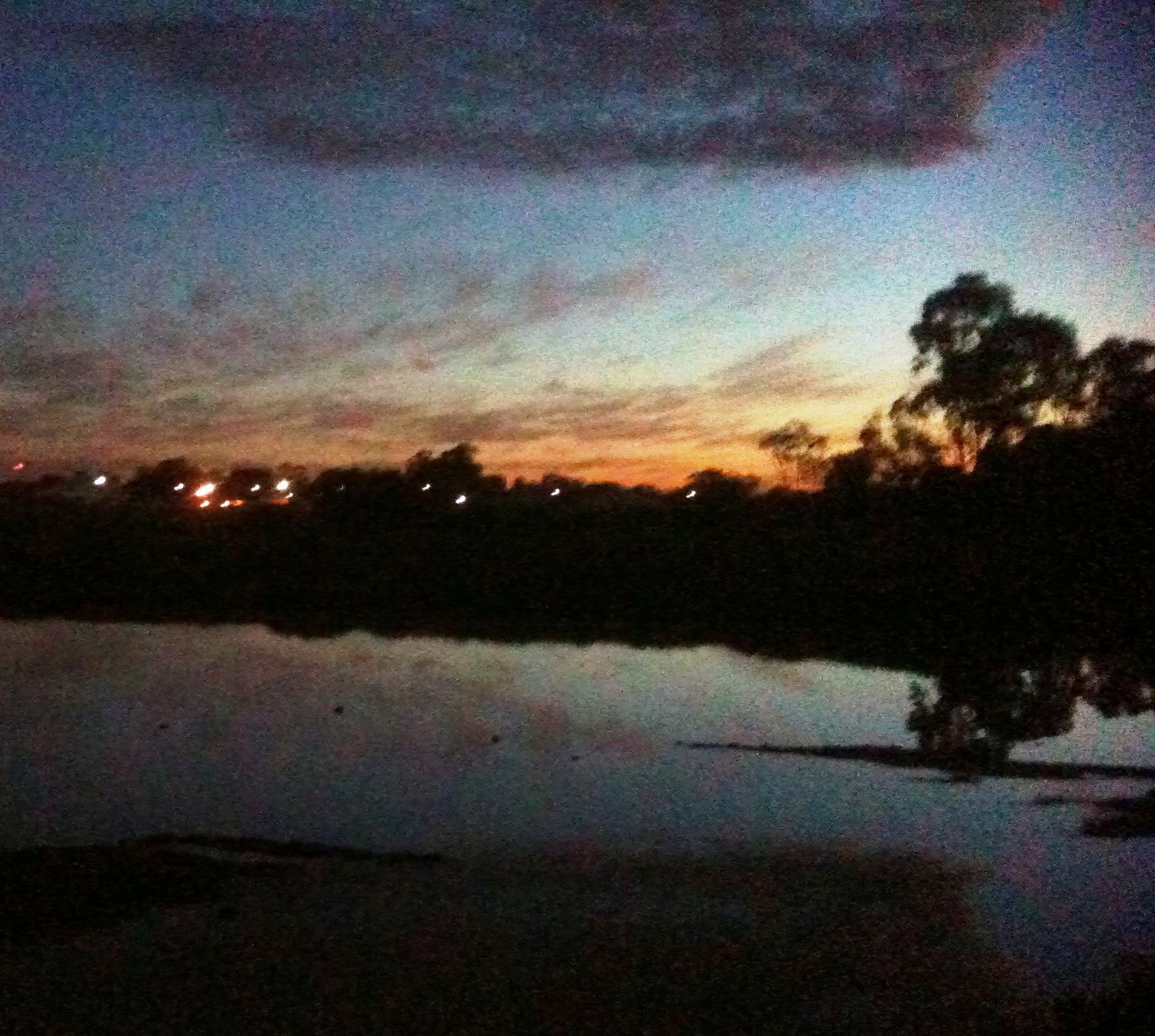
The lifestyle here is relaxed and the greeneries, landscapes and seafronts are really nice and pleasing to the eye. On my morning walk today I again felt blessed being able to enjoy the fantastic climate, blue skies and apeasing site of the “contryside”. A few people walking their dogs and most of all smiling and greeting you (not doing so is nearly an offence, but oh so typical for big cities!), hardly any cars…its peaceful and relaxing. I kind of understand people wsihing me happy holidays whenever I go down under! Shortly I will be back in Singapore, Mumbai, Jakarta and Shanghai….busy cities, people everywhere, who have no attention for you, rudely push you aside, honking cars, and mostly concrete buildngs everywhere!…I love Australia 🙂
In Light Watch today just some mood shots of the surroundings I wake up to in the morning or come back to in the evening. Peaceful landscaping and nature, residential streets, the blue skies and what you don’t hear the sounds of birds chirping all around you….. These are just pics snapped with my Iphone as I walk around, low quality but just enjoy the colours and the light….
Light Watch 141: Around my place…
Regional lighting knowledge
Albany, Great Southern region 11th August 2011
Today I am the guest of the Great Southern region, Mount Barker in the morning, Albany in the afternoon and evening. Albany is about 1 hour flight south of Perth. I am invited to present my expertise and knowledge on sports lighting to both the shires at their montly group meeting as well as to a light forum in the evening that will see all major sports clubs and associations present, basically the ocal community. It is a great opportunity to share and communicate directly with the local government (the owners of the facilities) and the end users of the sports facilities.
Most of them have pratically no knowledge when it comes to lighting and having someone lead them through the considerations, pitfalls, does and don’ts of sports lighting was a real eye-opener. It turns out that most of them (as is probably the case in most regional situations) rely heavily on input from local suppliers and contractors when it comes to lighting. Their advice is obviously biased and limited as not many seem actually aware of good practice and applicable lighting standards, being more driven by sales for their own products.
We live our lightig designers lifes mostly in sophisticated environments (at least our practice), with big knowledgable developpers or city authorities, but out here in the country-side the reality of life is different. The scale and sophistication (and budgets) are of totally different magnitude, but not less important! Down here it’s a small community and the scrutiny on how tax payers’ money is spent plays a very imporatnt role. Hence the challenge to do a good job on a regional level, such as here in the Australian country-side, is nearly greater then the high end sophisticated projects. A happy community is important as every one knows everyone around here!
In Light Watch today an eye for local sports facilities such as the Albany Hockey Turf Club. While the current lighting is considered as being “high-end” for this region, the facility faces still many issues such as lamp failure, maintenance, lighting uniformity, glare, user control and so on. It is not the MCG (Melbourne Cricket Ground for the non initiated) but certainly carries a high local importance to the sporting community and should therefore be treated with similar attention.
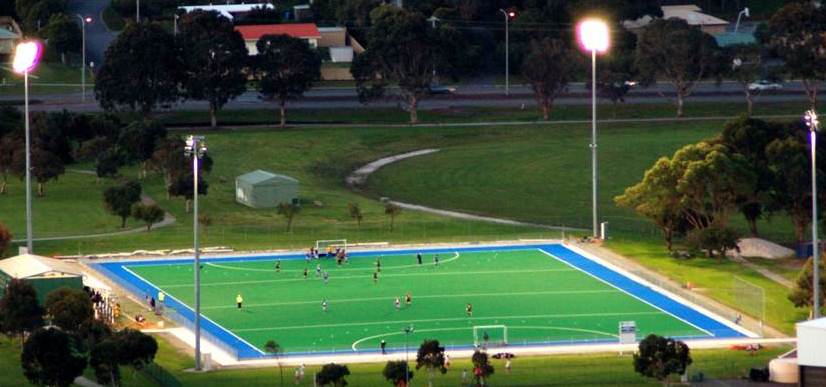
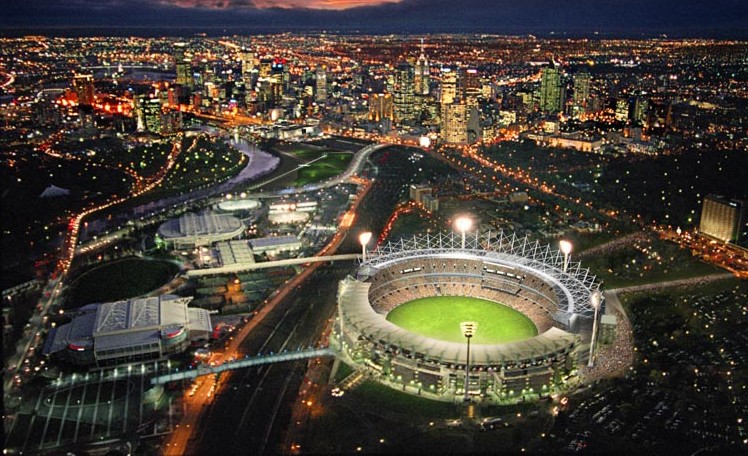
Light Watch 140: Albany Hockey Turf Club vs the “MCG”
Details and perfection
Perth 10th August 2011
Attention to details is always important, in every aspect of life. But perfectionism can be killing if you pursue details to too much of an extent. Time is our major commodity as a lighting designer and there are times where you perhaps may need to content yourself with only 80-90% of the target as a 100% target achievement may simply put the end result beyond reach of a satisfactory completion time. We do not always have the luxury of time (generally our clients always want things yesterday!).
I come to this subject today through two different ways. First I was hammered repeatedly by one of my clients regarding the detailing on the invoice I had sent. Amounts and wordings had to be exactly identical to the contract, this is a Chinese client :). Then the addressee had to be exactly the correct company name and person as spelled out in the contract, not the one to whom the invoice is actually sent. I did 5 (!) revisions before we finally had the invoice done the way it will pass through the hoops of the chinese financial banking system. I have to admit it is an international money transfer of a considrable amount so the client wants to make sure they only have to submit once and not be sent back and forth. This is our first payment so I guess it will be smoother at the next payment (fingers crossed).
The second trigger about detailing is in regards to an eleaborate time work schedule that we have put together to log in with the client our scope of delivrables over the duration of the project. Our contract spells out specific durations for the delivery of work, but as we obviously depend on input from the rest of the project team (approval process from the client included) it needs to be spelled out in detail to avoid conflicts and misunderstandings further down the line. The schedule we produced is not perfect but certainly close to what can be expected at this point in time.
In Light Watch today an example of one of the most simple (and cheap) lighting concepts ever created the folding paper globe lamp. Not even sure what the official name is! I don’t think there is any copyright left on this concept as every Tom Dick and Harry, Ikea included sells this lamp in various formats. Details? Perfect?
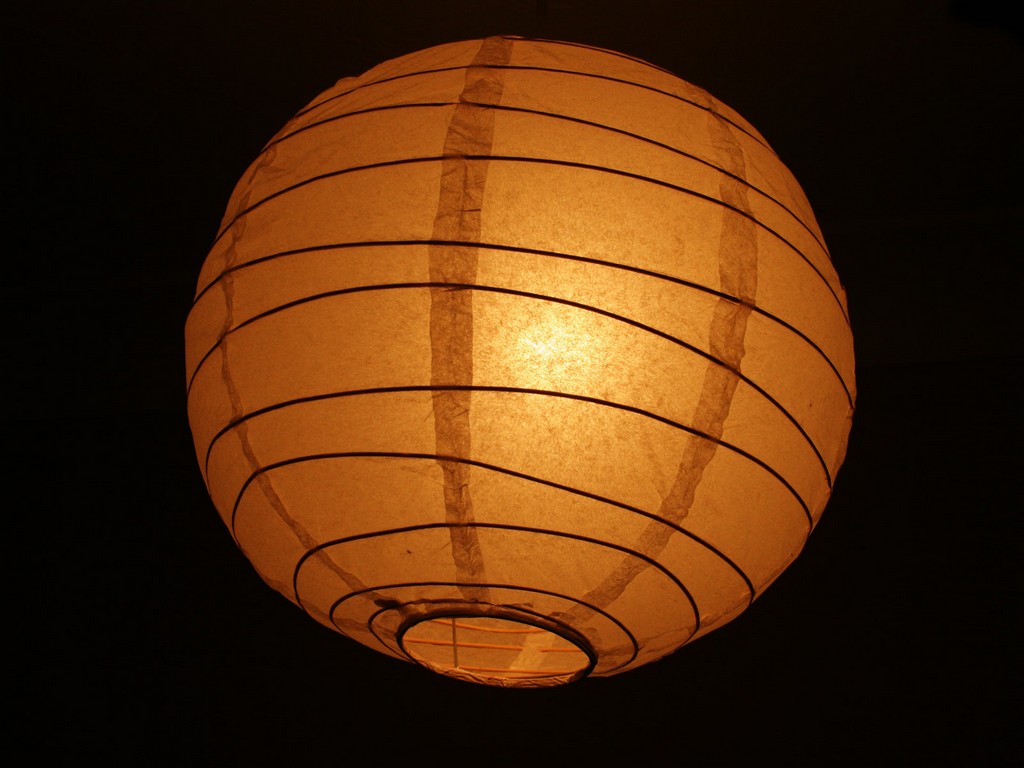
Light Watch 139: The paper globe lamp
Census and lighting
Perth 9th August 2011
Somehow I planned my presence in Perth perfectly to coincide with the nationwide census held in Australia today…every 5 year the government takes this snapshot of “life” in Australia by asking all kinds of questions about where you live, where you have been,who lives with you, what work you do, how much (roughly) you earn, and so on. Not really sure what they do with all the information, but completing the census is compulsory and punishable by law if you do not participate.
Wouldn’t it be interesting if the lighting design society did a census as well to get a snapshot of how our profession is doing? These could be the (imaginary) questions asked:
-State your name, male or female, date of birth, citizenship, employment status (employed or unemployed), company you work for (employee or own business), location of your company (country-city), number of colleagues, your position and responsibility in the company (manager,senior, junior designer, etc), number of years in the business, where did you work 5 years ago/ 10 years ago, education and lighting qualifications, membership and associations, language proficiency, do you travel for your work, countries and frequency of travel, etc
More project and company specific questions could be:
-Income bracket (employee), company turnover and profitability (business owner), project lighting applications involved (new,
renovation, applications), average fee per project, highest/ lowest fee, overall project value (lighting equipment/ installation), average duration of projects, average time from invoice to payment, do you carry a professional indemnity insurance, have you ever used a debt collector, do you have repeat clients, how do you acquire new projects (referal/ marketing), do you have a website, do you use computer software (lighting calculations/ rendering programs), do you outsource work, have you ever been refused work or kicked out of a project, do you use of the shelf lighting products only or do you customise designs, do you have prefered lighting brands, and so on and so on…
I am pretty sure that the staistics coming out of this “lighting” census could paint quite an acurate picture of the current state of our
profession and by doing so every say 5 years would also high light specific trends and developments. Maybe something for the upcoming PLDC in Madrid to consider? With close to 1000 lighting designers, professionals and aspiring students expected it could be the ideal occasion!
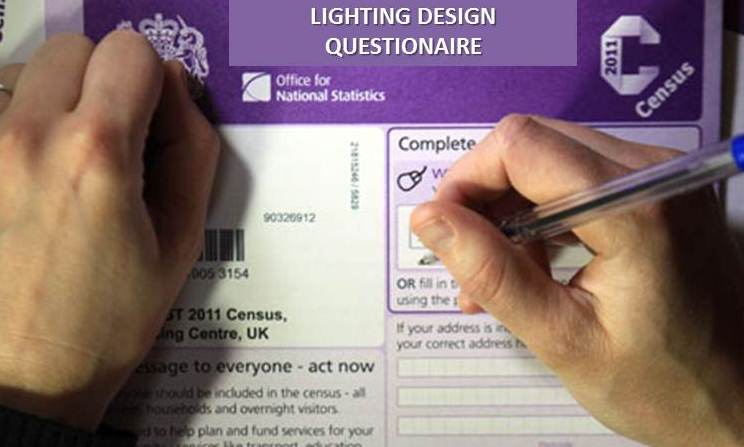
Light Watch 138: The Lighting Census form
culture shocks
Sydney-Perth 8th August 2011
I am on my way to Perth as I write this blog after spending the last couple of days (off the radar :))in Sydney. I am also on my way to some totally different project environments, in application as well as in the way projects are managed and approached. Over the years I have noticed that the type of projects we do in more developed nations such as Australia are markedly different from those we do in the fast development economies like China and India. In the latter countries projects mostly revolve around (the speed of) economic developent related to tourism and commerce (read hotels, F&B and shopping malls) and infra-structure growth (read transport, road systems, public facilities), while in developed nations the projects revolve around renovations, beautification and human well being (read heritage trails, parks and gardens, sports facilities, new trends, etc). In the first everything revolves around money (cheap and fast) in the latter about quality (good and durable).
The attitude towards project management is quite different too. While in countries like China and India every thing is in a rush and there seems to be no time to properly time and budget projects, in Australia everything is generally organised, time schedules for the projects are locked in and so are budgets. Most projects are tendered and awarded as per specs as budgets have been compiled around the actual lighting specifications so there is no need to substitute fittings with cheaper (less quality) ones. As I write this blog I received a call from India were the client is complaining about some light fittings that are tripping due to water leakage. I have my doubts…The interesting thing is namely that the light fittings are as per specifications! However having seen the quality of the electrical workmanship and installation works it is no wonder that these problems occur. You pay peanuts, you get monkeys…isn’t that the saying?
In Light Watch today one of these new trends called “dinner in the sky”, see www.dinnerinthesky.com for more info. A platform with a dinner table, complete with guests and butlers are all hoisted up high into the sky by a huge crane and you end up have a (“romantic”?) dinner dangling a few hundred feet up in the air. Lighting is probably a bit of a challenge as you need enough lighting to see your food (guess there is a safety aspect to it) as well as making sure one can enjoy the views.
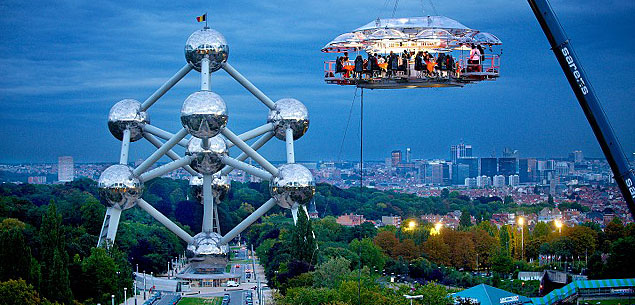
Light Watch 137: Dinner in the sky near Brussels landmark The Atomium, Belgium.
 The long awaited book compilation of Martin's first year of blogging is available. Order now.
 Feedspot Top 100 Lighting Blogs