
Switch logic
Singapore 8th February 2012
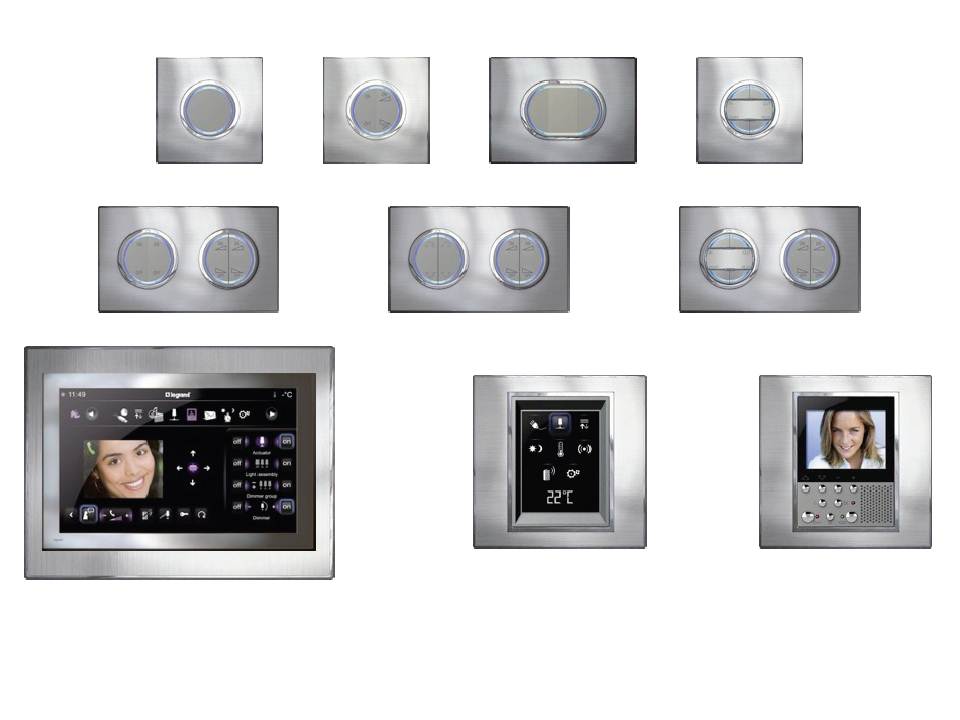
I wish there was a software program that could work out a switch logic for residential and public places. We spent nearly a day on figuring out a logic for the location of switches and laying out the “logic” of what these switches should actually switch on or off, dim or be connected 2- or 3-way with other switches or motion sensors. We usually don’t go into such depth as our control schedules indicate quite specifically which lights are looped together, what the control logic is (dimming, on-off, etc), what type of switch we require (wall mount, local, control panel, etc) and which switch is to control what circuits. We generally give an indicative location intent on our drawing, but leave the final details such as exact location set out dimensions, shape, form and finishes of the switch plates to interior designer, architect or electrical specialist. Our main concern is that the switch needs to switch what we want it to switch…makes sense? J
Sometimes however the client wants some more assistance from us (specifically in residential applications) in the placing and switch locations. But everyone has different logics and thoughts about it, though in the end it just has to make sense to everyone. When I enter a place there may be a master switch creating a “welcome mode”. When I then enter a room I should find a switch at the entrance to switch on lights as needed. When I reach a specific work or activity space I should be able to activate the local lighting. when I leave the room through another exit, I should be able to switch off right there rather than having to walk back to the entrance. Hence a so called 2-way switch may be required. If there is a need for mood and ambiance then dimming switches may be required. In more sophisticated environments we may elect to use multiple control panels with pre-set scenes. All this has to make sense with easy to understand and operate lighting controls as key to the enjoyment of our lighting designs…then there is the issue about the many different brands and executions, but that is another story 🙂
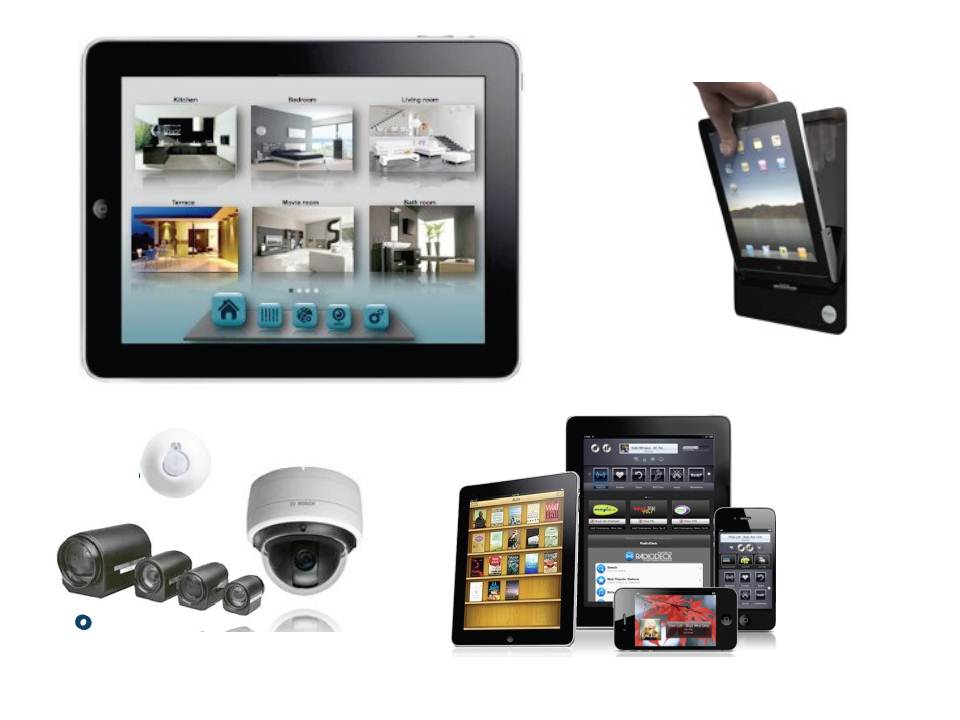
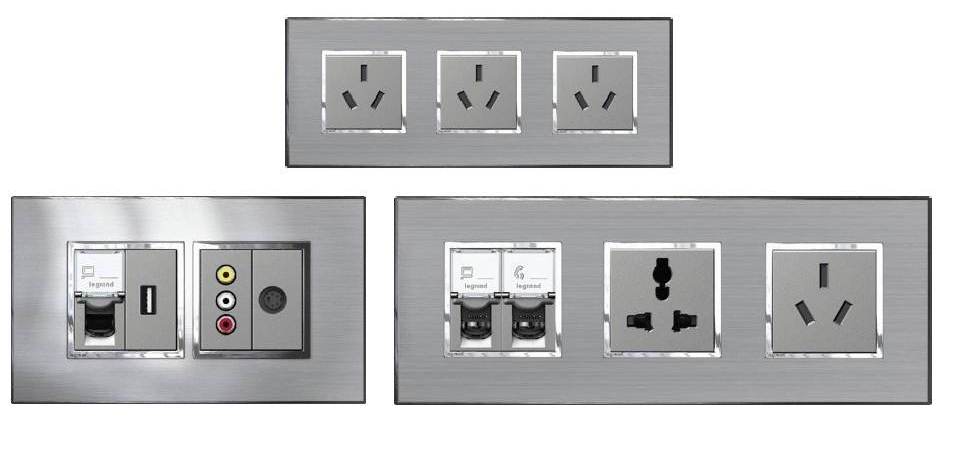
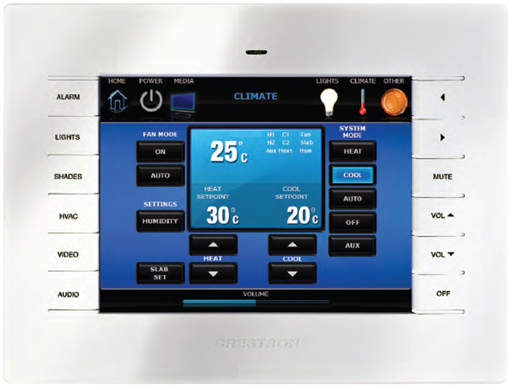
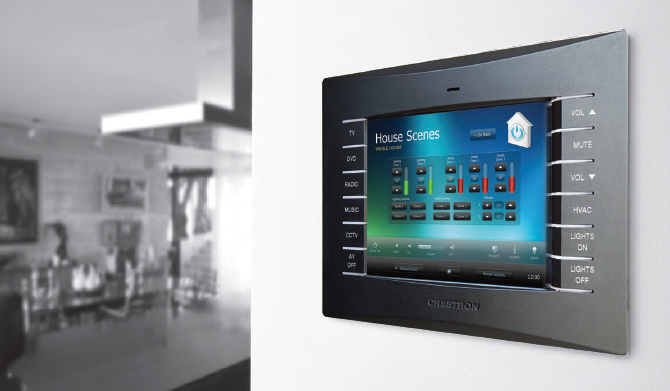
Light Watch 3-16: Lighting controls from simple to sophisticated; single switches, multiple switches, touch screens, motion& light sensors, mobile phone and Ipad apps. Beside lights they can often do many other things including audio, video, security and climate control. Pictures courtesy of Legrand and Crestron that we have been playing with recently for some residential project applications.
Dynamic mood lighting
Singapore 7th February 2012
As lighting designers we are the magicians that create the moods and ambiances for the various places we design for. We are in the middle of designing the concepts for a business hotel, a shopping mall and a resort, all of them requiring specific moods. I spent some time with my team today looking at these “moods” which often will become part of the corporate identity, the image that people will remember when they come to that place, specifically at night. What is different from the lighting design tools that we used to have in the early days is that nowadays we have at our disposal as nearly standard the ability to create dynamic moods. With the high level of sophistication that both (LED) lighting systems and controls have we can now easily incorporate dynamic (even interactive) lighting moods, moods that change over time from morning to evening or from weekdays to weekends or festive occasions. Practically every project that leaves our studio will have a dynamic element in its lighting design concept.
There are several reasons for that besides the fact that the technology facilitates the option to do so. There are a number of key trends that spread like a wild fire through design land. One is the wellness craze…everything for health and holistic, organic approaches. Another trend is energy saving, which means the dynamic lighting control interactively reacts to human presence, daylight, time of the day, etc., to minimise lighting to where you need it, when you need and how much you need of it. The sustainability train. Probably the biggest (and oldest) trend, certainly in commercial applications, is the use of dynamic lighting and control (multi-media facades) to attract attention, set yourself apart, creating that corporate identity.
In designing hotels we are now looking into introducing dynamic moods through-out the day while keeping a focussed eye on energy saving. In corporate office lighting, it is about creating personalised environments and re-creating daylight moods where only artificial lighting is available (full spectrum lighting!). In clubs and social environments creating (indoor and outdoor) that magic mood making you feel being in a special place. As to commercial and retail environment it is hard to imagine them without multi-media screens nowadays!
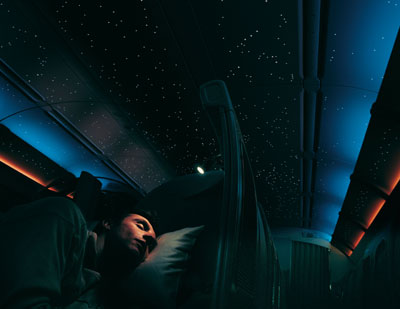
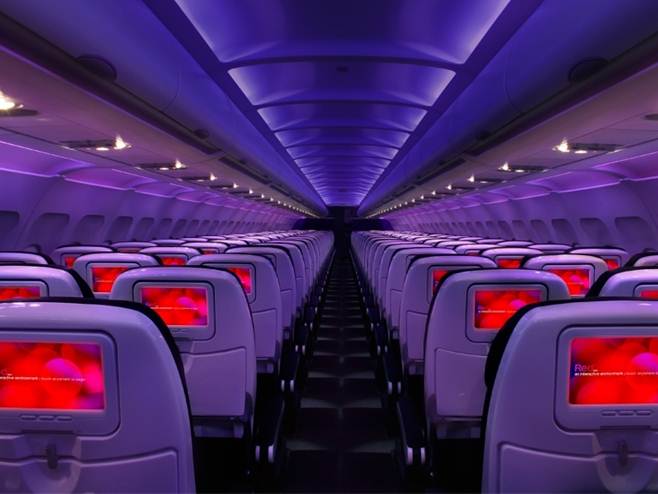
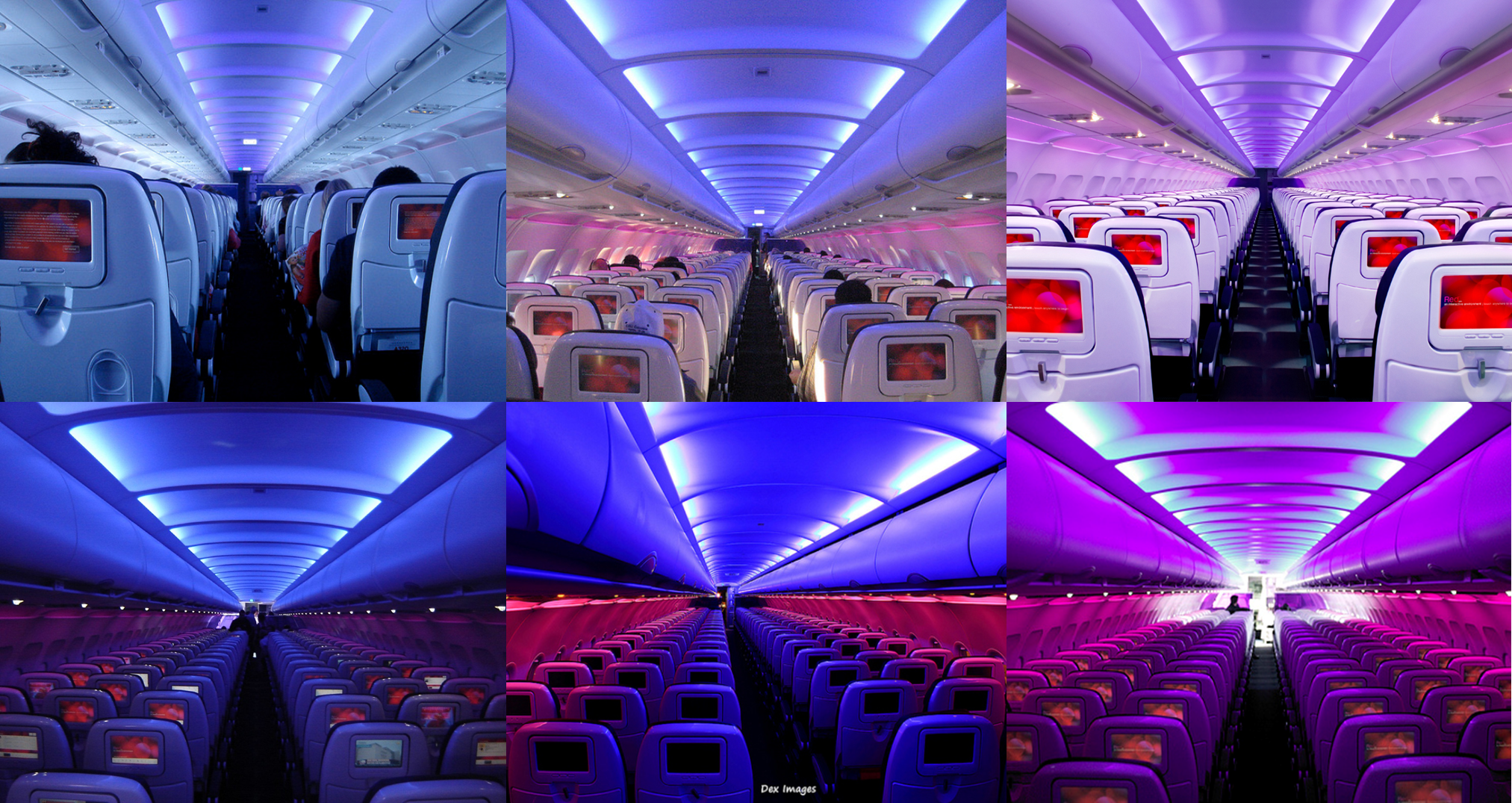
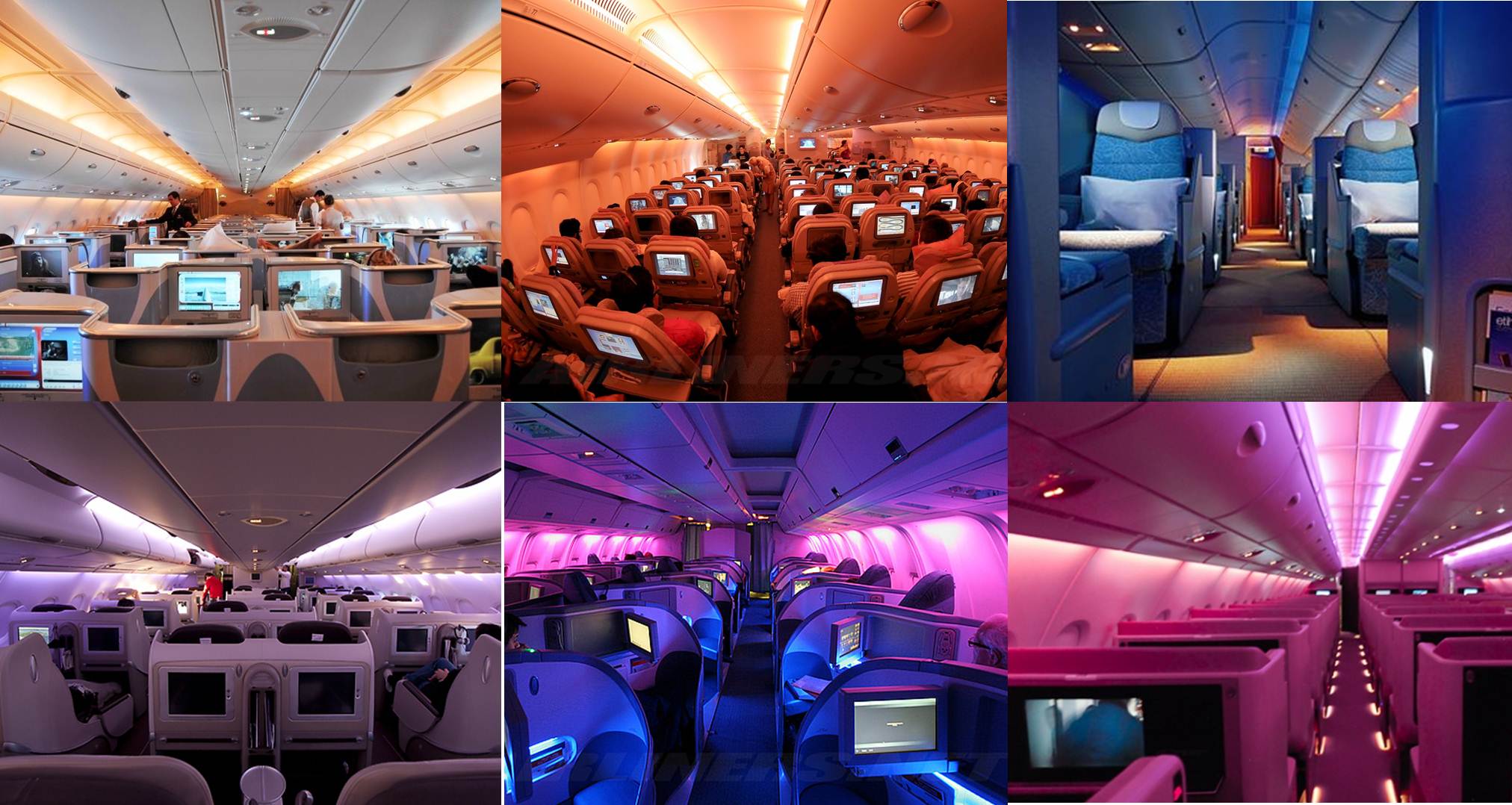
Light Watch 3-15: Typical example of mood lighting as being designed for the long haul airplanes where people have to be made as comfortable and relaxed as possible. Different mood options as shown here for when you wake up, dinner time, supper and late night. Color combined with dimming. This is now finding its way in many other applications…
War of supplies
Singapore 6th February 2012
One of our greatest challenges as lighting designers is getting the lights that we want. We can all dream about the lighting effects and the beautiful light fittings that we would like to see installed but at the other end of dreams and concepts is the harsh reality of budgets and a fierce competition between international, local manufacturers/ suppliers and agents. There is hardly a day that goes by or we face an issue with our specifications. Too expensive, not available, not available in the version you want, does not fit or cannot be incorporated as it is…and so on, those of you who are in lighting design will know what I am talking about. I would like to share a typical situation that happened over the last couple of days.
For some additional work, we had specified specialist light fittings of a specific brand after having tested them on a previous site visit to ascertain ourselves that the lighting effects were what we wanted. As the lighting effects were highly technical with high performance specialised light fittings we requested the client to stick to our specifications to assure the end result. Also in view of previous supplies and the necessary on-site support required for installation and programming we recommended the client to stick with the supplier already selected for the main contract. The supplier duly informed the main manufacturer and quoted as per spec to the client. However to his dismay, another supplier also authorised to sell the specified brand, offered the same to the client what must have been well below cost also unaware of the on-site support requirements. As a result the client questioned the original supplier and asked him to bring down his price to match the competitors bid.
We are now in the process of clarifying the bids but one can see the challenges that this will bring along should the supply be awarded to the supplier who went in recklessly below cost and unaware of the on-site support required. I have gone through these situations before where the client blinded by the lower costs of apparently the “same brand” products went ahead to award to the lowest bidder only to find heaps of problems later on, with the supplier using any possible shortcut in his trick book to minimise the costs. There are many ways to cut costs in the final supply and making sure you compare apples with apples when assessing supply bids requires a lot of patience and experience….
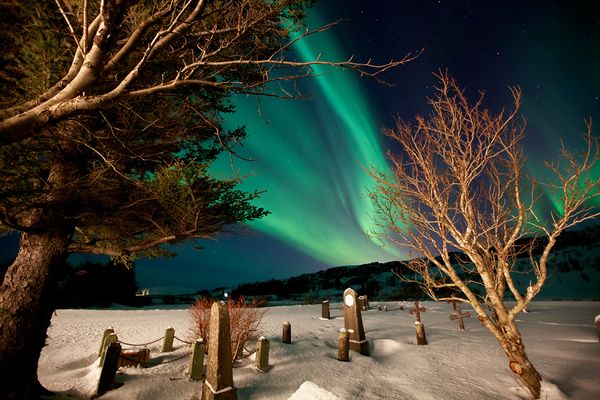
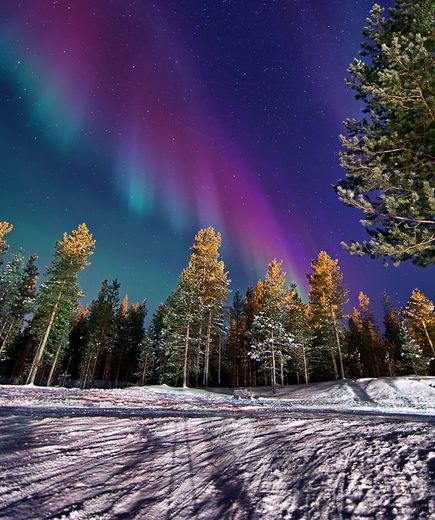
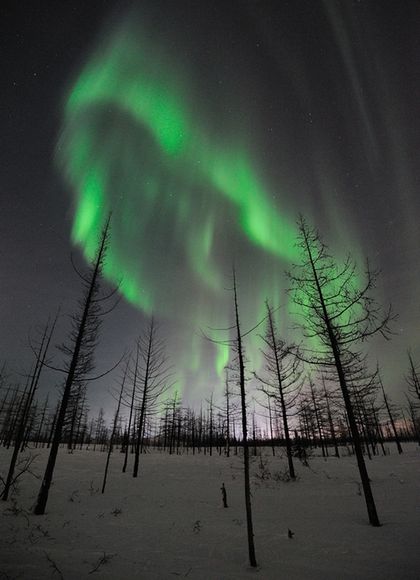
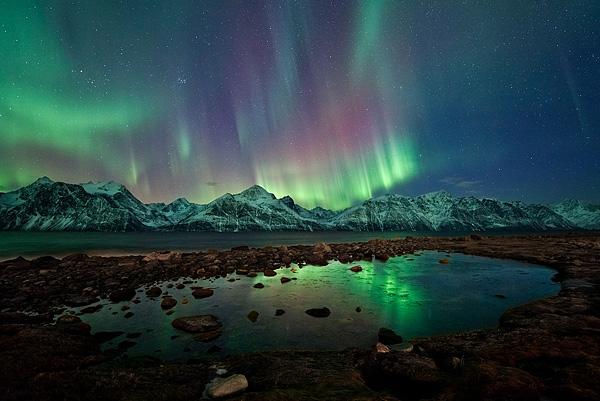
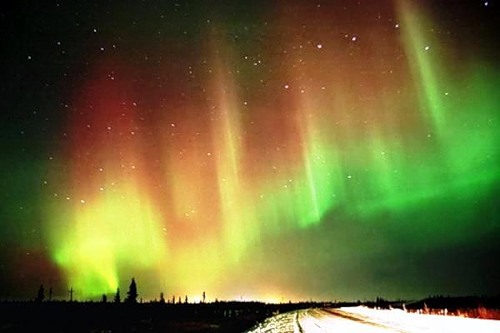
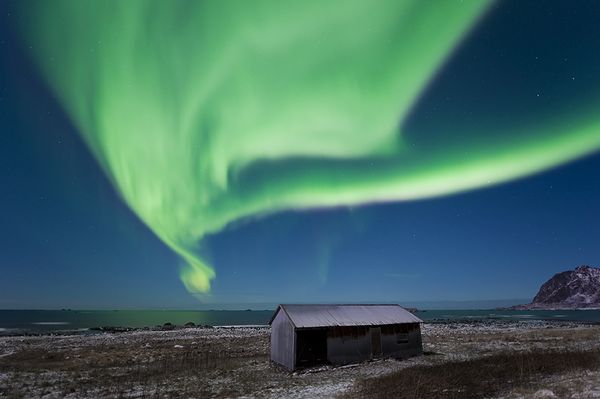
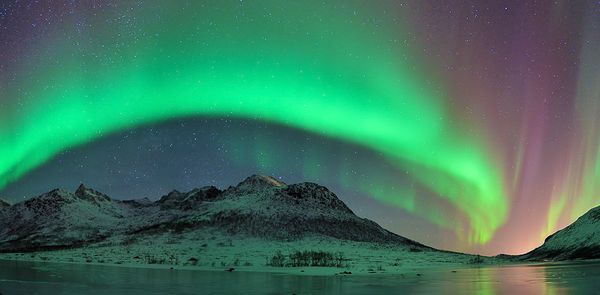
Light Watch 3-14: A recent solar storm created some amazing sights in the Northern European skies. The Aurora Boralis or Northern Lights were visible and captured by many in late January. Below some pictures courtesy of National Geographic’s Daily News. When it comes to lighting nothing beats Mother Nature 🙂
Colour temperature
Singapore 4th February 2012
You may have wondered what happened to me the last few days…just got sick on my last day in India. No not the Delhi-belly, just an ordinary cold or flu, not sure. Started to have a fever, coughing and so on…probably the result of a temperature shock. I had not realised that Delhi, much further up North, does not have the same temperatures as Mumbai and Goa where I was last week, so I had basically packed my same light clothing just to find temperatures in Delhi only between 9-18 degrees…I had to borrow a sweater and a windbreaker from my associate…add to that some fatigue and the recipe for a cold was there. With medicine I managed to go through my meetings on Thursday and keep the flu repressed during my overnight flight back to Singapore. Once back yesterday I basically ended up all day in bed so “sick it out”.
So what better topic then a (belated and catch up) talk about temperature, colour temperature in this case. One of the key design considerations in lighting is the choice of the colour of the light. And I don’t mean so much actual colours like Red, Green or Blue, but the various shades of white that exist. In lighting colour temperature is a characteristic of visible light and has different importance for different applications, it is always a part of my concept presentations. We talk about warm white, neutral white and cool white. In our daily lighting applications we would typify 3000K or less as being warm white (yellowish) and temperatures above 4000-5000K as cool white (bluish).
Understanding the psychology of colour is crucial to a lighting design as colours have a strong impact on our emotions, mood and senses. Cool colours are associated with (yes) cold, cool, distant, business-like as it stimulates action. Very much like sunrise early morning. Warm colours on the contrary are warm, cosy and enhances relaxation, the romantic feel of sunset.
Hence cool colours are much applied in sports, super markets, offices where you want people to go quick about their business. Warm colours are used where socialising and relaxing moods are required. The colour combinations can further be exploited to create contrasts, for instance in exteriors where buildings can be enhanced by warm light (simulating life and warmth in the building) and cool light to enhance landscape features such as trees and water elements. It is to be noted that we generally see reflections hence the colour of the light preferable should match the material finishes it reflects off.
Light & Learn 3-4: Colour temperature has been determined with the help of Planck’s law, that describes at various temperatures the colours (energy/ wavelength) emitted by a so called black body. These black body colour hues are then compared with that of light sources to determine its colour temperature. The colour temperature is expressed in absolute temperature, the Kelvin where absolute zero is somewhere around minus 273 degree Celsius. The lower the temperature, the warmer its colour.
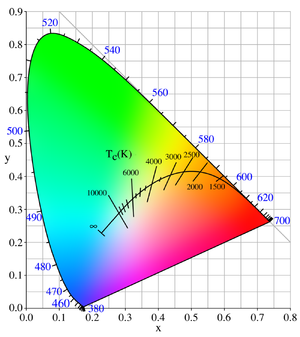
CIE Chromaticy diagram showing the black body locus line for light sources
 Colour temperature reference scale
Lighting design in India 2
Delhi 1st February 2012
As usual in the big Indian cities I spent a lot of time in the back of a car today going from A to B in sometimes agonising slow traffic. It’s not for me, I find it hard to work as the roads are mostly in bad conditions and hence bumpy, making it hard to read or work on your laptop. But for all that my concept presentation to the client this morning went very well courtesy of a well prepared storyboard. Later in in the afternoon I went for a pre-tender meeting with a client in anticipation of an up coming tender interview as well as visit the site for better understanding. We are bidding for a prestigious government project as part of a consortium that will have to deliver the design, supply and installation as well as maintenance of the lighting installation for the next 5 years. We developed the concept as part of the submission.
As always it will come down to finding the right balance between the cost and the quality of the lighting fittings. For both projects we have developed nice original concepts but it will ultimately boil down to what the client will want to pay and the quality we are willing to accept. India has a fast growing local lighting manufacturing capability which like China is bound to reach quality levels acceptable to our standards. Already some local products seem to have reached these levels. The thing is that you need to build up experience with these products through actual installations and that unfortunately takes time. And with many new (LED) players the market definitely goes through a learning curve and many developers and architects start to appreciate the distinct difference between a supplier/manufacturer advising on lighting and a professional lighting designer.
I share this little anecdote to prove my point: I recently caught out a client in India who had asked a supplier to “advise” him whether my specification was any good…what?… you are asking a supplier with a conflict of interest to comment on our design because he is offering a much cheaper alternative? You got to be kidding. The client proudly invited me during a site visit to subsequently appreciate and approve his substitute product. I immediately saw it would not do the job and asked him to set up a visual mock up to assess and compare the lighting effect. He had been told that his LED floodlight substitute was as good if not better than my conventional metal halide selection. Needless to say there was nothing to compare as the conventional Metal Halide outperformed his substitute visibly by miles. Embarrassed he admitted his substitute was “not as good” as he had been told and proceeded to confirm the original specification for procurement. Lesson learned (I hope)…
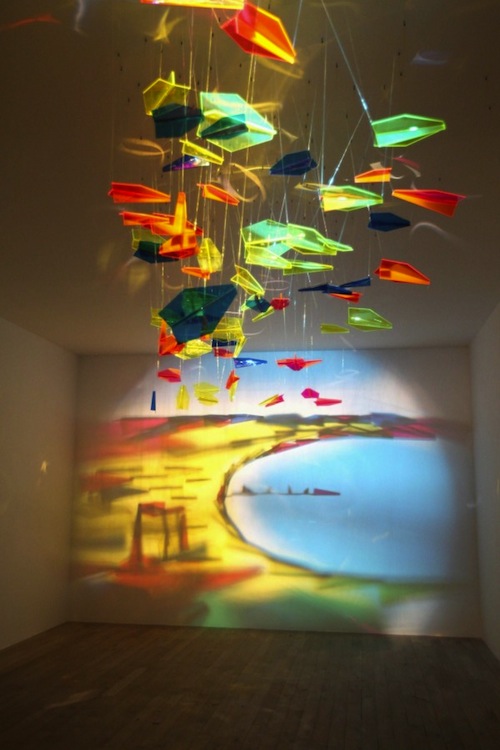
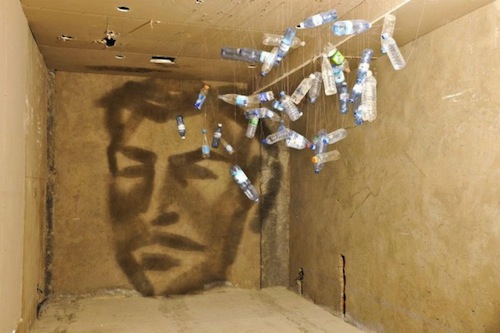
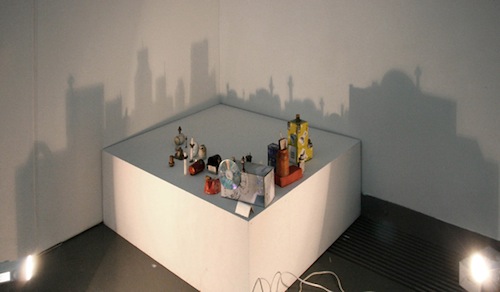
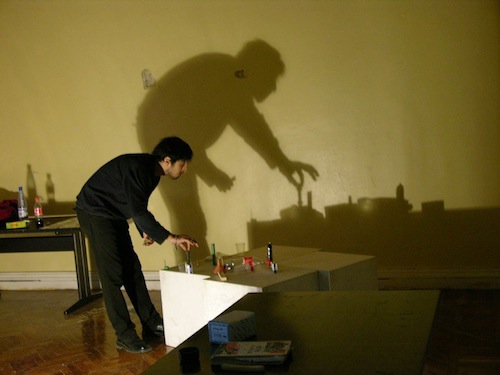
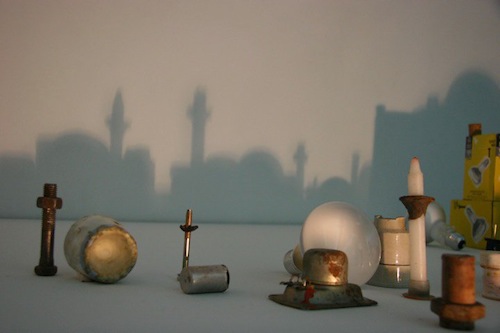
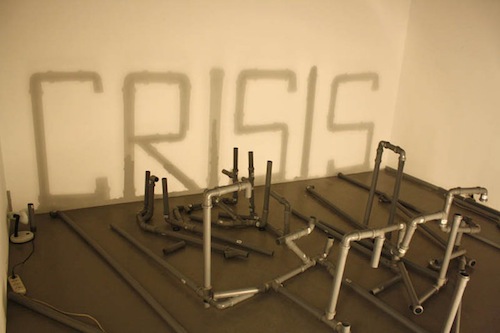
Light Watch 3-13: Light and shadow…
Lighting design in India
Delhi 31st January 2012
I am in Delhi for some project work over the next few days. India is definitely on the rise and comparing it to China I would say it is following in its footsteps in terms of economic growth and speed of development. But were China is more quantity (money) based, I feel India is more quality (knowledge) based. To me of course the great advantage is that I do not really have a language barrier. English is commonly accepted and the written communication language, contrary to China were all major documents and contracts have to be in Chinese.
What struck me today was that one of the leading lighting suppliers told me that there are currently more than 40 lighting designers, or people that call themselves lighting designers in India…really??? But many of them apparently just fresh in the business, from being a fresh graduate to those who made the switch to lighting design from related activities (other consultancy work, suppliers, etc). As a result some of them have hardly any experience with cut-throat fees. I recently lost a job to a local lighting designer the client claims offered the same services for less than 20% of my fees…and my fees for that project were already heavily discounted…how is that possible? I can understand fee differences up to 30%, but at more than 80% something is not right. I then heard that the client is now complaining that the lighting design prepared by this lighting designer is so complicated and expensive in its realisation that the client does not know how to move forward as the feel the design is unrealistic and unusable.
The dilemma faced by the Indian developers is that they have these young and inexperienced designers which offer their services at very (attractive) low fees, but with potentially very expensive designs as a result, or have the much more expensive designers who through their experience can offer energy and cost effective designs.
The problem that arises is two-fold: one, you will only know when the design is done and two, if it turns out bad it creates a bad reputation for the lighting design profession in general. My advice; check out the designer’s track record!
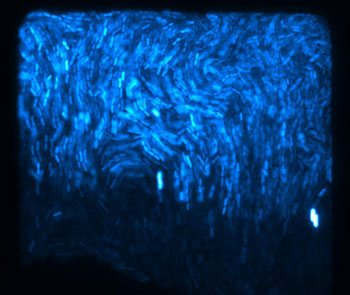
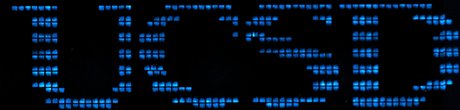
Light Watch 3-12: The University of California San Diego researchers create a bio light bulb. It was recently announced that they have managed to add a fluorescent protein to the biological clock of each bacteria through genetic engineering, giving the organisms the ability to glow. The birth of a truly organic light bulb?
Being in control
Singapore 30th January 2012
Back in Singapore over the weekend and today for some meetings before I am on my way back to India tomorrow! Sometimes it all just happens at the same time…the dragon roaring already? 🙂
One of the issues that was part of today’s lighting design work was the specification to lighting controls. As al lighting designer I want to be able to control the lighting effects; how and where I want it, when I want it and how much of it I want of it. To achieve that we would have looped the various lights together in different circuits, and identified the circuits as being down lights, cove lights or other. The looping schedule indicates how many of each lights we wish to control together.
But controls can mean anything from a simple wall mounted on-off switch to a completed control desk with multiple memory settings for various lighting scenes, the latter one implicating the ability of the control system to dim the lights to certain levels of desired ambiance.
We are currently working on a residential private property in which the client has indicated his desire to have some sophistication in the lighting controls, yet to keep it simple. Controlling lights in a private residence should be fool proof as there are no technical engineers around to do fault finding when it does not work. So the first priority has to be the simple on-off wall switch or manual dimmer. It either works or not. No complicated electronic panels.
But as this project is what we consider an upmarket residence in which some form of gadgetry is requested we need to find the balance between sophistication and simplicity. In my mind that means that if the sophistication fails a simple override switch should be able to continue operations. Talking that sense into a supplier is not necessary an easy task as these guys are wired to sell and thus take any opportunity to upsell…
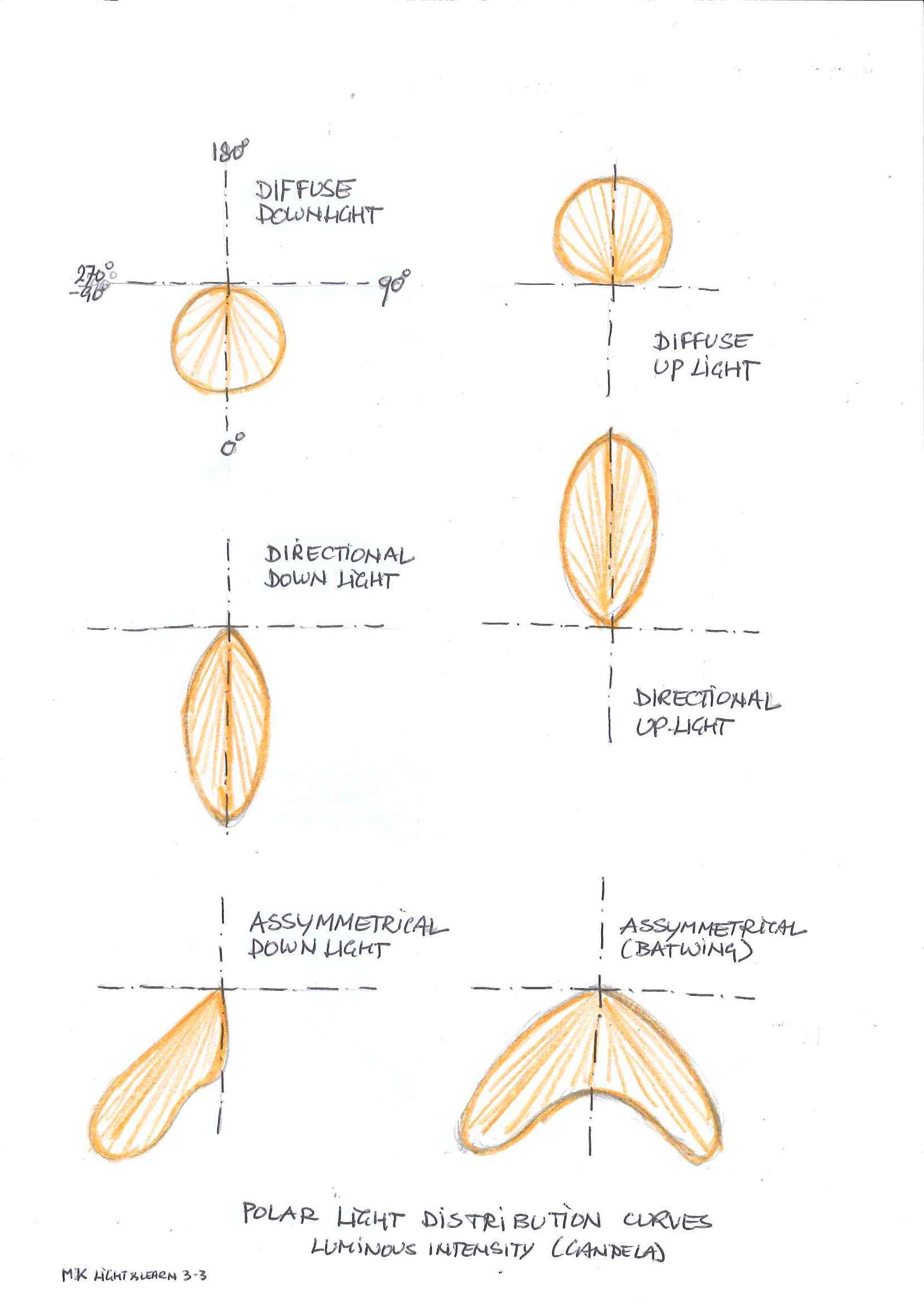
Light & Learn 3-3: One of the key things in lighting is to understand how light is being controlled and subsequently produces its effect in space. Controlling the light distribution is controlling the lighting effect. A light distribution is typically created by the lights optical system, which is the combined effect of lamp and reflector or lens. There are three basic effects:
1- Diffuse lighting where light is generally distributed equally in all directions
2- Symmetrical directional lighting where light is concentrated in one specific direction (from a narrow to a wide beam)
3- Asymmetrical lighting where light is distributed asymmetrically towards one or more directions (like a wall wash)
The sketches show some basic examples for both down and up lighting, but many combinations exist. The light distribution is normally shown by manufacturers by means of a polar curve showing how much light is emitted in various directions. Zero degree is generally straight down wards, 180 degree straight up wards. The curve shows the outline of the maximum lighting intensity in that particular direction and is expressed in candela (see L&L1).
Design and reality
Goa- Mumbai 27th January 2012
It has been an interesting trip to Gao so far. After yesterday’s consultants meeting we spent the day “roaming the site” with the consultant and site team to iron out as much issues as possible taking advantage of our joint presence. I said yesterday how important the attention to the actual installation and implementation is. Its all in the details! Specifically in such large projects which are spread over many years of design and specification work, which saw many project managers and site personnel come and go, it is inevitable that things get lost in translation.
Let me share some of the things that I have been confronted with, baring in mind that the design was completed and spec’d more than 2 years ago and that during constructions issues came up such as site restrictions, changing operator inputs, unavailability of materials or products, electrical changes, budget limitations…all those things that cannot all be perfectly documented but pop up when the construction starts.
One of the issues are lamp types. In a project of this size it is impossible to have everything on dimming and each and every area on a 5 star product level even though the hotel is a 5 plus star. Energy and cost saving have to be applied where possible. So in the design stages decisions are made about areas that could use CFL or Metal halide lamps for instance (back of house areas, etc). We did that to the best of our knowledge and coordination, but found on site that some areas were moved back to front of house, but still carried the lighting design from back of house. As a result we had un-dimmable circuits with incompatible lamp types as a left over from an older design version.
We also found that the electrical contractor had taken short-cuts by combining circuits or incorrectly looping lights together. Also “loose” decorative lights (so called FFE items), such as floor and table lamps, that had to be hard wired into the dimming system were just simply plugged into a power socket. Electrical engineers by definition are not very creative when it comes to decision making. We had many ‘electrical” surprises…
Finally not all our fitting selections turned out to be the best for what we wanted it to do. That seems easy to say when you have them installed in their final environment, but 2 years earlier with only plans and your own visual imagination, it is not always that obvious….I would venture that in this project about 3-5% of our fitting specifications were not as suitable as thought at planning and design stage…. I can only imagine how much young and relatively inexperienced lighting designers get it wrong!
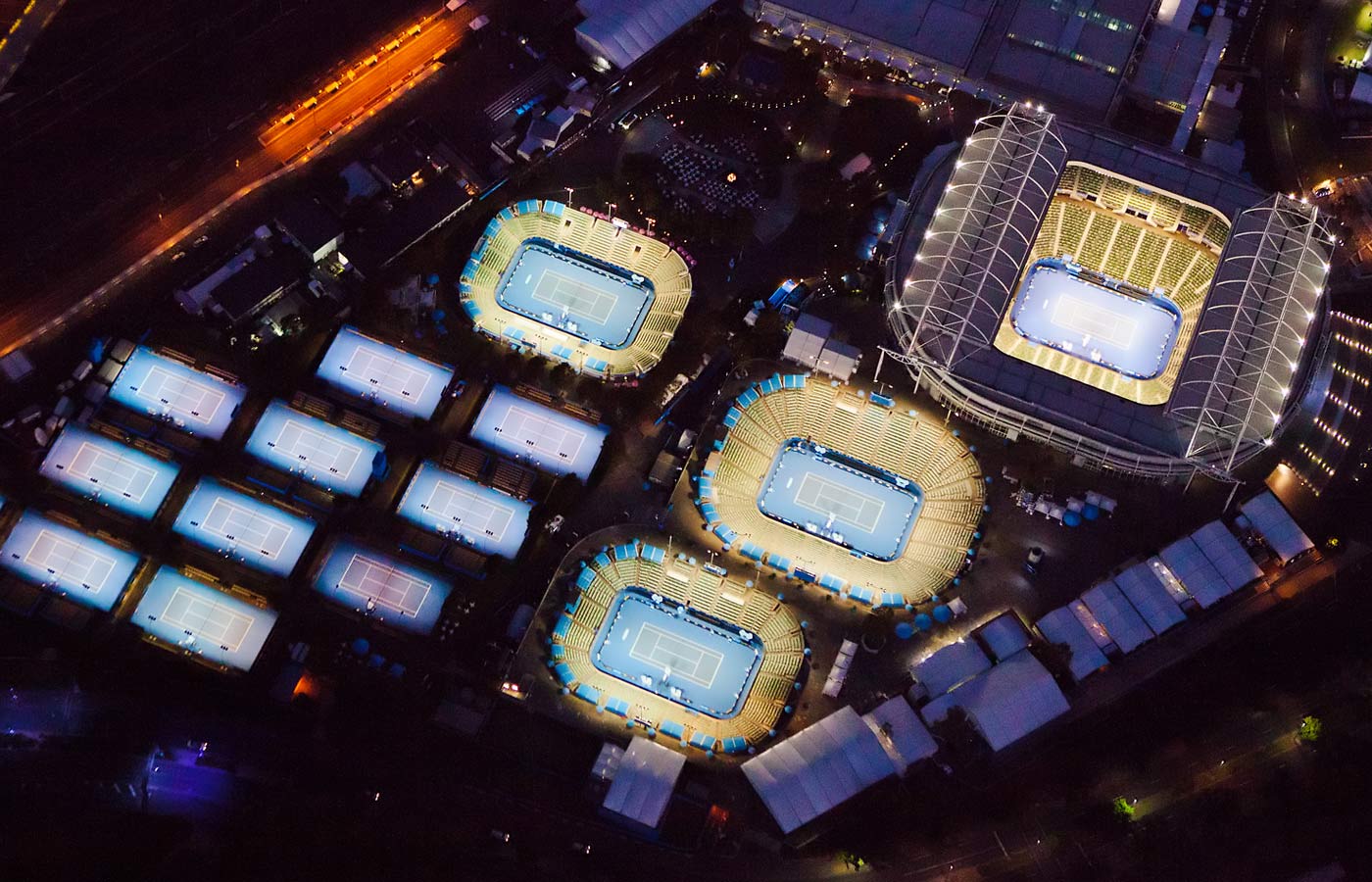
Light Watch 3-11: I leave you with some pictures of the Australian Open in Melbourne. The finals are on this weekend with a mouth-watering Nadal-Djokovic men final this Sunday. As a former competition player myself (long-long time ago :)) I can but admire these players…
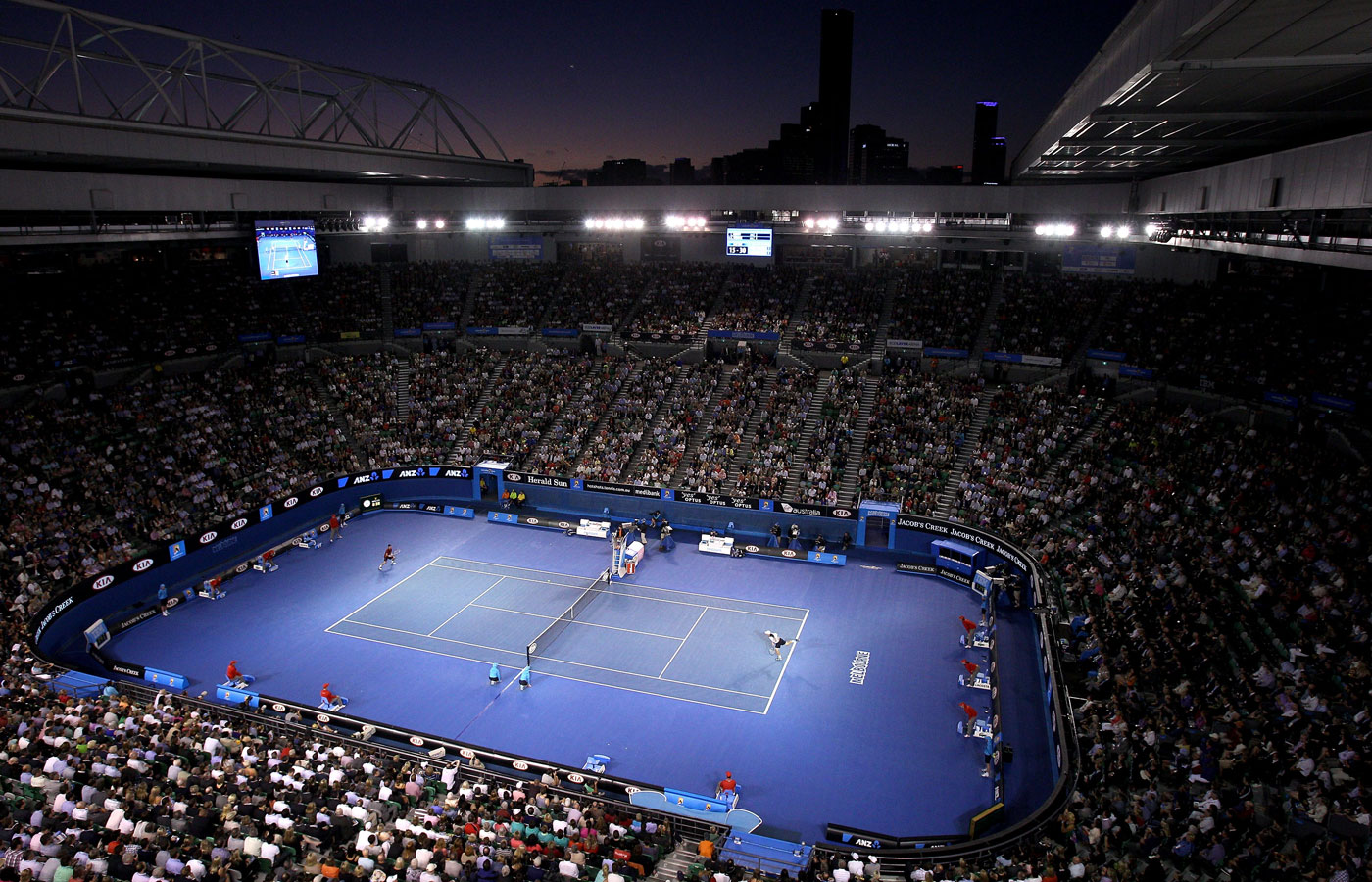
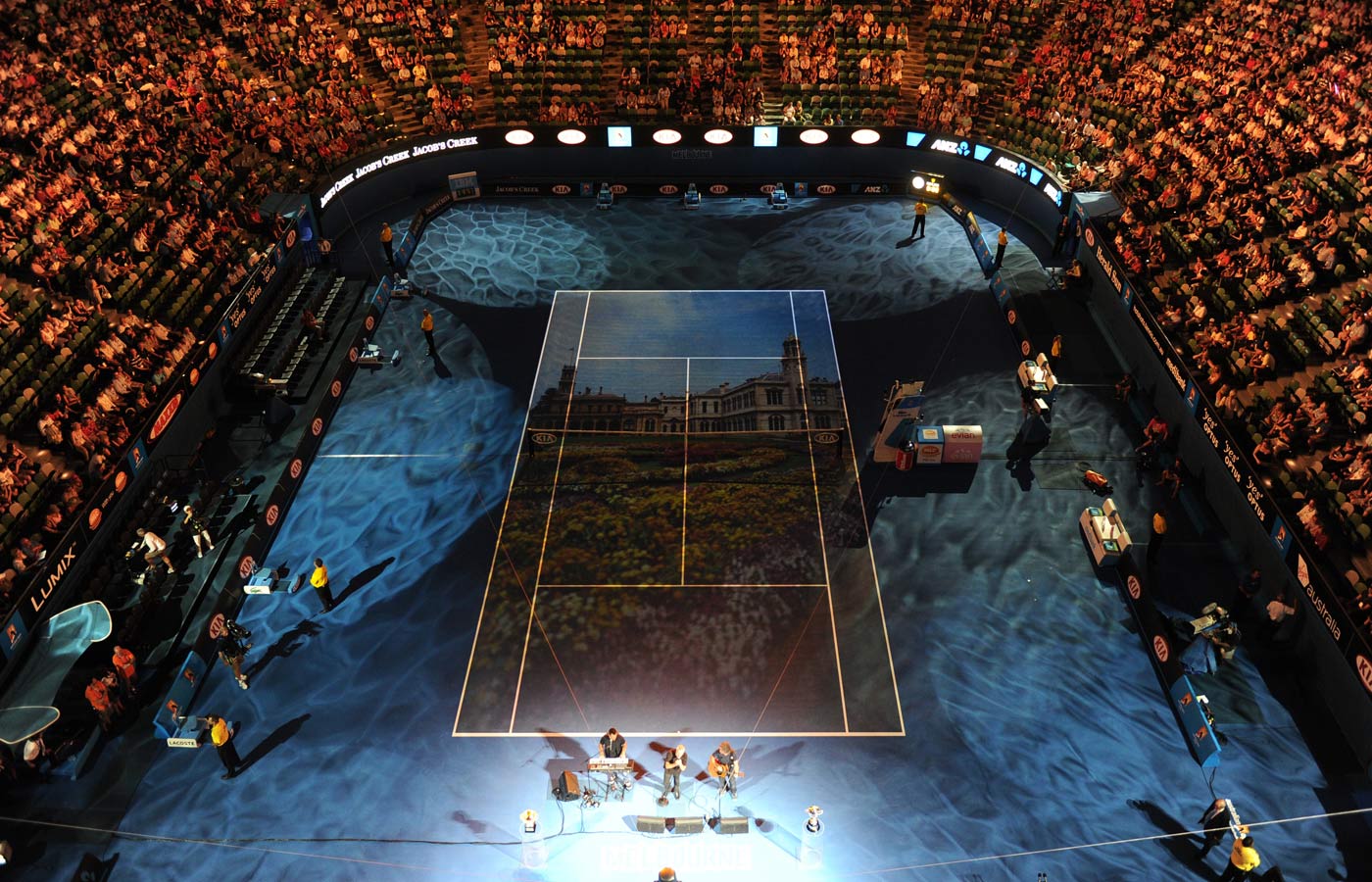
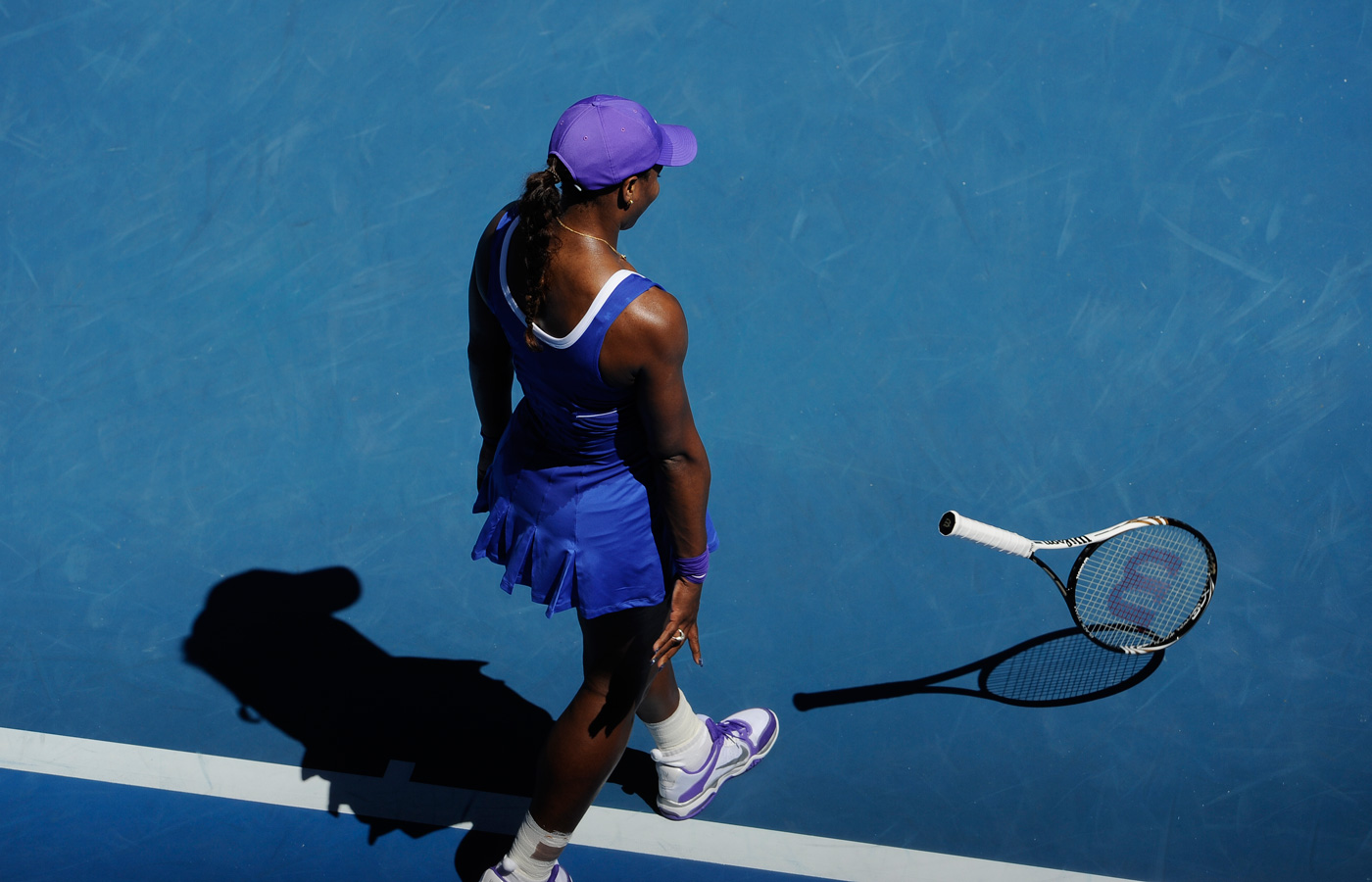
Finishing touches
Goa 26th January 2012
Today is Republic Day in India and National Day in Australia. Why is it that I always seem to end up working on public holidays! As I write this, fireworks are probably illuminating the skies in Australia, in Perth under a sweltering summer heat with day temperatures as I heard today reaching over 40 degrees.
I am back in Goa for the finishing touches of our Grand Hyatt project. I have said regularly that your design is as good as the final implementation. Doing a great design is nice but it remains a design. Only when it is fully implemented and completed can you judge how good your design was. Before you reach that point you would have gone through many, many hoops and overcome many, many obstacles. We have projects were the client sort of takes over at the end and leaves us out the final completion, most of the time for budget reasons, taking the opportunity to reason themselves out of the final fee payment…very common in this part of the world.
But this client is serious in completing the project not only to their own satisfaction but also the design consultant team’s satisfaction, a rather rare happening. We all convened here in Goa to list out all issues and work out solutions to remedy this together. A sort of pre- “defects and liability” exercise. No finger pointing, just accepting were we are and see what needs still to be done to reach a common level of satisfaction, complete with an action plan for the remainder of the works. It shows a great amount of mutual respect to be able to assess and move positively forward without blaming each other. Inevitably in large projects of this nature things get lost in translation and design intent finds itself (for whatever reason) not always translated as meant.
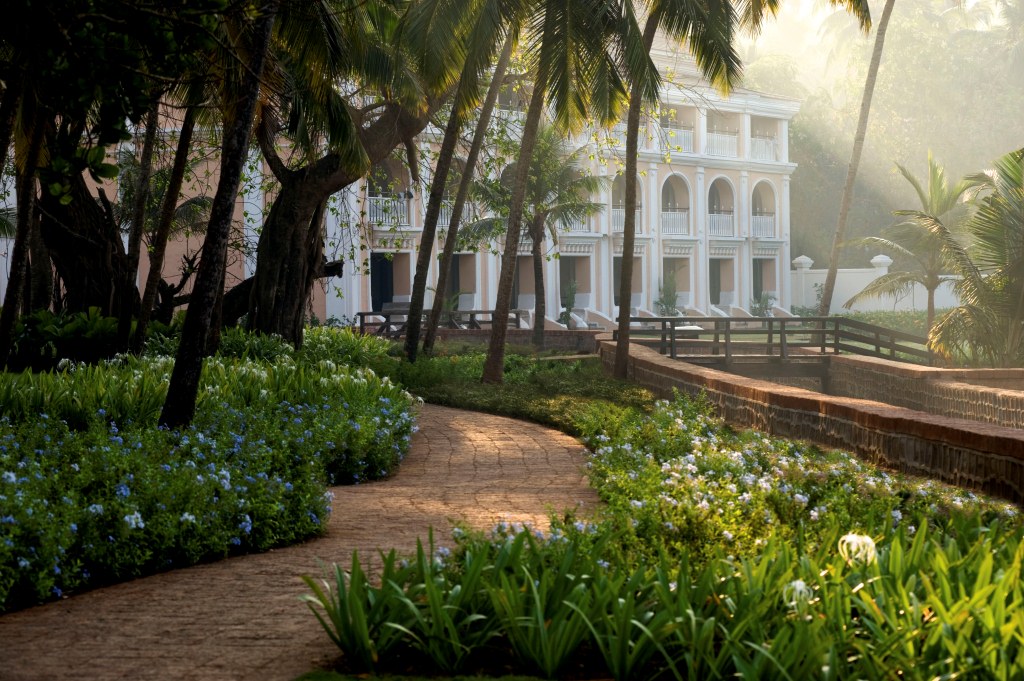
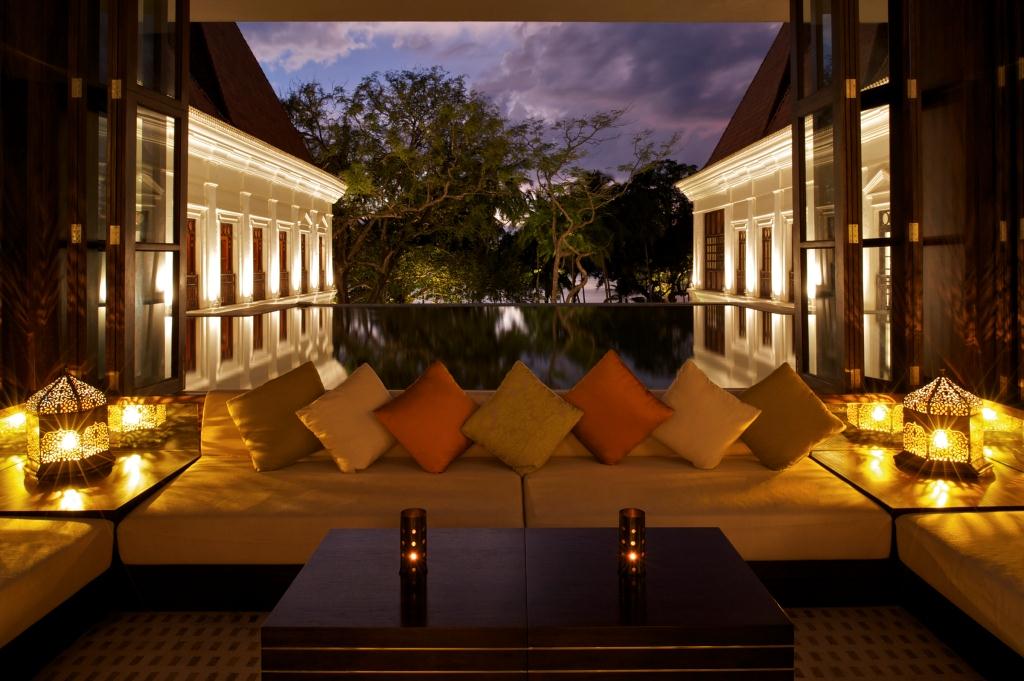
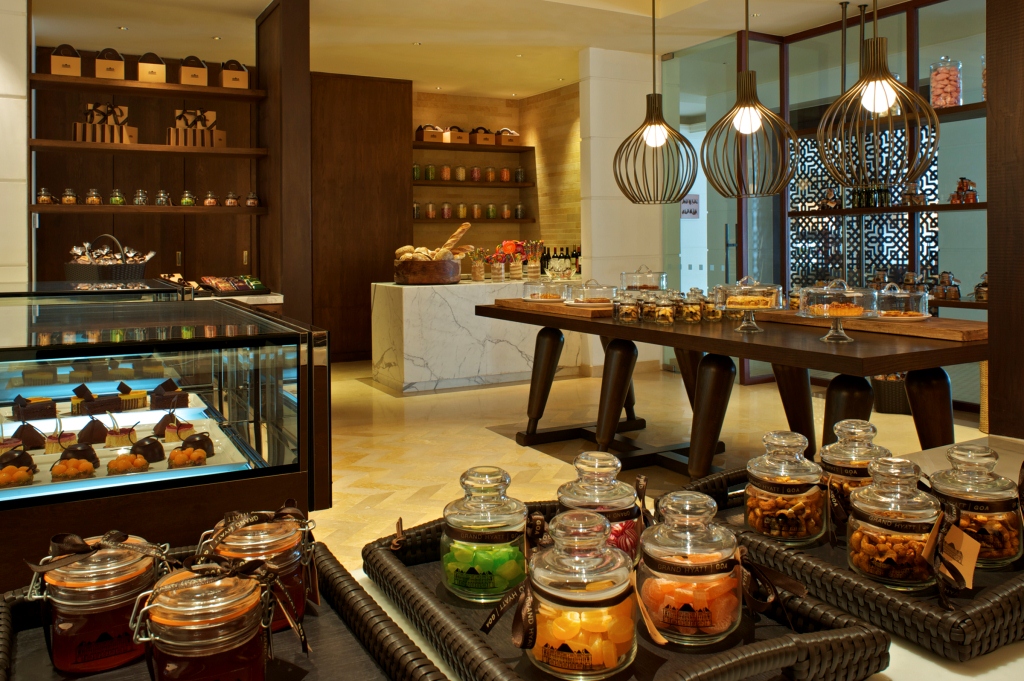
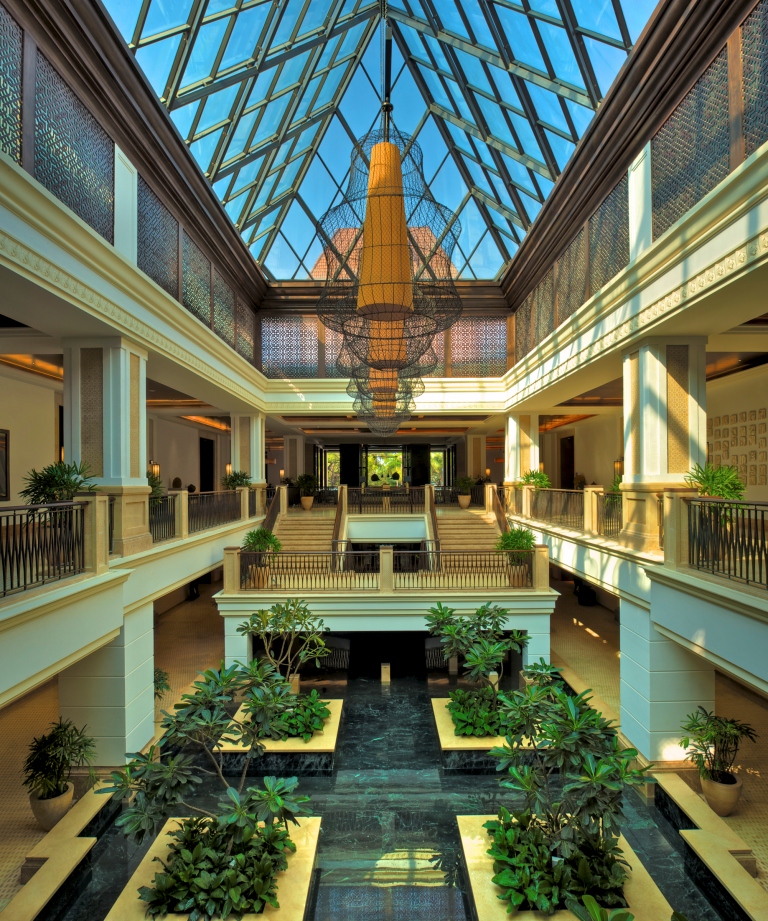
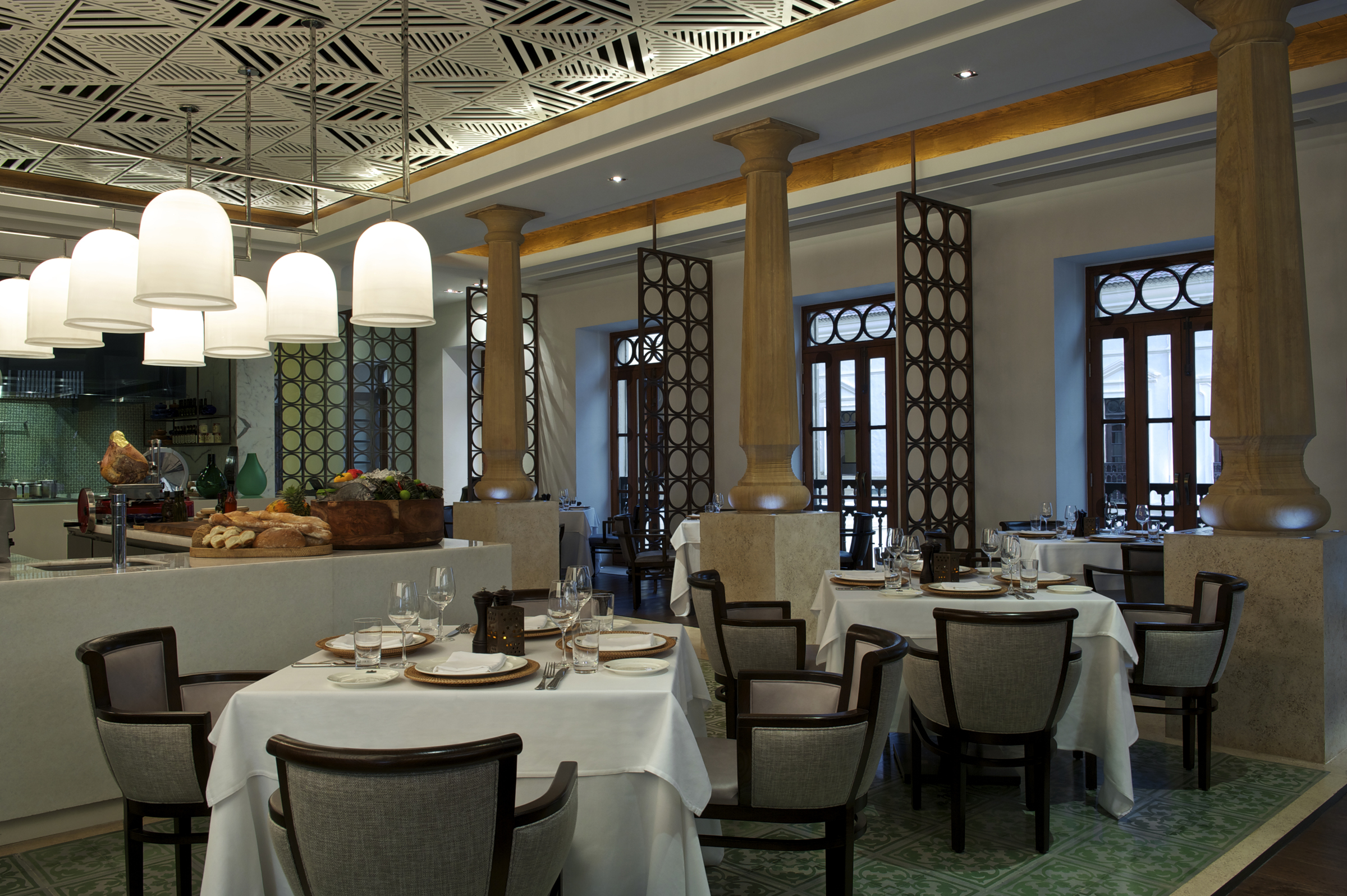
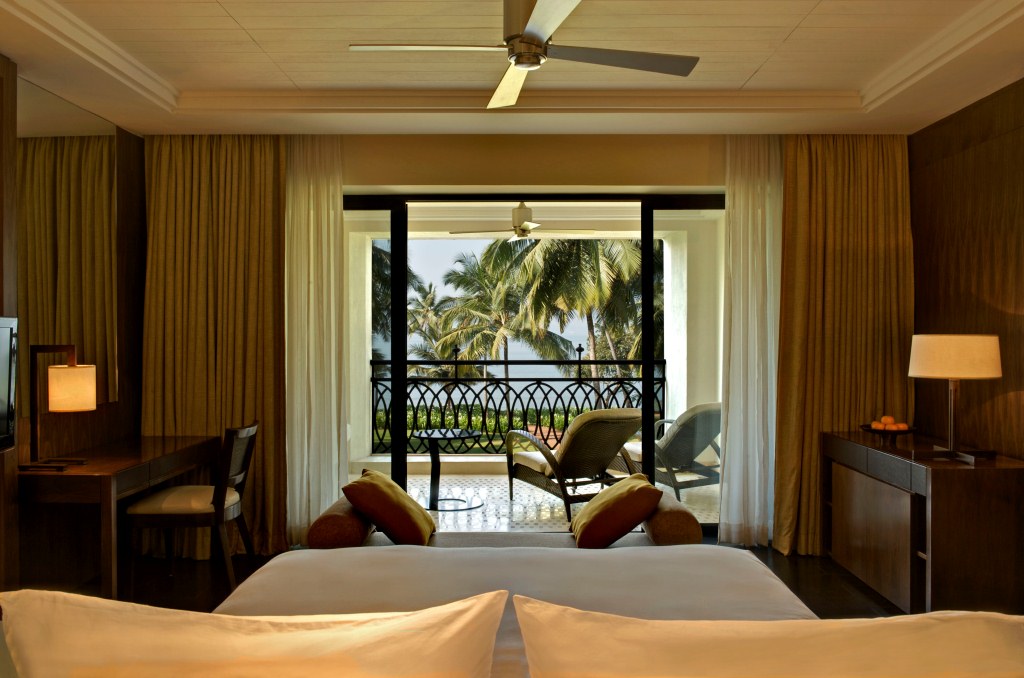
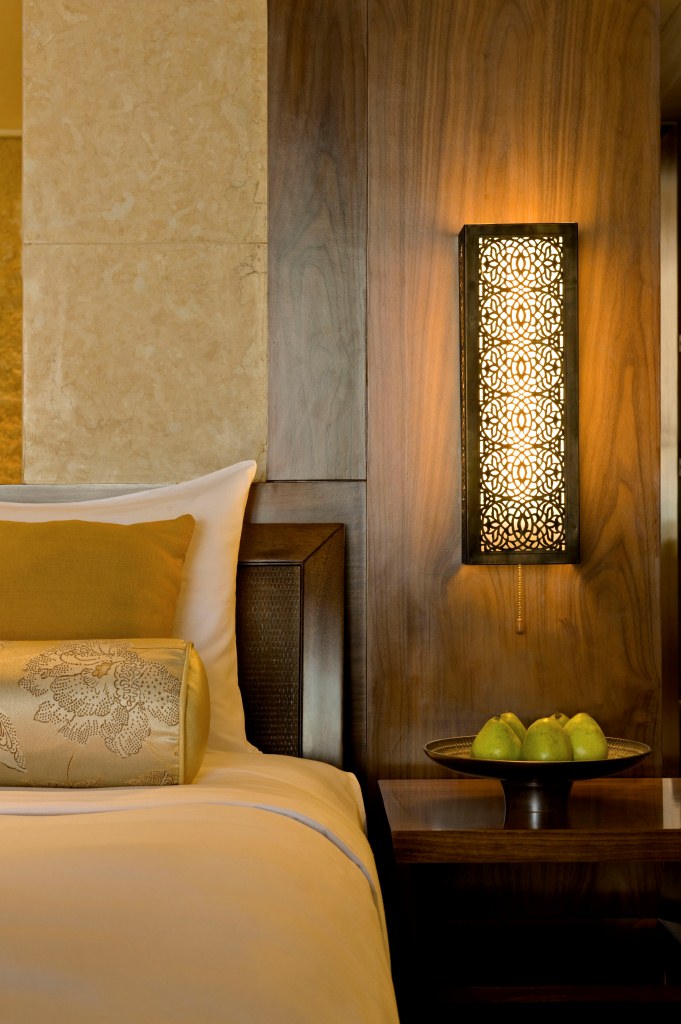
To me accepting this, acknowledging this and finding solutions rather than criticising is something that will surely help to make this project something everybody will be proud of in the end. I have many issues still outstanding in lighting from non-dimmable cove lights to wrongly wired or installed lights, but the fact is that to the first time guest arriving at the hotel it looks fantastic and impressive. We (as the designers) may still see all the missing nitty-gritty that needs to be done or should be there, but for the “uninitiated” it’s the first impression that counts. That the hotel has already bagged its first awards as best new hotel in Goa proves my point. See some pictures below.
Light Watch 3-10: Grand Hyatt Goa, India. Photo’s courtesy of Hyatt International group
Year of the Dragon
Singapore- Mumbai 25th January 2012
We returned to work today after the Chinese New Year holidays that has just brought us the year of the Dragon, for many the anticipation of an auspicious year ahead. The year of the Dragon is considered by many as the luckiest animal in the 12 year cycle of the Chinese zodiac. Interestingly the Dragon is the only animal in the zodiac which is not real! Maybe this year will be unreal! 🙂 But it is seen as a symbol of power, superiority and rule. I have always been interested in Chinese/ Eastern philosophy, simply because I live and work in this part of the world and have had many exposures to it. While at times it may seem strange to the down to earth thinking we as westerners have, there is a lot of merit in the eastern thoughts and ways and I have at several occasions been able to appreciate its working. Think Feng Shui for instance..
So will the year of the Dragon bring us lighting designers good fortune this year? With all the misery around the Eurozone and other uncertainties in the world we can certainly use some good fortune and if the year of the Dragon can bring us that little push, we will all be happy. I have many projects cooking in the kitchen which I hope the year of the Dragon will bring to fruition! This is one of those times that you want the auspicious nature of the Dragon to definitely work for you!
Then luck also has to be forced your way. We can’t sit still and just wait for things to happen. Action, perseverance and self-belief are probably the key ingredients to get what you want. I certainly have great hope and expectation for this coming year of the Dragon and wish you all the same. I am on my way to Mumbai, who knows what new opportunities await me there! Go Dragon, go! 🙂
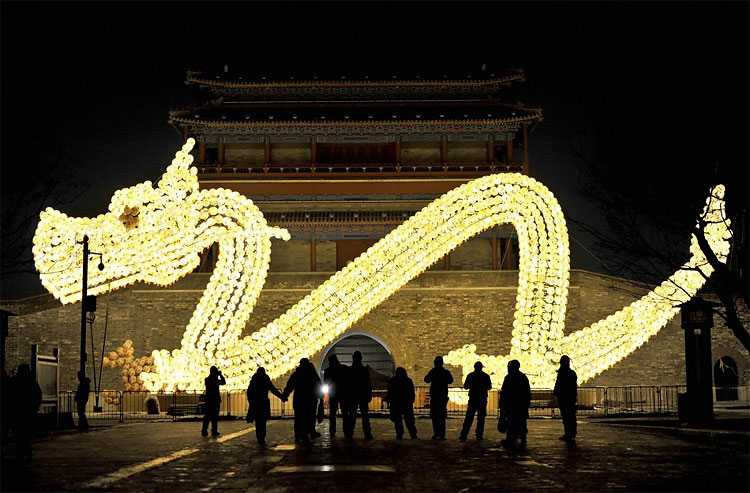
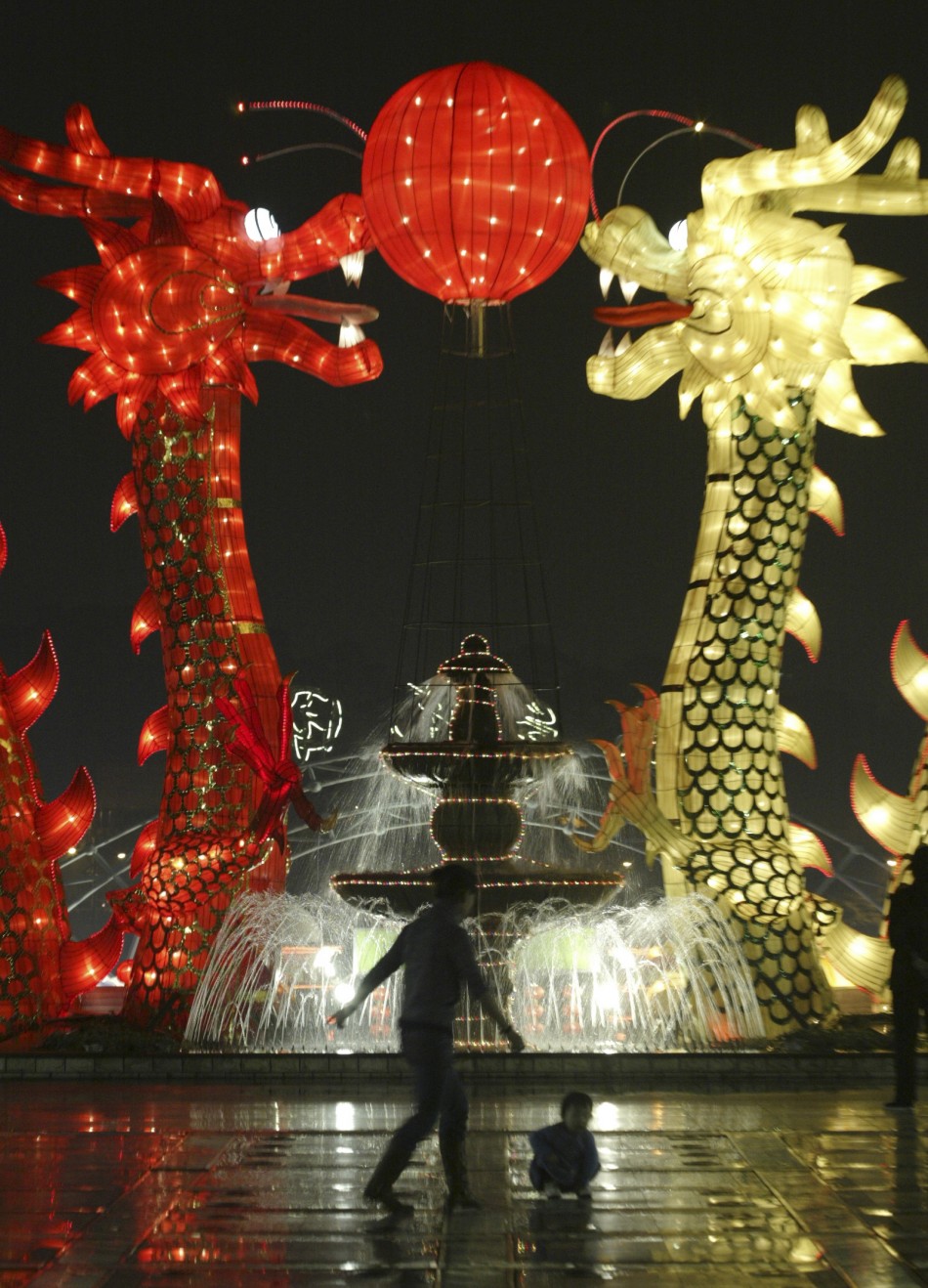
Light Watch 3-9: Chinese New Year is celebrated throughout the Chinese community in the world and lighting is a big part of these celebrations. Below some pictures of the Chjinese New Year of the Dragon…Gong Xi Fa Cai everyone…


 The long awaited book compilation of Martin's first year of blogging is available. Order now.
 Feedspot Top 100 Lighting Blogs