
Brain gain
Perth, 15-16th May 2012
Travel has caused me to miss a day… :). I am generally quite good at planning my blogging, but somehow yesterday it did not work out between meetings, packing and travelling. Back in Australia to attend to some of our projects and catch up with some clients. When you travel you get to appreciate the various cultures, various climates, various eating habits and what I appreciate most of all, the different views on world news.
One of the things I read in an international newspaper on the way is about the so called brain-drain that is happening around Asian countries like Indonesia, Malaysia and even Singapore. People who are highly educated (many having studied abroad) and then find their skills better rewarded overseas. The interesting part of the article was that rather than looking at the negative side, the so called brain-drain, it looked at the positive side, the brain-gain. While each country “suffers” the loss of skilled people to other nations, they also “gain” skills and expertise from other countries at the same time, like skilled draftsmen and designers from the Philippines, Indonesia or Thailand for example.
I have a very positive outlook on life, sometimes over-positive, but there are many positives to draw from the inter-cultural brain exchange. If I look at my own lighting design practice, I have key operations in Australia, Singapore and Indonesia, mixed with operations in India and China. Each cultural back ground brings something else to the table and in a multi-cultural society as we live in now, the international nature of our projects and the ever smaller world (easy travel/ easy communication), I can only see positives and hence the brain-gain. I enjoy working with people from different educational backgrounds, different cultural upbringings or with different life experiences. Look at the bright side, in the end we all win.
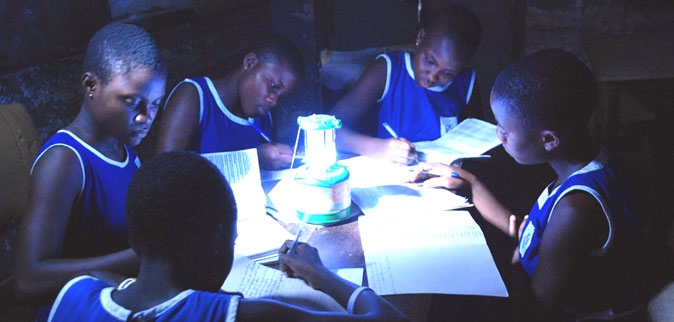
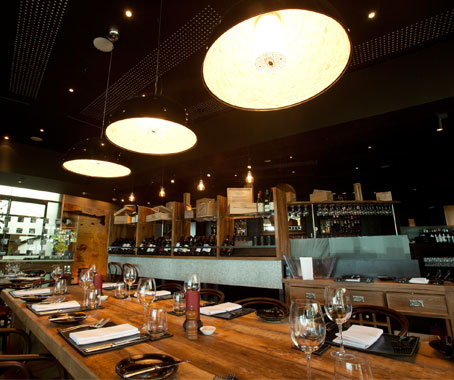
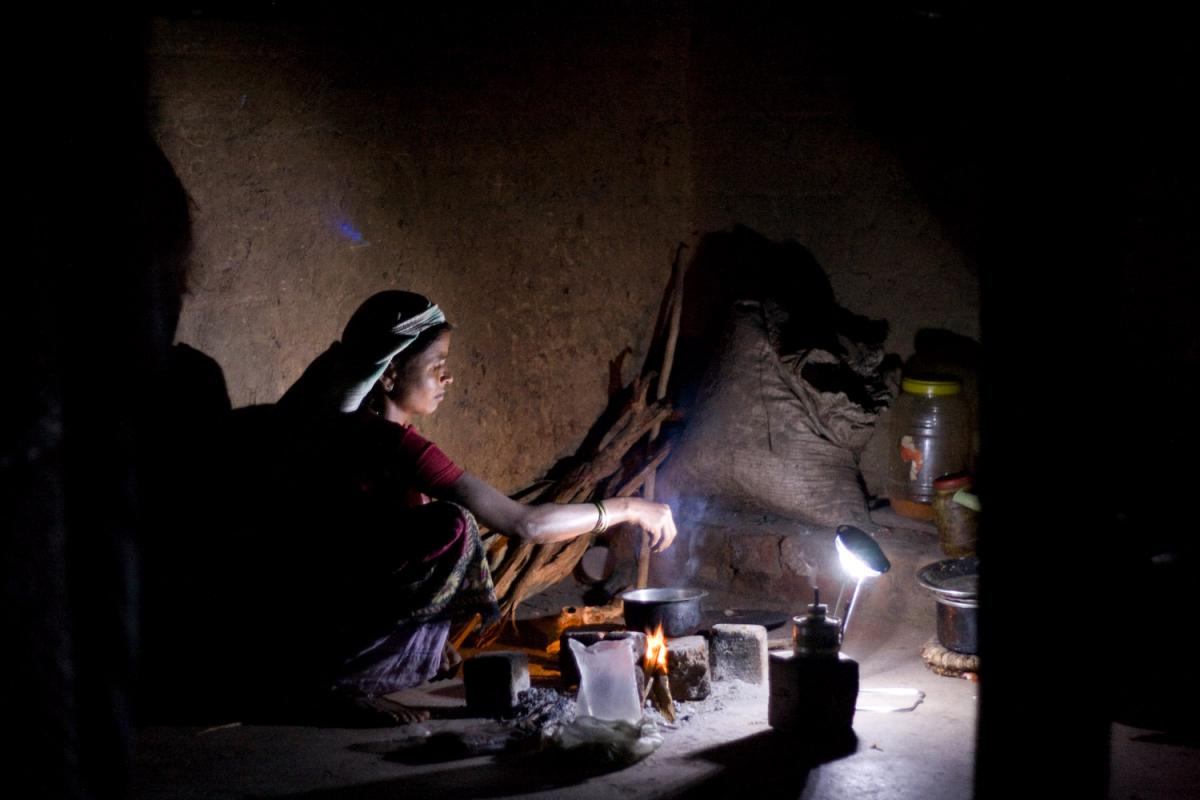
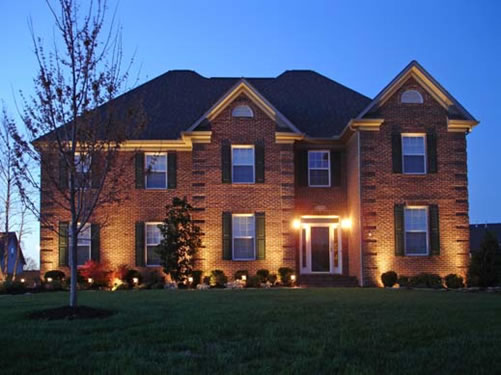
Light Watch 3-67: The cultural differences makes us experience lighting in many different ways. Lighting in Africa may be different from lighting in China or Australia. Below some (contrasting) pictures capturing different lighting experiences.
I also found this educational website called “Science games for kids” (http://www.sciencekids.co.nz/gamesactivities/lightdark.html) which explains light and dark for kids in a simple interactive way….have a look.
LED and consumerism
Singapore, 14th May 2012
Some contractual project negotiations, a supplier’s follow up visit (we get that a lot after L&B Frankfurt), some project planning, a client meeting, a few design and specification issues to resolve and lots of emails and skype communications… and that was Monday gone….
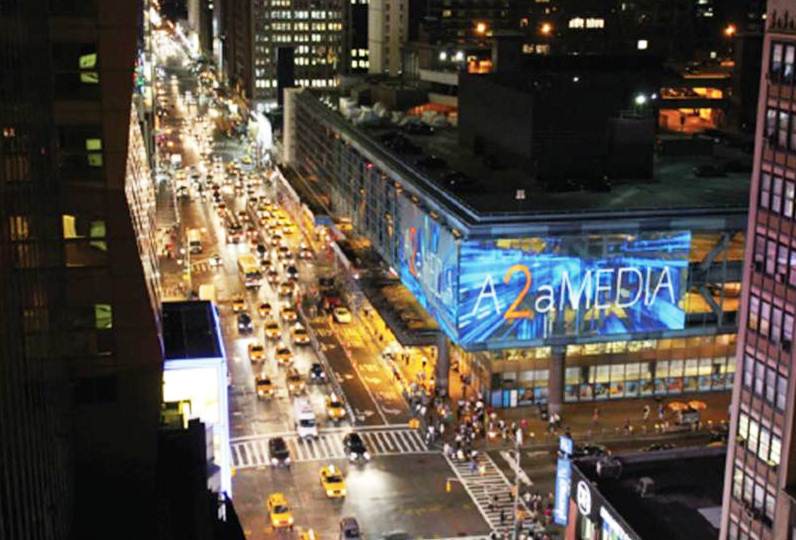
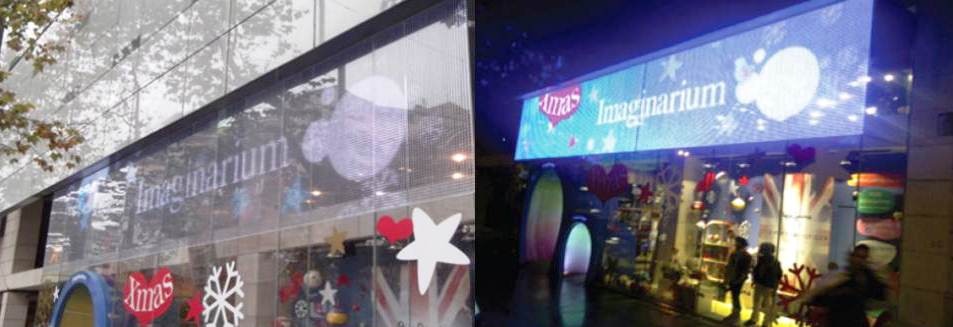
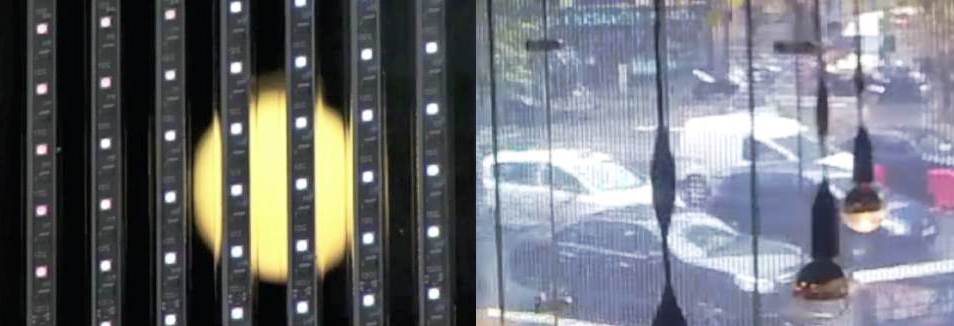
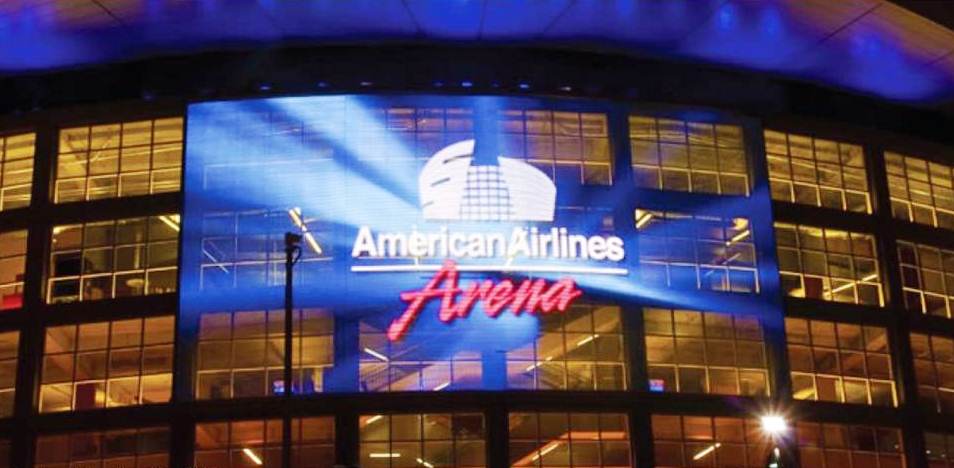
In one of the LinkedIn groups some-one introduce an integrated continuous glass media wall. Looks like a great concept (but really what’s new?) the difference being that it is already pre-sandwiched in laminated glass and allows continuous mounting without any visual interruption. That in itself is great and may reduce a lot of potential failures (but I don’t know the finer technical installation details), as with LED’s most of our issues are in the installation and proper maintenance.
This brings me to one of my frequent worries with LED’s. How do we deal with maintenance and the potential need for replacement? No product is perfect, there is always some initial failure or installation problem. This is something that somehow gets lost in the sales story, maybe even in the product development story! In the case of this glass window it looks like you would have to replace the complete glass window if one or more of the lights are failing. Besides the amount of work it is (imagine it a few stories high up a building façade) and the cost of replacing the window (material and labour), a cost generally not accounted for in any ROI calculation, it is also an example of consumerism.
Nowadays when you have a little scratch on the bumper of your car they make you replace the complete bumper instead of just making good the bumper area. Or if you blow a build-in fuse in a cable plug, you have to buy a complete cable plug set. We now see the same happening with LED lighting, certainly with the integrated systems. If the LED does not work you are more or less forced to replace the whole window, while there is nothing wrong with the widow itself. This consumerism is a worrying trend and it seems the LED technology is somehow encouraging manufacturers to develop their systems such as to force consumers to spend more. I think it is time for the manufacturers to take a serious look at this.
Light Watch 3-66: The glass window media wall
Back to being a baby
Singapore, 11`th May 2012
Another week gone, don’t know whether it is just me but this week has just zipped past. Quite an exciting week I must say, with a bit of everything; meetings, fee proposals, design sessions and no travel for a change!. One of the interesting design sessions I did over the last few days was working on a kids club. As you get older it is somehow more and more difficult to really remember what it is to be a kid, let alone a baby and what sort of senses dominated our experiences at that age. This club is for the 1-4 years old. How did I experience lighting then? Did I actually register it as light? Probably not.
In our early years it is all about movement, shapes, contrast, colours, sounds, touch and feel. I remember from my own kids that they loved those mobile pendants that slowly moved round. We used to have a rotating projection lamp that projected moving images on the wall. I personally can’t remember any such early experiences, other than from observing my own kids. So conceptualising the design for this kiddie club is very much going back in time. It is also an interesting collaboration with the interior designer as they must face the same thing in regards to their interior design, as at the same time there is a need to make it contemporary.
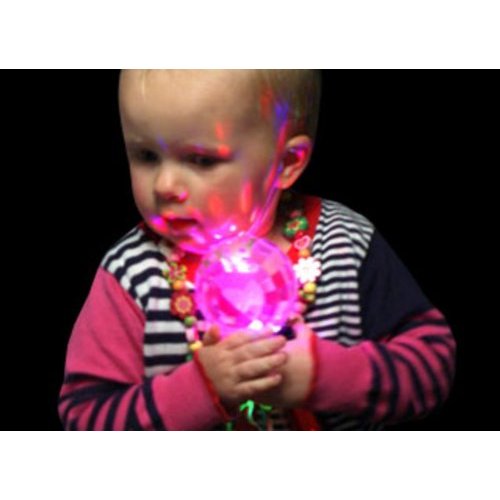
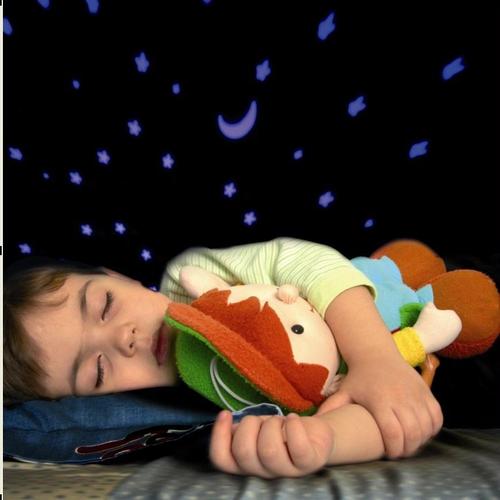
Safety first, so no electrical points, lights within hand reach or low to the floor other than maybe playful, safe, low voltage toy lights. As soon as baby’s start crawling around they start putting everything within reach and grab in their mouth. This kiddie club has a hugging area as reception, the place where you say “goodbye” to your baby, all in soft, warm and friendly shapes, tones and materials. It is the place where lighting could provide some distraction so the separation from the parent is quickly forgotten. The playground should be all about safety with possibly some low level interactive lighting. The rest area, seemingly the place to create the glowing stars and soothing image projections. I know my kids loved it and guaranteed fell asleep on it…
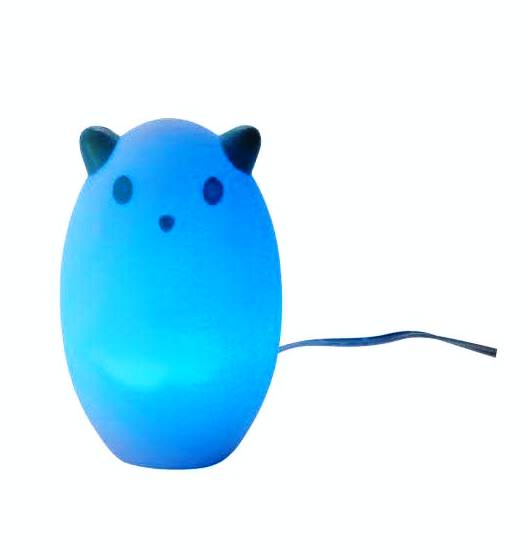
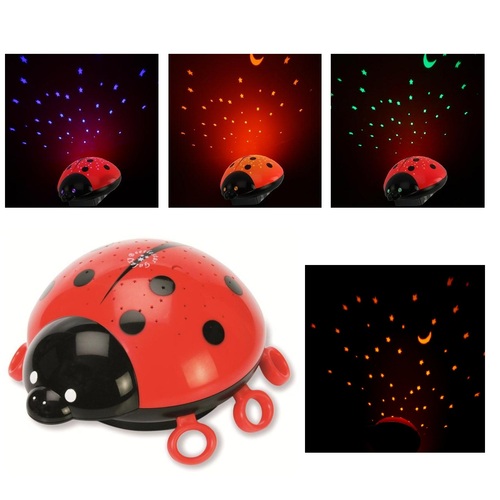
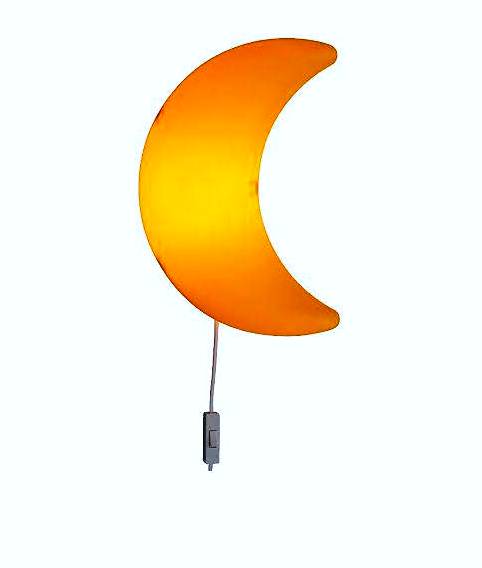
Light Watch 3-65: I did some Google searching to see what’s available nowadays in the kids lighting market. Here is some of the things I found and from which I may draw some further inspiration for my design…
The illusion of appointments
Singapore, 10th May 2012
Somehow it seems like the economy is picking up lately. More and more clients are finally making decisions and projects are moving. I heard similar feedback from others in the market. Another client informed us by email that we are appointed and “will we please get on with the work”. Hey, wait a minute…are all our terms and conditions agreed to? Where is the official appointment letter, signed sealed and delivered. What about our appointment fees?
Some “paymasters” are very clever. They get you to get on with your work hoping that in your excitement and commitment you will “absorb” some slight changes in the terms and conditions. Of course you find out way into the project. In order to log you in some even happily pay your down payment. I have burnt myself several times in the past. Of course not every client is like that, many are a joy to work with. But those who don’t really want to pay (often the very rich ones, I guess that’s how they got rich!) resort to undercover strategies, giving you first the illusion that you are appointed and that all is well, to get you started as quickly as possible because on top of that we are nearly always appointed at 5 to midnight.
Typical conditions that you may find slightly altered when you receive your actual contract are things like, percentages per stage of work (what happened to my 20% on appointment?), payment terms (what happened with to my 30 days payment term?), additional work clauses and duration of project (no client really wants to log themselves in for a committed construction schedule, even if they penalise you if you don’t make the schedule). I blogged before about the taxes and charges levied on your fees (somehow they always try you to pay for it out of your clean fees) and so there are many more. Time is money so they think, but hey, that’s how we think too!
So having been appointed is nice but unless we have the contract signed sealed and delivered, all terms and conditions agreed and committed to and the first payment in the bank, some appointments may still end up an illusion 🙂
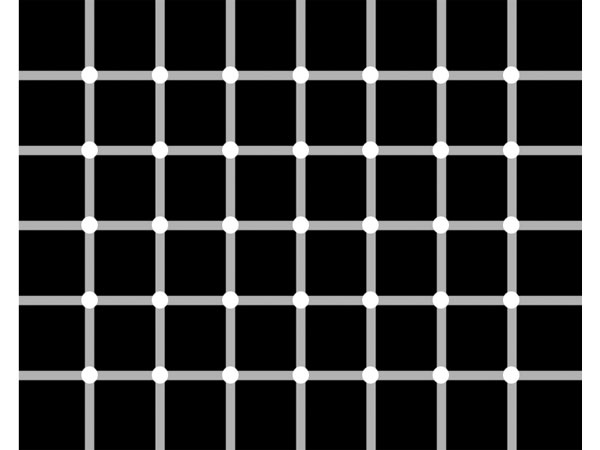
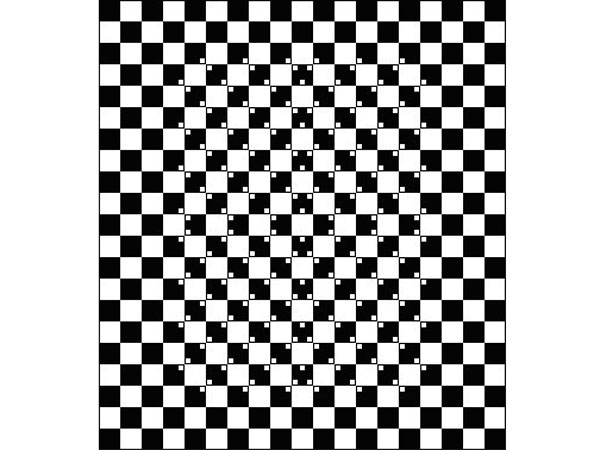
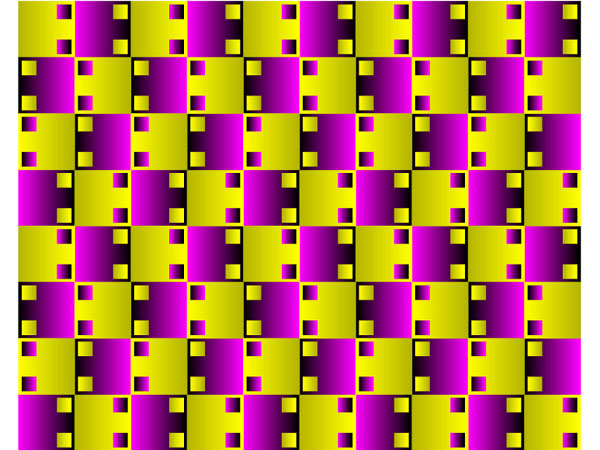
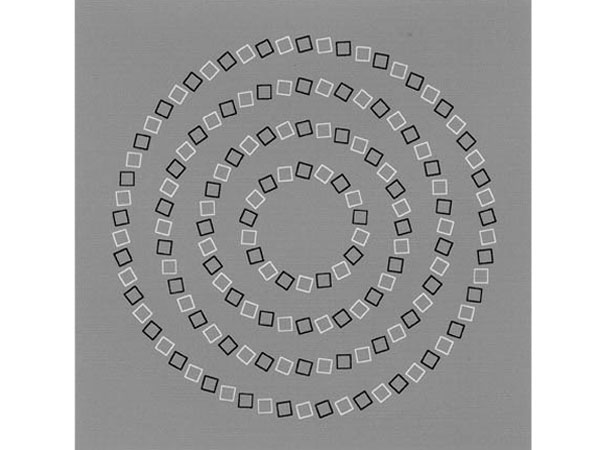
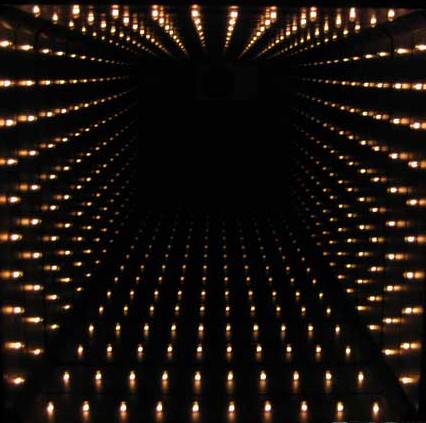
Light Watch 3-64:To stay in the illusions..in lighting we have our optical illusions, optical effects that are part and parcel of our lighting designs. Here are some examples. Just imagine the little dots and squares as light fittings against ceiling or other material back grounds including colour contrasts and you will see what I mean….
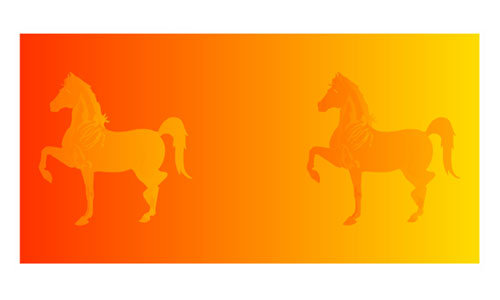 The horses have the same colour!
Full Circle
Singapore, 9th May 2012
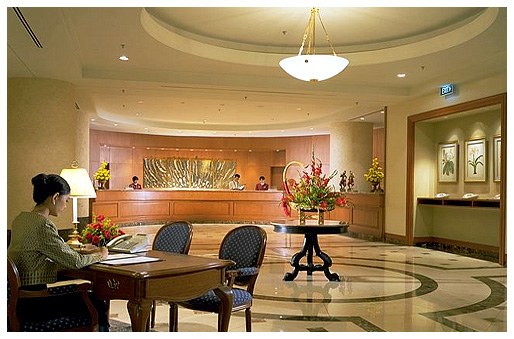
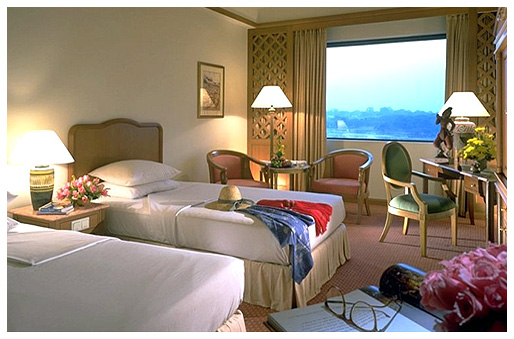
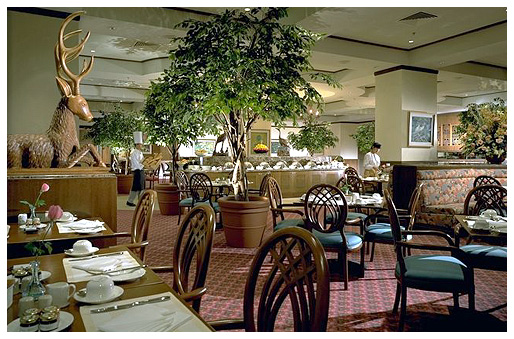
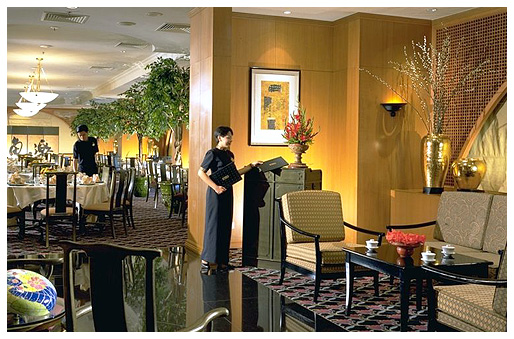
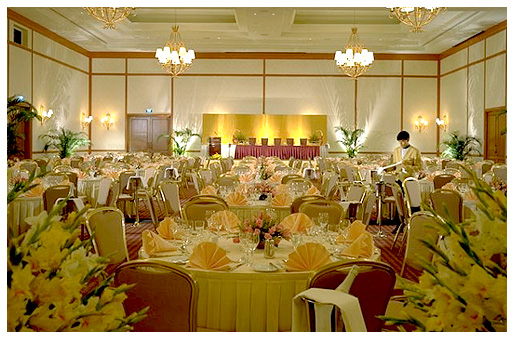
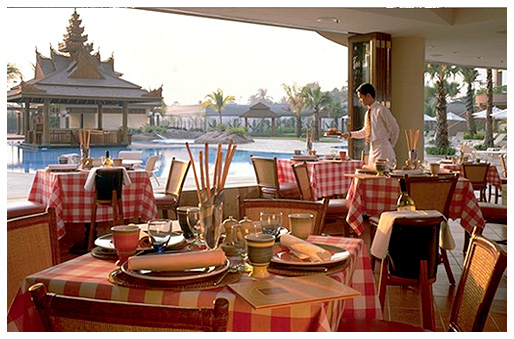
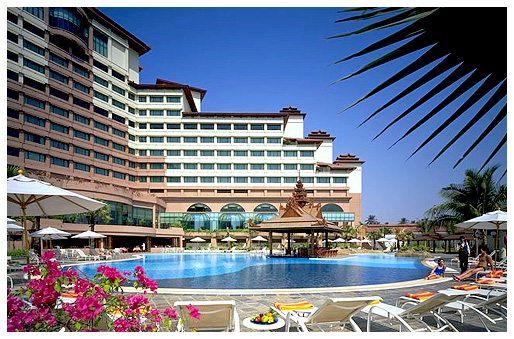
It does not happen often, but there is occasionally that moment where you come full circle with a project that you designed in the past. We have just received official confirmation that we have been appointed to do the lighting design for a hotel renovation project in Yangon, Myanmar. Now that in itself is not front page news (unlike pro-democracy icon Aung San Suu Kyi, who makes the headlines there nearly every day), but what makes it special is the fact that I was the lighting designer for the original project nearly 2 decades ago. This is the first major renovation and extension since then. I will now get to revisit one of my early works in absolute full detail and see how it has stood the test of time!
There are many things that excite me about this opportunity. First of all; how well or how bad has the lighting held up all these years? Is there still much left of the original specifications or has much, bit by bit, disappeared and been replaced at the hands of the maintenance team over the years. How does the design stand up? Would I still design the same way (which would be a testimony to the longevity of my design concept) or will I be saying to myself, how did that get approved at the time…what about the light fittings…?
Then there will be the opportunity, possibly as a case study on the side, to see how far we have come in terms of technology and how more efficient and sustainable the lighting of today has become. I would not be surprised that with today’s technology we would do the same at less than half the energy and probably double the performance. Have our comfort, quality and expectancy levels towards lighting today also significantly increased? For sure…just looking at some pictures I downloaded from the official hotel website tells quite a story already. I leave you to judge. Sometime in the future I hope to share this experience and the outcomes with you. To me this will be of great educational value and applied into our projects will further improve our designs of tomorrow.
I can’t wait to go and see…keep you posted.
Light Watch 3-63: The Sedona Hotel in Yangon as it is currently advertised on the official hotel’s website.
Irreversible evolution in lighting?
Singapore, 8th May 2012
The evolution in lighting technology and the now unavoidable social responsibility of having to be sustainable and “green” (whatever that means…) has brought us to a situation where lighting designers like me, who have been brought up designing in the incandescent lighting years, have to stop and take a step back to assess our position. How far do we go with LED?
I was asked the question today at a meeting what my opinion was about LED, as the way we are going soon we will not even remember how it was to use an incandescent bulb. There is the new breed of lighting designers now being brought up with nothing else to “play” with than LED. Then there is the new generation clients who only seem to know the word LED…hallo…ever heard of incandescent, metal halide, fluorescent lighting?
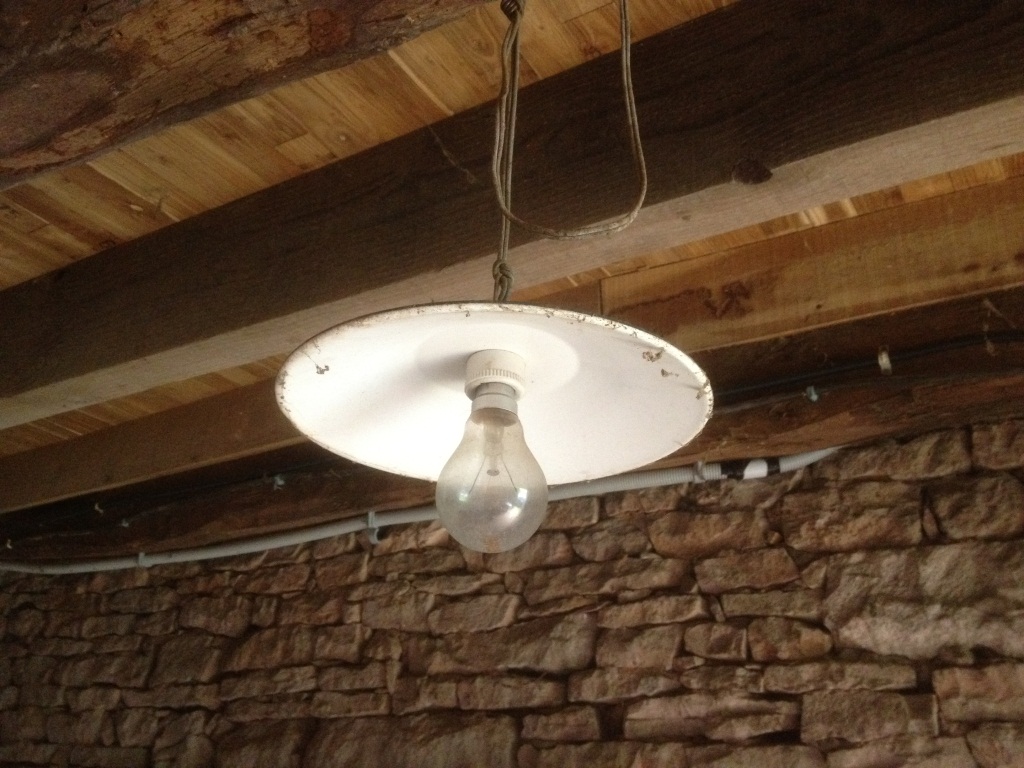
Just last week, when I was in France, I had to replace a light bulb in an old, typical lamp shade (see picture below). There are many of these still around in the countryside. I went to the local supermarket a couple of kilometres away only to find out that my only choice was compact fluorescent or LED “energy saving” lamps. I asked the store manager for a “normal” incandescent light bulb, but he replied that they did not carry these anymore, courtesy of new government ruling. What? Yes I know, I have been blogging about this before and am of course aware of the fact that many governments have already implemented the banning of the incandescent lamp, however for some reason I thought that in far-away rural France I could still get my incandescent bulb. It hit me really…on top of that my only alternative was to buy a 20 Euro compact fluoro… I used to buy 20 incandescent bulbs for that price! I refused and decided to go on a crusade to find some left over incandescent bulbs, even at a flea market if needed. If you look at the picture of the lamp shade below you will agree with me that no CFL or LED can replace that feel and mood…
Light Watch 3-62: My traditional lamp shade for which I could not find a lamp anymore…do I really need to replace it with an energy saving lamp type 10-20 times more expensive, for which I do not even get a longer warranty?….
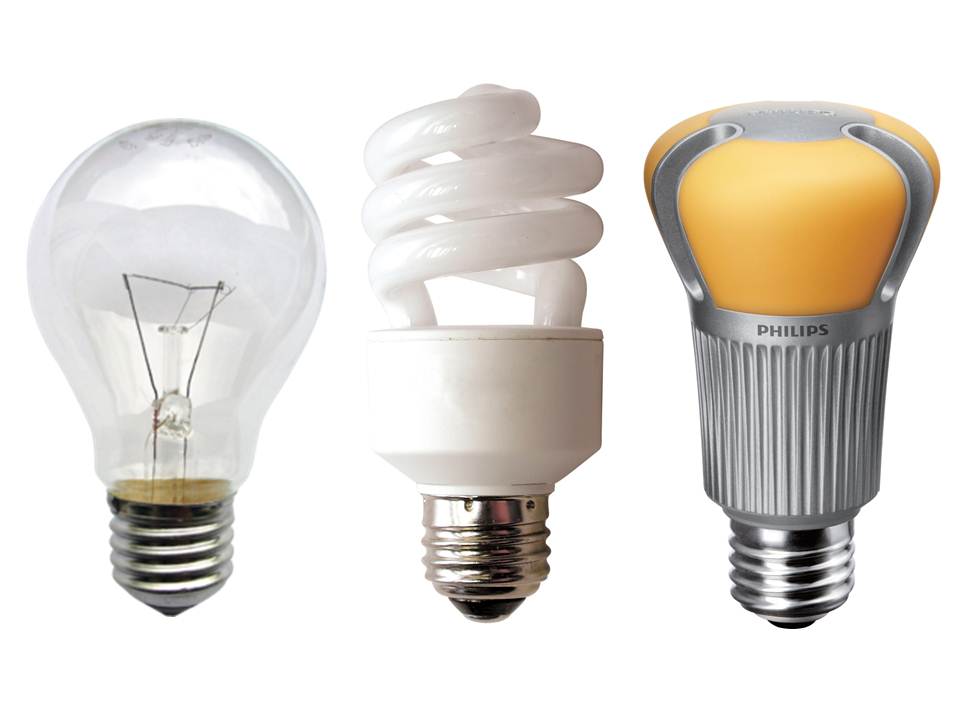
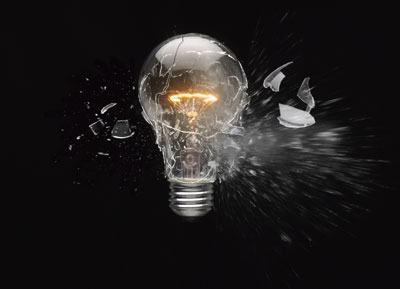 The incandescent dream shattered for good?…
LED Cowboys
Singapore, 7th May 2012
It was a quiet Monday as many companies have taken the day of for Vesak Day, a Hindi public holiday that was celebrated last Saturday officially. A good time to run a rant on the LED cowboys…
I am pretty sure I am not alone in my frustration towards scrupulous suppliers who do the rounds seeing unsuspecting company and hotel engineers selling their latest LED products. Truth must be told, it has become a cut throat market out there with so many LED manufacturers around (as mentioned before in the Guangzhou/ Shenzhen area alone there are more then 5000 LED manufacturers!) and as a result it has very much become a price “fight”. The sad thing however is that in the process we end up with all these disappointing LED installations which absolutely do not live up to the expectations. Quality is taking a back seat and it is therefore not surprising that without much exception all major key players in Frankfurt went out of their way to explain the benefits of good quality LED’s.
As you can get the same LED product but with a much lower McAdams ellipse binning tolerance for its core chip for nearly half the price for instance, it is no wonder that some “desperado’s” take this shortcut to get the sale. While in principle I have no objection against offering a lower tolerance binning, it needs to be made clear to the client/end user. But unfortunately it is being sold under the pretext of being the same, tricking the client in thinking that he is getting a good deal! There are many quality criteria more as I described in my second L+B review last week, which require expert knowledge to understand and make aware to the clients.
On top of that there are still heaps of suppliers that sell their LED’s with less than 2 years warranty…if that is not a sign of a low belief in the product, I don’t know. Our LED specifications require a minimum 5 year warranty, subject to conditions between client and manufacturer. The term LED cowboys is therefore very apt as they gallop along “shooting” their LED’s to the eager clients who are all under pressure to show being sustainable and socially/ environmentally friendly.
Unfortunately, due to lack of awareness in regards to the quality criteria in LED technology they find themselves with inadequate budgets and happily fall in the trap of cheap LED’s. As lighting designers we somehow need to step up this awareness fast and furiously.
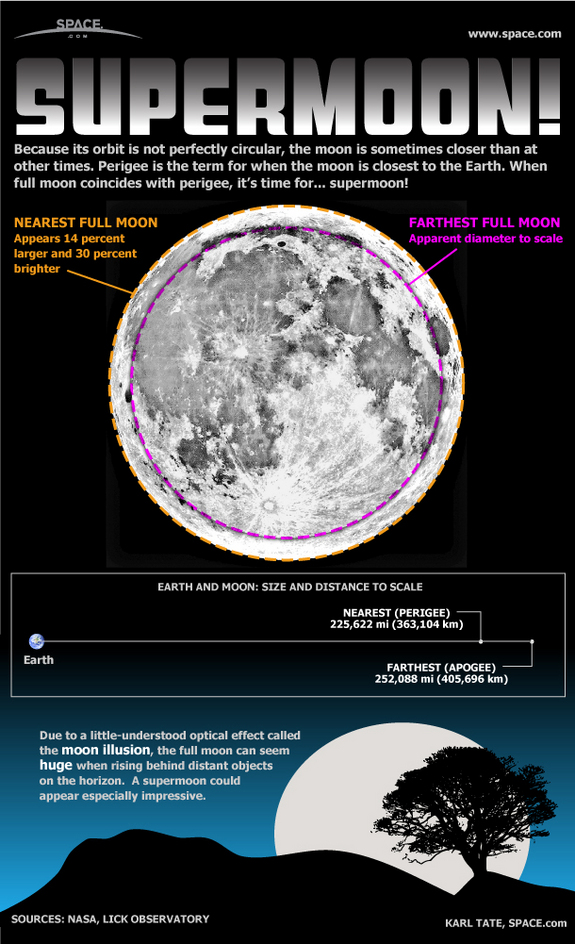
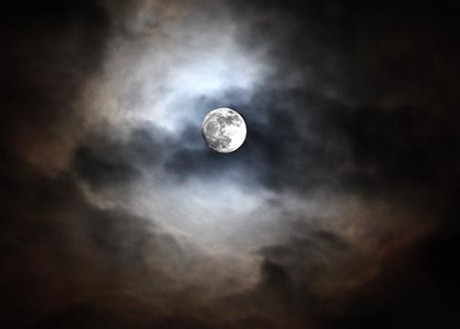
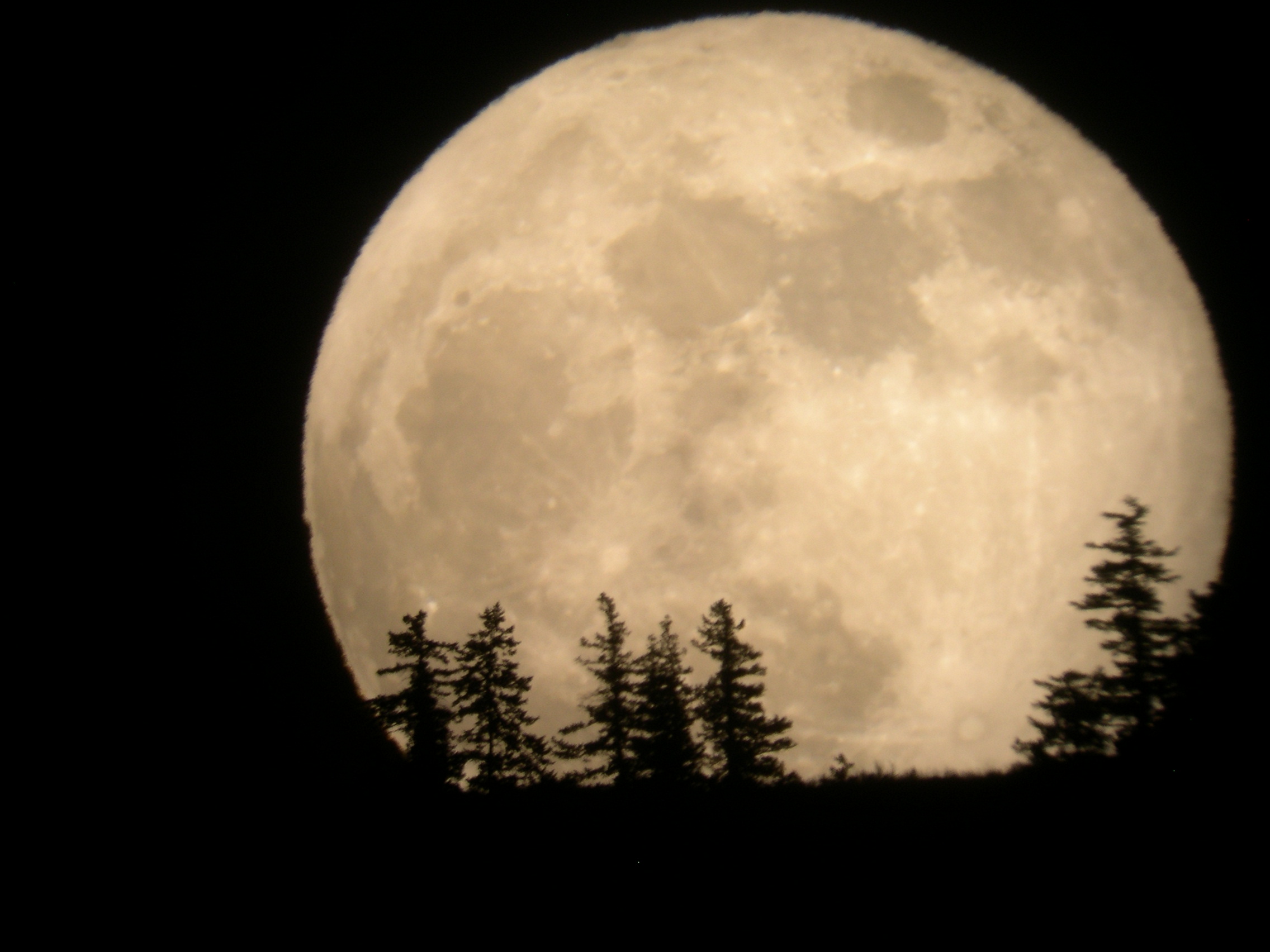
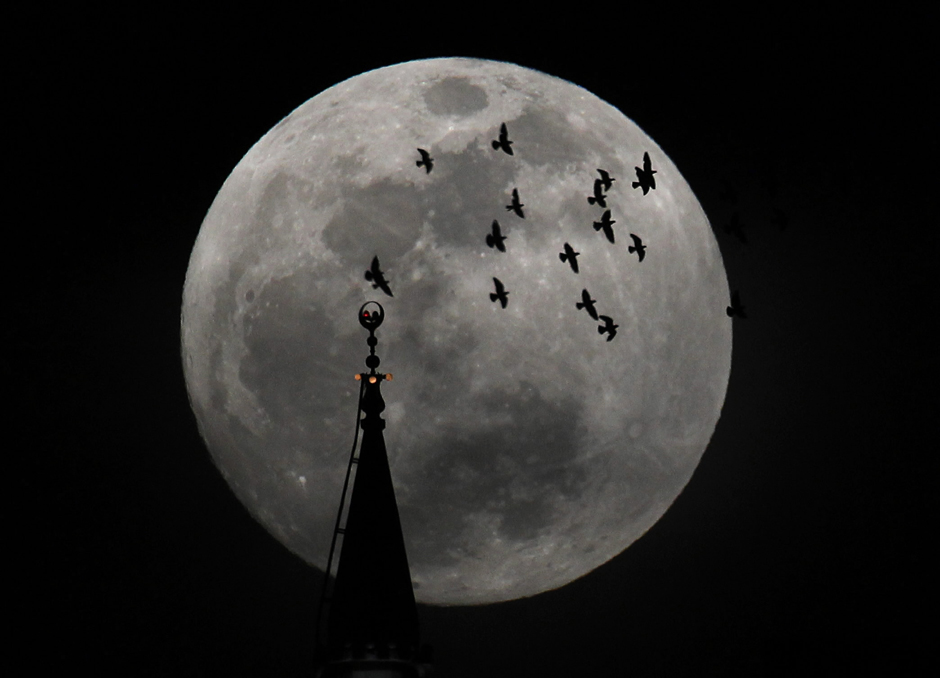
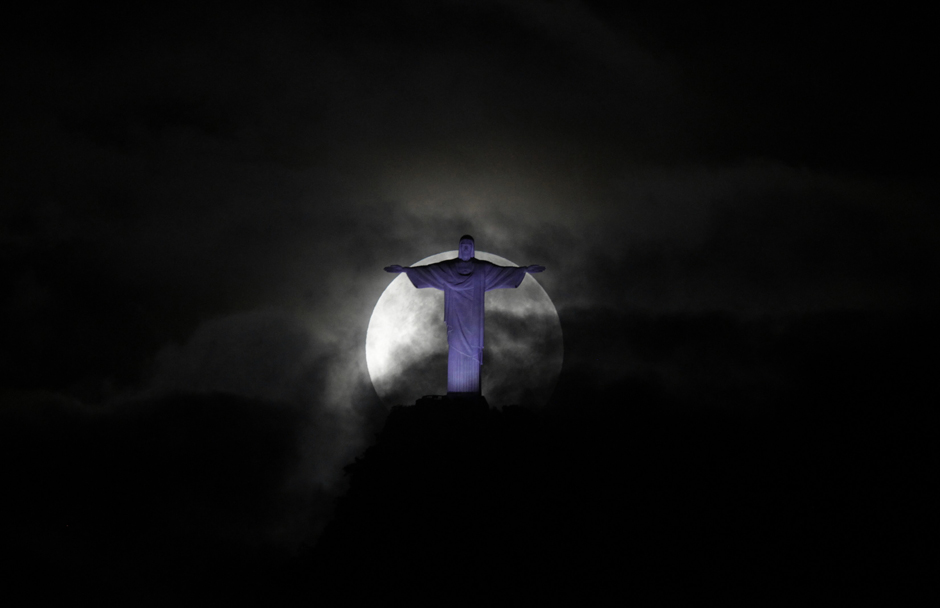
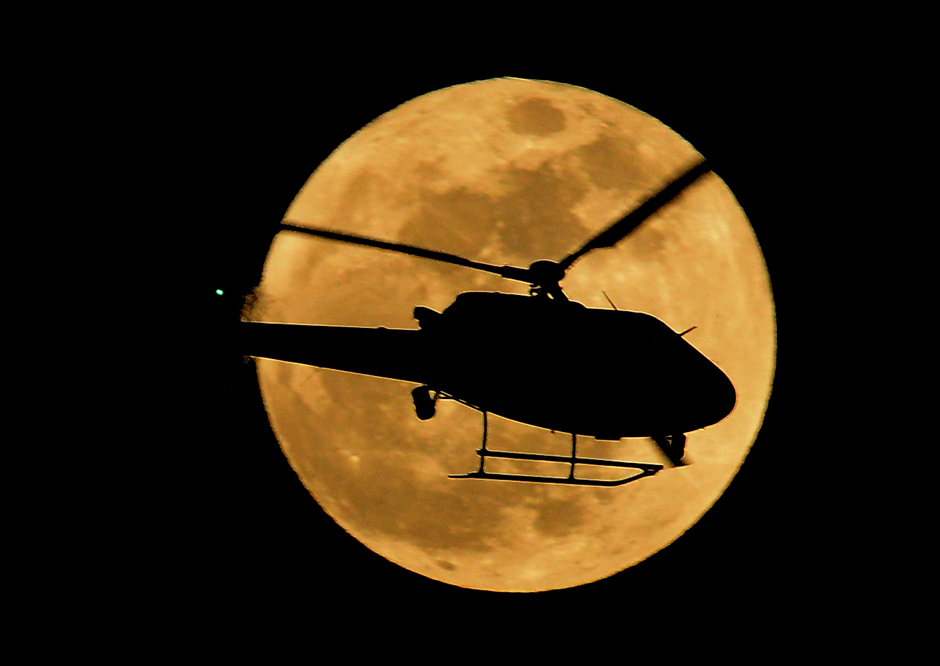
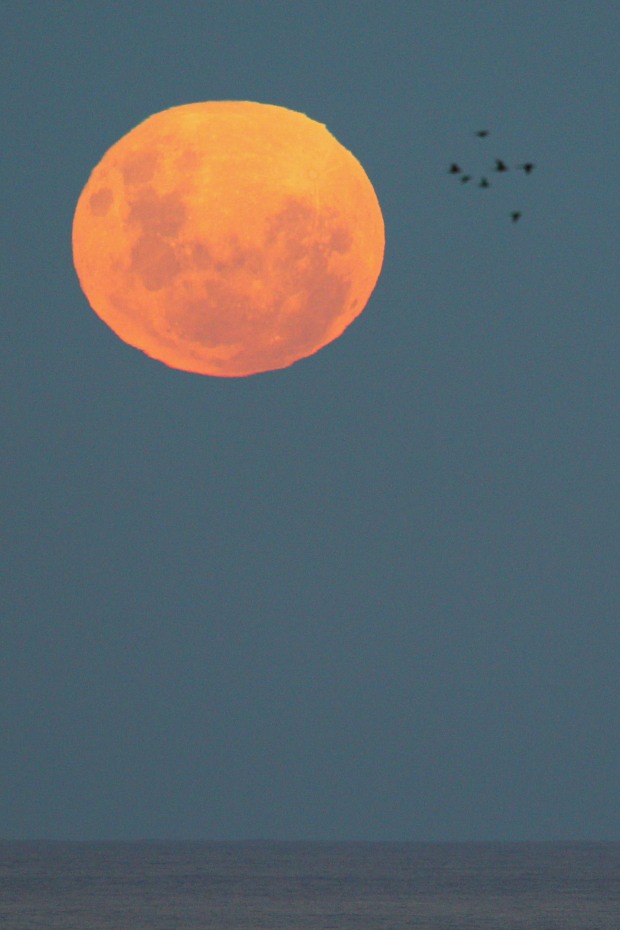
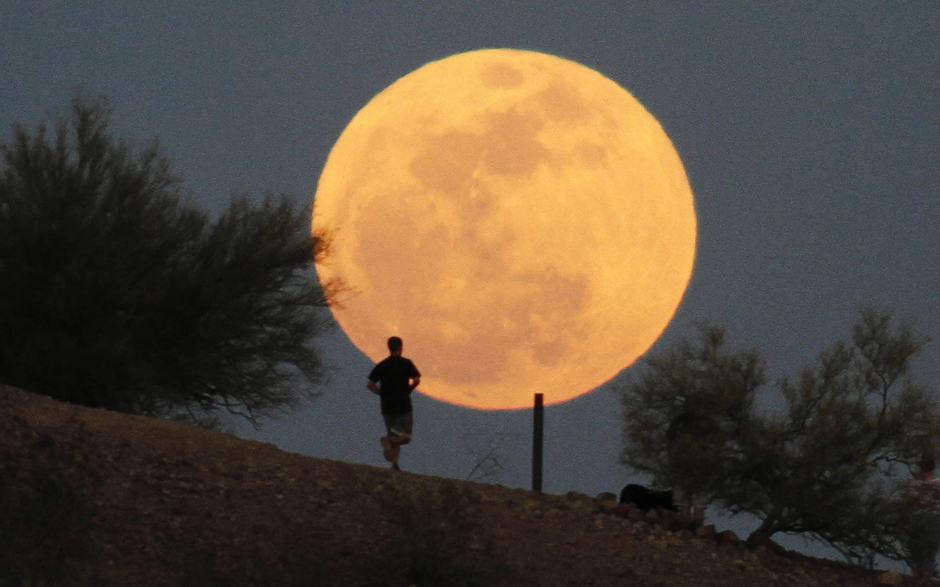
Light Watch 3-61: Last weekend was Super Full Moon weekend, with the full moon roughly 14% bigger as it finds itself on its closest distance to the earth. Below some pictures as could be seen around the world, some using the moon as a spectacular backlighting.
Looking back on L&B 2012 (2)
Singapore, 4th May 2012
To wrap up L+B 2012 I will have a slightly more technical looking back today. With one of the key trends being about sustainability it is not difficult to understand that key elements contributing to sustainability were in most manufacturers mind. Reminding all that sustainability is not only about watts/m2 but also about human comfort/needs (health!) and value for money, many of the manufacturers hammering on their quality, colour consistency, reliability and how “green” they were.
Colour quality and consistency was surely one of the main talking points. True colour mixing, freedom of binning, basically suggesting that LED’s can now be chosen without fear of colour discrepancy through tight tolerances and consistency over life (within 3-5 Mc Adams ellipses). Some also specifically emphasizing the colour quality over the whole beam spread, not only in the heart of the beam. Most of all the CRI now for most LED’s available in the 90+ range.
Then there were the technology issues such as the collimator LED projectors versus the LED reflector chip technology, all of them driven also by joined standardisation and quality standard efforts through ZHAGA, LM79-80, CELMA and others. One of the key issues being addressed by several leading manufacturers was certainly also the dim ability of their LED’s, with black body continuous dimming being one of the features on offer. In other words as you dim down the brightness, the colour of the light becomes warmer and vice versa. Only few however seem to have that really worked out is my feeling. With system performances rising to 100 lumens/ watt (!), the need to properly control the brightness is becoming more and more crucial. Add to that direct 230V power LED options and it is clear that there is still more to come here for sure!
In terms of quality many addressed the maintenance over life of it’s LED’s IP rating, specifically the exterior IP54+ types, one of the consistent reasons of failures in outdoor LED projects. Simplification of the installation process by minimising the components and installation handlings to cut out failure possibilities.
Finally talking about durability, the quote of the fair belongs to ERCO: “If the light fittings on display survive the fair they are ready for sales!” Considering how often they are manipulated, taken apart and manhandled during the week-long event probably very true! Have a nice weekend!
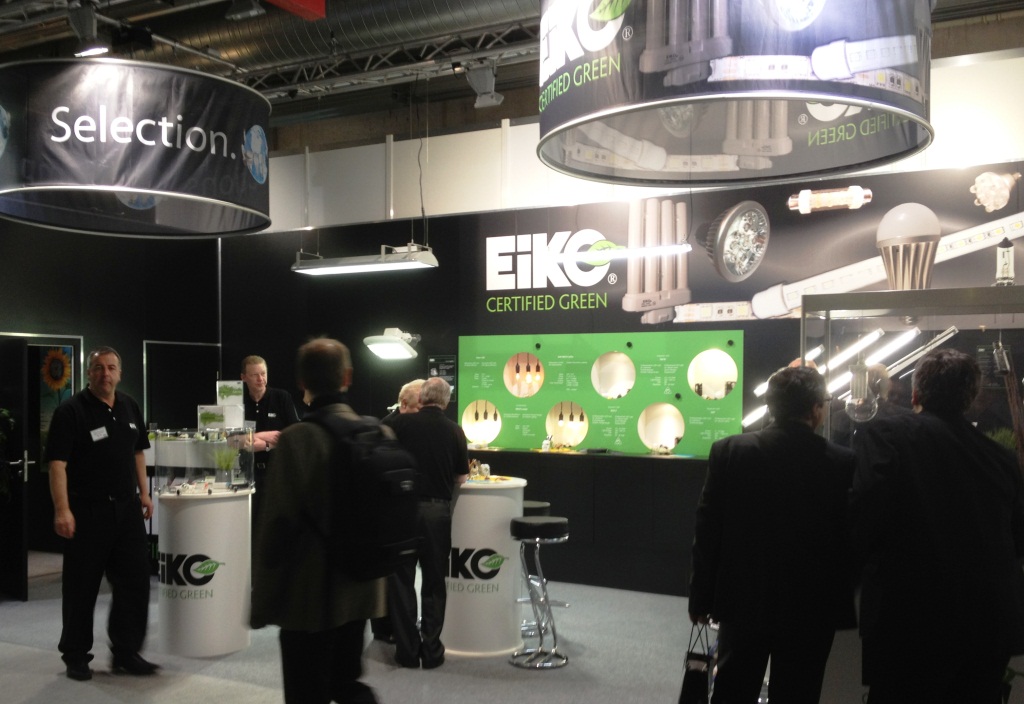
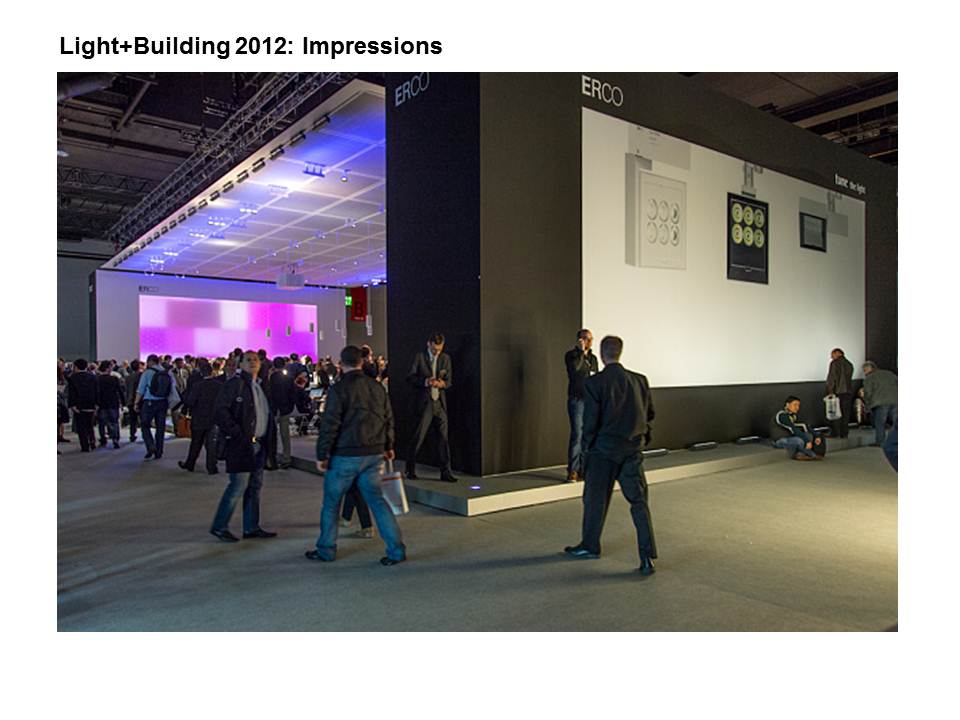
Light Watch 3-60: Some more pictures of the L+B fair from my photo library.
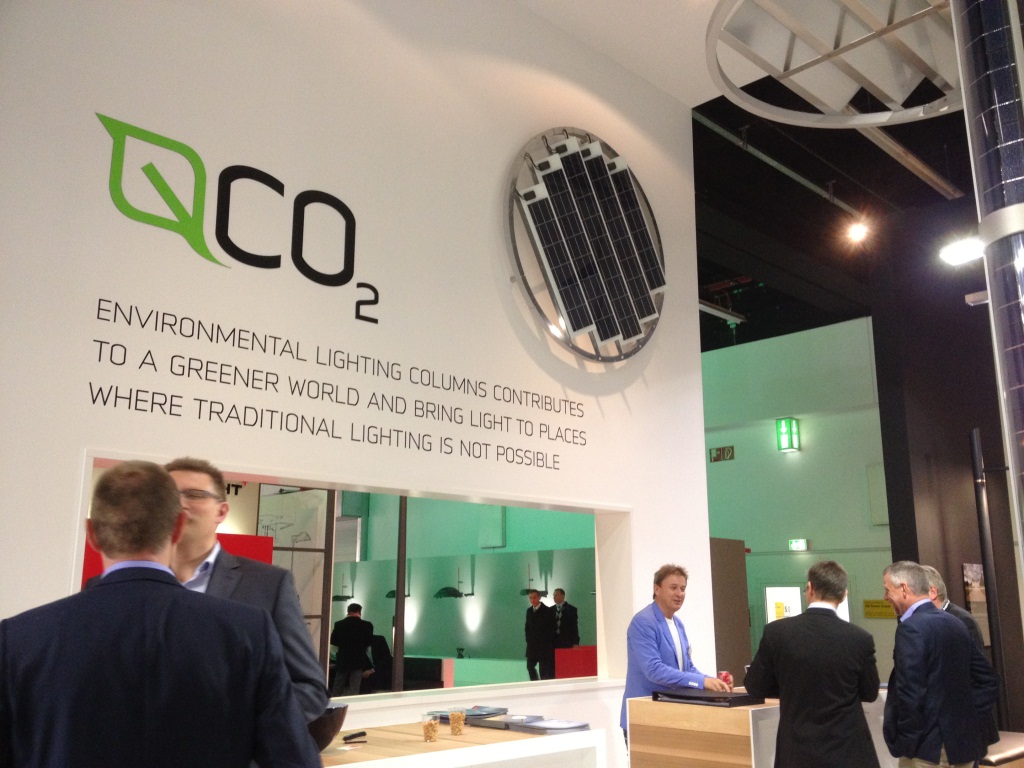
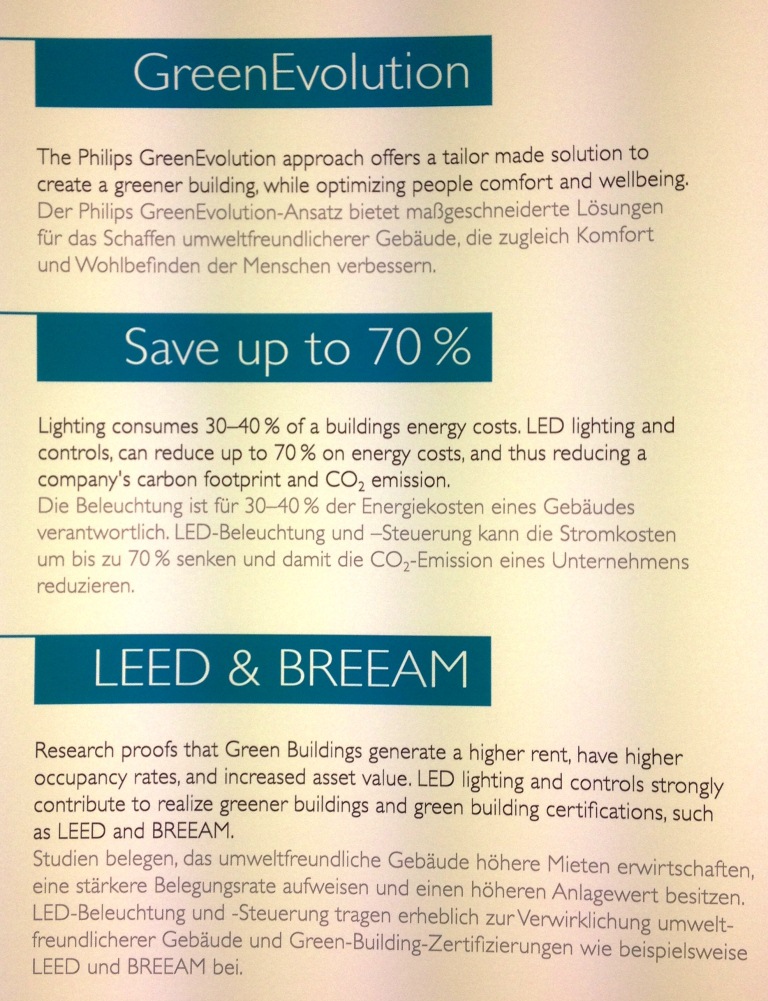
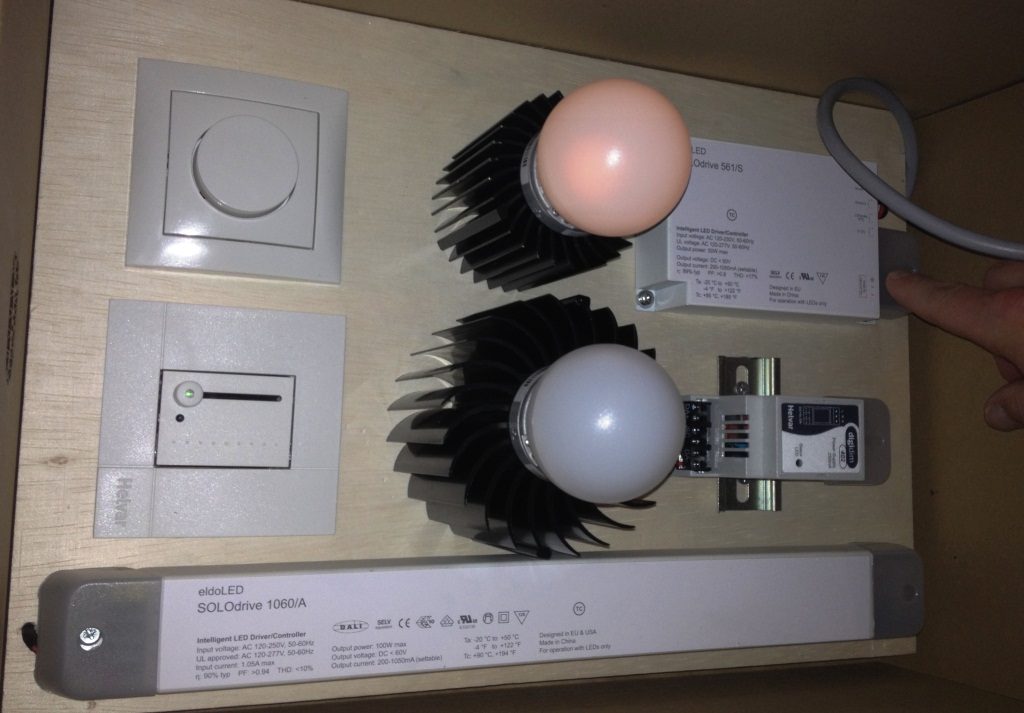
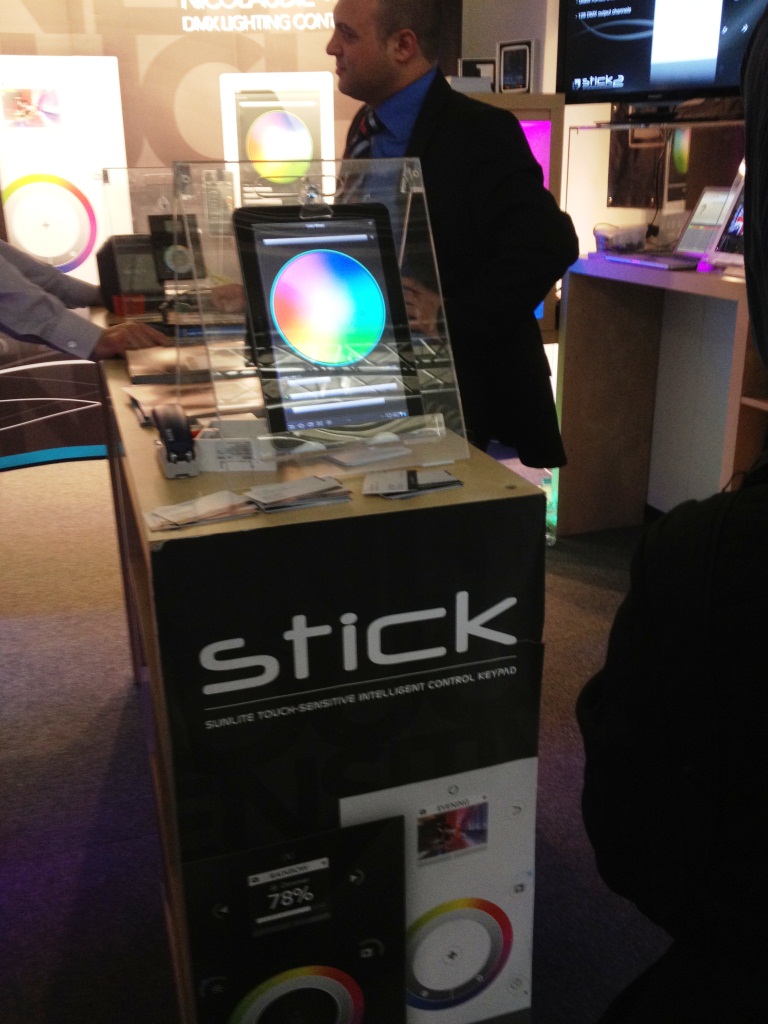
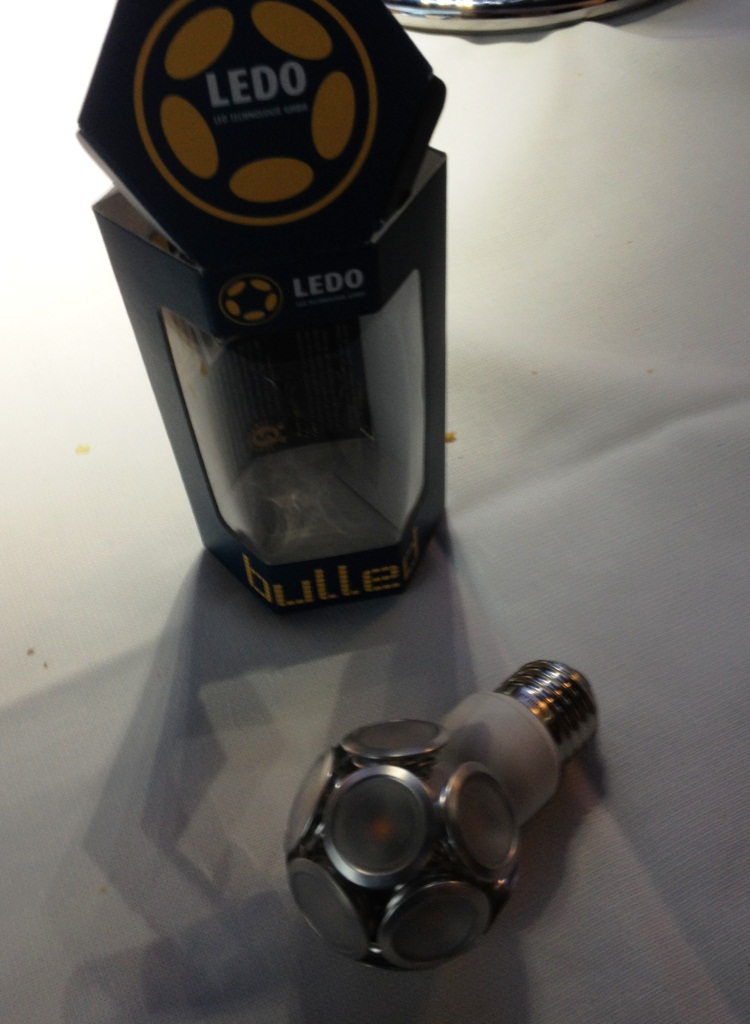 Another approach to “traditional-shape” LED bulbs
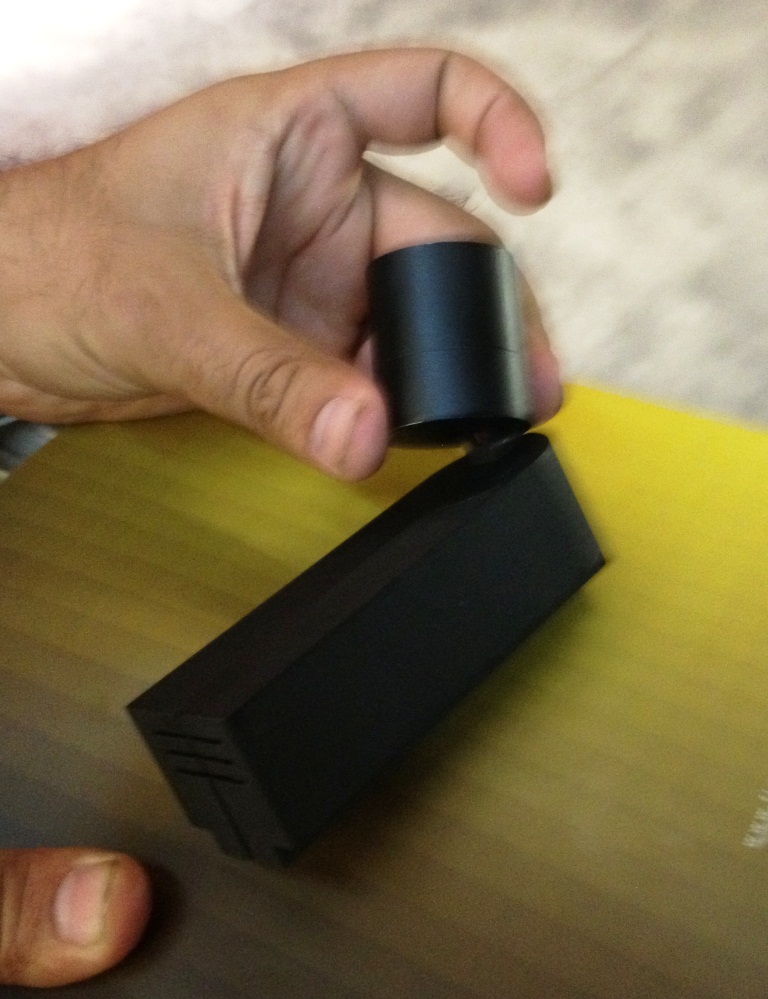 FLOS magnetic LED track spots
Looking back at L+B 2012
Singapore, 3rd May 2012
Back at work…it is amazing how much work can pile up when you have been away for a while! Still jet-lagging a bit, though the labour day holiday allowed me to recover some of the sleep deprivation accumulated during the intercontinental flight back from Europe.
Looking back on L+B 2012 I must say I have mixed feelings. I went with high expectation, actually not really knowing what to expect, but still somewhat excited with anticipation. Though I thoroughly enjoyed this years L+B in the end it was kind of a fizzer, much ado about not too much. The main question asked when you would meet someone at L+B would be: Hi, did you see anything worth seeing? And invariably the answer generally was: No, you?
Having said that there was definitely a very strong consolidation of the LED “Tsunami” as it is hitting our professional shores. Not so much the quantity but the quality of the LED was the lead story on most of the stands. It is obvious that because of the (too?) many players on the market, distinction in quality was the key to being seen as the leader. All major manufacturers went out of their way to show off their colour quality, consistency, reliability and so on. It is for sure that LED manufacturers that offer cheaply priced LED fixtures with little warranty give little confidence that the product will still be working properly soon after installation, we have had too many of these. So re-assurance about the product quality was logically top of the agenda for all.
I found two main directions in regards to the development of LED systems. One the traditional approach in which familiar systems were simply converted to LED versions, like the down lights, spots etc. In the same traditional way, manufacturers have bound together in ZHAGA, an organisation that strives at standardising the LED modules on universal interchangeability, surely an important goal. However in my mind it is still in the traditional/conventional way of thinking. You have a light fitting and you put a bulb in it…
More interestingly are the development in LED systems that create systems, shapes and forms that were previously unthinkable with traditional lighting technology. The ultra slims, the flat lines, the super mini down lights and the integrated building material stuff. That is really what I found the most interesting and creatively challenging products. With Oleds improving by the day we have still a lot to look forward to as creative lighting designers…
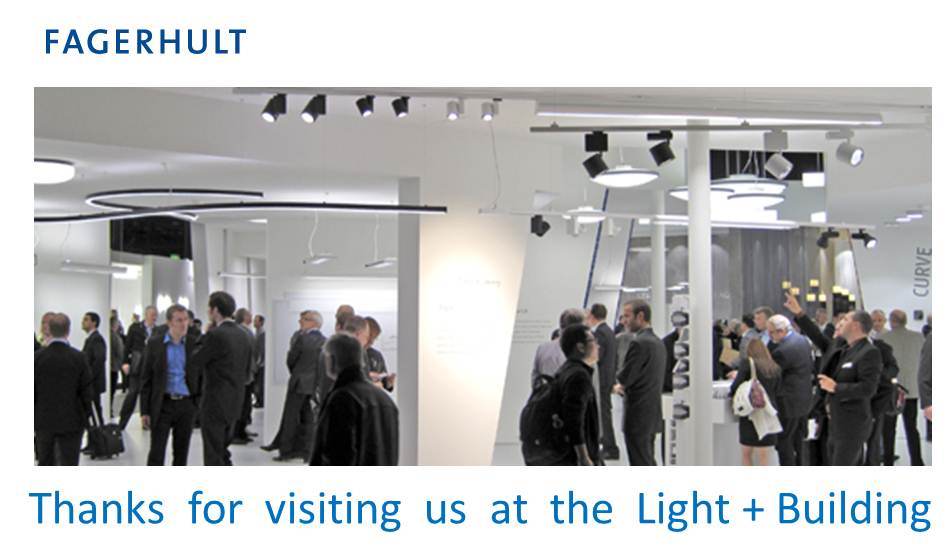
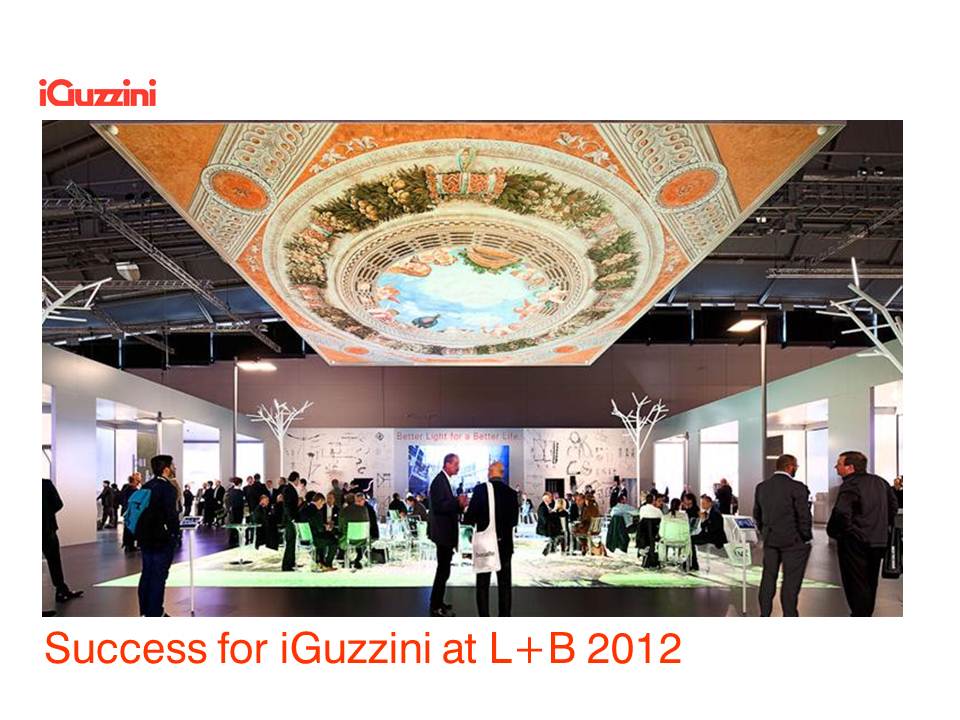
Light Watch 3-59: some of the after mails we received in appreciation of our visits to the stands
Ed Alvero
Singapore, 2nd May 2012
It is with a great sadness that I restart my blogging. During my leave in Europe I heard the news of the passing away of Ed Alvero, my friend and colleague in Manila. Ed had recently returned to the Philippines after having spent years in the USA to successfully restart his lighting design career in his home country. Ed was my colleague more than 20 years ago in Philips looking after the Manila project lighting market when I was setting up project design operations in Asia for Philips out of Singapore. Ed looked over the Philippines and was one of my key contact persons in the region. We enjoyed numerous projects and adventures together during this time. Later Ed returned to the Middle East, where he had worked before and later the US, while I left for Australia. But we kept in touch over the years. Our friendship was based on a deep respect and appreciation for each other.
When Ed decided to return to his home country in 2010 we automatically rekindled and decided to renew our working association. Ed set up Illumination Techniques and became our representative office in Manila last year. Just last month I was in Manila to meet with Ed. We had a great time catching up on old times and enthusiastically discussed our future and projects together. As always Ed was full of plans and projects not in the least sharing his years of lighting design experience with the local community through events, seminars and the many professional associations he was actively involved in. Sadly he was taken before all that could materialise. The general lighting design community and the lighting community in the Philippines specifically is left with a big hole now that Ed has passed away. We will remember Ed for his achievements and contributions to the lighting design community and will endeavour to complete the work he started in his spirit and soul. Our thoughts go out to his family.
Thanks Ed

 The long awaited book compilation of Martin's first year of blogging is available. Order now.
 Feedspot Top 100 Lighting Blogs