
Lighting technology
Singapore, 15th August 2012
Choosing the proper lighting technology for our project applications remains one of the most crucial and challenging parts of lighting design. Though you might argue that the way we are going with LED technology you really would not have to think much anymore as soon there won’t be anything else then LED, or will there? I hope there will be alternatives to choose from as it is becoming increasingly disturbing (to me at least) that the only lighting people nowadays seem to think of is LED, like it is a magic word and nothing else exists…
Being an older generation lighting designer I know what we did and still can do with what people now seem to call old fashioned lighting technology…incandescent, fluorescent, gas discharge with fiber-optic lighting more being a channel/ conduit for lighting than an actual lighting technology. I mentioned façade lighting yesterday in my blog, to me metal halide is still a realistic option to consider. But even within LED technology there are different options, “traditional” LED, OLED and so on.
Lighting design is really moving into a quite scientific and technical direction where the creation of lighting effects is more dictated by the knowledge and manipulation of lighting technology rather than playing and painting with the actual lighting effects. A bit like techno pop music versus the acoustic musician. The first does not really have to be schooled in the art of music. As we move into the high tech area of LED lighting, the art of lighting may slowly make way for the “techno” lighting specialists of this world…
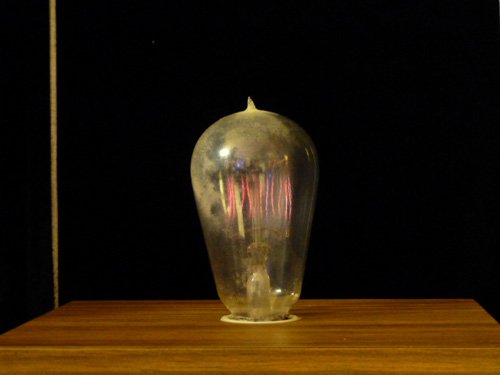
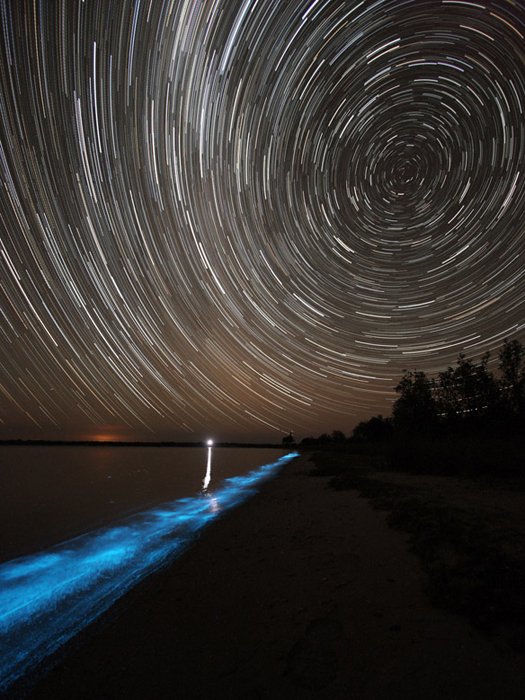
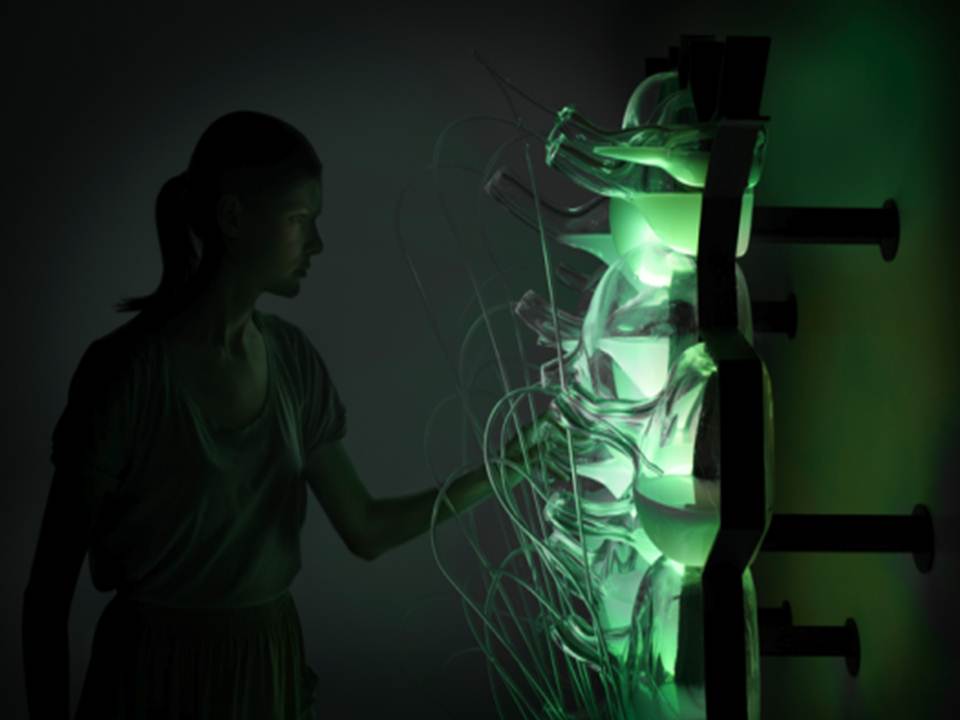
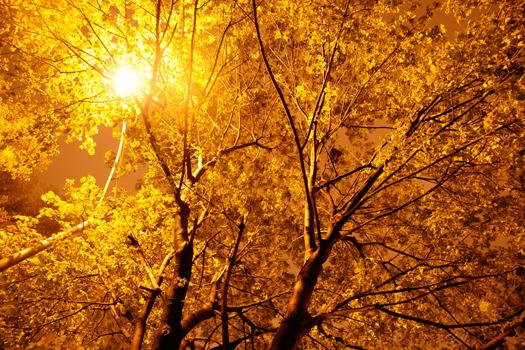
Light Watch 3-122: Earlier this year GE unearthed a time capsule which had a 100 year old incandescent lamp in it, which amazingly still worked! Today we are moving into bioluminescence, a lighting technology based on “nature”. The firefly is probably what we all know best that works on this principle. In a long exposure photo, bioluminescence can be seen on the water edge. Several lighting manufacturers are researching the feasibility of the technology and maybe in the future it can be “implanted” into trees to truly have organic street lights!

Facade lighting
Kuala Lumpur, 14th August 2012
Project meetings in KL today…I very much value the face to face meetings, certainly when I can work one on one with world renowned architects. Nothing beats a set of creative minds, knowing what you want (or better you don’t want) and some paper to sketch and architectural models to have a good understanding of the 3-dimensional relationships.
Today we spent a good part of our time trashing out a lighting concept for the façade of a tall building. Architects can be particular about the looks of their building certainly at night and we find, much to our delight, that conventional approaches are coming back in vogue. We don’t need multi-million dollar LED facades just because it is the in thing to do. And you know what… most of the time the whole energy/maintenance story doesn’t even hold either!
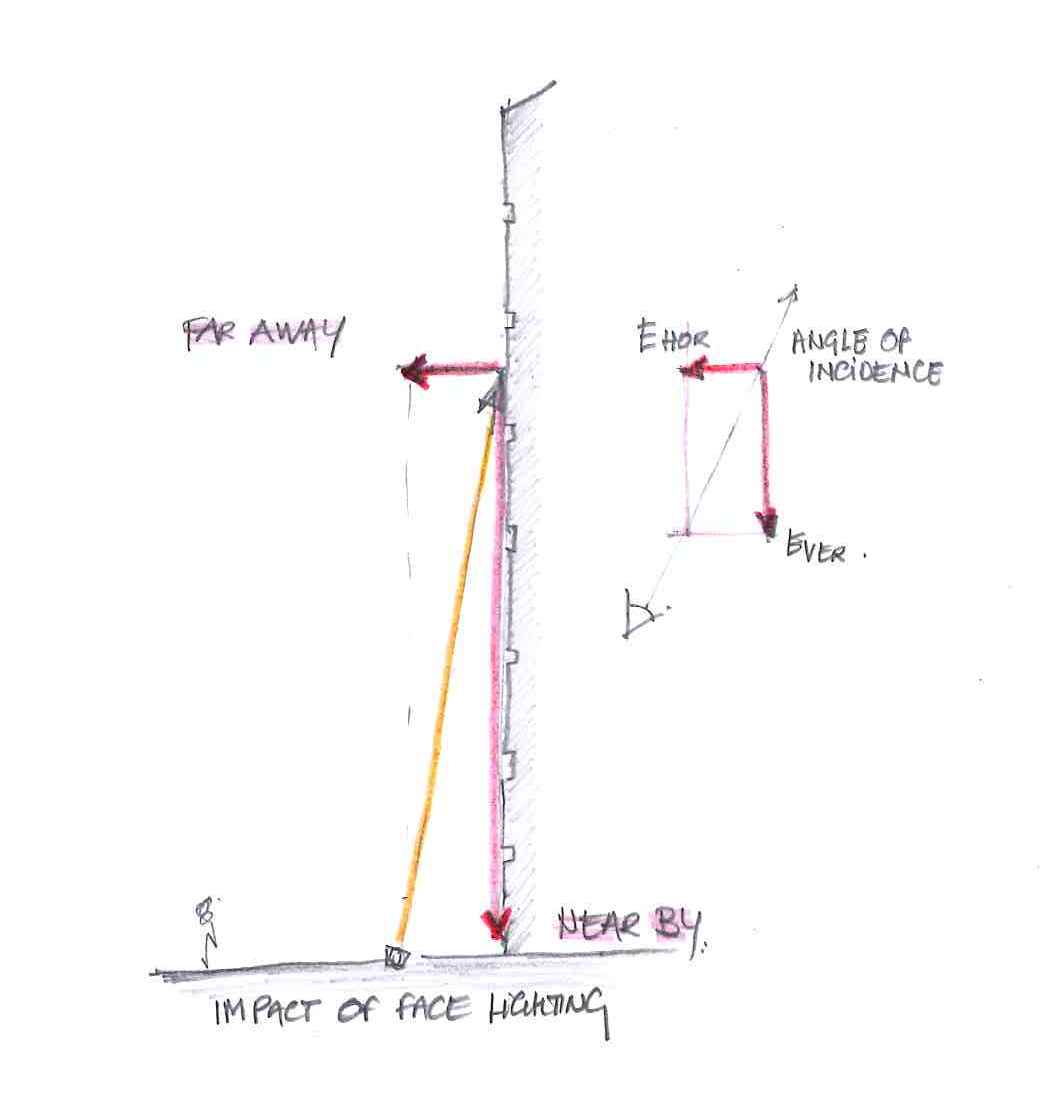
Light & Learn 3-17: When it comes to façade lighting, angle of incidence is critical. Façade lighting is generally a balanced combination between lighting the building as a landmark (viewable from a distance) and lighting of the building on arrival (at street level). The steeper the angle of incidence (light position close to the building) the lower the resulting horizontal lighting component, which is the important lighting vector for far away viewing. The downward component is however strong. You will note that (flood)lighting of high towers often results in a glow when viewed from far away and a strong light when viewed from the street nearby.
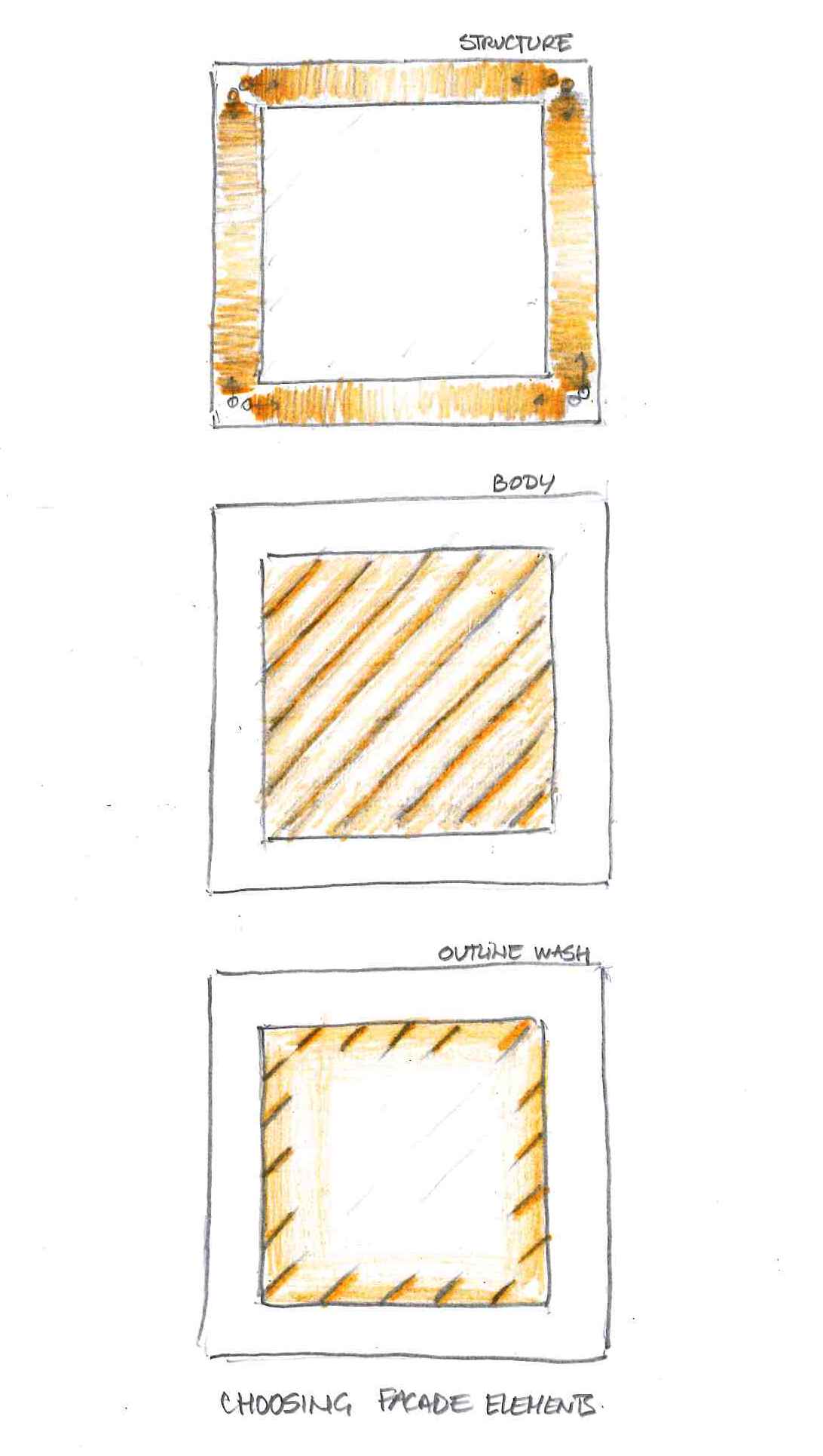
Selecting what to light (and what not) is another component of façade lighting. Floodlighting everything is possible but generally result in a dull and monotone lighting effect without depth and contrast. Striking a balance between lighting the structural elements (beams, columns, localised) and the other vertical surfaces (façade planes) is the challenge of each design. The sketch below visualises the options
At what cost?
Singapore, 13th August 2012
With last night’s closing ceremony of the London Olympics behind us, we may just stand still at what costs such events come, to the organisers specifically and to the (tax paying) public in general. On a smaller scale this applies too, Olympics or any of our lighting projects. Of course in the private sector it is the prerogative of the owner/ client, but in the public sector it needs to be justified to the tax payers who in the end pay for it.
While the closing ceremony, like the opening ceremony, was spectacular on many fronts, you wonder whether some of the, I have been told, $14 Billion (!) dollars should have been spent elsewhere. Danny Boyle’s opening ceremony alone was costed at more than $40 Million! There are plenty of financial worries in the Eurozone! I read that the 14 Billion is more than 3 times the original estimates…how do they work that? Where did they get the additional money from? If my original lighting budget estimate would be as far of as that, I don’t think I would ever be asked again! Yet for country and for glory spending 14 instead of 4 billion dollars is somehow ok. Yes I know Olympic Games bring in a lot of immeasurable long term financial business to a country (tourism spending?), but as seen from previous Games, many of the venues become derelict soon after.
In our lighting projects similar things happen…there is a lot of ego and “show-off” happening at times with grand opening having all the lighting fanfare, but when you return to the “scene” many years later you are often hard pressed to find the many glorious lights you left behind. Poor maintenance and expensive operation render some of the lighting as “unnecessary” and as a result it is slowly faded out of use…Will London do better?
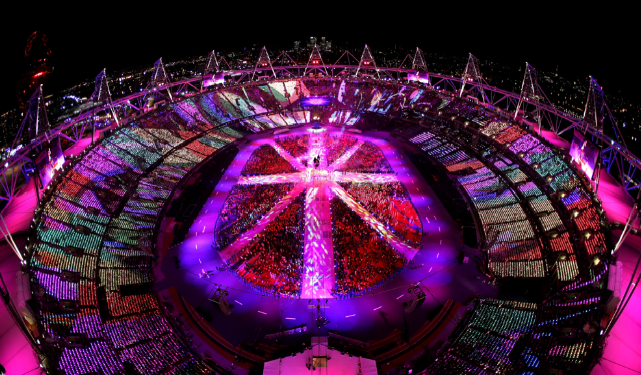
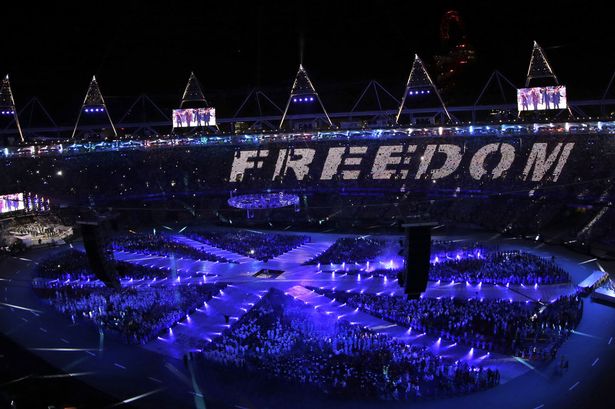
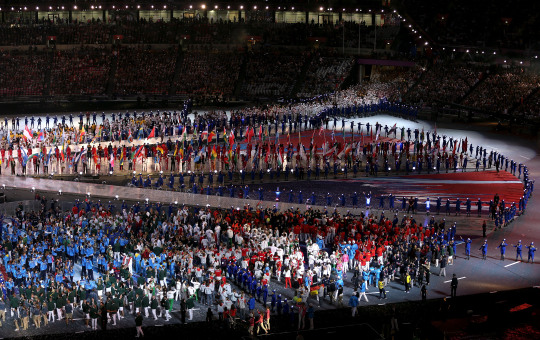
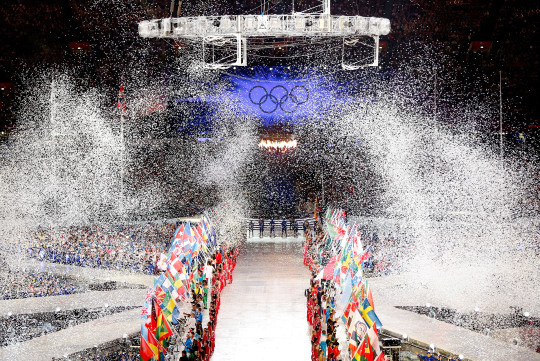
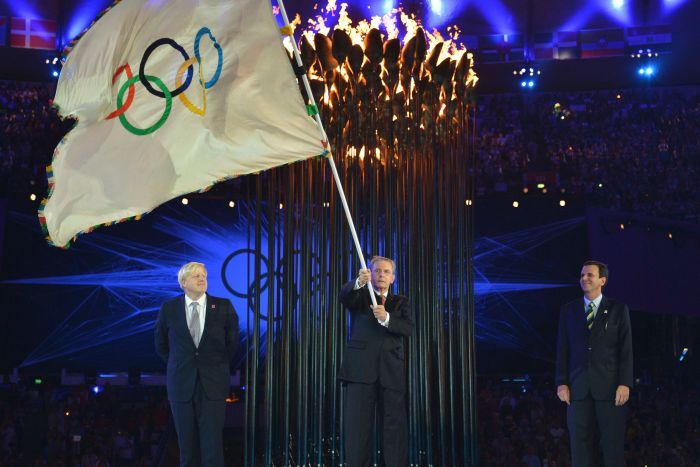
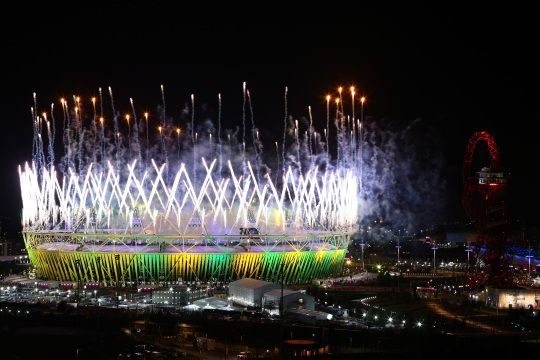
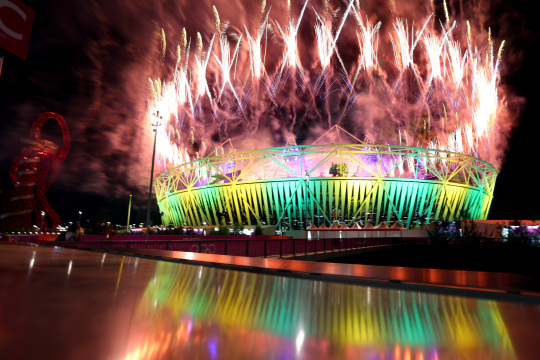
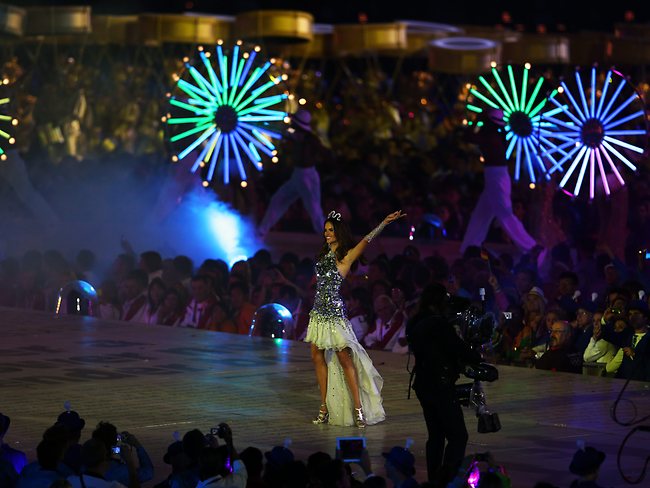
Light Watch 3-121: Images from last night’s closing ceremony. One of the biggest LED applications using the nearly 80,000 seat stadium as a screen could be seen in the background, notably during the performances and George Michael’s Freedom song. If I heard it correctly from the broadcast more than 650,000 LED’s were used, mounted in between the seats. It was surprising to hear the TV presenter actually going as far as technically describing the LED installation, but being in the wee hours of the morning when I watched, I can’t remember the exact details, but the pictures show it clear enough.
Next stop Rio!
National (Lighting) Day?
Singapore, 10th August 2012
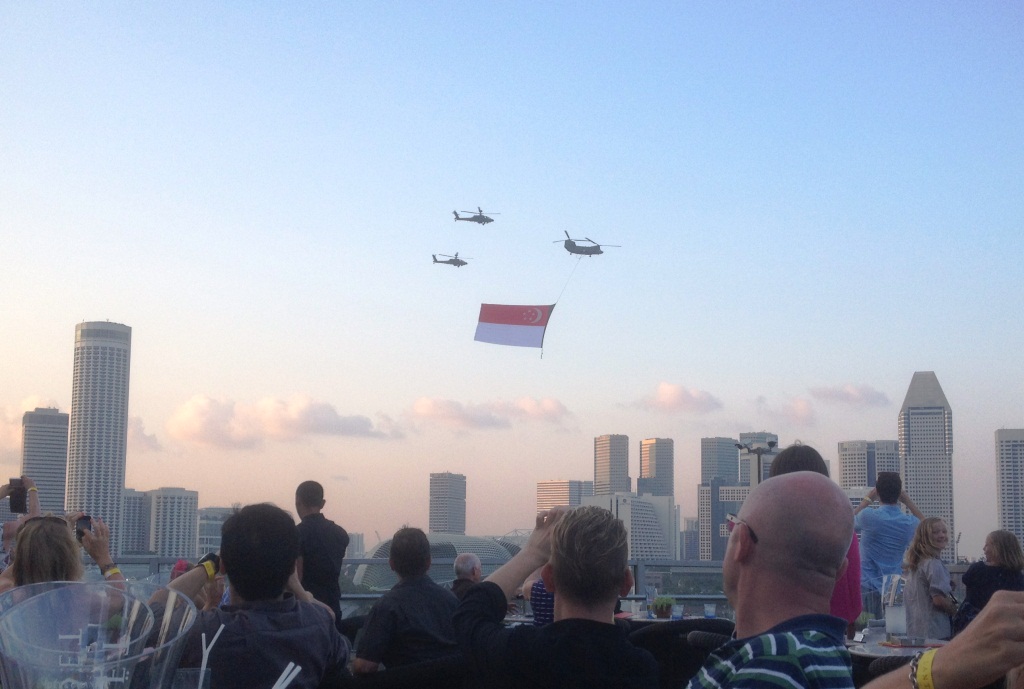
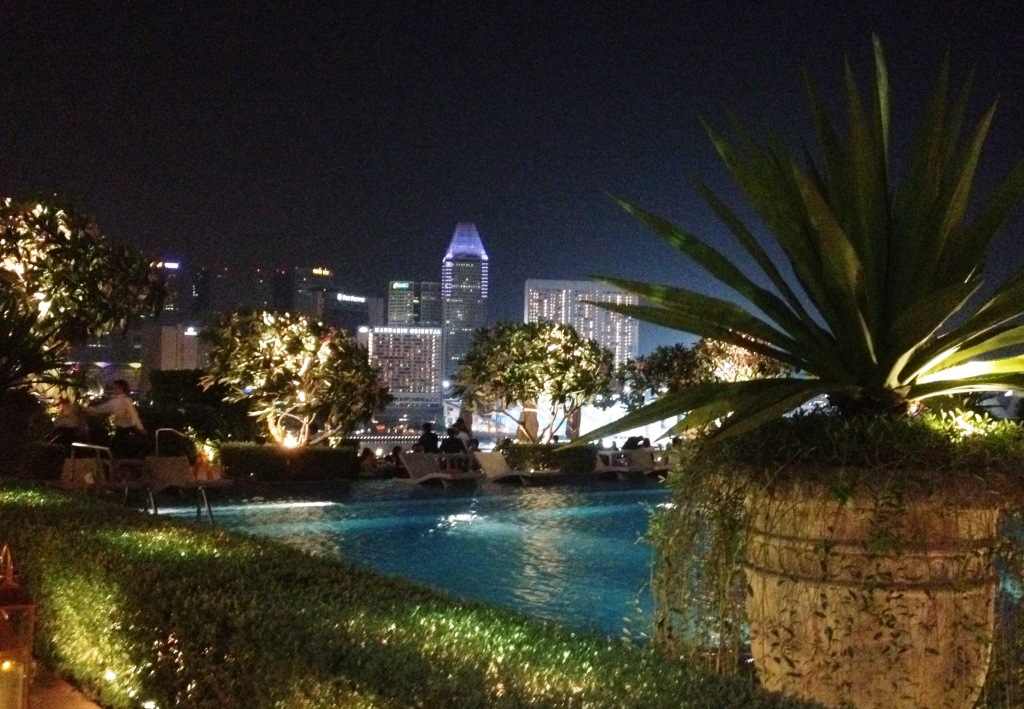
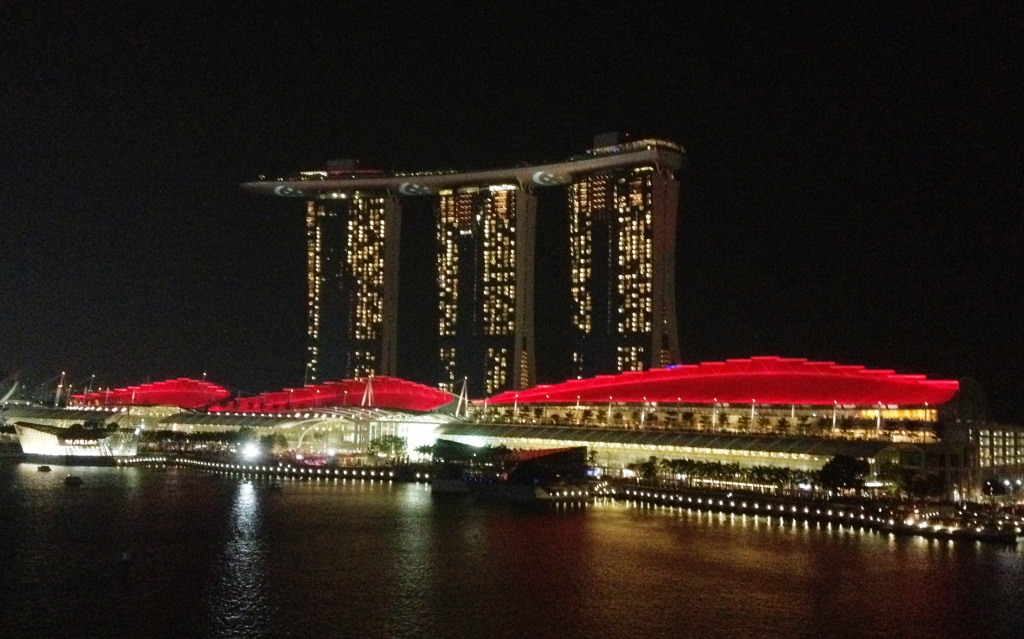
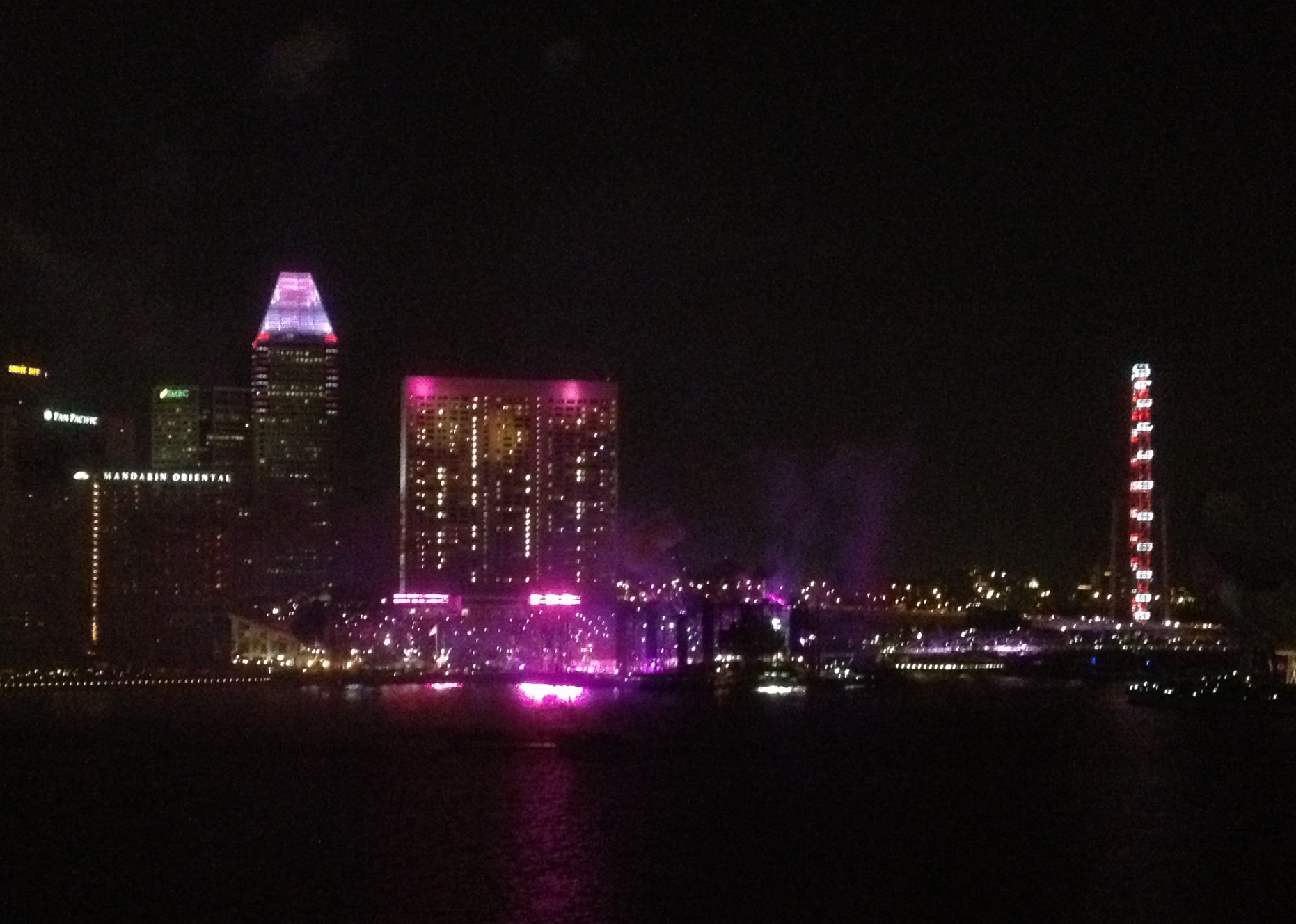
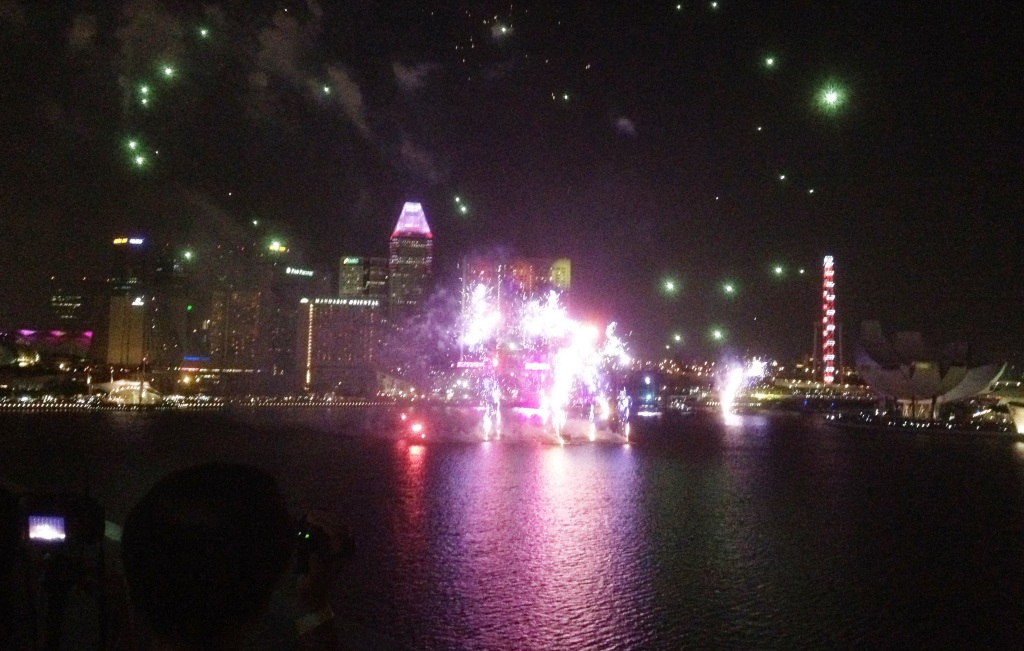
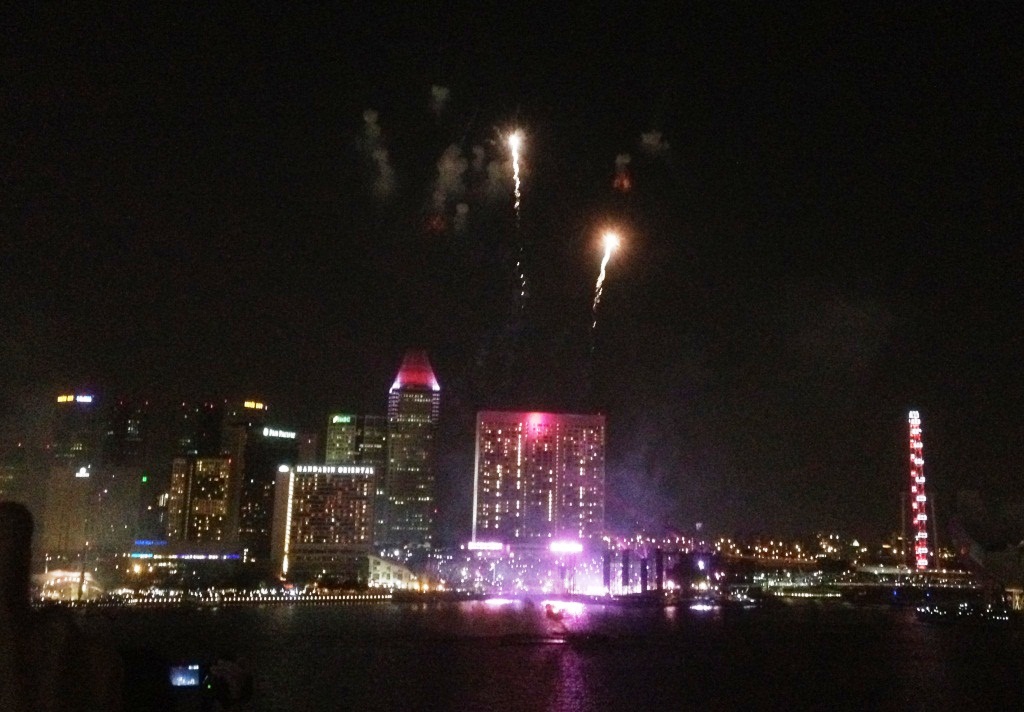
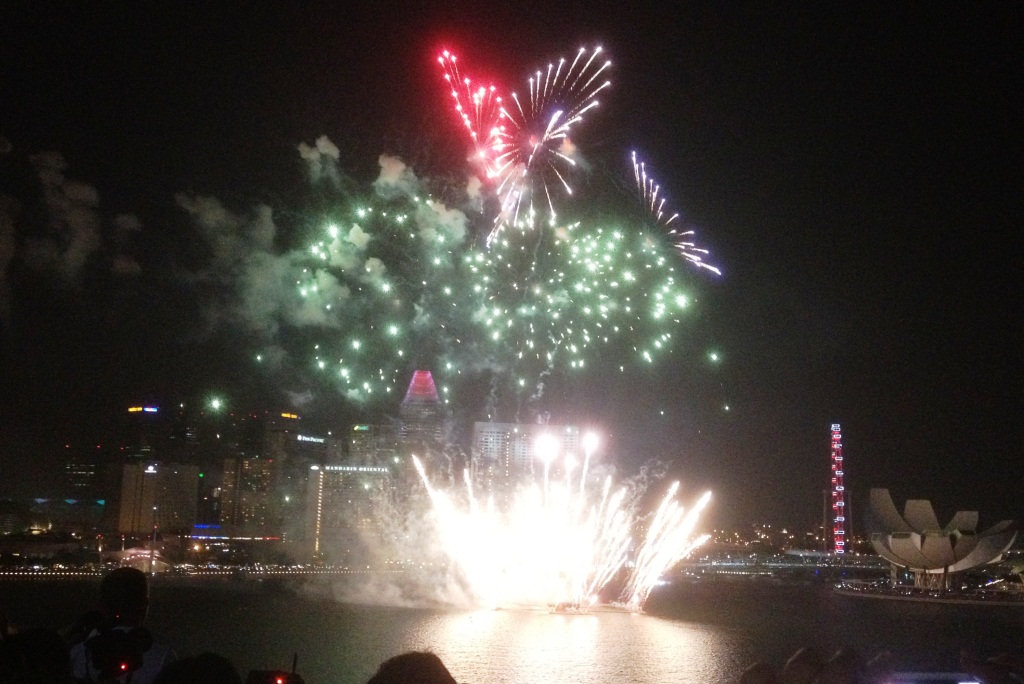
Did not get to write on Wednesday and yesterday, which was Singapore’s National Day. “Social obligations” kept me busy elsewhere and in between I was not in a mood (nor state) to write something meaningful…Travelling around and having several “homes” I am exposed to quite a number of National Day celebrations. As it happened I was for once not travelling and actually able to enjoy the public holiday that comes along with a country’s national day. I was fortunate to attend a party on one of Marina Bay’s rooftop venues with a splendid view on the Bay and the inevitable fireworks.
There is a “Day” for nearly everything it seems, but is there a national or better still, a World Lighting Day? Yes, we have Earth Hour, which is actually more a world NON lighting day, but any other? After some Googling I found a world Candle Lighting Day, which seems to be a remembrance day for children who have died at any age from any cause. The closest I found was a GE initiative to celebrate Thomas Edison’s invention of the commercial light bulb on the 21st October, called World Lighting Appreciation Day. Not sure whether it is a recurrent event or whether it was a one-off. GE introduced it in 2010 in conjunction with some LED product announcement.
Should we have such day? It is without a doubt that today’s world without lighting would be quite different to say the least, with many things not possible now common and taken for granted in our daily life. So an appreciation and ode to lighting may be appropriate. At the same time we also need to take into consideration that lighting does eat up a lot of our fossil energy. So while on one hand we should be grateful and pay homage to lighting (my job would not exist if not for the invention of lighting!) we do have to stand still on the impact that lighting has on our environment. It’s a delicate balance. Lighting really enriches our lives in so many ways, but it comes with a responsibility which is to consider our environment and the planet we live on at the same time! Luckily that is why there are professional lighting designers, nowadays. Walking this fine line is (should!) be part of our vision and mission.
Light Watch 3-120: Last night’s Singapore National Day views of Marina Bay. Pictures taken with my Iphone…:)

Curiosity
Singapore, 7th August 2012
It is quite amazing what we humans are capable of doing. We landed people on the moon (in 1969 !) and have meanwhile managed to land several “spaceships” on Mars. The latest just yesterday…a Rover called Curiosity, a well-chosen name. The Rover will move around Mars to explore its soil so we can learn more about the origins of the universe and I guess life. I have always been fascinated by space travel and exploration and if I could afford it would probably take a ride on Richard Branson’s Virgin Galactic.
Curiosity has always driven human kind to explore and adventure to new, previously unknown and untested worlds. What if…? It is testimony to our creativity and ever enquiring spirit that we have evolved to where we are today. Flying, Computers, Wireless communication?…Lighting!!! It is this same spirit that drives the leading and creative lighting designers of this world. We are always curious to what lays beyond, how to push the envelope of what is commonly known, applied and possible. I am always in awe about the ever creative designers who come up with something new, often resulting in a new trend, new applications, new possibilities. Look at where we have come from just using simple incandescent and fluorescent lighting just a few decades ago to the complexity, variety and endless possibilities of LED lighting technology of today. Where will we be 20 years from now…I may be writing this blog from Mars!
Keep up the curiosity!
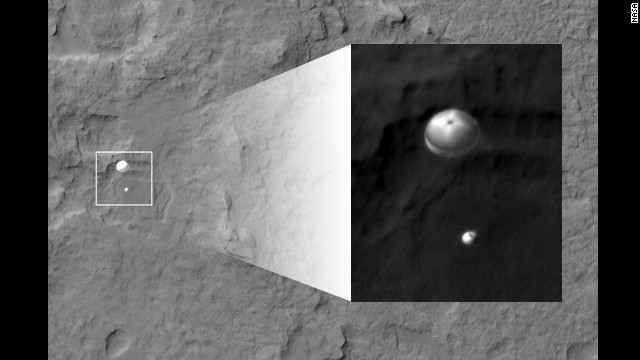
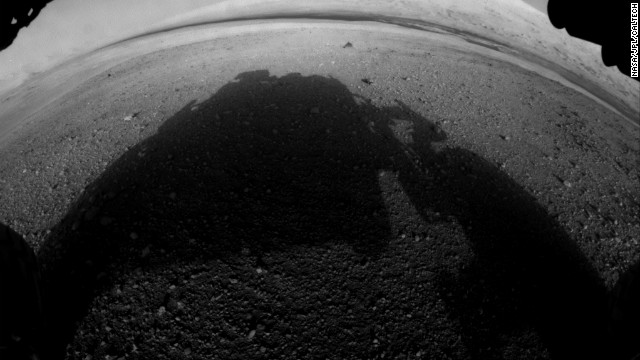
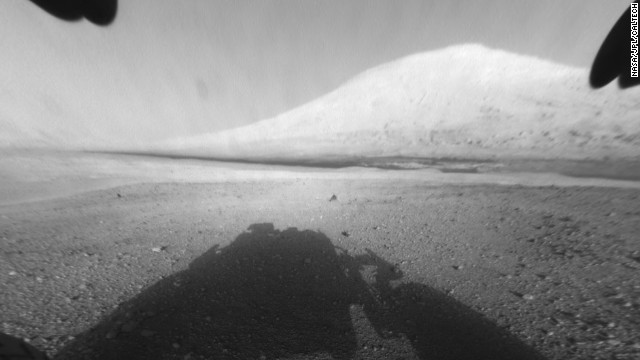
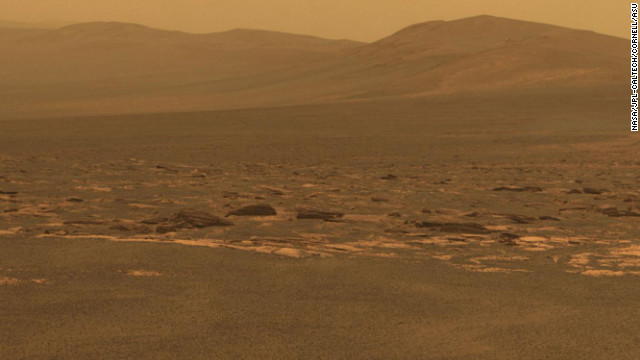
Light Watch 3-119: The latest pictures released by NASA that have come from Mars, show a light that that is not to unfamiliar to what we know on Earth. It looks like a similar pattern of light and shadow, day and night, defines life on Mars. Interestingly day and night on Mars are near similar to Earth with a Mars day being marginally longer with about 25 hours.
Pictures below: Mars on approach, an artist rendering of the Curiosity and the first B/W pictures after landing.
Further below: Pictures from previous expeditions (Odyssee 2001, Rover Spirit 2006, rover Opportunity 2011)




The big lighting forgery
Singapore, 6th August 2012
One of the articles that caught my eyes over the weekend carried by Mondo Arc’s online magazine version, was about the big Qatar forgery. I quote from the article. According to a press statement released by lighting manufacturer Santa & Cole, a Qatari public company forged the Latina street lamp designed, manufactured and marketed by them, and installed nearly 1000 pieces on Al Awaab Street, one of the main streets in Doha.
What is even more disturbing, though common practice around Asia I must say, is that S&C at the time was requested to submit several project samples with complete technical specifications, all this in the spirit of the 14th Asian Games that took place in Doha in 2006. But instead of ordering the lights from the original manufacturer, the Qatari public company requested a local company to copy the products. While we are used to forgeries in the private sector (the famous “Chinese” copies), to see this happening by a public company is a bit alarming.
Following years of unsuccessful negotiations and arbitrations (even through the World Intellectual Property Organisation), S&C brought the case to the Courts of Law in Barcelona which was announced by the company on the 24th of July recently, claiming it was “one of the largest acts of piracy in the history of design committed by a sovereign state”. As a general principle it is important and essential to protect intellectual property as it often represents one of the most important assets of individual professionals and companies. I find it even more shocking knowing that Qatar is one of the richest countries in the world and on a very strong economic development path. Surely it does not need to resort to this sort of actions.
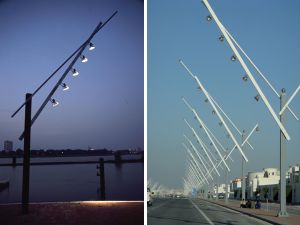
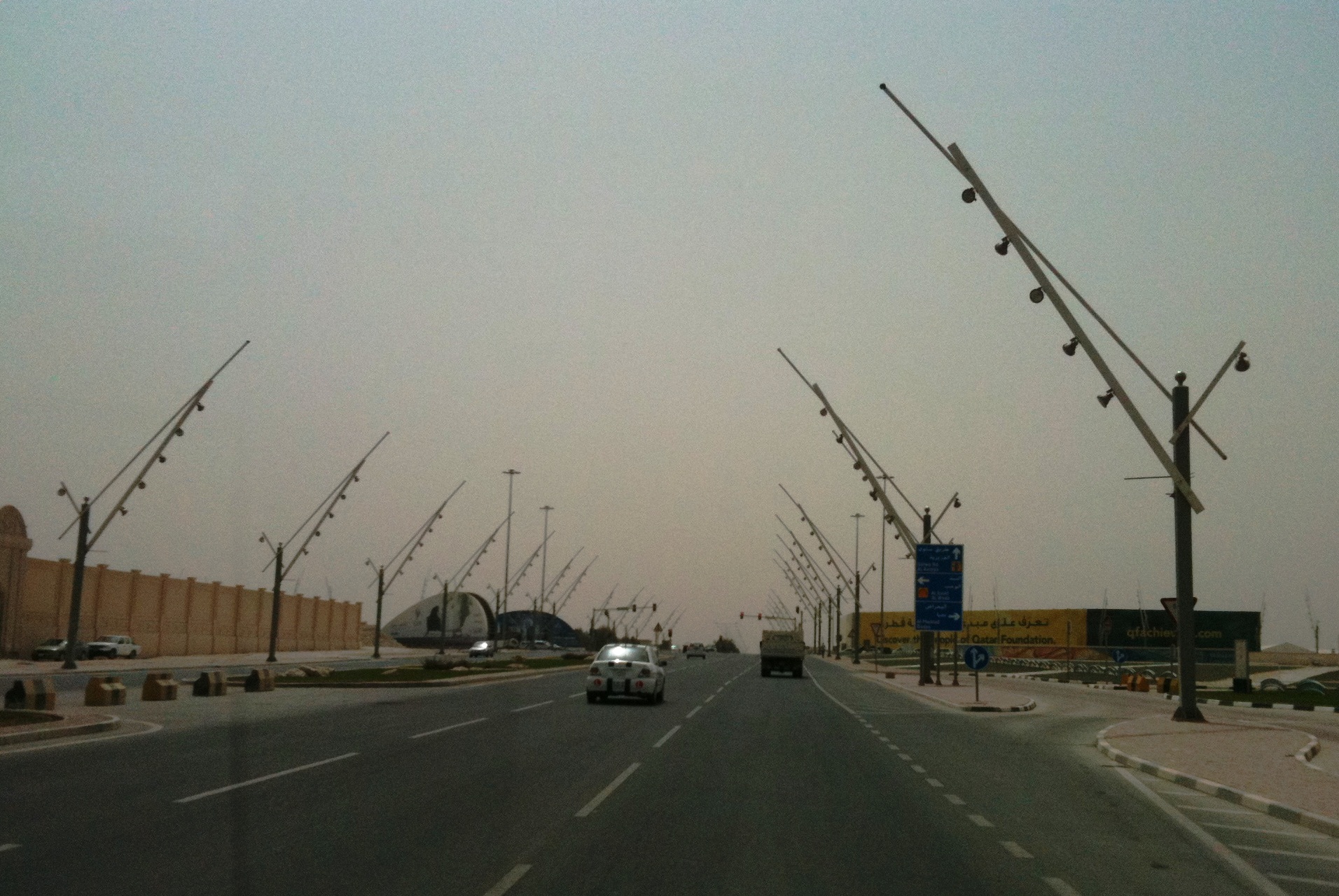
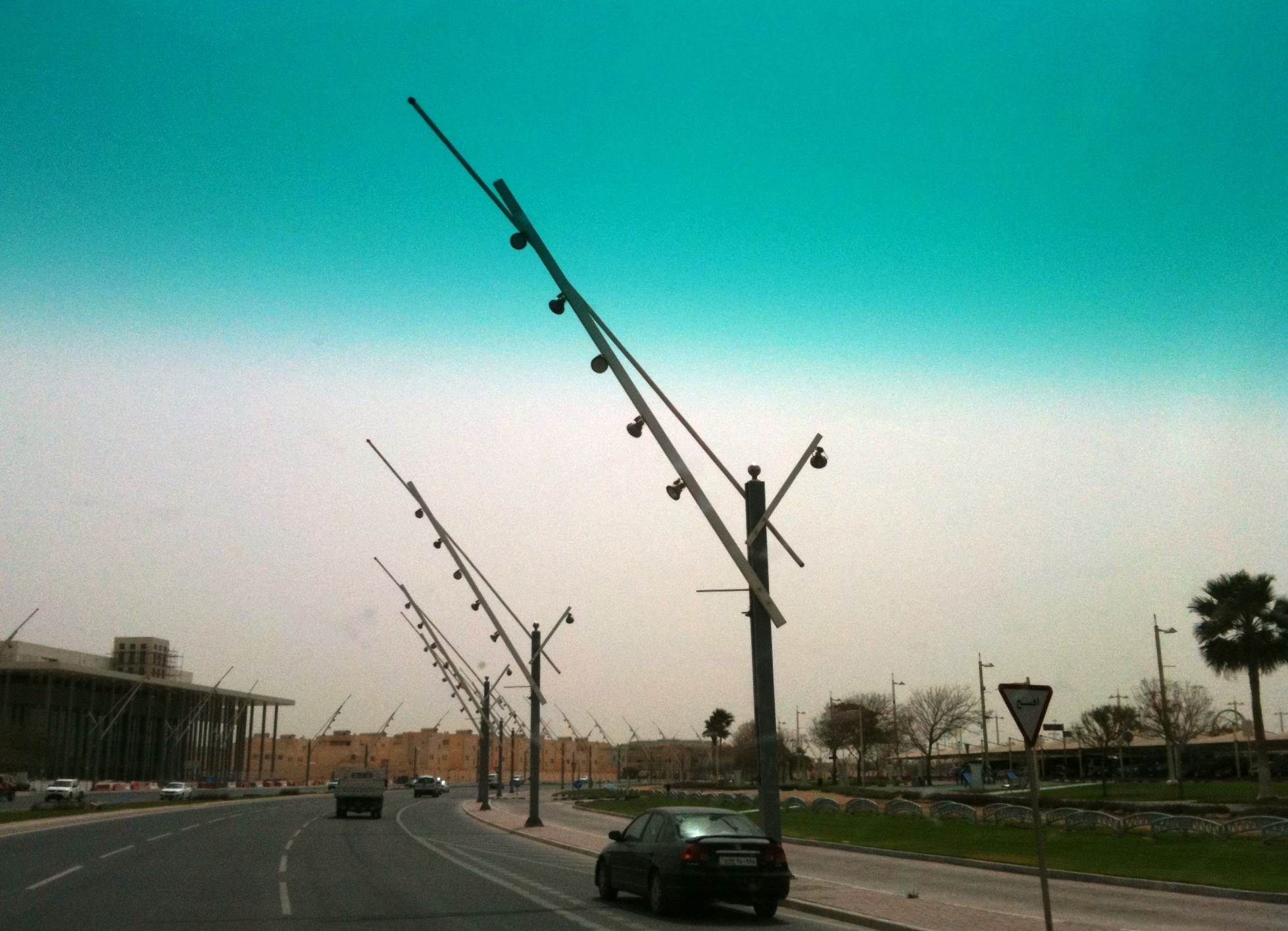
Light Watch 3-118: I was in Doha earlier in the year and remember (blogged about) the light in question. Not for good reasons though. While the design principle is interesting and has its applications, seeing hundreds of them lining up along a main road was disturbing to say the least. The light fixture is so dominant and so in your face, looking like cranes parked along the road. I absolutely did not like the sight and feel, in my opinion totally out of character. On top of that having 5 floodlights per pole to light up a section of the road seemed totally over the top, where one proper road lighting fixture could have done the same job…and I am not even talking about energy management and maintenance…
The original left and the copy on the right, below some pics I took when in Doha
Sustained sustainability
Brisbane, 3rd August 2012
I am in Brisbane for meetings and discussions with our business partner in sustainability. We have embraced sustainability as an integral part of our lighting design practice and having a wider understanding of the need and impact of sustainable practices in general is in my opinion crucial as to place sustainability in lighting in context with the greater picture. Education of our clients is of course a key element in our work, but what I have found more and more important is to find ways to make sure that sustainability once implemented keeps up and improves along the way. Sustainability does not stop once a project is completed and commissioned, on the contrary that is when it should start and where you will come to see whether your design is actually sustainable…sustainable sustainability…
What is the point of designing a sustainable environment if during the projects actual life sustainability is gradually forgotten or relegated to the background due to “other” priorities or new commercial interests. A bit like fitness…you need to keep it up and make it a way of life. Obtaining a sustainability or green certification is easy, but can you keep it up, can you maintain or better still sustain it along the way.
From recent experience I start to see that most of the time people tend to fall back in old habits or go for cheap substitutes. This is mostly because the designers like ourselves are generally no longer involved in a project after commissioning. Despite preparing operational maintenance manuals, combined with the inevitable staff turnover, other company priorities and the lack of a regular benchmarking structure with checks and balances, keeping up with sustainability levels turns out to be a very difficult task.
This is the focus of my current interest…developing not only lighting design concepts that look great and full fill the visual requirements and enjoyment on completion, but developing it together with an infra-structure that allows a long term sustainable upkeep for many years to come. Teaming up with sustainability experts will help us develop this. I hope to share more about the sustained sustainability of lighting design in time to come 🙂
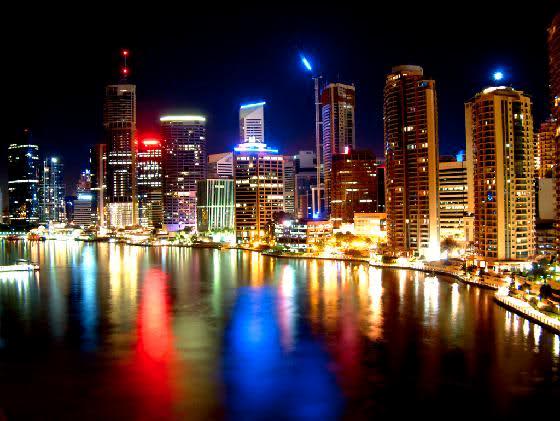
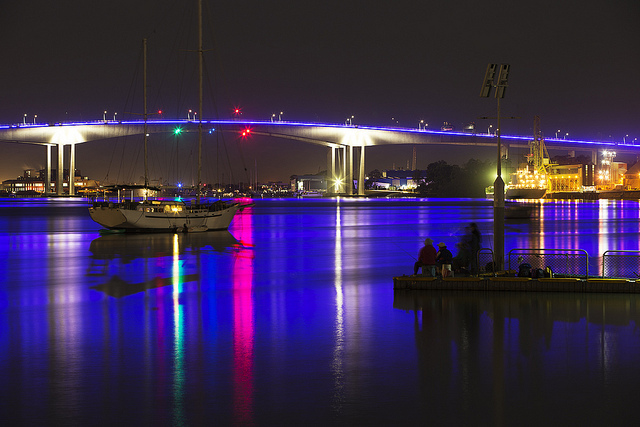
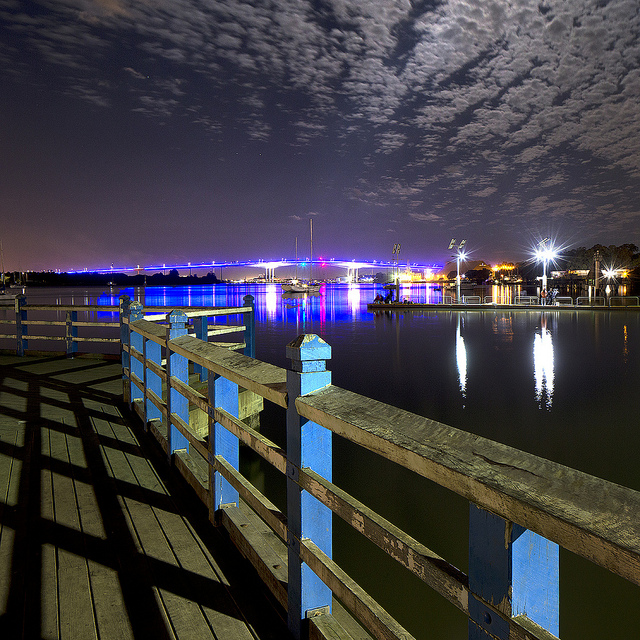
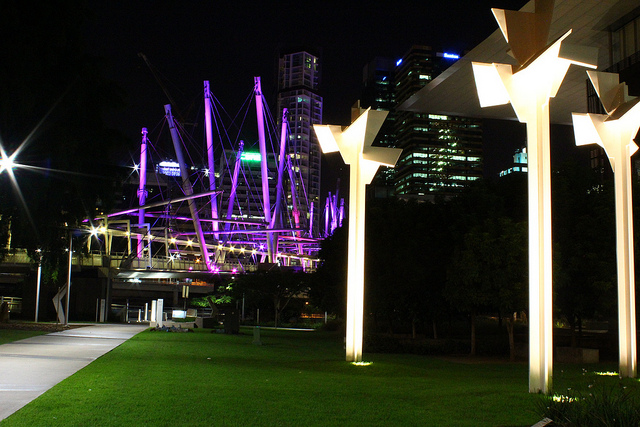
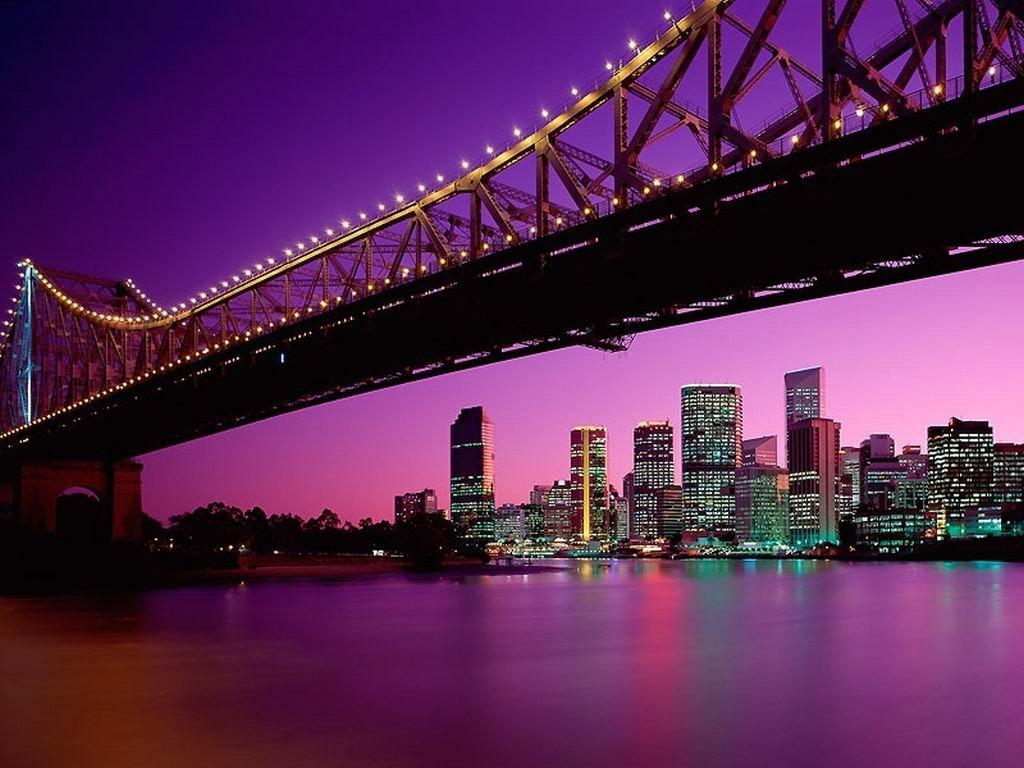
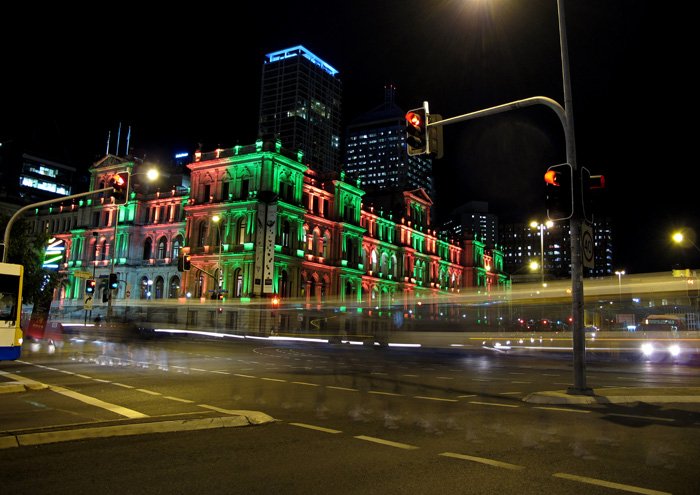
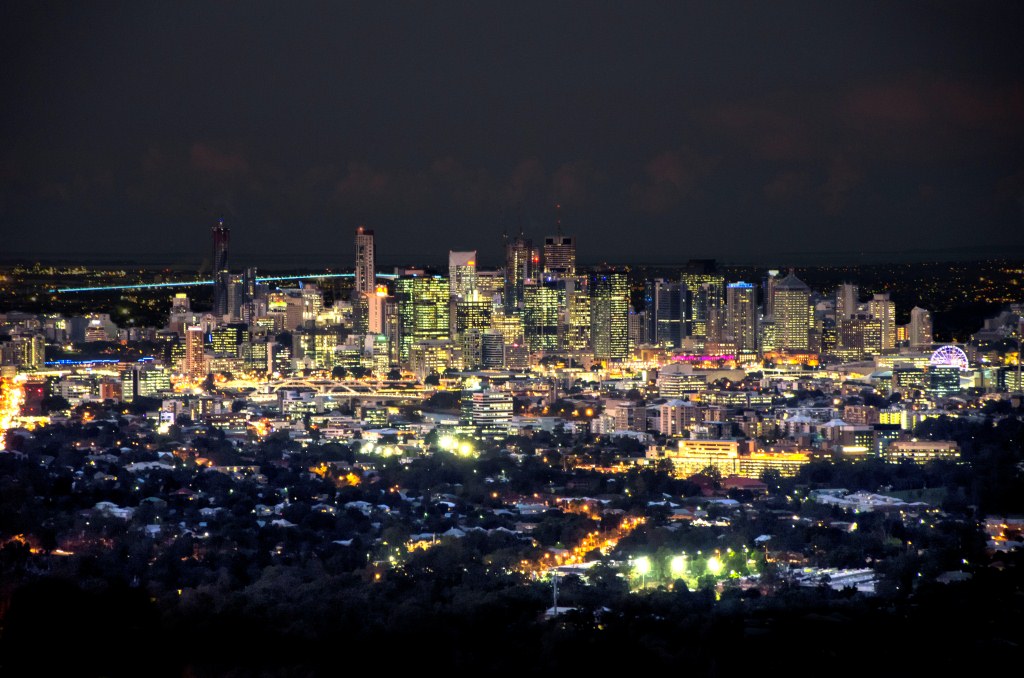
Light Watch 3-117: I don’t get to visit this side of Australia very often so it’s a chance to have a look around and compare cities, here are some images of Brisbane by night.
Worlds biggest power failure
Perth, 2nd August 2012
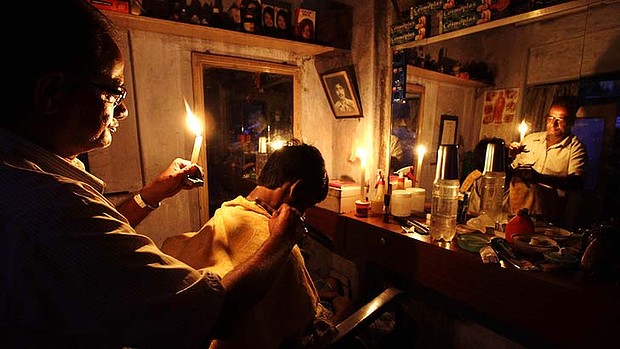
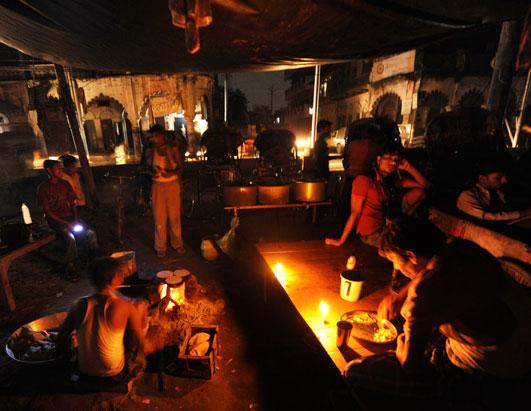
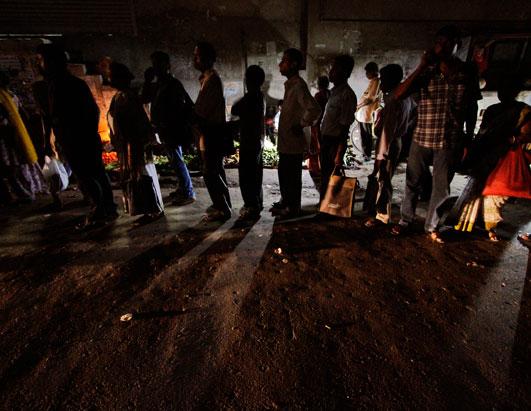
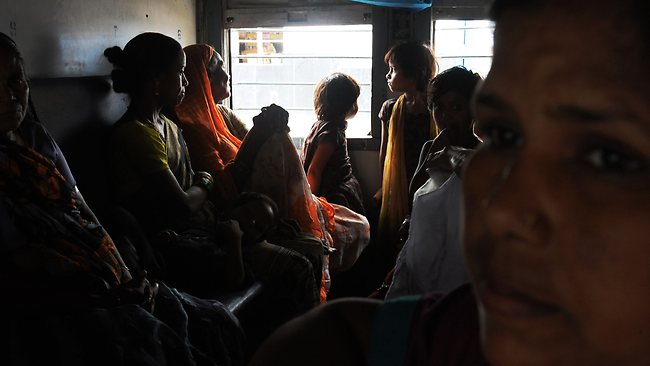
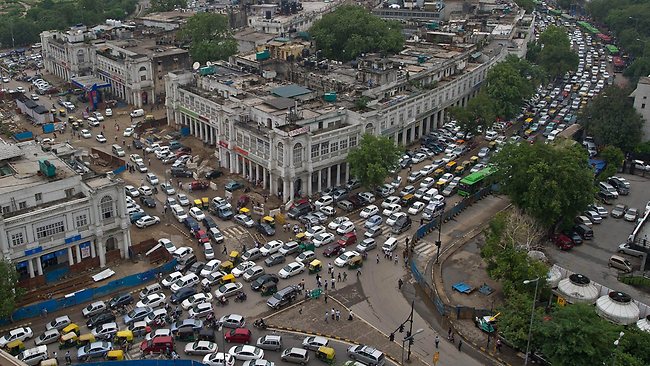
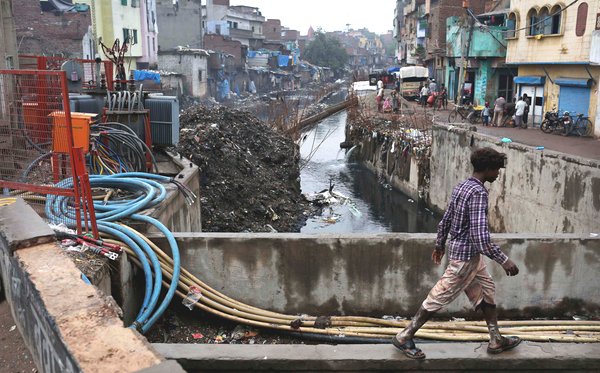
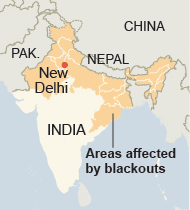
Another one for the record books! All it took was a tripped power transmission line between Agra (home of the famous Taj Mahal) and Unnao in India to trigger a near country wide power failure covering no less than 22 states and leaving more than 620 million (!) people in the dark for several hours. Easily the biggest power failure ever in human life! Possibly due to heat and other industrial power needs, more power then allowed was drawn from the net, tripping the power line and pushing the surrounding suburbs into darkness. News reports suggest that there was no back up structure and the tripping subsequently cascaded further throughout the whole northern part of the country. It show-cases the plight of many countries around the world. While most developed nations are taking power availability in abundance for granted, major parts of the world still have little to no access to power. In India the news reports that more than 300 million people still have no access to power. Often inefficient governments, lack of regulations and wasted energy are part of the reasons. Government figures show that in India about 30% of the energy is “stolen” illegally tapped from the net!
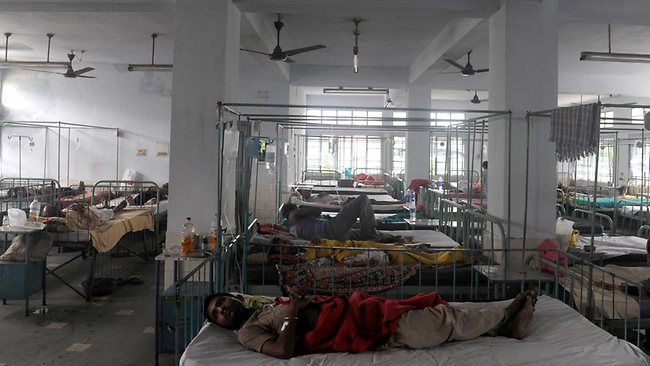
It is also a sign of the fast moving huge economy, with people getting more affluent and hence able to afford more luxuries including power generating products, lighting being one of them! We may not realise it but life without power would be pretty different! For one, you would not be able to read my blog! Social networking, email, skype, all this depends on power, though some appliances and products have back up batteries, these generally last only a short time. Most of our daily life is linked to the use of power, many basics are using power. Street lights providing some safety and security at night, traffic lights (and resulting traffic jams!), the hospitals and public transportation all need lighting to function in general and/or beyond daylight hours.
Its scary when you think of it. As lighting designers we should certainly bare all this in mind and be ever so conscious in our designs that having power is a gift that should be treated with utmost respect and appreciation!
Light Watch 3-116: Images from the net showing the impact of the power failure…
One on One
Perth, 1st August 2012
The relentless push towards being energy friendly, green and wanting to be seen (also for commercial reasons!) doing the “right” thing is at times taking hilarious proportions. Desperate maintenance managers, chief electrical engineers and the like are being pushed by their corporate management to find solutions to save energy, obtain “green” certifications with nowadays LED lighting being the magic potion to resolve all energy woes. We can still find the oversized compact fluorescent replacements in incandescent housing from the iitial round of energy saving. Now we have entered the next phase where LED’s are the answer, certainly if you listen to the LED sales people.
And that is where the big problem is. Most corporate owners are not aware of the specialist lighting discipline or do not see the need to pay a professional fee to lighting designers and turn willingly to manufacturers and suppliers for free advice. Two critical issues here; one the supplier’s job is to sell products and hence may not necessarily provide an objective recommendation to the unsuspecting client. Secondly, with all due respect, many of the sales people have limited knowledge and experience in actual lighting applications and therefore lack the proper background to expertly advise the client. Most of them following pre-determined sales pitches about all the benefits. In their eagerness to sell negative aspects are seldom mentioned or reinforced.
I am currently faced with a client who has called in my help to bring some clarity in the “LED” mess they are in with several down lights being tested all provided by different suppliers. The original housing was for incandescent lighting and in their strive to re-use the same size ceiling openings they ended up with huge industrial looking LED fittings, the type you would use in an industrial or back of house situation, not a 5 star hotel environment. On top of that in an earlier round of energy saving many lights were retrofitted with CFL knocking out the lighting control system. They now have “energy saving” down lights that cannot be controlled and basically are on all day…sort of defeats the purpose! LED being far more efficient then the original incandescent lighting layout should therefore not be blindly used for one on one replacement.
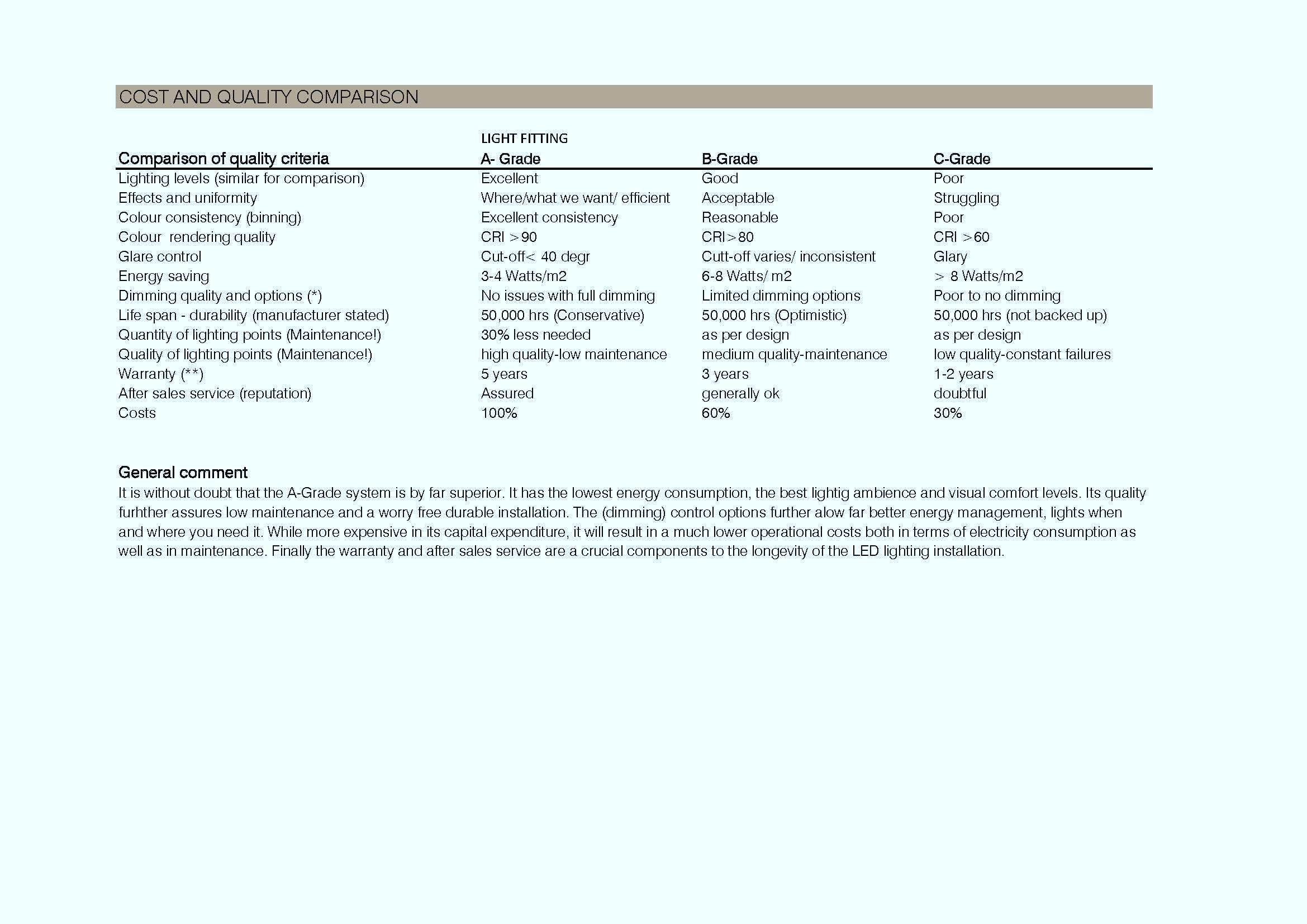
Light & Learn 3-16: Below an generic overview of the various LED quality criteria that will ultimately determine the cost and performance.
Heritage and LED
Perth, 31st July 2012
Modern LED lighting technology is great and a big advancement in what is now possible in terms of lighting applications and techniques . But does modern technology marry well with heritage buildings and fabrics? I am posing myself that question as we embark on the lighting design of a more than hundred year old heritage building, an icon in the city, but how to bring it to its full splendour at night? Will LED be the answer?
The building façade has beautiful architectural features, very ornamental, but otherwise finished in a matt warm white plaster-like finish. The building is currently lit with some “ugly” glary floodlights from across the road. Improving on the current lighting is not difficult, but what will be the appropriate lighting intent for this building? Like so many others, my client has been brainwashed by the LED cowboys to the extent that the only thing that he keeps asking me is whether I will be using LED for the lighting…and I keep diplomatically saying; yes, sure, it is part of the overall design considerations.
RGB and colour changing… ? I don’t think so, it did not exist 100 years ago and introducing abundant colours would really have to be built on a very strong story and need. Just because we can does not mean we have to!!! In my mind heritage needs to be approached in a conventional way, to validate the architecture the way it would have been back in history, albeit that new technology can be (and should be!) used. In my design vocabulary I don’t want to see the lights, unless they have a direct function (practical or decorative) to fulfil. If not hide them! We want to enjoy the effects and not be distracted by ugly structures (often in horrible black non matching housings). This will be the big challenge…how to integrate the latest LED technology to our advantage, (re)creating the lighting effects that will bring out the heritage feel of the building to its best without focussing the attention on the fact that we are using LED’s. Dignity, respect and majestic are words that spring to my mind as I embark on the design…
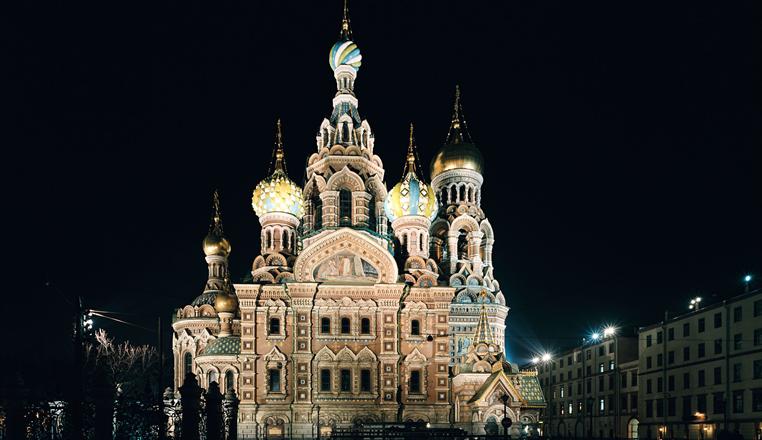
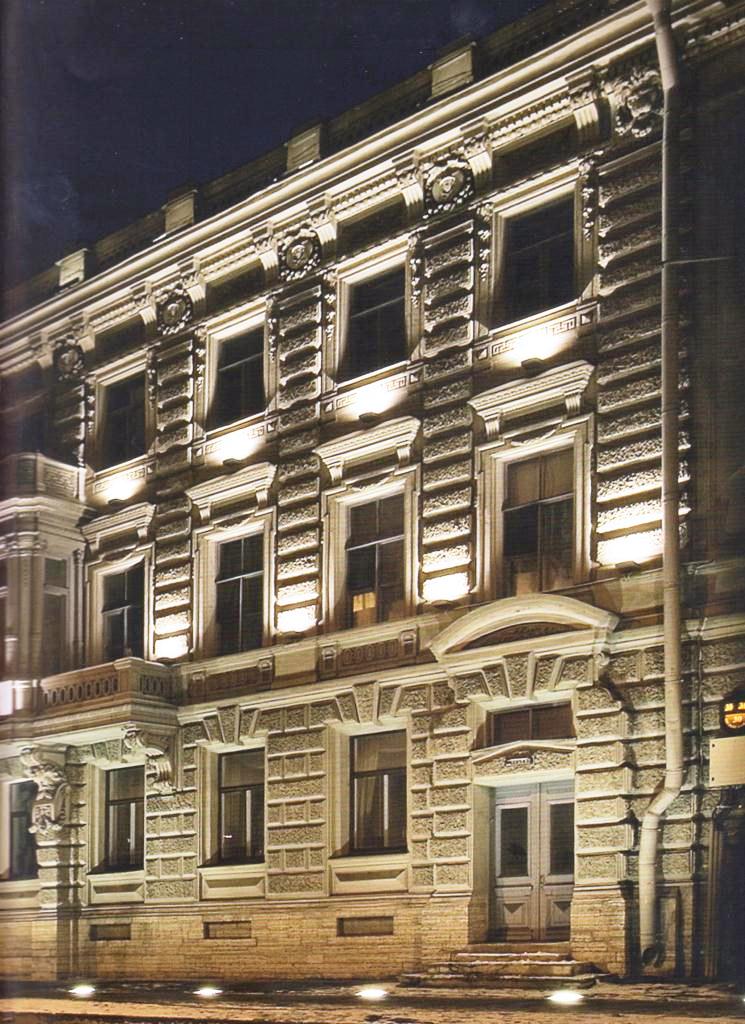
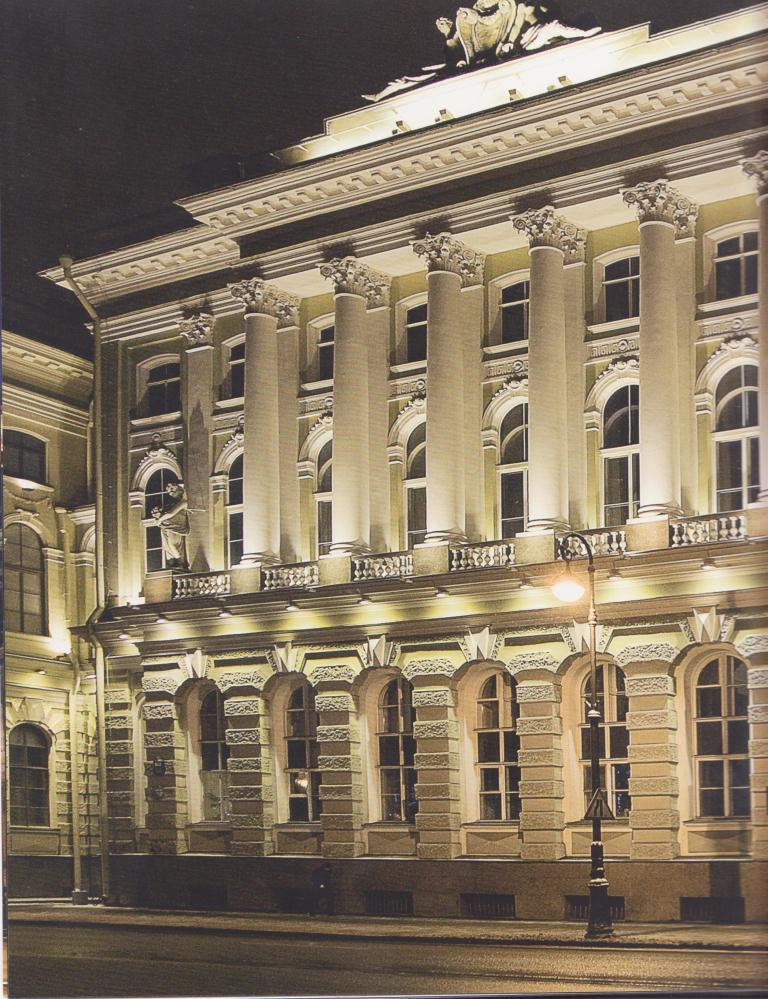
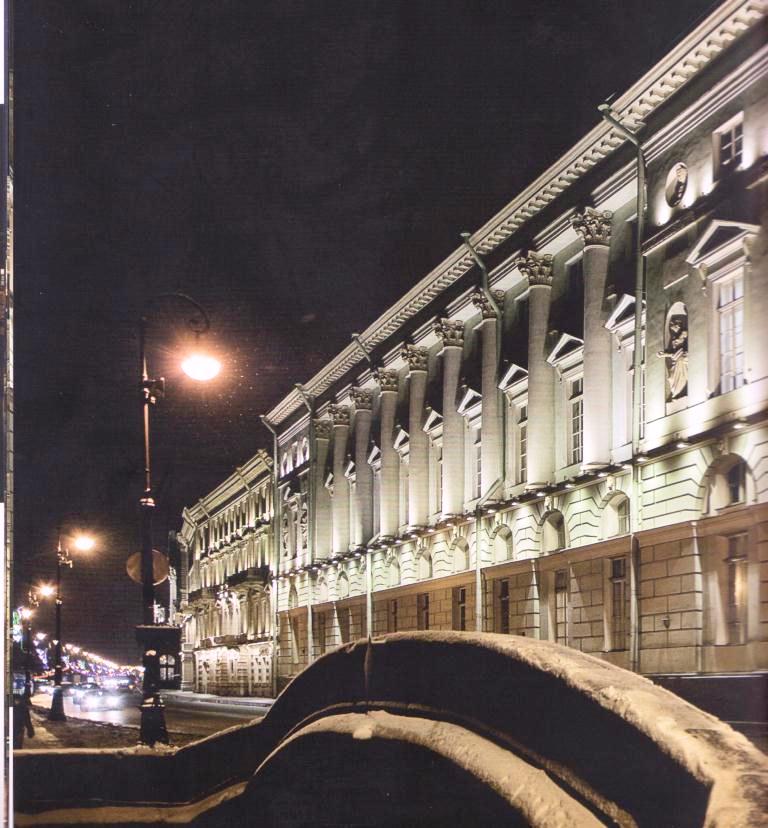
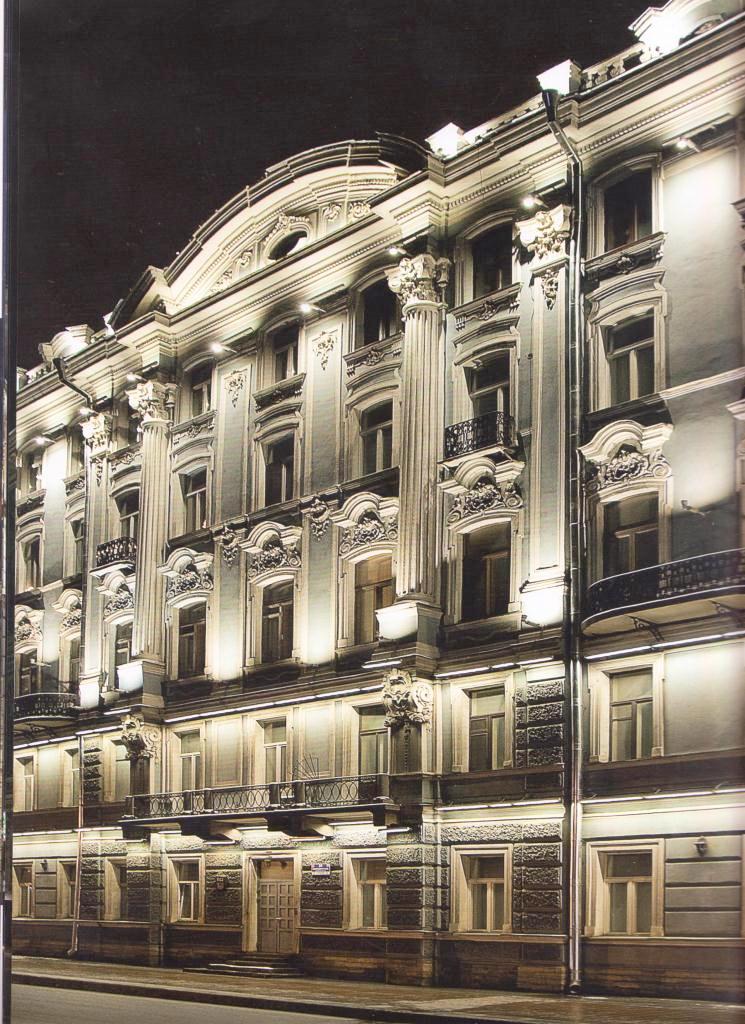
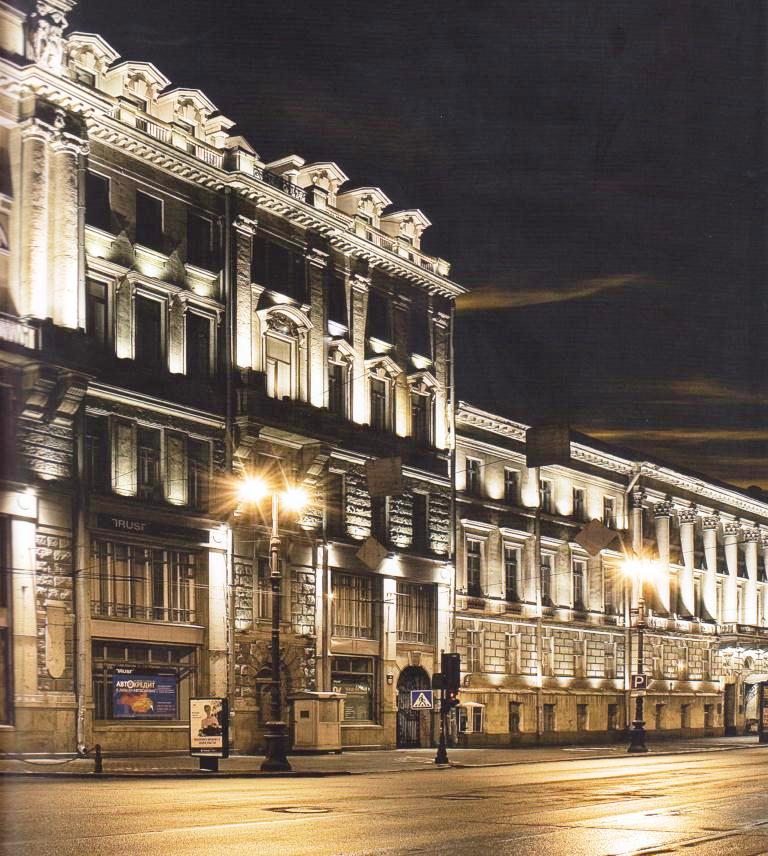
Light Watch 3-115: Companies like IGuzzini have been leading examples in promoting heritage lighting, like the light up of a whole scala of heritage buildings in St Petersburg including the famous Hermitage Building…
Photo’s courtesy of IGuzzini
 The long awaited book compilation of Martin's first year of blogging is available. Order now.
 Feedspot Top 100 Lighting Blogs