
Catching the bus
Singapore 24st June 2013
According to the expression there is always another bus around the corner or in other words if you miss one there will be another one coming soon…I use the metaphor in my business when describing the acquisition of projects. We earn our money as consultants to projects that need our expertise so for the continuity of the business we do need new projects continuously. Hence we are sort of at a bus stop waiting for a next bus all the time, though sometime we have no idea where the bus stop is! Clients can emerge from anywhere, anytime, such is the nature of our profession. While we have our regular clients and are listed as preferred consultants with many project developers, property owners and operators, we still need to be alert, keep an eye out for a next bus to come 🙂
The majority of our projects come to us through referral and recommendation, which is a good thing, but not necessarily a guarantee. As it turns out you are not the only one around or being recommended and often you find yourself in competition with some of your colleagues in the business to land the job. I was in such situation for a couple of projects over the last few weeks and as it turned out two of them (totally unrelated) within a space of a few hours messaged me today that they had decided for someone else in these projects. Damn! The bus left without me 🙂 The reality is that you can’t win them all and one of the things you do learn is that catching or missing a “bus” is generally nothing personal. There is enough to go around!
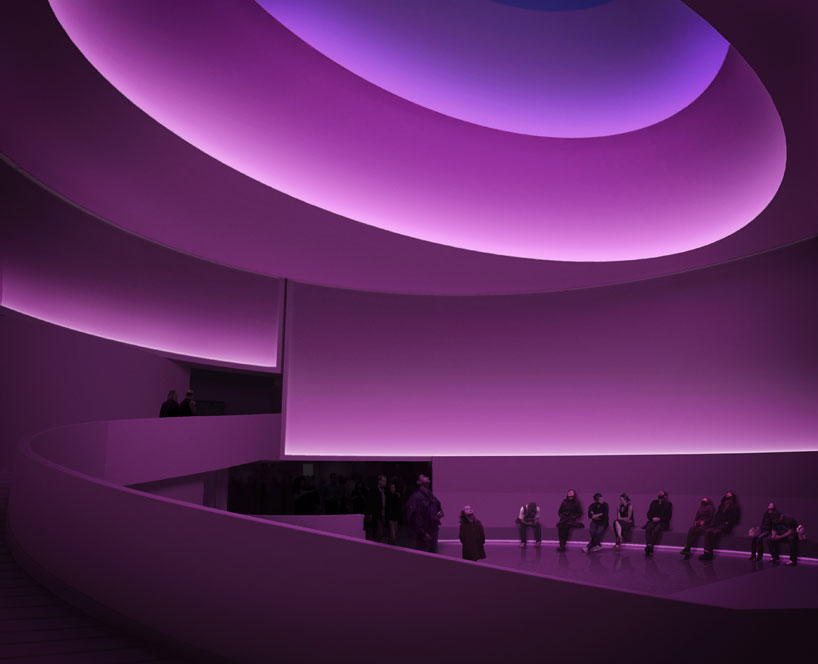
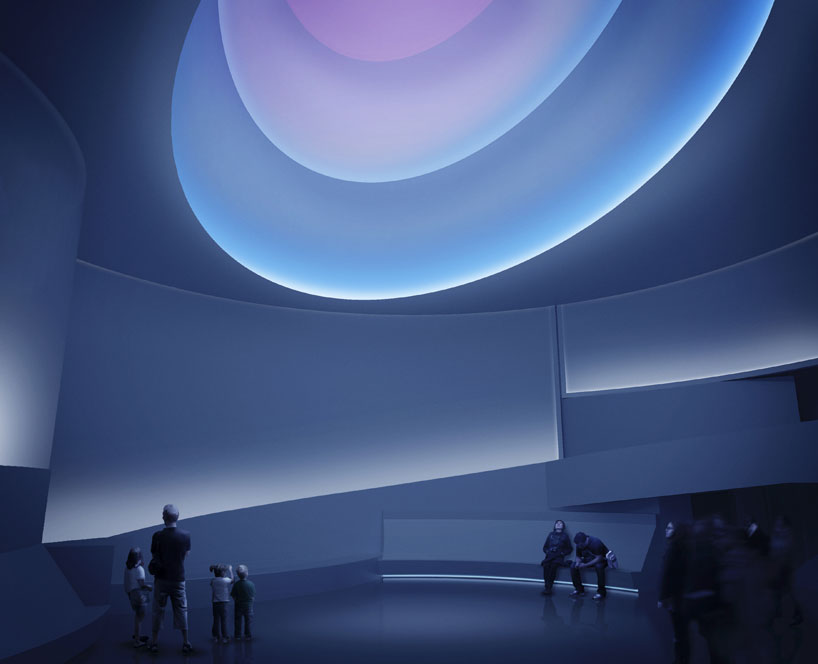
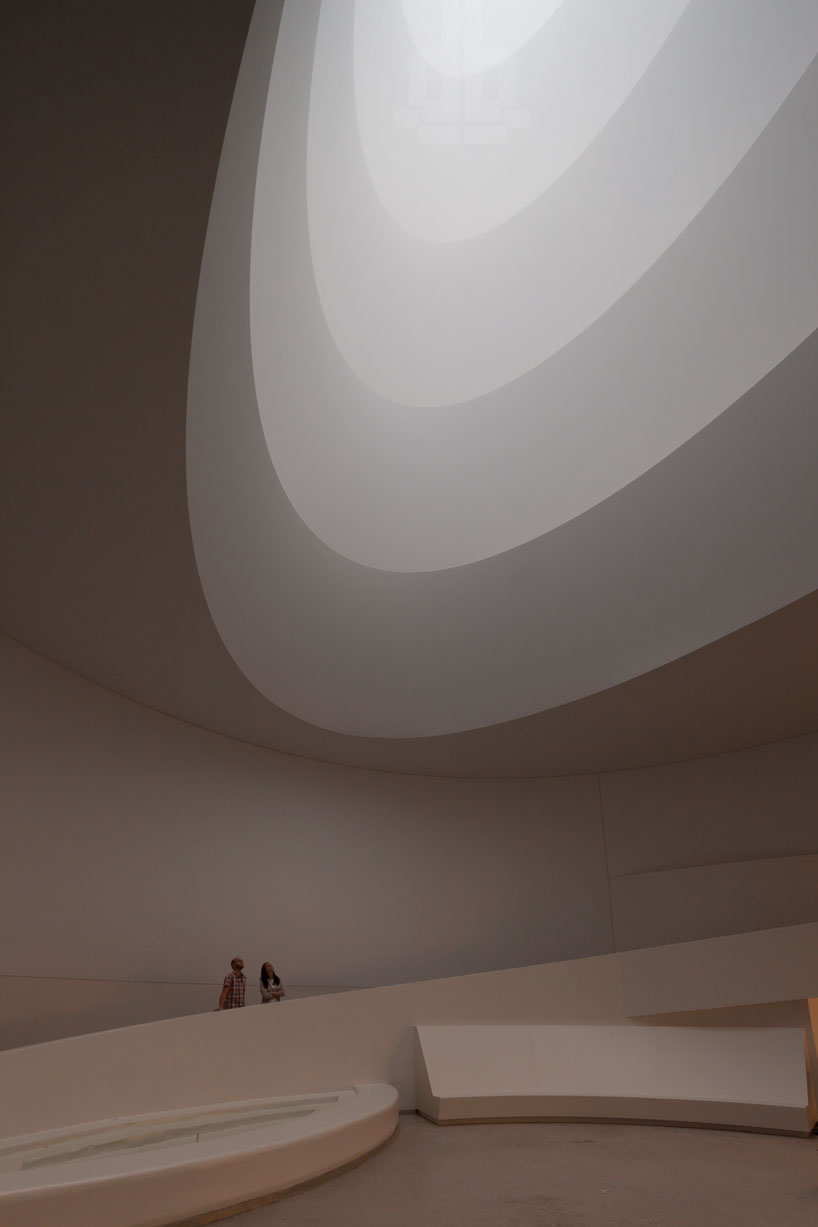
Light Watch 4-112: We are lucky that we work in today’s lighting industry, not only is the technology continuously developing, lighting applications and awareness towards the importance and impact of lighting has grown substantially to the extent that (artificial) lighting has become a key element in our daily lives. Not only lighting for work, sport or relaxation. Lighting also is increasingly finding its way into the art world. James Turrell’s latest exhibition opened a few days ago (on the 21st June to be precise, the day of the summer solstice) in New York’s Guggenheim Museum, a Frank Lloyd Wright designed building. As always he explores the perception of natural and artificial light, space and colour making use of the latest LED lighting technology…



Modularity and corporate identity
Singapore 21st June 2013
One of the things that you look out for from time to time as a designer, depending the nature of the project, is modularity. In other words designing in modular elements or components that you can design for once and then apply or reproduce as needed and that allow you to use these modules as a building blocks throughout the entire concept. Modular design from a lighting point of view touches several aspects. In general terms modularity can be a sort of standardisation, where we minimise the type of lighting systems and lamps used to simplify maintenance (and spare stocks) as well as simplifying architectural installation. There is an obvious economy of scale. This has always been one of the drivers of our design approach. I remember well that when we designed the KLCC Twin Towers in KL we managed to keep the lighting systems and lamps within 50 different types only, which was quite an achievement for a project of that magnitude!
But there is another sort of modularity, one that comes with corporate identity. A design that typifies a company and makes it recognisable wherever you go. Lighting can definitely play a role in creating that corporate identity and therefore designing around modularity would be the key. This would only work however if all elements of the corporate development are controlled (and paid for) by the same entity. This is crucial as developing a modular approach if you do not control all aspects of the development and implementation ( and later the operation!) makes it a tough call.
So I am talking about branding through lighting, developing typical lighting systems as well as lighting controls that can be applied and reproduced in each new development. While the lighting systems are not necessarily that obvious the resulting lighting effects should be! As lighting designers we deal in moods and ambiences, in visual environments that suit the tasks at hands or represent the corporate brand image. In that respect even the lighting designer has a role to play in developing the brand image or corporate identity. This can be in retail or hospitality for instance. It is nice to know that there are developers out there that appreciate the role that lighting can (and should!) play in achieving that. Don’t forget that 80% of the information we receive is visual!
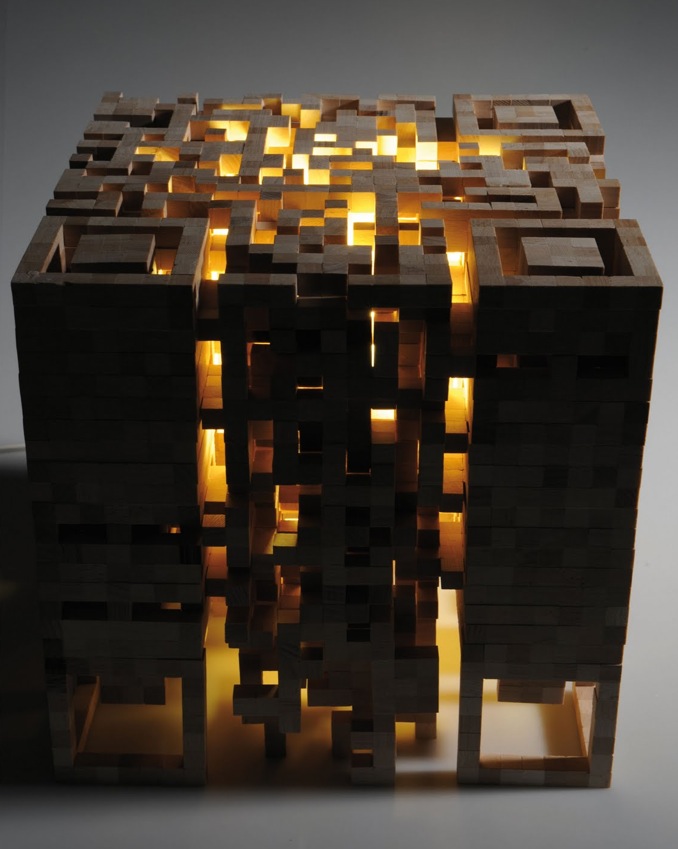
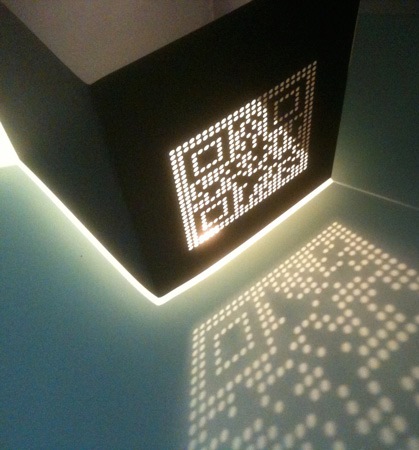
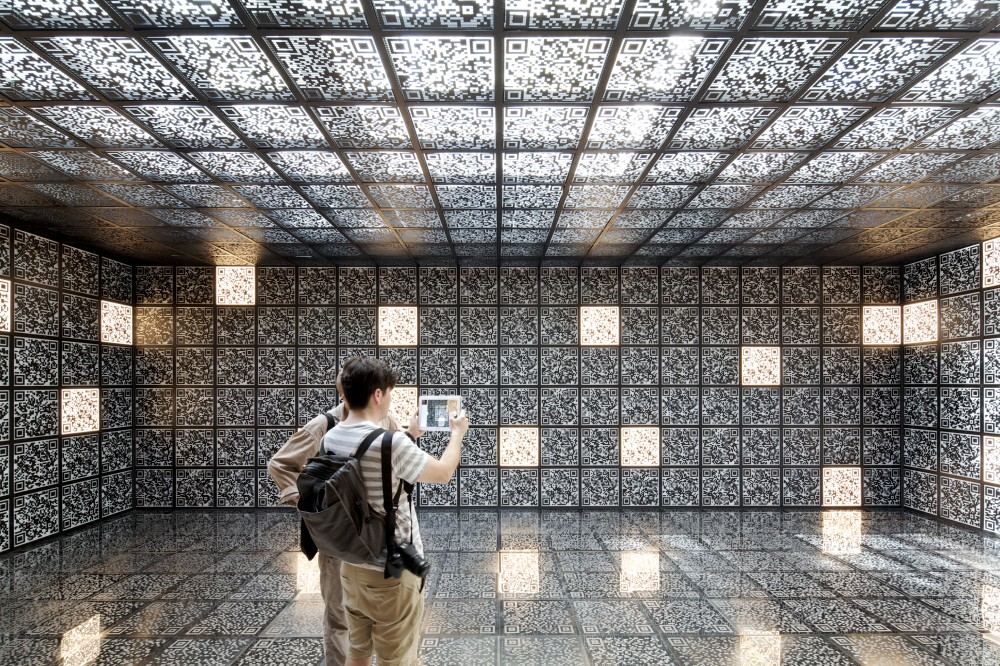
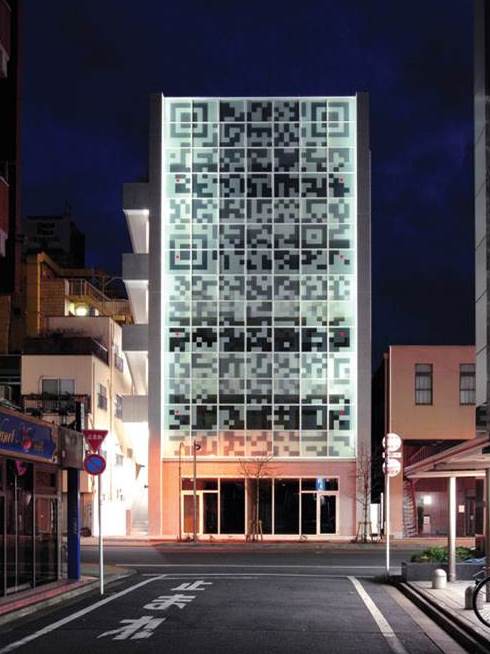
Light Watch 4-111: As I was looking for some QR Code images yesterday I discovered several lighting installations based on the QR Code square (block), so since I talk about modules, this kind of fits…here are some. Have a great weekend! 🙂
QR Codes
Singapore 20th June 2013
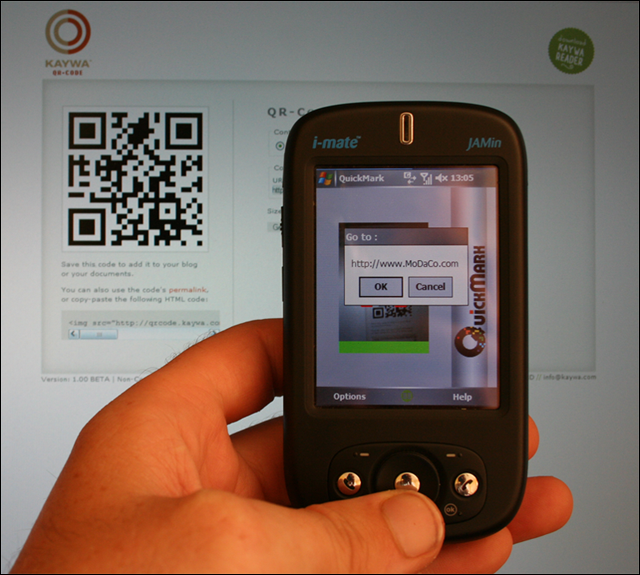
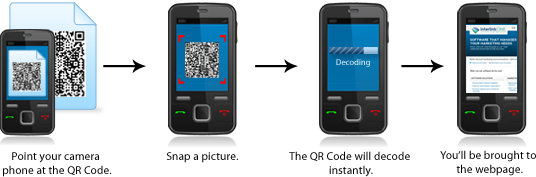
I am probably a bit behind times, but today I found out that the QR Codes have now officially made it to the lighting manufacturer’s world. QR stands for Quick Reference code also known as a matrix barcode. I think you have all seen these little black squares against a white back ground which can be read by an imaging device such as a camera or mobile phone. It provides you information of that product or event by directing you to a specific website. You can down load apps for that onto your IPhone. While I thought that this was mainly used in the commercial and marketing arena, I found out today that some lighting manufacturers are now imprinting some of their products or components with this QR code. In this particular case a QR code was embedded in the COB LED that was used in a down light. Similar to the well-known barcode it also had a number code. While I was not able to personally check the link and information it provided I understand that this QR Code will give you all the technical information, quality standards as well as the history of the product; in other words; where it was manufactured, by whom and when. It further should allow you to track all the production information, the performance/ quality data of the product and so on.
Is this just another technology gadget or a serious application? I think that it probably has a serious function and also shows a manufacturers attitude to responsibility. I am pretty sure that I will not find a QR Code on a “china” made product…So it could be seen as a declaration of quality and reliability as well as an acceptance of ownership to the product or component in question by its manufacturer.
I can imagine that if used reversely, by tracking sales, it could provide the manufacturer with information where their products end up, giving them some geographic and application information. To be followed…
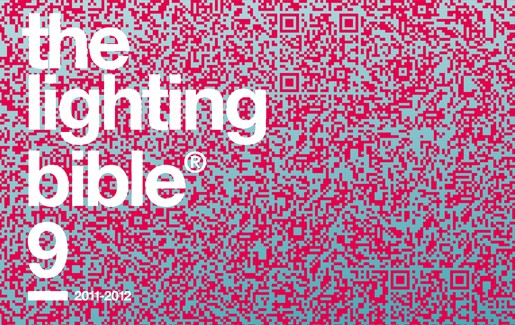
Light Watch 4-110: Images from the QR Codes


The transition to LED
Singapore 19th June 2013
It is undeniable that within the next 5 years conventional lighting will be obliterated into nothingness and if by today you have not yet made the transition to Led as a lighting manufacturer you are unlikely to still be in business by then. It is a bit like when Bill Gates said (I believe it was him) at the start of the internet revolution that if as a business you were not on the internet (with a website for instance) you would not be in business 5 years down the road. I think that came out as a pretty correct prediction. A similar one can be made for LED lighting technology…a safe bet 🙂
In a way new start-ups into LED manufacturing (and believe me they seem to come out of the woodwork and not necessarily out of the lighting industry!) have some sort of an advantage as they are not burdened by any past. Those with semiconductor knowledge associated with LED need to learn the lighting application ropes, but can basically start from scratch with a clean slate. It is not surprising that some of the now leading LED companies were not even known before in any form in the conventional lighting world. It is the conventional lighting companies that have the greatest challenges it appears as they are dealing with massive prior investments in moulds and components for their conventional systems. It is not surprising therefore that their first step towards a transition into LED land would be with retro fit LED lamps. However many now realise that the real transition will only be successful in the long run with full system LED technology.
This basically means that all prior investments have to be made all over again and probably more on top; moreover, all previous knowledge may not be applicable anymore! So for the traditional manufacturers this transition can be very tough…we all know how difficult it is to get rid of old habits! So in this transition to the new age of LED it is very likely that some (possibly a lot) of the conventional lighting manufacturers may not be able to make it…
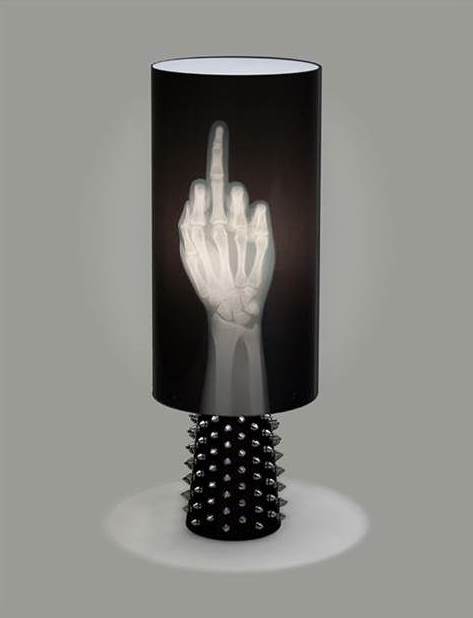
Light Watch 4-109: I leave you to ponder on this with one very illustrative image, open for many interpretations 🙂
(sorry, no offence intended…)
Building a brand image
Singapore 18th June 2013
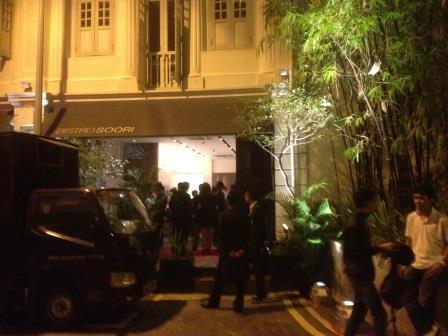
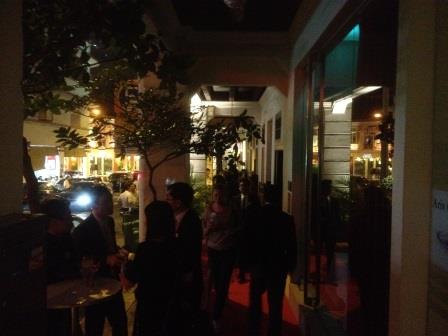
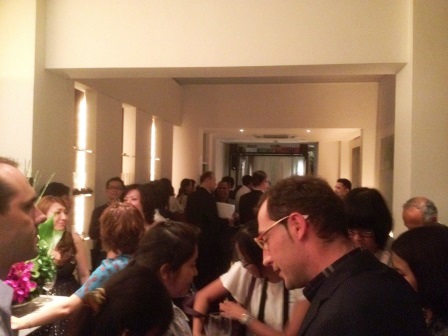
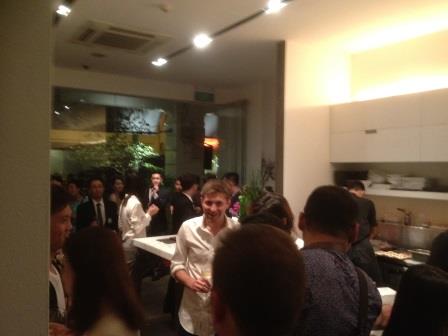
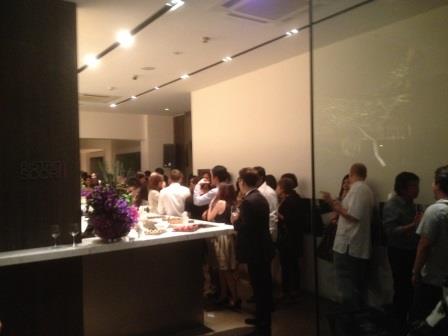
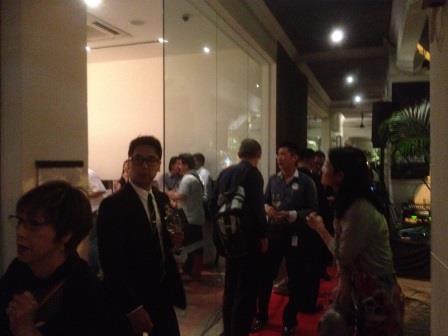
After a day of relative little excitement, also known as a fairly routine lighting design work day (but NOT a groundhog day 🙂 ) at the office, it was time tonight to mingle with the Singapore lighting industry for the launch of one of the newer brands in town: Modulex. Risen from the Ushio ashes and grown into a full fletched brand under the patronage of Osram. Not surprisingly most, if not all, are LED driven lighting systems. The company has gradually made its advances into our project market over the last year, visiting us a few times and leaving us to play with a few of their samples. You know when a company is confident about the quality of their lighting products…they happily leave you to play and explore with it. Well researched and developed products and vetted by the reliability of the Osram brand. Having the endorsement and support of a world brand like Osram definitely helps to overcome any doubts you may have on initial recognition of the brand. But time will tell. Only once we have completed a project from start (specification) to finish (installation and handover) will we know how credible the products (and the company!) are!! As always it is not only the product but also the people behind…
For the introduction to the greater public (I believe they had the local media on call) they pulled all stops with a product application showroom, a display space and a bar/social area to meet and greet people in a more relaxed area. As a result the party stretched along the street as the 3 spaces where in 3 different units along the street. Crowd control and security was at hand to manoeuvre the local traffic safely along the socialising/ networking crowd. Always good to catch up with colleagues and friends in the business. Though you would think a Tuesday night is not necessarily your most ideal night for a launch party it was really well attended…
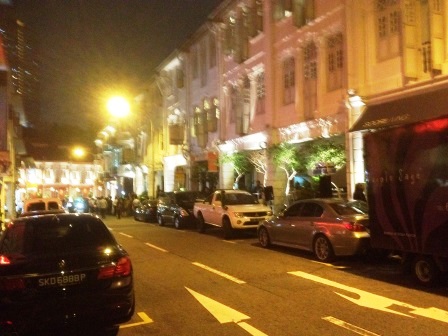
Light Watch 4-108: Some (Iphone) mood images from the night….

Haze and (light) pollution
Singapore 17th June 2013
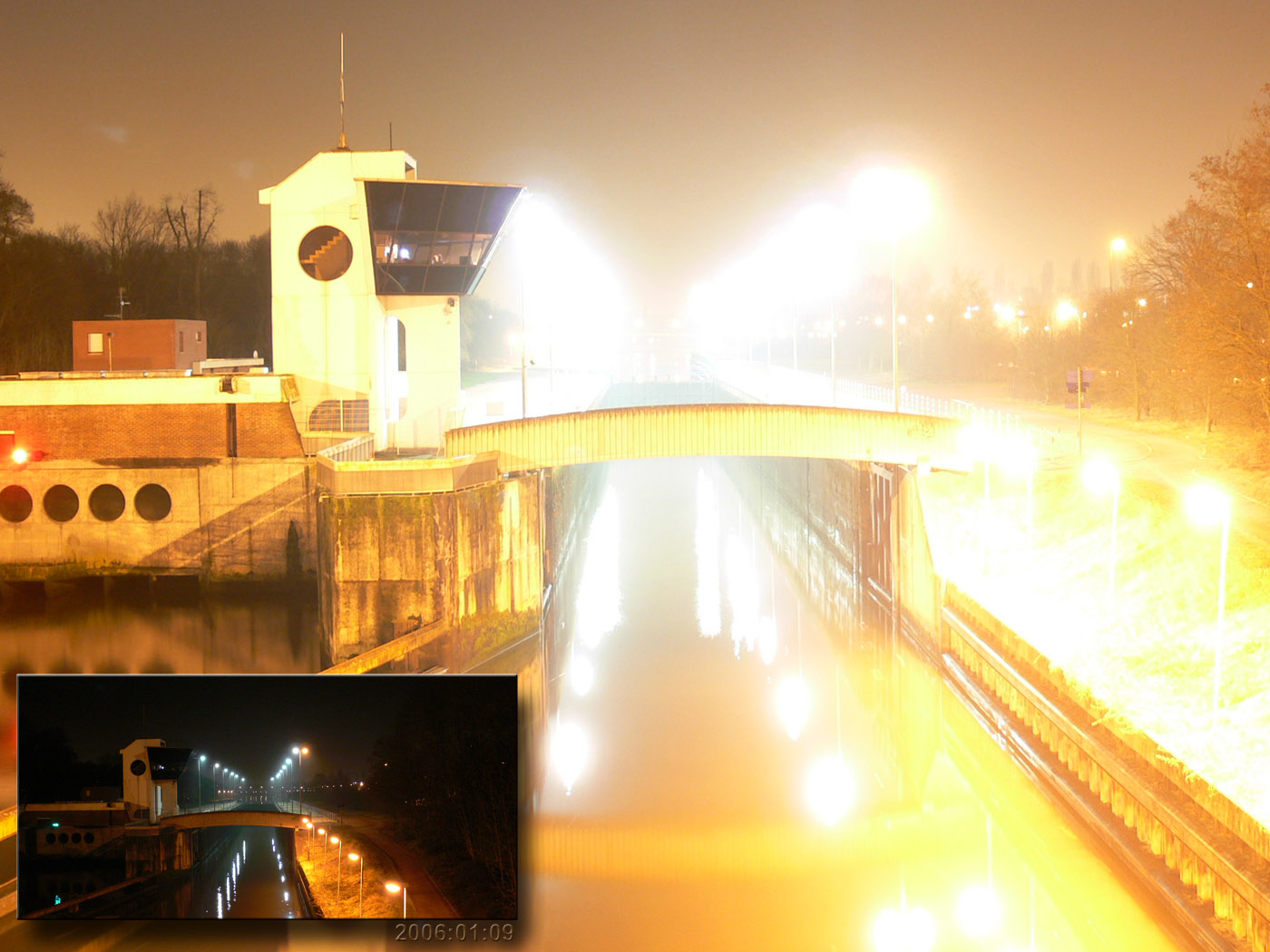
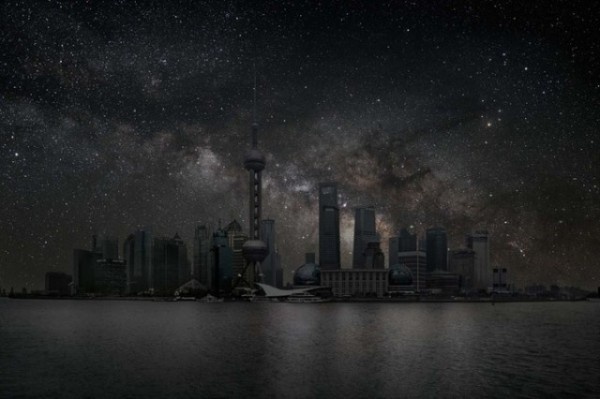
We live in an age where pollution, certainly in the big multi million people cities, is becoming a way of life rather than the exception. Today in Singapore we were hit by extreme haze that blows over from uncontrolled forest burn downs in Indonesia. With a PSI (pollution standard index) reaching way into the unhealthy levels; it had been going on the last few days but today we hit well over the 110 PSI. I cannot do much about this pollution (I already don’t drive a car in Singapore) but I can certainly contribute by minimising light pollution. Light pollution is really wasting light by having light going to unintended or useless places. Unfortunately many who call themselves lighting designers, don’t seem to either care or understand the issue of light pollution. And I am not just talking about light that is “lost” in space by uncontrolled optical systems, but even with “properly” directed light still having massive amounts of sideways spill light that cannot be classified as useful light.
I have to say that again manufacturers and sales people are partly to blame. They sell these (generally very cheap) light fittings that blasts light uncontrolled in all directions. Generally small little down lights without any optics (easily identified by their glary appearance) creates lots of wasted light. Most of the time it is pure ignorance from sales people, as I would expect that some manufacturers at least have some form of optical knowledge. But then do they care? I would say probably not otherwise why would you put these lights on the market??? The answer is probably money…
But we as lighting designers are equally responsible and hence to blame if we do not stringently apply our knowledge and understanding of lighting and lighting optics to make sure we select the right system that allows us to manipulate and control the light output to exactly where we want it. Budget restraints may pose serious challenges but then that when we need to pull out all stops to educate our client on the ill effects of light pollution! That’s why we are professional consultants…it comes with responsibilities!
Light Watch 4-107: Light pollution…see how much uncontrolled light creates pollution and affects the night sky…





Agent provocateur
Singapore 14th June 2013
Wikipedia tells me that traditionally an “agent provocateur” is an agent employed by the police or other government entity to act under cover to entice or provoke another person to commit an illegal act or to falsely implicate them to partake in an illegal act. Now this feels very much like my LED Cowboys! I am talking here about agents that represent certain lighting brands in the market. Manufacturers generally do not sell direct and use agent(s) in cities, countries or regions (depending on the geographic or cultural divide) to sell and distribute their lighting products. These agents generally take on certain sales targets when they sign on and commit to certain sales, stock and showroom facilities. Depending their success and relationship this can result in a very longstanding or a very short marriage. I know agents who have been the representative for ever and I know some who seem to change brands with the change of winds. Then there is the issue of sole distributor/ agency versus multiple agencies. In the first case of course life is simple, you know who to talk to. In the case of non-exclusive agencies there is an extra dimension where the agencies may fight amongst themselves to land the sale for a project. Different manufacturers have different strategies.
I bring this up as over the last few months we had several “agents” pop up out of the woodwork claiming (possibly truthfully) they are the agent for a new brand that has gradually been introduced to us over the last year or so. The thing with multiple agencies is that they don’t really let you know that there are others you can specify or buy from. They introduce themselves as being THE agent for that brand. Some go as far as saying they are the exclusive agent, some do say that they are not exclusive, but sort of the principal one and that others are more on a project to project basis….Anyhow, my point is that it is a ruthless (sales) world out there and that some of these agents really push the boundary as an agent (”provocateur”) to get you committed to work with them…
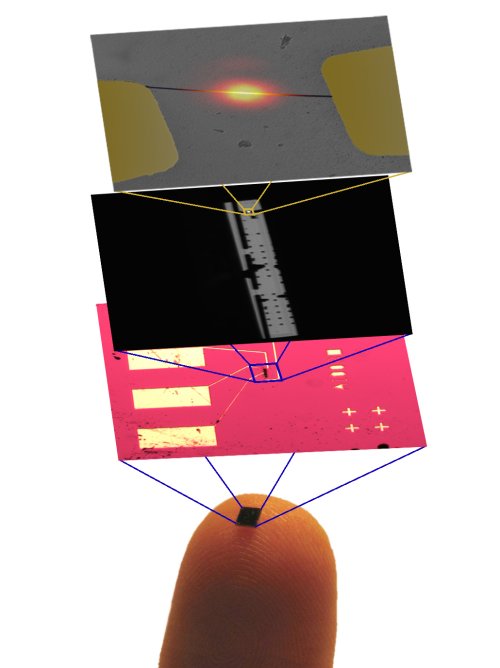
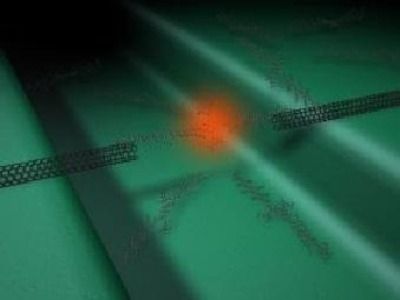
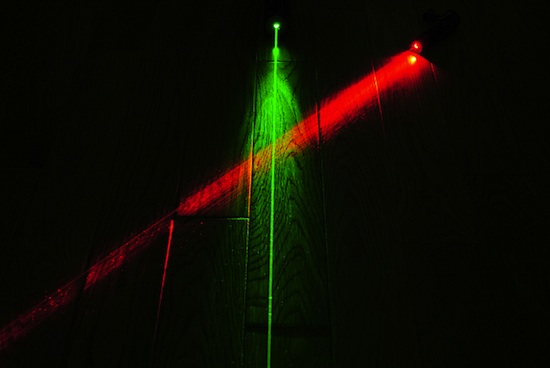
Light Watch 4-106: Lighting technology is still in the midst of a revolution, not only LED! Nano and molecule technology will allow to create light sources so small you can’t see them if they are not on! Tough sales for an agent! See below subsequently
1) nano lighting technology
2) a glowing molecule
3) nano scale laser technology…
4) mini light source

Streetwise
Singapore 13th June 2013
You can pick out clients and consultants who are streetwise. You can see it from a mile (assuming you are streetwise too J), just the way they deal with issues, with challenges. In my more than 30 years in the business I like to believe that I have become rather street smart and know my way around. Being streetwise also means that you know how the game is played and you know the challenges and hurdles that may be ahead on the path of first negotiating a project contract and then successfully negotiating the “elements” along the way to a successful completion of the project.
Over the last few weeks we have signed on a couple of new projects (I think we are lucky in this part of the world despite the state of the world economy!) and each of them I found to have very street smart and with that very professional clients. Our (new) clients seem experienced and knowing of the game with quick turnarounds for contract negotiations and most of all signing of the contract and settling the appointment fees. If you are a professional it is great to work with professionals….It makes it easier to deal with issues along the way. A quick assessment of a situation can be made and with the combines experience a satisfying solution found.
But I found not all project team members to be street smart. There are always obstacles and unforeseen situations along the road, but most of the time they are created by incompetence or plainly obvious greed (suppliers/ contractors) and self-serving interests (managers). I have had to deal with a few of these the last few days; contractors taking short cuts by purchasing their own interpretation of our specifications, a procurement manager making a deal with a lighting supplier of what we regard as insufficiently performing fittings and a QS who put together a budget that is not in line with the needs of the project. Just to name a few…but with some smart and streetwise actions you can get this back in shape, but it takes some understanding to get there as you have to make sure everybody comes out a winner! Another day at work….
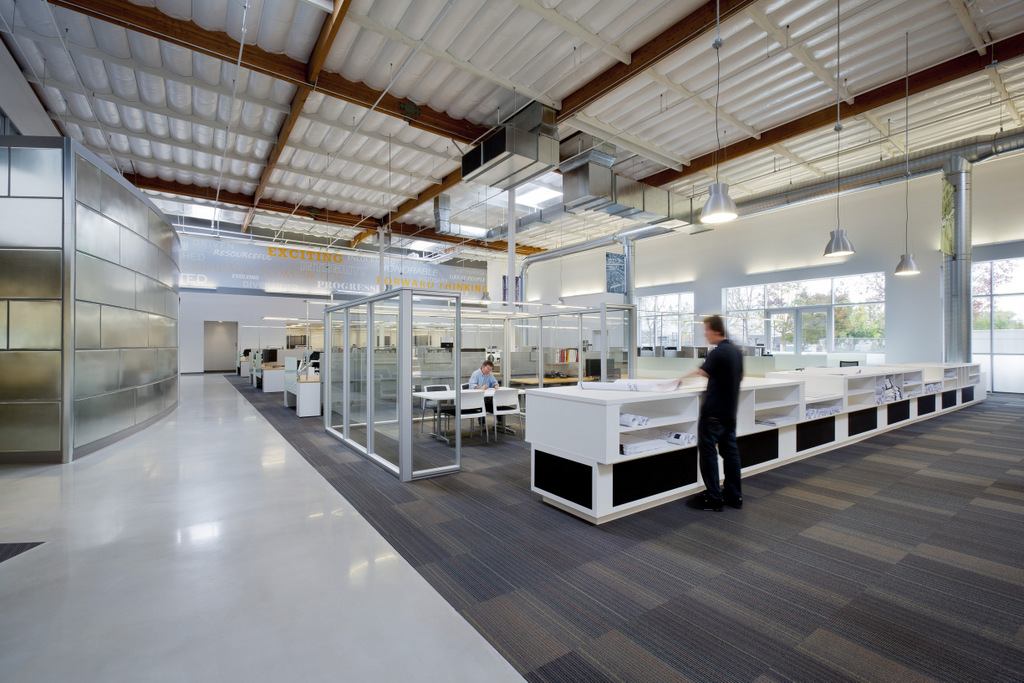
Light Watch 4-105: Following on from yesterday here are some more office lighting impressions from around the world…
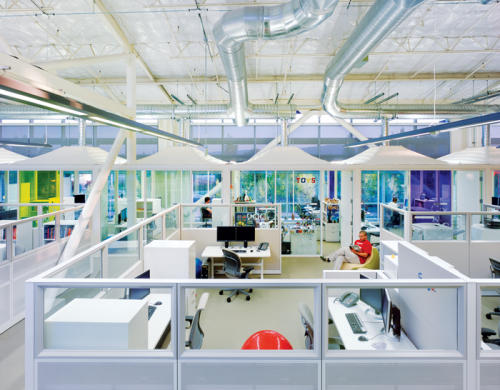
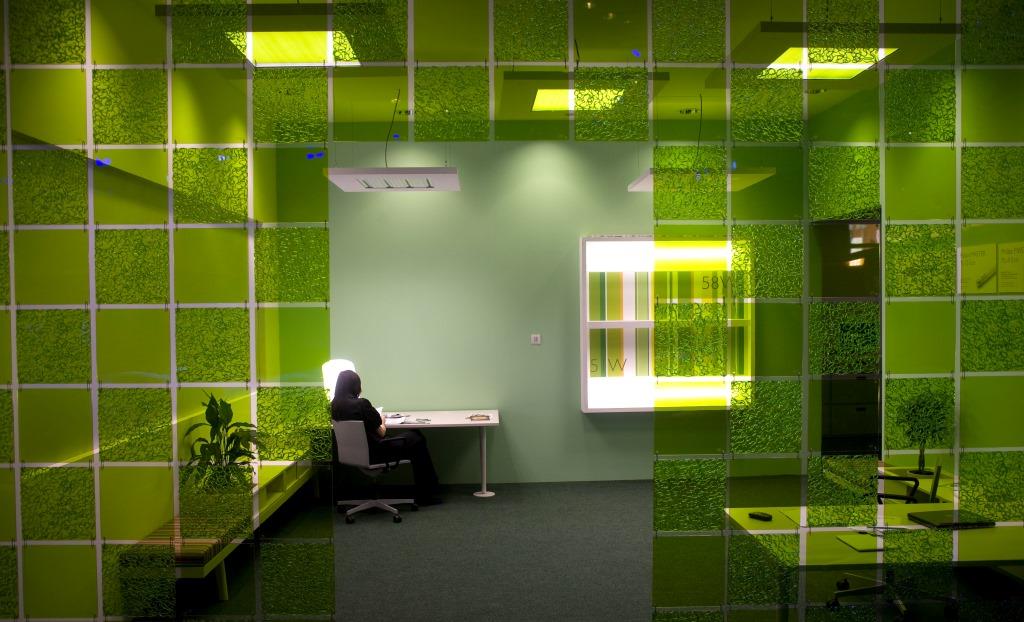
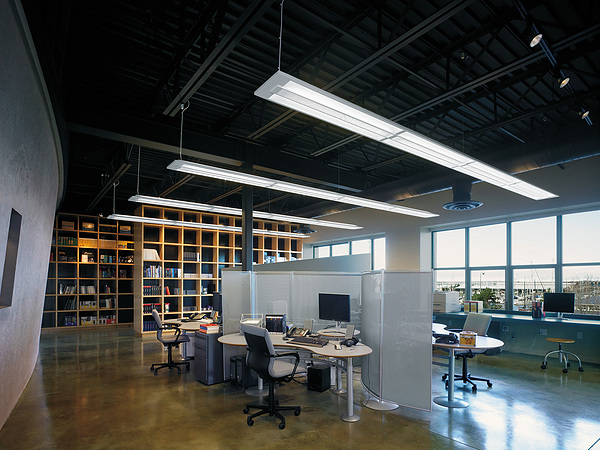
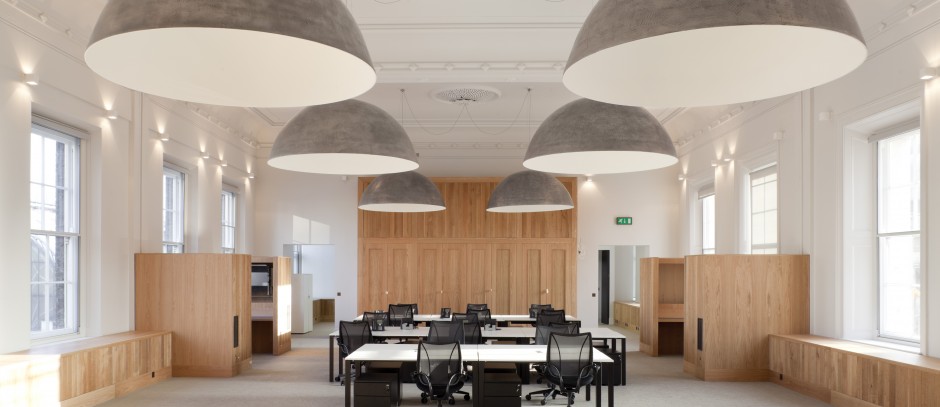
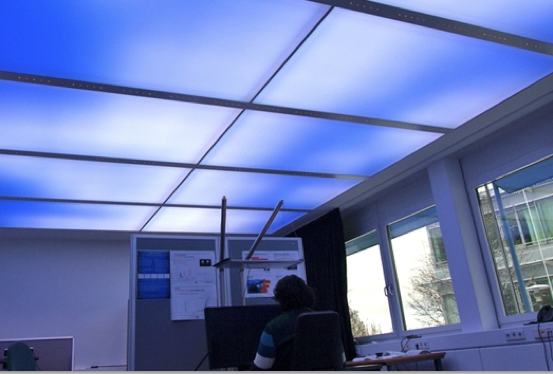
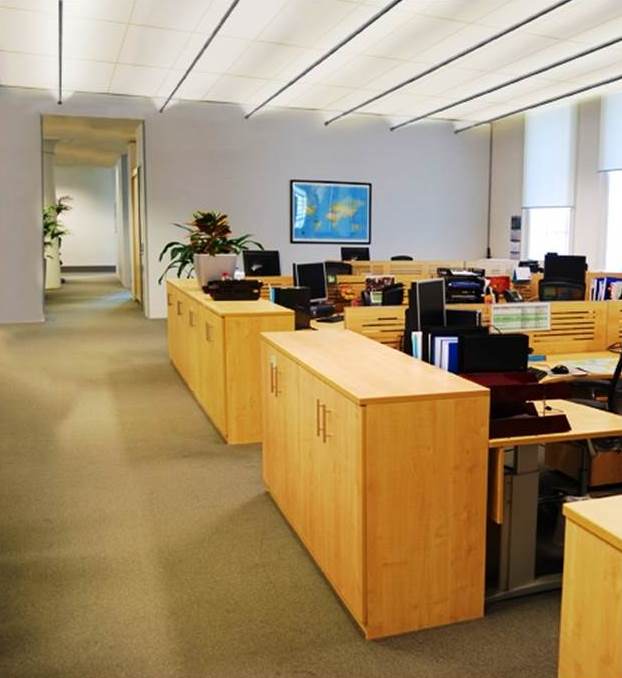
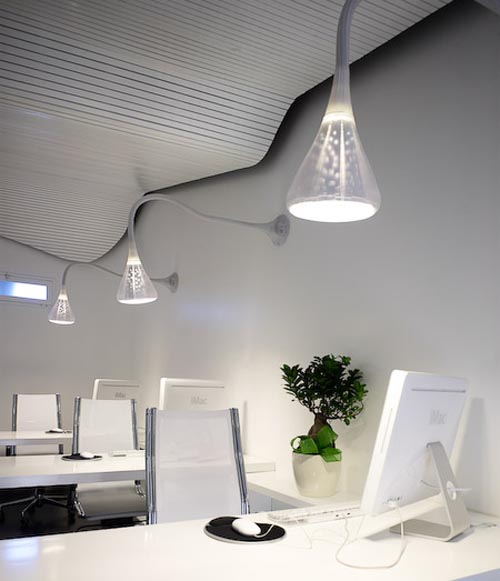
Working environment
Singapore 12th June 2013
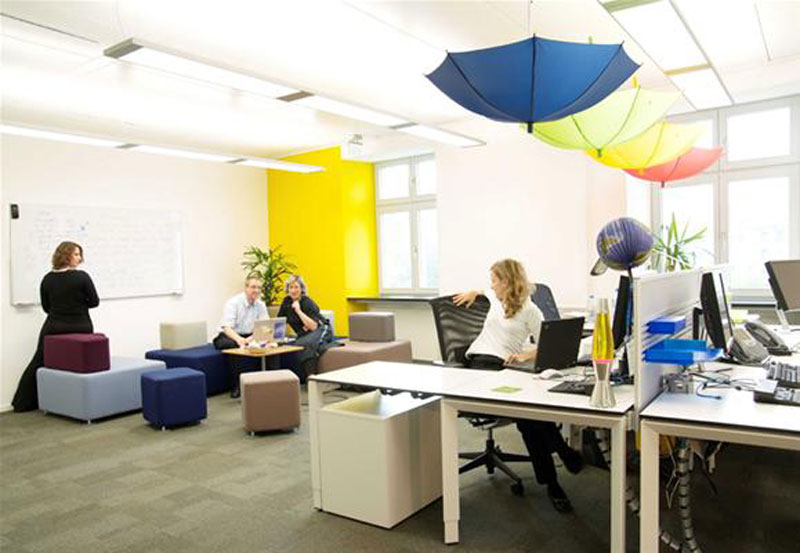
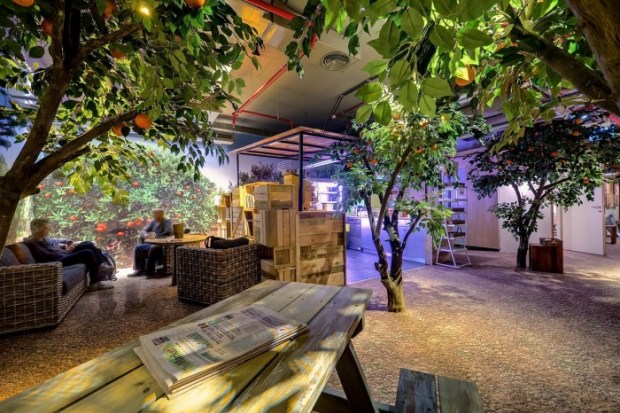
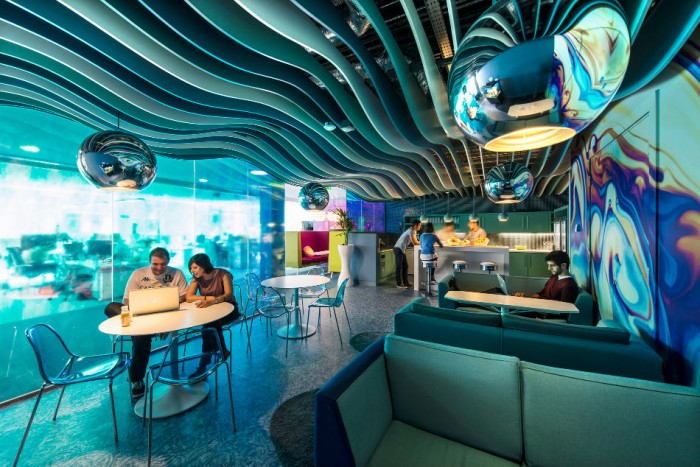
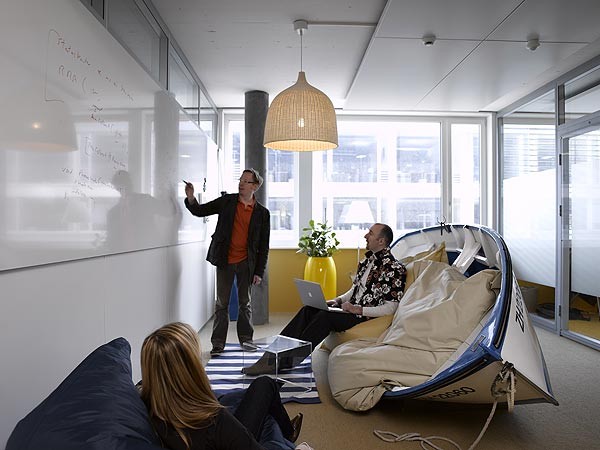
What is the most conducive work environment? I guess we all know the extremes from workers locked up in a factory with only one exit (we have seen what happened in Bangladesh and China recently) to the Google-esque work environments where you determine yourself how much time you spent in the office…provide works get done. The type of work naturally is of great influence and I am of course reflecting on the work environment related to our profession of being a lighting designer, a creative type of work. I have always been a great promoter of a balanced private and work life, in other words making sure that family life is in balance with work life. Work should not be a “prison” where your every move is watched and controlled and every minute has to be accounted for. Even in our lighting industry there are such bosses…they don’t trust their staff, they are paranoid about control…I know of and have worked with such people…it is not a relaxed environment and you definitely don’t get the best out of your staff, let alone yourself as you are consumed by trying to control and manage your staff. But the point is, if you don’t trust (and respect) your staff how do you want them to trust (and respect) you? Of course trust/respect has to be earned, both ways, agreed, but you can monitor and build in check points in terms of deliverables and performance along the way. You don’t need to monitor all email traffic; install cctv camera’s (no kidding I know companies who do that to monitor their staff!); ban all internet chats or access and restrict work responsibilities. Responsible staff will not abuse the system, on the contrary, you will find them great partners in building and growing your company. At least in the relatively small company set up that we have as lighting designers…Staff who take shortcuts, are found out soon enough, staff who put in the extra mile without you asking are the confirmation that you are doing things right and my personal experience is that you achieve that by giving them your trust from the outset. On top of that you will find that the ambitious ones will profile themselves automatically and those who are just happy to work with you deliver above expectation. At least that is my experience…
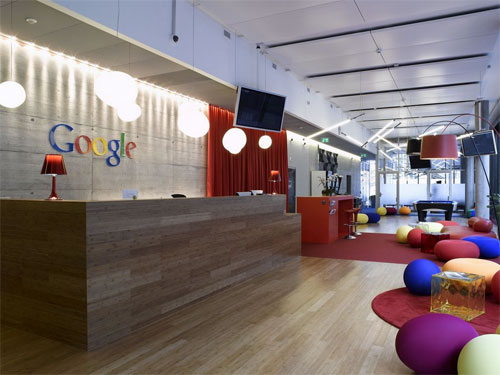
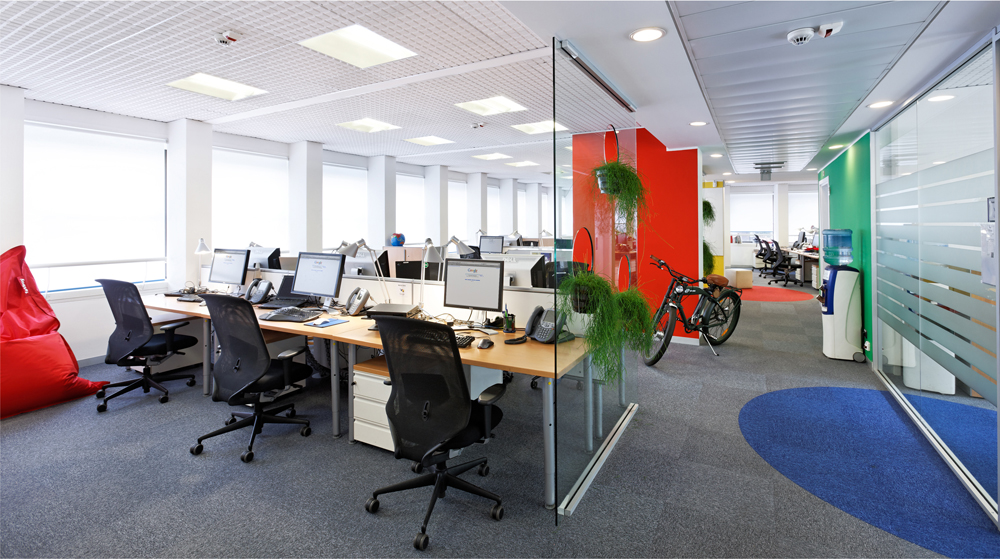
Light Watch 4-104: Here are some Google offices from around the world…lighting and interior ambiance play a big role
Design with purpose
Singapore 11th June 2013
Sometimes you wonder whether people actually are really that naïve or they really don’t understand the process of design. I am talking about a project architect who expects us to deliver a design without him providing us with any details. We are looking at fast tracking an outdoor lighting design simply based on some conceptual plan approach by the architect. Really basic with some everyday mood images (the kind you see in practically every presentation) and some super conventional light fitting pictures. Overall if you look at it you can’t make out front from end to put it bluntly. It looks like something put together on a Sunday afternoon. I am harsh, but then the same guy (now that we are on board as the lighting consultants) asks us if we can come up with our lighting design concept in the next two days…really? Now I can turn around a lighting design in a very, very short time, courtesy of my years of experience, but for that I need some essential basics, like a proper layout plan, typical sections or height indications, material finishes, relevant elevations, etc., all in some readable dimensions and scale; practically no one of that was made available to us. What was made available is rather shocking considering the guy is the lead architect for the building and the site construction is in full swing.
So my conclusion is that either he has the drawings and does not want to provide them (or he has them but does not understand we need them) or he simply has not got around to produce them yet, which considering the progress on site would be really worrying. So what to do? My first action was to sent him an overview (on the only plan we have) of all the sections and details we need. I can tell you that was quite a list considering the size of the area we are to do. However I am not going to sit and wait as one thing that I have learned over my many years in practice is to be pro-active and solution oriented… a positive approach. The blame game generally does not work and only polarises a situation. So I am now sketching solutions that I anticipate will work based on the little information I have in the hope (and knowledge) that it will trigger a positive reaction so we can than actually get on to the lighting concept so needed…
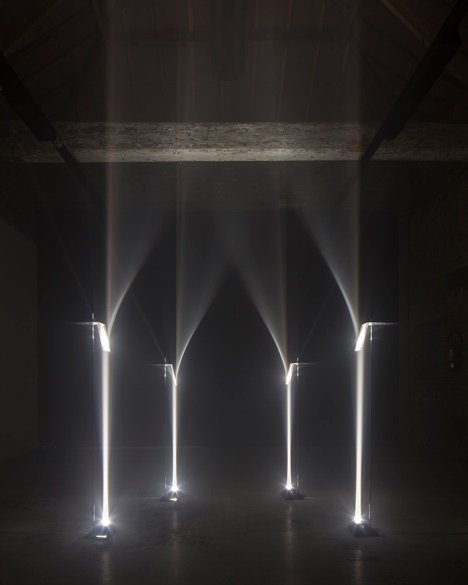
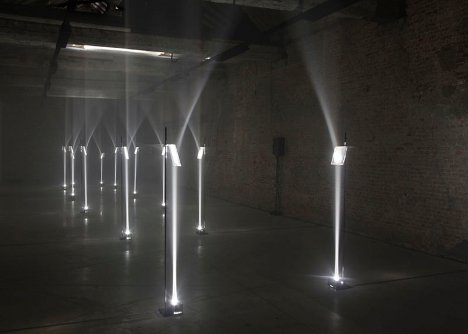
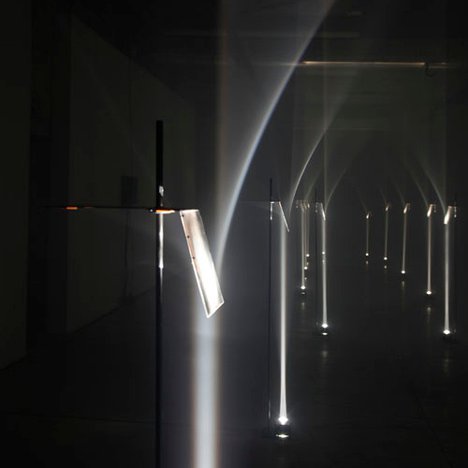
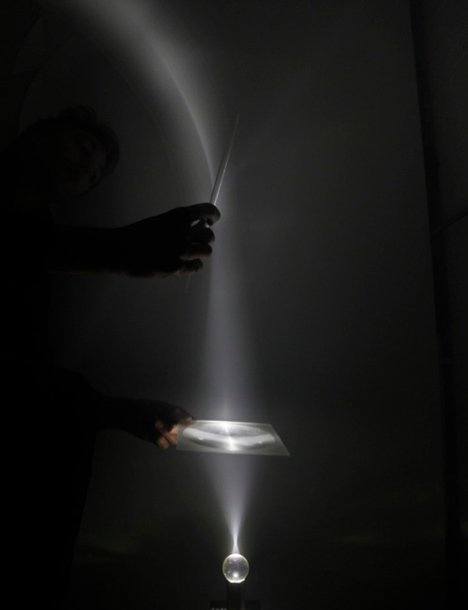
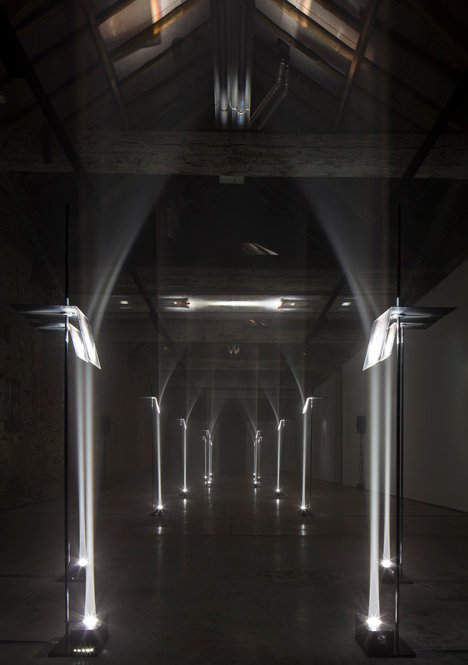
Light Watch 4-103: Creativity with lighting is thinking out of the box…here is a creative installation designed for the Biennale called Arcades by Troika. Simple elements, great results!
 The long awaited book compilation of Martin's first year of blogging is available. Order now.
 Feedspot Top 100 Lighting Blogs