
Back!
Singapore 29th July 2013
Hello, all, back from having been away! I am experiencing what everybody experiences I think when returning from a nice and restful holiday; jetlag, remoteness to what’s going on, a lethargy to get back in action and drifting back to the holiday memories…Today was my full day back at work, after a nice time away in sunny Europe with my children (…well children, they are adults by now, but still… 🙂 ). Being away and knowing the office is being taken care of in your absence is an added bonus as you can enjoy your time without the stress of having to continuously check your emails or being on standby for urgent office operations. Thanks to my team for letting me have this peace of mind!
The result on return however is that you need a bit of time to get back in the groove! Having distanced myself in my absence, means I am lagging behind and have to put in some extra miles to catch up. As I am off to Kuala Lumpur tomorrow for some project meetings and presentations (clients don’t leave you much time to recover, do they!), I had to emerge myself most of the day in finalising and confirming the presentations that we are due to make tomorrow onwards, so not much time to catch up on other things. Guess I will have to do that on the fly as we move on…
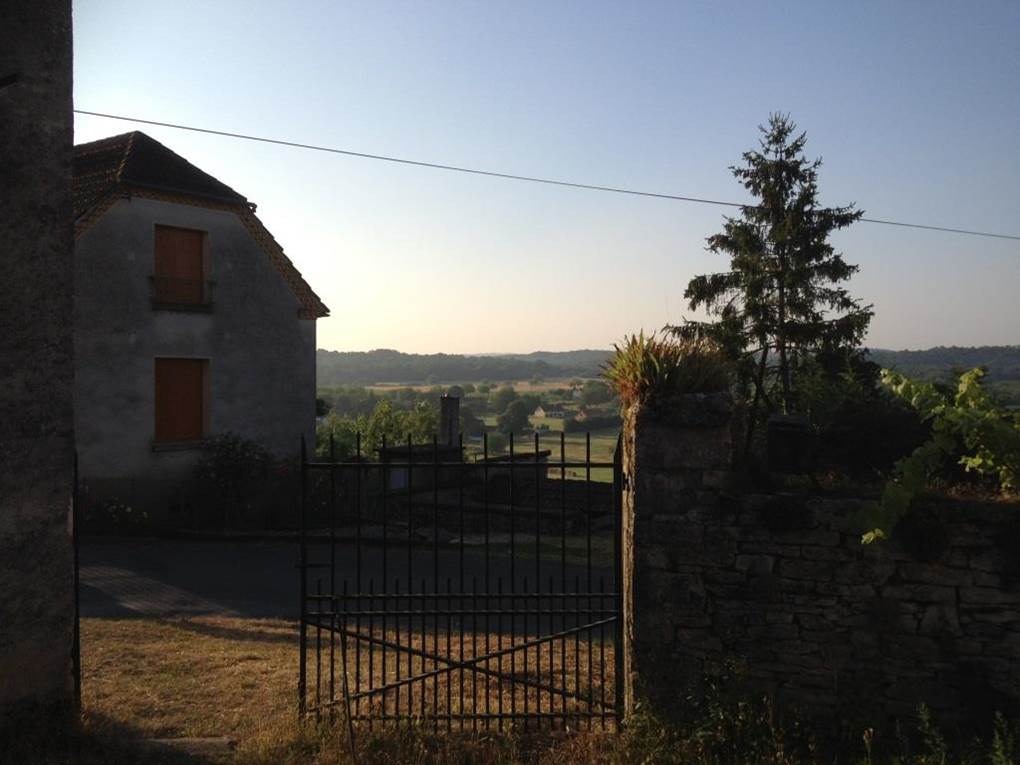
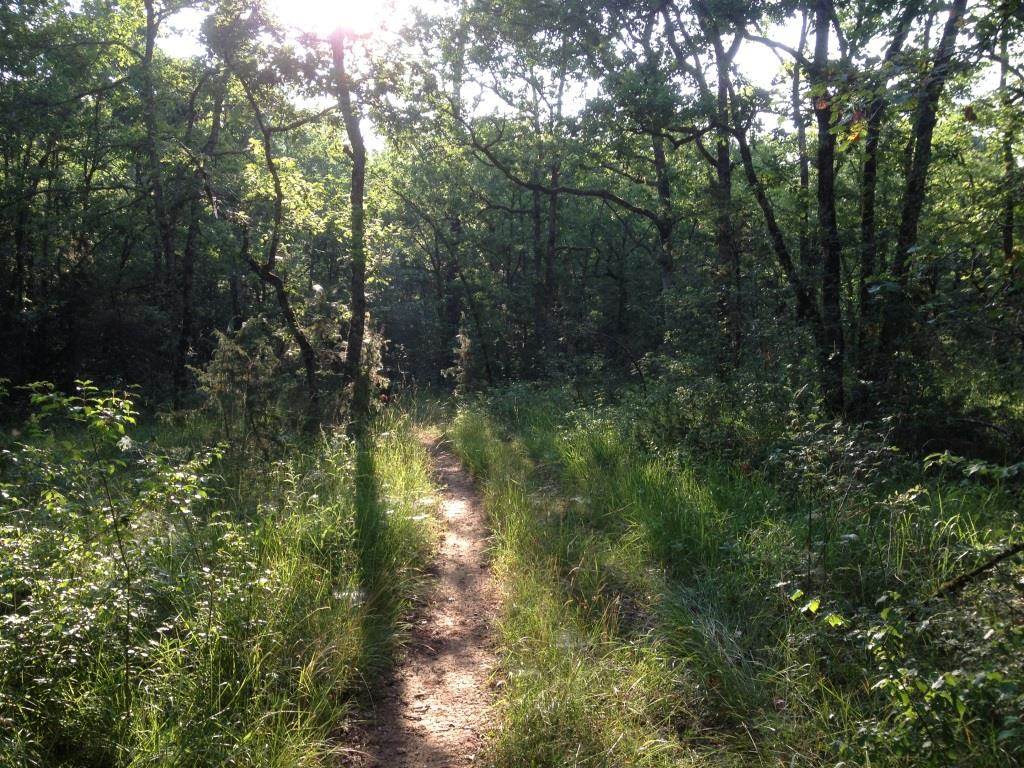
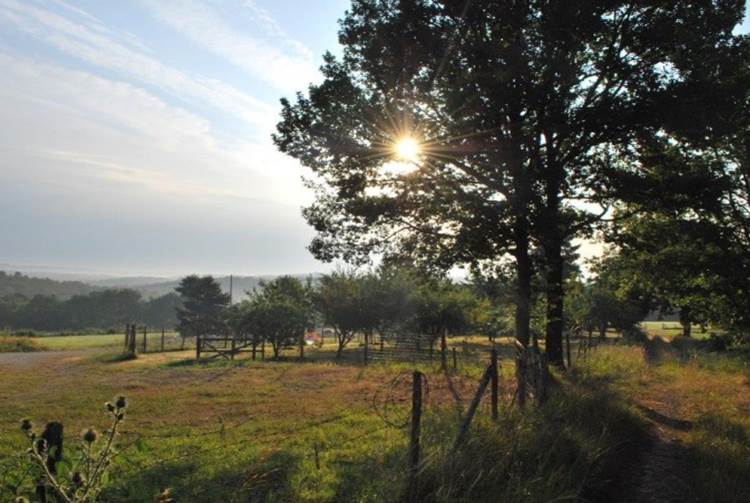
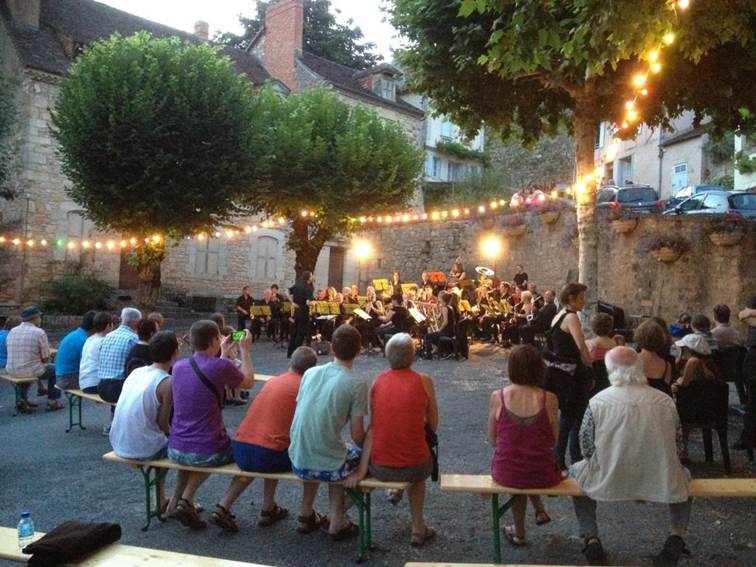
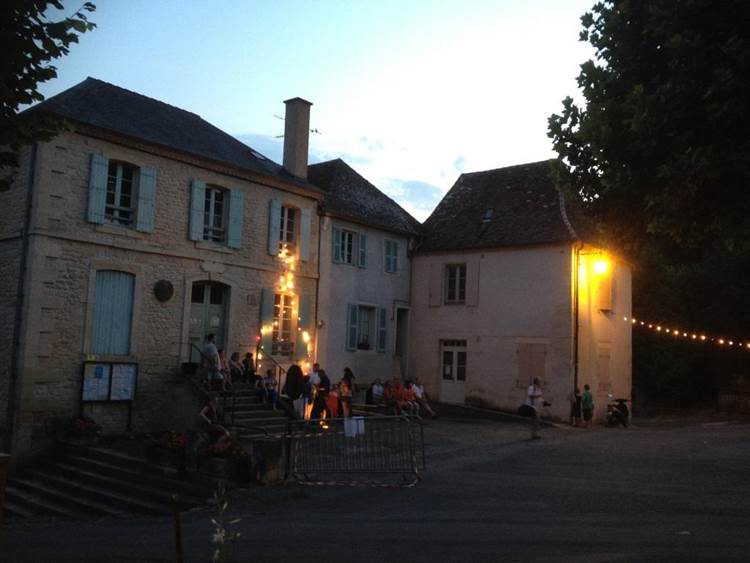
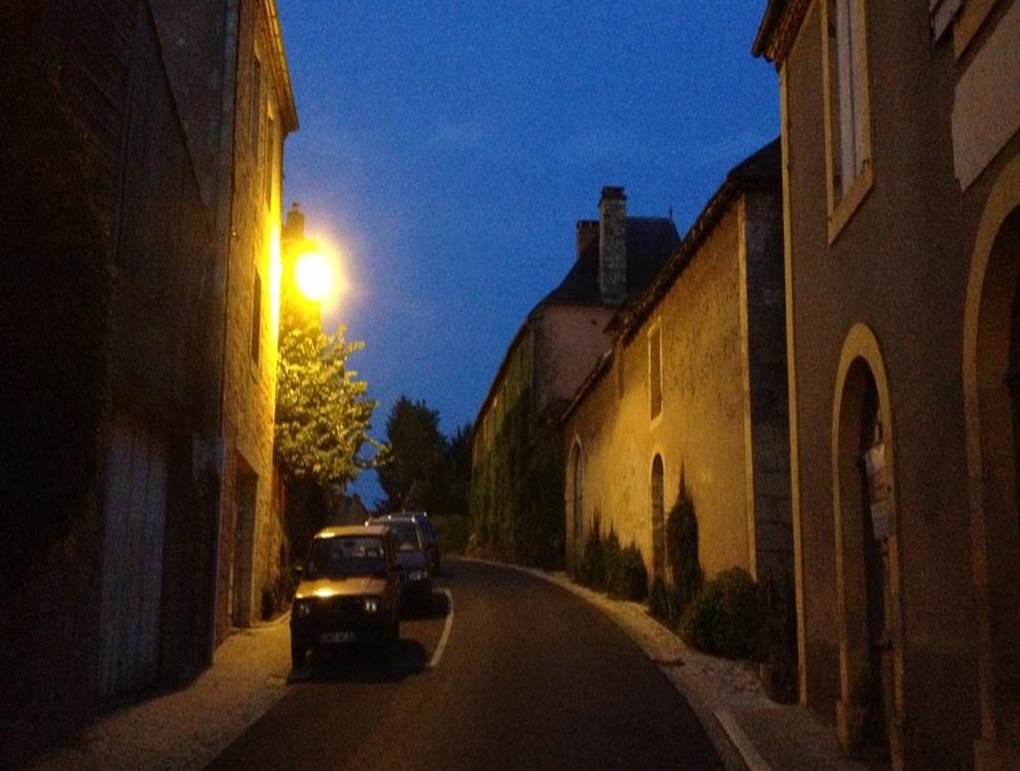
One of the main things I carry back with me from my holidays in Europe, where I stayed a good part of the time in rural South of France, is how much we lose track of real life in the hectic environment we work in! I was “deprived” (thank god!) of Ipods, Ipads, computers, TV, street lights and shops in my immediate environment where the nearest shop was in a slightly bigger village about 4 km away. At night we use the moon (it was nearly full moon during my stay) or otherwise a torch to move around outside. Inside we have a few basic light bulbs…but in such environment you adjust to the daylight in the summer which pretty much lasts from 5 am to 10 pm at night! My morning walks were the most enjoyable as at that time the rising sun creates some fabulous sceneries. Then at night attending an outdoor concert for instance in one of the nearby small towns brings you back to basics. Why all the sophistication we sometimes feel we need to apply as lighting designers? The joy is just as big if not bigger with simplicity. Just some guirlande festoon lamps combined with some basic street lights at the local village centre plaza… that’s all…
Light Watch 4-122: In exclusivity, some of my holiday pictures, no comments needed… 🙂
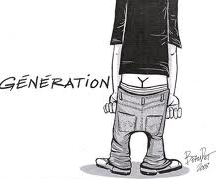
Generation Y not
Perth 5th July 2013
What better way to end the week (before going on leave) with a little party and the celebration of the birthday of my youngest daughter Kyra (happy birthday Kyr!). She reached the respectable age of 20 today…a milestone, not only for her but also for us as parents! Gone are the teenage years! And with my parents 60th (!) wedding anniversary next week I can’t really escape looking back in time…I have blogged about the subject before recently, specifically about the differences between how we grew up and how today’s generation grows up. I was born before the TV had really made its entry in main stream public, cars were a luxury, flying was unheard off. Luxury goods like a washing machine for instance was something special if you had one! Communicating with your loved ones happened through the written word…I can still remember writing letters and then anxiously waiting for the postman in anticipation of a reply; the excitement of opening the letter once it had arrived to read it…
Now letters that arrive are basically utility bills, tax dues or traffic fines! The world wide web today connects us instantly and with programs like Skype you can see each other while you talk, regardless where in the world you are! Can you imagine waiting week(s) for an answer? As I was paging through old photo albums today in anticipation of my parents wedding anniversary, I realised that the albums stopped about 10 years ago…it’s all digital now!
The same in our lighting profession, we don’t keep paper drawings anymore…it’s all digital! In lighting generation Y grows up quite differently as well. While we were sweating it out with sketching, drawings and calculations by hand, today’s generation hits a button on a computer and it is all done for them…the danger in all this is that without manual practice the reliance on computers becomes very scary which you notice the moment something goes wrong. Today’s generation is at risk losing the reference against which to assess and evaluate the outcome of computers. My fear that in not too long, the computers will determine what is right or wrong and we as human beings have no longer the capacity to appreciate let alone understand it!
Light Watch 4-121: On this thought I will leave you for a little while and be back after my leave end of July! Time to recharge my batteries and enjoy a bit of family time! Let the next generation show what they are made off…Y not?



How many permits does it take to install a light bulb?
Perth 4th July 2013
Sounds a bit like a joke and certainly feels a bit like a joke….
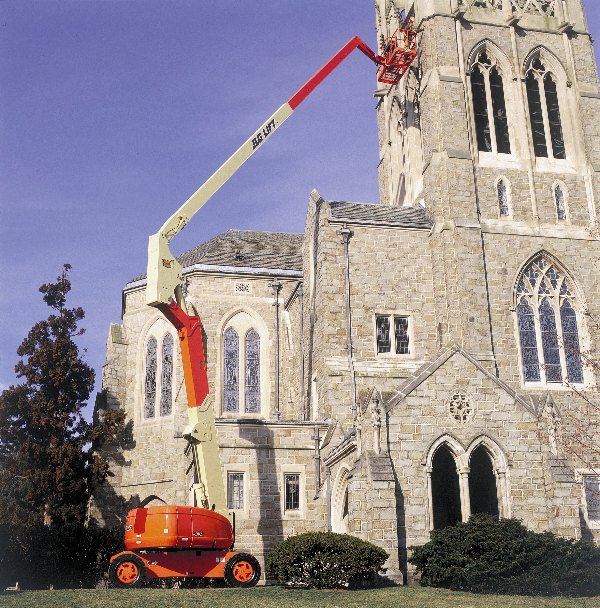
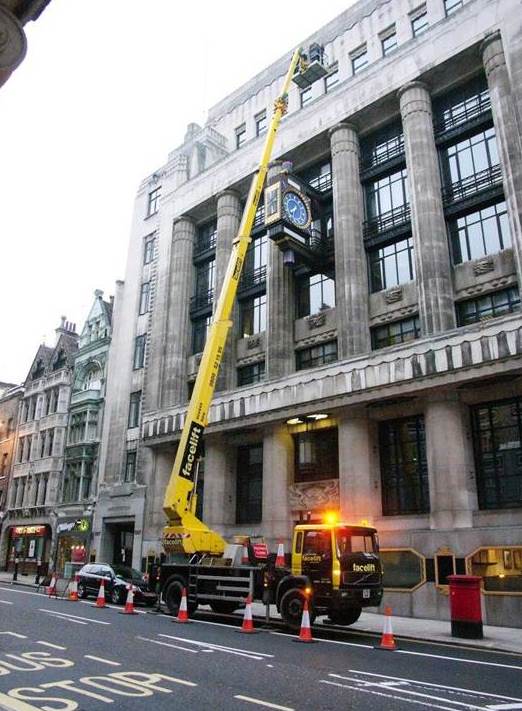
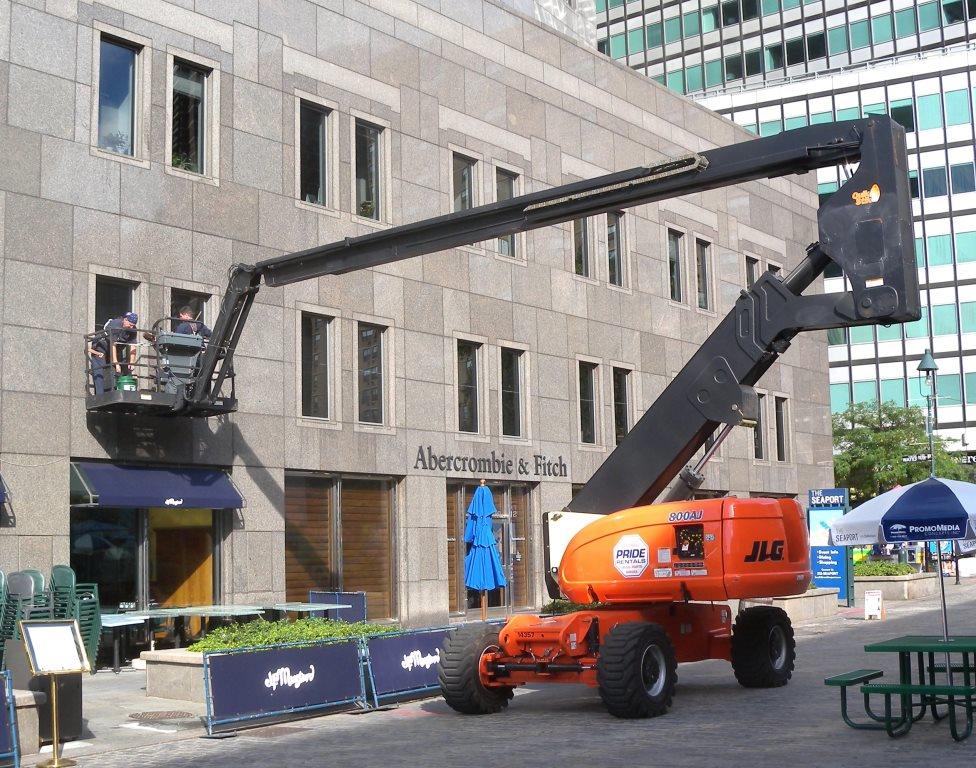
I had a meeting today with a project team to figure out the costs and process of applying and installing our lighting design concept to a heritage façade. As I am mostly used to fast track work in Asia, with no one really bothering much about permits and approvals, you just do it and deal with authorities’ later…in Australia life is a bit different! As I am trying to figure out the costs of installation to see if we are within budget, the local electrician who is puzzling together the cost of the electrical installation came up with one “problem” after another: We may not be able to work during the normal day as we would cause obstruction to city and public traffic, so we may need to apply for a permit and factor in night time or weekend overtime costs…really? If we need to work on the façade using a boom–lift or genie, we will need to apply for approval to the city council to block part of the road and walkway and may need to hire some traffic regulators during the time we work…really? In fact we need to apply for a work permit to do work on the façade all together! Because the building is in the heart of the city’s shopping belt and is a heritage building on top of that it feels like we have to move mountains before we can even consider working on it… I am just trying to puzzle together the budget only!
What I though was a simple exercise of getting some prices has turned out to be a little nightmare as even permits and approvals will cost money. So until I know whether we are permitted to work during the day, they feel they can’t give me a price. So in the end I just asked them to give me the price for all options, at least I have the full overview of each implication and can value engineer the design and process where costs are clearly weighing heaviest on the final outcome. And if there are areas that seem to be critical to preserve the integrity of the design I may have to go back to the financers for extra money. But without that information I can’t do much…how many permits do I need!?!
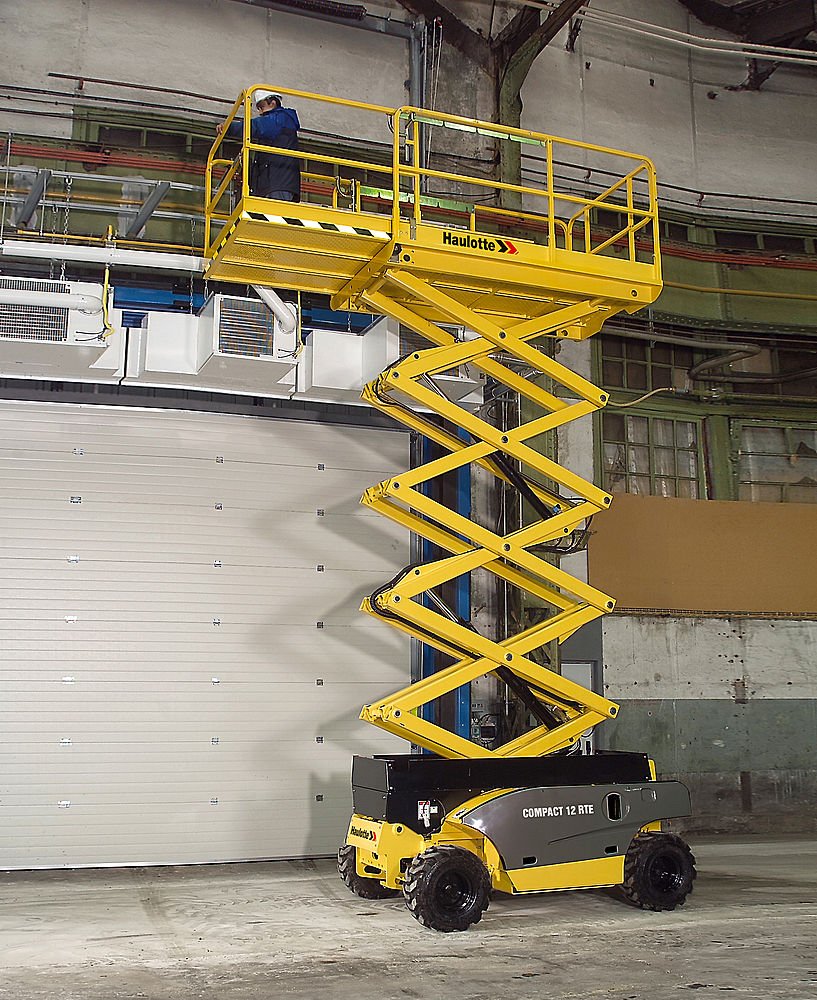
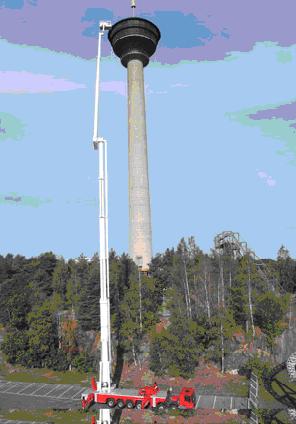
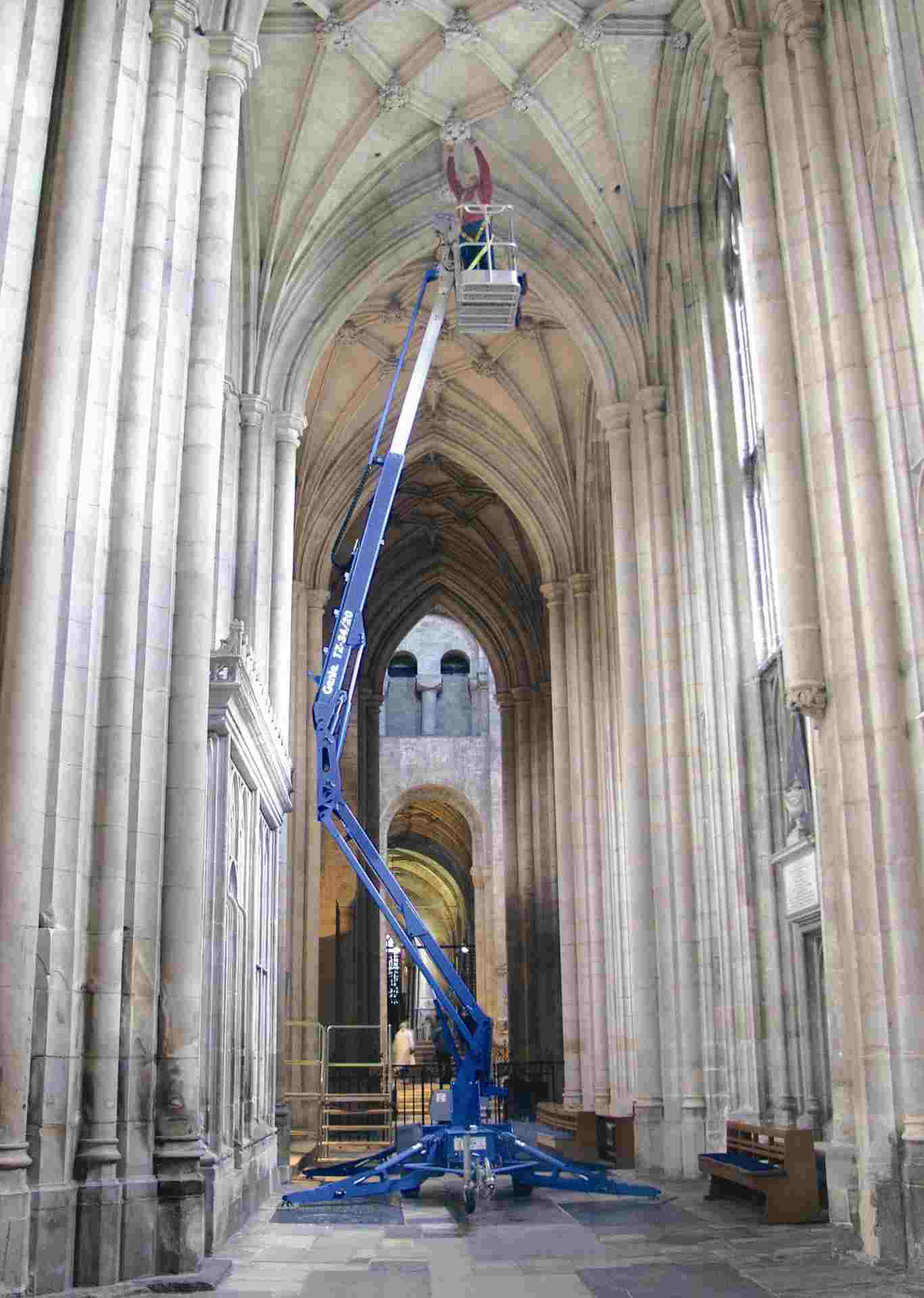
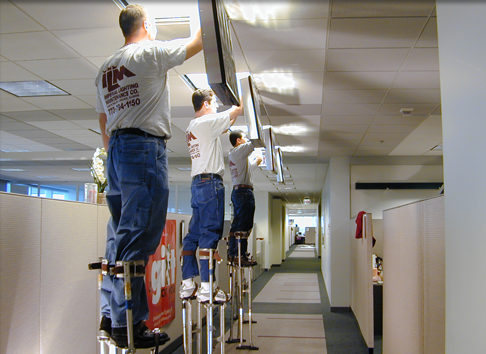
Light Watch 4-120: There is quite some equipment out there when it comes to reaching heights without scaffolding…
When lighting is the only difference
Perth 3rd July 2013
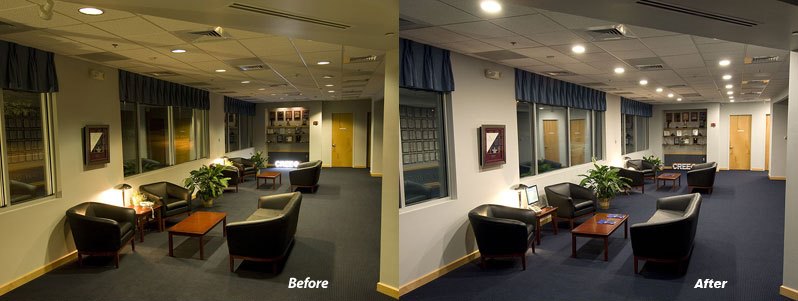
It is not often that you get to do a lighting refurbishment only, I have had a few over the years, but they have been far and few between. The nice thing about these kind of projects is that it allows you to see exactly what the impact of good lighting on architecture and interiors is as it is not being muddled by changes in interior finishes, layouts, etc. Today I discussed the lighting refurbishment of a local hotel and its implementation plan over the next few months. There was some refurbishment done on the interiors, but for some strange reason there was no budget to change the lighting at the time. Now the biggest eyesore when entering the hotel is the very poor lighting as over the last few years some LED Cowboys had managed to sell some poor China quality LED down lights which besides a poor performance (low lighting levels and horrendous colour qualities) also is very glary…glaringly obvious as they say!
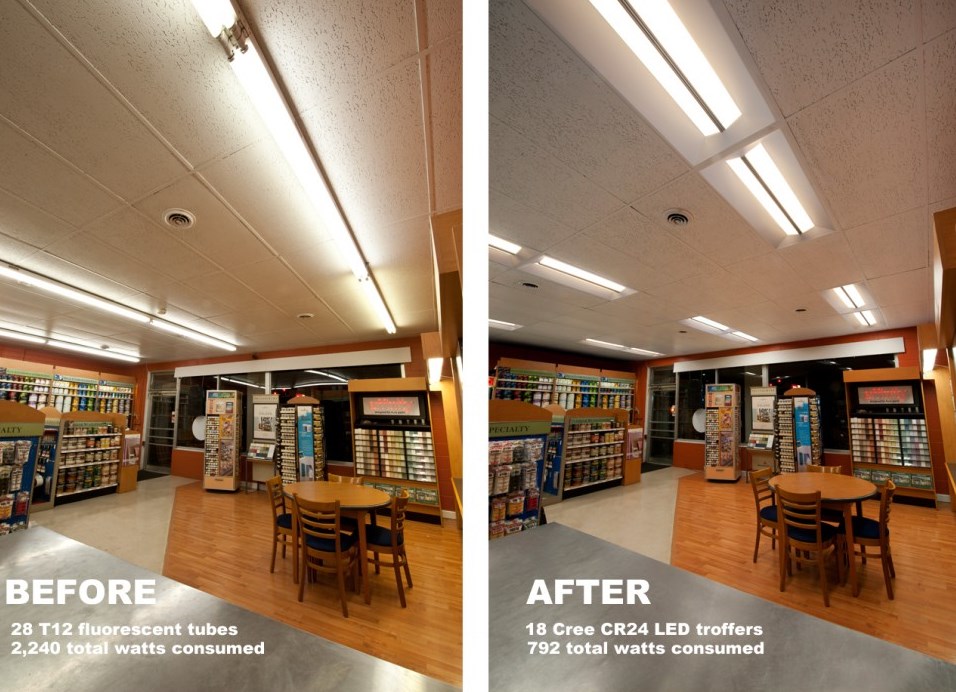
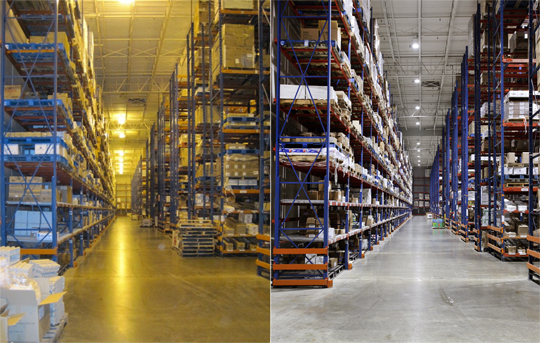
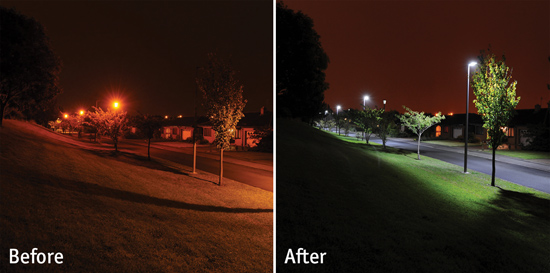
I love these type of projects as it is scoring for an open goal, really. From zero to hero as it where; just applying the basics of lighting design and quality standards. Combined with a good sense of operator requirements and ways to integrate the lighting design within the existing architectural interiors, this should be a winner on all counts. Great opportunities for before and after shots. It is undoubtedly so that lighting does not exist without its environment as we do not see light per-se but its reflection from anything in its path. So obviously our appreciation of lighting includes the architecture and interior decoration it lights up, hence the uniqueness of projects like this where the only variable is lighting! I can’t wait to see the end result…still a few months away… 🙁
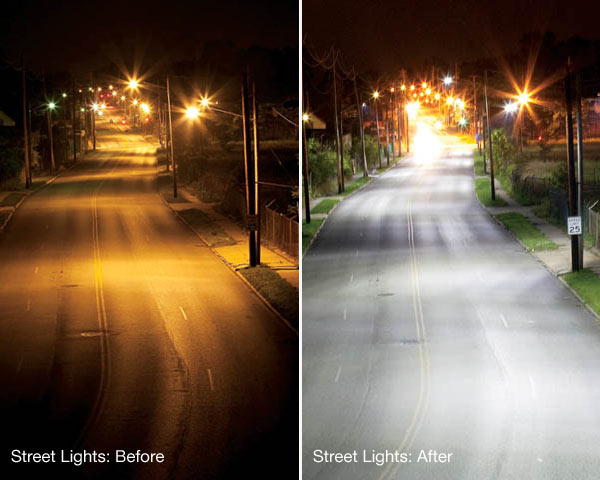
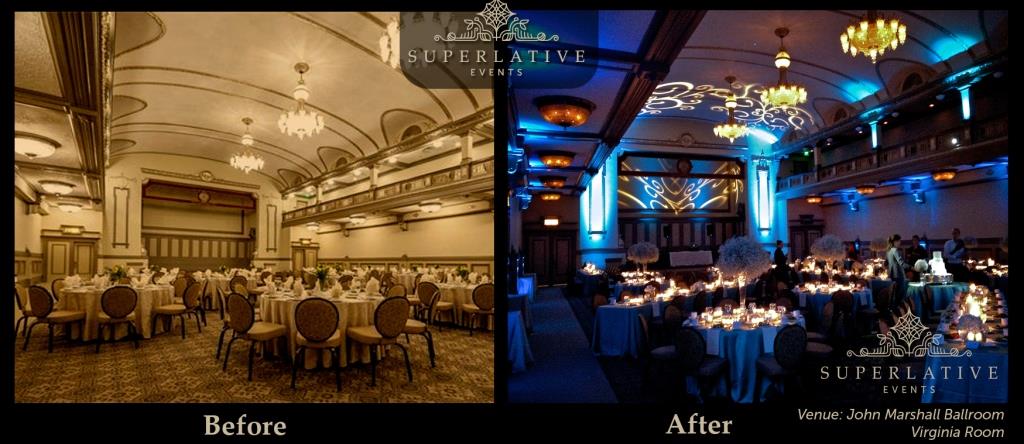
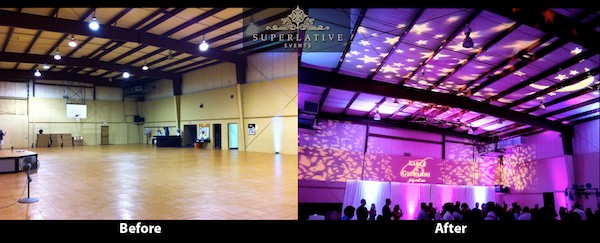
Light Watch 4-119: I went to Google to search for some before and after lighting pictures (I don’t have that many as most of my projects are newly built), and what struck me is that the after in some of the situations is not necessarily a better or good design then before. Yes more light, but many of the quality appreciation factors like glare and light distribution seem still as bed…LED Cowboys at work? Of course if you bring in colour the difference is more striking…
Are LED’s creating job losses?
Perth 2nd July 2013
Today I had a shock revelation during a discussion with the hotel operator of a project we are currently doing with them, realising that our strive to improve the sustainability of the hotel through savings in energy and maintenance for the lighting may actually result in staff redundancies! Why? The proposed conversion to LED technology that we worked out came with a detailed ROI calculation showing where the savings would be against the expected capital investment needed to implement the scheme and in that it became clear that big savings could be obtained in maintenance costs. The angle that I had not seen (and neither the operators) is that the owners, the ones who pay the bills, deduced from my calculations that they could therefore do with lesser maintenance staff! Their reasoning was that if we can reduce the maintenance costs by half (as a result of lower frequency of replacement) they could probably do with half the related staff! Sounds logical isn’t it? In this case the hotel operates a crew of 4 that work around the clock in shifts (engineering department) and lamp replacements and maintenance is one of their key responsibilities. Now perhaps one or two may see the axe! In a union driven society like Australia this is a big thing, so the operator is now reviewing their options as making a person redundant is not at the top of one’s agenda! .
The morale of this is that yes, LED technology is great for sustainability and will save energy in many situations, but one of its other key feature, the starkly reduce need for maintenance may actually result in job losses as the savings obtained in maintenance savings basically are the costs of replacing a light bulb, in other words the need for an electrician or engineers’ attendance. Next time we trumpet the savings in maintenance we may want to think about the potential impact on someone’s job!
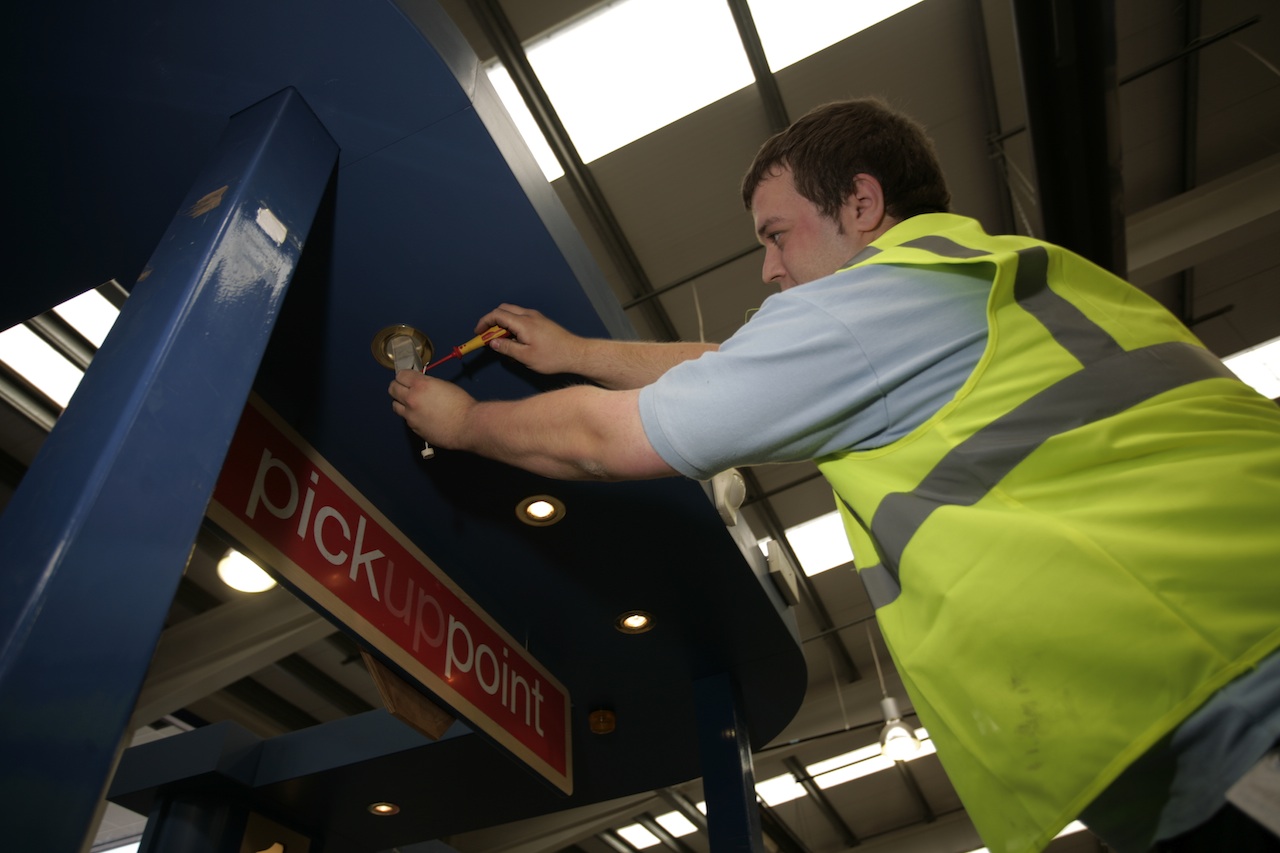
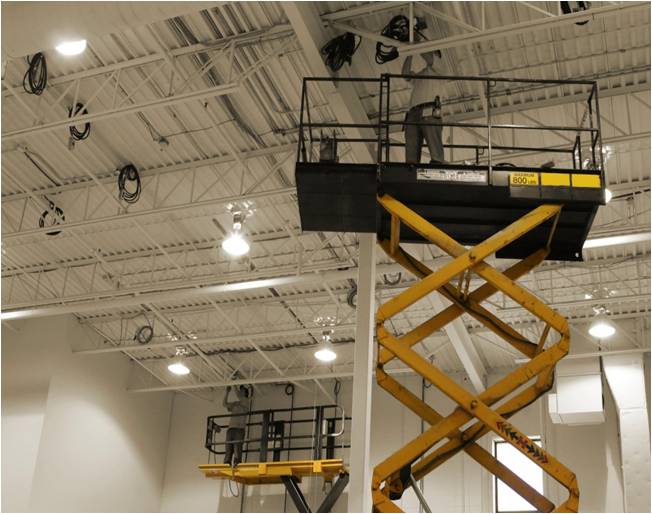
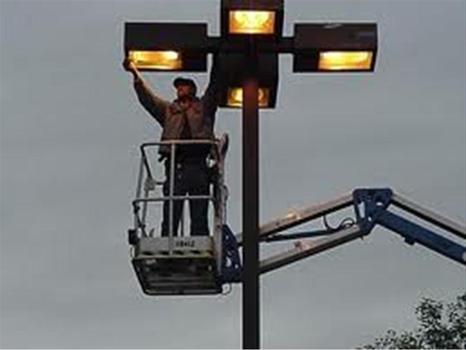
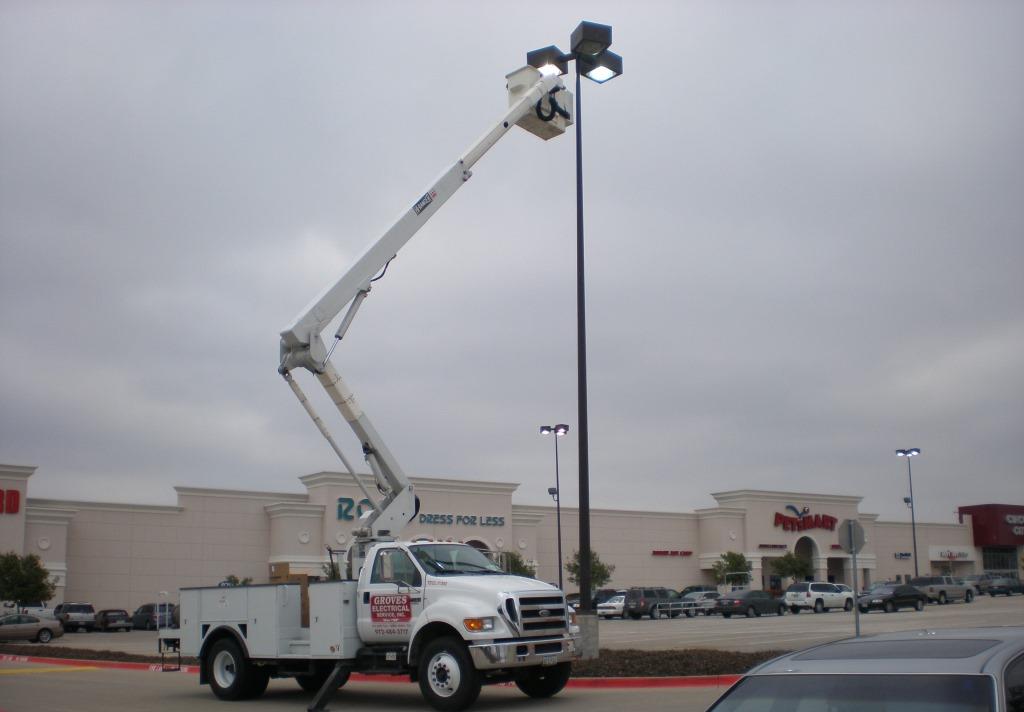
Light Watch 4-118: Spare a little thought for all the maintenance engineers out there tasked to fix the lights that you at one point of time in your career designed and specified!
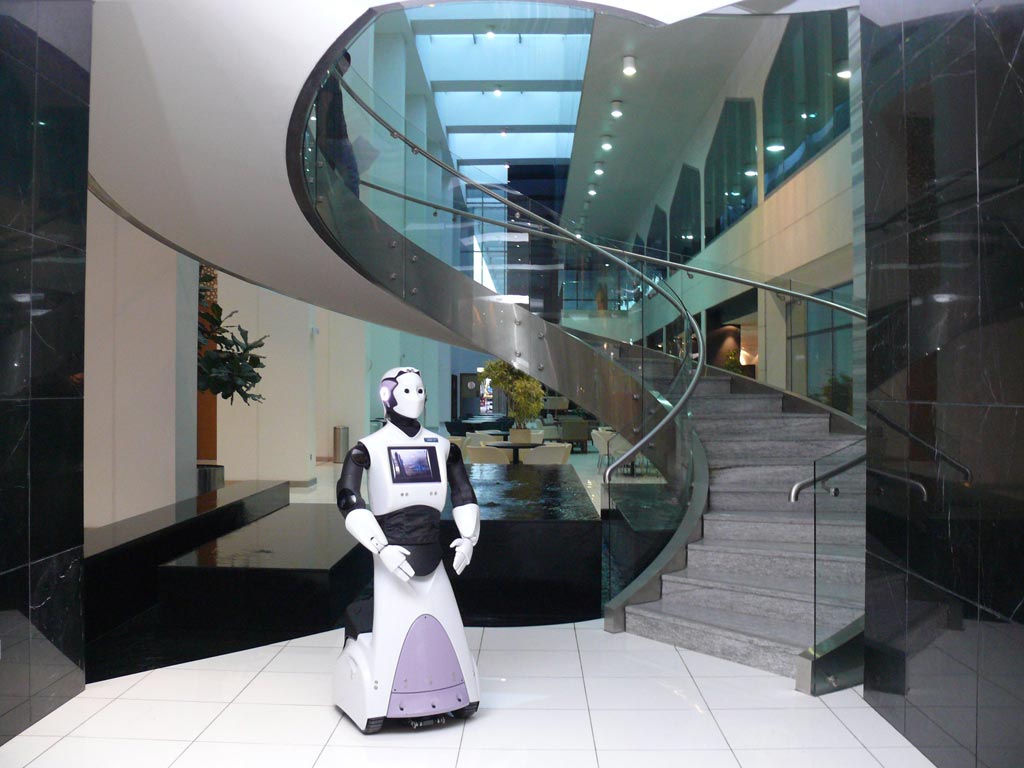
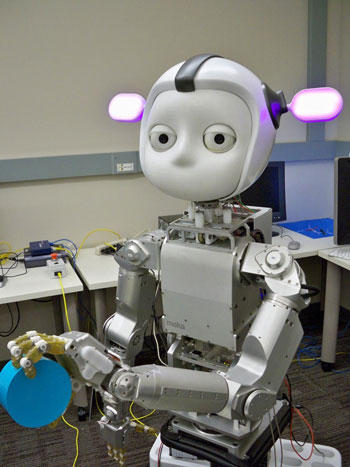
(Note that in the future we may have robots doing the work for us…!) 🙂
Electricity
Perth 1st July 2013
Back in wintery Perth…cold at night but glorious weather (sunny and blue skies) during the day! While (whistle blower) Edward Snowdon is still holed up in Moscow awaiting his asylum request into Equador, US president Obama tours Africa amidst news that Nelson Mandela is in critical condition and intensive care…today’s world news is one sentence for you…what is the link to lighting you will ask? Well what made me choose this subject for today’s blog is Obama’s announcement that the US will initiate a U$ 9 billion program to help bring electricity to the poor regions of the continent. While we may take electricity for granted, most of Africa as I understand is without (much) electricity!!
In this day and age in the developed world without disrespect, it is hard to understand life without electricity. Certainly my profession as lighting designer would be under serious threat! Hence Obama’s announcement, even though probably politically motivated and under pressure of having to offer “something” in terms of goodies during his visit in these impoverished nations, struck me and made me stand still on how blessed we are working on an environment that has electricity in abundance. Some of the more remote regions we have projects may suffer some black or brown outs but generally there is electricity.
It puts our work in perspective and makes our task of minimising electricity use for lighting even more relevant. We have always done that as part of our professional skills and though we first called it energy saving and nowadays sustainability, the drive to maximise lighting output and minimise energy consumption has always been one of our key design considerations. When I hear these kind of announcements it does (it should!) remind you again when engaging in your next design on how to treasure our resources and not take everything for granted!
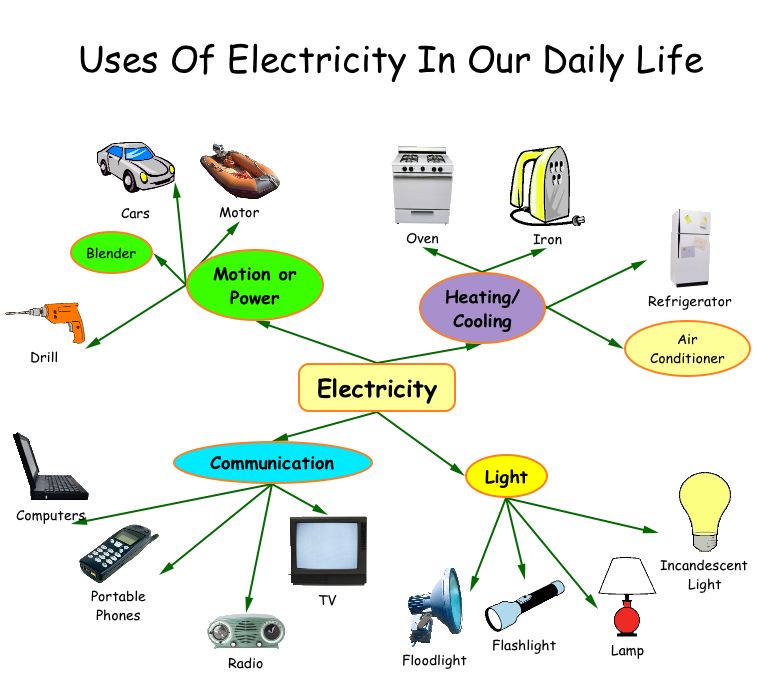
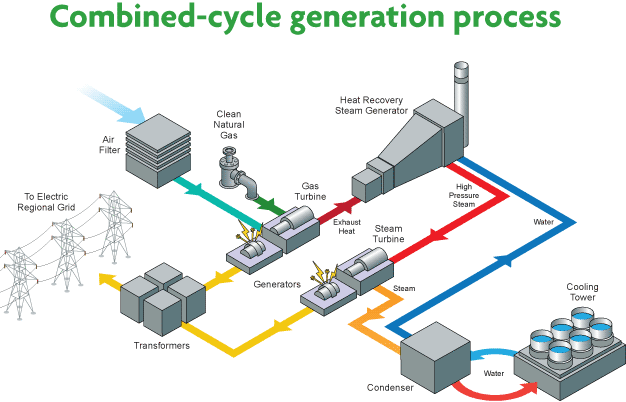
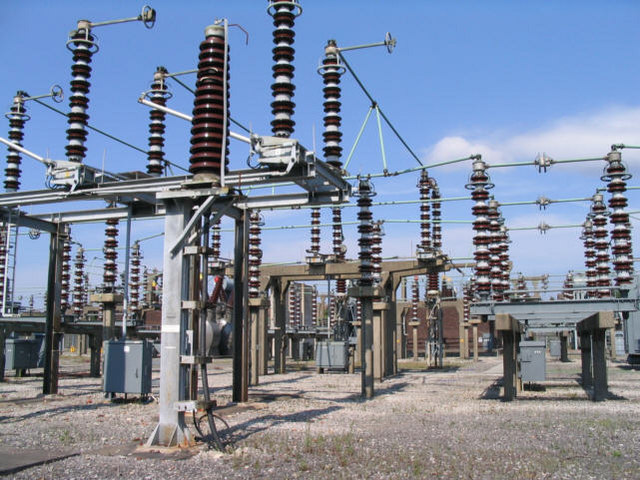
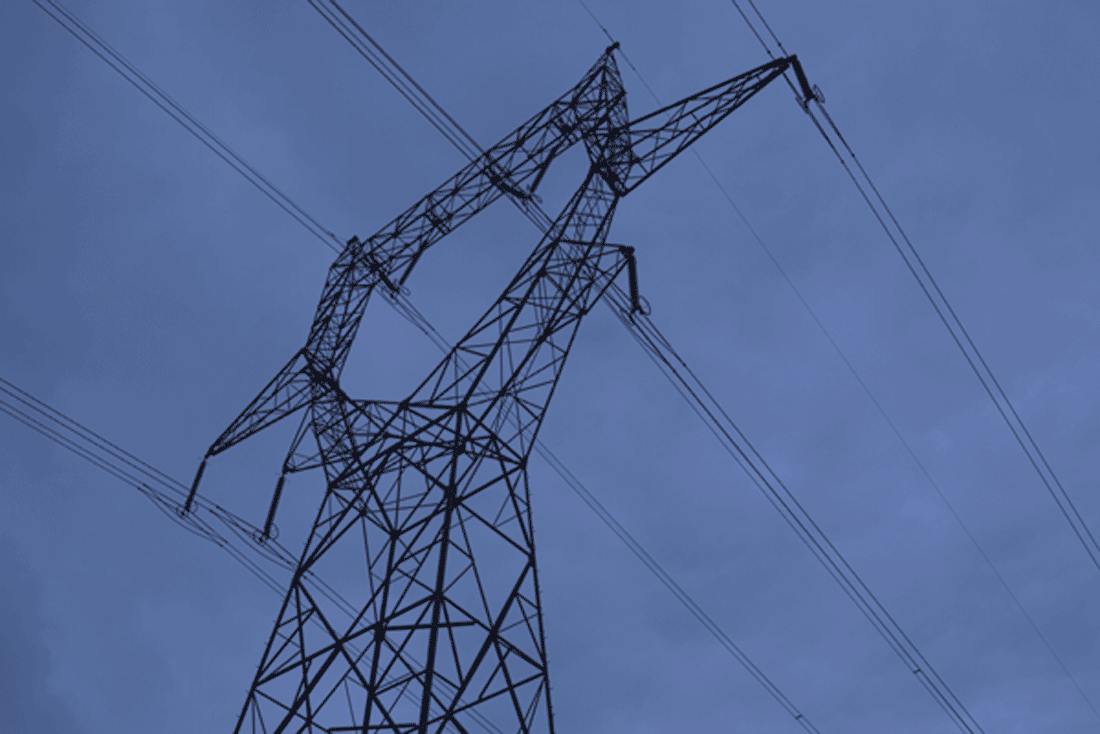
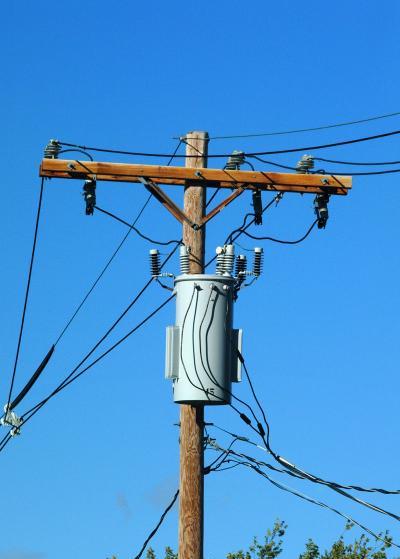
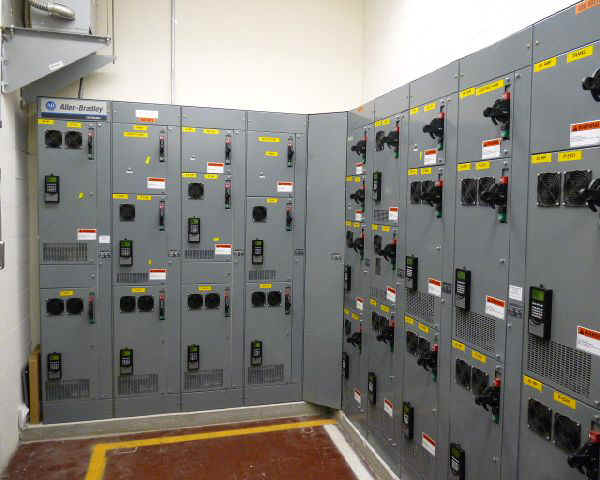
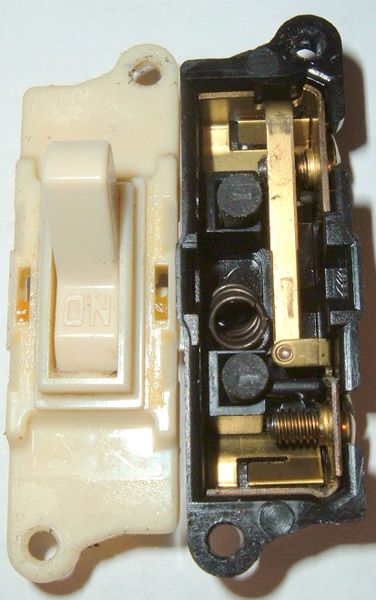
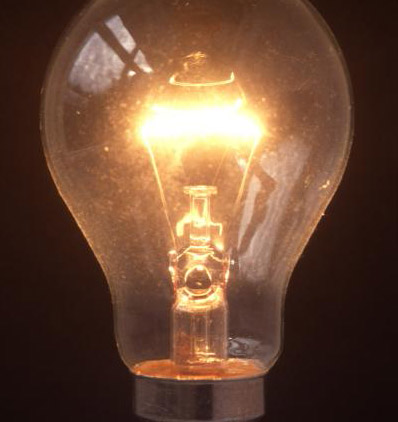
Light Watch 4-117: Here are some images showing all that is involved and connected to electricity, the generation of power, the distribution of power, the control of power the actual conversion into light! While we as lighting designers deal with the more glamorous and visible side of lighting we would not be able to do it without the invisible engineering behind it!
Counterfeiting
Singapore 28th June 2013
As I flew back to Singapore late last night I watched a frightening documentary about the state of fake and counterfeit goods. The conclusion basically was: You make it; we fake it! In other words for any product in the world there is somewhere a counterfeited product available. The scary thing is that it applies to products and components you even did not realise they could be counterfeited, like car brakes for instance…really! Yes they do. But by far the biggest counterfeit industry seems to be medicines with even hospitals and doctors falling prey to counterfeiters, specifically if you buy over the internet! Can you believe there are people in this world that counterfeit renowned anti-cancer drugs! How sick is that…there are documented cases where people have died from taking fake medicines!
So what is the situation with lighting you may ask…well one and the same! You can get the real thing or you can get look alikes. We as professional designers of course know the difference and we specify our products right from original equipment makers and when we go for tender we invite only reputable suppliers or contractors we know will not try and dupe us into a fake. One supplier many years ago ever tried, by showing the original sample for inspection and then subsequently supplying copies for installation, but he was found out and forced to replace all for the original fitting (as the client had paid for!), Not surprisingly he ended up on the black list of the lighting consultants and found it hard to recover his credibility. As we all know it takes years to build up trust but only minutes to destroy it!
In our lighting industry it is more the inexperienced buyers (the non-suspecting public) that would fall into that trap and believe me even in lighting it is a big industry. You just need to go to southern China near Guangzhou where the heart of the lighting manufacturing industry is to see lighting resellers with branded counterfeited lighting products…The documentary ended by saying how hard it would be to erase these counterfeiting manufacturers as in some cases these factories provide a lively hood for the whole city! But are we not ourselves also guilty in sustaining this industry?
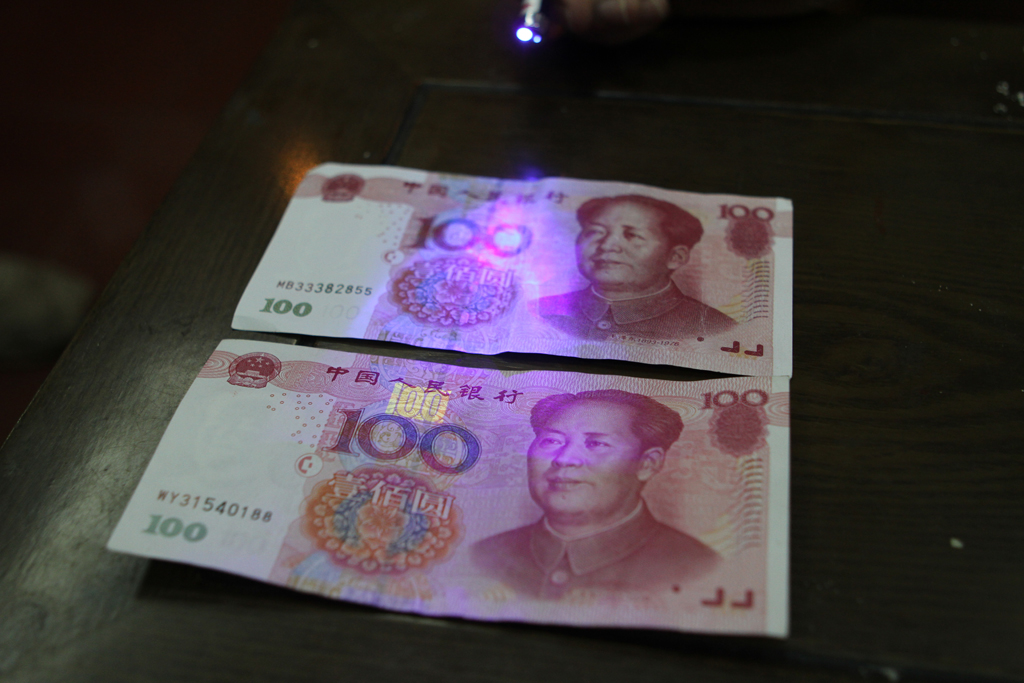
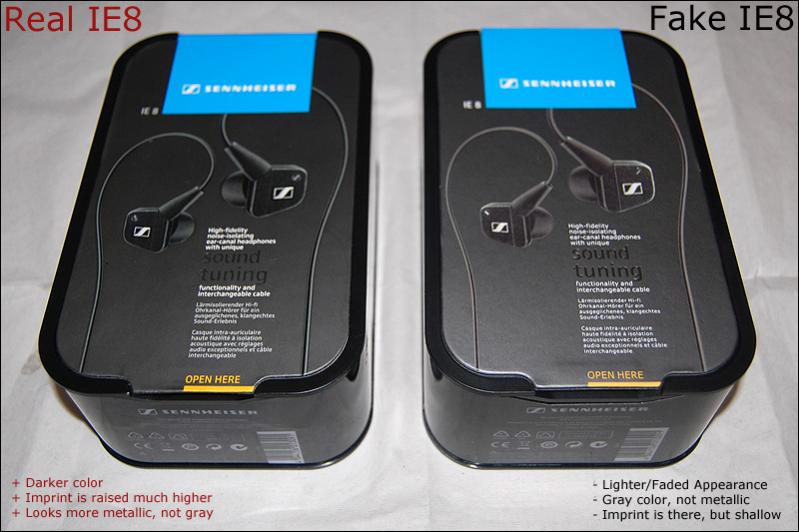
Light Watch 4-116: Unfortunately I don’t have any real-fake lighting product comparison pictures…maybe some of you have? Please share with me! Here are some from other products…



Daylight
Bali 27th June 2013
Daylight is of course the cheapest form of lighting and it’s free, but incorporating daylight in the lighting design is not necessarily an easy task certainly in the tropics!. The subject of daylight came up during our design coordination meetings today in Bali where we are we investigating the option to “open up” the lobby as an semi open air atrium as it is located between surrounding buildings. The whole ambiance of a resort is pretty much open with natural airflow in most public areas, however in the tropics we also have to deal with rain sometimes more than normal due to monsoon seasons! So logically we wish to “cover up” the space and a glass like structure is being proposed by the architect to allow natural daylight to come in but at the same time allow protection against rain. But the structure somehow needs to be “floating” to allow natural air circulation to continue as the whole idea is to do away with air-conditioning. A complex challenge that includes lighting, airflow, temperature and rain control…
How do you tackle the night time lighting of a main skylight which during the day is a key feature of the space? We often see failed attempts with indirect uplights which end up reflected in the skylight glass panels. In my design directory skylights need a very careful lighting approach as I definitely do not want to see any lights only its impact on the skylight feature or the space below. Either we integrate the lighting harmoniously in the architectural skylight structure or we move the lights outside and reproduce an artificial version of the daylight effect, in both cases a challenging undertaking and this is on top of the challenges the architects faces to resolve the non-lighting issues mentioned above!
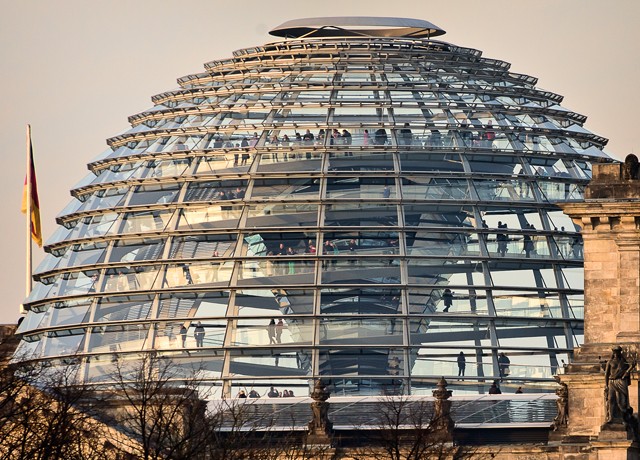
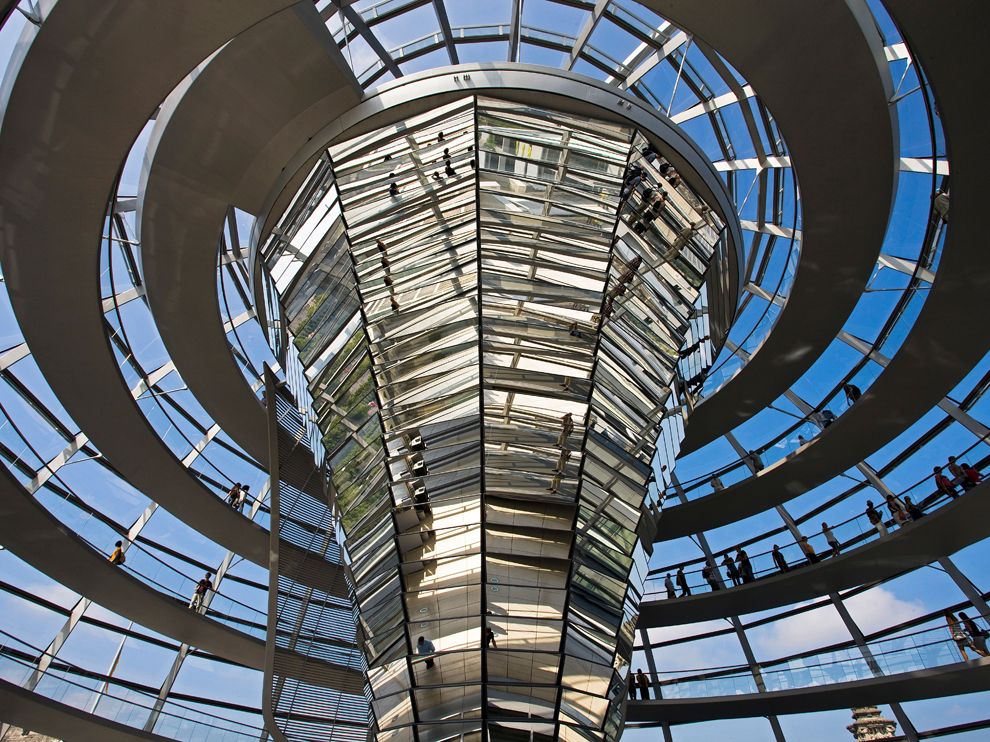
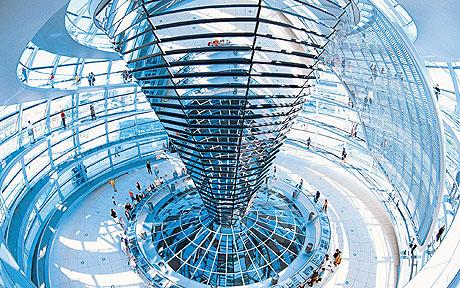
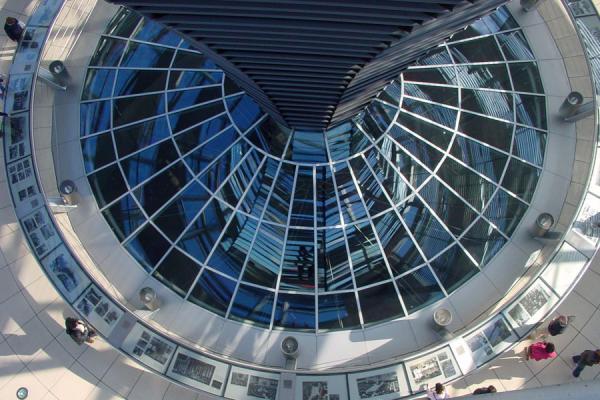
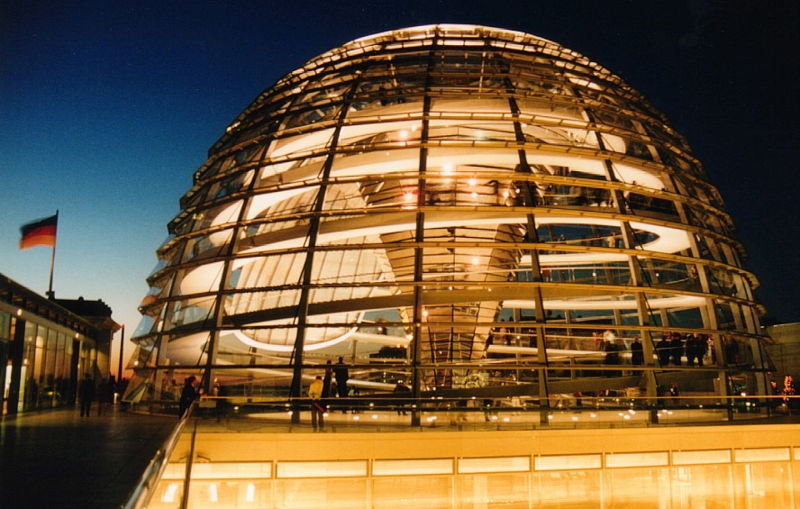
Light Watch 4-115: Day lighting in some great buildings…the Reichstag in Berlin is probably one of the most well-known.

Soft or Grand opening
Jakarta- Bali 26st June 2013
In countries like Indonesia ( and many others around the region) local culture and work attitude can be a great challenge when you plan ahead in projects. Why do something today if you can do it tomorrow…why replace something if I can “fix” it…why use expensive light fixtures if I can have something less than half the price that “looks” the same…I can go on, but you get the picture. The “Manana” culture being omni-present in Asia is a challenge to its own people. I have just completed a 3rd hotel mock up room review in 2 months’ time and we are still not there simply because it takes a bulldozer to move people to get into action, despite the project manager being at the top of his game. He has a very delicate position that requires a balancing act between diplomacy, a harsh and resolute stance and owner sensitivities with the client on one side and the professional consultants’ expertise on the other…
You can imagine therefore what a challenge it is to plan ahead as normal accepted practice does not really seem to work. So for the owners and operators who need to plan ahead for staff and operations, let alone marketing and promotion, this can be a major head-ache, hence you often see the famed “soft” opening before you get the major “grand” opening. This particular project has been plagued with delays of various degrees and in the process the original date of opening in 2012 came and went. We are 2013 and the earliest we will be able to open this hotel will be sometimes in 2014. However in order to start capitalising financially from the years of development last weekend saw the “soft” opening of a part of the shopping mall. Touted as grand opening, but half finished, questionable workmanship but, hey, who cares…there is a new mall in town…!
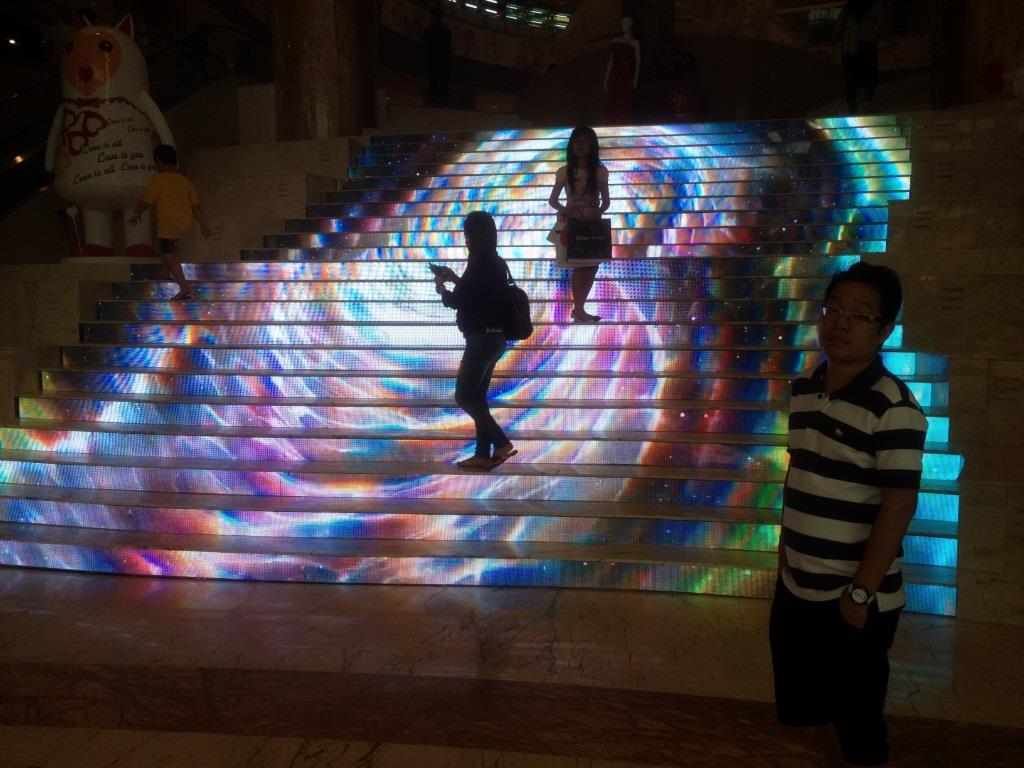
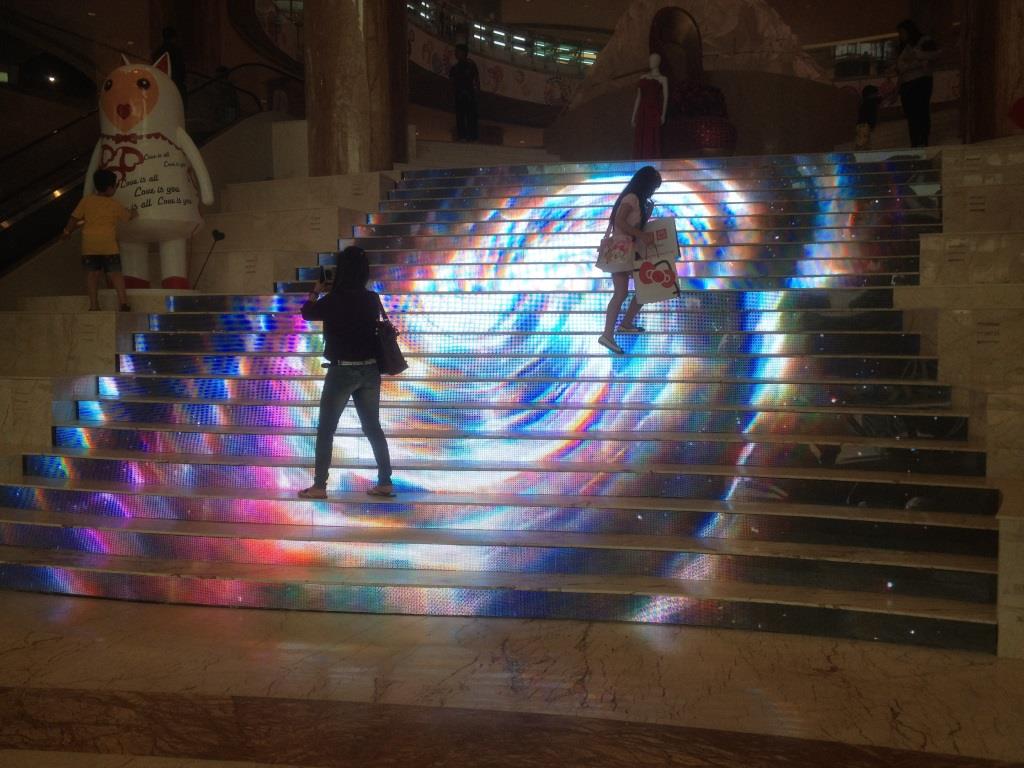
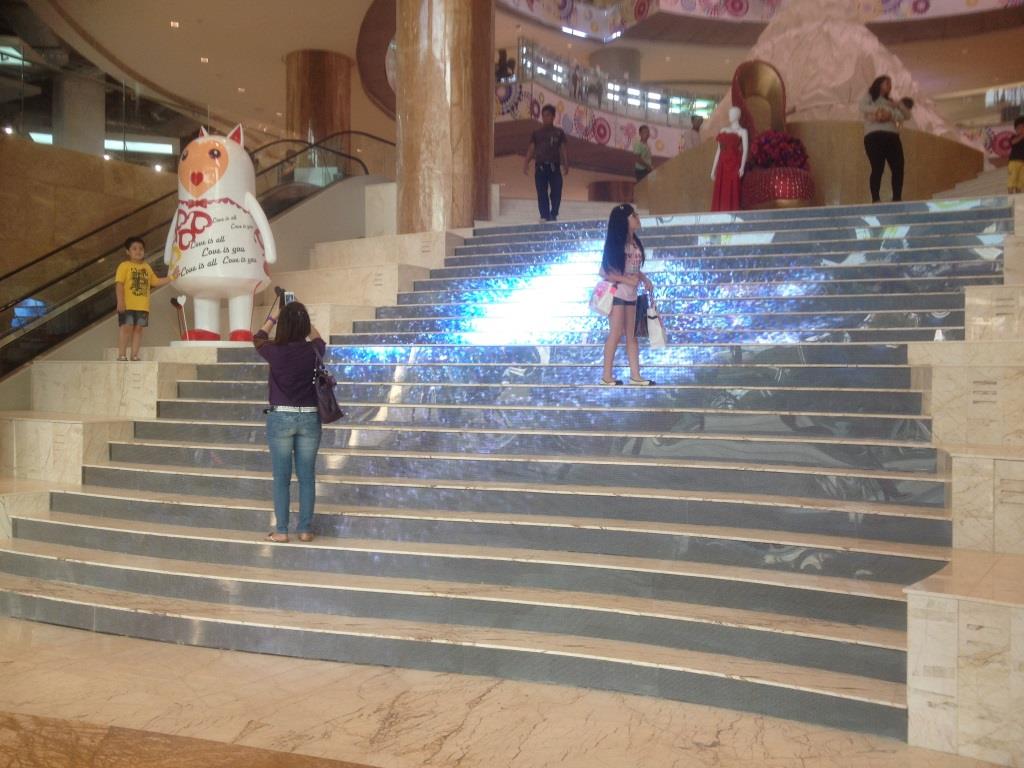
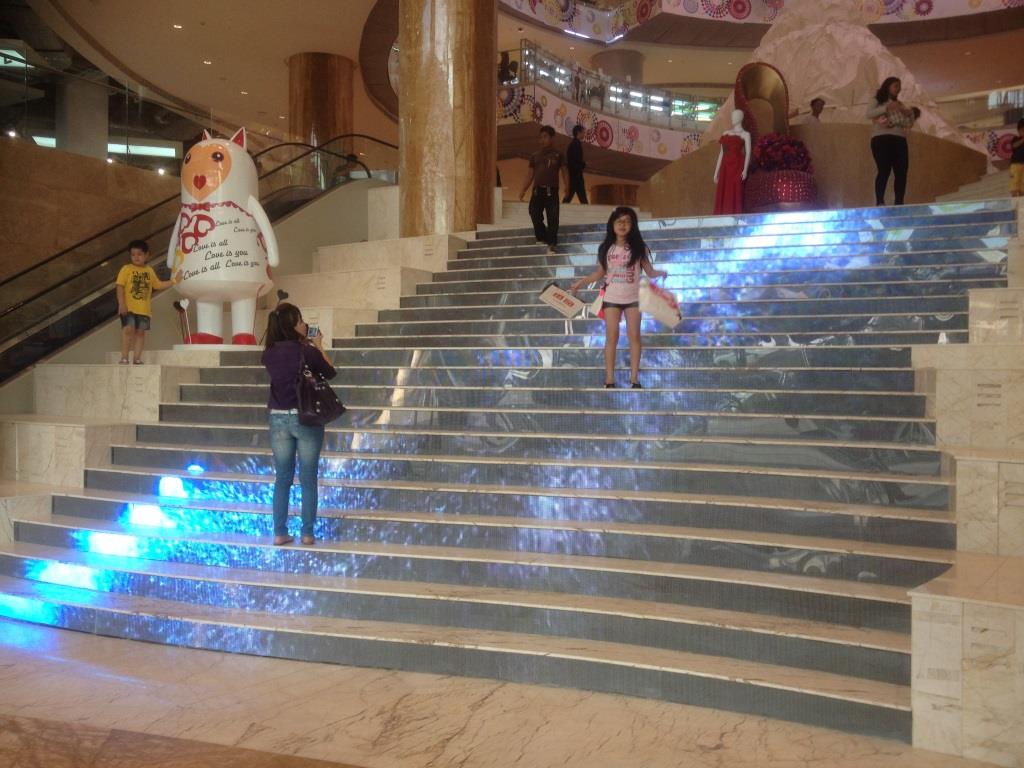
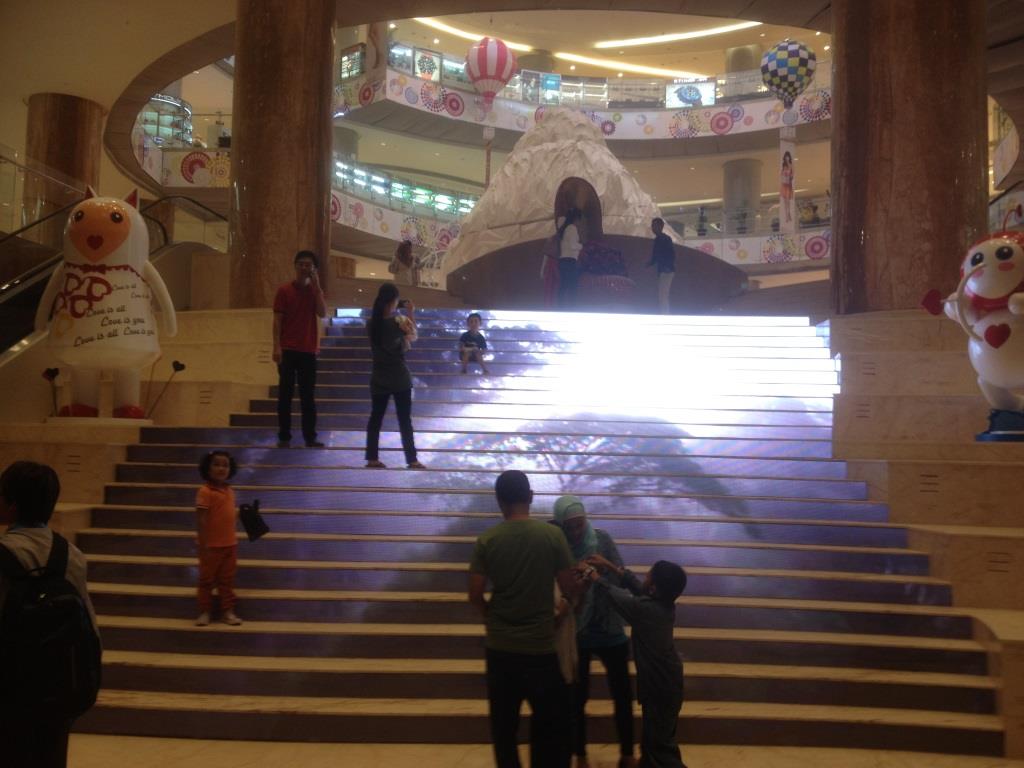
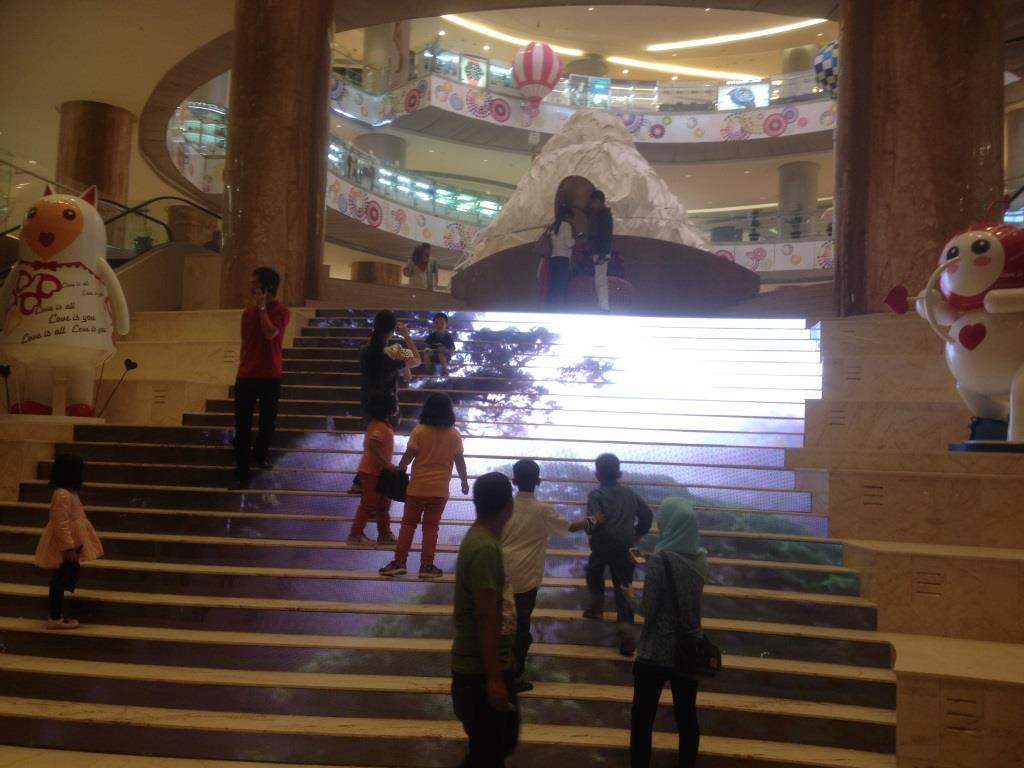
Light Watch 4-114: One of the features of the newly opened mall is a media stairway, where the LED is cut in horizontal bands and integrated in the vertical face of the steps…we developed a similar concept for another project two years ago, it is nice to see it implemented!
Super moon
Jakarta 25st June 2013
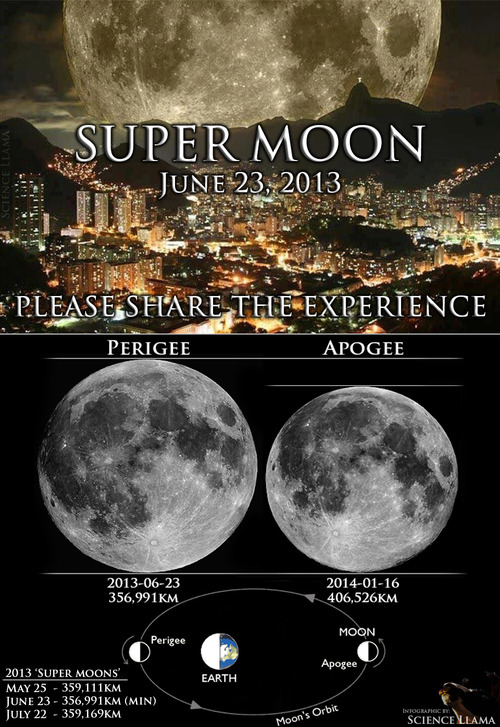
Once in a time we have a blue moon, and now we just had a super moon. This happens when the moon reaches a point in its orbit that brings it closest to earth and thus appearing bigger. Of course the moon is not physically bigger it just appears bigger because it is closer to us. Like the sun, the moon is a very inspirational light source and while the sun is a direct natural light source, the moon is an indirect (reflected) light source; it reflects the sun light back to earth and therefore has quite different characteristics. As lighting designers we (at least I do) take some of our design cues from the moon.
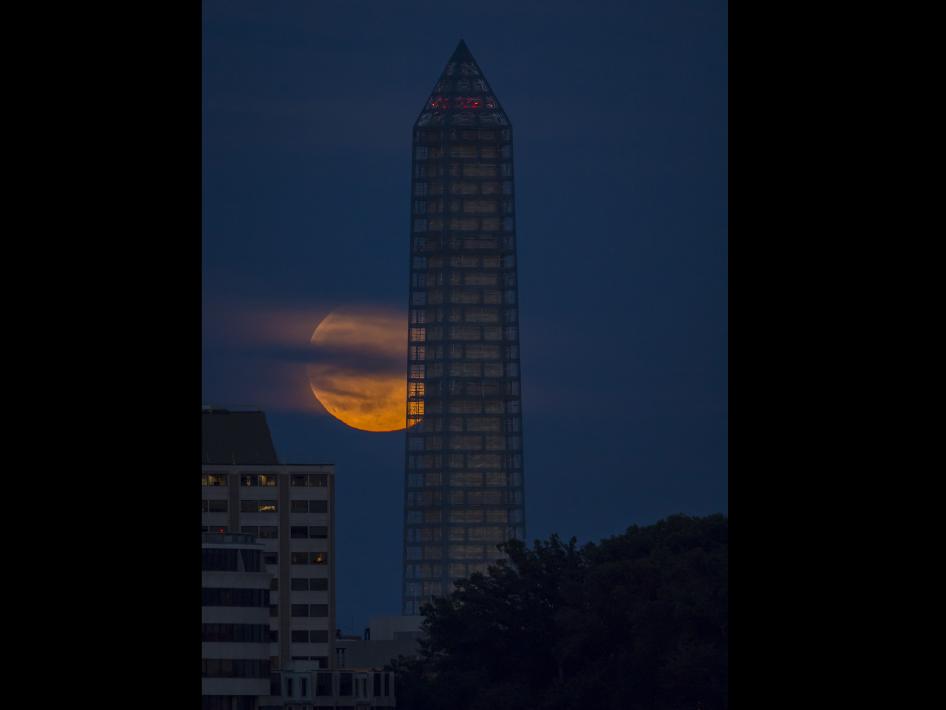
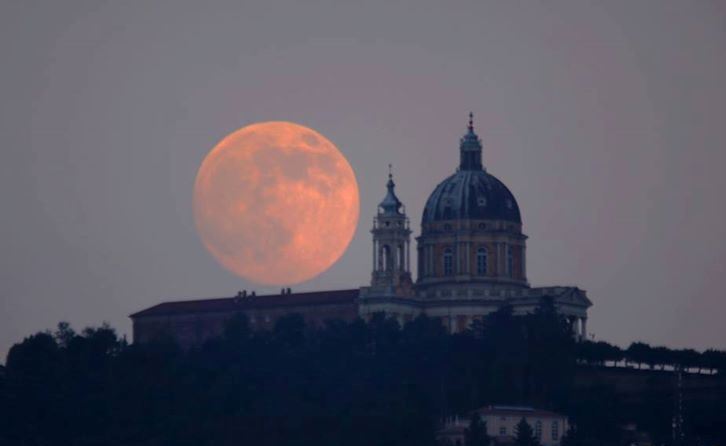
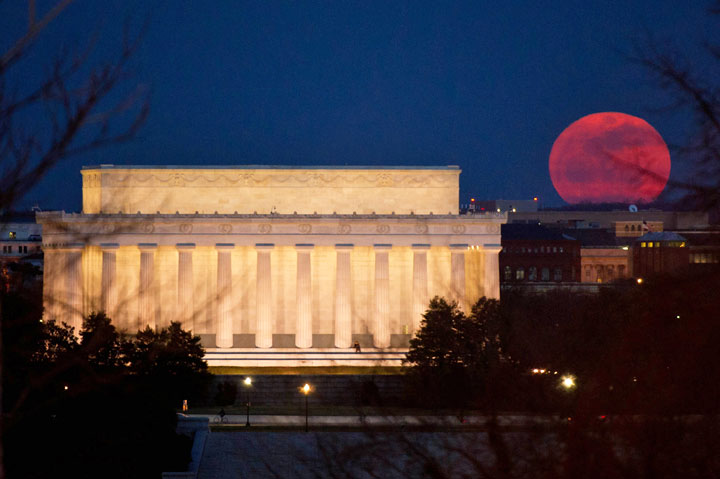
Interestingly the moon is both associated with a romantic mood as well as with supernatural activities and I think that describes really the artificial lighting effects that we can derive from moon light. Dreams are often associated with the moon as well, but this is mostly due to the geography of the moon in which many people see a face (the man on the moon), which triggers a lot of imagination. Because of its low lighting levels the moon is considerate intimate hence soft, warm and low level light applied in a social environment will reflect and re-create that mood. Because of the moons rocky surface the reflected light is generally felt as white light, even bluish at times, though when the moon is low on the horizon atmospheric interference can create a big orange ball.
Because of the limited amount of light that we get from the moon, it is also associated with sparse and localised lighting. Called “moon light” we reproduce that effect by mounting lights high up in between tree canopies shining down wards in the process creating little pools of light penetrating through the branches, pretty much what you get on a full moon day.
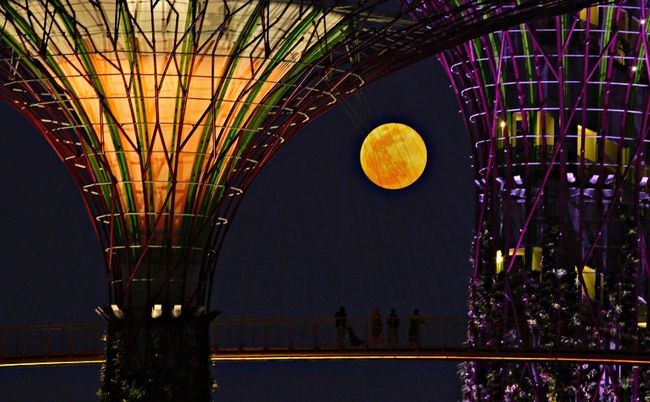
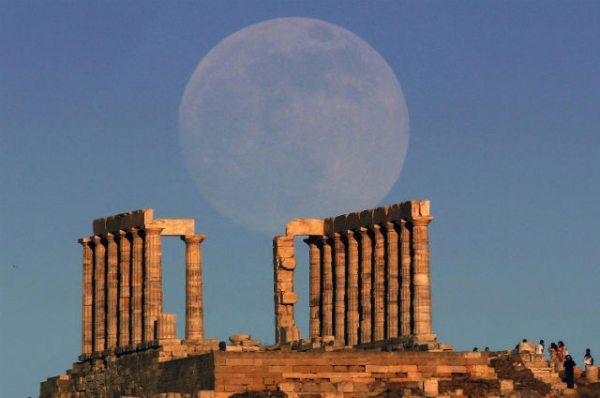
Light Watch 4-113: Over the last few days several pictures have appeared on Google from various parts of the world showing us the magical light of the super full moon…not much of a moon in Jakarta at the moment but that is probably more due to the air quality…
 The long awaited book compilation of Martin's first year of blogging is available. Order now.
 Feedspot Top 100 Lighting Blogs