
Number crunching
Delhi, 28th June 2012
Another long day and I reckon close to 5 hours driving around in the car! It did not help that my first meeting was in the South, my next one in Gurgaon Hills and my last one in Rohini in the North!
But I started the day in our Delhi office where the project director of our Mall project dropped in to work with us on the budget for our lighting design. While the design has been approved in general we now need to nail the budget, so we spent the morning crunching numbers to come to a total cost picture for approval by the “big bosses”. It is amazing how much impact small changes in amounts or quantities can have on the final outcome. From experience we know what figures make sense and when working on budgets you generally first focus on the big ticket items as that is where small variations have a big impact.
What makes this kind of exercises challenging is that you have to work with “wild” quotes from the suppliers. The amounts they quote to you are for reference and generally include plenty of safety buffers. A $1000 quote generally means the actual cost is probably half but uncertain costs like taxes, shipping and delivery, contractor coverage, exchange rate fluctuations, warranty and so influence and on drive the price up. Not to forget the supplier profit margins (30 to 50% are normal) and in this part of the world the oh-so common under table moneys.
So crunching numbers to come to a budget amount that makes sense, takes a lot of experience and understanding of the process of design, supply and installation. Add to that nowadays the drive for sustainability in the form of LED technology with its premium pricing which requires us to make ROI calculations to show that the extra costs for LED is justified against the savings in the long run. There also the manipulation of numbers, operation hours, life expectancy, wattages can result in huge differences in the outcome! It has been an interesting day of crunching numbers…while the resulting budget is in line with expectations, somehow the ROI figures were not, still some more crunching to be done!
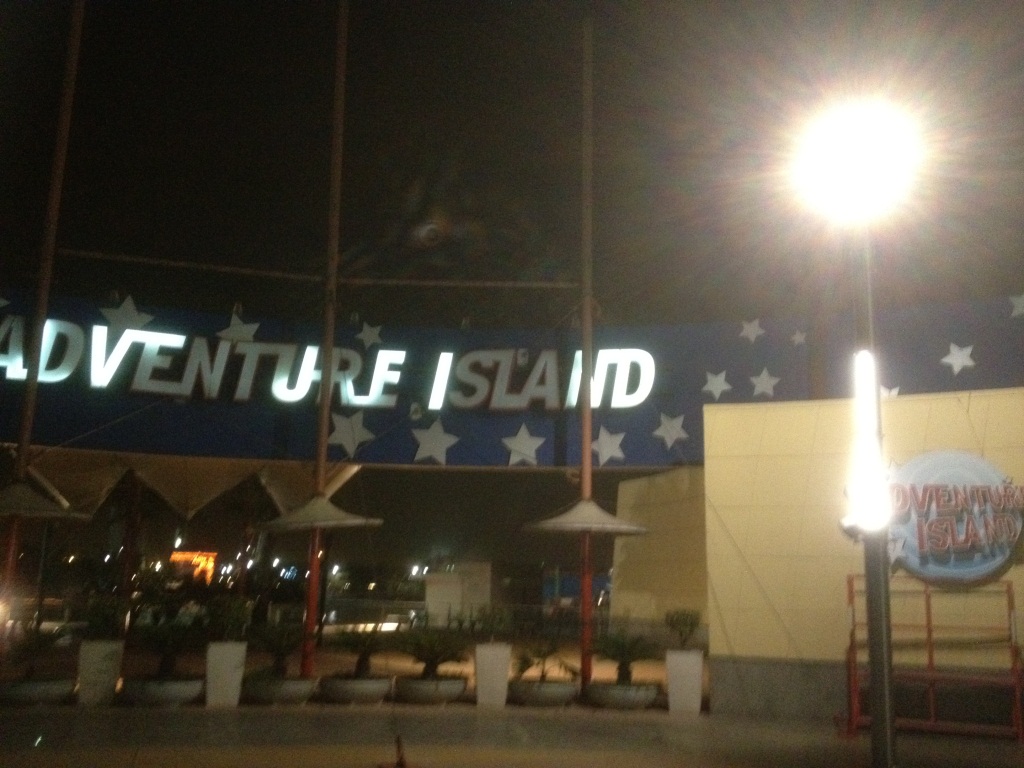
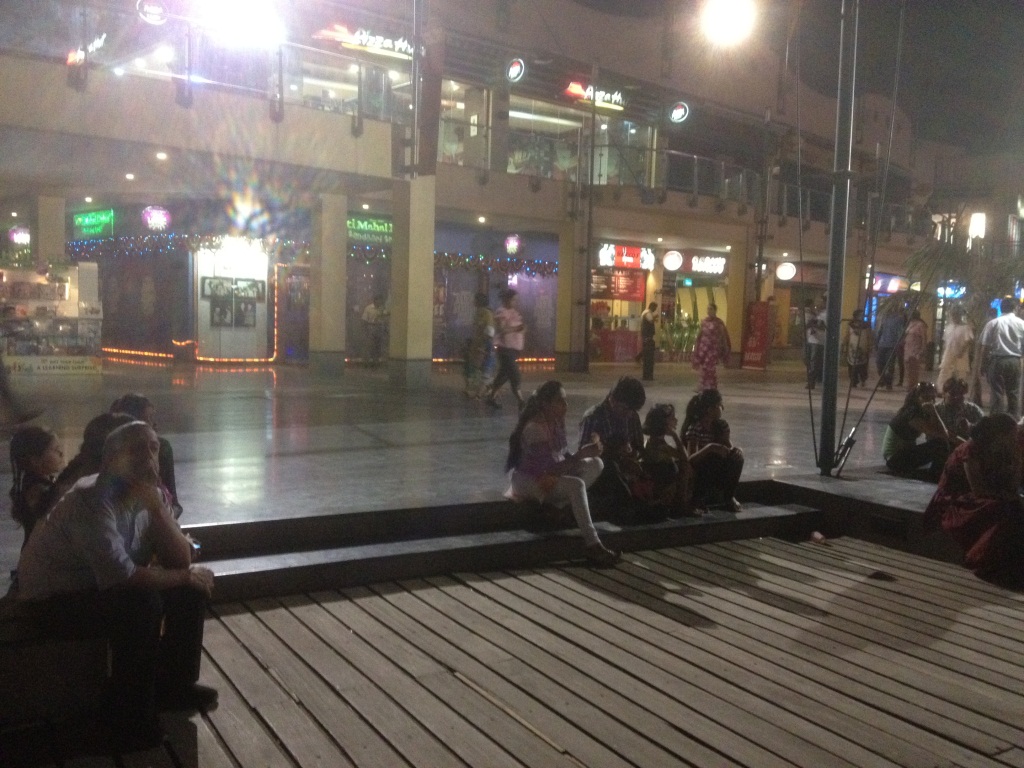
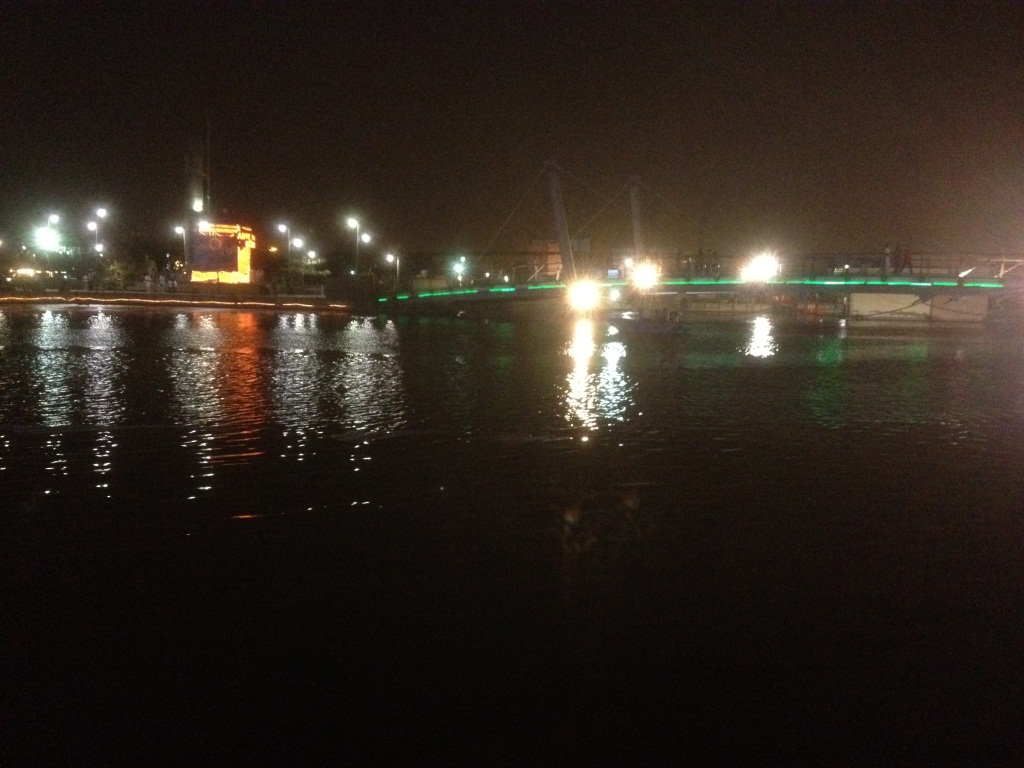
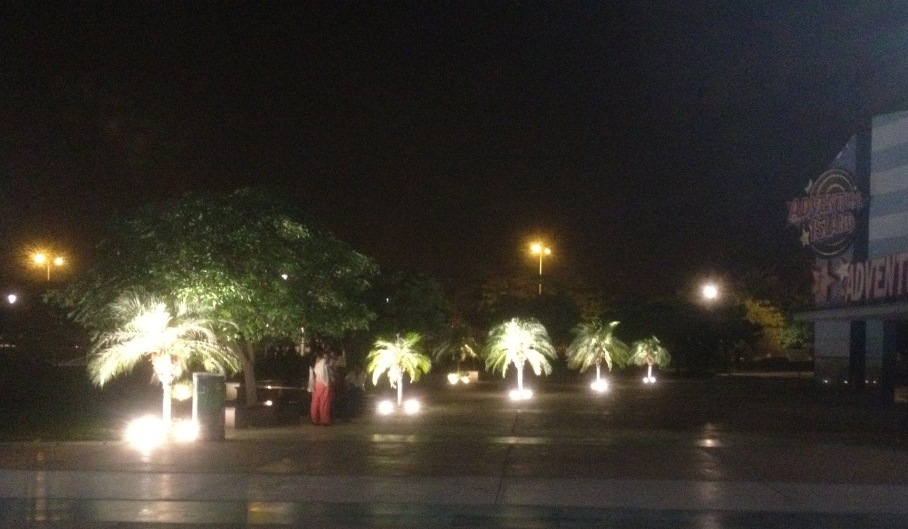
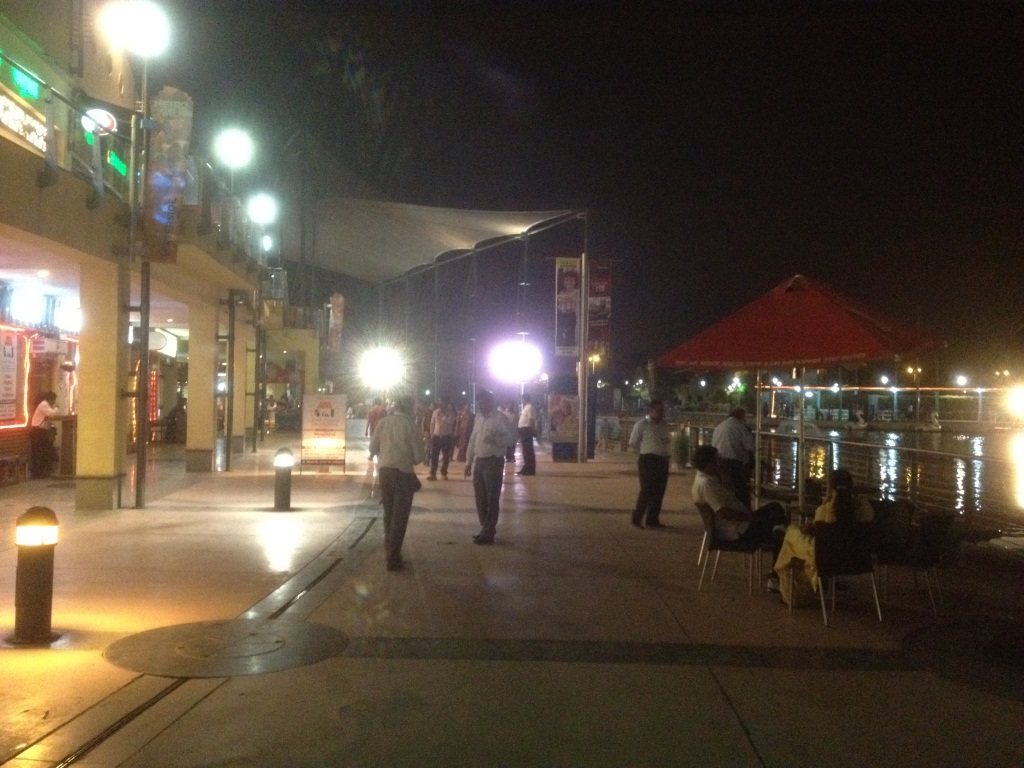
Light Watch 3-94: This evening I went out for another site visit, this time to assess an existing lighting installation in a theme and amusement park. Not surprisingly the main issues were all to do with maintenance (about 1/3 of the lights not working) with heaps of cheaply installed floodlights to compensate for the lack of proper lighting. Here are some “mood” pictures, spot the failing and glary lights for your self 🙂
Power of visual mock ups
Delhi, 27th June 2012
Yes I did not write my blog yesterday…just did not happen due to work and travel. As you will notice I am in Delhi but didn’t have the energy after arriving here to write my blog last night. I am in Delhi for the rest of the week meeting clients, suppliers, attending to design coordination meetings and doing site progress inspections. Considering the traffic situation here you will imagine the amount of hours to be spent driving around. Since my arrival I must have done at least 3-4 hours in the car already.
Just now I returned from a night time assessment of a shopping mall visual mock up. A section over 3 floors was mocked up to assess the architectural and lighting impact, locally on each floor and overall in the atrium…the power of visual mock ups. A mock up like this shows everything, the good and the bad! For those of us that have done visual assessments of mock ups, I think we all know the frustration seeing that the client has value engineered the lighting even before we can assess the real thing! Today was no exception with the mock up equipped with locally procured “best-educated-guess” substitutes! It is frustrating because we are evaluating something without option of comparison with what it should have been. The comments basically describing what is being missed out in quality and performance by the cheap alternatives.
Following this morning’s meeting it should have come as no surprise after I was introduced to two local lighting suppliers (who invites lighting suppliers during a design coordination meeting?) But the guys were obviously close to the owner and acted that way, so I politely listened without any commitment, but making clear I would not tolerate shortcuts in quality or warranty commitments. Just recently there was a situation in a project were a “local” supplier promising years of warranty on his products was nowhere be found after problems with the lights occurred after completion of the installation. It really pays to spent on branded and reputable goods, if only to assure warranty and after sales service.
Visual mock ups are powerful tools in assessing the quality of the design and lighting performance, specifically when they are executed as per specification. It makes the task of value engineering so much more meaningful. When will clients and project managers learn?
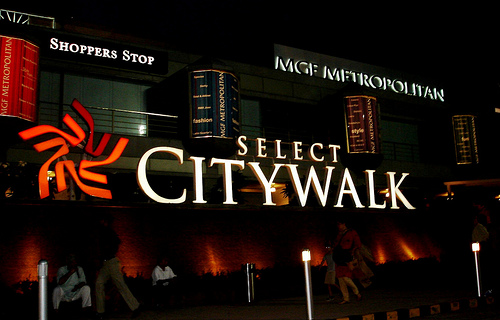
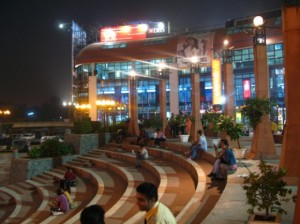
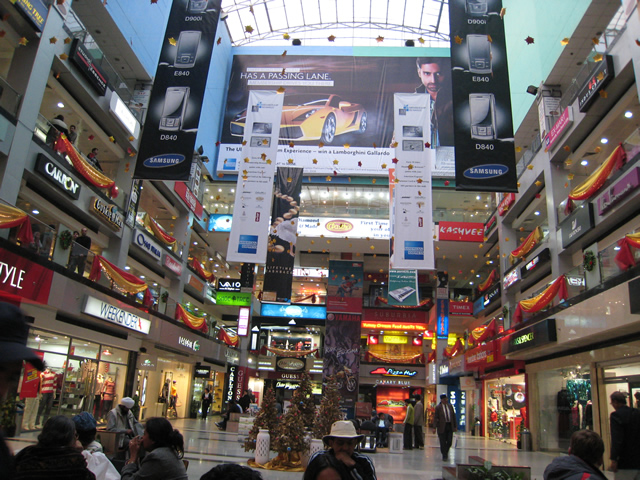
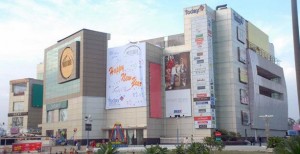
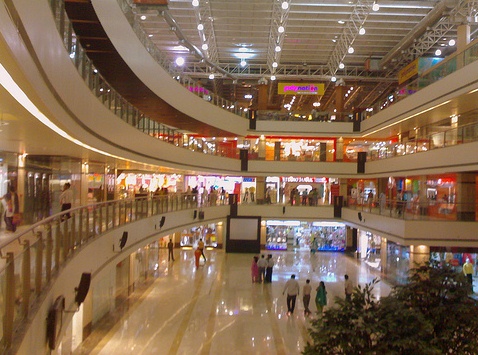
Light Watch 3-93: Here are some pictures of Delhi shopping malls. It is amazing to see how every mall, which ever country you are more or less follows the same concept! Nothing is specifically Delhi about these malls…universal shopping!
Do they really care?
Singapore, 25th June 2012
I have a strange situation in a project where I am wondering if the client actually cares about what we are doing. We have been on the job for more than 6 months, have produced our work up till design development but have had little to no feedback on any of our submissions. The last time I had a direct feedback with proper comments is when I presented our concept design way back in January or February. Even information from other project consultants has been sporadic and erratic to say the least.
It is a strange feeling and we have more or less put the project on a slow burner pending my meeting with the client later in the week. Without any feedback, comments and direction (budget!) it is hard to move forward. We can but think that the economy is affecting the speed of this project even though I have been assured that the project is very much alive. But to move on I need to get some “straight answers”, decision about our design direction so we can cut to the chase and finalise the specifications for procurement and construction.
Normally it is the other way around…the client or his project management representative, is chasing you, pushing you to deliver at times against impossible time schedules. We are now in a situation that we feel we are driving the project, dictating the speed and in the process wondering if the client actually cares…we have of course an added incentive to drive the project forward as it obviously dictates the pace of payment and the company’s incoming cash flow. 🙂
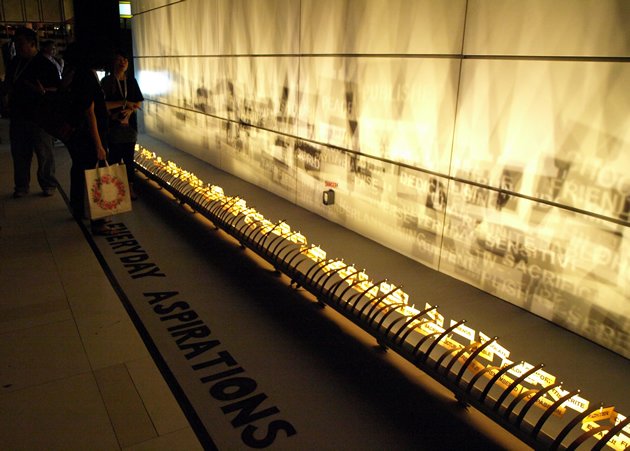
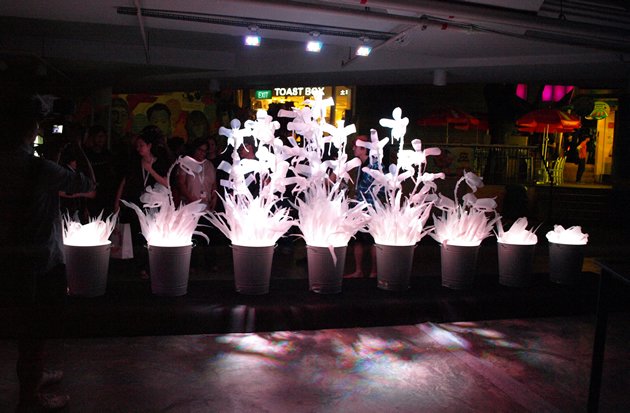
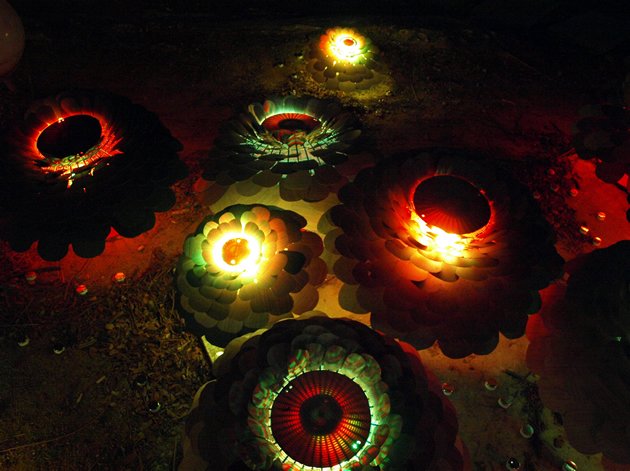
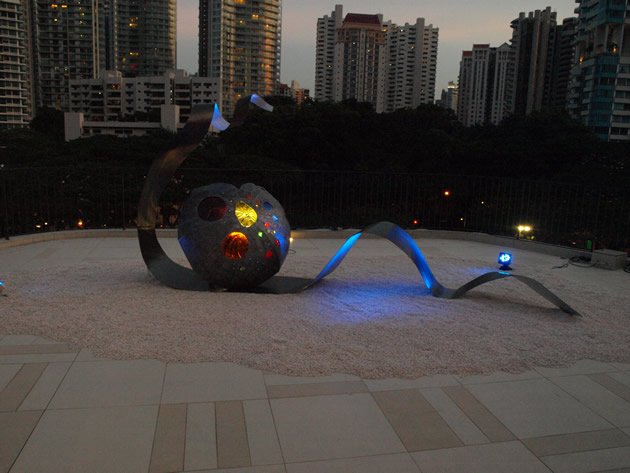
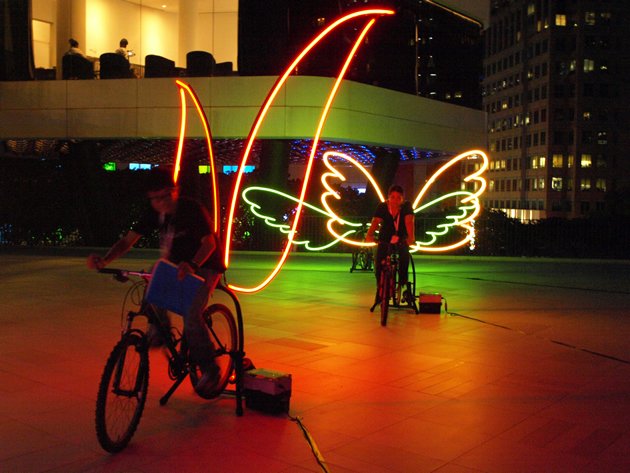
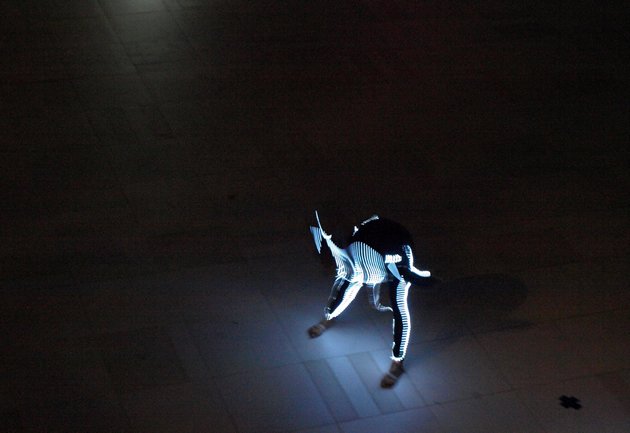
Light Watch 3-92: Today I read about another lighting festival, this time in Singapore again…even more it is on-going right now! It seems there are too many competing events to the extent that we become “blind” for yet another event. Don’t get me wrong I support these initiatives, but it seems uncoordinated and as a result many of us are unaware. If I can i will try make my way this weekend. The images of the projects I googled seem to be of a better quality then what i saw at Ilight Marina Bay!
For those interested there is more on the website www.luminancefestival.com
Seeing blind
Singapore, 23rd June 2012
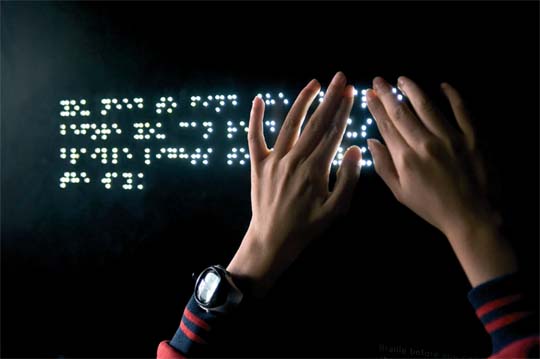
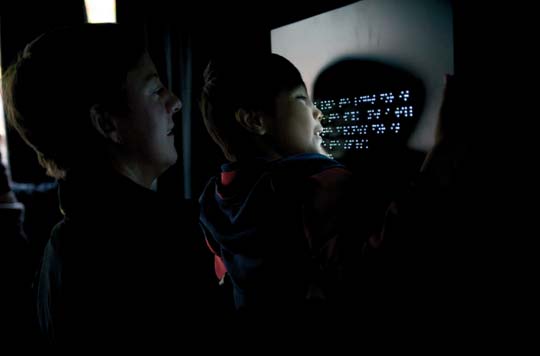
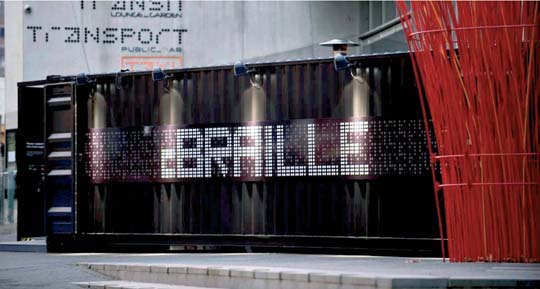
I think we all wonder what it is to be blind, certainly as a lighting designer. We need to see in order to work in our profession, or at least so it seems. I was triggered to write about this subject after I read a story in Illumni, a creative online lighting magazine, reporting about a blind boy who was able to read an illuminated form of Braille with his own eyes. The installation, called cBraille and developed by Rob Caslick, was on exhibition in Melbourne’s Federation Square. Custom made panels of LED’s are arranged in Braille code usingon LED per Braille point. The boy was not 100% blind and had partial sight in one eye I believe, but still it is an interesting topic as we live by light and what we see. It has been said that 80% of information we receive is visual.
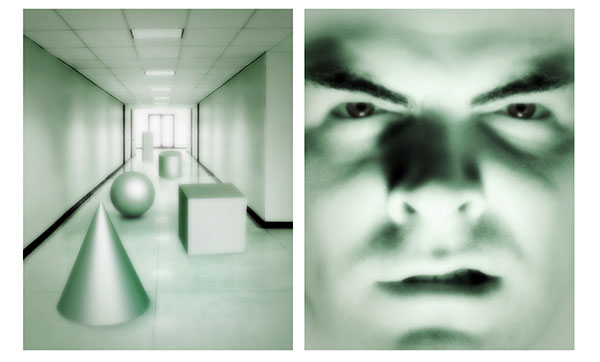
Searching Google on the subject I found another experiment carried out by some scientists in Europe where a man, totally blind, managed to walk an obstacle course without touching any of the obstacles. He walked a hall straddled with objects such as boxes, a garbage can, a tripod, stacks of paper etc. He managed to navigate his way without touching any of them. The researchers claim this is, I quote: “a dramatic demonstration of “blindsight”, the native human ability to sense things using the brain’s primitive, subcortical – and entirely subconscious – visual system”. It seems to indicate that we “see” more then only visual images.
We design for visually healthy people, we assume all our end users are people with normal sight. But like the urban landscape more and more is provided with Braille-street tiles to guide and inform the visually impaired, we may need to think about our lighting design in the same way? Should we consider creating additional brightness or contrast to help the visually impaired identify critical areas, transitions, peripheries? It is hard to imagine being blind, even more to know how lighting design could help the blind, or can it?
Light Watch 3-91: Here are the images from cBraille exhibition and the blind obstacle test. Here is the link to the video about it.
http://video.nytimes.com/video/2008/12/22/multimedia/1194836242095/seeing-without-sight.html
Thinking out of the box
Singapore, 21st June 2012
Thinking out of the box is an art…literally. As a designer it is something we are challenged to do on a near daily basis but when I look around I actually see very little signs of creative designs really out of the so called box. Most lighting designs I see seem proven concepts, straight out of the “drawer”. In other words we tried it before it worked well, let’s do it again. We reshape it, remodel it and reformat it to fit the new design and off we go. I have no shame in admitting that this happens often in our design and there is nothing wrong with it as that is the experience our clients want and pay us for.
It inspires me to see designers and artists using conventional methods and techniques to achieve something new, original and unique. Why didn’t I think of that before! It is easy to fall into routines and apply what you know but pushing the imagination by using existing well known materials and their properties to create something new is something what help tickle our minds as designers.
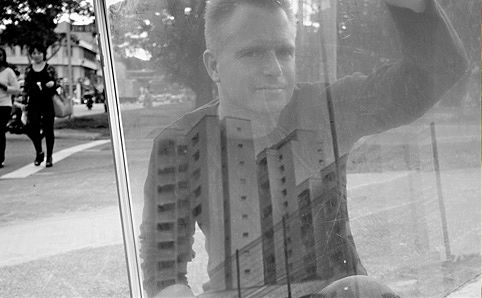
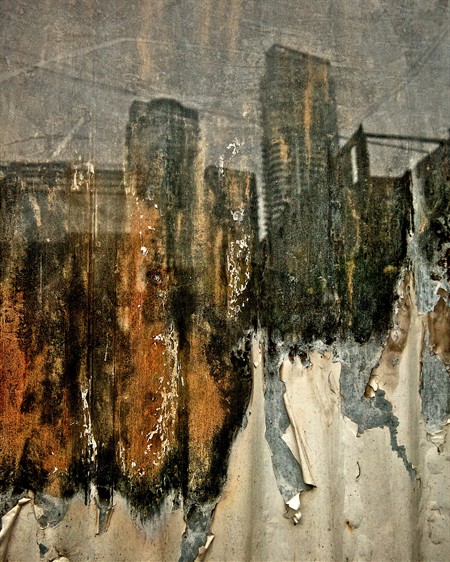
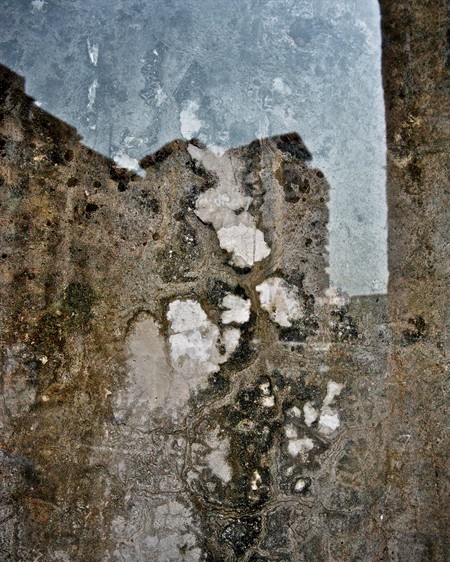
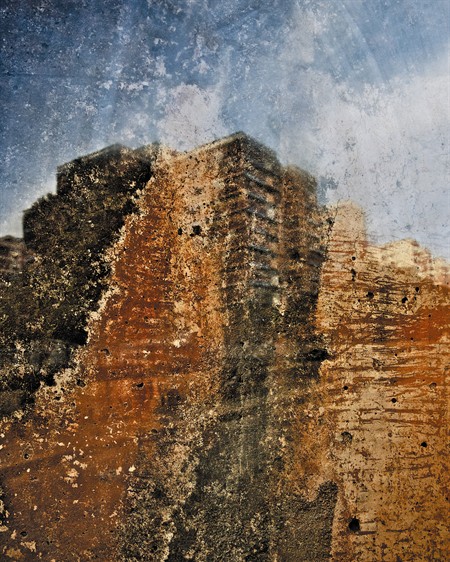
Light Watch 3-90: Here is a compatriot, photographer/ artist, who thinks out of the box. Marcel Heijnen is a Dutchman working out of Singapore who is using an out of the box technique to photograph Asian Cityscapes. Using a clear glass under an angle he captures derelict and weathered walls with the reflection of the cityscape buildings superimposed on the image. It results in very creative and interesting pictures. As a lighting designer it stimulates me creatively to see his work as he is using basically the principles of light for his creations. Glass has both a transparent as well as a reflective property which we as lighting designers use (or avoid) as appropriate. Combining light to use both these properties in just the right balance is original and very “out of the box”.
His exhibition called Residue 2.0 is on in Singapore’s Fort Canning Art Gallery.
There is always another bus around the corner
Singapore, 20th June 2012
Sometimes your patience thins out to a level where you lose faith in good outcomes. But keeping faith and (healthy) optimism helps staying sane as in our project world nothing is straight forward and nothing really develops as planned. Always expect the unexpected and never assume anything are some of the sayings I keep in mind as much as possible.
Sometimes you get appointed within a week of first contact (yes that happens!) sometimes it can be years!! I have currently projects in negotiation for more than a year already. But another just materialised today within 2 weeks of initial contact. No hassles, no tedious negotiations, a one-time fee proposal and straight up acceptance, we like it that way. What a breath of fresh air compared to those months (sometimes) years of on-and-off negotiations.
The same happens with people and clients you know. They can be off the radar for years and suddenly out of the blue, a new project triggers their memory of you and you receive a call from someone you thought was a long lost friend. I got such call today…we hadn’t spoken for at least 3 years, lost contact so to say. He didn’t have my latest contact details but managed to reach me on my cell which has been the same number for the at least the last 10-15 years now. Whether I remembered him? Of course I did and very happy to hook up again. He is got a project he would like me to help him with…it was a good day today 🙂
You can never tell in our business but you do know that if you miss the bus there is always another one around the corner…
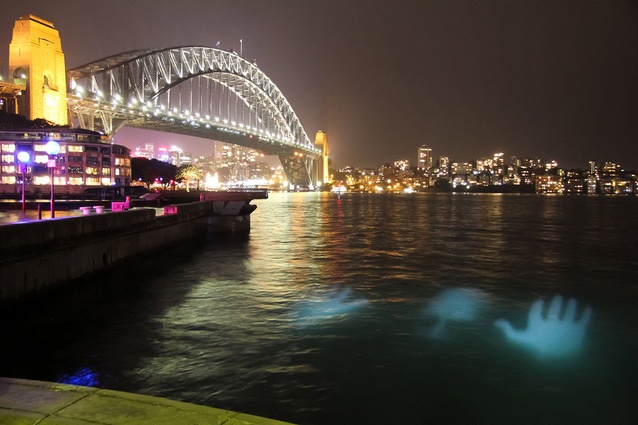
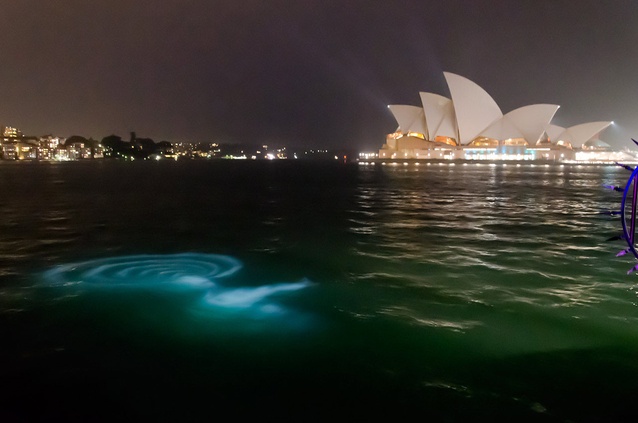
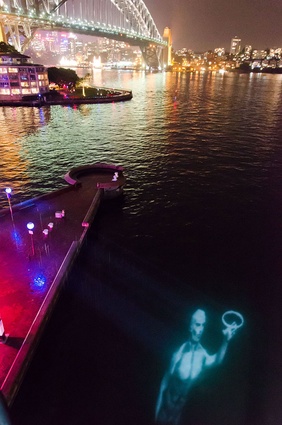
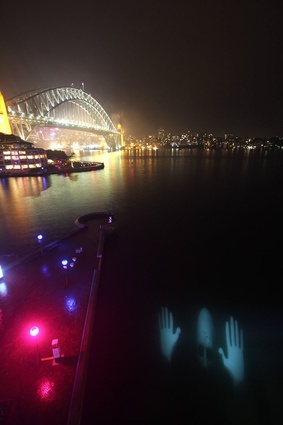
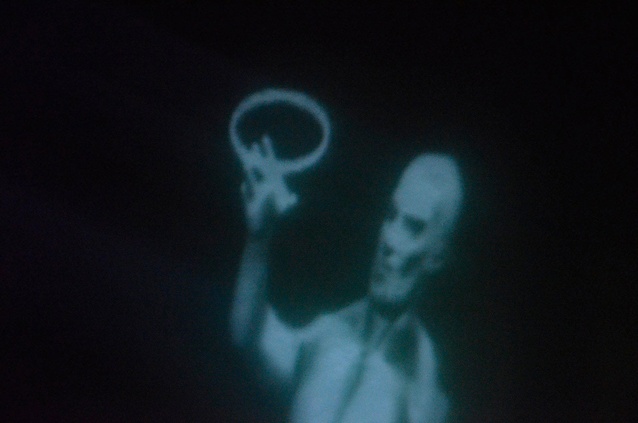
Light Watch 3-89: Always expect the unexpected…here is something unexpected recently on show at the Sydney Vivid Light festival…
Back to good old floodlighting
Singapore, 19th June 2012
Now here is a challenging question…do you design, and push your design through with all justifications and solutions, knowing that it likely will not stand the test of cost and maintenance over time or do you design in consideration of what you know the reality of maintenance on location is. Sometimes we have to push the boundary, that is what we are designers for, but how far?
This afternoon I was facing a situation in which I know the maintenance on location is poor (track record), the level of sophistication and local knowledge is low (observed) and the availability of replacement lighting products in the local market is practically non-existing. My challenge is designing the facade lighting of an existing hotel building. There is technically no real access to the 10 storey high hotel façade (no gondola system) other then from a ledge which can be accessed from the guestroom windows at each floor. This ledge has a cavity which could hold and conceal the lights.
When you look at the building façade architecture you can’t but conclude that ideally the lights should be concealed in these ledges. Certainly considering my design philosophy to bring the lights as close to where you need them…Unfortunately there is no power, so we would have to chase that along these ledges each floor and the implication of that concept would be an enormous quatity of lighting points or linear length, depending the choice. Typically you would do that with LED these days, but considering the limited budget, the local conditions it looks like my best bet will be back to good old floodlighting.
It is amazing to see how little projects nowadays actually consider traditional flood lighting, It is nearly as if you are old fashioned. My bet is that more and more the art of floodlighting is dying! I mentioned before that I found that some new generation lighting designers don’t know anything else than LED…well I probably have to add that soon there will be some that don’t know how to do proper flood light a facade. Having said that it has reinforced my decision to go with floodlighting from the ground, let’s keep the art alive (and the cost down!)
Light Watch 3-88: Here are some good old façade lighting projects from my years gone by. I still think it looks good and above all serene compared with all those busy LED multi media facades!
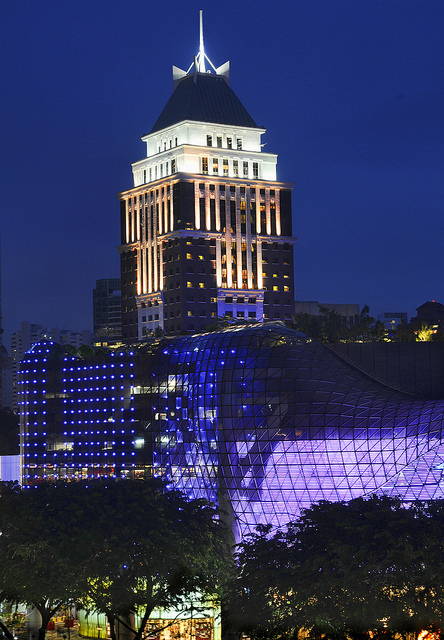
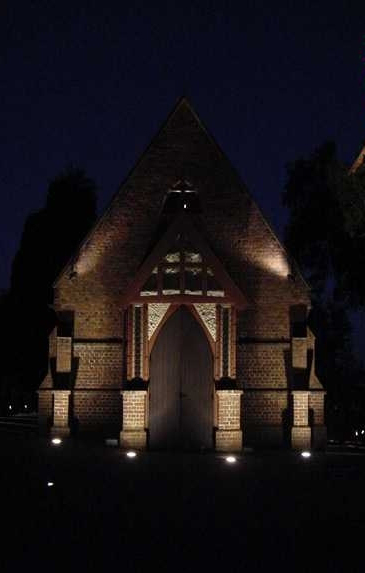
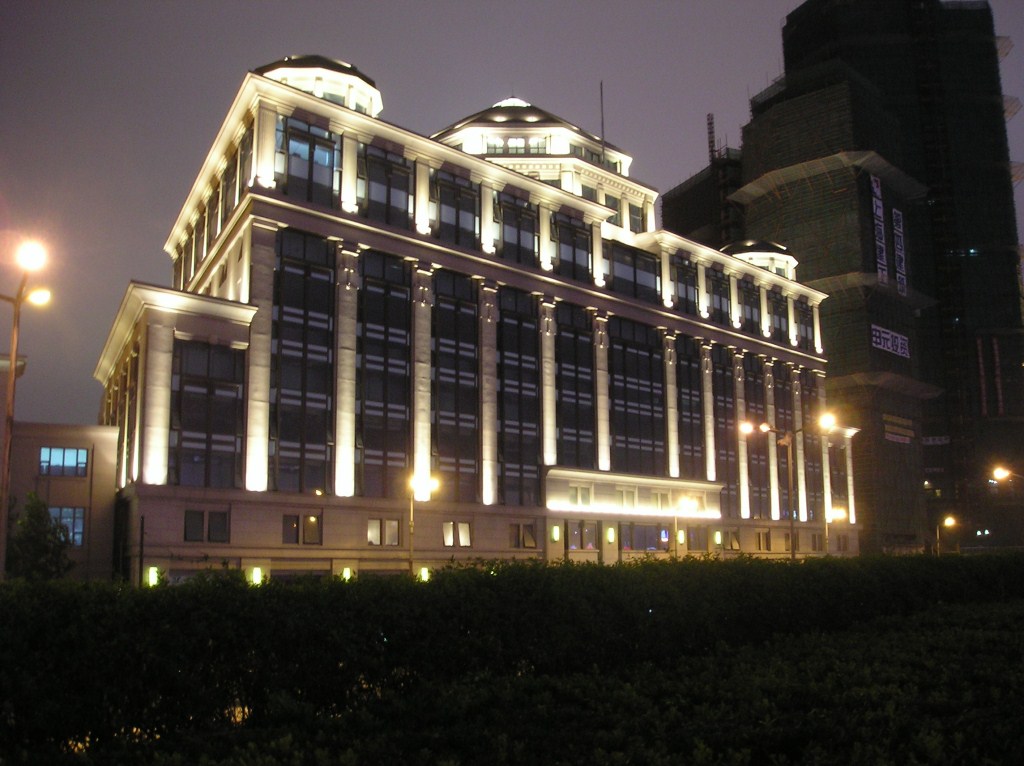
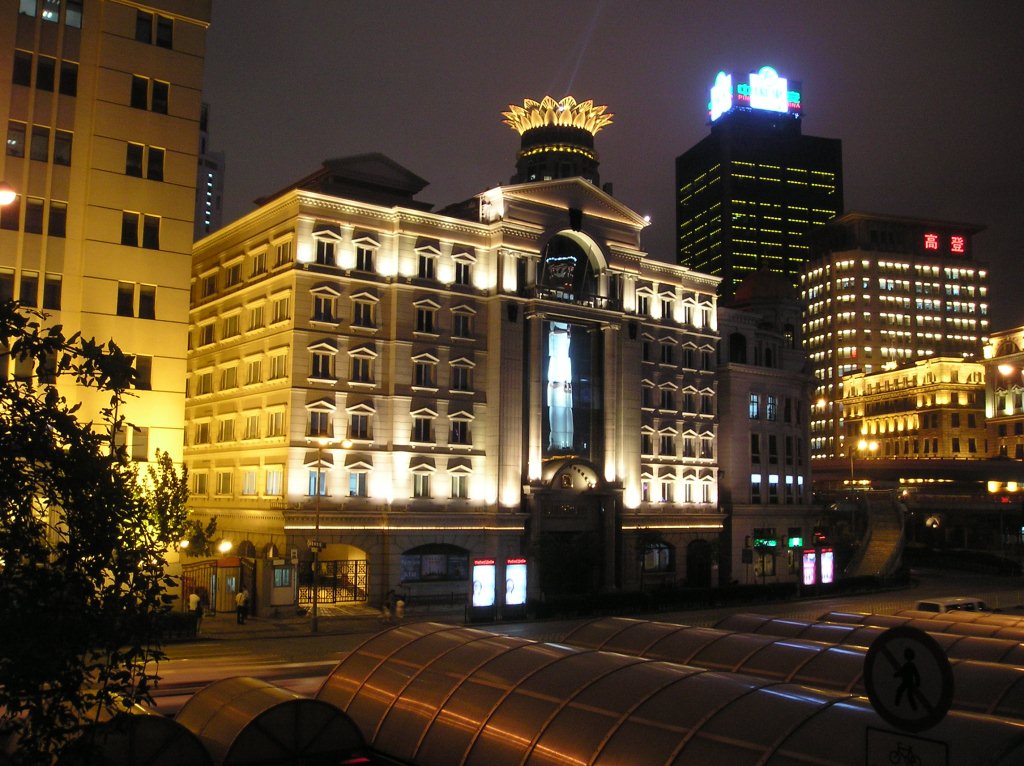
Even the best fail
Singapore, 18th June 2012
The Dutch have just been sent packing from the Euro 2012 Soccer Tournament :(. We did not even win a game, what a shame! Being (one of) of the best, having some of the greatest talents is obviously no guarantee that you always win. We went in unbeaten in all the qualification matches, yet when it most mattered all went wrong…
It feels very similar to my lighting problems with LED’s. We seem to specify the best of the best but still at times it does not come together. Like soccer, a good lighting end-result (read winning score) is totally depended on each and every part of the chain working to optimum performance (read: motivated team work). You can have one of the most expensive products (read players) but that is not a guarantee for success if they are not in optimal condition (read: physical and mentally). Last night Ronaldo was obviously in great shape for Portugal!
So what to do now for the Dutch? Like me and my LED issues I guess they will have to analyse their performance from top to bottom…analyse each and every component, from physical and mental fitness (LED: product quality and limitations) to field strategy (LED: electrical infra-structure), to peripheral influences such as accommodation, food, transport, climate, etc (LED: human, environmental and architectural influences). Somewhere in the chain of events we will find weak links and no matter how good all other parts are it is the weakest link that will determine the ultimate end result…
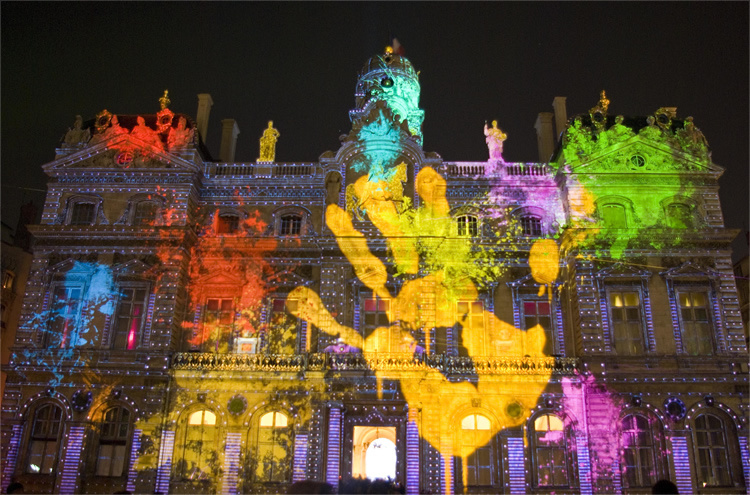
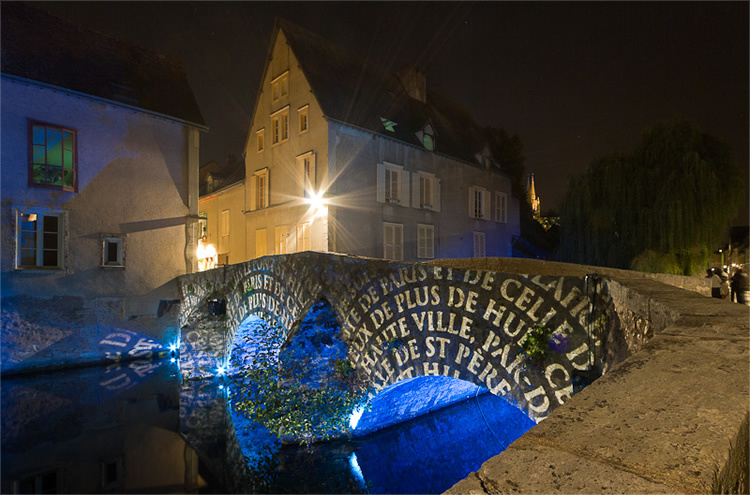
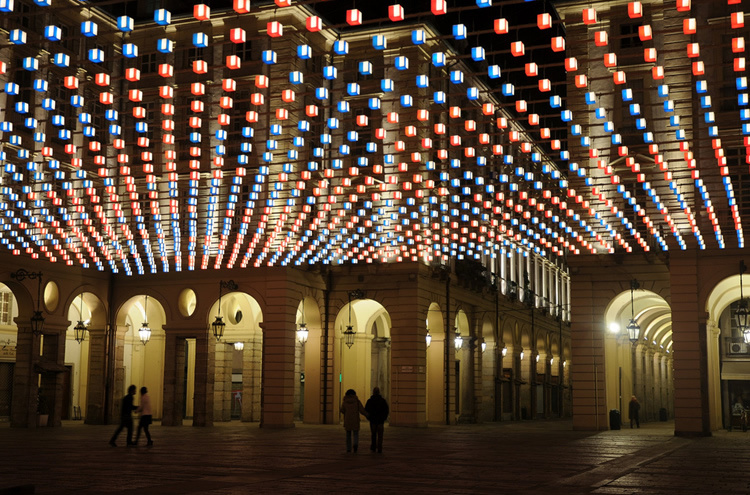
Light Watch 3-87: To lift the spirits a little plug for the first Light Festival in Rio de Janeiro that opens its doors today 18th June till 29th June (see www.luznacidade.com ). The website creates interest by showing enticing installation from similar events in Europe taking cue from festivals in France and Italy. Here are some images from the website.
Some entries:
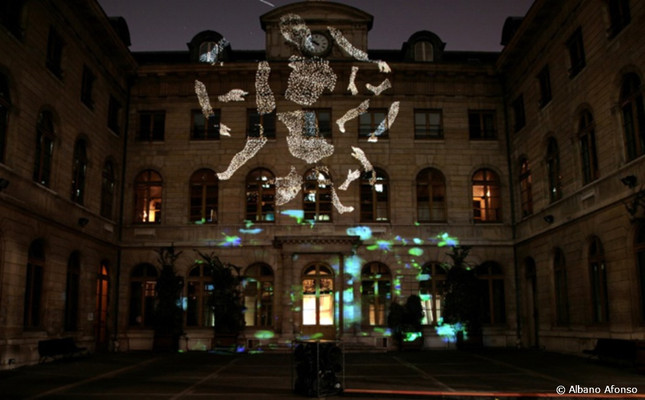
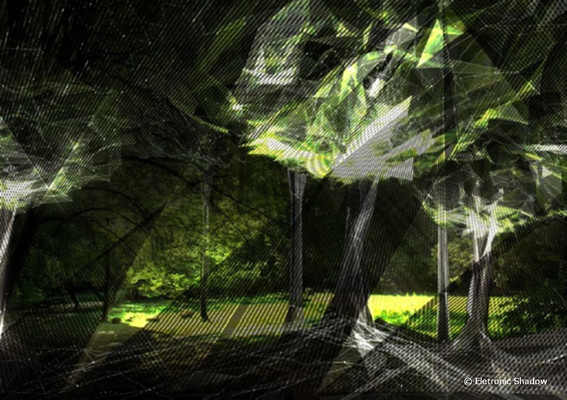
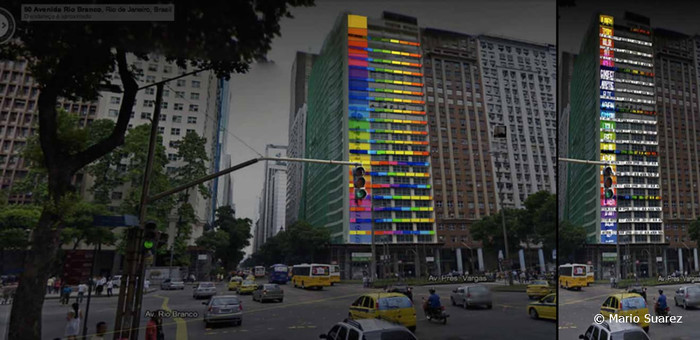
Images from Festivals in France and Italy
Pinpointing the cause
Singapore, Saturday 16th June 2012
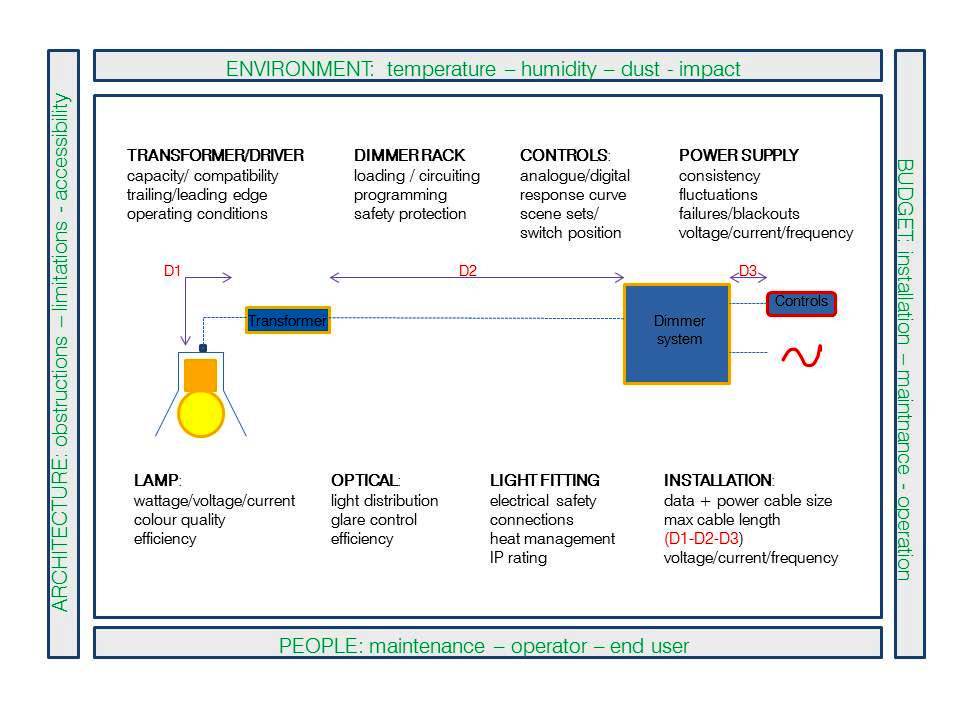
I spent a large part of the day yesterday analysing the chain of components and variables that could possibly influence the LED lighting infra-structure and its resulting lighting performance. The challenging thing in lighting is that there are so many components and variables part of the lighting chain of events that it is sometimes hard to pinpoint where the cause or origin of a malfunction, failure or under performance lies. The lighting manufacturer/ supplier will be quick to point the finger to the dimmer manufacturer who in turn will be looking at laying the blame on the installation contractor and the electrical infra-structure who in turn will be pinpointing the operator/ end user for careless or unauthorised usage.
The only way to keep your head clear is to be systematic and eliminate one by one any probable or possible cause even if it may seem far-fetched, like rats eating cables. Is the power supply consistent? I remember a project situation where we did not seem to be able to get the expected light output for the lamps. We replaced the lamps, changed the transformers checked the dimmers, even rewired, all as a result of people pinpointing to others. In the end someone had the bright idea to measure the incoming power supply and we found that the line voltage was only 195V (!) instead of the all assumed 230V we were supposed to have. Once the power was restored to its proper voltage level (I don’t remember the cause of the drop) everyone was smiling. The morale being that the final lighting performance can be dependent on one small part (normally the weakest!) of the chain.
This is also very much an exercise in people and ego management. People don’t like to be wrong(ed), so making sure it is diplomatically resolved and preserving the relationship is to me also an important factor. People are presumed innocent and in the project process we are all (supposed) to have done and delivered our very best. Pointing fingers and blame generally does not help much resolving the problem. Accepting responsibility and acting on it does..
Light & Learn 3-15: Below a schematic to help understand the chain of components that ultimately have an influence on the final lighting effect. It is generic and by no means meant to be complete but certainly helps to understand the little bits and pieces contributing including the weather!
LED’s again
Singapore, 14th June 2012
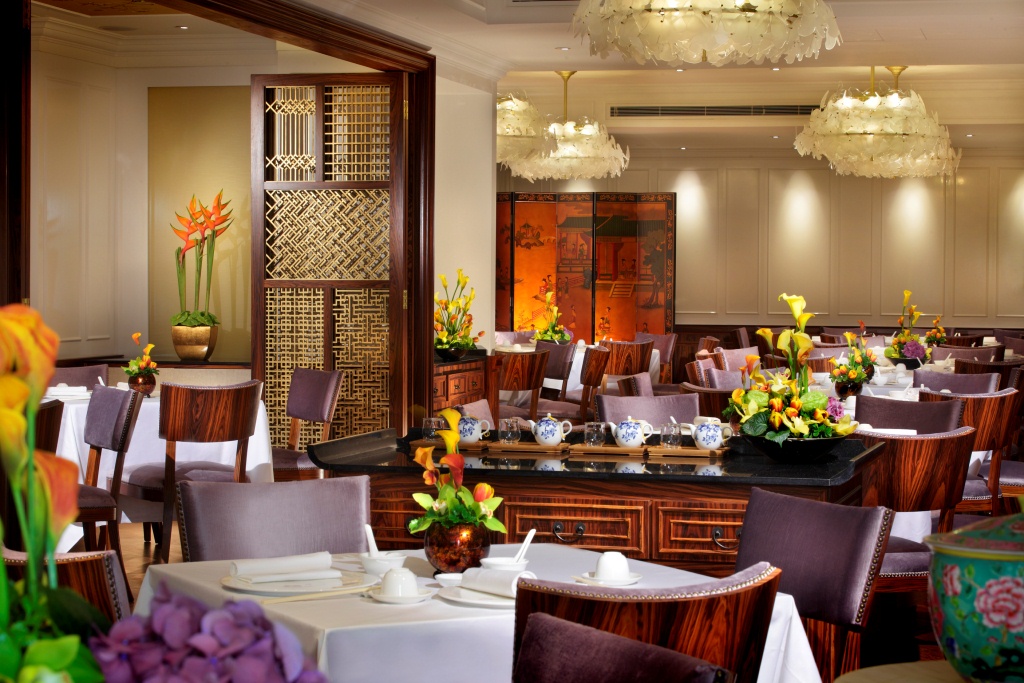
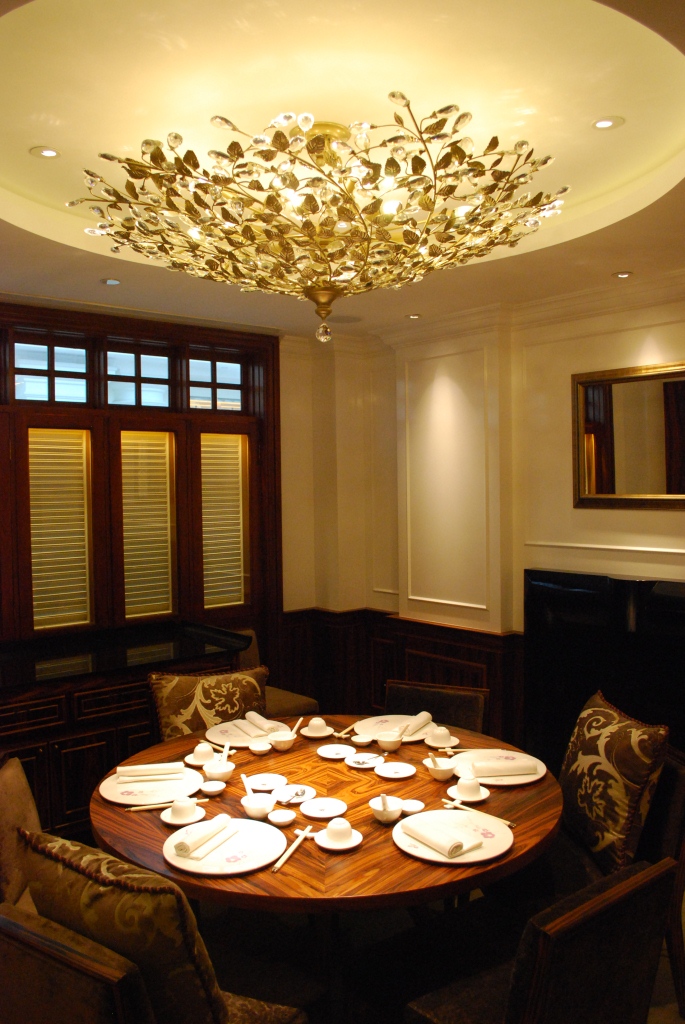
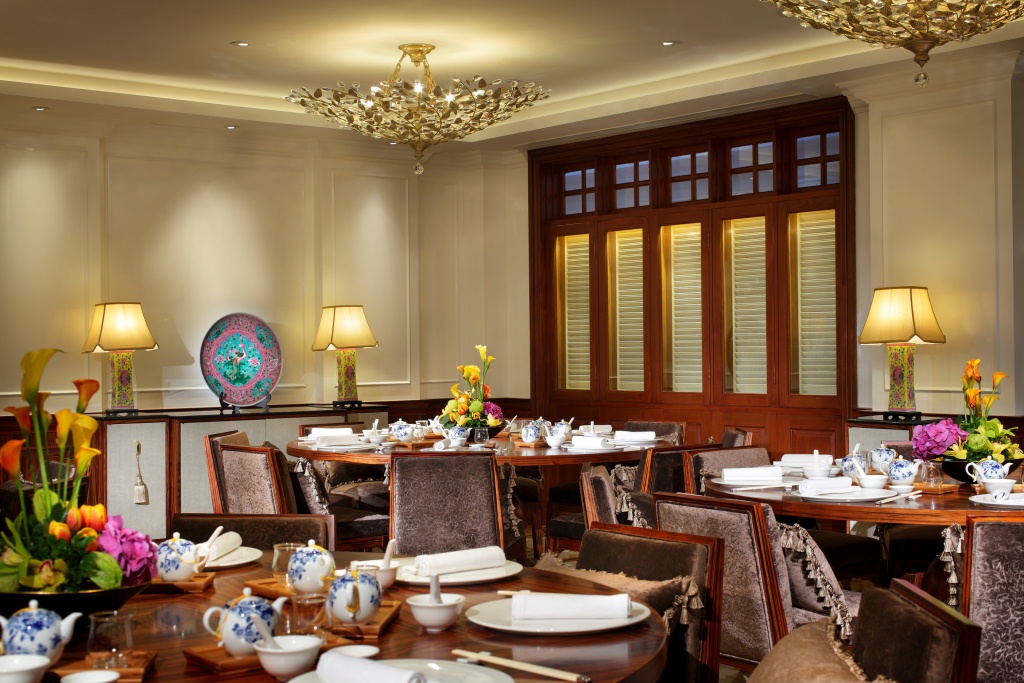
The LED (quality) saga continues on a nearly daily basis! Today I went out to investigate renewed issues spotted at our first 100% LED installation at the Intercontinental Hotel. In earlier blogs last year I reported about our successes as well as about our big challenges and discoveries. The famous dust issue with the Halogen LED retrofit being one of them. But everything was seemingly resolved last year and the lamps replaced honourably by Philips. Till recently, besides the occasional issue, the installation has been operating without too many complaints, at least so I am made to believe. But recently lamps have started to flicker again for unknown reasons. But flickering lights is not something that goes un-noticed, certainly in a restaurant where lighting levels are set to create ambiance and a memorable dining experience. If the spot aimed at your table or washing the wall opposite you start to flicker intermittently, it spoils not only the mood but also the overall impression of this high class venue.
The dimming of LED’s has been one of the biggest issues that manufacturers have been dealing with specifically when it comes to retro fit LED which are supposed to fit seamlessly into an existing electrical infra-structure. In our case the infra-structure was recreated but using updated technology to enable the use of LED MR16 retrofit lamps. But still the LED / driver/ transformer selection proved to be extremely critical. The latest updates obtained from Philips today does not even show our transformer selection on its tested product list anymore!
A few questions came to our minds when testing the installation today. Is the minimum dimmed lighting level sustainable for longer durations? We had already increased the lowest dim level to about 10%, some even 15%, even though in some situations we had managed to dim close to 5%. However because there are obvious inconsistencies in the lamp-transformer combinations, some start flickering at higher values. As only one or two lamps flickered in a circuit of several connected together we could only conclude that the dimmed level output from the dimming system is consistent. Are there any aging issues, notably if an LED/transformer combination is lit consistently operated at very low lighting levels?? Last but not least are there any issues if the LED light is connected to battery powered emergency supply? To be continued…
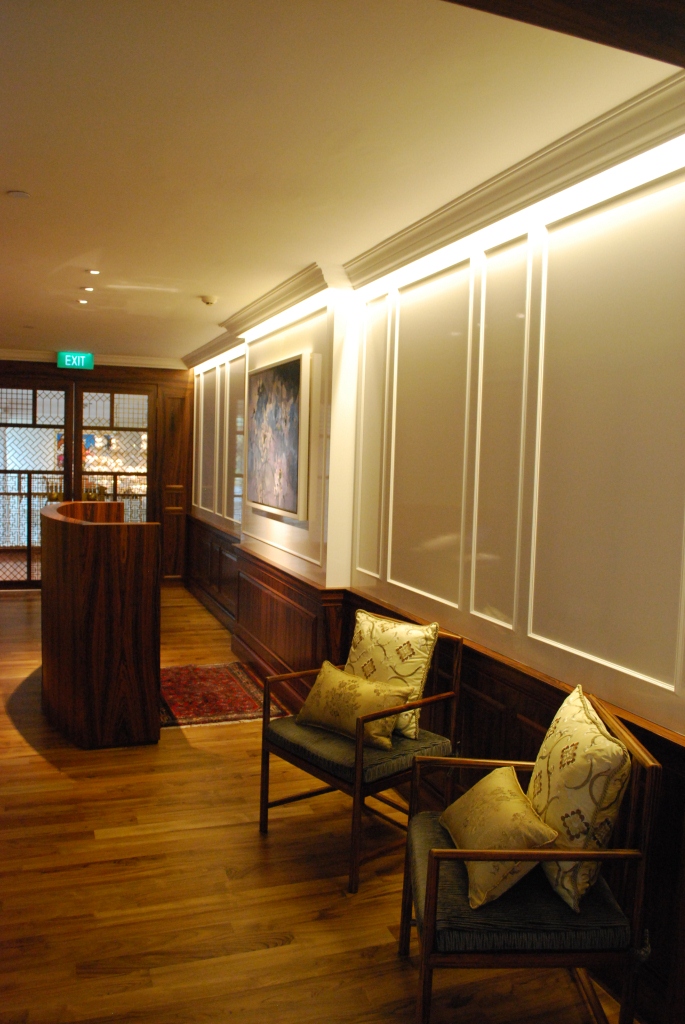
Light Watch 3-86: Some pictures of the venue in question. (pictures by KLD/Intercontinental)
 The long awaited book compilation of Martin's first year of blogging is available. Order now.
 Feedspot Top 100 Lighting Blogs