
Day tripper
Kuala Lumpur, 14th September 2012
But not a one way ticket, yeah! I am in KL for the day, my third day in a row in Malaysia, though I made an overnight stop in Singapore. As I am attending to a different client I like to keep the trip costs separated. As we operate the project from our Singapore office it makes sense to have the trips originate from there, hence the “day trip” and the reference to the famous Beatle song. Though I don’t really know of the actual contents of the song has any relation 🙂
The advantage of our Singapore office is really that we can access quite a number of markets on a “daytrip”. Malaysia, Indonesia even Hong Kong can be done in a day with an early morning flight out and a late return. Both Jakarta or KL allow us to have 10am meetings with an early start. The tricky part being more to negotiate potential traffic jams on the way from or back to the airport. We got stuck in traffic on the way just earlier (I write the blog while waiting in the airport lounge) as the local authorities decided to close some roads due to the presence of the royal couple (William and Kate) who are currently visiting the capital. The only way to move around for them considering the generally heavy (and inconsiderate) traffic, is just to close the roads to allow them a hassle-free passage. Why can’t they just enjoy the traffic jams like we do! At least they would be in touch with the reality of life! I always wonder about these kind of rich, famous and royal people. They must live on another planet! Well they actually don’t but sometimes we wish they did. We “commoners” already do it tough, pay for their (royal) trips through our taxes, then when they visit we are punished even further having to queue and wait…Don’t get me wrong, I am not really against royalty (we have our own royal house in Holland) but geez, get a taste of real life!
Anyhow I did not really intend to go on a rant…and thanks to a brilliant taxi driver we made it well on time, but it takes one that knows this city well and how you can reach a destination through the backdoor alleys rather than sheepishly follow everyone in the highway jam. Time for my weekend!
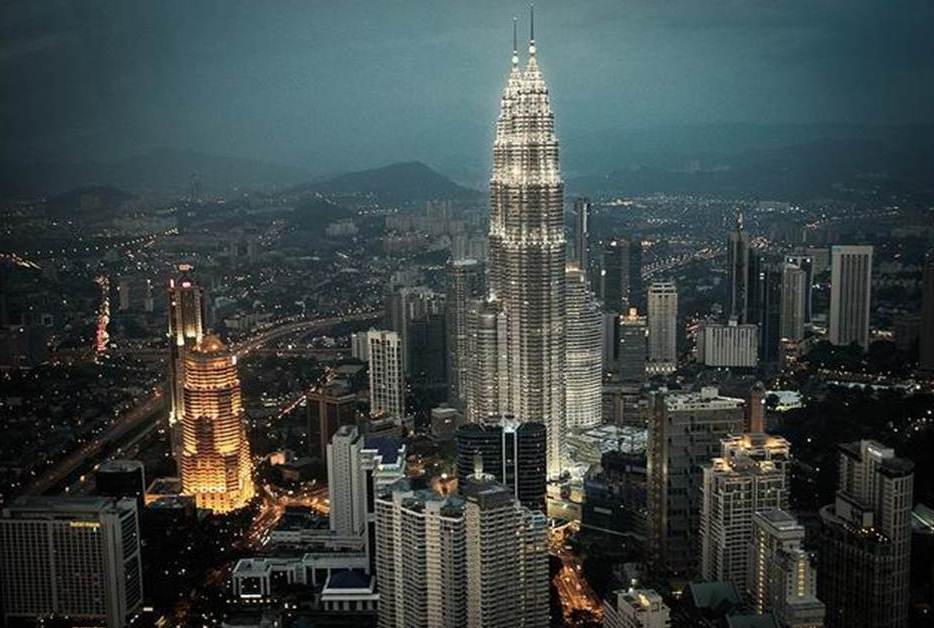
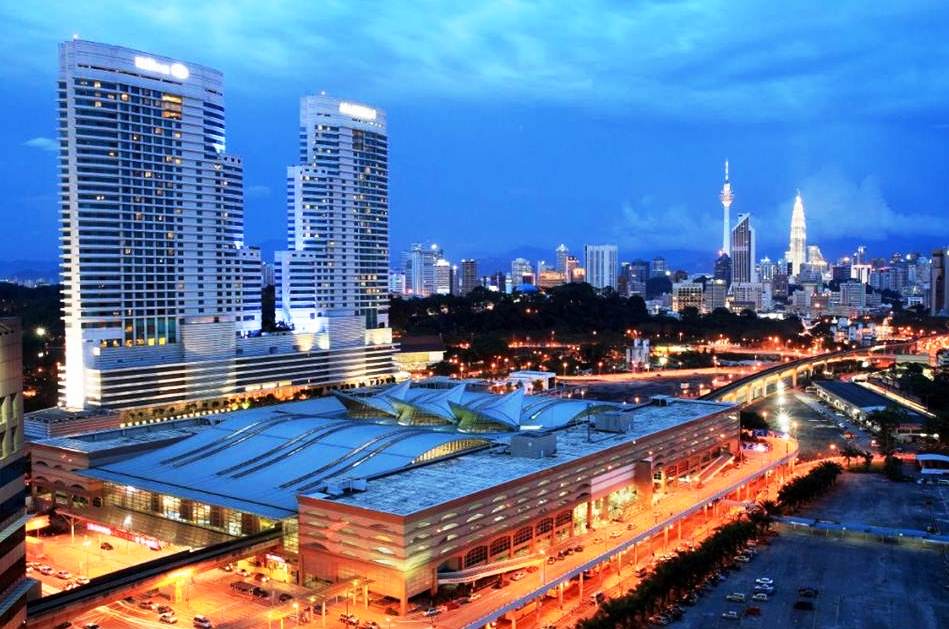
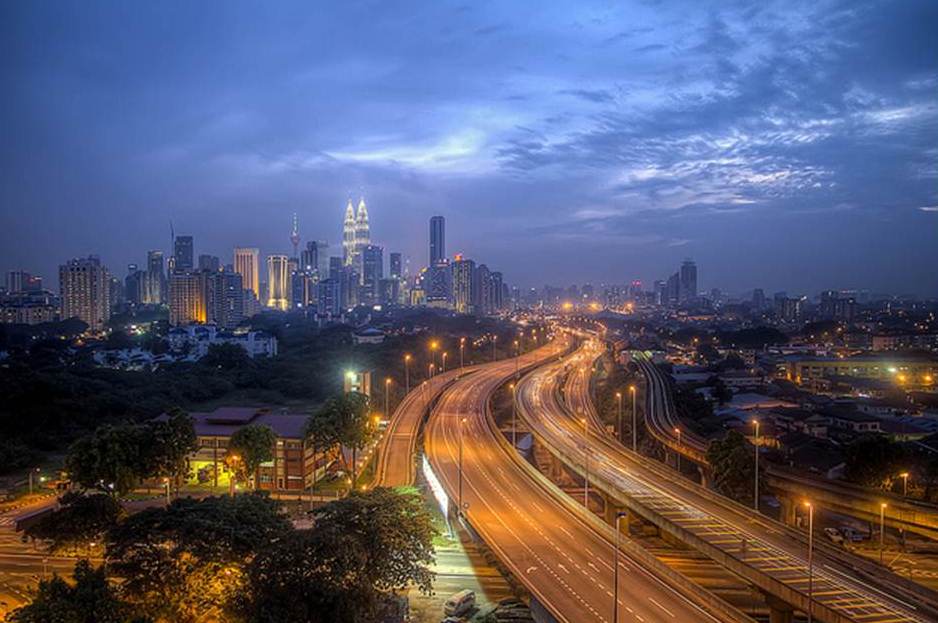
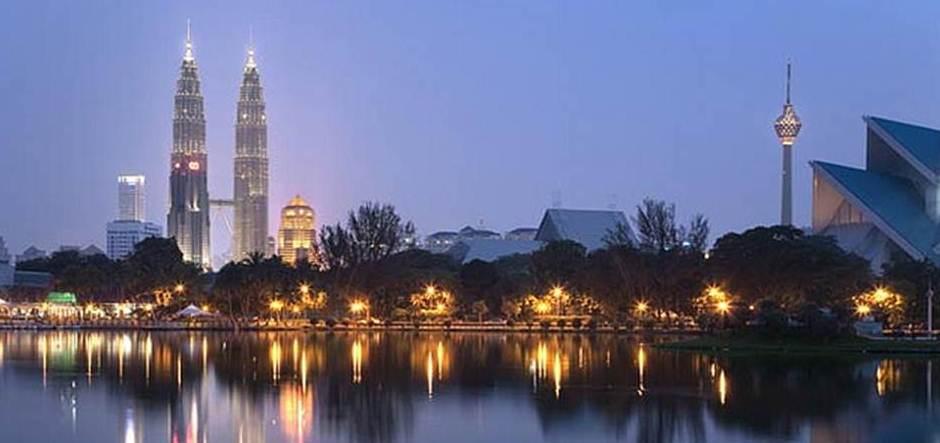
Light Watch 3-141: KL city skyline, pictures from the www.skyscraperlife.com website
From start to finish 2
Cherating, 13th September 2012
The thing is that it does not really finish with final programming and hand over. We wish sometimes (!)… and many times it does as far as our consultancy is concerned but a good design is as good as its finished end result. And there lies a little sting…you can say the end result is the installation you hand over to your client on completion of the project or you can say it is the installation that the client will operate and enjoy without worries for the next 10 years! Our fees do not really include staying on call for problems over the next 10 years, but it does often include the so called defects and liability period, generally for the 12 months following official hand over. As part of the hand over we produce a defects and liability list spelling out all deficiencies, rectifications and all remedial work to be done. We then certify for good on completion.
As a responsible designer we do want our design “legacy” to last the distance so putting effort and attention to the final little details and putting the dots on the -i- so the speak, is an important show of care. Not all clients appreciate that but many do and making it all come together for them is very gratifying for all. I have just completed my “defects and liability” list and hope that I can follow through (the client will still need to pay for me to come to site) to get all certified to everyone’s satisfaction. As the creator we are hardly ever satisfied as we always see where we could have done better, things that were missed or simply the small imperfections glaringly visible to us, but probably not to the general public.
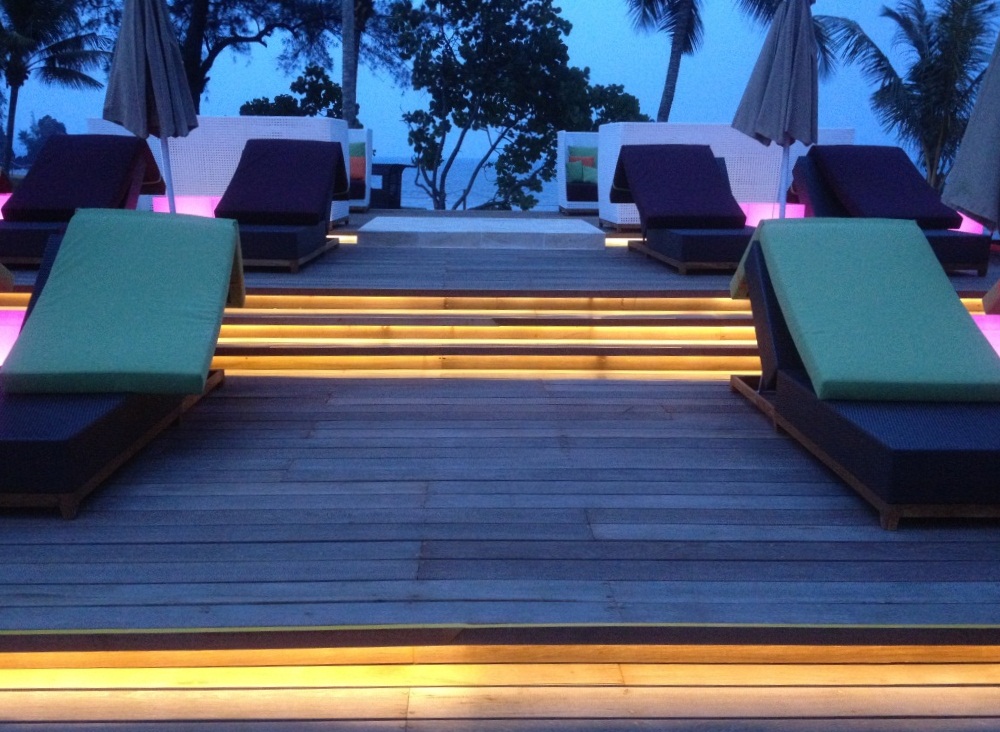
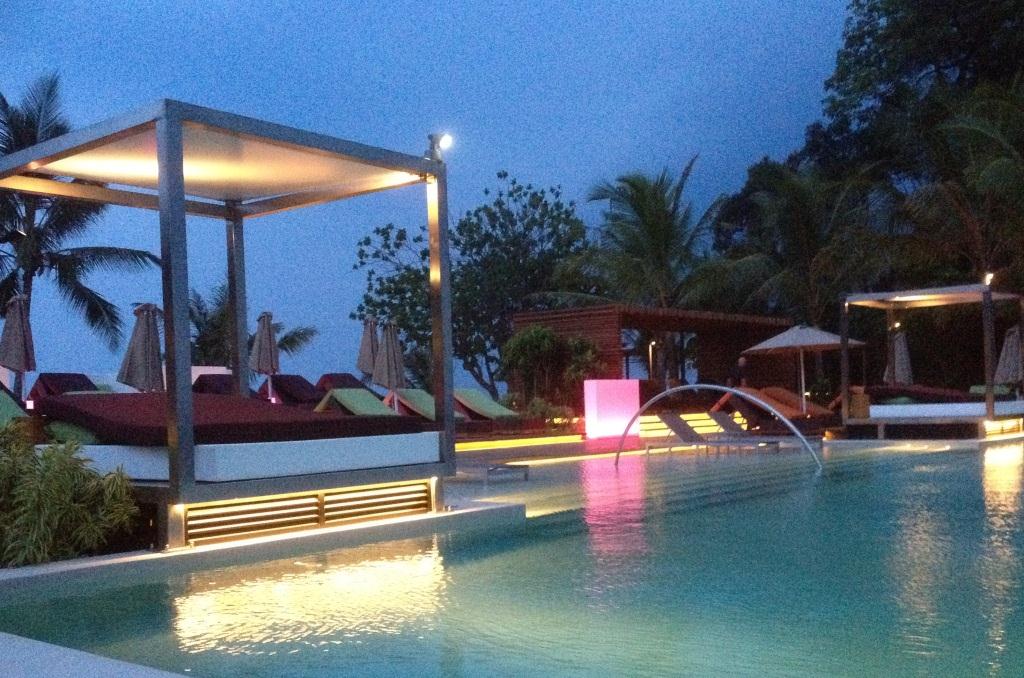
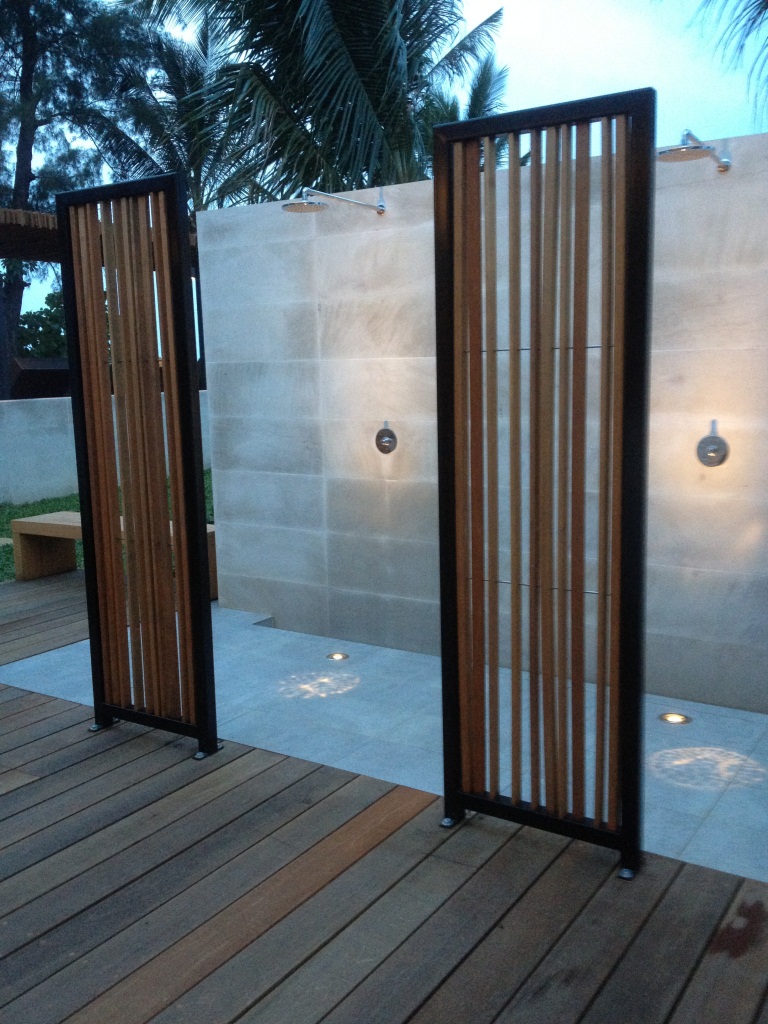
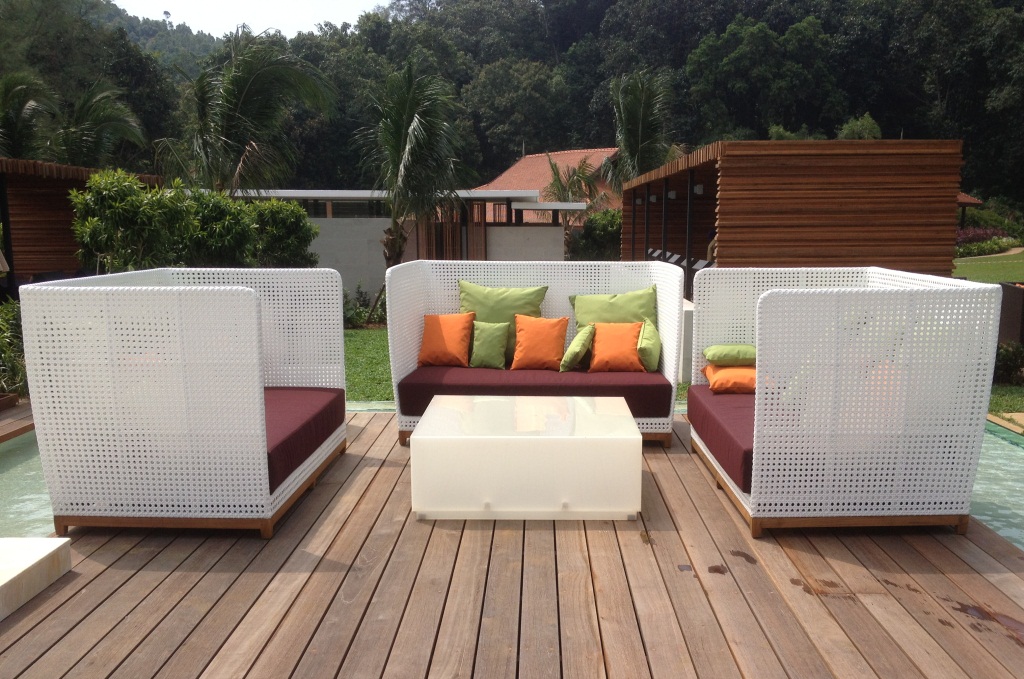
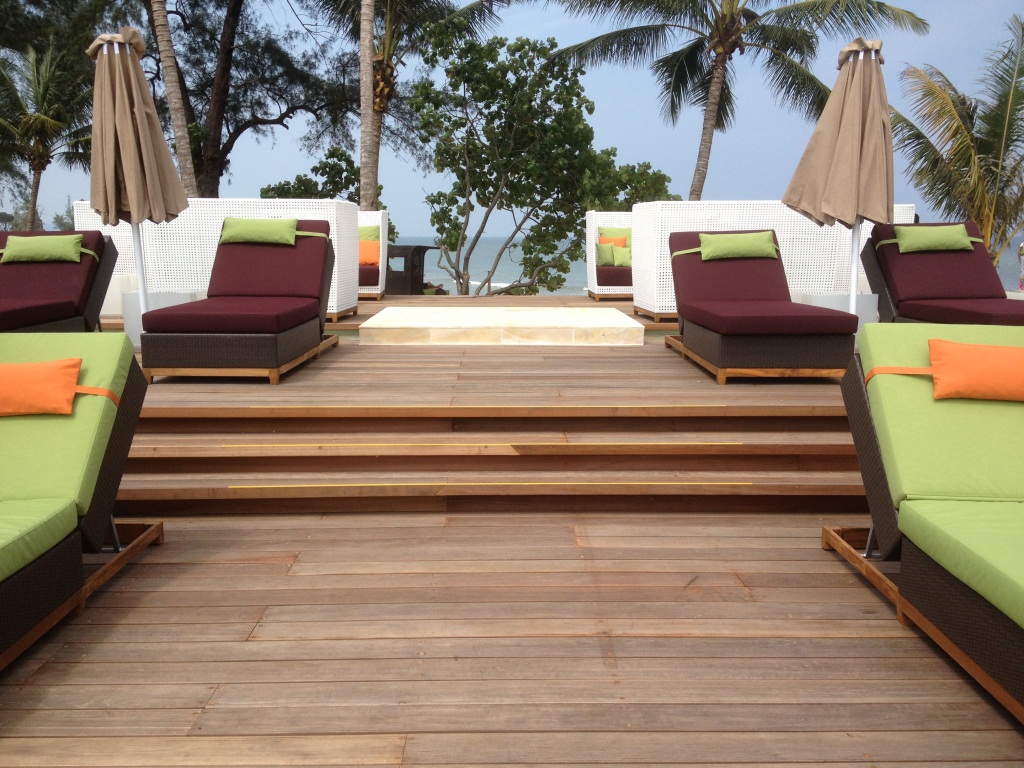
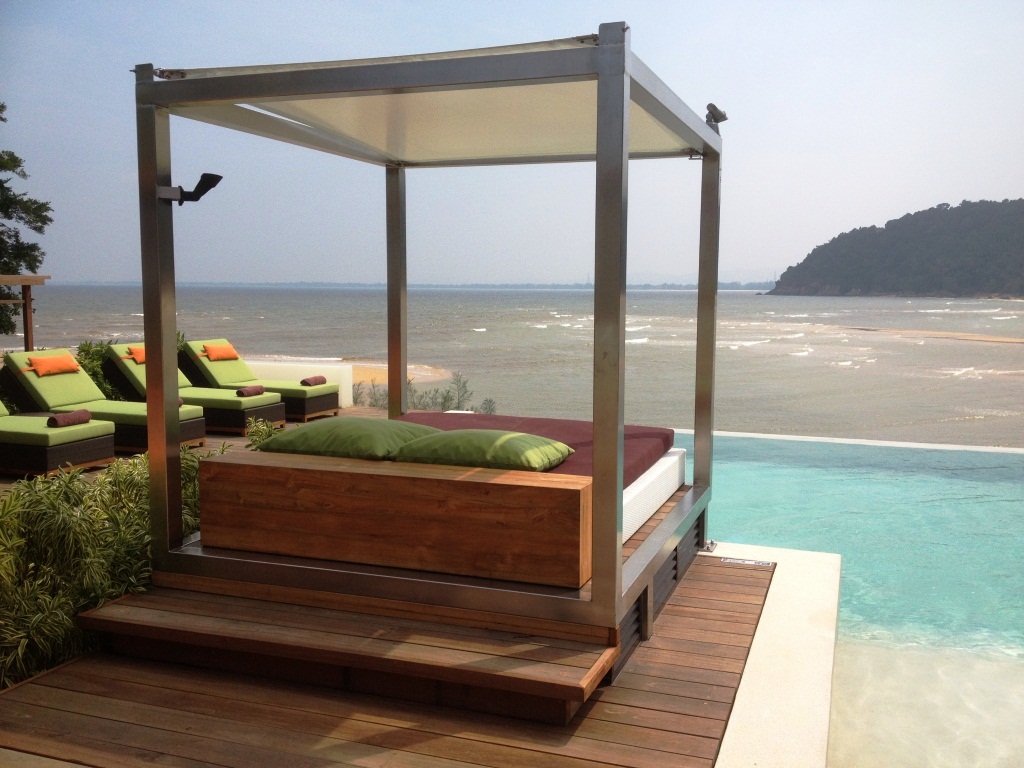
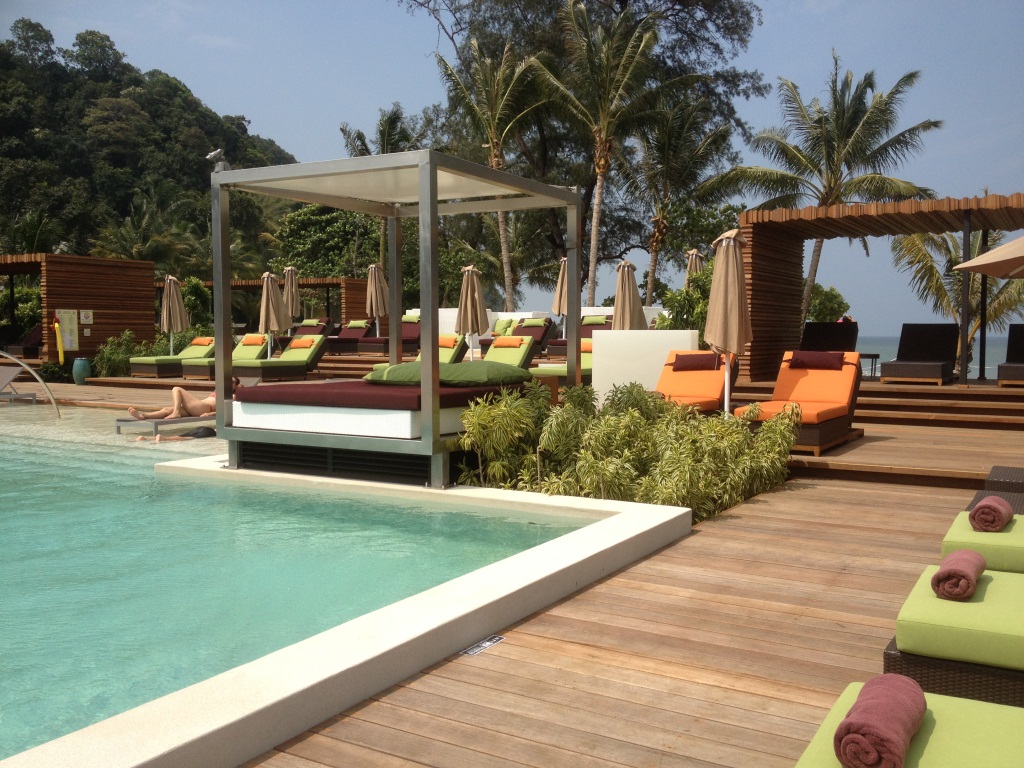
Light Watch 3-140: Here are some nigh pictures (taken with my Iphone) to give you a feel of the place at night. Professional photo’s will be taken soon 🙂
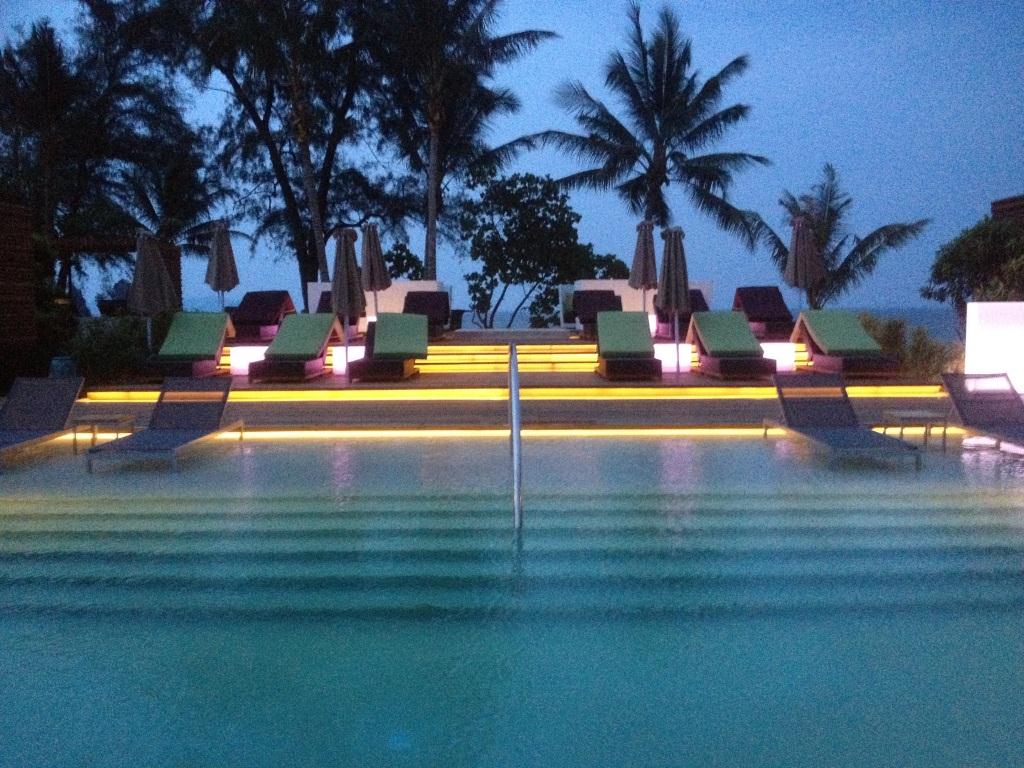
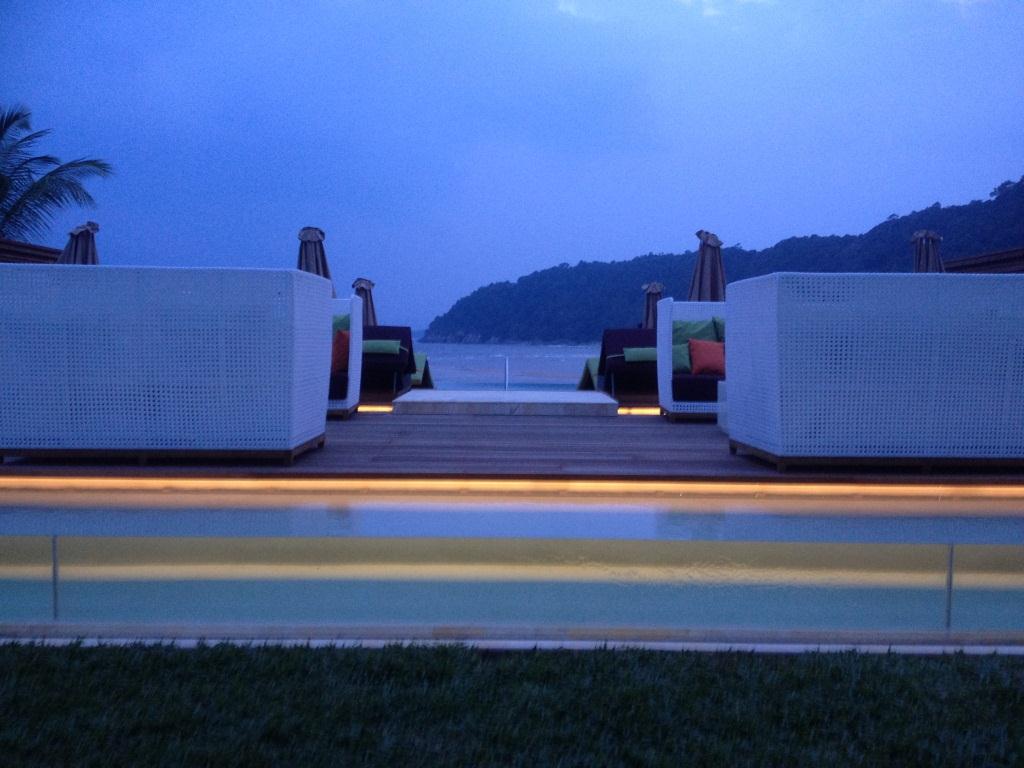
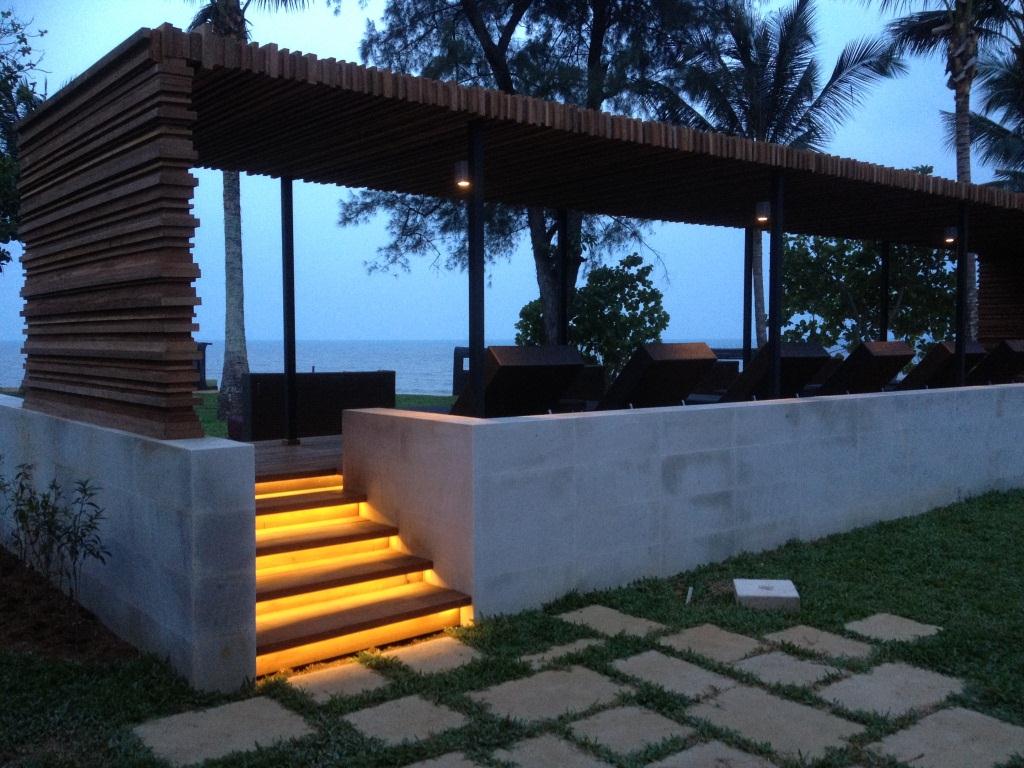
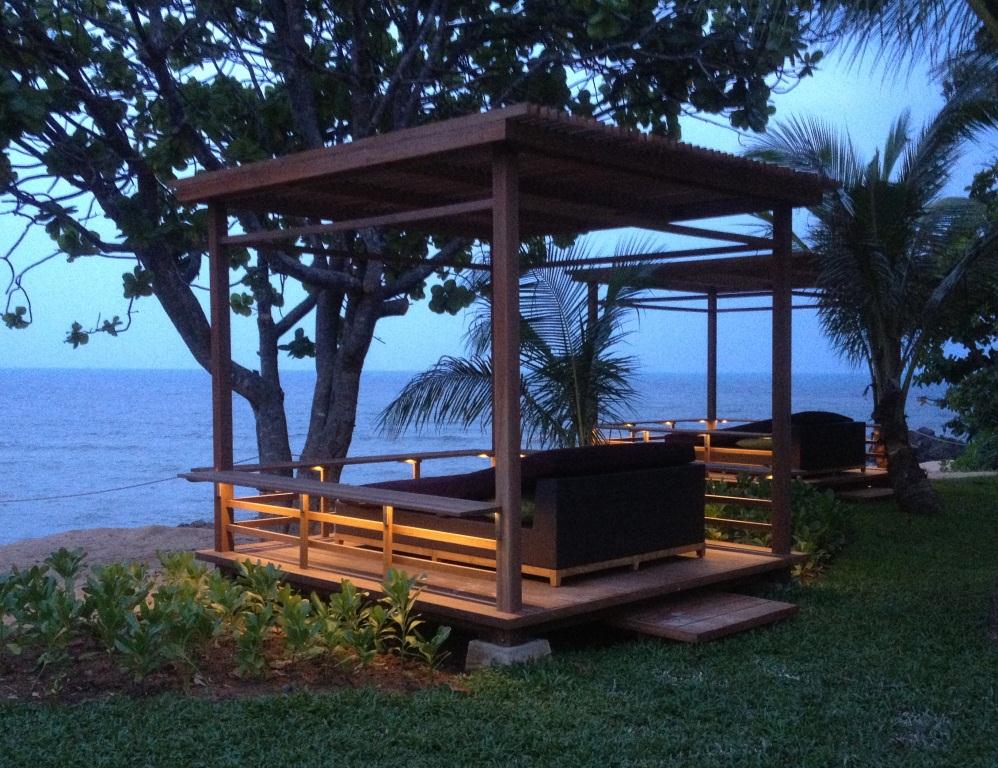
From start to finish
Cherating, 12th September 2012
Commissioning a project is nearly like the birth of a baby. For all those months, sometimes years, you have been nurturing your design, preparing the ideas and concepts to come into reality. It is really a natural process; conception, growth and birth. The first thing you do at birth is “clean and tidy things up” so it is presentable. Today and tomorrow I am on site for some further commissioning with next week a big media launch planned to announce the new pooldeck addition to the world. I was told more than 120 media representatives would be attending. I won’t be there because my role is here and now to make sure we reach the finish of this stage in one healthy go. As often with renovations the works are done in stages as to minimise any disruptions to on-going operations. With close to 500 guests on average in the resort at any time of the year it is a big operation. We should not forget that these renovations have to be funded and hence continuous cash flow is crucial.
So how beautiful is the baby? We all have our concepts and ideas when we start designing, create mood images and renderings to visualise it and then when the reality is there we look back and either say ah, yes…that’s what I thought it would be or…what the @#$% happened here! But the longer you have been “on tour’ the more experienced you get in understanding the impact of lighting effects when designing, anticipating contractor’s short comings and working with the generally inevitable budget constraints. It starts with a concept, a dream, it finishes with the commissioned installation, the reality. How close dream and reality are depends on your experience in managing expectations and the process of construction from start to finish…
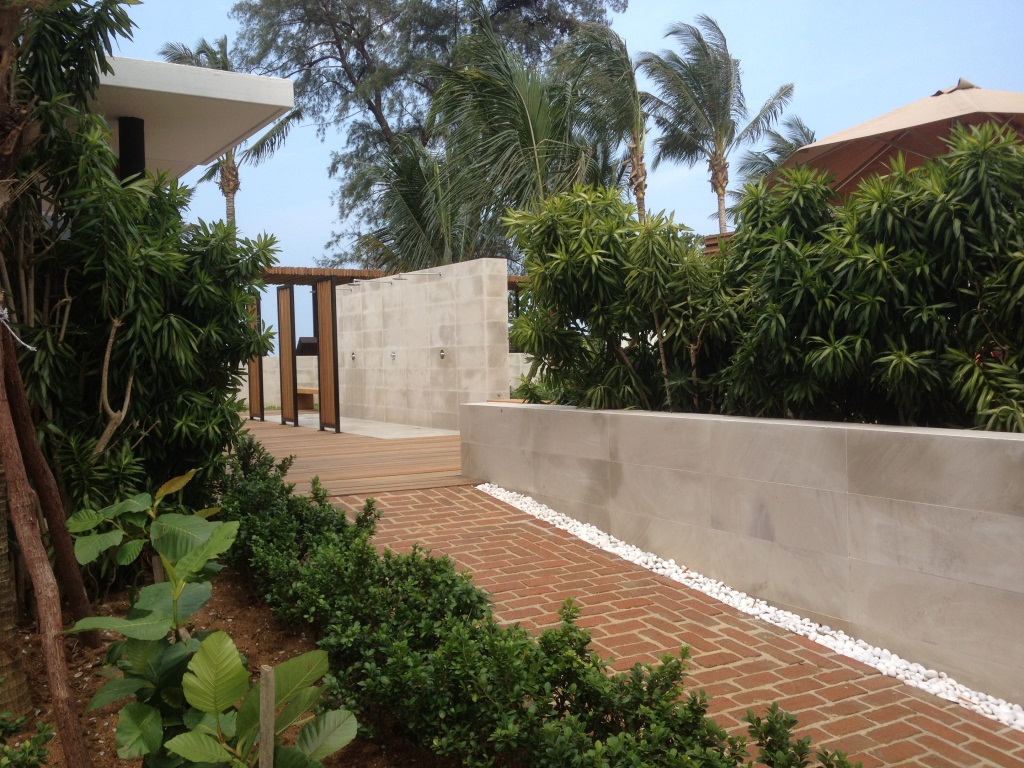
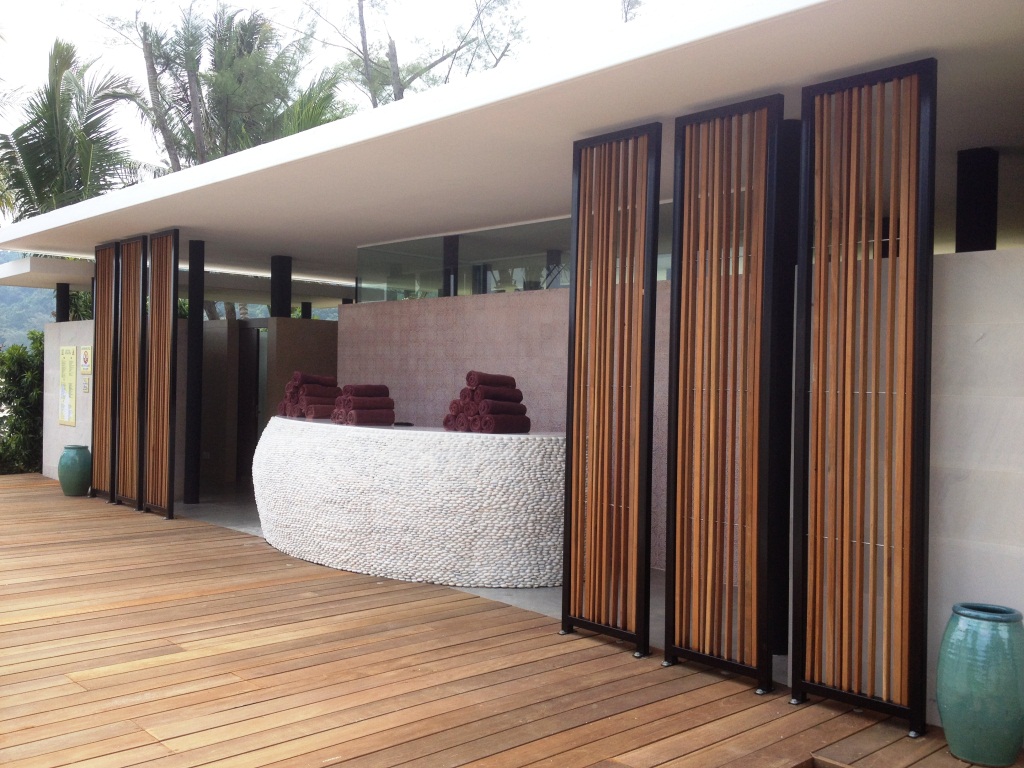
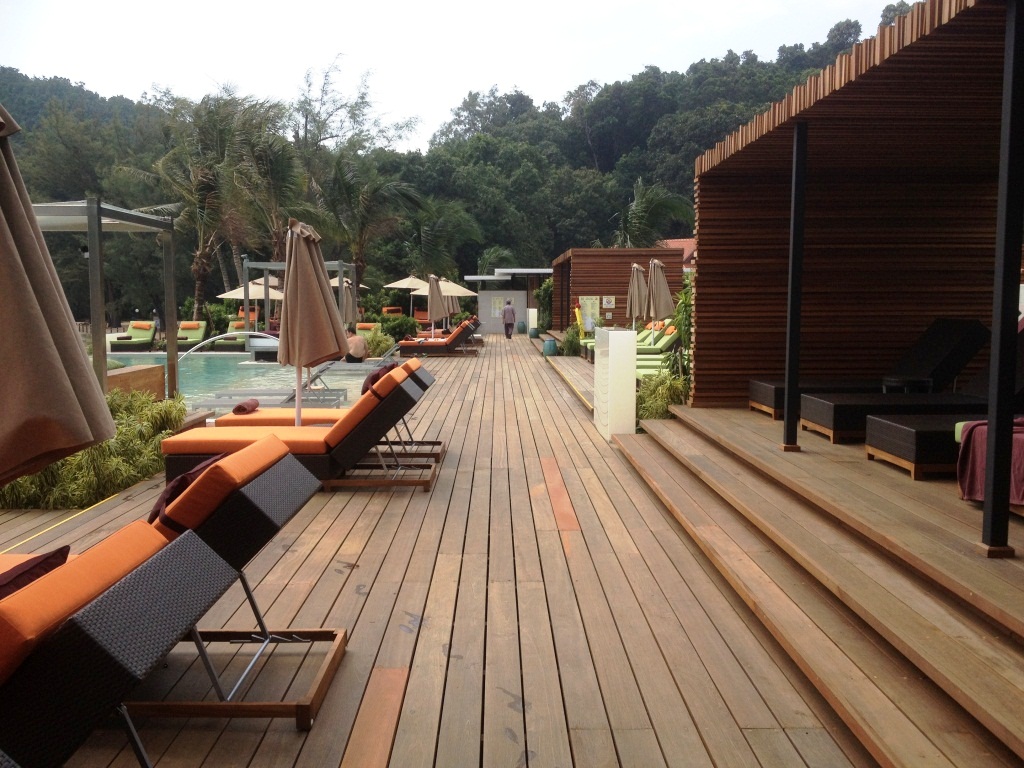
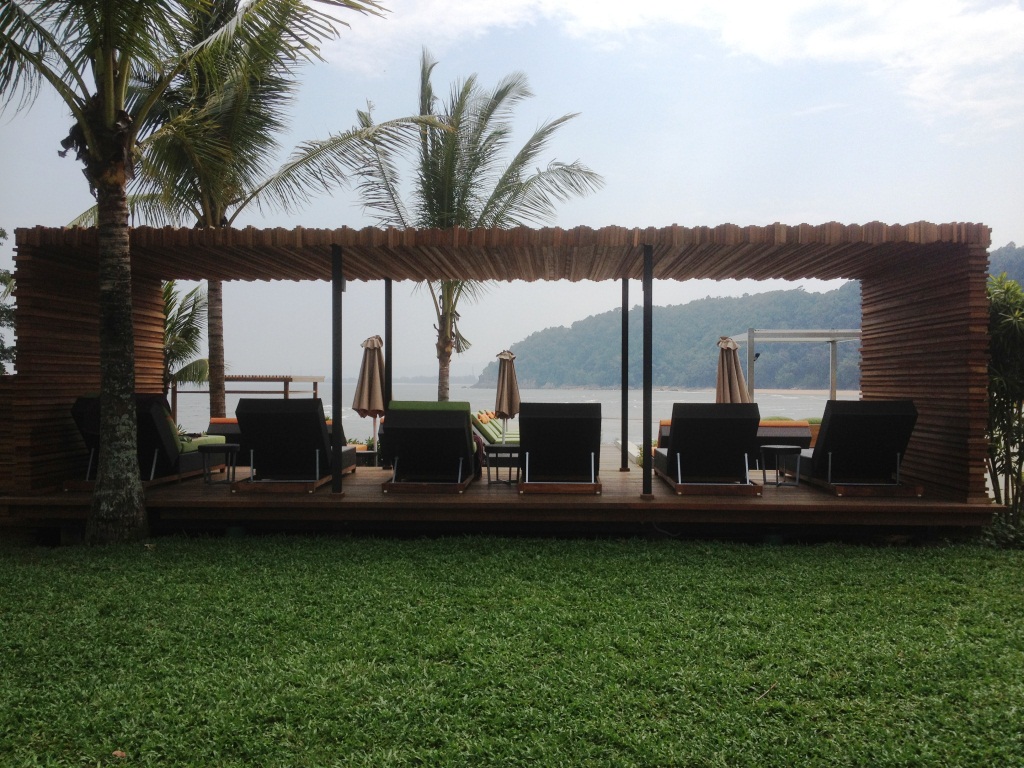
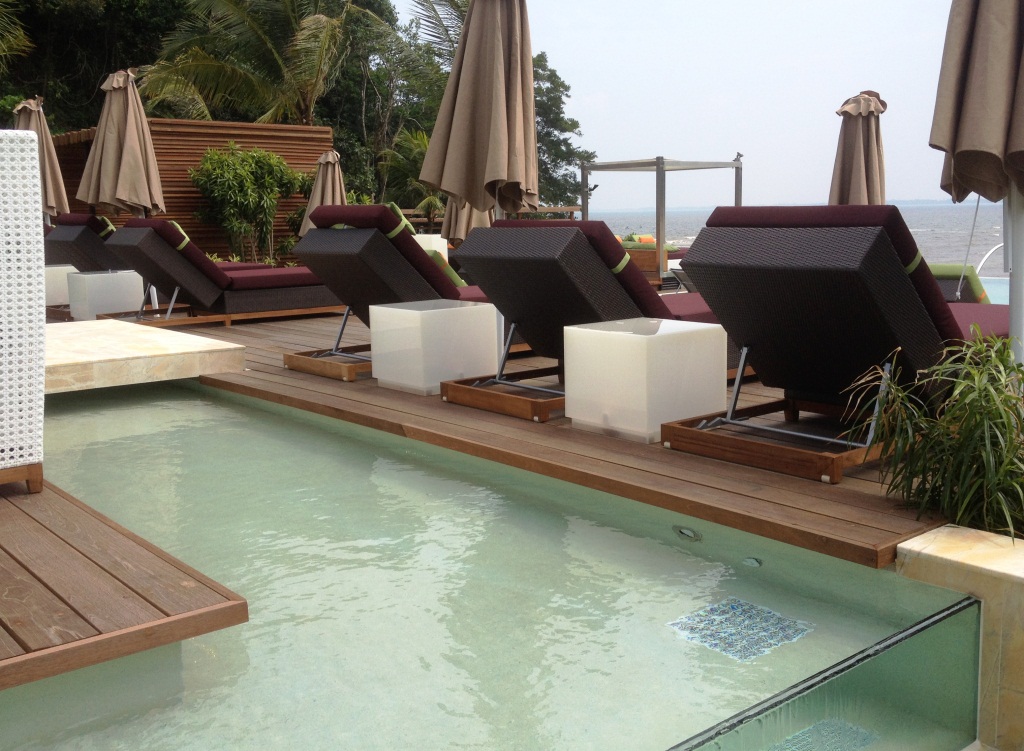
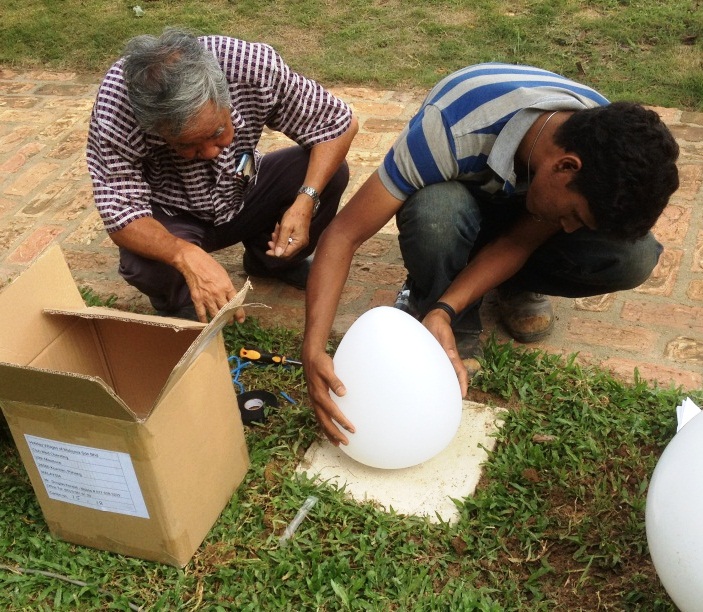
Light Watch 3-139: I have yet to go back to site tonight (hence my early blog) to do the night time programming and handover. While waiting for the darkness to set in I am spending time in the site office (where we have internet) no night pictures yet and it is unlikely I will be back online tonight…so here are some daytime mood pictures, see if you can imagine where the lights will be!
Amazing progress
Singapore, 11th September 2012
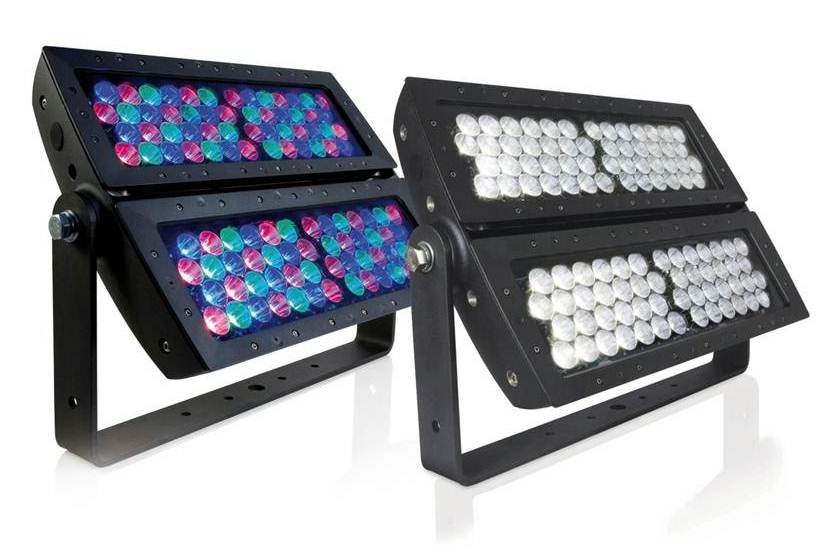
Probably a little over a year ago I was still pretty sceptical about the performance of LED technology in outdoor flood lighting applications, but I have to admit the technology has caught up with me! As we are considering lighting options for the façade lighting of a Foster designed prestigious building, we have been consulting with leading floodlighting manufacturers to get a feel of what is currently possible and the technical and electrical parameters that come with it as a result. Here are some amazing figures just for reference. It varies from manufacturer to manufacturer so my reference is just a general reflection averaged through the various manufacturer options I have been assessing.
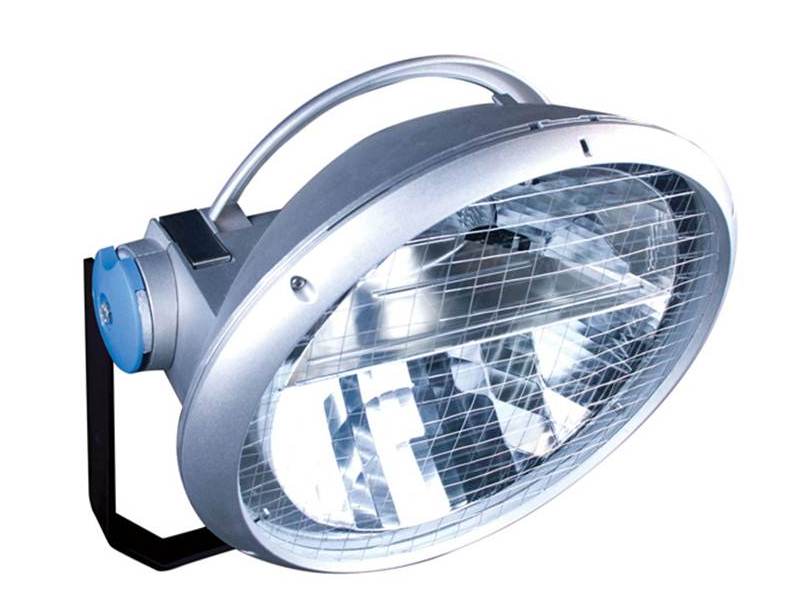
In traditional floodlighting (still valid today) I would use either a 1KW or a 2 KW floodlight which typically would produce about 15 to 20,000 cd per 1000 lumens. Amazingly today’s LED technology is able to produce floodlights with performances of up to 30,000 cd per 1000 lumens with amazingly tight beams and glare control! But as the lumens per watt for LED technology are hitting past the 100 lm/W we end up with a 250W LED floodlight easily capable of producing a lighting performance comparable to a 2 KW metal halide fixture!!! In one of the options I looked at 30 pieces of 2KW MH floodlights could be replaced by 24 pieces of 290W LED floodlights, or 7KW instead of 60KW, that is massive! But it comes with a massive price tag as well, close to 5 times more expensive.
Of course over life there is the ease of (practically no) maintenance and the energy saving to discount and that is where many of our dear manufacturers twist the figures a bit to make the LED proposition more cost attractive. Metal Halide is compared with only a 5000 hour lifespan, with the lifespan dictated by a 50% failure rate, to LED’s 50 to 70,000 hours, with the lifespan here dictated by a 70% lumen depreciation threshold. Not really an apple to apple comparison….
But having said that and price and ROI aside, the technology progress has been amazing without doubt. Add to that the amazingly compact dimensions that can be achieved and we can truly say that LED floodlighting is coming of age!
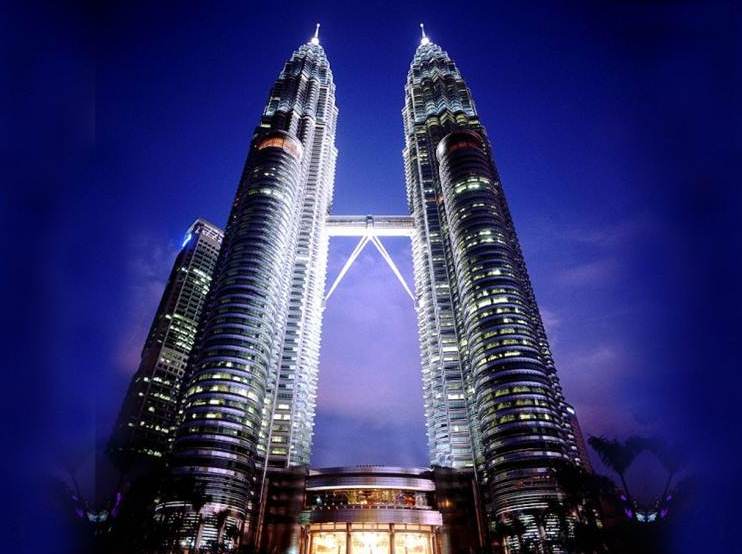
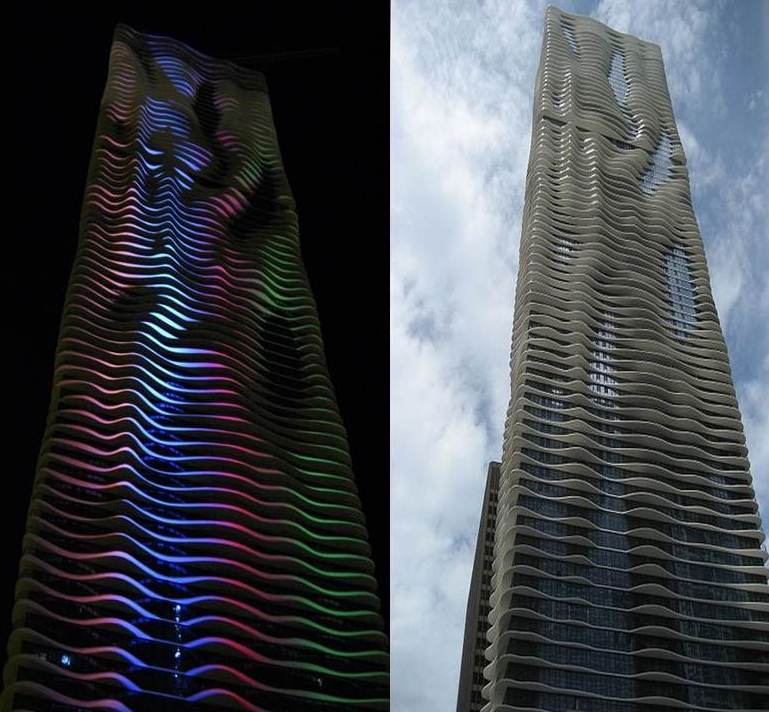
Light Watch 3-138: Conventional floodlighting using metal halide floodlights (Petronas Twin Towers, KL) compared to LED technology (Aqua Building, Chicago)
Lighting calculations
Singapore, 10th September 2012
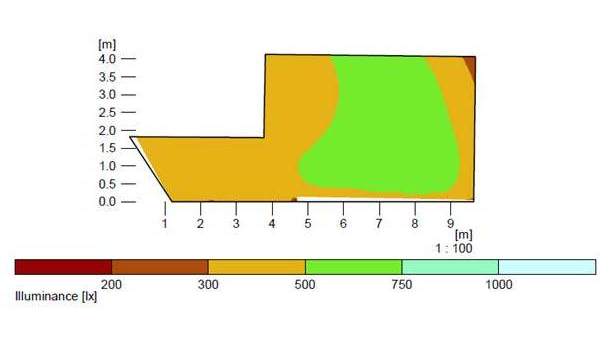
Interestingly on the heels of my last blog on best practice and architectural lighting designers, I spent a good part of the day today, assessing lighting calculations and how well they actually represented what we are after. I am not much of a numbers man, I am more a mood and ambience man with strong architectural (and visual) feelings. I don’t care too much about lighting levels (at least not as design criteria) for me it is much more about brightness patterns and the balance of light and dark. In order to appreciate the “darker” parts of a lighting design one needs to control and balance the intensity of the brighter parts.
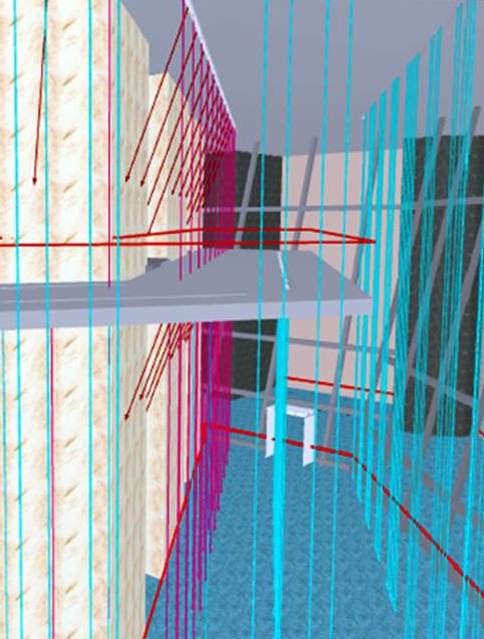
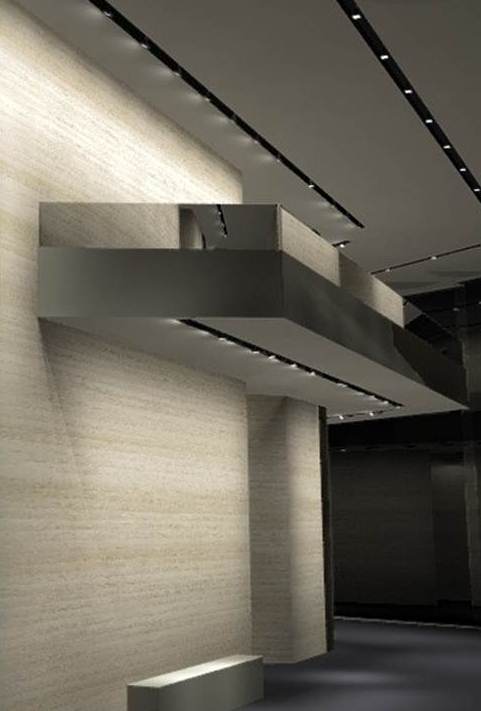
The calculations (mostly Dialux or variations thereof) have various levels of visual appreciation, from simple isolux plots to rendered 3D models. But all these calculations and renders are as good as the design criteria and the skills/ experience of the program operator. While I am no longer capable of executing complex lighting calculation software programs myself, I know what to look for, what to expect and how to assess calculation results. I was at the birth of Philips Calculux program (yes, more than 25 years ago) and taught several lighting calculation seminars in my days then. Knowing the design factors that influence the outcome of lighting calculations and knowing how to interpret the results are key to making sense of lighting calculations.
While we do our own lighting calculations, we also make use of manufacturers input as they are of course very familiar with their own products and have much easier access to all the relevant IES photometric files. But the disadvantage is that manufacturers are of course somehow disconnected to your design, they act on your instructions and their focus is slightly different. While I am trying to find the design that works, they ultimately (generally in a good way) look at it from the point of a sale. However with good spirits generally we can both get what we want but it needs communication and thorough understanding of the design issues to be resolved and targets to be achieved. Here again the clarity of our briefing is key to avoid lots af abortive work. 🙂
Light Watch 3-137: Some typical lighting calculations, from isolux, to renders. You need to understand what you are looking at!
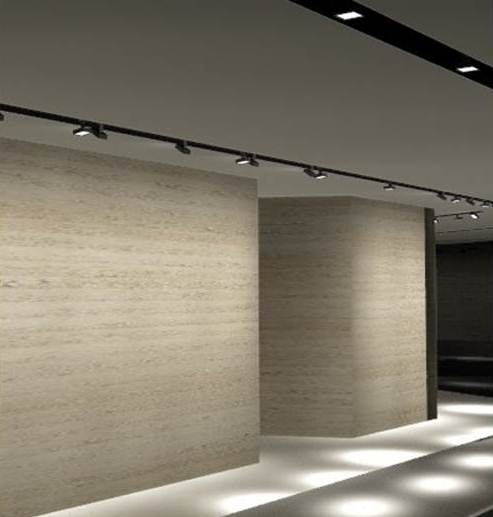
best practice architectural design
Singapore, 7th September 2012
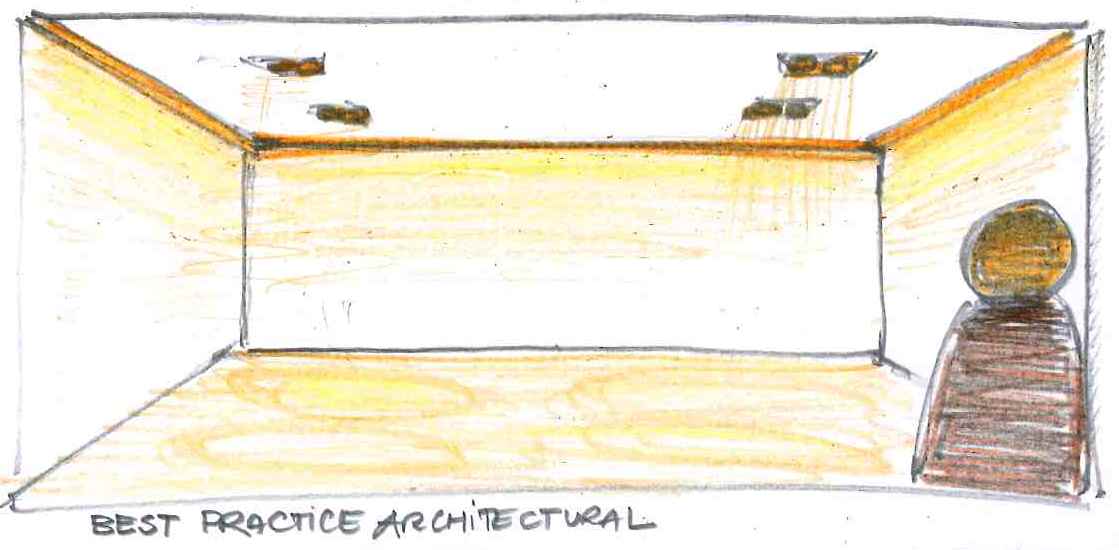
Recently I read a paper from Kit Cuttle in which he makes a plea to divide the lighting design profession into “best practice” and “architectural” lighting designers or as he states, visibility as the purpose of lighting versus appearance as the purpose of lighting. While I have great respect for Kit and understand his reasoning to differentiate between two approaches, I personally do not agree that it should be divided into two different practices, on the contrary. I can’t see how the one can exist without the other, even more, how one can be practiced without (understanding) the other. We don’t design for lux meters, we design for people and regardless how important best practice design is, without integrating it creatively with the human aspect of light and lighting, I don’t see how one can be just a “best practice” or an “architectural” lighting designer. I may be seeing it to black and white as between an engineered or a creative designed approach. But the truth is in lighting design you need the creative part to make the engineered part liveable. If the world around us was dictated by engineers only it would be a weird place…I am sure you could “see” everything, but whether it would be a visually appealing and stimulating environment is another question!
To push it to the ridiculous…Years ago a client told us off and insisted we redo the lighting design because our lighting calculations showed one point (!) with 19 lux while the requirement was no lighting level below 20 lux…really? First of all we can’t see the difference between 19 or 20 lux, secondly we don’t even see lux or lumens per square meter, we see reflections! Where is the interaction with material finishes, colours, structures, patterns, sizes, shapes and forms to name a few? And yes sometimes we have to push the envelope and brake some rules or standards in order to achieve a total design that satisfies and is in harmony with both the best practice and the architectural approaches.
In my world a good lighting designer needs to be both and fully knowledgeable of both approaches in order to create a holistic lighting design that satisfies all human and technical needs. Being either one or the other can’t be the way…
Light Watch 3-136: Best practice architectural designer…? I guess we can agree to disagree…have a great weekend!

To dim or not to dim
Singapore, 6th September 2012
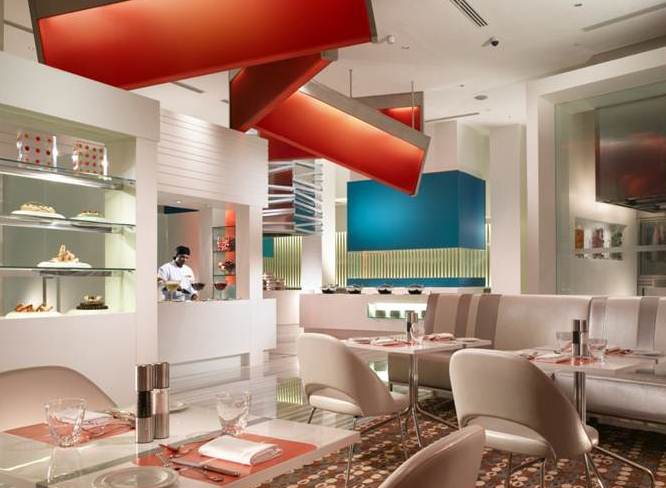
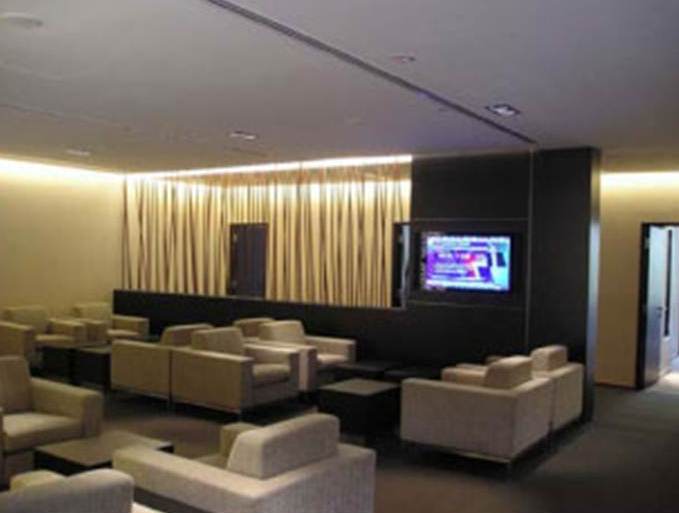
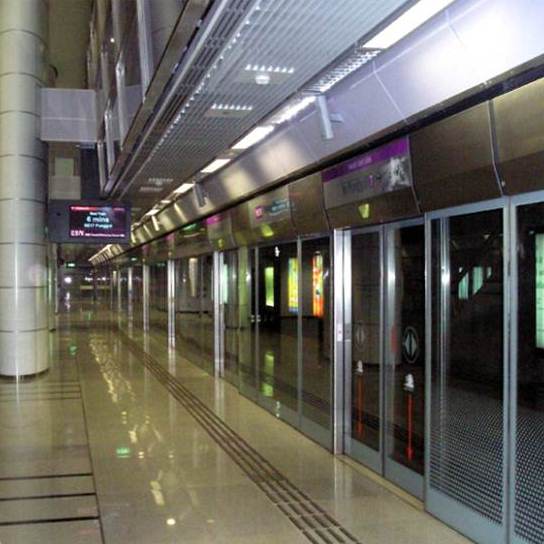
Deciding whether to incorporate dimming as a lighting feature is always a tough question, at least for me. Most people may not even loose a night sleep about it because if you always incorporate dimming the only thing you have to do on commissioning is adjust the levels to suit. You don’t really have to think too much. Never mind if you put in too much light, you can always dim down later and you can always weave a story around why you planned (or “conceptualised”) that much light in the first place. Getting it right from concept without dimming is far more difficult! Incorporating dimming systems is not cheap. A regular hotel dimming system can easily add up to $100,000 so considerate thoughts towards the extent of dimming are a responsible part of the design process if you care about your client’s budget!
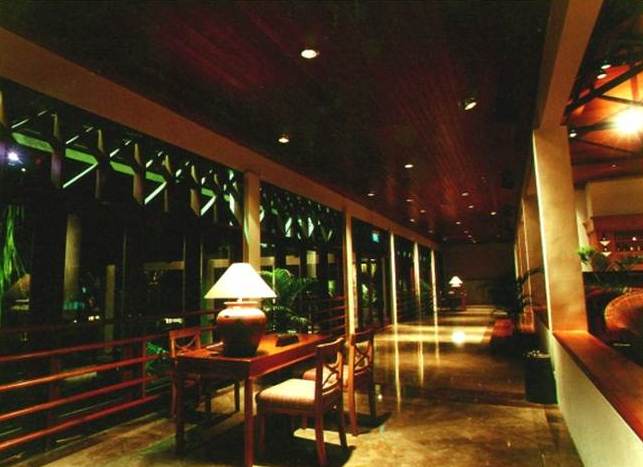
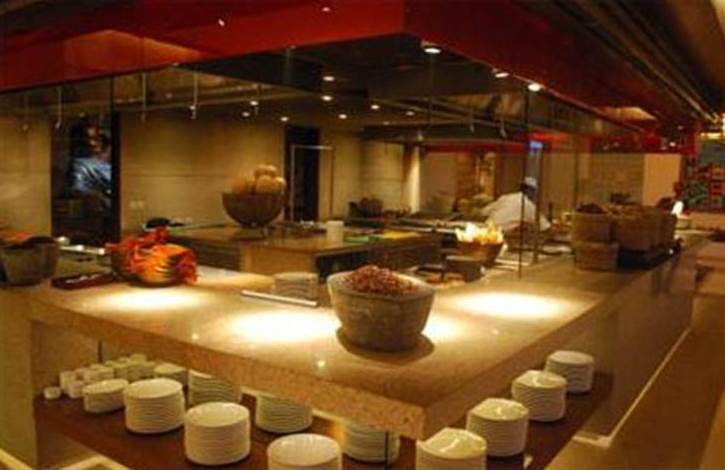
The whole process of getting the lighting levels and ambience right is a matter of experience. Lighting layouts, circuit looping, lumens per watt, light distribution, brightness and intensities… all this contributes to the overall lighting result. There is a school of thoughts that by cleverly looping and “lay-outing” lights together you can achieve lighting levels and ambiances by just switching groups of lights on and off, rather than just hitting the dimming controls, in other words getting it just right with the “perfect” lights. But is infinitely harder to do and achieve specifically in an environment that has so many variables such as material finishes, colours, transparency of materials, architectural configurations. Add to that the daily brightness variations of sun versus cloudy or bad weather when you deal with day time illumination or the environmental spill light if you deal with night time illumination.
Most of my day was absorbed by issues concerning dimming, more or less revolving around how to deal with the lighting level settings with dimming reduced to practically nothing in one project and totally taken out in another project. The first requiring some re-zoning and re-arranging of circuits to allow partial switching, the latter finding solutions to reduce the lighting level physically by controlling the light distribution. I will get there, but it requires all my experience to find the right solutions.
Light Watch 3-135: I went through some of my projects to look for some examples where we ended up with no or limited dimming, either consciously or through budget restrictions. Lighting levels and ambiences achieved through partial switching.
Standing your ground
Singapore, 5th September 2012
One of the most difficult things in lighting design is to stand by your design specifications and the implications it has either technically or financially. We are fighting these battles nearly daily and today was no different. Whether it is the economy or the tight budget (put together and administered by someone not understanding and appreciating the importance of good lighting) is hard to tell, but the impact is noticeable.
Today I pulled the emergency brake on one of our clients after we were told to further reduce the cost. This after we had already gone through two rounds of extensive cost cutting (value engineering as it is neatly called) for which we were even paid additional fees! But after these two rounds which also included architectural and interior design modifications (simplifications), I felt we had scraped the bottom out of the pan in how far we could value engineer the lighting down. There are some basic minimum standards to up-held and our professional integrity demands that we do so! That is why we are hired, that is why we are being paid! There are some designers for whom it’s their way or the highway, but we are generally accommodating in consideration of the clients budget…but there are limits and today we reached that point and I had to pull the brakes.
I have called for an emergency meeting with the client and the operator (they will have to run the place and should know what they are in for!) to make our position clear and make sure everyone understand the implications of any further cost cutting of the lighting. I was told that they want to cut the cost to a further 1/3 (!) of the costs achieved after the two rounds of value engineering! To me that is impossible. Lighting is always an easy target and one of those small last little items on the budget but visually the impact is far reaching! We have reached the lowest acceptable quality, I am not sure how we can further reduce quantities, so it’s time to look elsewhere for further budget costs or put the money where their mouth is! I am standing my ground!
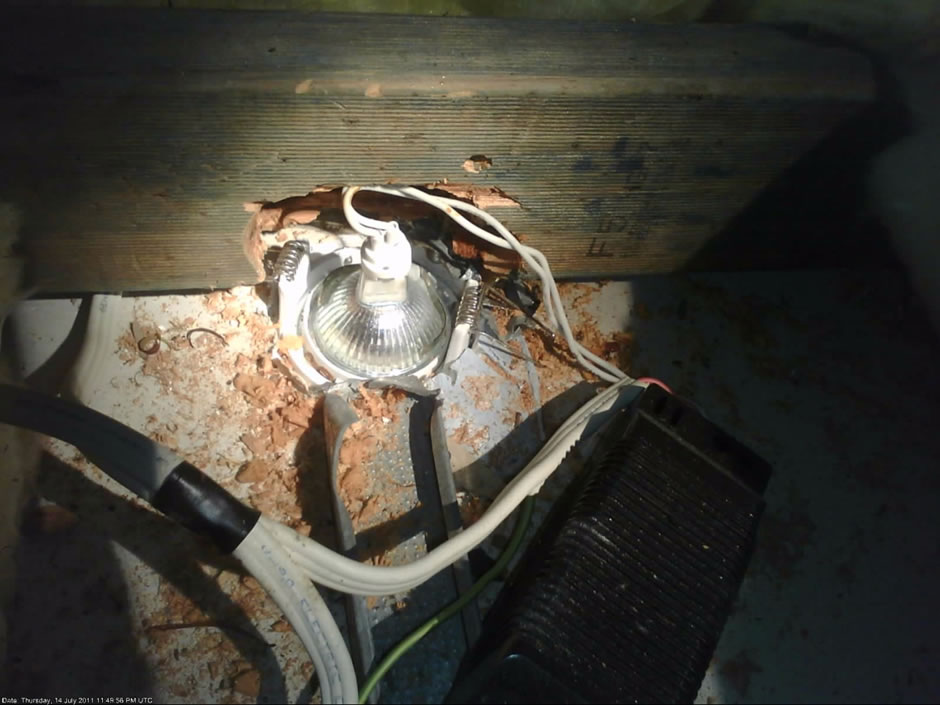
Light Watch 3-134: Just a few days ago the West Australian newspaper ran an article blaming down lights for house fires. Poor quality and poorly installed down lights being highlighted as the cause! As a professional I cannot afford to have this tagged to my name hence I have to make my stand clear to the client.

Finding “Nemo”
Singapore, 4th September 2012
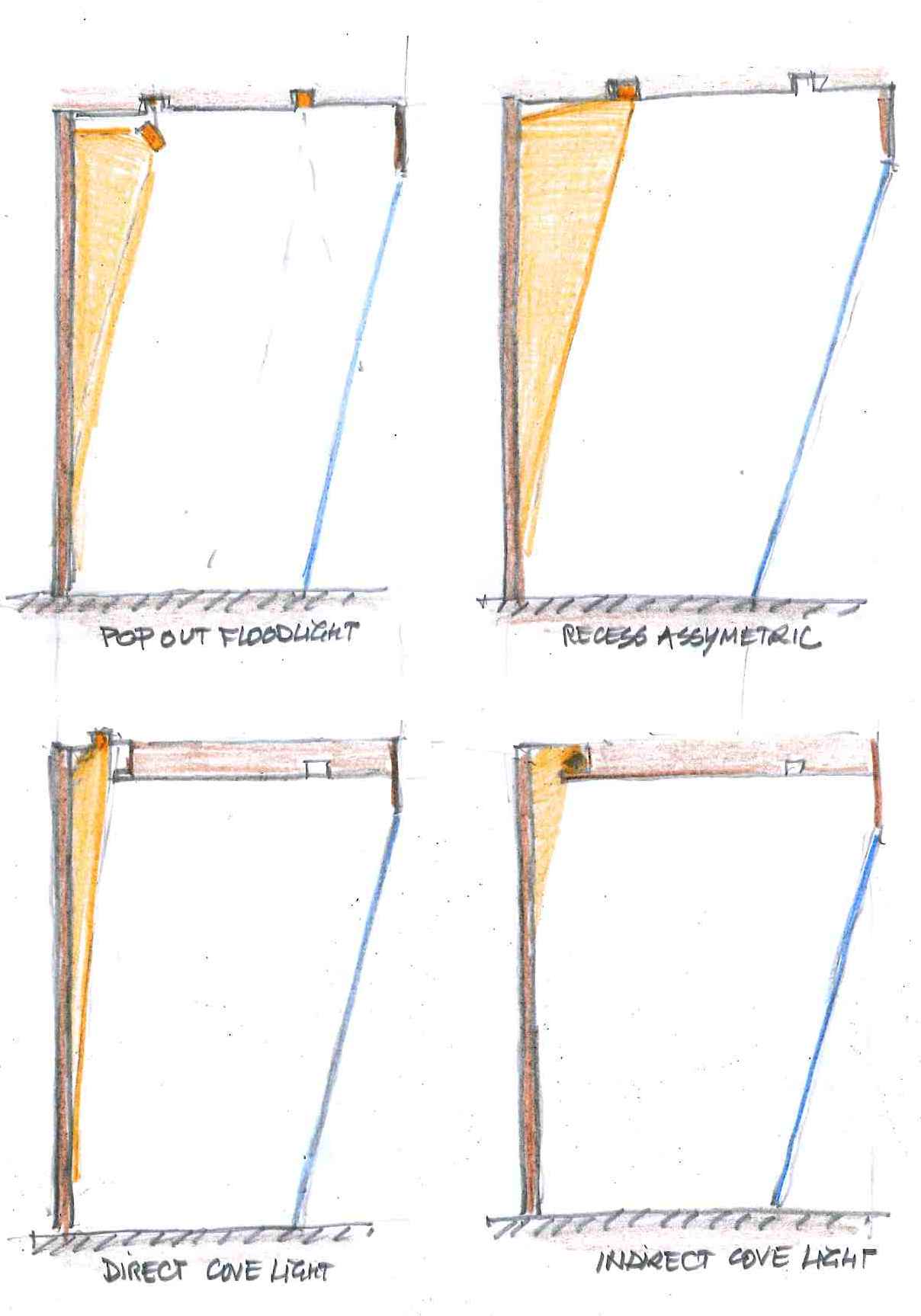
While I am not going to talk about making movies, I am making an analogy with the long and winding road to finally get to where you want to get to. Finding the right lighting solution (“Nemo”) can be a long and arduous route. Today I had a lighting design session that felt a bit like finding “Nemo”. I know what I want to achieve as final lighting effect, a basically simple uniform vertical wall wash in a high void building atrium together with proper lighting levels in the atrium. The ceiling is about 4 stories high, but the lighting design is a bit complicated by firstly a mezzanine floor protruding from the wall half way into the atrium at the 3rd floor and secondly a tilted glass window frame which cantilevers out about 3m from the ground floor plan, in other words the ceiling plan is larger than the floor plan.
We are on the same page as the architect in that we do not really want the lights to be seen but rather the resulting effect in the space. So the principle concept calls for linear coves that will recess/ hide the downlights out of view. However two major challenges need to be overcome. First we want an even uniform wall wash, right from the top of the wall, no scalloping. Second we are dealing with the sloped window pane which potentially can create irritating reflected glare. So obviously it is about location, location, location and optics, optics and optics.
I generally work backwards (well in my vocabulary it is forward) when designing looking at the lighting effects/ moods that I want to achieve first, then working my way back(for) towards the lighting fittings that will be able to do the job. This then impacts on location and installation details, such as layout, spacing and dimensions. We have come up with a couple of options which we now work out in terms achieving the desired lighting levels and uniformity, with quality to determine quantity!
Light & Learn 3-18: Here are some of the wall wash solutions we have been investigating. We have not decided on the final design solution, though I have a pretty good idea what we will select. Final decision will be made once we have weighted the costs and energy loads of the options. Sustainability remains key to every solution!

The perfect client
Singapore, 3rd September 2012
In my first season of blogging I asked the question about what would constitute the perfect project. Last week when I was in China, someone asked me about the perfect client. Does such person exist, a dream client? I think that as (lighting) designers we all have this ultimate desire to get a client who is willing to pay astronomical fees, only wants what you want and leave you totally do your job in your own peace and time. Of course he pays everything in advance, provides business or first class travel if not his private jet with limousine pick up at the airport, presidential suite living and all expenses paid including an appearance fee when you go to meetings or site. But that is of course wishful thinking… or is it?
For me the most important thing I want from a (perfect) client is trust and respect. Without that all the rest is meaningless. It is most gratifying when you work with a client that appreciates your skills and expertise and respects your ideas and recommendations. The next best thing is a client who is willing to put his money where his mouth is. Many clients ask a lot but when it comes to it don’t really have (or want to invest the) the money to follow through. Closely linked with that attitude is generally being a good paymaster. I love clients who pay when pay is due. Most of the time the opposite is the case with clients dragging their feet constantly while building so many administrative levels for approving and executing payments that the project is about to finish by the time you get your first payment. We generally ask for 14 days, settle for 30 days and get paid in 60 days or more. But we have some really nice paymasters too, some who within a week of invoicing have processed the payment into our account. And you know what…we go through hoops for these clients as for us prompt payment is a measure of trust and respect!
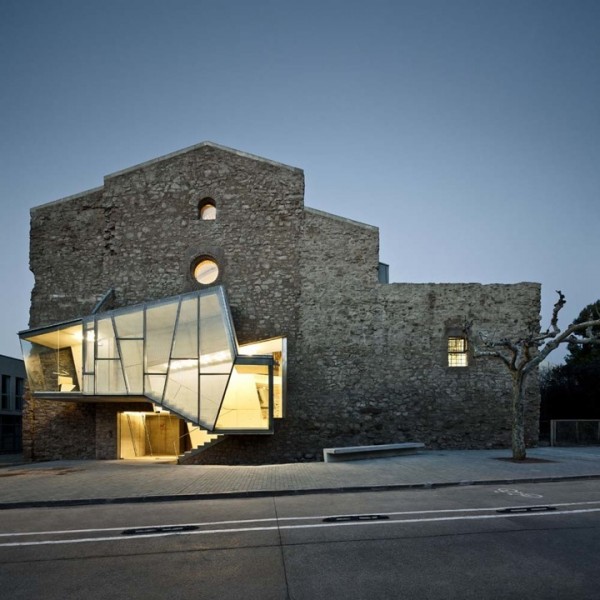
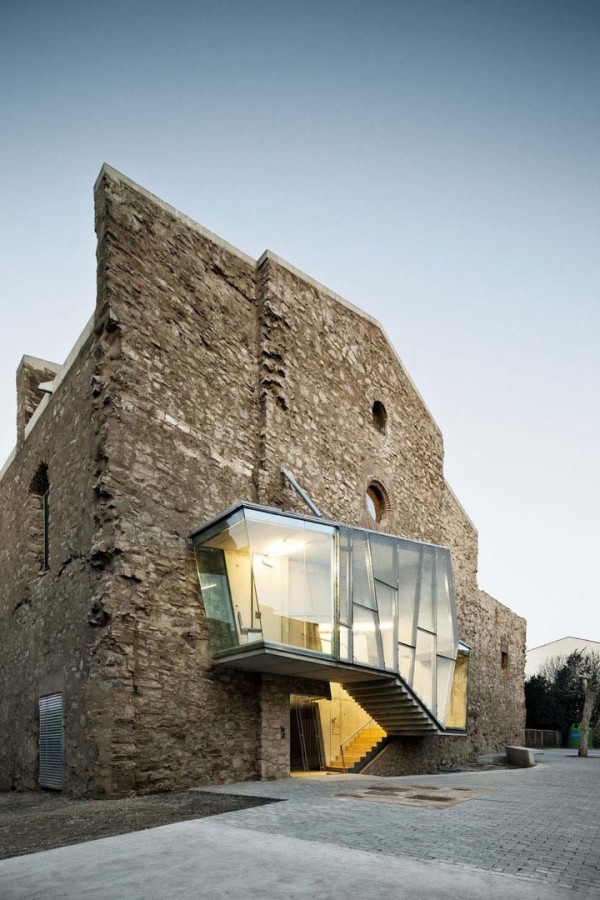
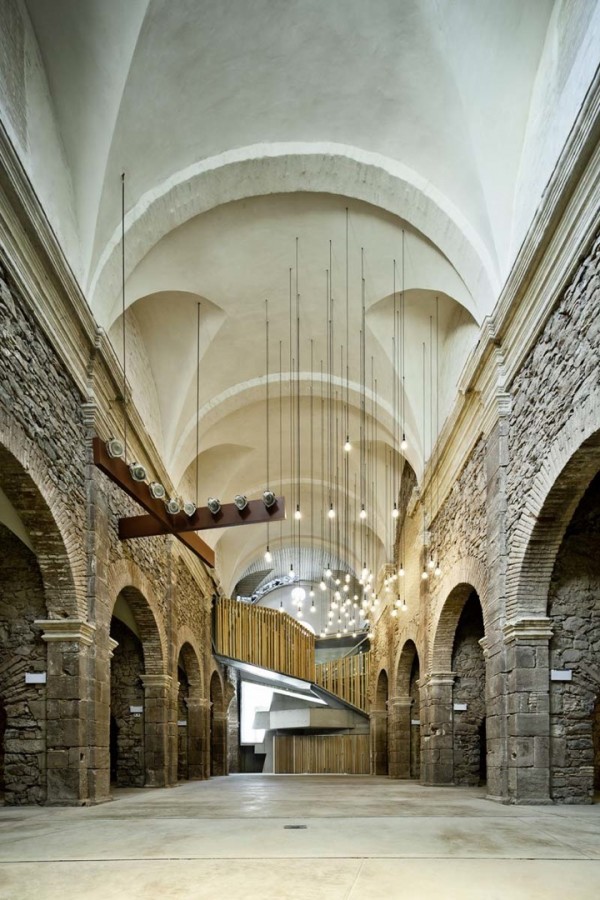
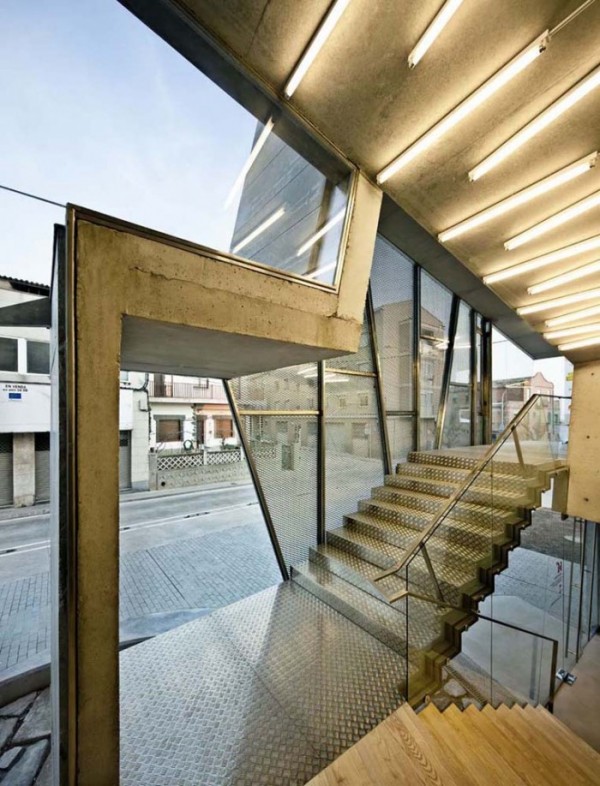
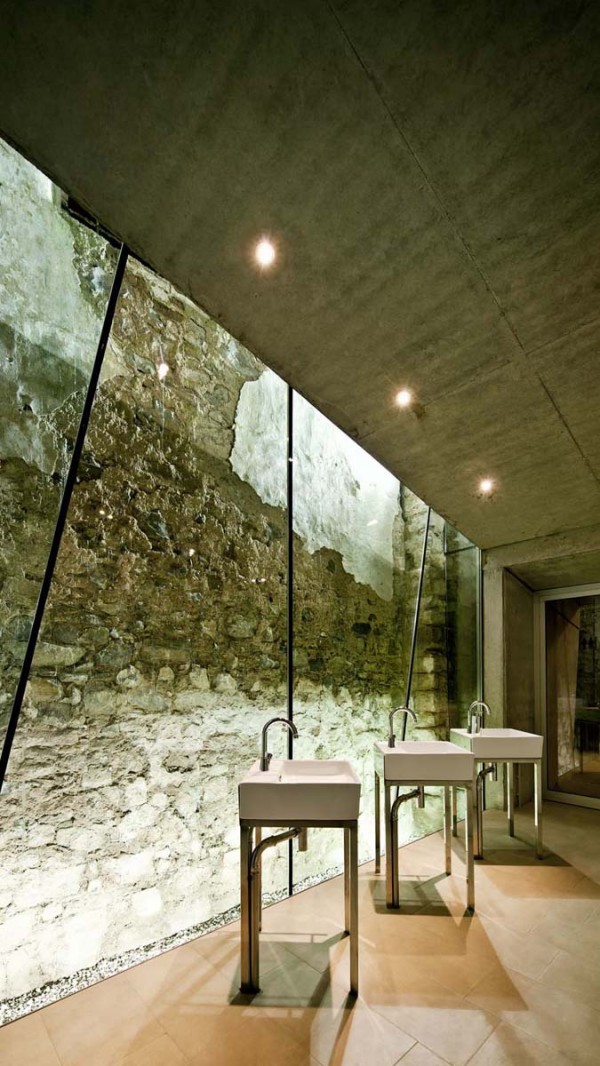
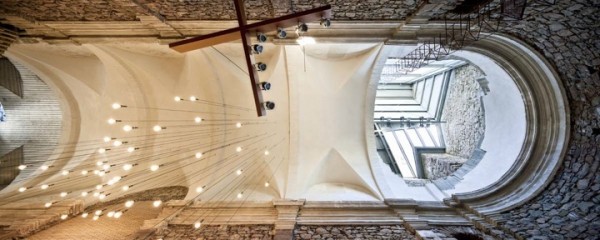
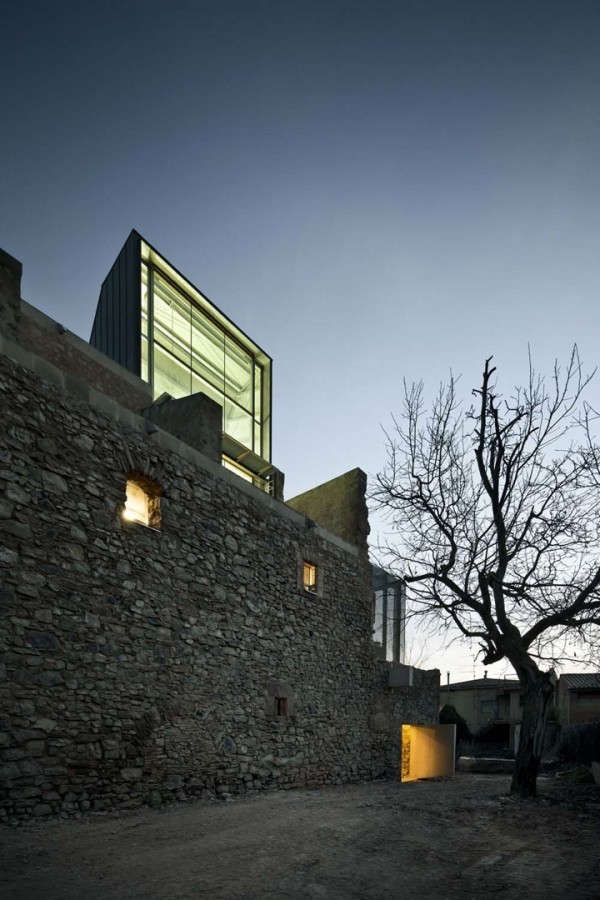
Light Watch 3-133: I draw lots of inspiration from what other designers create. In the little town of Sant Pedor in Spain, David Closes Architects converted an 18th Century church, The Sant Frances Convent, into an auditorium and multicultural facility, perfectly blending old and new. It is no surprise that lighting is a key ingredient. Images from www.trendland.com
 The long awaited book compilation of Martin's first year of blogging is available. Order now.
 Feedspot Top 100 Lighting Blogs