
Colour!
Singapore, 18th October 2012
While the Noche Zero event in Chili should be in its final stages (an event I unfortunately could not attend, but hope to catch up on soon) I am left pondering what life without light would be! We take light for granted, but if one our main senses, sight (80% of our information is received through our eyes), would stop generating information what would we miss most? I think colour! We are blessed that we can see colour (some say that blind people can feel colour…). Part of a lighting designers job is to manipulate, enhance or control the way we see colour and in my design vocabulary colour is generally driven by nature, the way colours appear in nature. It feels “natural” to us. The rainbow is probably the most iconic colour configuration known to man. It is also at the heart of our artificial lighting technology.
When we speak about colour it includes the shades within the same colour range. I don’t know how many colours that can technically be produced (millions I have been told) but I doubt we can really see all the nuances. I don’t think our eye has the capability to differentiate so many shades. Much in line with lighting levels, you can’t see the difference between 20 and 21 lux, but we can see the difference between 20 and 40 lux or 50 and 100 lux. The increments have to be of some substance to have any visual effect.
Imagine lighting design without colour, we would be working with light and dark only with associated effects like intensity, distribution, reflections and transparency. Colour is very much a key ingredient in our design process and now, with the unlimited availability of RGB LED variations, understanding and appreciating the role and impact of colour is more crucial then ever!
Light Watch 3-160: Colour!





Lighting design today
Singapore, 17th October 2012
Lighting and lighting design does not stand by itself. It is part of our total visual environment, perception and experience. It comes integrated, and hopefully coordinated, with architecture, interior finishes, materials, colours, shapes, forms and the people using the space. But in practice running a lighting design practice interestingly does not mean you are doing lighting design all the time. On the contrary! Of my total time dedicated to my practice, pure lighting design is probably only about 10% of my time, the rest being dedicated to management, meetings, communication, administration and the like. I think this sounds familiar to many….
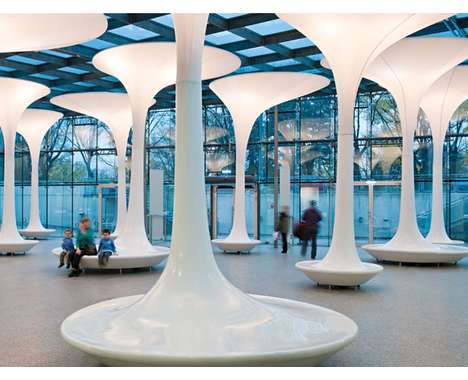
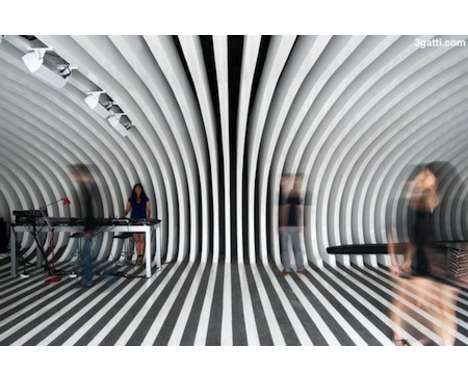
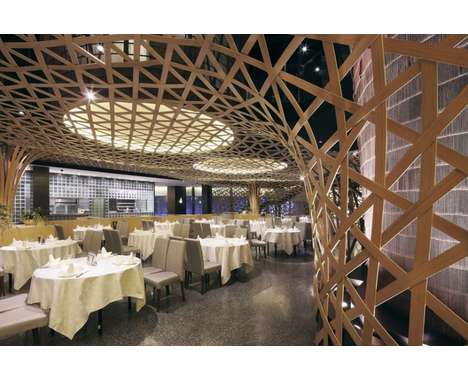
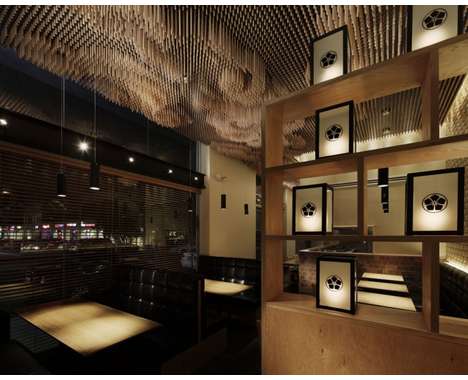
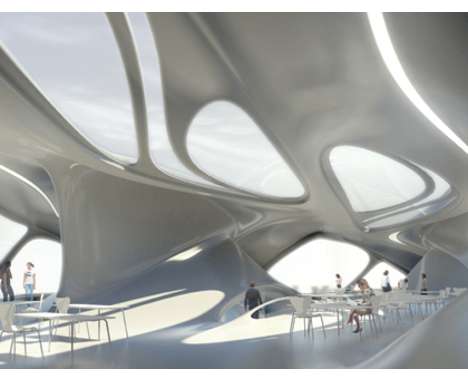
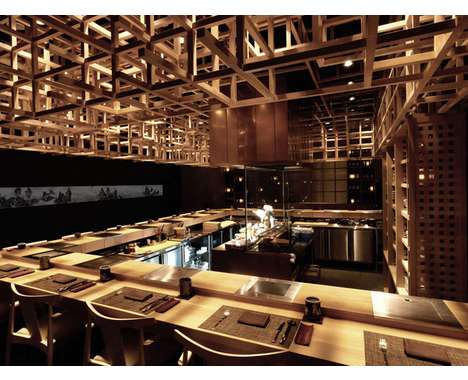
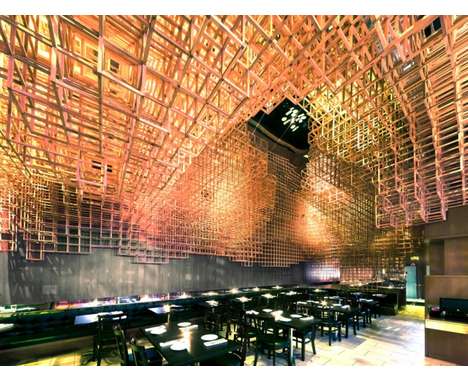
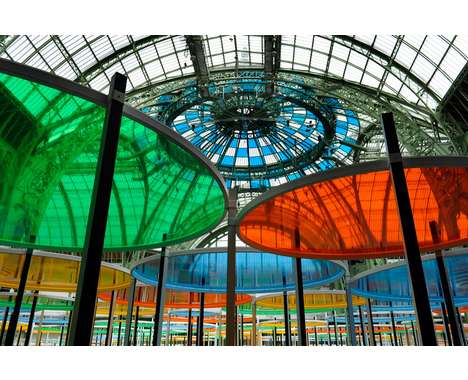
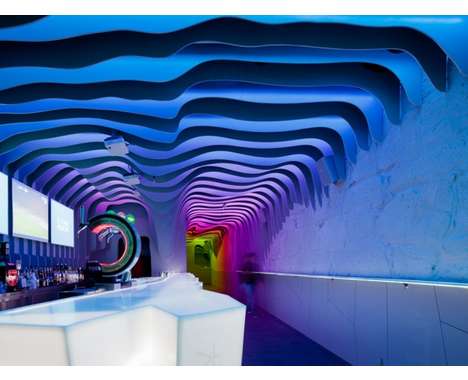
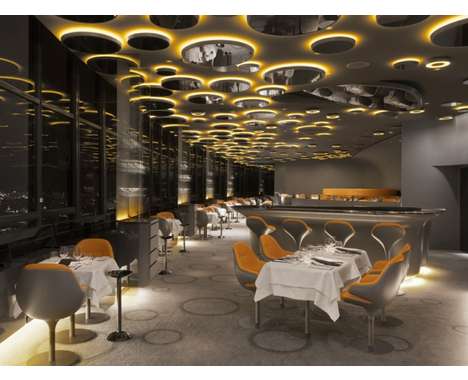
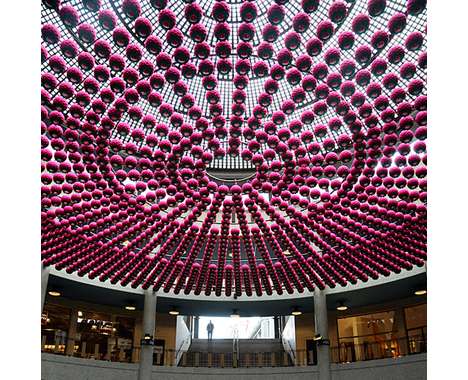
Our lighting design skills depend greatly on understanding the environment we design our lighting for. Take the architectural complexity (the Zaha Hadid’s of this world with not a straight line in sight!) or the multitude of shapes, colours and textures that interior designers sometimes throw at us. Sometimes in a double whammy with the F&B specialist who come out with these wacky restaurant themes. Validating these concepts can be quite challenging as contrary to more straight forward spaces, lighting here can really make or break the overall feel and ambience. It really has to become part of the total experience.
It is hard to learn from behind your desk. It takes years of practical field experience to be able to design this properly. It also requires you to understand the (other) designers issues, the clients operational wishes, let alone his financial constraints. Even today, after a lifetime in lighting design I still have my doubts to the end result at times. This has several reason. We can’t control all the elements, many of our lighting design decisions being based assumptions, samples or partial mock ups. But, (assuming we can control the light fitting quality), lighting technology moves and improves so fast (think Iphone1, 2, 3, 4 and now 5 as a metaphor) that our experience with lighting today can be obsolete tomorrow! We are now advocating to wait till the last minute in confirming the final (LED) lighting specifications so we can make sure we have the latest version! How times have changed!
Light Watch 3-159: To give you a feeling of the complexity of our design requirements at time, here are a collection of challenging ceilings. The things we have to deal with at times!
Specifications
Singapore, 16th October 2012
How critical are lighting specifications? In this day and age, where we have to deal with a continuously moving target called LED technology, getting your specifications right is quite a challenge. And quite frankly after all the issues we have had with LED’s up till now getting a good handle on what you specify is becoming critically important. The days of specifying incandescent, halogen, fluorescent or metal halide are gone and with that the simplicity of specifications. Logging in the specs to clear and understandable performance criteria is becoming a need for various reasons. First of all to weed out any potential “Cowboy” alternatives (where the sales person often genuinely believes he has a good alternative product until you explain the difference…!) and secondly to give your client some piece of mind about your own expertise and the quality (value for money) that he will get with your specs.
This in turn requires us lighting designers to be at the top of our game, being aware what constitutes critical quality and performance criteria for the desired lighting effects. And when it comes to LED lighting I am not ashamed to tell you that I am struggling to get my head around it. For instance the wattage of an LED does not really matter anymore…it is its output in lumens (per watt) that is far more relevant as a key indicator. We now surely need to specify the driver type/ performance that goes with the LED lamp. Any dimming requirements need to be thoroughly tested and checked out to assure dimmer/ lamp compatibility.
One of the things that bugs me most is the lifespan promoted by the manufacturers (please read the fine print terms and conditions that come with them!). I have suppliers that offer me 1 year warranty for their LED products. I don’t think they really understand what’s going on. With the long life that is being promoted we request a minimum of 5 years warranty (terms and conditions to be negotiated between client and supplier). At least that puts the promoted LED qualities in a zone of comfort for our clients. With some manufacturers already offering 7, 10 and life warranty, it is certainly an exaggerated request.
In this day and age I think we all need to rethink our specifications when it comes to LED to better reflect and assure the longevity of our lighting design.
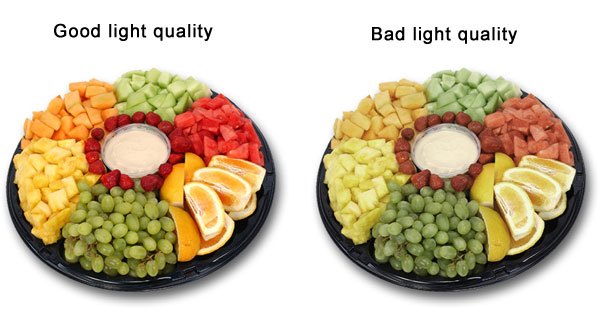
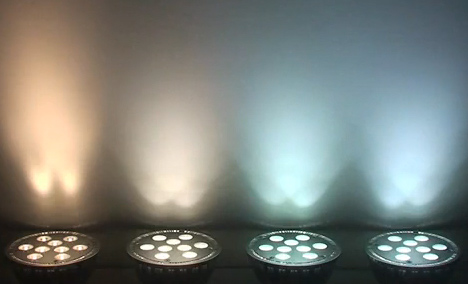
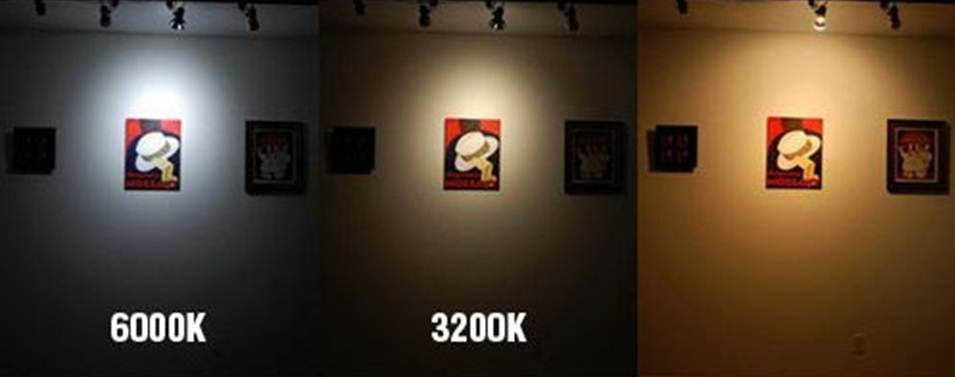
Light Watch 3-158: Colour rendering, colour temperature and light distribution

Across the universe
Singapore, 15th October 2012
In our daily life as lighting designers we deal with (“lighting”) people from all across the universe, from developers to contractors, from directors to workers, from manufacturers to suppliers. Depending on who you talk to, who you work with, who you work for, you get different views, different opinions and different reactions. Over the last week I was dealing directly with a manufacturer’s head office to work out a special project version of one their latest LED lighting products for one of my projects. Over the years I have of course build up a close and direct relationship with many of the main manufacturers’ head offices, so often I go directly to the source if I have special requests. Not necessarily because the local representatives are incapable, but knowing that they will contact the head office anyhow, I may as well shortcut the communication line and avoid things getting lost in translation. No disrespect…
But sometimes it blows up in your face as the local representative may not feel that involved and just rigidly follow their (local) company guidelines without any flexibility or imagination in the interpretation of overall company policies. Having worked out some special version (and special price to comply with budget requirements) with the head office, I was left red faced today when the local representative without consultation quoted standard prices to my client. They of course got a shock as they thought I had it all sorted out! In their (local supplier) view they just had to quote the normal rack rate (with all the regular margins and profits). Manufacturers’ head office however had worked out a special project rate (in consideration of the project) and logged in that price with me which I had communicated to the client. It somehow got lost in translation to te local supplier!
The morale of the story is of course that you cannot assume that everyone has the same point of view, knowledge or understanding as you have or you think you have. Never assume anything…This holds across the universe!
Light Watch 3-157: Your views may depend on what (you think) you see…Two men or a vase? Duck or a rabbit? Indian or eskimo? Agree to disagree…





David and Goliath
Singapore, 12th October 2012
Taking on the industry giants in my fight to make our world a better LED world is quite daunting. This week I have been in a “fight” with one of LED’s industry leaders in regards to action that is needed to resolve the now longstanding problems of flickering and early lamp failure with LED’s in one of my projects. Understandably the big guys have a lot to lose with sales of LED’s going through the roof, but while it may be acceptable to have these issues in private and residential environments, it certainly is not in professional and commercial applications. It is clear that the lamps, specially the retrofit LV LED’s operating on a conventional transformer, have been put into the market pressed by a huge demand for sustainable solutions and to meet green mark standards. Unfortunately in the process these lamps as it now appears, are still not fully developed with several issues still needing to be resolved. Research and development on the go…
If only the leading LED manufacturers could be forth right about it, at least with professional and experienced specifiers like myself, we could join hands in finding solutions. Instead they adopt a rather aggressive and arrogant stance, nearly bullying, proclaiming their lamps are fine and that there is nothing wrong with them. How come then that mine are still flickering and failing? And it is not only in conjunction with dimming systems, even down lights operated by a regular on-off switch or timers have similar symptoms. In the process the client looks at me like I don’t know what I am doing!
It has been more than a year now that the problems surfaced and from the latest feedback no specific time frame can be given when these issues can be resolved. Coming from one of the leading manufacturers this is a worrying statement. As I was told today, they are still “looking” for the root cause…whether that means they truly do not know what the root cause is or they know but don’t know how to solve it is anybody’s guess. Right now I feel like David fighting Goliath… admitting there is a problem and that for now they do not have a solution is a minor victory of sorts…
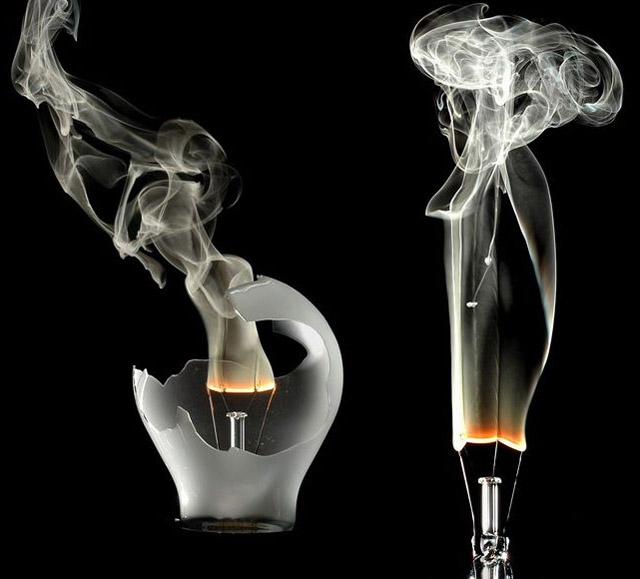
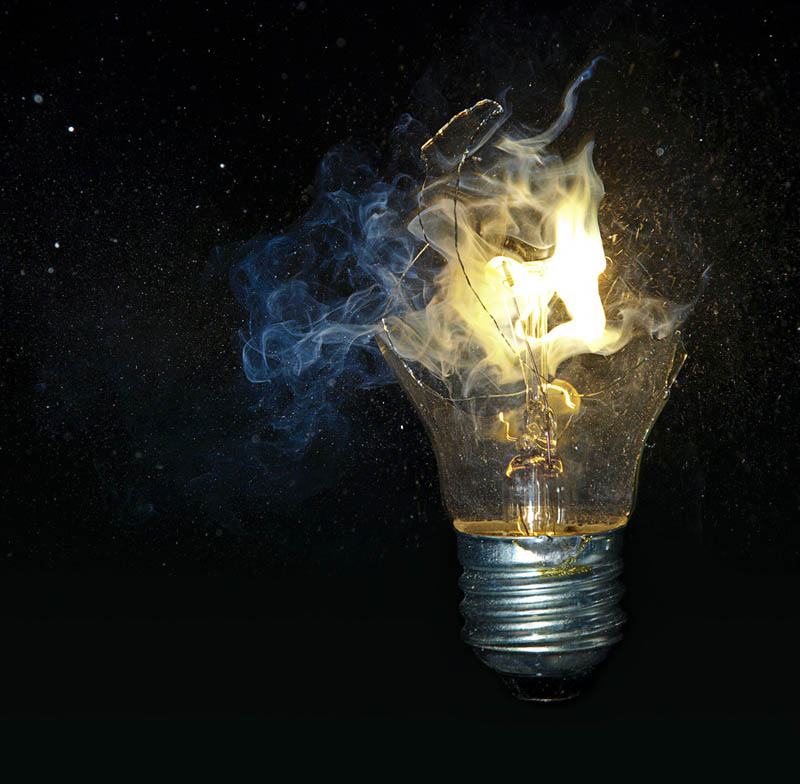
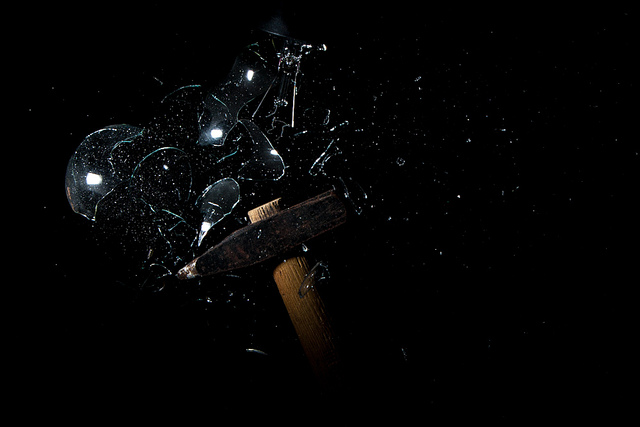
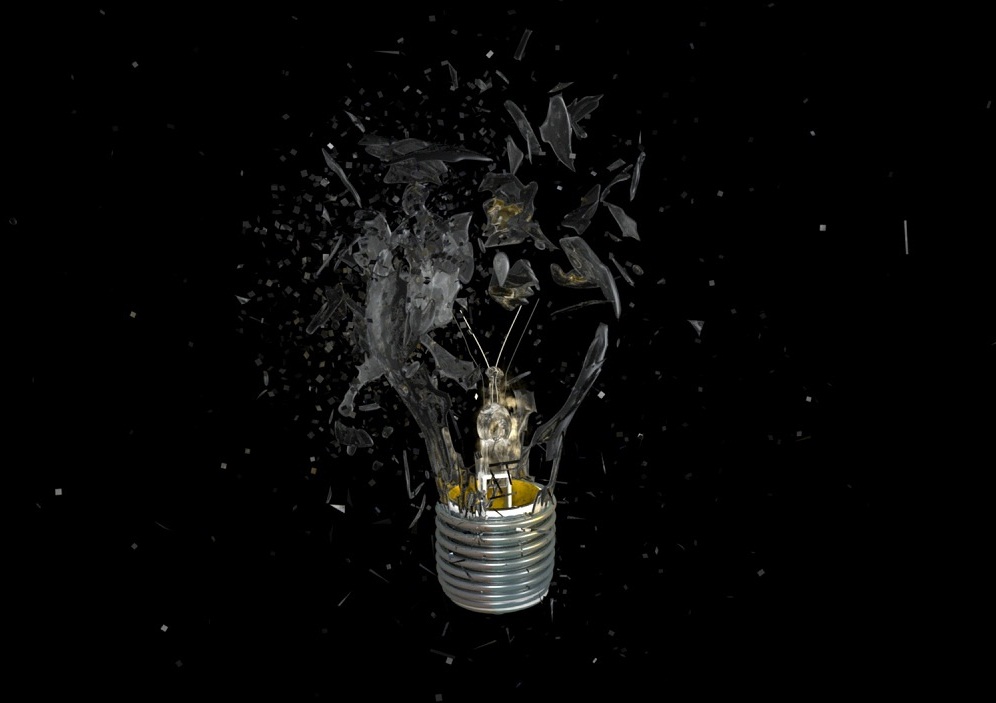
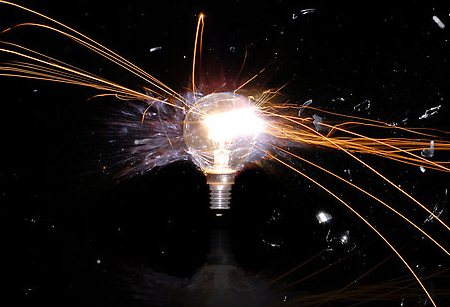
Light Watch 3-156: Over the years many people have attempted to photograph an exploding light bulb with time photography…here are some… Very symbolic for today; the end of the incandescent era and the beginning of a new one where the LED tzars take over our world…

100% Design Singapore
Singapore, 11th October 2012
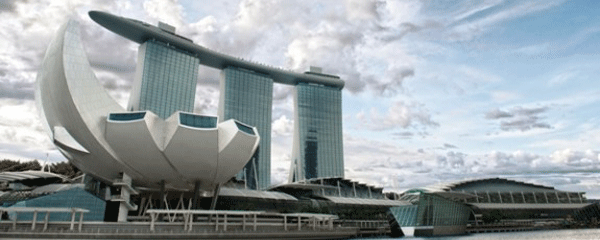
The month of October in Singapore has design written all over it. First we had the World Architectural Festival, than there was Saturday InDesign over the weekend and this week sees 100% Design Singapore organised on the fringe of BEX Singapore. 100% Design Singapore is touted as a one stop platform that brings unique creations from international exhibitors and designers to Asia. With wealth and economic development in Asia growing at a faster pace than anywhere else in the world, Singapore, with its central location and culture dedicated to design (at least they are trying hard to develop Singapore as a design hub in the region), organising the event in the iconic Marina Bay Sands makes sense.
I attended part of the event in my own capacity but also as the official representative of the PLDA (Professional Lighting Designers Association) who endorsed the event. As the event is new, the aim of my visit is to establish if there is a further scope in the future for a more extended presence and participation by the PLDA and or its China counterpart CLDA. The format of this event is, like many other events of this genre, build around an exhibition with key exhibitors from the international design world, mainly furniture, material and equipment manufacturers, and a conference platform allowing leading design luminaries to share their expertise and experience with the general public. The event is free.
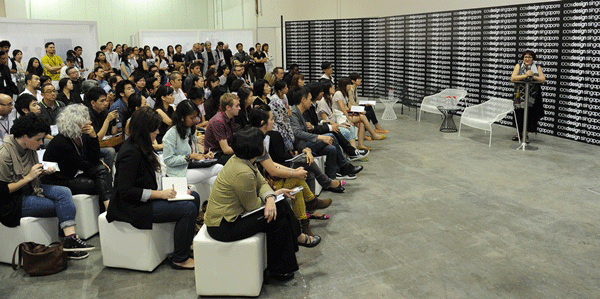
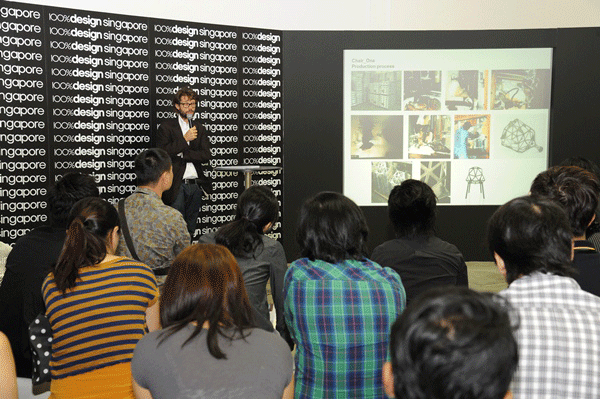
It was a temptative start with little exhibitors, but a reasonable line up of speakers. From observation the speaker events were all well attended with mostly a full house at each presentation. Success of these presentations hugely revolves around the quality and experience of the speaker and as always some are better at it than others. Good speakers captivate their audience and contribute very much to the overall appreciation of the event. Feedback forms collected during the event will probably give some more insight for the fine-tuning of future editions.
Is there room for the PLDA in this event? I think so, but subject to some early coordination and exchange of ideas. There must be a clear pay-off for the particiapnts, not only for the organisors! As I discussed with the organisers, a combination of lighting design related speakers with leading lighting manufacturers would strengthen the appeal of the event and attract more people that have interest and direct involvement with lighting and lighting design.
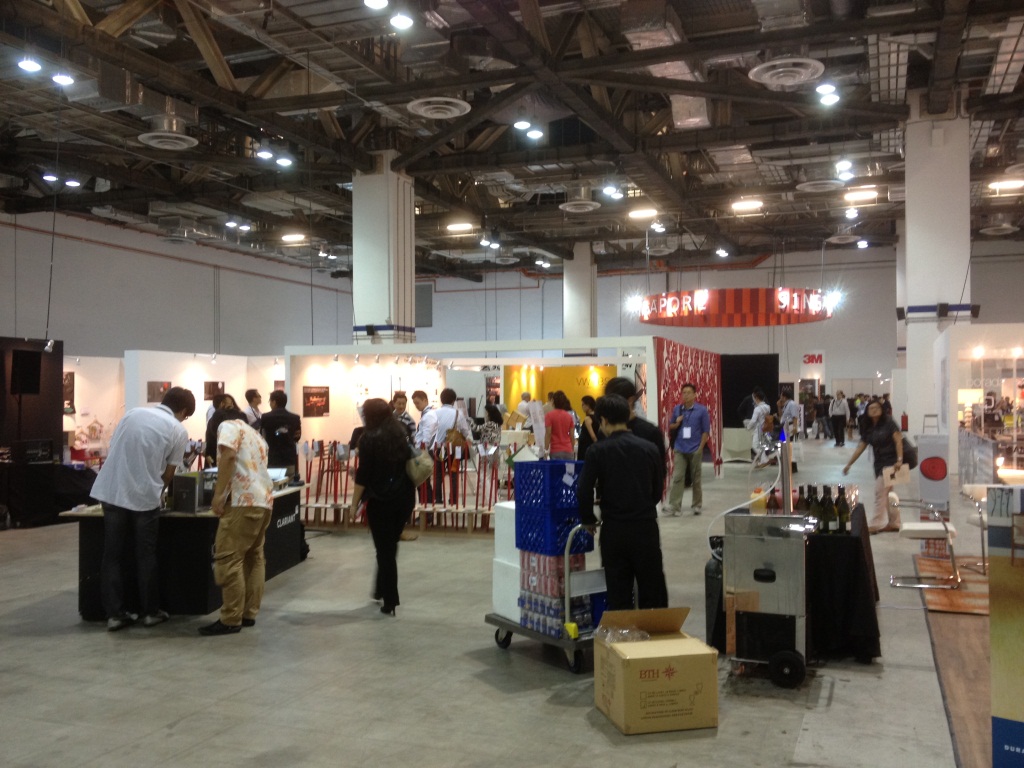
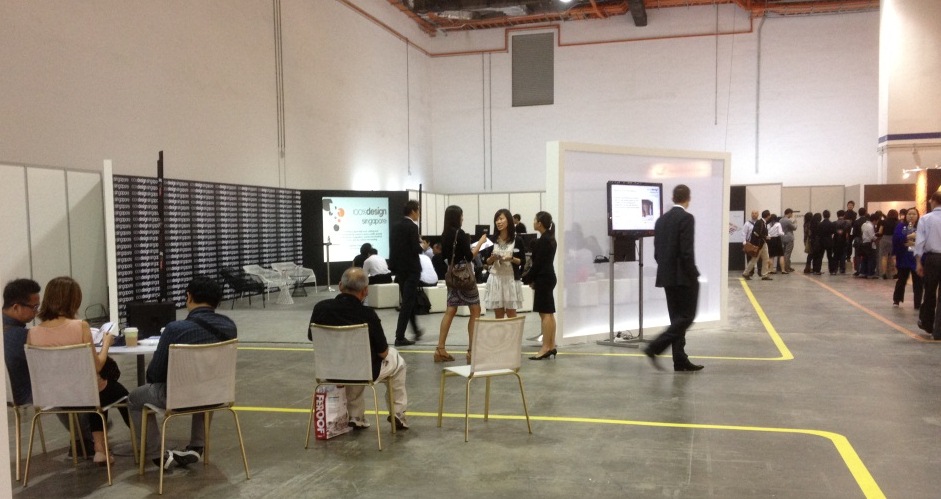
Light Watch 3-155: Images from the event. More at www.100percentdesign.com.sg
Is the economy affecting our lighting design industry
Singapore, 10th October 2012
Online magazine Illumni asked some of us lighting designers with a practice in Australia whether we are feeling the pinch on the back of information that some local practices in Australia had closed shop. While I don’t know the back ground and reasons for closing, it could also be as simple as a strategic regrouping or re-organisation as I understand these practices were part of a larger organisation. I am replying through my blog so I can share my findings to my own audience as well.
As a lighting design practice with an office in Perth, Singapore and Jakarta, KLD has a client portfolio that is spread throughout the Asia Pacific region and so far 2012 has been good. After a slow start to the year the demand for our services has seen a steady growth pattern and we have seen no slow-down in the demand for our services so far, on the contrary, we keep churning out fee proposals. However there is clearly something going on with signs that the Eurozone worries and the slowing down of the Chinese economy are starting to have impact. How do we know? Some projects inexplicably slow down or are on hold pending re-assessment, with possibly financing at the real root of the situation. Interestingly some countries like Indonesia, seem to do better with many projects on the go. But other countries like India are on a slow burner with little to no activity at the moment. The clearest sign is always the cash flow, with currently payments taking longer and longer to materialise. We have now a few clients were payments are reaching the 60 – 90 days overdue zone. I am hearing from several colleagues that they are suffering from this as well.
For me the 2012 bottom line will definitely be better than 2011 but whether we will be able to maintain the momentum in 2013 remains to be seen. It is hard to predict and will really depend on the geographic spread of our projects, the strength of our clients and our strategic approach to the market.
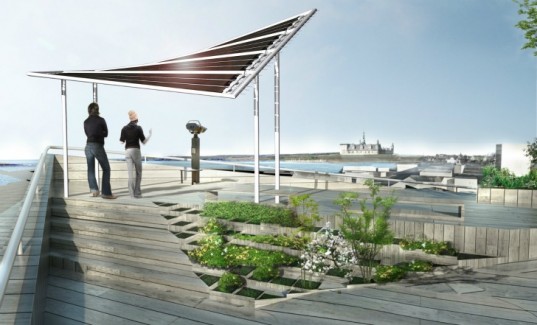
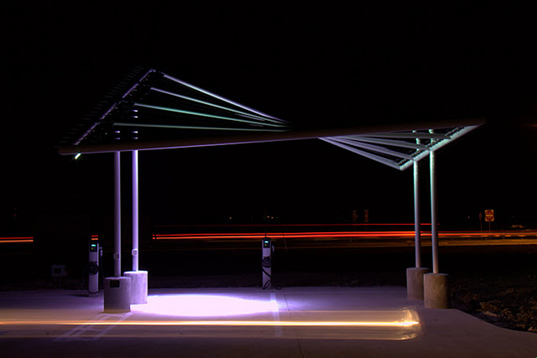
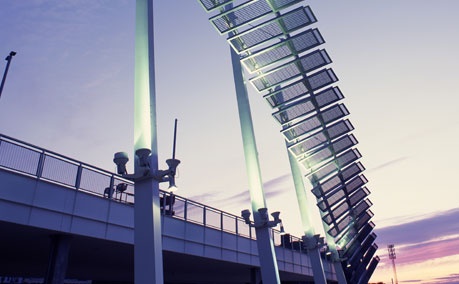
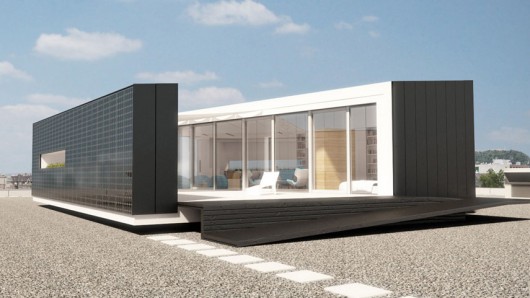
Light Watch 3-154: Meanwhile I read an article today that proclaims “brighter days for solar panel sales” in Singapore. With the costs of solar panels halved over recent years the high cost of electricity in Singapore seem to have given sales of solar panels a big boost. At least one application that seems to grow steadily!
Always be prepared
Kuala Lumpur, 9th October 2012
Today was one of the key defining moments in the life of a project and its lighting design specifically. In a “monster” presentation we covered all areas from interiors, to public areas, landscape and façade lighting. With the big boss client, project management and key architect consultant in attendance, these are moments that you either die on the battle field or gloriously move to the second round of design and detail development. To successfully master and move through the potential mine field you need a combination of skilled and well prepared presentations together with years of professional experience to present your lighting design concept to full appreciation and acceptation. Always come prepared (having been a scout in my youth this has always served me) and come with 150% to assure you can deliver 100% without missing a beat.
This was our first major concept presentation and we made sure we had covered all bases delivered more than expected backed with all necessary facts and figures, even sample light fittings, to deliver a full and comprehensive presentation and understanding of our lighting design concept to the client. Being prepared also provides you with that extra confidence that you have done your homework, which we had as we had previously coordinated all our design concepts with the major key consultants. This coordinated approach is key to success, if you are not on the same page as the rest of the team it is hard to foster a coordinated and successful end result.
A professional presentation also provides the client with peace of mind. If you already falter at the first hurdle, you can only imagine how this may affect the end result. People can be ruthless! If they see you are unsure about your design they will start the inquisition to make sure get your facts right. People like professionalism, and that is what client pay for in our profession. It’s sometimes scary to see what people get away with and sometimes I cringe my toes together when I see how badly some consultants are prepared.
I am pleased as we got through successfully today and will now move forward with confidence and most of all with the respect of the rest of the team.
Light Watch 3-153: Working with world renowned architects and designers demands the best from all team members. Projects have award winning potentials by definition fromthe start.
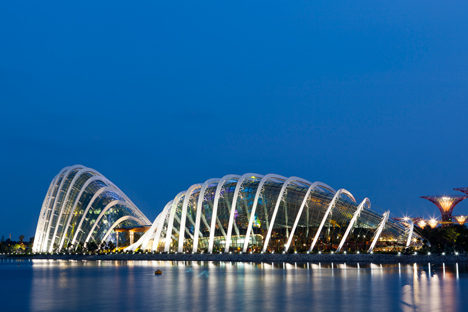
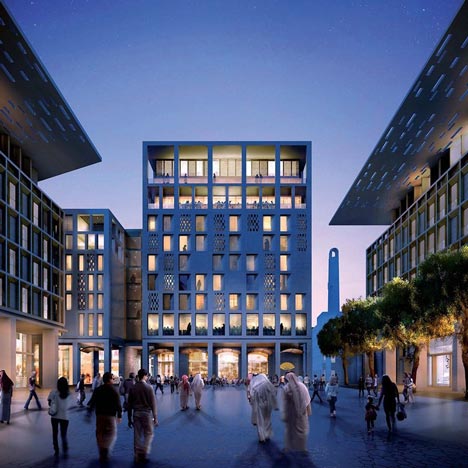
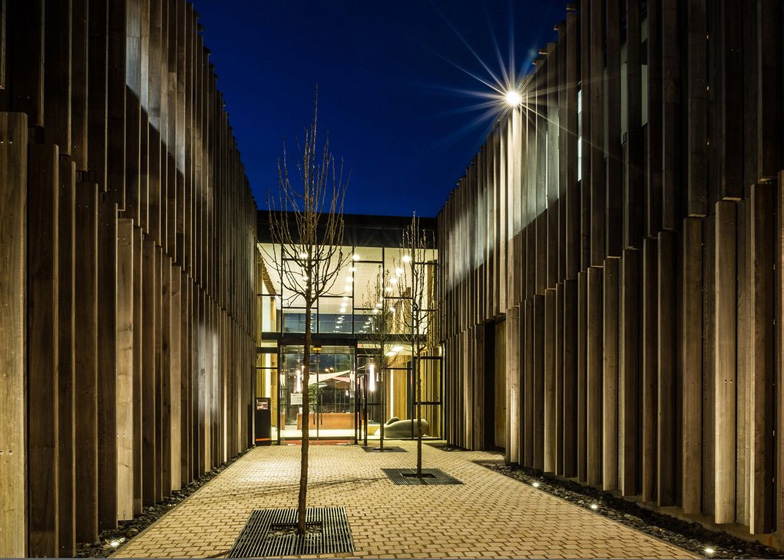
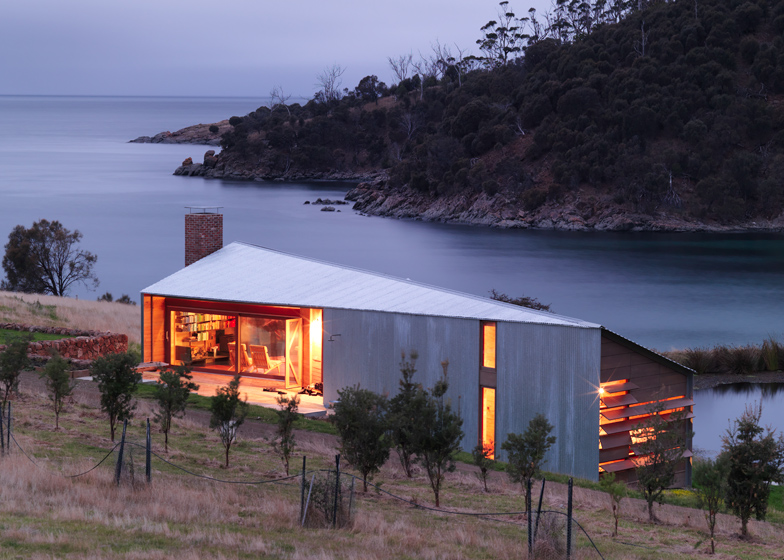
With the world architectural festival just finished in Singapore here are some of the award winners. Singapore’s Garden by the Bay, The heart of Doha in Qatar, a community center in Pornic, France and a sheepsfarm in Tasmania.
Planning ahead of time
Kuala Lumpur, 8th October 2012
One of the biggest challenges for a lighting designer has to be planning ahead of time when it comes putting together specifications for a lighting installations. The lead time between design and actual implementation (read: supply and installation) can be as much as 2-3 years (sometimes even more!). Hence by the time our design is realised, the products that we specified at the time run the risk of being out dated at project completion and no longer leading edge. With LED technology development moving at similar speeds as the IPhone development (1, 2, 3, 4 and now 5!) it is not difficult to see how “clairvoyant” today’s lighting designer needs to be to accurately anticipate where the technology will be a few years down the road!
I am in KL today and tomorrow for one of my projects that will see its completion probably somewhere in 2015…in other words another 3 years from now. With the LED technology moving as fast as it does, one of my biggest challenges now is to specify with future flexibility to adapt to changes up to the last minute. This is not as easy as it seems as along the design process we will arrive at points of no return, times where we have to log in the design for good to allow related architecture and services to progress without stalling the project.
The main thing for me is to talk to the manufacturer head offices, their R&D departments, read and enrich myself as much as I can on where we are and what is to be expected in the near future. This not only includes lighting quality and performance issues but also financial considerations that will affect the budget by the time it is to be procured. Right now I need all my years of knowledge and experience to do that. I need to interpret all information that I receive, assess it and match it up against the deliverables that I am after and wish to achieve with my lighting design. With LED technology being as complex as it is with all the reported problems that inevitably come along with such speedy technology progress, I need all my wisdom and analytical skills to keep myself on target!
Light Watch 3-151: Today we tested a brand new LED floodlight, with only 13W of power demand undoubtedly leading the pack which in the past would have required a 70 W metal halide to achieve. But will it still be leading edge in 3 years’ time…I bet you not!

Retrofit MR16 LED problems revealed!
Singapore, 6th October 2012
After nearly a year of frustrating testing and researching I can finally share my findings and conclusions on why we have problems with LED MR16 retrofit lamps. The most significant problem being flickering issues when dimming and unexplainable shortened life of some of the LED lamps. Despite all the flowery marketing talk about the long life and the dimming ability of the LED lamps, the fact is that all of us lighting designers face these problems continuously.
While I initially started my investigations together with the manufacturers, it was becoming clearer and clearer that manufacturers were not totally fort right in their assessments and kept diverting the attention away from the lamp/ transformer combination. With sales of these lamps reported to be in the millions per month understandable, but not helpful. So I sought help from a professional and independent specialist body, an ODM (Original Design and Manufacturing) plant in Penang Malaysia, who test, design, develop and manufacture LED lamps for many major brands in the world. Their independent findings and testing results have led me to finally being able to pinpoint the root cause of all our problems. Moreover I have come to the understanding that this problem is not manufacturer specific, but applicable to all brands, worldwide! No manufacturer to date seems to be able to master the issues surrounding the use a conventional transformer with a LED retrofit lamp without seriously affecting lamp life and lamp performance! Wow!
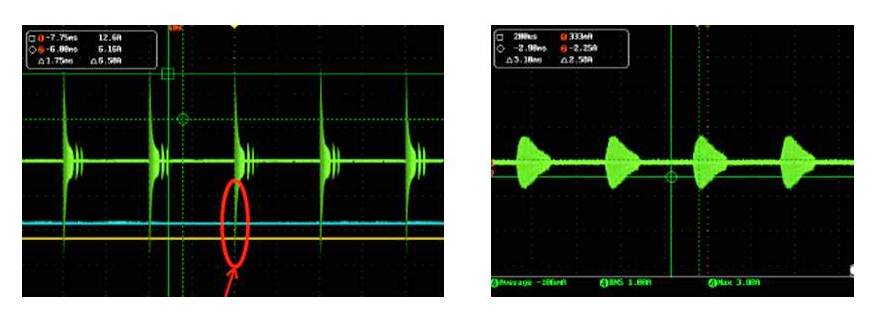
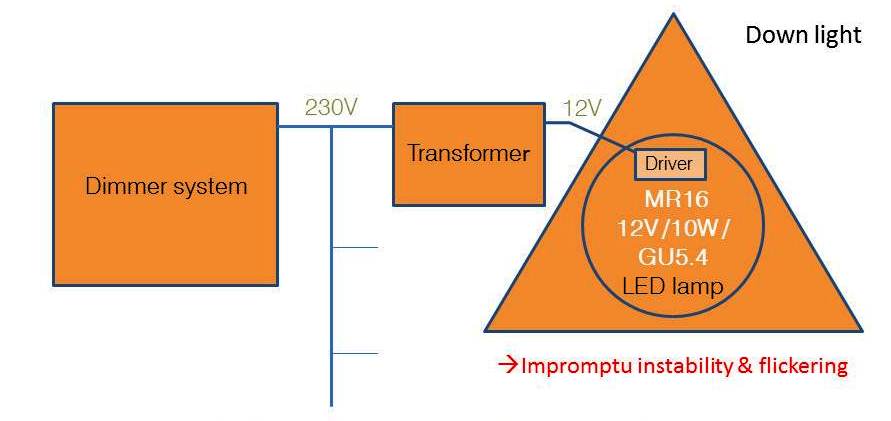
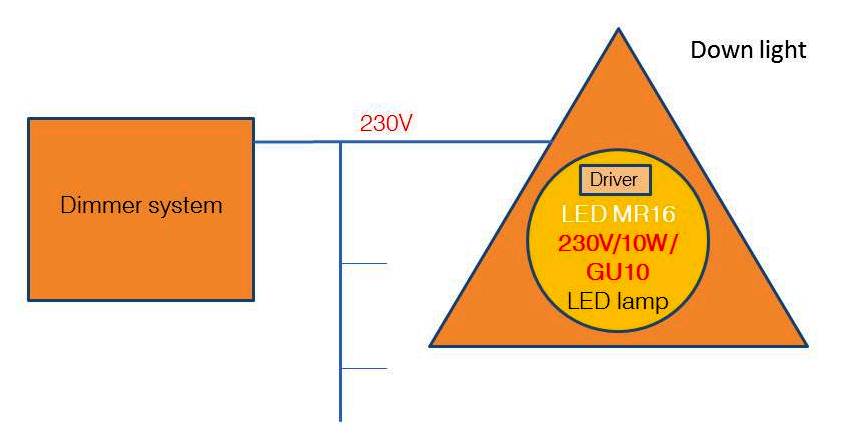
What was tested and measured were the current and voltage generated by the lamp (LED MR16 12V GU5.3) together with the transformer and what came out as a general result is that somehow the LED technology induces a “reaction” in the conventional transformer which in return creates continuous spikes and surges as output to the lamp. These spikes over time damage the electronics in the LED circuitry and lead to flickering and plain failing of the lamp. It appears that the stronger and longer the dimming action, the faster the deterioration of the LED lamp. This also explains why in newly installed installations the problems are not immediately apparent.
While probably ok in residential applications, it has become unacceptable in professional and commercial applications. The fact is that conventional transformers are designed for conventional technology and not for LED and vice versa! Conventional transformer and new LED technology therefore do not mix, it’s a bad marriage!
Light & Learn 3-19: Screen shots of a typical conventional transformer with surge spikes compared to what an LED lamp is designed to receive. Below that a typical schematic of the retrofit situation and one of the possible remedies taking the transformer (old non-LED technology) out of the equation.
 The long awaited book compilation of Martin's first year of blogging is available. Order now.
 Feedspot Top 100 Lighting Blogs