
Mumbai style
Mumbai, 21st November 2012
With the Gangnam Style hit song blaring from a local radio station through my drivers’ speakers on my way to site this morning I was reflecting on my project and how the local (Mumbai) culture was affecting the outcome in terms of lighting. I blogged yesterday already about my experiences on site. Symbolically the fact that the Gangnam Style is being played internationally where-ever you are sort of reflects that our lighting design work is really international. I am talking Mumbai style as I am here, but really it applies India wide.
It is really about how we integrate with the local culture and accommodate/ tolerate (or not) the local way of doing things. The famous head “swinging” is probably the most obvious element in any communication in India. It is a sort of approval/ acknowledgement without approving or acknowledging anything. Probably equivalent to a “no problem” answer, which in my language generally means there is a problem! J
They (contractors for instance) look at you, shake their heads and you still don’t know whether they understood or will take action or not. As long as you chase and drive the action things will happen, but the moment you turn your back or leave, somehow they find other important things to do and when you return you find out that nothing has really moved…sounds familiar?
Gangnam style, Mumbai style…
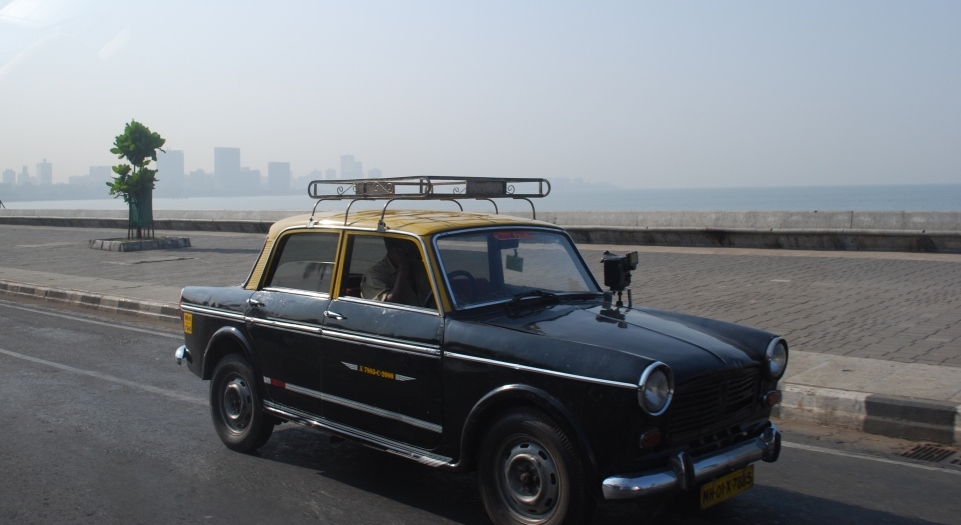
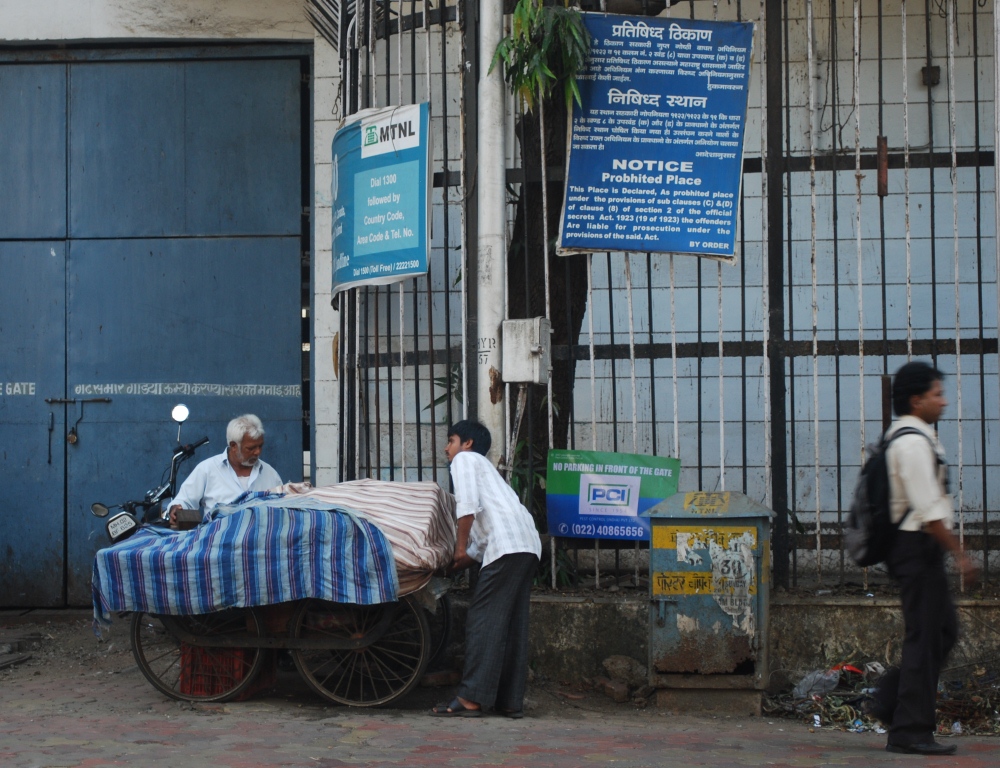
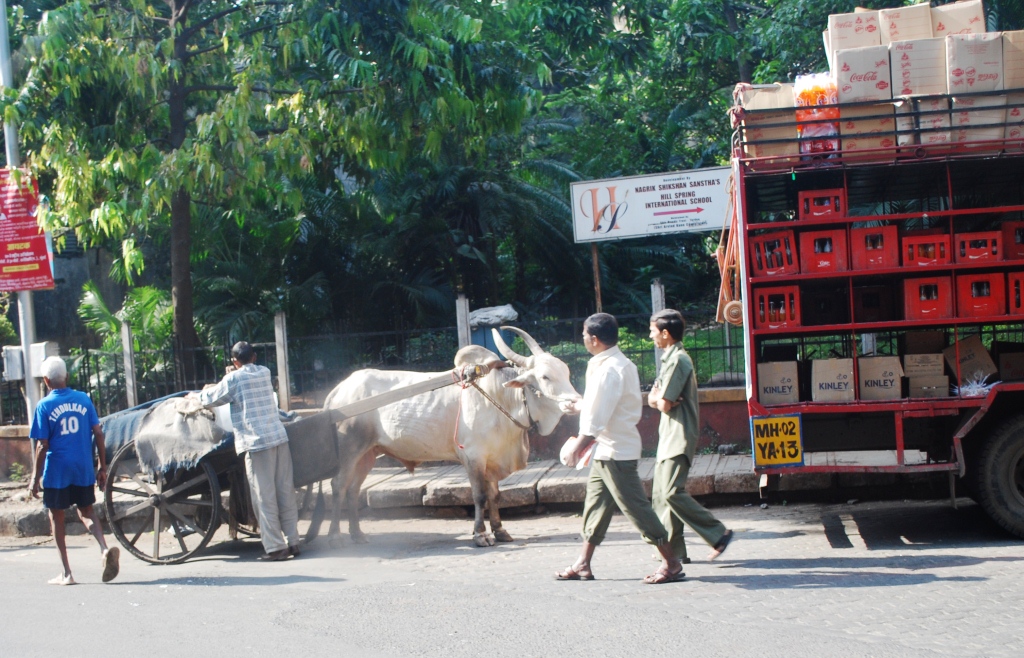
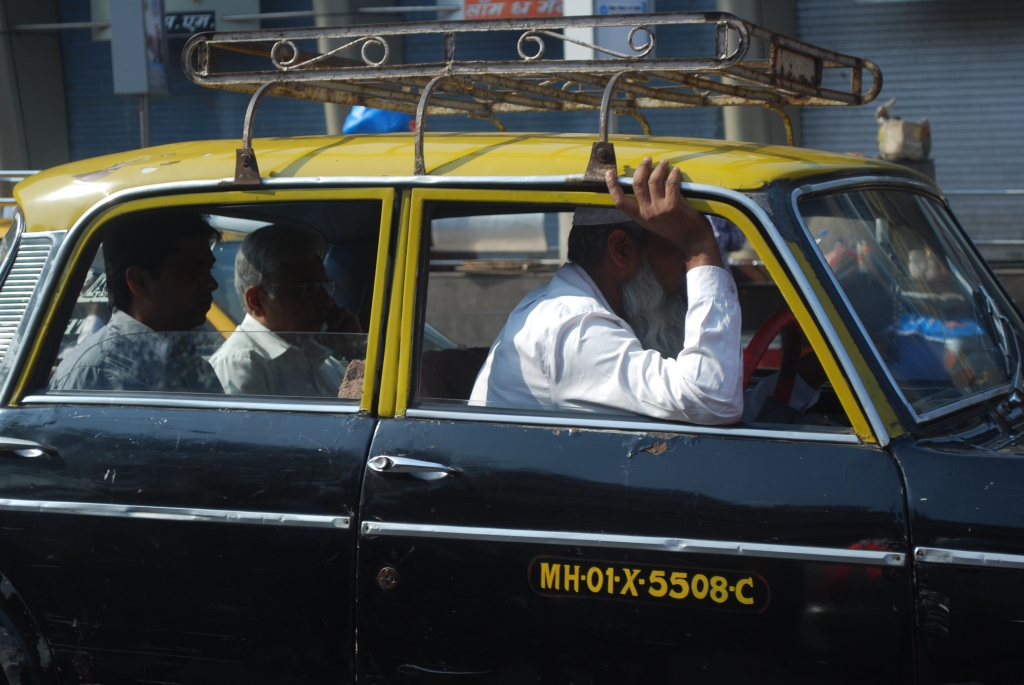
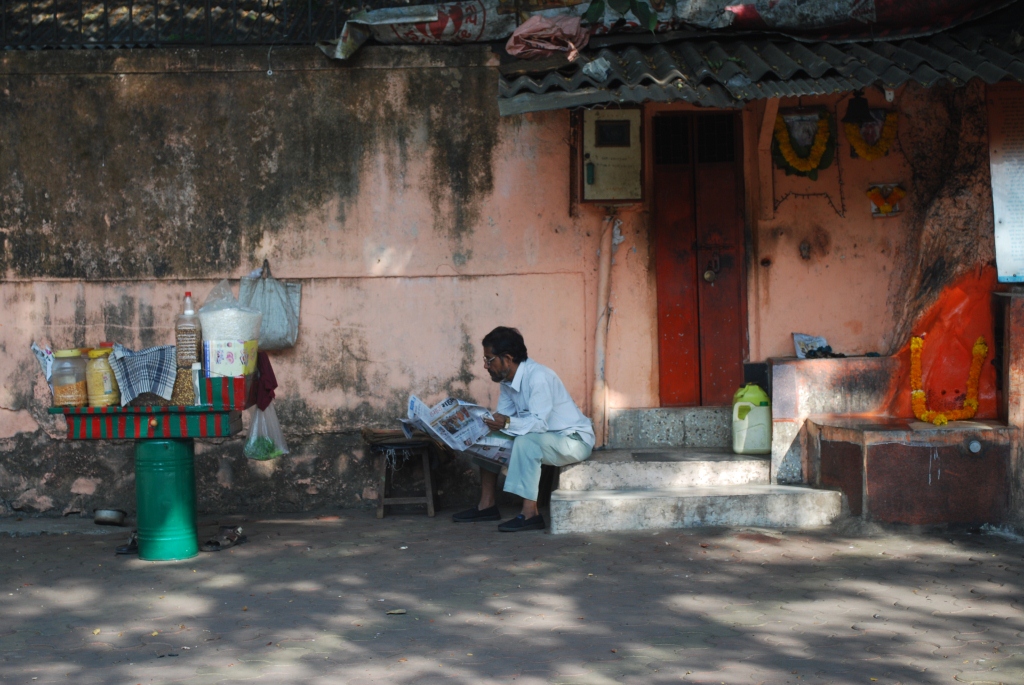
Light Watch 3-180: Mumbai style street images…

Painting with light
Mumbai, 20th November 2012
Today painting with light got a whole new meaning for me… In Mumbai for the first stage commissioning of one of my hotel projects, I got some serious “lighting” shocks. Due to approval issues and budget shortages (what’s new?) I was finally called to site (after more than a year without any serious communication on this project). The client had moved on their own in trying to complete the project without involving or consulting with their consultants, thinking they could save costs. However the issues in regards to lighting had become seemingly so insurmountable that they pulled the emergency break and called me in. I don’t think they realised how bad the situation was…and neither was I by the way 🙂
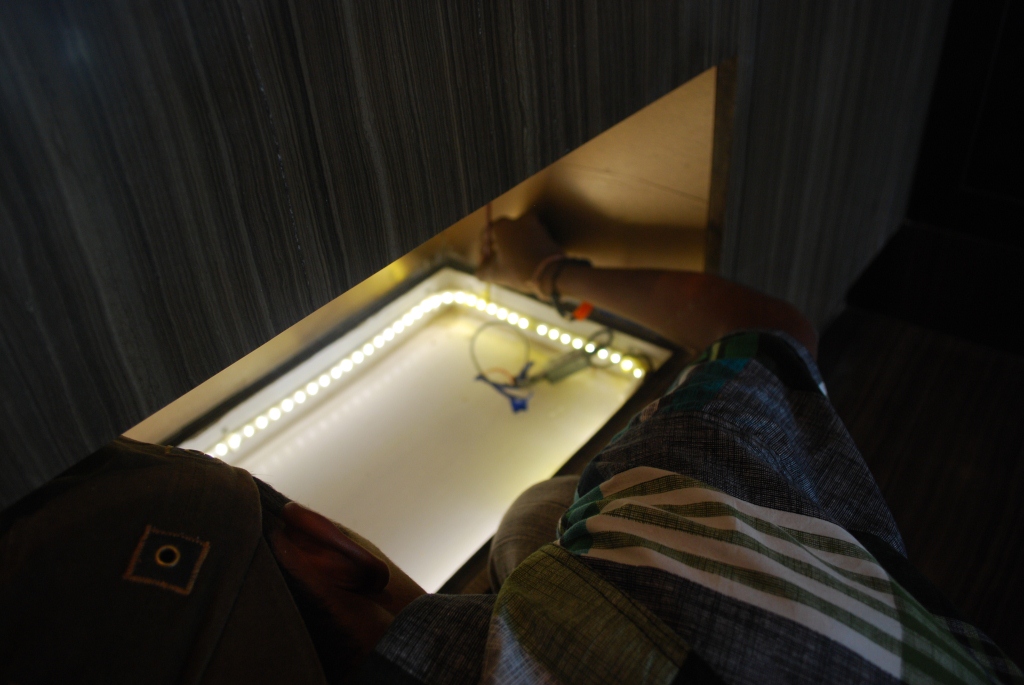
As they had not consulted me on the procurement I had anticipated a lot of “China” stuff, but the extent and depth of the situation only came to light as we step by step went through the lighting installation. Ultra cheap lamps, some fusing as we watched or “played” with the controls, un-aimable light fittings, mixed up circuiting, non-dimmable lights and most of all the extreme poor and inconsistent light quality (colour and performance). LED strip lights that instead of warm white 2700K looked lime green of indefinable colour and brightness.
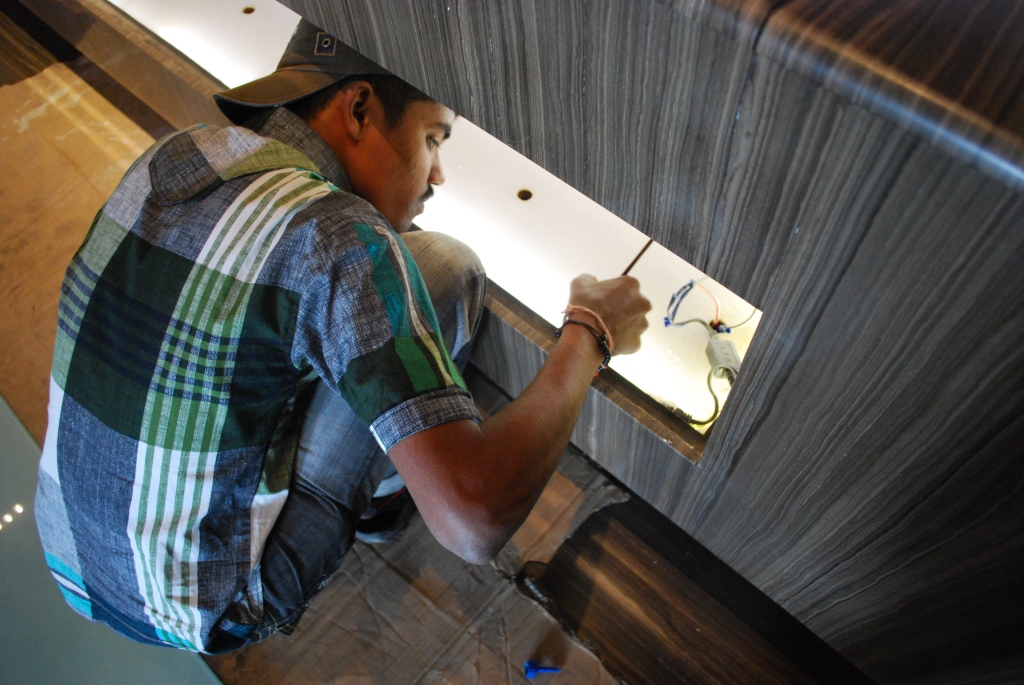
What topped all was when I caught some workers literally painting (!!!!!) LED strip light with a yellowish paint to counter the greenish effect the actual light produced…wow…I have seen a lot in my life but coating an LED strip with yellow paint is a novlty I am not lightly to forget :). Typical panic, Band-Aid work! The good news is that the owner was with me all the way and really got the full picture and understanding of the impact of all the shortcuts and cover-ups that were happening. With a soft opening scheduled early December there is still a mountain of work to do to salvage the situation. Now with the full backing and support of the owner, my task tomorrow is to organise the “troopers” and set up a methodical work schedule for the remedial works so that when I come back in 2 weeks I can seriously start commissioning the lighting installation with a decent and acceptable end result!
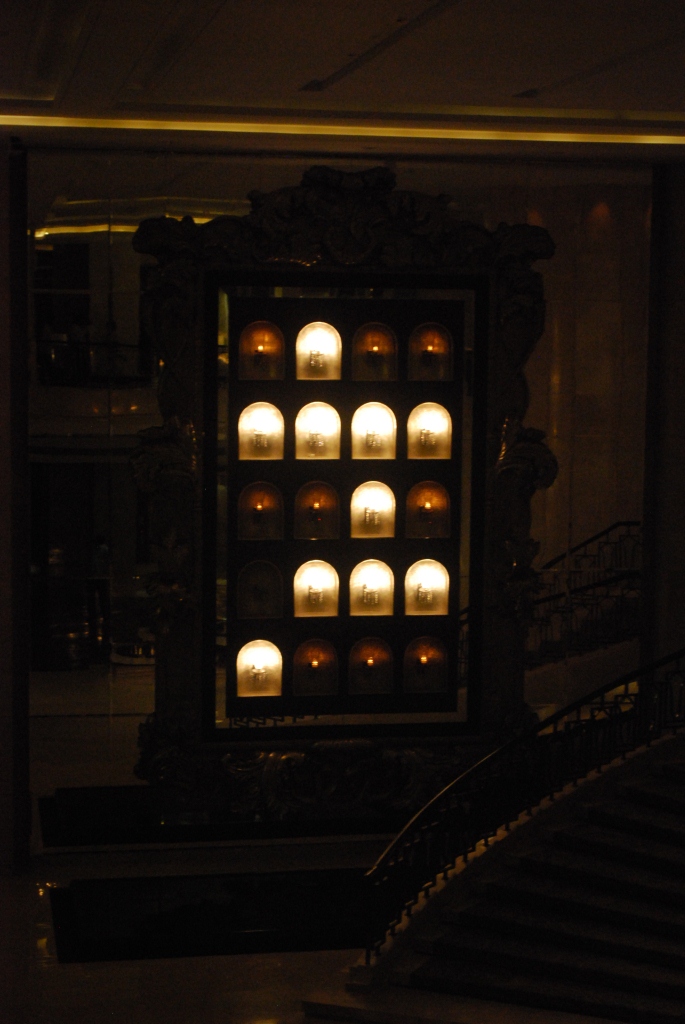
Light Watch 3-179: Believe it or not…painting light…and as a bonus, the mysterious ways of contractors and the way the circuit lights together. One feature, two random circuits…no logic whatsoever..
Reference images
Singapore-Mumbai, 19th November 2012
Lighting is very much a visual thing. Showing a client lighting calculations does not really convey the actual mood and ambience of what is visually to be expected. Only a trained professional like ourselves can read and interpret the meaning of lux values and iso-line diagrams and understand hat the visual impact is going to be, and even than it can still come out many different ways due to the many variables that determine the end result. Our challenge at every turn of the project, specifically when we develop the lighting concept, is to visualise and explain the intended moods and effects to our clients (and fellow project team members).
Colourful (photo shop-type) renderings are helpful if you do them well and realistically, this again requires understanding of lighting and its interaction with space. Actual renderings using proper IES files again are dependent on getting all material characteristics right, not always an easy task. Therefore a big part of communicating your design concept is the use of so called mood or reference images. The point with reference images is that you cannot always use your own project library as in principle you do try to re-invent yourself with any new project, certainly when it comes to special moods or innovative effects. Uniqueness is definitely a key word in every design!
At the same time proven concepts are also key in every design. For “regular” lighting applications we therefore do fall back on our experience (one of the reasons clients hire us!) and the use of previous project images which convey the mood and ambiances we are after are a great reference.
Finally pictures of mock up installations also provide very relevant and good reference images that can be used to convey our concept ideas. Lighting is a very visual experience! J
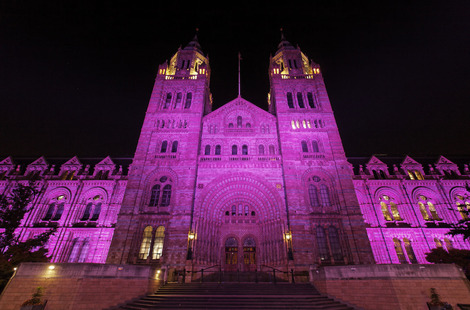
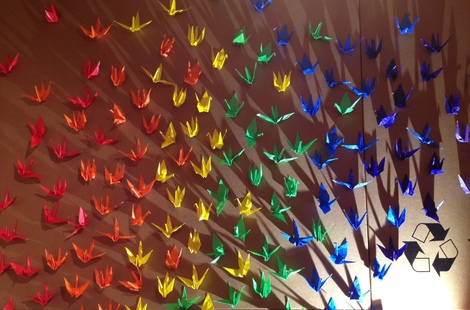
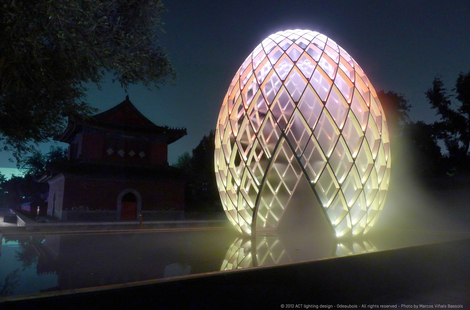
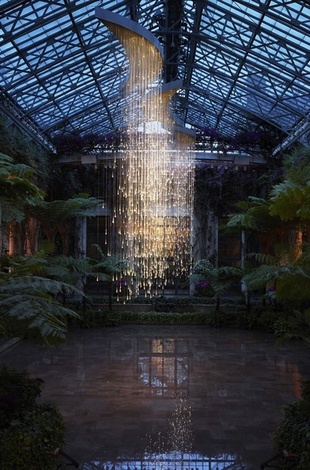
Light Watch 3-178: Light Collective in cooperation with Philips just launched a website and mobile app that allows you to tap into a library of reference application images. Called “Light Collector” it not only allows you to browse and use these reference images, catalogued into different applications and effects, but also contribute and share your own. A great initiative and certainly helpful to the lighting design community! Images taken from the Light Collector website.
Value engineering…again!
Singapore, 16th November 2012
This is not the first time I have ranted about value engineering. Today was another frustrating day in staying calm and politely, and politically correctly, explaining to the client the value of doing a proper mock up in order to evaluate mood, ambience, quality, performance and plainly the overall design intent.
Time and again in the hospitality industry, when you get to do mock up room with new clients, we find ourselves fighting the same battles. Clients who have no clue what design is about and just have a “QS” view on budget. You don’t expect all cars to be the same price, right? Somehow people do know this but when it comes to design, this notion seems to disappear. A 5-6 star hotel room does not have the same price as a 3-4 star room. And even within each star level you can have many different levels of sophistication and features, all depending on what client and operator want. It all has a price tag!
So the idea of a mock up room is to represent the design intent as close as possible to what the designer had in mind. Only then can you truly appreciate the value and impact of the design. There is no point in “value engineer” the design on forehand as you will then have no means of comparing what the design could or should have been. In the scheme of the total project costs, the mock up room is really a tiny blip, expensive or not, but the problem is that the cost is automatically extrapolated by QS number crunchers into the total project costs, which then create a little panic reaction. I am talking lighting here, but my reflection applies to all facets of design of course.
The thing is that design is a process of fine-tuning a concept into a workable and affordable end solution. The definition of “workable” and affordable” may have different meanings to different people, from client to project manager, from designer to QS. The point is that we need to let the process crystalize itself into something that everyone can identify and agree with…that takes time and shortcuts generally result in a half-baked solution!
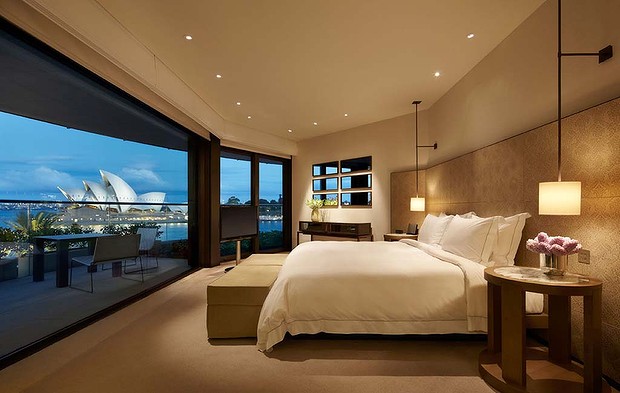
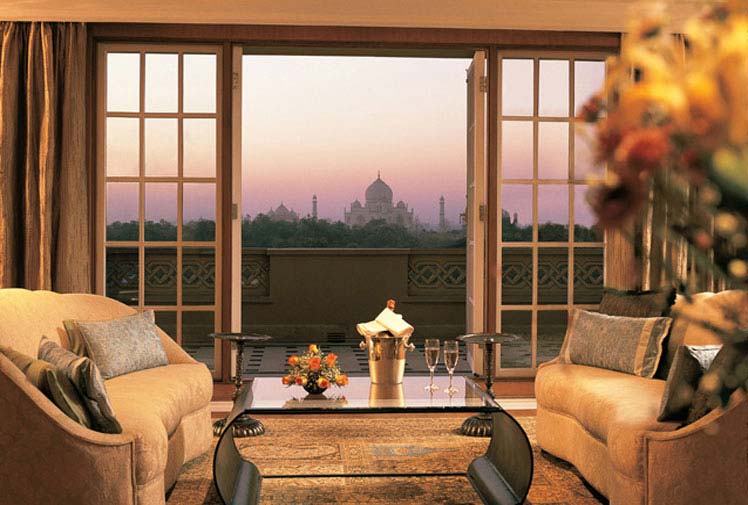
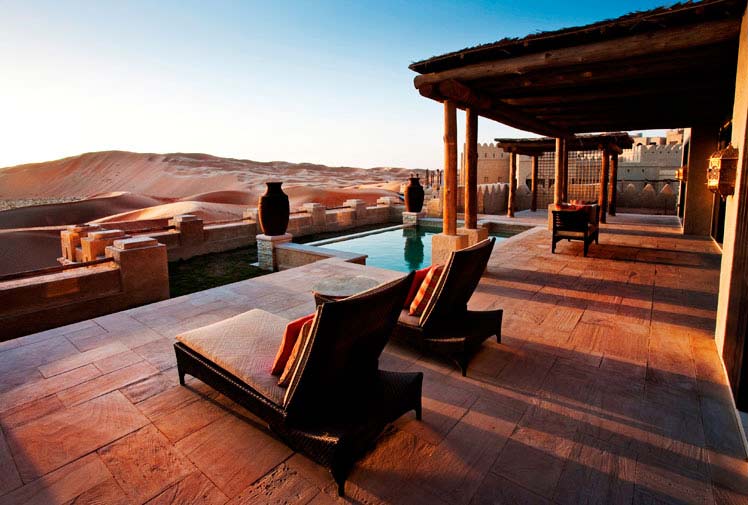
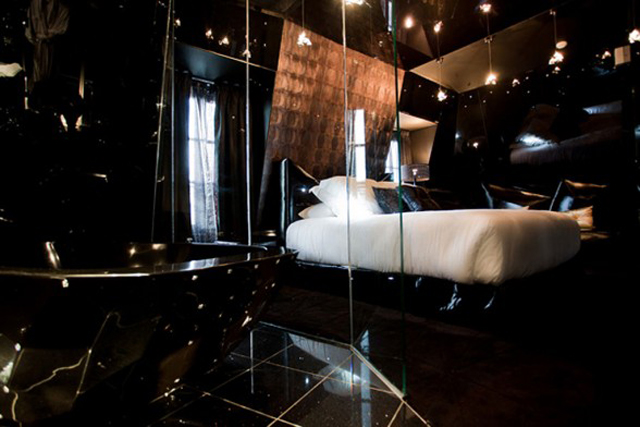
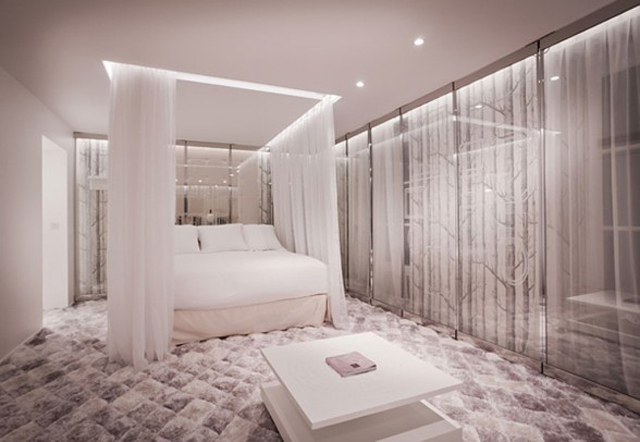
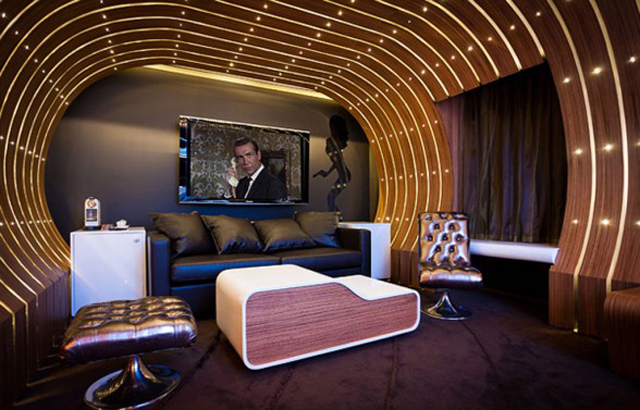
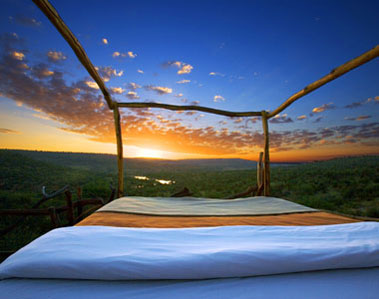
Light Watch 3-177: Hotel rooms can be oh-so different, some are simple and elegant, some are luxury and elaborate, some come with views, some are city hide-outs, some out in the desert. Some look the same, yet they are different…here are a few
Sun light
Singapore, 15th November 2012
I am surprised how little still interior designers (and to a lesser extent architects) consider the impact of daylight in their overall design approach. It is without doubt that our sun provides the greatest source of (free) lighting energy. Yet so many people take the sun for granted (I guess you can as the sun ain’t going nowhere 🙂 !), yet so little designers really fully utilise its opportunities. As I went through some interior concept designs today for some new projects we have been appointed to, it struck me how little attention was given to the use of daylight in enhancing the interior design and ambiance. Specifically when you talk about a resort hotel for instance you would expect that the integration of daylight would be central to the overall design approach. I know that interior designers are more concerned by the overall look and feel of their designs rather than how “daylight” could complement and enhance their concept, the issue is that if there is no prior thought for it any attempt from us at a later stage will generally really be an afterthought.
I find myself often in that situation, mostly because by the time we are brought into the project, the architecture is already “cast in stone” so to speak with the interior design generally progressed to a stage where any suggestion from us to integrate a greater part of daylight faces a mountain of obstacles mostly in the form of unwillingness to redesign. What is left for us is then to advise on improvements of window treatments (either in admitting or better controlling daylight), translucencies of partitioning materials and the like. In general it is superficial. Of course we always have the full control in the way we circuit our lighting in such way as to zone areas according to their exposure to day light, use daylight sensors to maximise its use and so on. I guess it takes a solar eclipse to really appreciate how much the sun contributes directly to our environment!
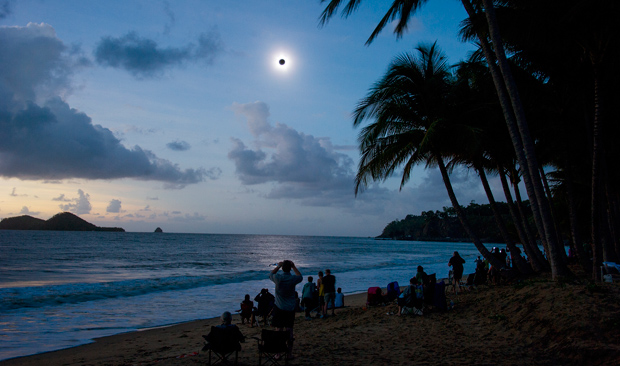
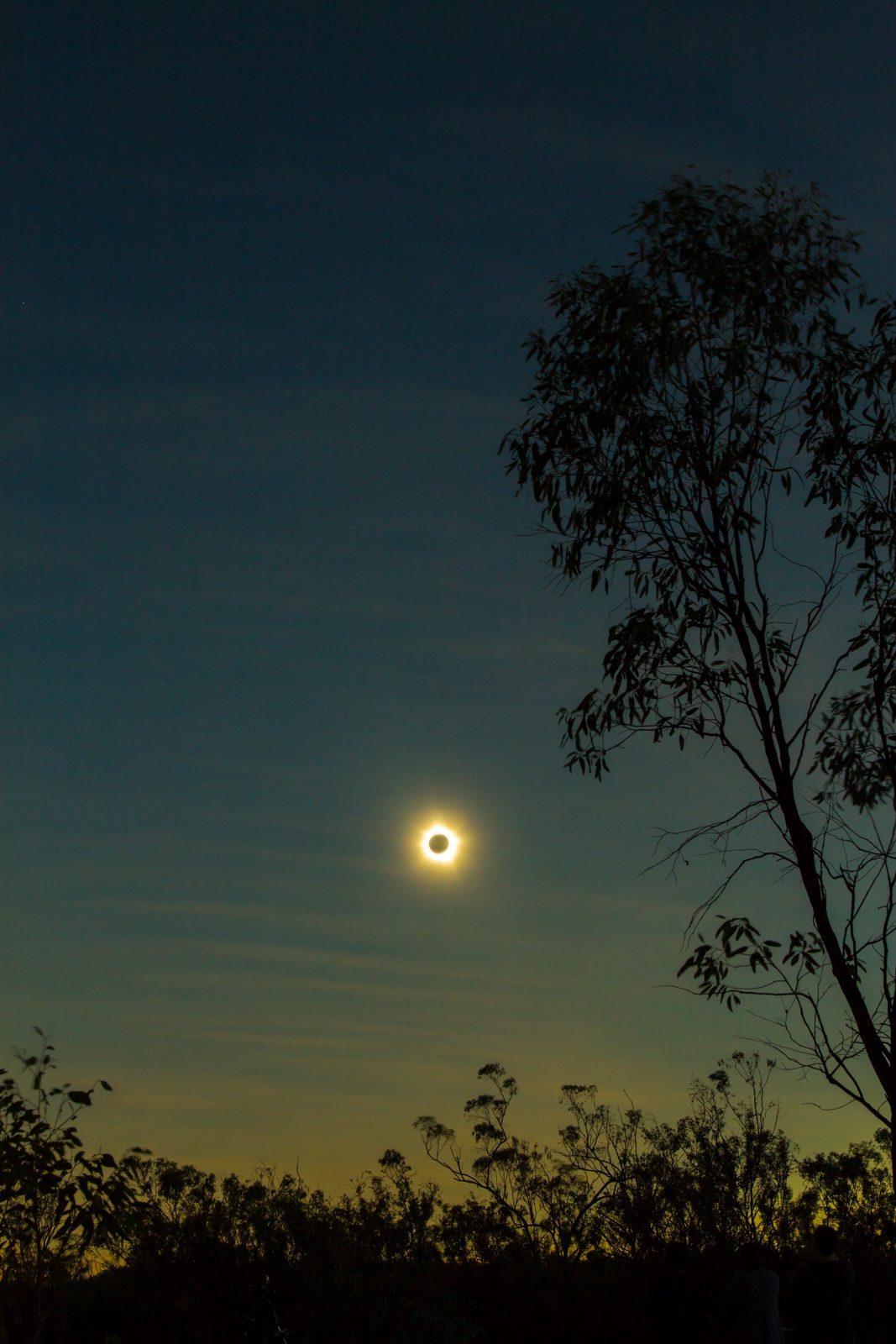
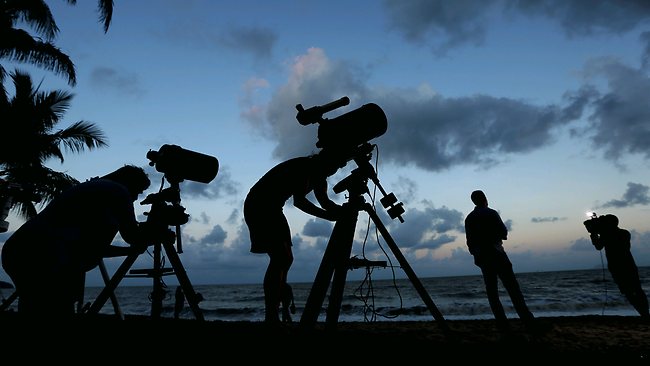
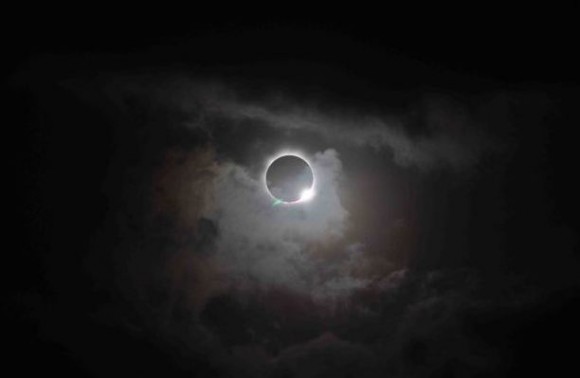
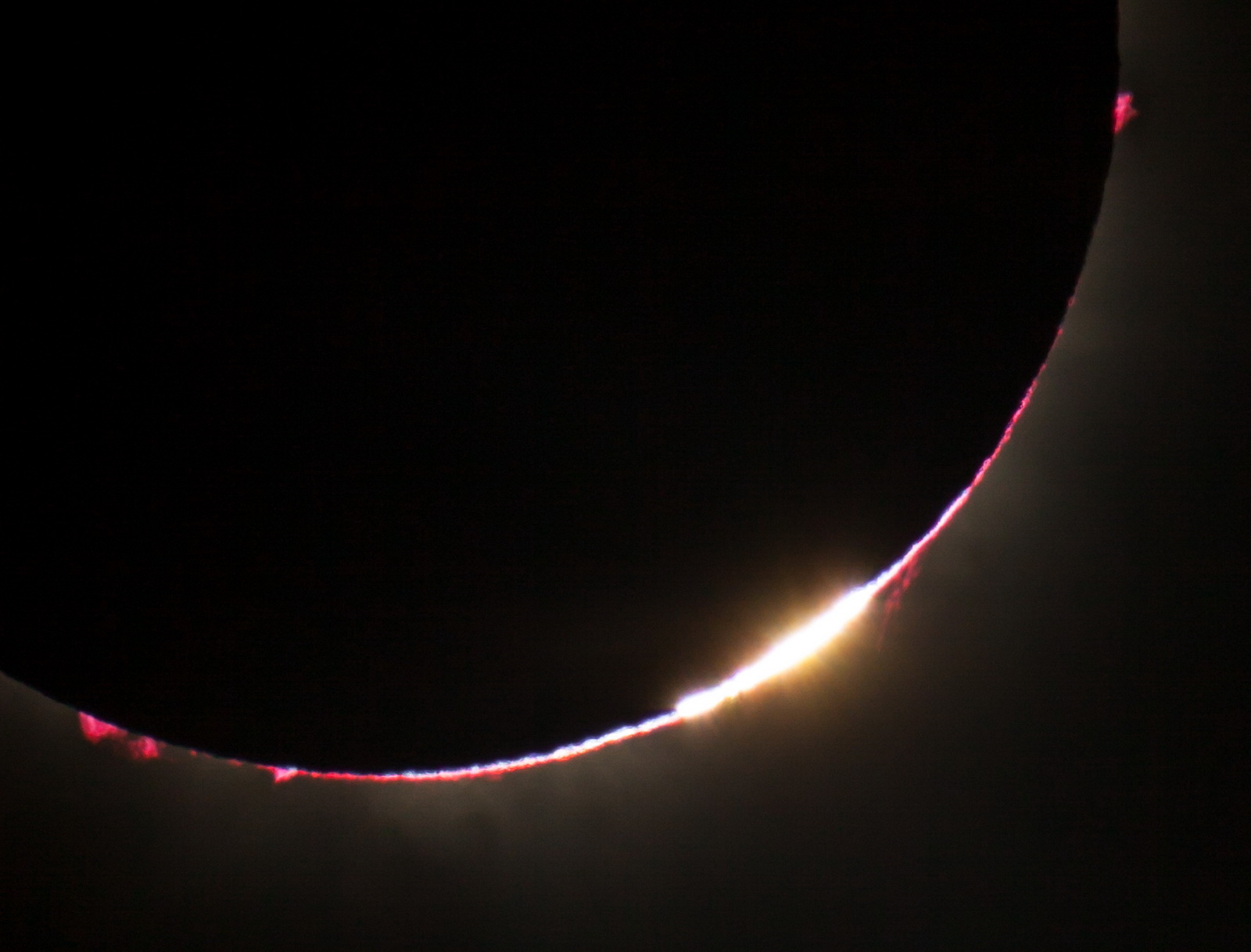
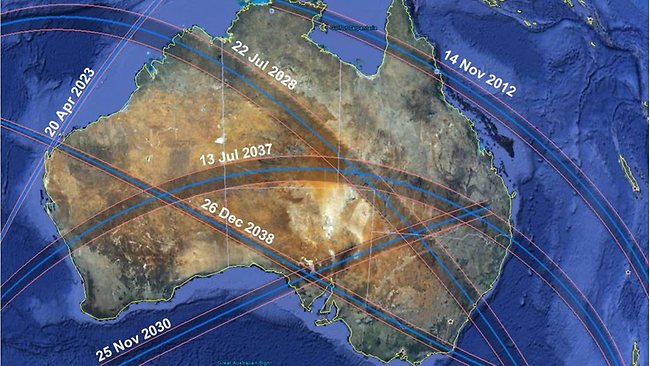
Light Watch 3-176: Yesterday saw parts of Queensland in Australia in the direct path of a full solar eclipse. Many got out for this unique event, professional sun chasers and general public. It is one of those rare moments where you can really appreciate what a difference the sun makes in our daily lives! In case you missed it I found a map shwing where the next ones will be… 🙂
Video clip: http://youtu.be/XSttAEXY4X0

Indo Pacific
Singapore, 14th November 2012
Back from a relaxing long weekend, I am reading about US Secretary of State Hillary Clinton visiting Perth this week and noted a new terminology, which I think is very much applicable to our work as lighting designers in this region at the moment. News reports identified a “new” region called Indo-Pacific (as in Asia Pacific). The underlying reason in politics and military point of view is the combined importance of both the Pacific Ocean region as well as the Indian Ocean region with key economies China, India and Indonesia. Not to forget their key strategic importance in regards to commodities, energy and earth metals!
For us (KLD) the focus is pretty much the same. With our offices aligned typically along the Australia-China axis (virtually all in the same time zone!), with a side step to India, I think it pretty much reflects the importance of this Indo Pacific approach to us as our key market. While we have an eye and the occasional project in Eastern Europe and the Middle East, it is clear that in this economic climate, the Indo Pacific region is the world’s main economic engine.
Having your projects spread throughout the Indo Pacific region at this point in time seems to be a good bet and strategic wise approach. I can well remember how disaster struck when I had my projects solely in the Asean countries in 97. When the Thai economy took down the whole Asean region I suffered badly, I had no way out. My then company disintegrated within the space of 6 months with projects stopping overnight and income virtually coming to a halt…very scary! But you learn from adversity and with the economy in the world (specifically the US and Europe) not in the best of shapes, having projects from Australian to China and from India to Indonesia (Indo Pacific) seems to give some balance and peace of mind. But there are no guarantees and you need to remain vigilant, continuously on the look for new opportunities, alliances and cooperations. Good and bad times come in waves, you just need to know how to ride them :)! Time will tell….
Light Watch 3-175: Economic woes aside, I spent my long weekend in a nice and quiet beach resort on the east coast of Malaysia, just few hours’ drive and a 30 min boat ride away from Singapore. Being away (without internet…a novelty for me!) and relaxing in the sun ans sea allows you to appreciate nature, daylight specifically as artificial night lighting is basic and practically non-existent…I went to explore light under water






Suppliers and contractors
Perth-Singapore, 8-9th November 2012
Travelling is not always conducive to my blog 🙂 Yesterday I had a lot on my plate before heading to the airport late afternoon and once I had arrived back in Singapore late last night did not have the energy to write anything…went straight to bed! So I am posting my catch-up entry a bit earlier ahead of the weekend. Next week is Deepavali; I will be taking a day of for a long weekend away from office, back on Wednesday. 🙂
Over the last few days I have been interacting actively with both suppliers and contractors. In one of our projects we had agreed with the client to shortlist 3 reputable and reliable lighting suppliers and work out a supply package within budget. For once we have a client who is clear about the budget, making our task easier as at least now we can tailor the specification to meet the (reasonable) budget. But as always with a high profile project there are disturbing influences from “back door” suppliers trying to pick up a piece of the cake and contractors who have their own contacts while trying to get in substitute products to boost their profit margins. Contractors generally take on a job based on a fixed contract sum, which include their budget for the part of lighting they are responsible for. So understandably if they have quoted very competitively to get the job they will be looking at any possible opportunity to cut down their cost and improve profits. Lighting is often one of those items they budget lowly. So unsurprisingly I have had to deal with a contractor who tells me he cannot afford our specs. You can see where that is heading! His budget was made without knowledge of our specs…so now the reality hits! It is easy to see that project management and procurement are caught in between…
Even more difficult is to deal with suppliers who keep knocking on the “project door”. When it comes to a prestigious project with potentially a million dollar sales it is understandable that sales people go in hard t get a piece of the pie, making our life difficult and complicated. How much should we entertain? We have made our selections based on the lighting performances and effects we want to achieve, but of course the fitting we have selected are not the only ones in the world that can achieve the desired results, neither can we be assessing all products from around the world that may (or may not) be compliant to our specifications. Hence we base ourselves on proven track record and known quality/reliability of brands and suppliers. You can’t please everyone and we have project schedules to adhere too!
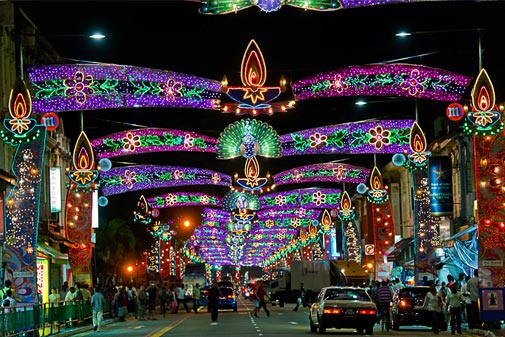
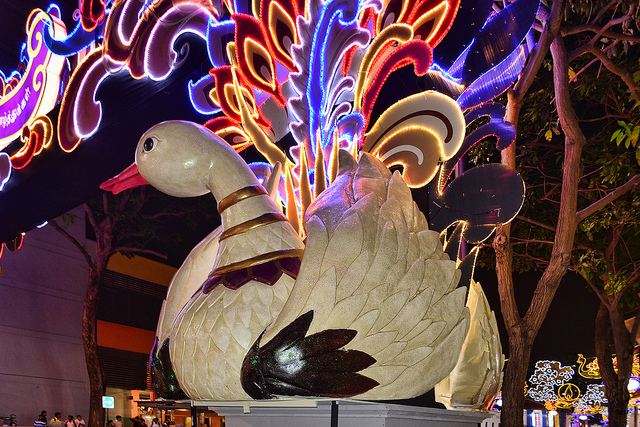
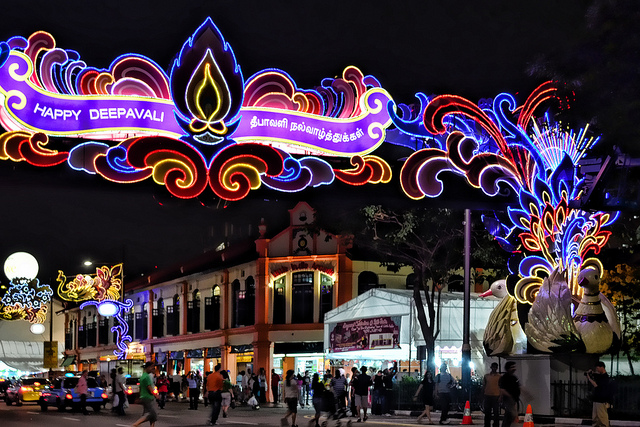
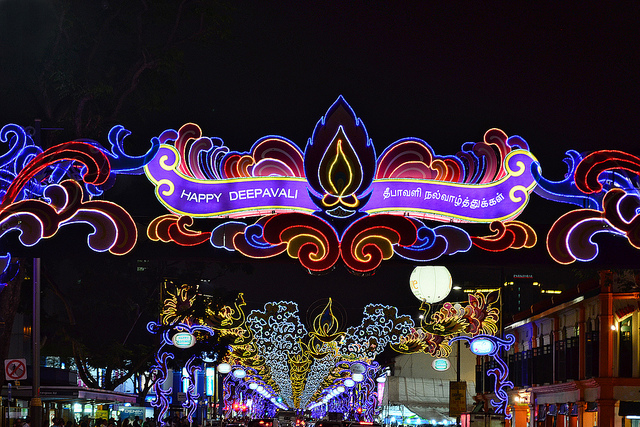
Light Watch 3-174: This coming week is the hindu festival of light; Deepavali. Here are some pictures of the 2012 Light Up in Singapore’s Little India

The end of an era
Perth, 7th November 2012
That’s it! The end of an era; the start of a new one! Today I got my first manufacturer notice (from Endo) that they have stopped production of the conventional lighting systems and will now only sell exclusively LED. No more conventional lighting systems, no more (compact) fluorescent, no more incandescent, no more halogen, no more metal halide. While I can understand the move there is very scary aspect to this decision. Willingly (or unwillingly) they have succumbed to the pressures of the market and decided to move to a 100% LED set up, but in the process I think they lost track of the fact that LED lighting is not necessarily the best and most sustainable solution in every application. I sincerely wonder whether the decision is made purely from commercial reasons or resulting from a balanced application and sustainability thought process. I suspect the first and I suspect that proper sustainability thoughts may not even have been considered. LED is where the money is!
Some radio and TV advertisements I hear here in Australia are pushing in similar ways, some using emotional blackmail to convert you into using LED lighting! It goes something like this: “If you have not yet converted to LED lighting you are one of the very few people not having done so yet”. In other words you are old fashioned and not part of this modern times if you still use conventional technology rather than LED lighting. They are guilt tripping you for not using LED!
The fact is that there is still very much a place for some of the conventional lighting systems and I have several project situations where T5 fluorescent tubes for instance outperforms the LED equivalent in performance, price and return on investment by miles! The problem is that manufacturers and suppliers are now making you believe that LED is the only solution that you should consider. Sadly many of these people advocating LED’s wouldn’t know any better. They lack proper knowledge and understanding and are probably brainwashed by the principal companies….people are like sheep! One jumps, they all jump, event if they don’t know why!
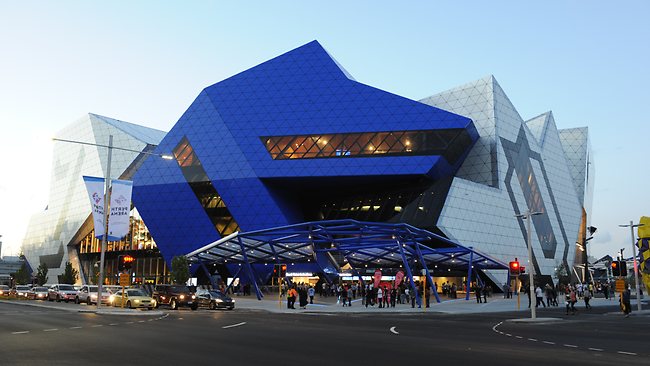
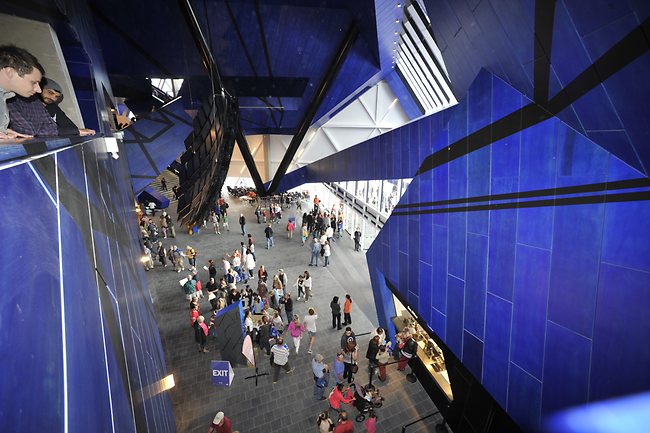
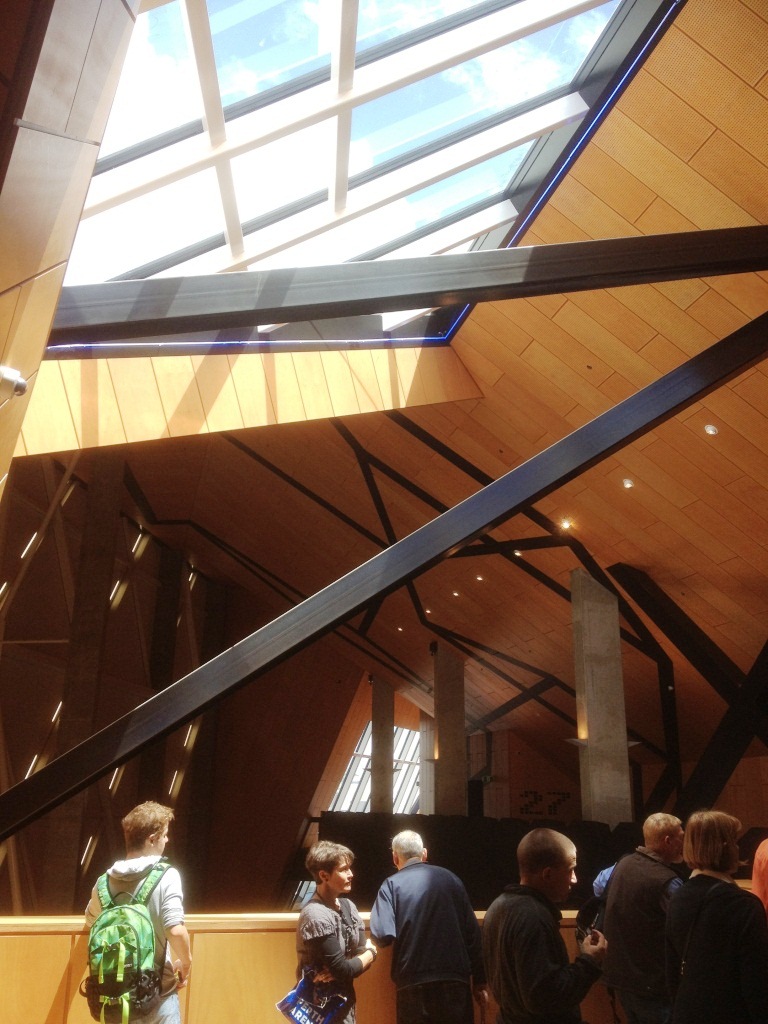
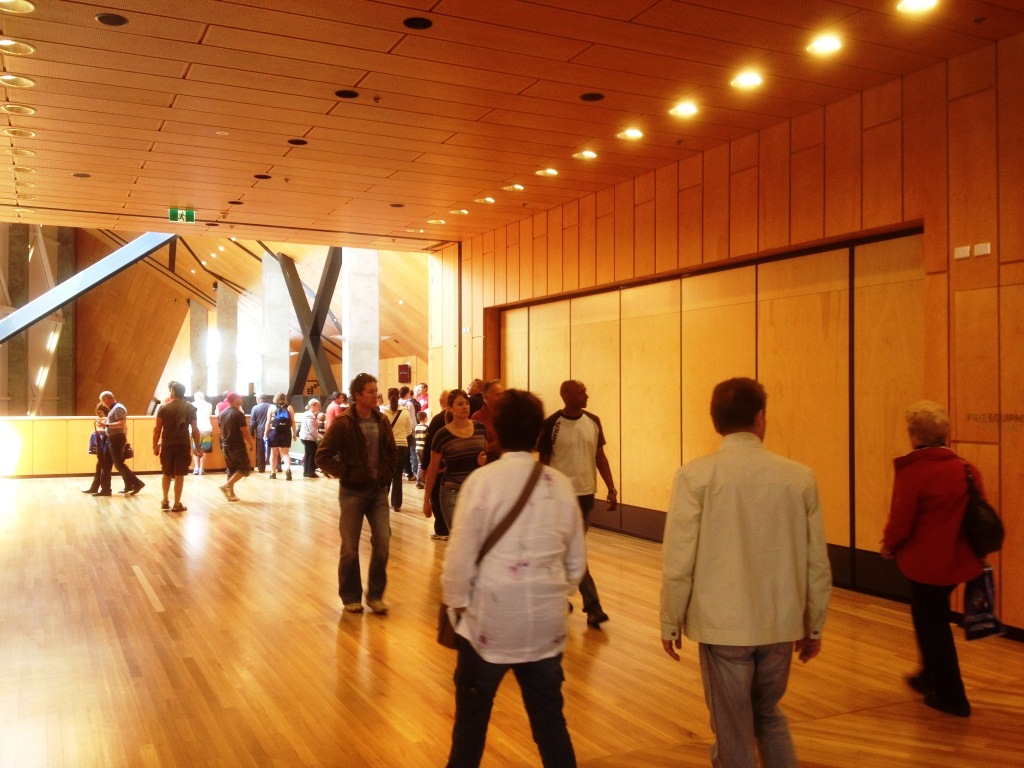
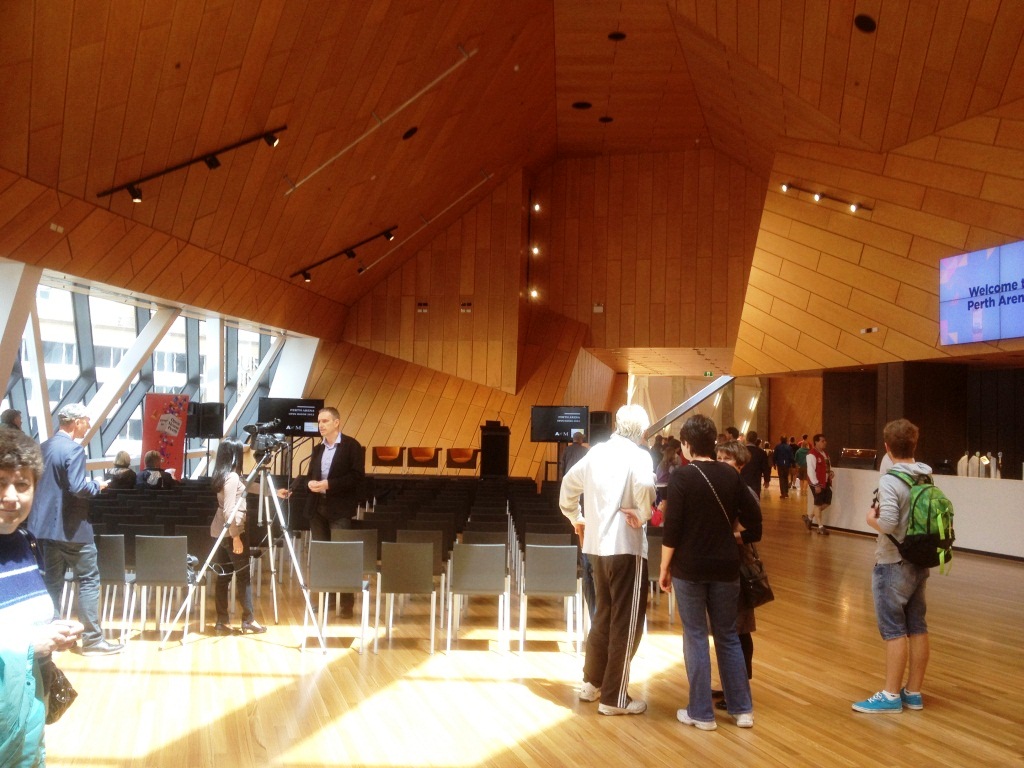
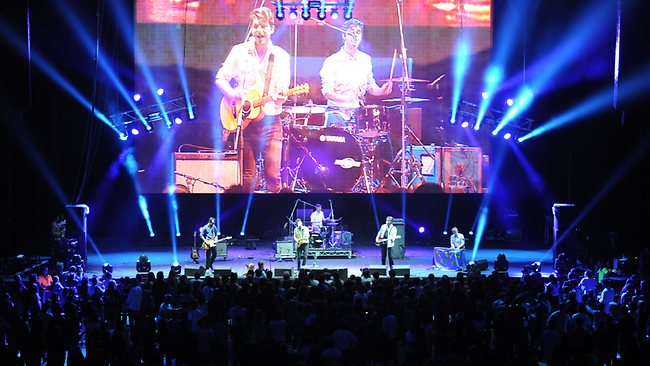
Light Watch 3-173: Over the weekend I visited the newly opened Perth Arena, the latest high end events venue for the city. Interestingly there was not an LED light to be seen in the public areas, all (compact) fluorescent lighting and metal halide. While understandably so because the design was done some 5 years ago, I found it surprisingly refreshing amidst all the LED bombardments that we receive on a daily basis!
One of those days
Perth, 6th November 2012
Just one of those days where a lot and nothing is happening…In Australia the Melbourne Cup (Australia’s biggest horse racing event for the uninitiated) brings the country to halt with every Tom, Dick and Harry placing bets and using the occasion for parties…you don’t really get things done on Melbourne Cup day. When in Australia on the day I usually participate for fun…proof in point “my horse” ended last! Hiha 🙂
Meanwhile the US is gearing up for the presidential elections today with everyone having an opinion on why either Obama or Romney should be the next president! Field days for the media, but for the ordinary people a lot of distraction with not much productive outcome. You may as well go with the flow…
Good day to get some “cupboards cleaned” and work away some backlog correspondence. Not a good day to chase payments in Australia …:) For me a good day to work on some papers and articles. We have a few magazines asking for some project write ups and I have new requests for guest speaking at some events next year, so I am preparing a synopsis of my topic for the organisers. Otherwise we focus on delivering our project documentation to those clients who pay promptly and hold back on those who are well behind in their contractual responsibilities! Don’t you love it when they chase you for deliverables by crazy deadlines, but then don’t seem to be able to carry out a most simple payment for which they are being given a 30 day window to process…? It’s a lopsided world in our profession at times…one of those days!
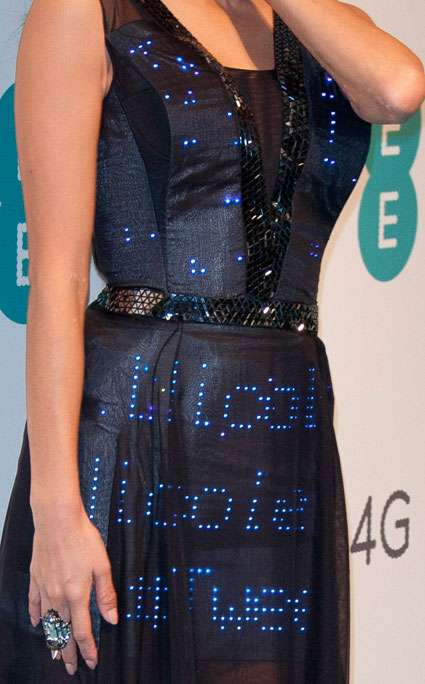
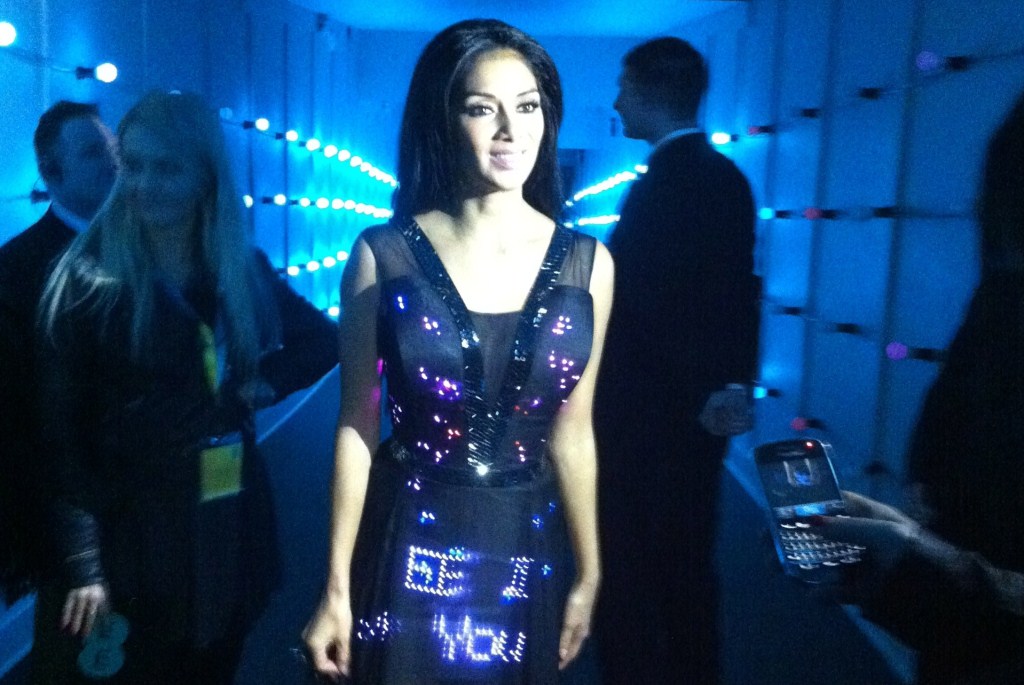
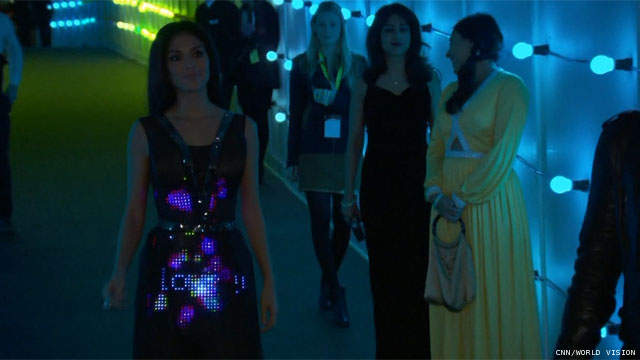
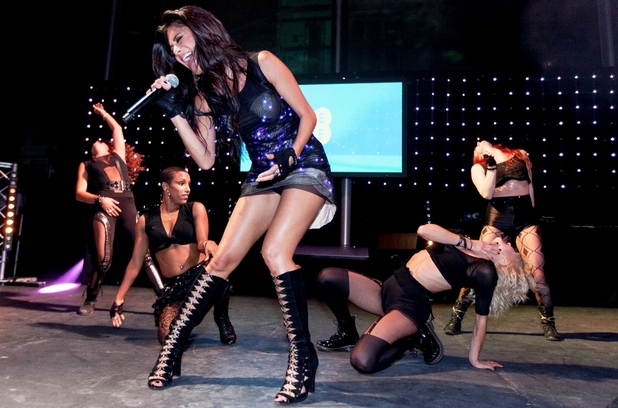
Light Watch 3-172: Always on the look-out for new innovations…Nicole Schertzinger recently performed a concert with an LED dress. But not an ordinary one, no a wireless (!) internet connected one on which she could display Tweets and messages from her Twitter account! How is that for interactivity…the things we do with LED 🙂 !

Testing
Perth, 5th November 2012
Subjecting your lighting concept to visual tests (or visual mock-ups) is crucial to make sure your assumptions in regards to how light will interact with the subject are correct. I spent a good part of this evening testing and re-testing lighting set-ups for a heritage façade lighting. Because the façade is so intricate, with many architectural features and decorative ornaments I need the lighting to reflect that. Starting point for my concept is that I do not really want to see the lights, so rather than a big “floodlight” I am using a multitude of smaller spots and with LED technology advancing so fast I can really use very compact and powerful light sources with very good performance. Because of the compact size I can easily conceal and integrate them in the façade’s building fabric. The result of breaking up the façade lighting in little “power pockets” of light is that the individual features and ornaments are being singled out one by one rather than being grouped in one big beam of light.
For that I have broken down the façade in 21 different zones and key feature effects with each of them having a dedicated lighting approach. One of the main reasons for the first round of testing tonight and the main challenge towards achieving the desired end result is making sure the different effects balance well in terms of brightness and light is being contained to the area that I want to light! Each lighting effect is using a slightly different fitting or configuration so the different sizes, dimensions and distance potentially create different end results. Someone tonight suggested I use a dimmer system (DALI) as to not worry now and settle the balance later, but that is the easy (and more expensive) way out. But this will be a permanent fixed installation, once installed and completed there is no direct need for dimming unless I want to play with intensities over time (late evening, after hour settings etc). It is often said that a good lighting designer does not need a dimmer, he should get it right from the start. I know I can get it right without dimming…hence the testing!
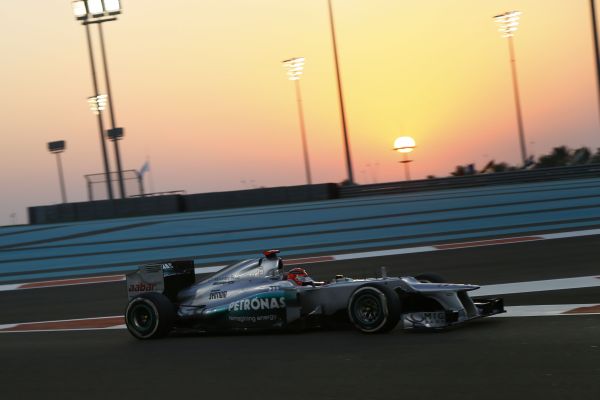
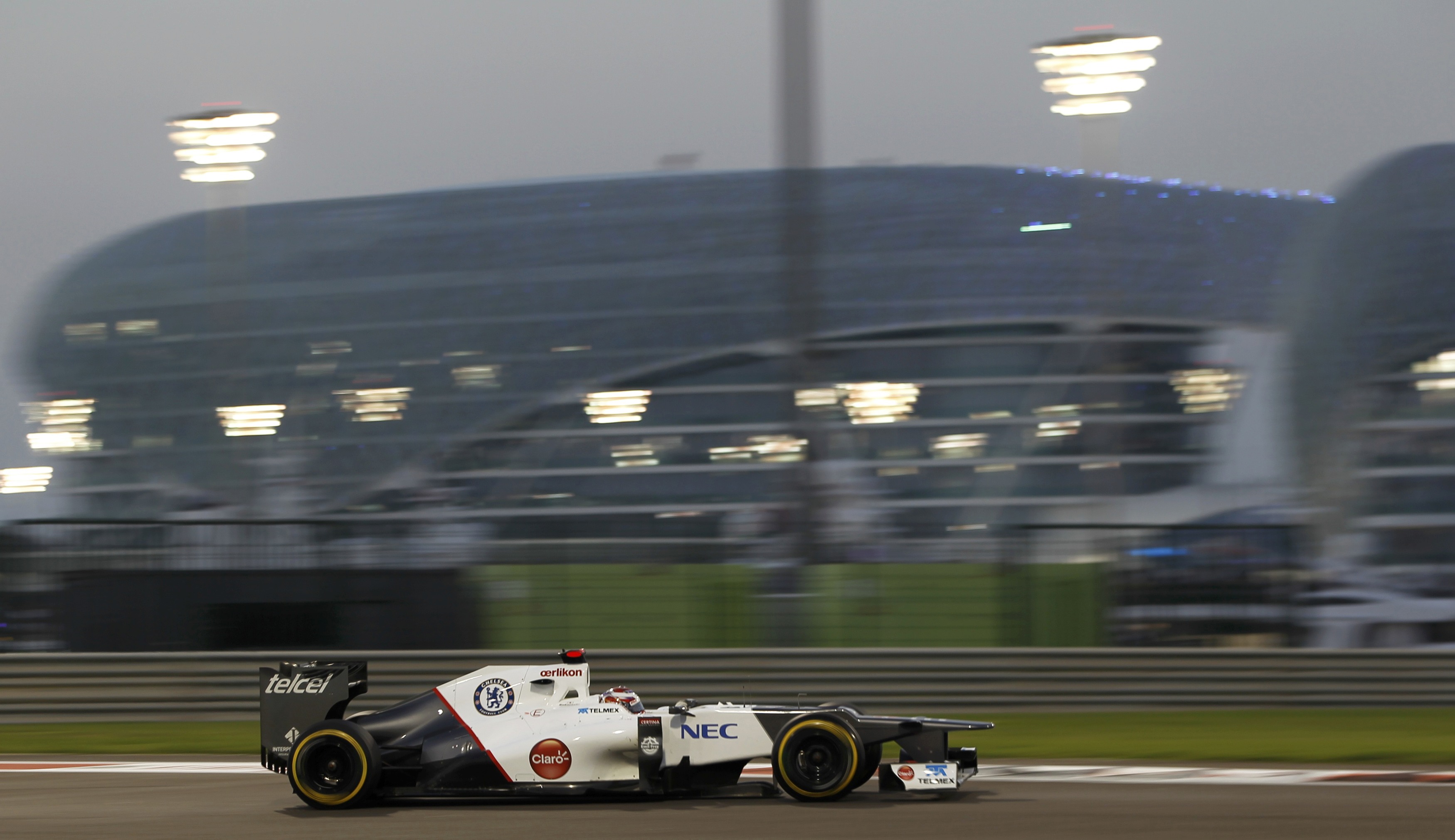
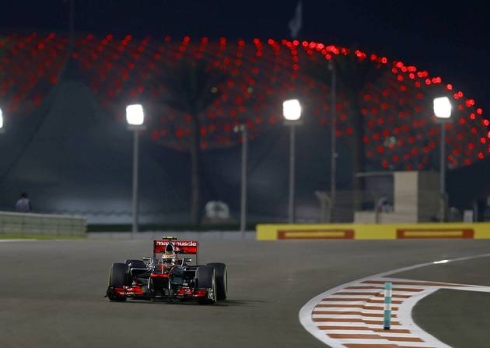
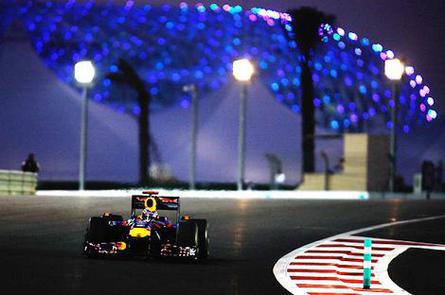
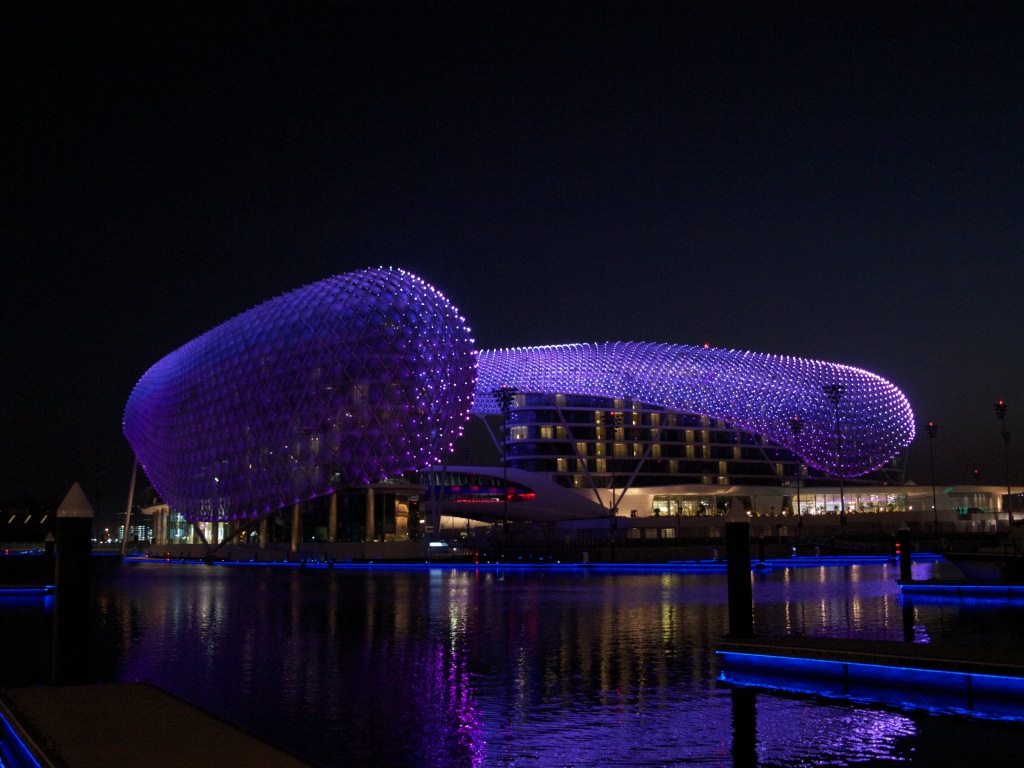
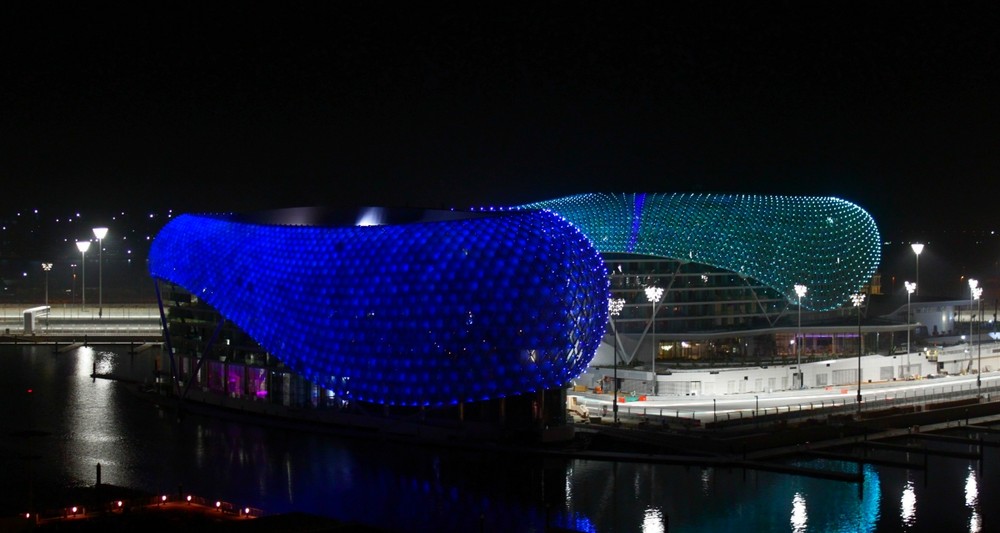
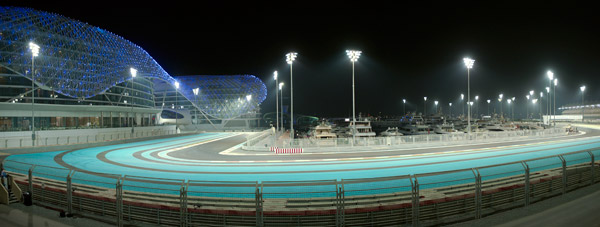
Light Watch 3-171: Testing is also key to Formula 1. With the dust of the Abu Dhabi F1 race last night still settling we could again admire this beautiful circuit where the race starts late afternoon and finishes well after sunset under the purposely build lighting. The YAS Marina Hotel with its LED roof structure the big eye catcher…
 The long awaited book compilation of Martin's first year of blogging is available. Order now.
 Feedspot Top 100 Lighting Blogs