
ROI
Perth-Singapore 11th March 2013
Calculating return on investment (ROI) is quite a daunting exercise. Over the last couple of days I have been putting together an ROI for replacing the conventional lighting in a hotel into sustainable lighting solution principally based on LED technology. The simple part is to compare the energy saving that can be obtained on a point by point basis. However the more efficient and performing LED lights may require lesser quantity to obtain the same lighting levels. The thing is that LED does not behave in exact similar ways of distributing light as halogen or compact fluorescent lighting, so in configuring a new lighting layout we need to take into account the different performance qualities of LED compared to the existing traditional lighting effects. It has to be noted that often earlier rounds of energy saving have resulted in compact fluorescent lighting installation with poor lighting levels, loss of mood and ambiance as well as the ability to dim and control the lights, with the original lighting controls not set up to deal with non-dimmable CFL.
One of the most sticky points in assessing ROI is the lifespan of LED lighting. Too many “wild” claims are being marketed by the LED Cowboys, with the serious manufacturers gradually coming to grips with the fact that the early day proclamations of 100,000 hours were grossly overstated. Lifespan ranges from 25 to 35,000 hours seem now much more realistic also because LED is as good as it weakest link. Picking a figure is now anybody’s’ educated guess. But as we have to start somewhere the manufacturer’s data are still our only reliable source as no one has really managed to truly establish the LED life span.
Then comes the aspect of electricity costs, which also greatly varies from country to country, the time of the day and the commercial user rates that some corporations get. In some countries the electricity rates are so low that an ROI based on energy costs alone does not cut any logic. The big impact on the ROI, provided the lifespan figures hold, are really the maintenance savings in lamp replacement labour and costs. It turns out they may well be the biggest influencers of the ROI. There is still another more unquantifiable saving to be added which is the saving on power and heat management. But as this is not my core expertise I cannot really say how much that would be, though I reckon that could be quite substantial….
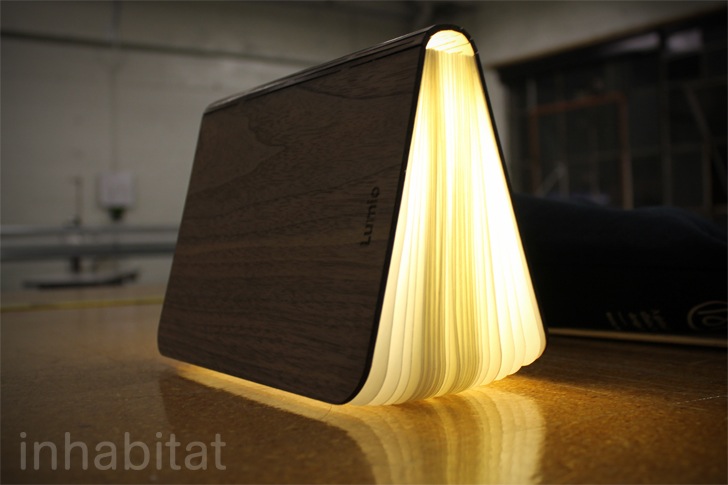
Light Watch 4-42: It is interesting to see that design sites like Inhabitat have a section dedicated to LED lighting. As I was studying the ROI of LED’s it was a coincidence I stumbled on an LED light in the shape of a book! Made me think of my new Yoga laptop…



All that Jazz…
Perth 8-9th March 2013
Weekend edition…I got caught up last night in a very enjoyable jazz concert at someone’s home. One of the big things in running your own company is that you don’t really have a time off. You take it when you can, weekends and public holidays don’t really work for us. We need to be flexible and adaptable to the circumstances, which by the way is a good mantra for life anyhow! If not, you can never be open to opportunities! That holds for business as well as for your private life. So when I got a last minute invitation to join some friends for a night of impromptu jazz at some one’s home I immediately said yes! Knowing that the musicians were all retired professionals was even more attractive! Some of them having produced CD’s in the past! It was absolutely enjoyable of the highest quality and re-ignited my own desire to play music. I used to play (base) guitar in a R&B band in my student years, but that seems long gone and forgotten. I still have an acoustic guitar so maybe I should pick it up again… 🙂
Having a balance in life is crucial, so developing a life besides your work, regardless how passionate you are, is really important in my view. You need to be able to step away at times, recharge your batteries; have a change of environment, so you can better appreciate life in general and your daily work specifically! Have a great weekend!
Light Watch 4-41: Lighting is very much about light and shadow, bright and dark. The following images give you a bit of an arty feel on all that jazz…




Myth Busters
Perth 7th March2013
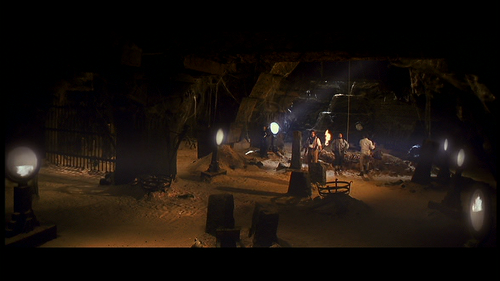
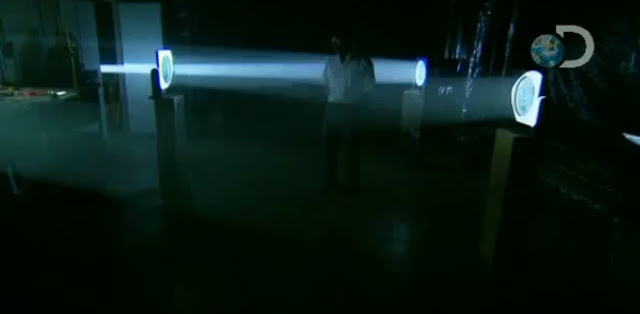
I don’t watch that much TV but occasionally I do and a few days ago I caught a program called Myth Busters in which they tried to debunk a “Myth” as seen in a movie (I believe the Mummy) where they channel sunlight with mirrors to deep inside a pyramid. They wanted to figure out whether the Hollywood movie’s depiction of the lighting effects, were based on reality. So obviously when they started to talk about lux levels and reflection properties of materials I sat up and focussed a bit more. The object of their program was to find out whether the “myth” is busted, plausible or confirmed.
They actually went about it quite professionally and systematically, by first determining the references from bright daylight to the minimum level of light needed to safely move through an area without knocking over any objects (in the movie scene they come from bright daylight into this dark tomb that is full of treasures; and to find their way they use a set of mirrors to illuminate the interiors). By systematically dimming down the lighting levels they figured out that 0.39 lux was the minimum lighting level needed to safely move around. Considering that full moon is about 0.25 lux, an acceptable outcome. Comparing the movie images with reproduced reference lighting they estimated that the movie brightness would have been 200 lux in the beams…
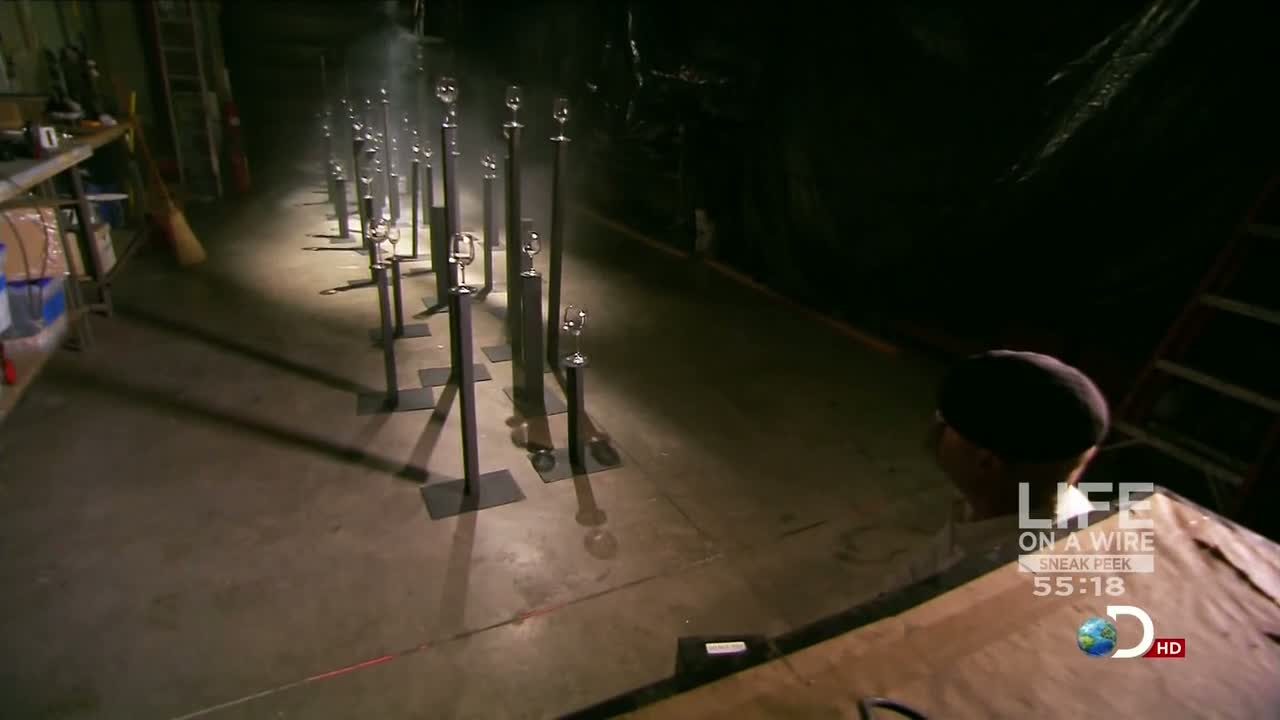
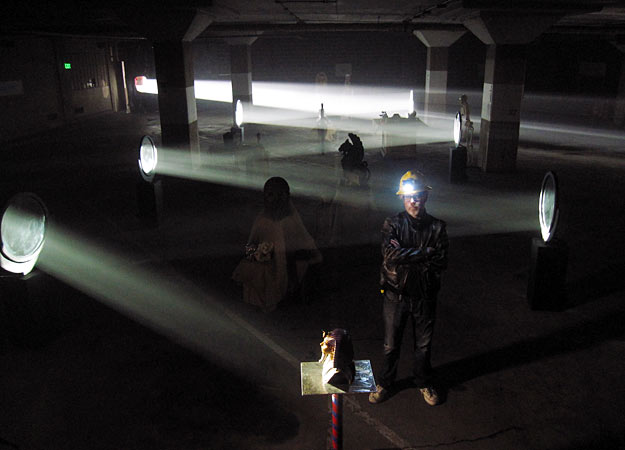
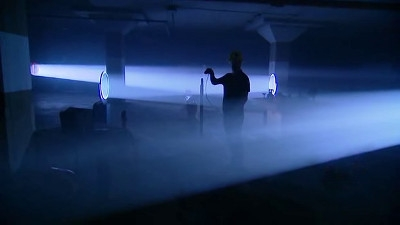
They ten set out to put the mirrors more or less in the same configuration in an underground area and tested different mirror materials; polished metal and mirrored glass. They figured out quickly that polished metal diffused the light too much and could not reach further then the first few mirrors. The glass mirror however produced a fine reflected beam that reached all the way to the last mirror achieving in excess of 2 lux…so far so good. They also worked out that if someone intercepted the beam with their body (and white shirt!) at the end, light would be nicely scattered in the space! Yes! Lighting levels up to 8 lux, so definitely enough to safely walk around, but definitely not the 200 lux anticipated! So while bringing in sunlight all the way down was found plausible, the part that got busted was that the sun does not stay in the same position so any fixed set up with mirrors would have only lasted minutes….
Light Watch 4-40: Here are some images, first the original movie scenes, then the re-enacting.
Collaborations
Perth 6th March2013
Today my day was all about collaborations. First I had meetings in regards to a project which is collaboration between the city, a property owner/ operator, a sponsoring supplier and finally myself as the lighting designer. The collaboration was needed to achieve economy of scale through balanced participation and funding. Collaborations/cooperations are a matter of trust and respect, just like in any relationship; it is the fundament on which we build a successful project. The high profile project requires funding so the sponsorship is critical to its success, but as it should be win-win for everyone it is important to look at the exposure and follow up projects that can make the sponsorship investment worthwhile…
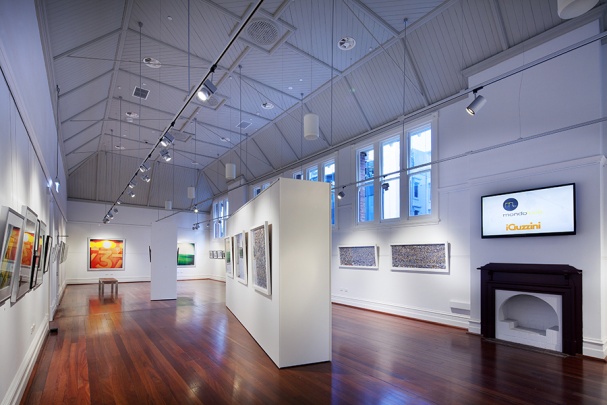
My other collaboration event was this evening when I attended the 18 year celebration of Mondoluce, one of the leading lighting suppliers in Perth. A sort of coming of age as in Australia you are considered adult when you reach the age of 18! One of the key ingredients of the evening was the longstanding collaboration between IGuzzini and Mondoluce. It is great to see such long lasting collaborations between manufacturers and local suppliers, because the trust between the two is reflected in the projects. I have seen too many manufacturers change their country suppliers by just the stroke of a pen. Consistency and reliability is a great virtue in the lighting supply world, hence I can but applaud the long relationship between them, it has brought me as a specifier, peace of mind. I know when I specify their products there is a team behind it. As much as I like good products, if the team behind it is not up to scratch, I simply do not have the peace of mind…
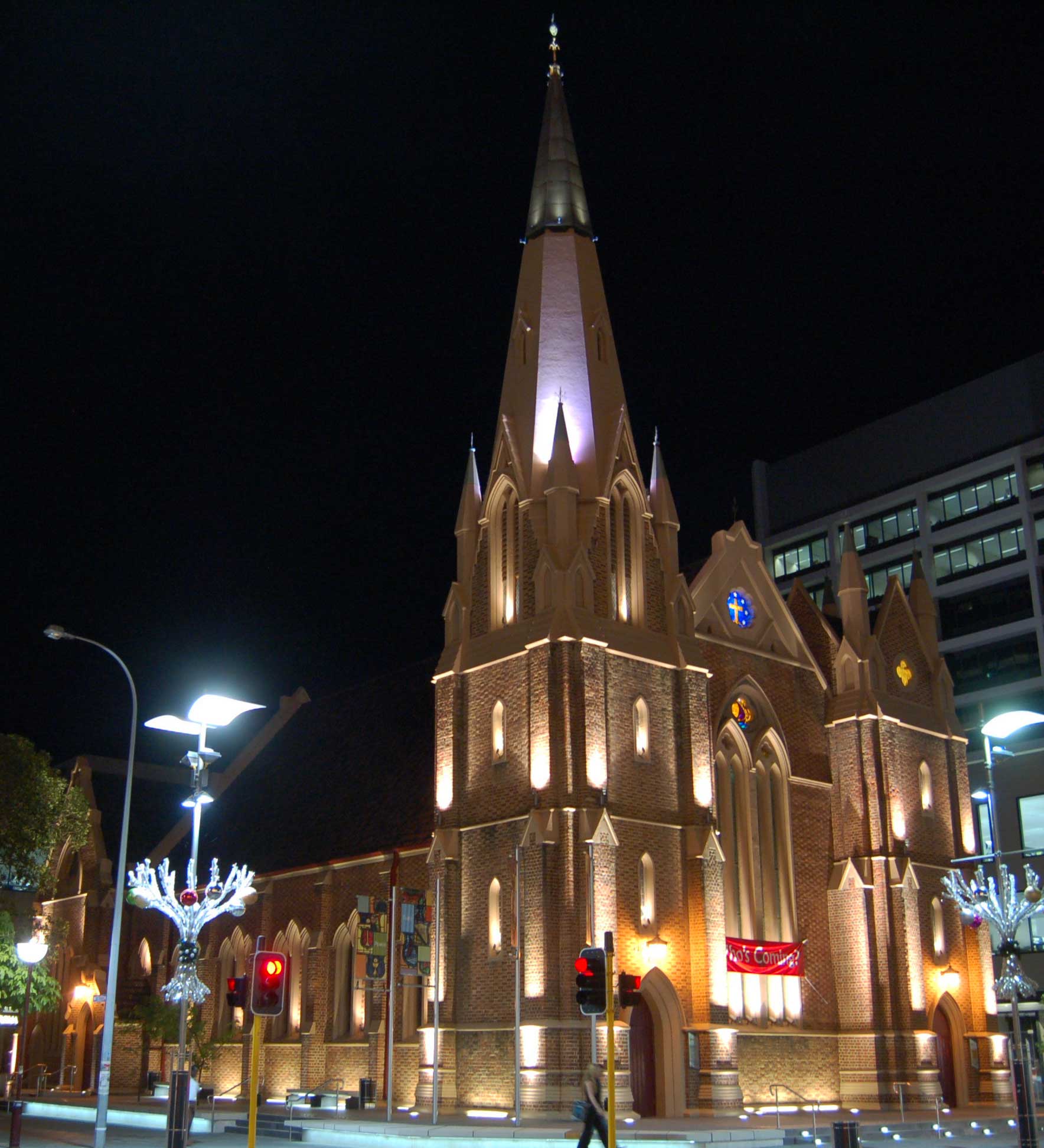
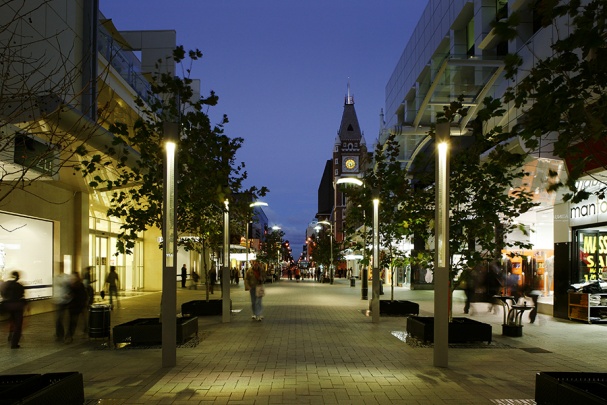
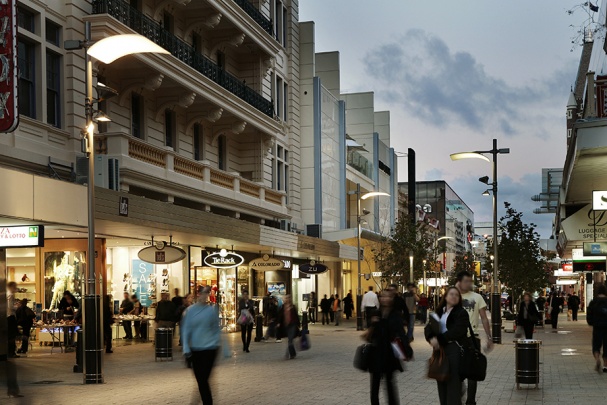
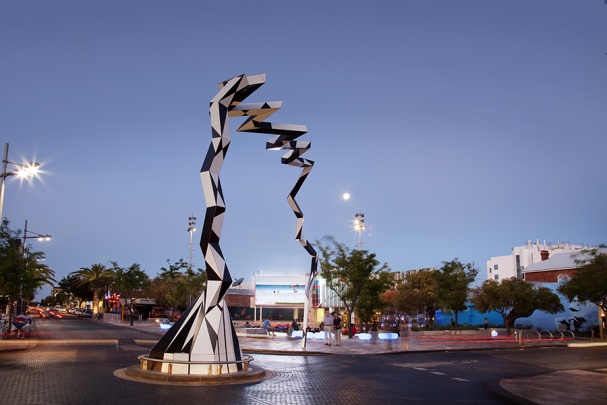
Light Watch 4-39: Great relationships result in great achievements, Perth, is a living example of the many Iguzzini projects that have been accomplished in the city. Here are a few.
Towards zero energy
Perth 5th March2013
As you may have noticed I am a bit more relaxed with my blogging, but yesterday I had a legitimate reason not to blog, it turned out to be a public holiday on arrival here. With all my travel I am losing sight of public holidays. It is only when I called my client to confirm our meeting yesterday afternoon that he replied: “Sorry mate, public holiday today…!” There you go, so we met today 🙂
My meeting had everything to do with sustainability, but I found an interesting aspect to our sustainability study. The property for which I have been preparing a lighting assessment report had over the years changed its incandescent lighting technology into compact fluorescent lighting (CFL) technology with interesting results. It is obvious from the moment that you step inside that there is no mood, insufficient lighting levels and that overall the place misses spark and visual interest. Clearly the result of the “impotent” CFL with poor performance and poor light qualities, there is just ambient light, no contrast. So while to a great extent the goal of a low watts per meter square was realised the complete character of the building interiors got lost. In the process (courtesy of the non-dimmable CFL) the lighting controls also got de-activated with as result the lights being on 24 hours a day, despite ample daylight in the interiors.
Our study shows that there is little energy to be further saved by switching to LED lighting, as the little that can be gained would be mostly offset by the additional lighting required to bring lighting levels back to complying standards. The big savings will happen by re-introducing lighting controls which will allow day light saving and after hour settings…
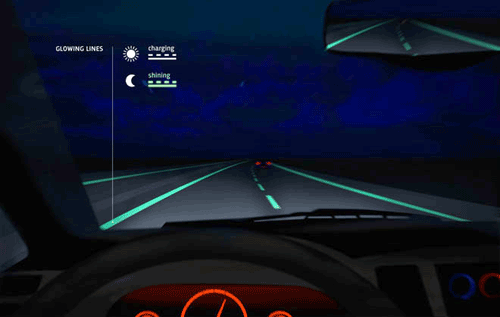
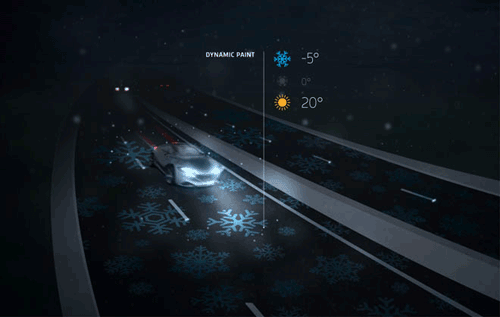
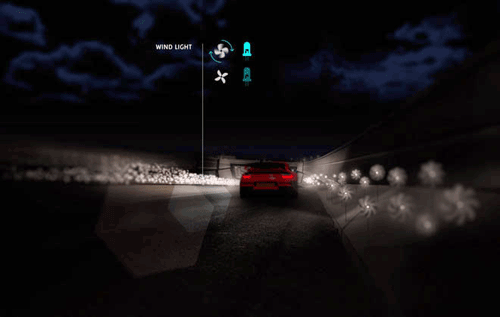
Light Watch 4-38: All over the world people are trying to find ways to harness natural light to reduce our dependence on artificial energy. In Holland studies and tests shows that using photo-luminising powder in road surfaces is very effective and can replace road markings. It was reported that by the middle of 2013 the Netherlands, always in the front row when it comes to innovation, will start using this technology on its roads, thereby greatly reducing the need for road lighting. The temperature sensitive paint will allow it to pop up under icy conditions for instance, helping car drivers to understand weather conditions. It is studied as an interactive concept with street lighting (powered by solar or wind energy) complementing as needed depending car movements.


Generation Y
Kuala Lumpur- Singapore 1st March 2013
First congratulations to our Grace, who this afternoon delivered a healthy baby girl! Well done, and that considering she still came to the office this morning! Now that is dedication for you :). We wish her, her husband, little Lionel and her family all the best with the new baby! These are happy and proud moments, also for us at the office! Will the baby girl turn out to be a lighting designer in the future, just like her Mum…?
So as I write this blog I can’t help but think about the new generation and how they grow up in such a different world as we grew up. When I started my career in lighting design we did not have computers let alone all these social networking ways. I am struggling to keep up with it (I have a twitter account with quite some followers, god knows why, as I have not tweeted for more than a year!). But today’s generation is literally born “with” computers and social networking, with the first pictures probably taken with an IPhone and uploaded to Facebook within minutes! I have a Facebook account solely to keep up with my kids, but the younger generation in our offices communicate constantly through these mediums. Skype is my only serious communication tool, besides my phone and text messaging. E-mails are already getting old fashion I feel, or better being made to feel! 🙂
Even in our daily work I can see that the new generation struggles to make sketches by hand, preferring to use computer programs to create or illustrate their point. I once saw a movie, forgot the name, where life was taken over by ever young “substitutes” from yourself, while the original you was just sitting in a chair linked to electronics controlling the substitute carrying the work out for you in “real” life…scary…are we going that way? I sincerely hope not and that the new generation will find a balance between the IT-age and real nature, our planet and our own human (motor) skills!
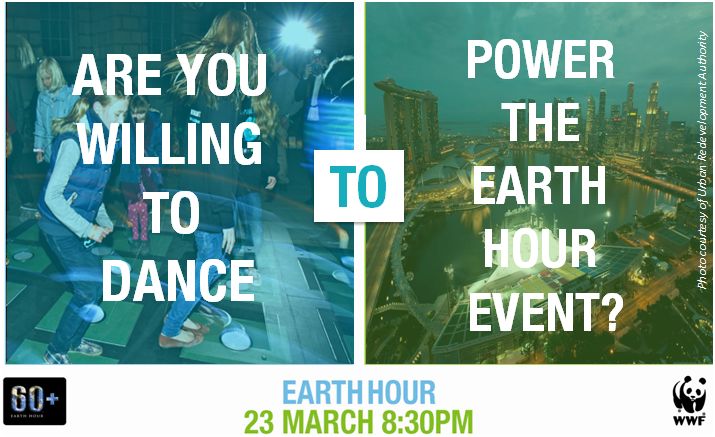
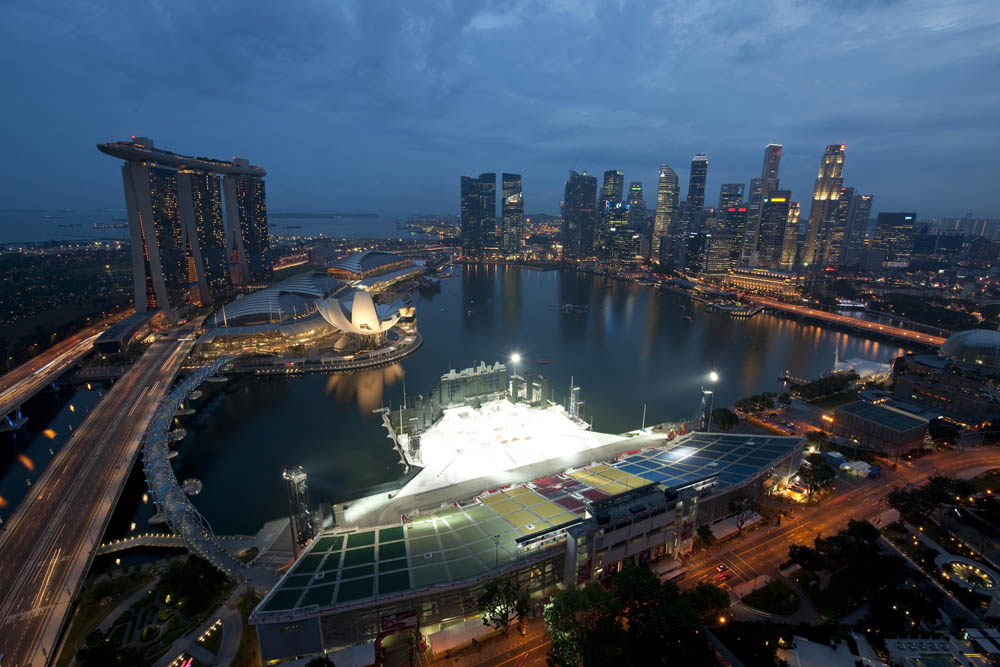
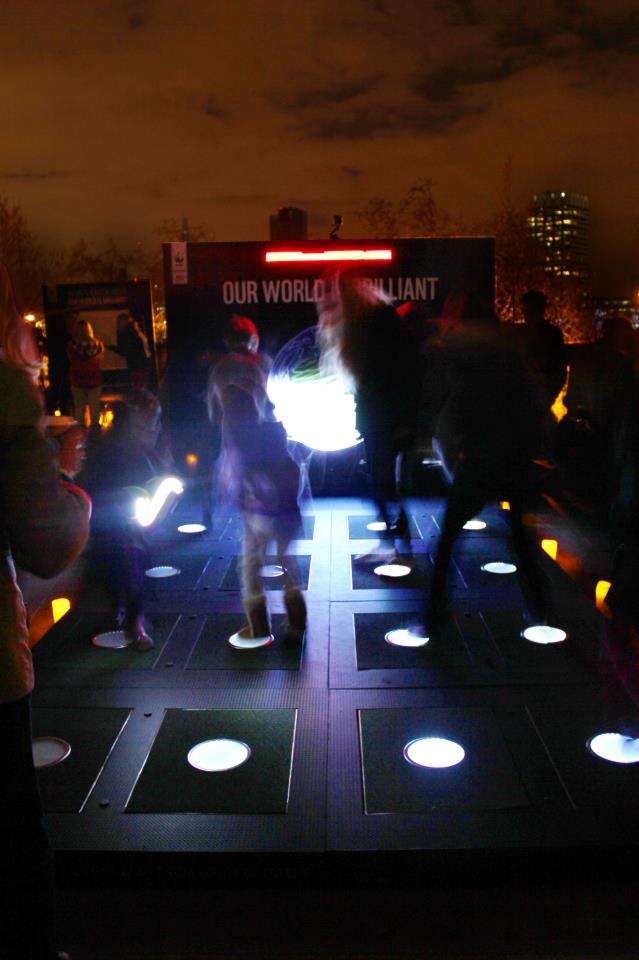
Light Watch 4-37: Appropriately this year’s Earth Hour activity in Singapore are launching an event called Dance 2 Power, where the audience will have to generate their own energy to watch the event. This is done by using and interactive dance floor that will convert the energy from their dancing into power for the lights and other!
Seeing is believing
Kuala Lumpur 28th February 2013
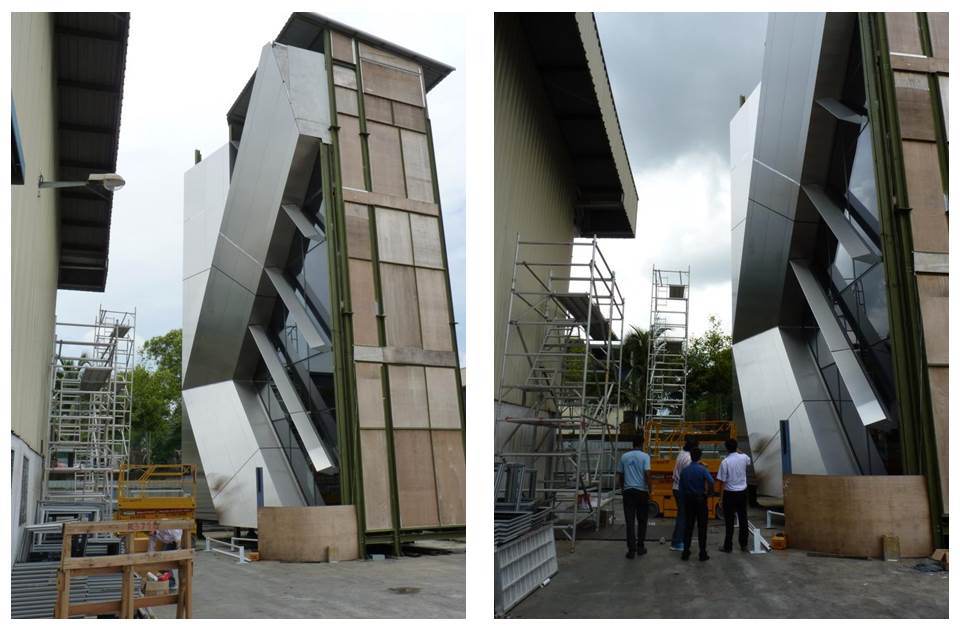
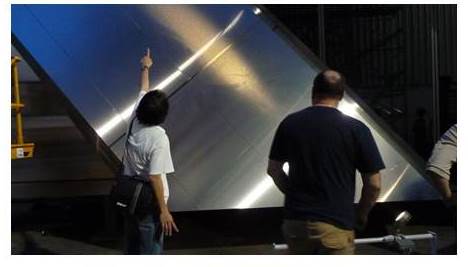
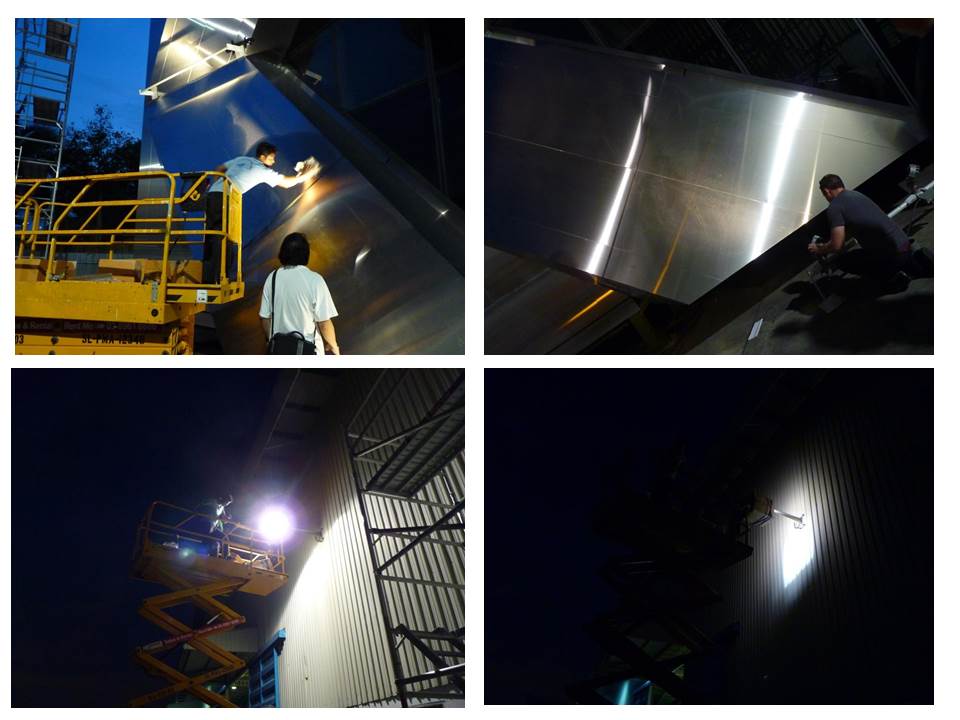
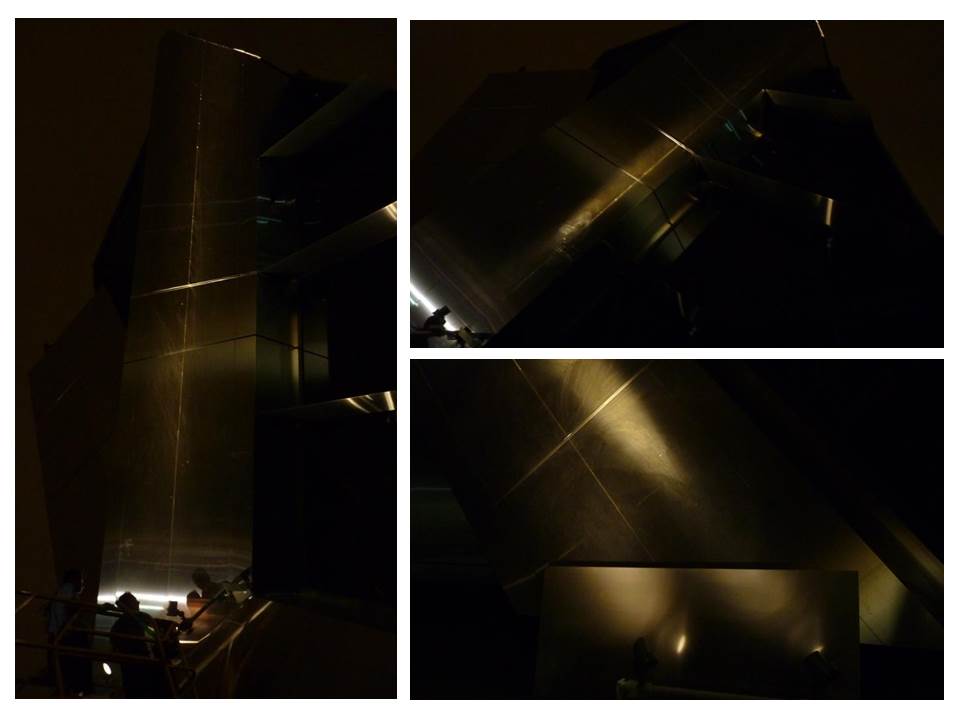
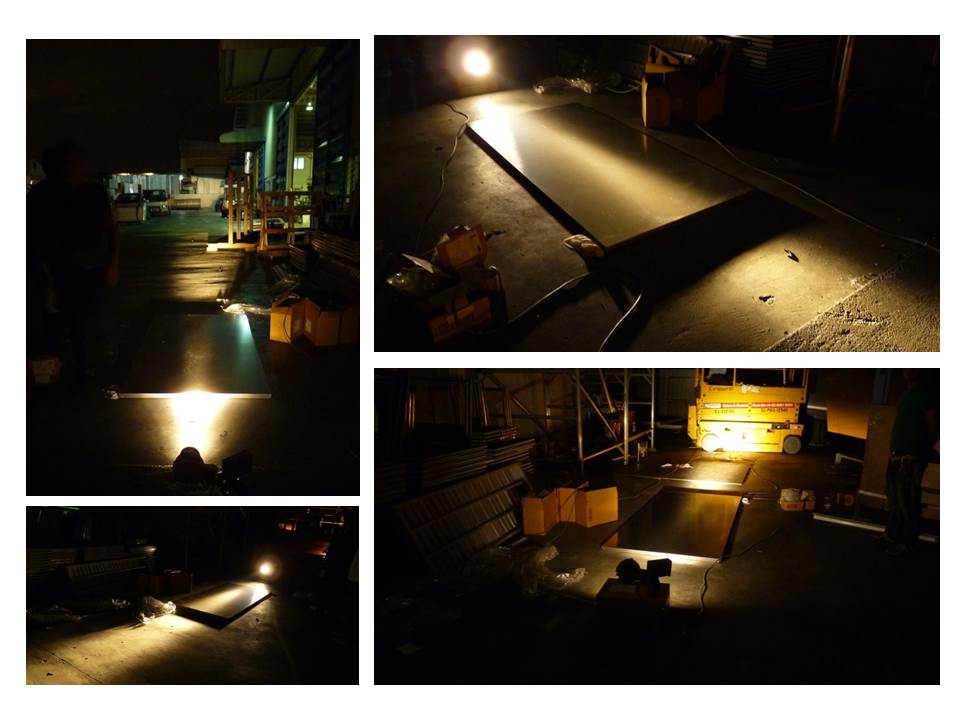
In Kuala Lumpur today and tomorrow…follow up on one of my previous blogs on doing visual mock ups. We spent the afternoon preparing the site and mock up for our night time testing. While we did a very rough test a few month ago on the actual site on a bare concrete column that was rising out of the ground, the objective of today’s visual mock up was to test the interaction of the light with the selected cladding material. A section of the façade (about 3 floors) was build on an industrial site, in first instance for the architect to assess and address construction issues. But with the mock up being cladded with the actual material finishes, it was also an ideal opportunity for us to test the lighting. For the purpose we had the manufacturer assist us in rigging up a number of floodlights with a few different beam angles and accessories so we would have enough flexibility in testing positions and aiming directions with the aim to confirm our lighting design.
However life never follows a straight path! Arriving on site the first thing that struck me that it was tucked away in a corner with little room to appreciate and asses from a distance, the factory building standing in the way. The dusty environment created a very dirty cladding which was immediately revealed with lighting; we needed to spent some time in cleaning the cladding first! The next hurdle to clear was to illuminate environmental light pollution. Yes there will be surrounding city lights in real life when completed, but we had to deal with two glary street lights (which we had to box up) and bright factory interiors (uncontrollable), both creating very disturbing reflections and distraction to our tests. Finally we found that the test rig prepared by the contractor was of such shoddy quality that we had to improvise to get any lighting set up!
In the end we did manage as good as possible to execute some lighting tests, enough to understand how lighting will interact and how we will need to adapt our design to make it work. Seeing is believing…
Light Watch 4-36: Here are some pictures of tonight’s testing…
Decisions
Singapore 26-27th February 2013
Yes I did not blog yesterday…Life is all about decisions, decisions, and yesterday evening, as I was about to start writing my blog, I got an unexpected visit of a dear friend, the decision was easy…the blog can wait, not my friend :).
Today has been largely filled with working on budgets. A tough challenge as there are always many unknowns and variables. Yet it is crucial to get a feel of the budget and the estimated costs of your design. Too often we get too far ahead of ourselves and come crashing down when we discover that the client has only a fraction of the budget available for your lighting. So getting on to these estimates as early as possible is good, but oh so challenging. I am costing the budget for a total LED upgrade for an existing old hotel for which I recently did a lighting audit. The challenge in my case is that I have not done the re-design yet, in fact I need to estimate the cost of re-design in the overall costing plan (no problem, always good if you can factor in your own potential fees for future work :)).
This particular client needs a budget to assess the cost of re-lighting his property. After having been bombarded by LED Cowboys telling him that their LED products were the best the client, totally confused and lost, turned to a professional lighting designer to provide him with due diligence and neutral advise on which they can then make informed decisions. So what are the cost elements that need to be included? First of all the cost of the new lighting fittings (assuming we are not retro-fitting) existing lights, then we need a figure for the installation costs for each lighting point. But more complicated is the need for re-wiring. In my case I am recommending re-circuiting the lights to allow zoning and better controls to bring the energy management to sustainable levels! There is an existing dimming system, which most likely will need to re-programmed and upgraded…nice little challenge…decisions, decisions J
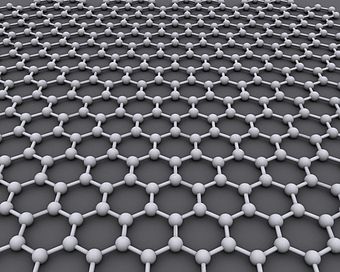
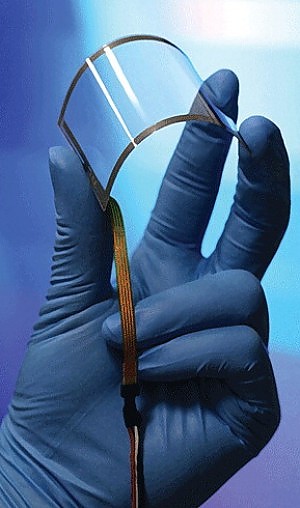
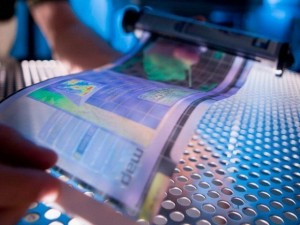
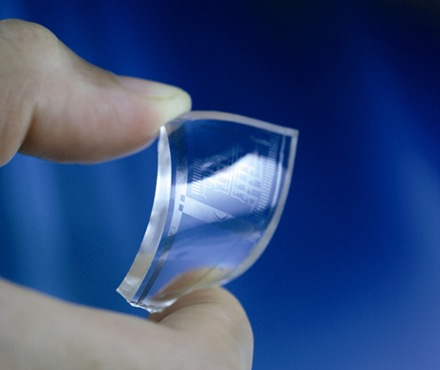
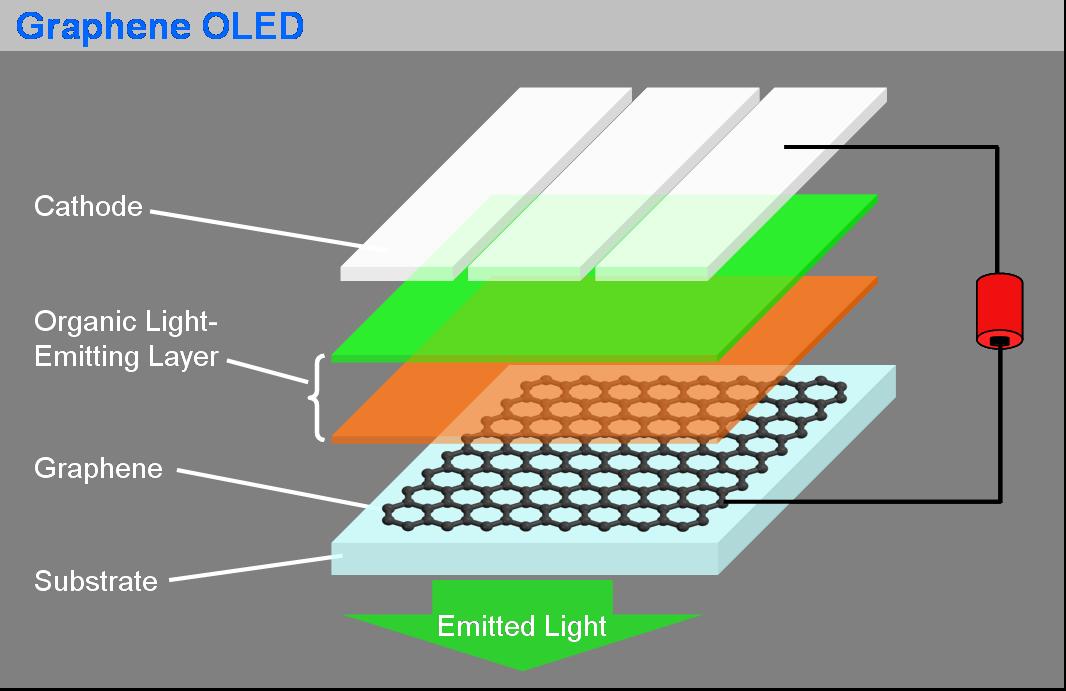
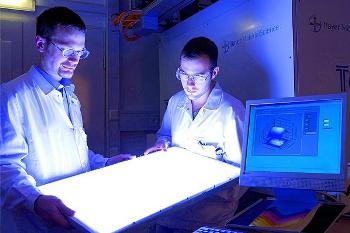
Light Watch 4-35: Selecting light fittings in our profession is a challenge as well! Technology moves so fast that what’s on the market today is outdated tomorrow! One of the latest technological developments (I may have blogged about it before) is based on nanometer thin conductive Graphene technology. It us ultra strong, ultra thin, ultra conductive and ultra flexible! Already it found its way in the new generation OLEDS.
Lighting and Culture
Singapore 25th February 2013
Back to reality of work…in Singapore with a big stack of things to clear on my desk. Time management is key to our profession so we always try to achieve economy of scale and delegate or redirect as much as we can. I am confirmed as a speaker at the Lighting Concepts Summit in Doha, Qatar later this year and I have been preparing my presentation so I can sent an outline of my topic to the organisers for publishing. At the same time I had to write my regular column for Lighting Today Magazine so I combined my creative writing juices to share the topic for both. Of course my presentation will be 45 minutes or so while my column is only about 800+ words without images, not exactly the same but the intent is the same. And since I am at it I use it for today’s blog as well…
I cannot reveal too much details of my presentation of course but I can certainly give the general angles on what I am going to talk about in Doha. The title will be “Lighting design and local culture” in which I am going to lead the audience along the path of how local culture influences (or not!) our lighting design process. For most of us lighting designers our projects are spread over many different countries and thus many cultures. We do not really have any boundaries when it comes to work. Today we have a project in Korea, tomorrow in the Maldives. Climate, geography, population, food, local culture (including architecture) and people determine the ingredients of the project location.
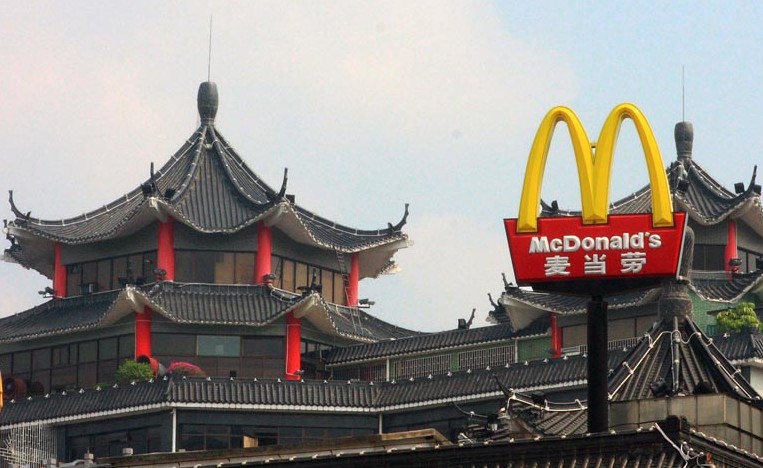
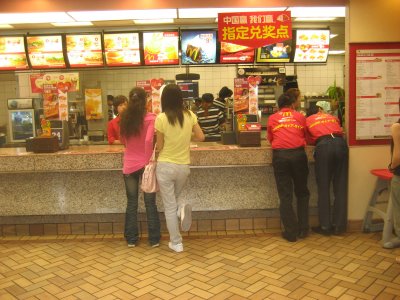
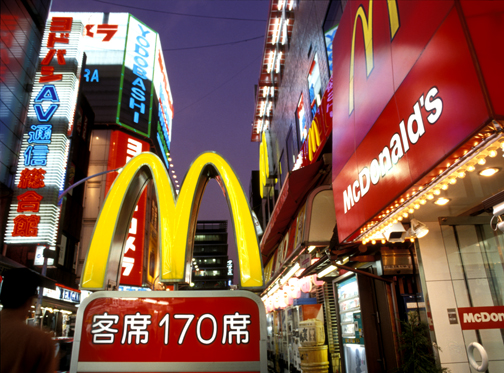
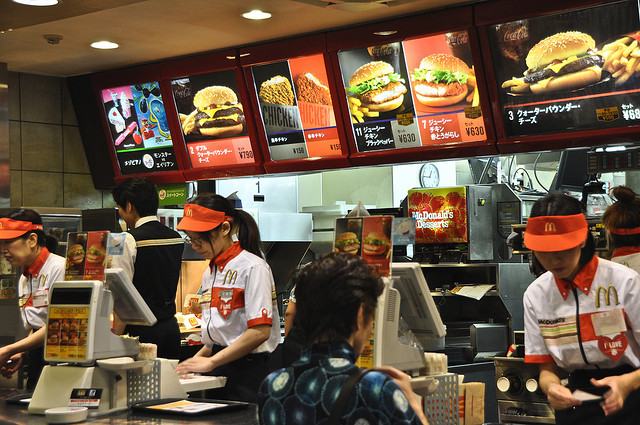
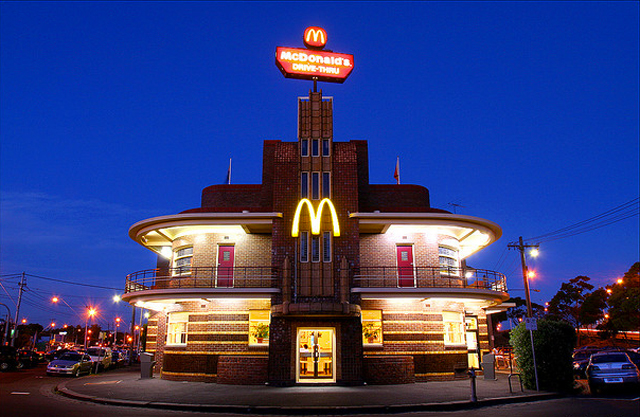
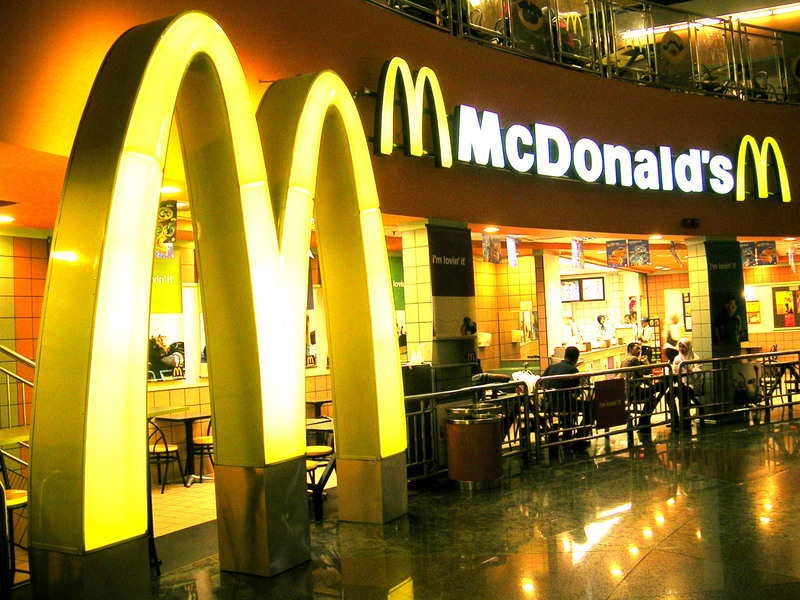
The Google portal and the increasingly easier travel (budget airlines!) allow people to sample and experience other cultures and their designs from around the world at their fingertips or in person! It is therefore not surprising that we find a “Chinatown” or an Italian restaurant for example in virtually any city we go around the world. But some things are universal; the Mac Donald’s concept in Shanghai is the same as MD in Melbourne except for the language and currency. So we find on one hand the globalisation of brands and images (think retail and F&B outlets) which look the same wherever you are versus the localised interpretation of concepts. The difference is culture and the question is in how far does lighting design play a role in creating that local feel?
Light Watch 4-34: McDonalds Shanghai, Tokyo and Melbourne…
The “Diva”
Bali 23rd February 2013
You have to excuse me but indulging in a $1000/night retreat is not an everyday thing so I preferred enjoying last night rather than locking myself up to write my blog! I am still in Uluwatu, Bali but writing this blog poolside, in my own private villa, courtesy of my client…thank you!
One of the things that always amazes me is how some designers get away with “diva” attitudes. Given, some are really “celebrities” and their extravagant behaviour is somehow expected or better said tolerated but most of the time it shows total disrespect to the rest of the consultant’s team. In one of our projects we have such “diva” who never fails to arrive late, sometimes up to half a day! Not just 1or 2 hours. It may happen once, but this has been a standard occurrence ever since I got involved in this project. They then come in with much fanfare and we than need to sort of recap presentations for their sake…double waste of time! And on top of that this “diva” is not really an internationally acclaimed designer…
Project meetings, which involve international consultants, are generally tightly managed as we are all together for only one or two days and cover as much design issues as possible during that short time. These meetings are generally attended by the company or project directors hence all our time is expensive…diva or not 🙂
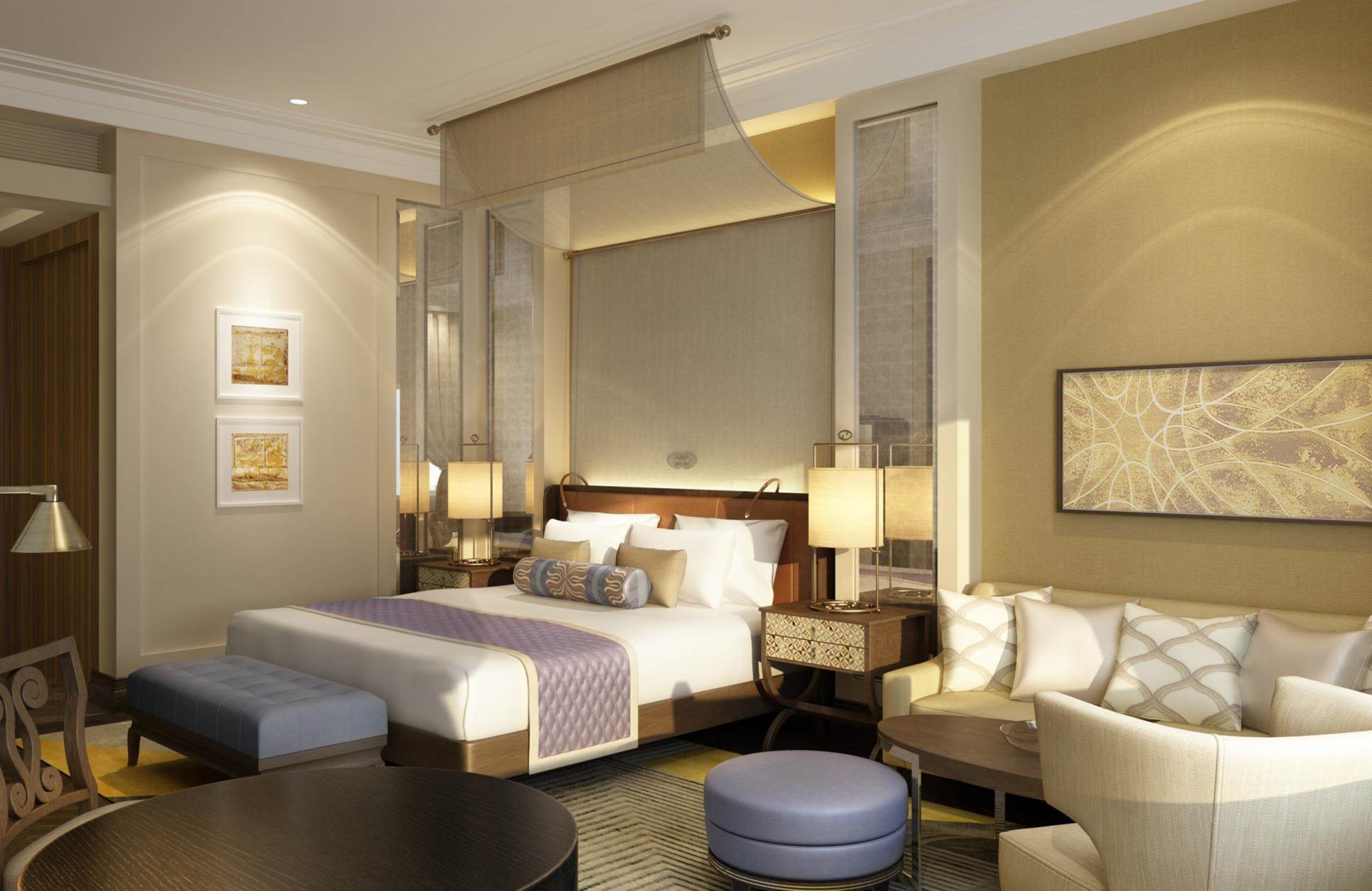
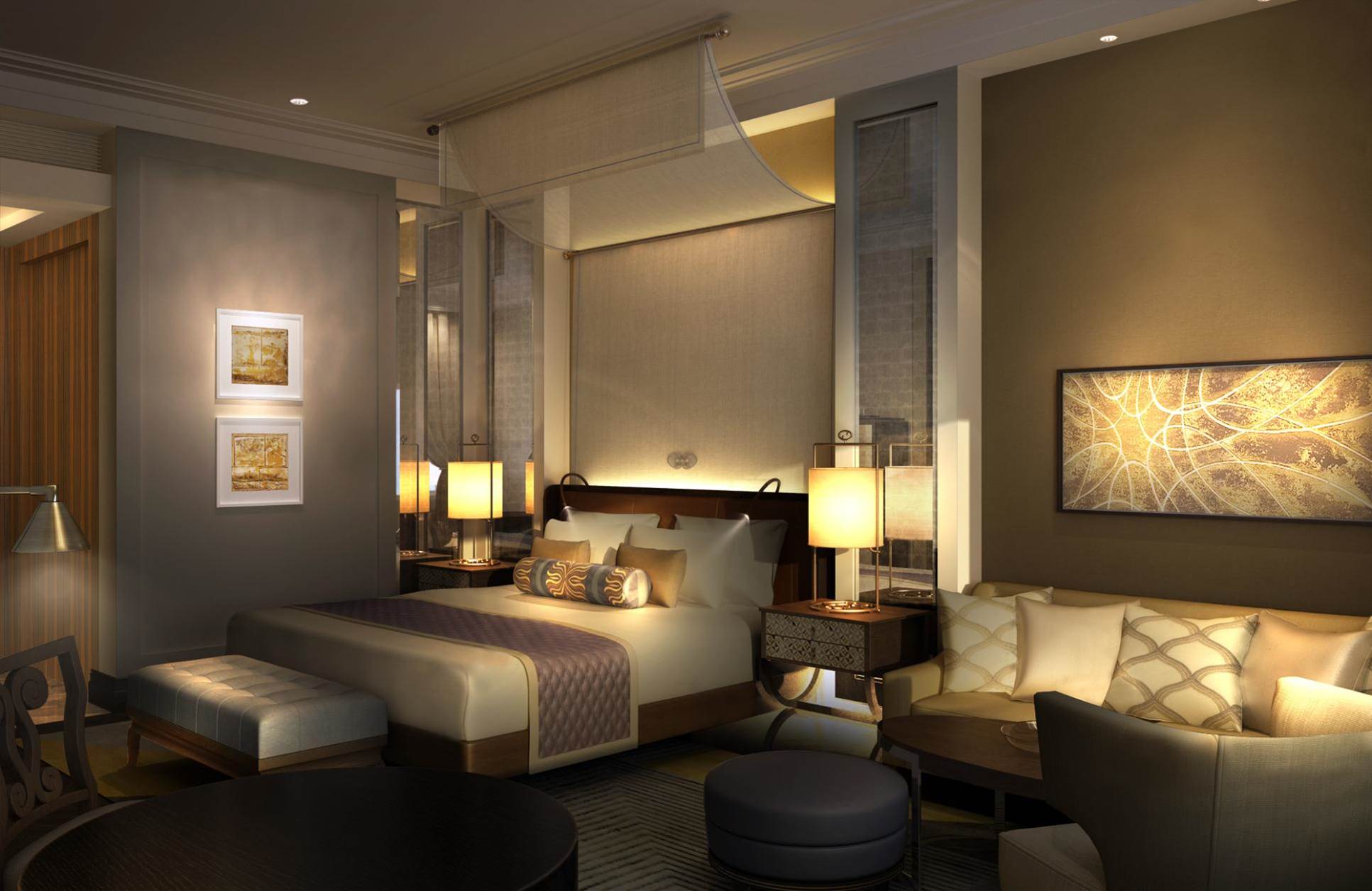
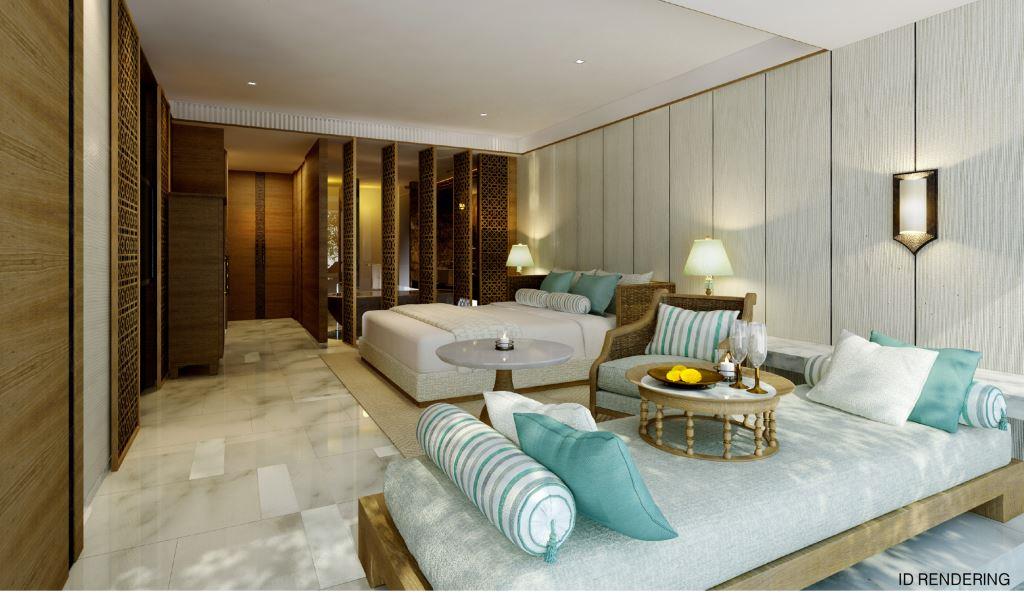
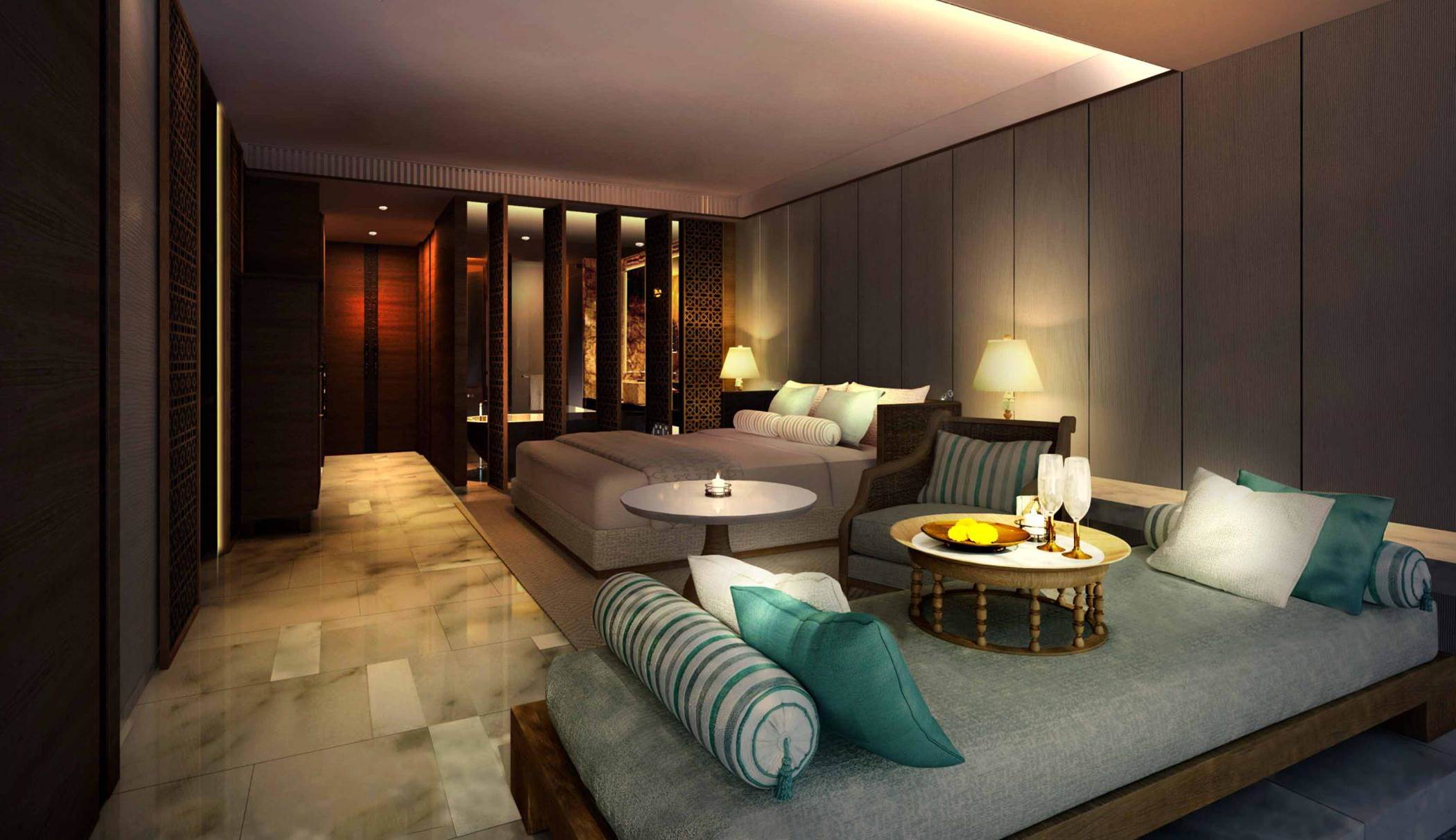
Light Watch 4-33: In my last blog I showed you the difference between a beautiful rendering and the actual site conditions, with a site picture taken from the same angle as the rendering. Today I want to share with you how much lighting designers further improve on renderings (at least we do) by showing you a typical rendering by the interior designer and the real lighting design version. That too is pretty much is quite a difference, literally day and night! See below the before and after renderings. Have great weekend… I am going back into the pool!
 The long awaited book compilation of Martin's first year of blogging is available. Order now.
 Feedspot Top 100 Lighting Blogs